We’re excited to introduce you to the always interesting and insightful Neal Forster. We hope you’ll enjoy our conversation with Neal below.
Neal, thanks for taking the time to share your lessons with our community today. So, let’s jump right in – one of the most essential skills for unlocking our potential is self-discipline. Where does your self-discipline come from?
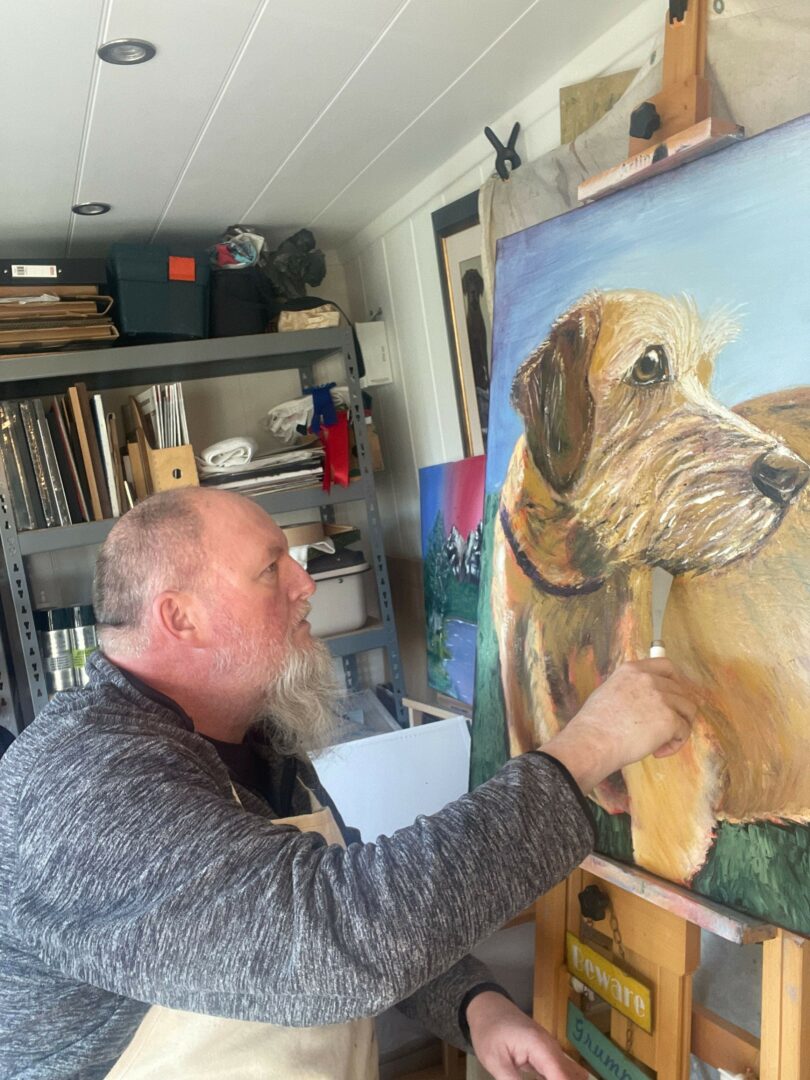
My self discipline was not great as a young person and only really developed when I joined the Royal Navy where discipline was instilled and expected and I quickly realised that self discipline was needed to progress and develop in the armed forces. This skill was further expanded when in the Derbyshire Police after leaving the Navy. Even though I was medically retired from police duties I still use my self discipline to maintain my medication regime and a routine to occupy my mind through art. I attempt to paint most mornings depending on my health and mental state.
Appreciate the insights and wisdom. Before we dig deeper and ask you about the skills that matter and more, maybe you can tell our readers about yourself?
When leaving school quite a few years ago I was offered a place at art college but had to go out to work to support the family and although I dabbled over the years with art it is only after my career was finished early due to a life changing injury that I went back to art with some serious application. I now have my own studio in my garden where I spend a large amount of my time during the mornings when I am at my most attentive. I am able to use my right hand fairly well despite having arthritis in the wrist and hand but have nerve damage in the other arm with constant pain and arthritis particularly in knees and ankles. I often joke that I have so many pieces of metal supporting my body that my wife is trying to get a new man bit by bit.
It is the relaxation and pain management that art offers me and a way to assist other sufferers is the mission I would love to share. Having suffered from severe depression and PTSD after my injury I now fully appreciate what depression really means to people. If I can offer empathy and some tools to work with for those with mental health issues and also produce paintings that speak to the viewer I would achieve so much on every level to improve my own wellbeing.
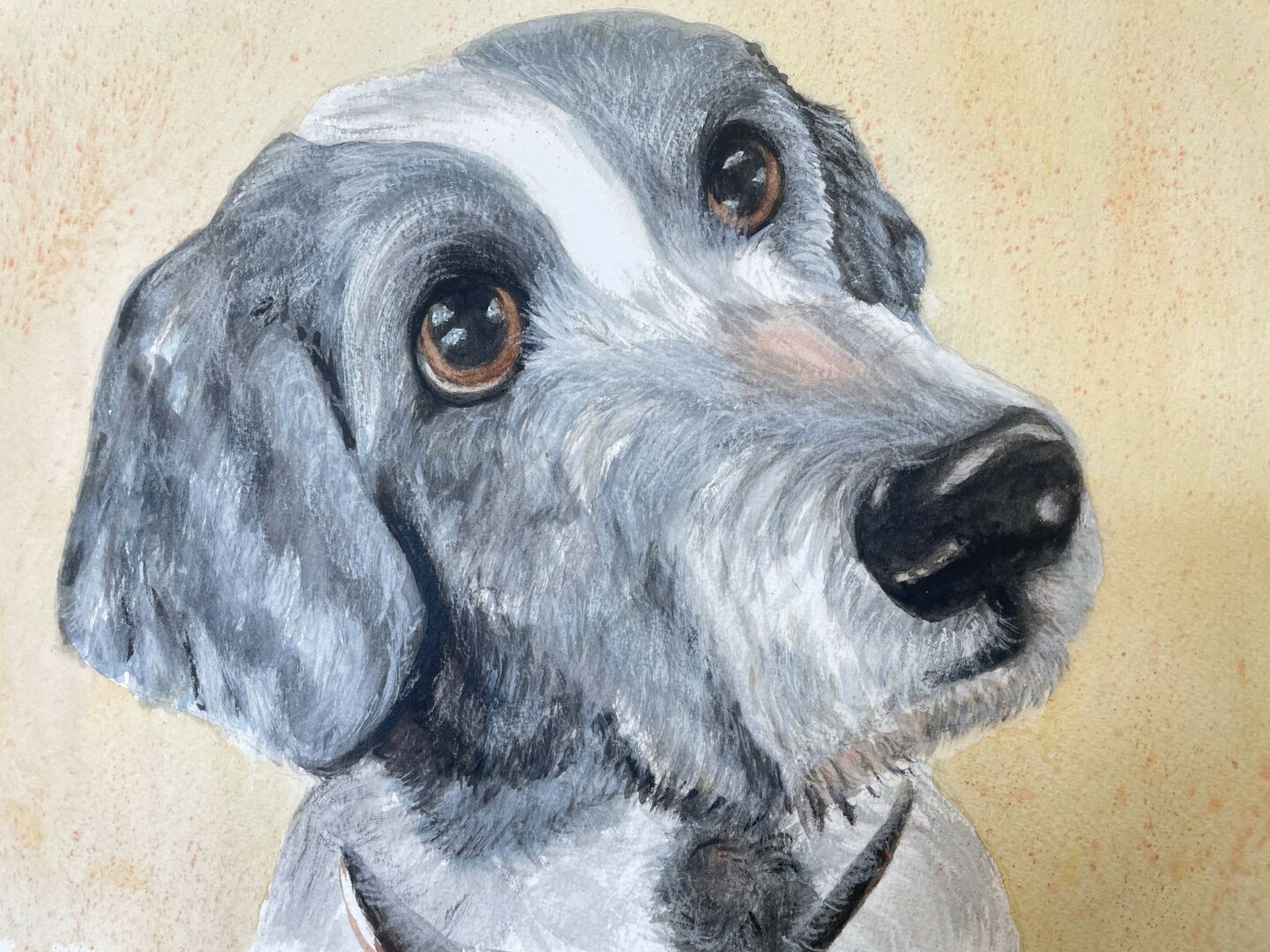
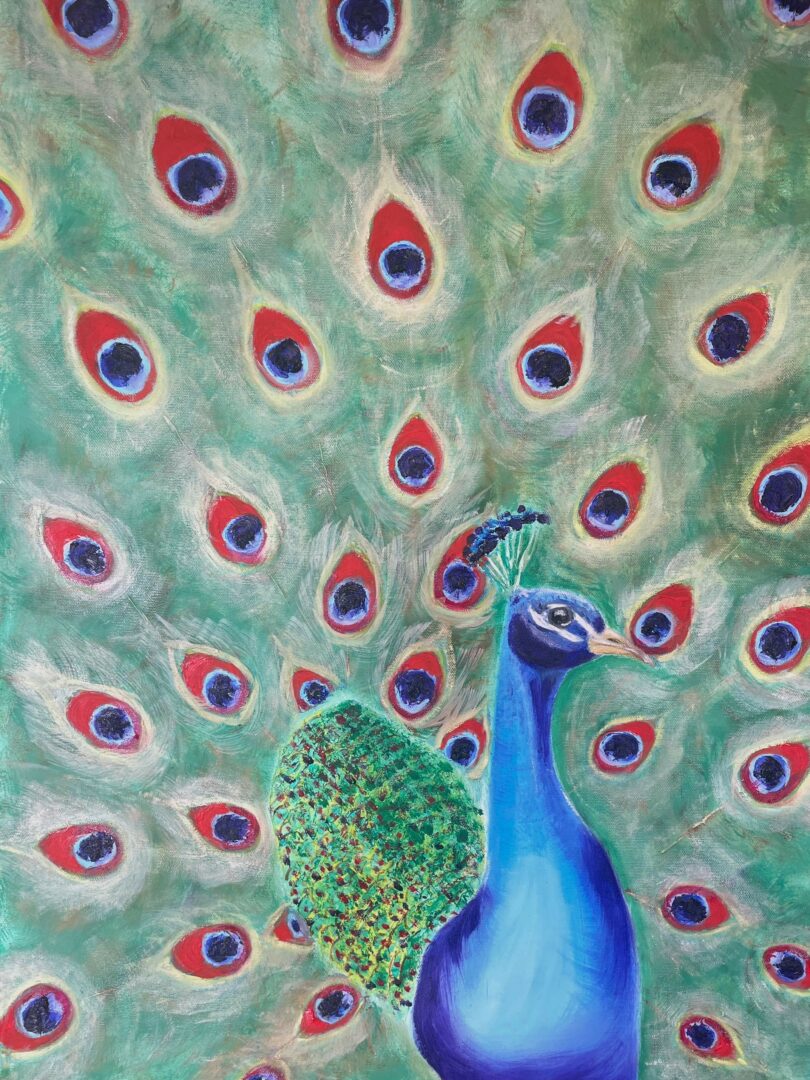
My art has an organic slant penetrating Colour and shape that make you see texture in art and that is what I aim to achieve in my paintings. The use of some bright colour in my art improves my mood and affects my emotions positively. Creating collections of related bodies of work to explore different styles, mediums and subjects building on the organic slant. My use of colour is aimed to trigger your emotions and should lighten your mood to the levels I feel when painting them. As part of my own rehabilitation and to assist others I have donated pet portraits to a couple of dog rescue kennels in the UK and one to Australian Cattle Dog Rescue Association based in California, USA. as raffle prizes. Each of the prize portraits was completed as an A3 size watercolour and posted to the winners after discussions over email.
There is so much advice out there about all the different skills and qualities folks need to develop in order to succeed in today’s highly competitive environment and often it can feel overwhelming. So, if we had to break it down to just the three that matter most, which three skills or qualities would you focus on?
The most reliable skill on my journey are, patience, passion and determination which took me out of my depression and pain to produce art that is loved by me and others.
Art therapy is more than just a term; it’s a reality for me. Despite the challenges posed by my disabilities, including pain management, anxiety, depression, and PTSD, I find solace in my studio. Here, using photographs from my daily life and those of friends, I create stunning works of art that not only heal me but resonate with viewers, encouraging them to see the world through my eyes.
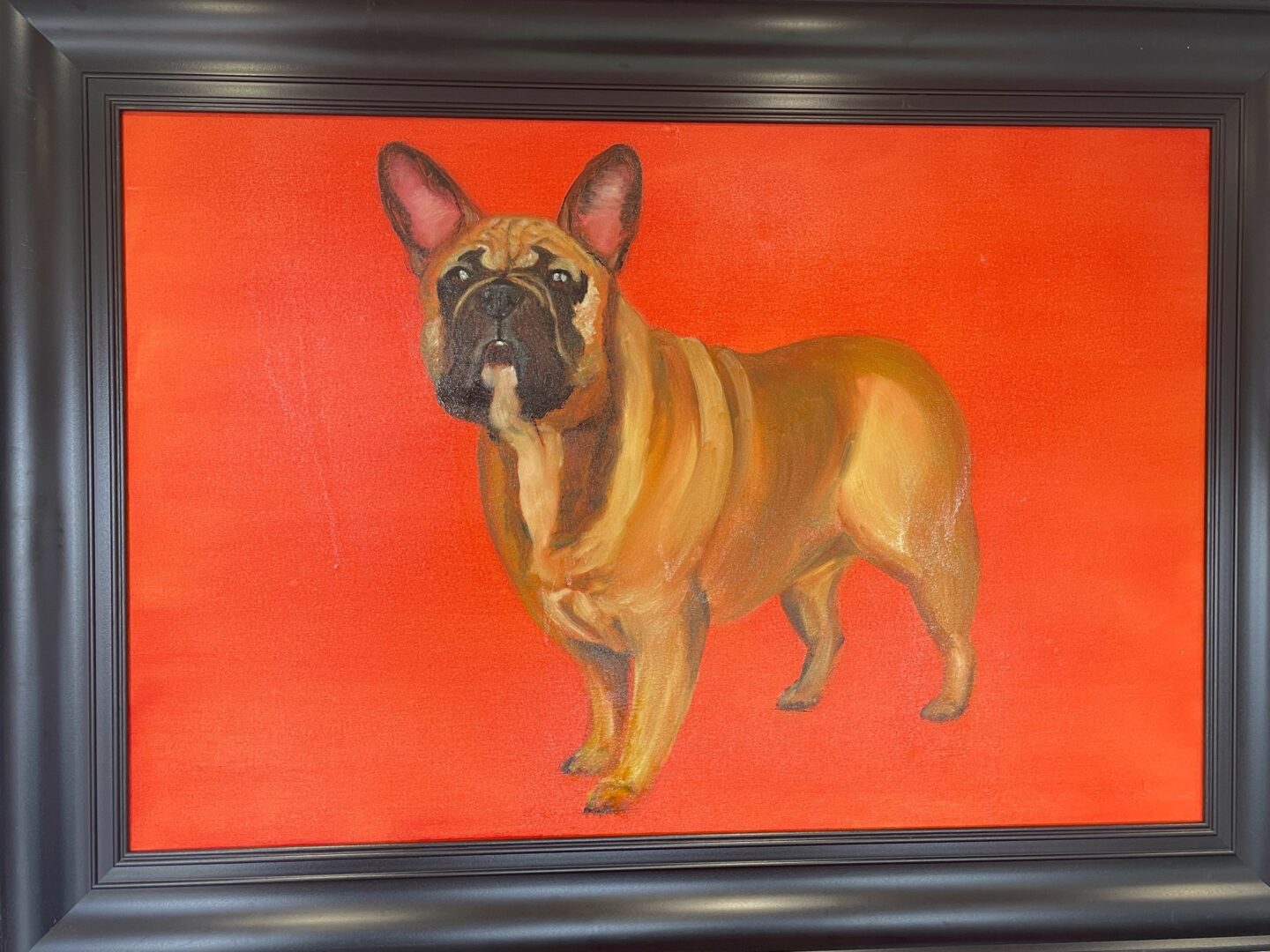
With a keen eye for detail and a passion for color, my art spans a wide spectrum from abstract to representational. This diversity allows my collectors to find pieces that speak to their individual tastes, whether they are drawn to the emotive power of an animal portrait or the interpretative freedom of an abstract composition.
Join me in celebrating the therapeutic power of art and the vibrant colors of my world. Let’s connect, create, and find beauty in every brushstroke.
All the wisdom you’ve shared today is sincerely appreciated. Before we go, can you tell us about the main challenge you are currently facing?
My number one obstacle I face is encouraging people to give their email addresses to enable continued contact. Most clients do not want to commit to buy or commission art on the spot so I often request an email address to remind them of my art and availability. The problem lies with many people in the UK are unwilling to give out their email address compared to the USA, perhaps this is due to the reserved English way. Without an email address it is difficult to give someone a nudge to remind them about the art they really want. I do not do hard sell and will leave it up to the client to request but without the odd message to remind people of my presence the idea gets left behind and they then forget where the business card is they got from during our meeting.
Contact Info:
- Website: https://www.artbynealforster.com
- Instagram: https://www.instagram.com/artbynealforster?igsh=MWVkc2Rld2RicXYycw==
- Facebook: https://www.facebook.com/profile.php?id=61554270296003
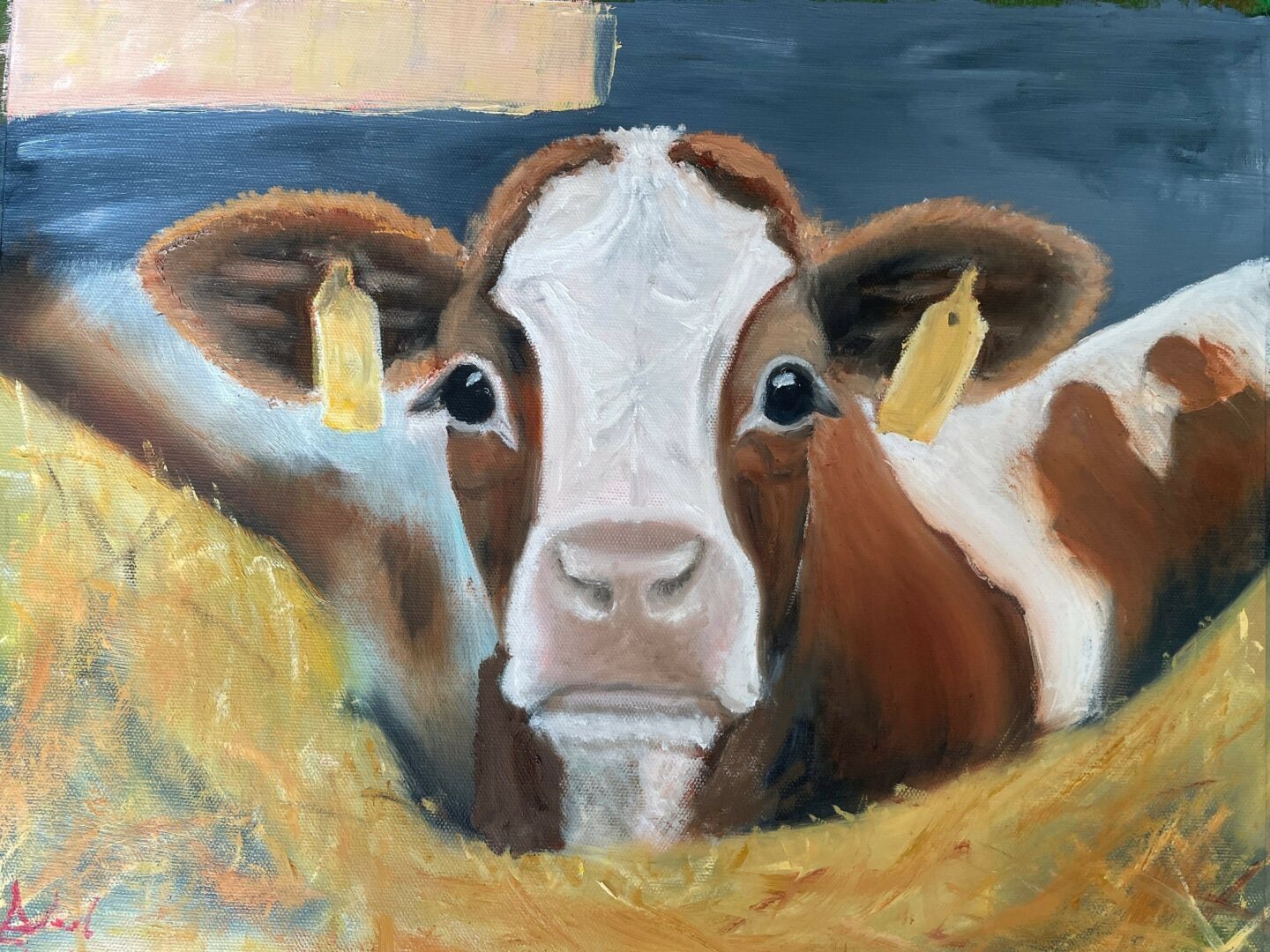
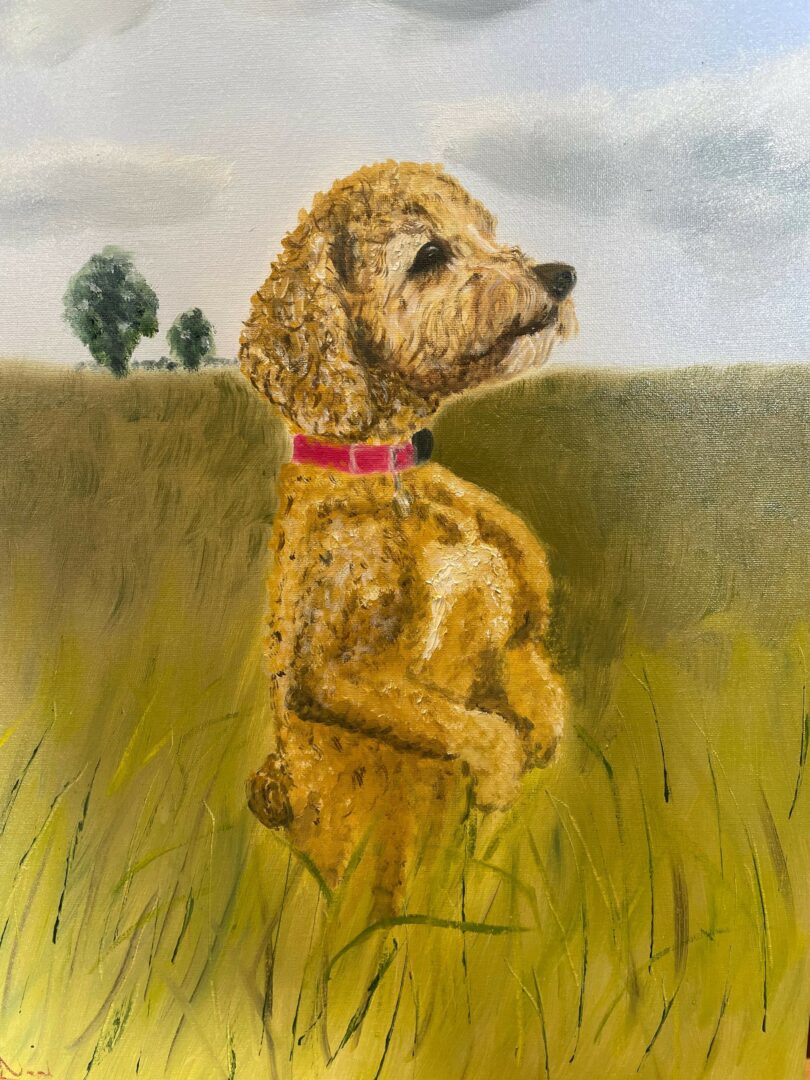
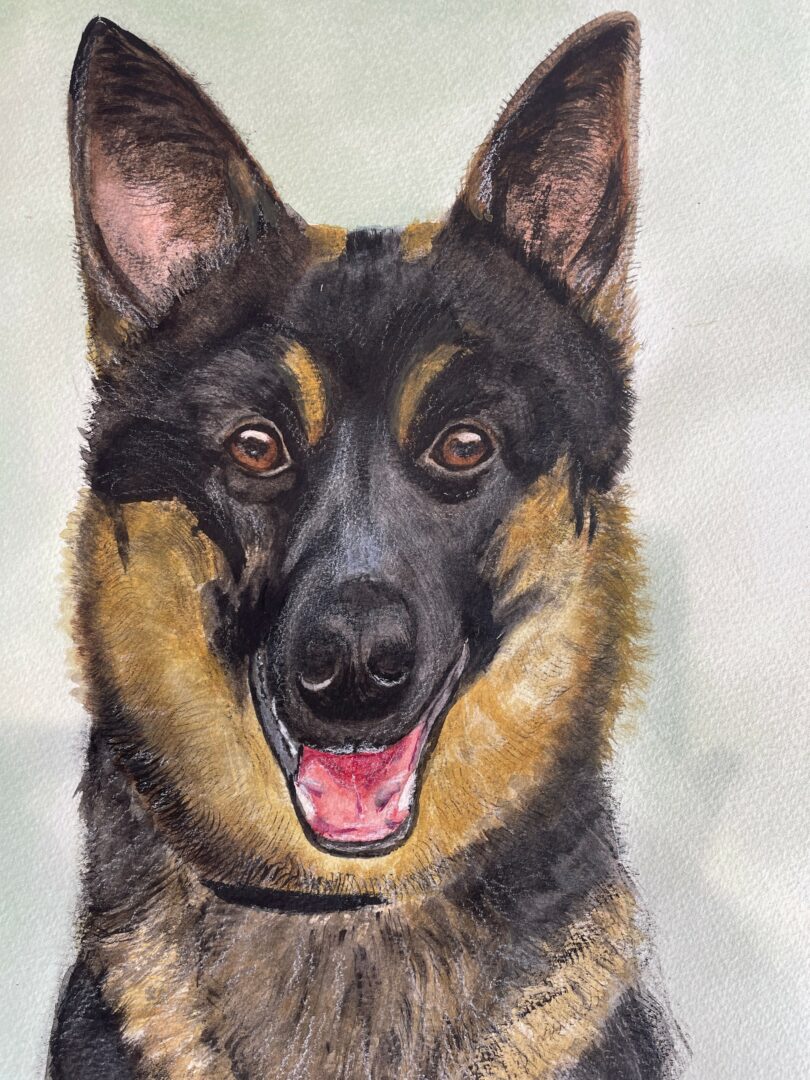
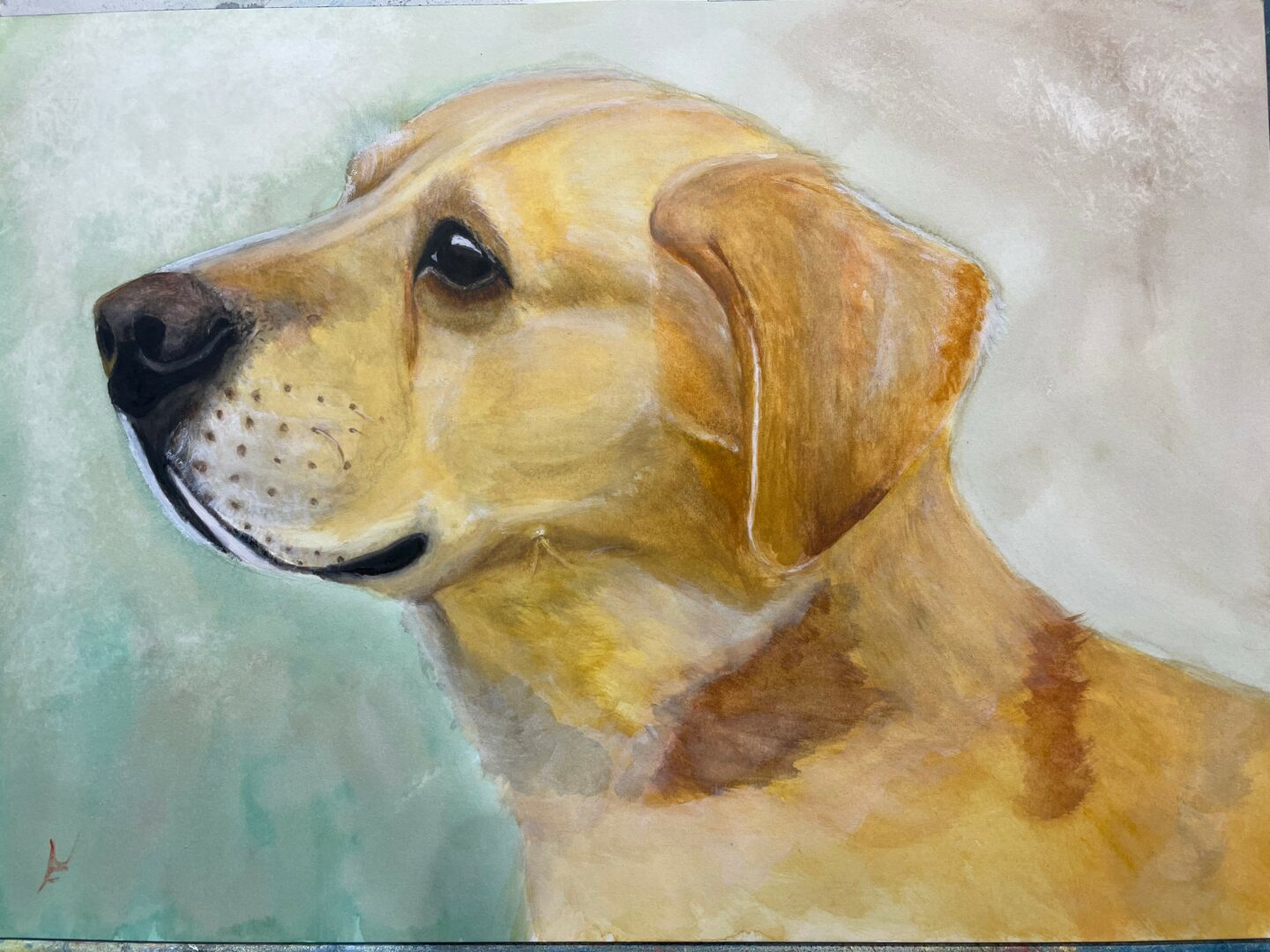
Image Credits
None
so if you or someone you know deserves recognition please let us know here.