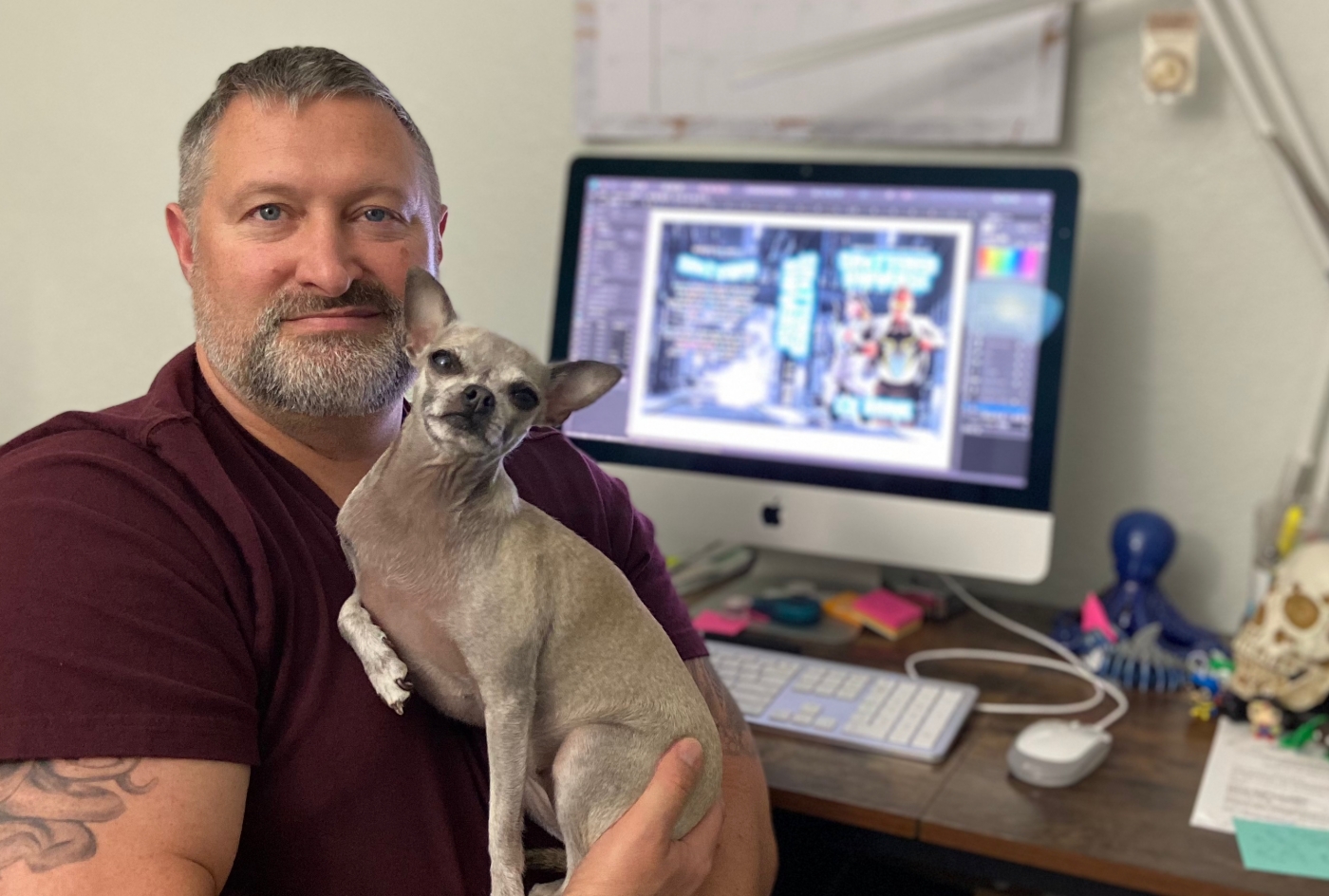
Alright – so today we’ve got the honor of introducing you to Jennifer Campbell. We think you’ll enjoy our conversation, we’ve shared it below.
Jennifer, so great to have you on the platform and excited to have you share your wisdom with our community today. Communication skills often play a powerful role in our ability to be effective and so we’d love to hear about how you developed your communication skills.
How I Learned to Communicate Effectively
By Jenn Campbell, Executive Director of the DOULA CO-OP of Nevada and Mom of 18
Communication Is a Skill, Not an Accident
As someone who has spent more than two decades in birthwork, led doulas across the state of Nevada, run a private practice, raised eighteen children, and navigated divorce, I’ve spent my life communicating with people who bring wildly different personalities, histories, expectations, and beliefs to the table. If there’s anything I know for sure, it’s this: communication isn’t something we’re born with. It’s something we practice, refine, and relearn throughout our entire lives.
“Communication isn’t automatic—it’s intentional. It’s a choice you make over and over again.”
The first thing I learned is that communication takes effort—consistent, conscious effort—even when you’re tired, stressed, overwhelmed, or certain you’re absolutely “right.” The second thing I learned is that I won’t always get it right. I’m human. I will sometimes react before I reflect, especially in complex or unexpected moments. But accepting that truth has made me far more effective than pretending I should nail it every time.
Building Self-Awareness and Boundaries
My ability to communicate well began with the willingness to admit I needed to grow. Communication doesn’t start with technique; it begins with self-awareness. You have to notice your patterns before you can change them.
Communication requires desire—the desire to show up better, to listen deeper, to understand rather than assume, and to take responsibility when I fall short. Boundaries shape the rest. If I don’t express where the limits are, resentment and confusion fill the silence.
“Boundaries aren’t walls—they’re clarity.”
When entering important conversations, I pause long enough to ask myself:
What outcome am I hoping for? What emotions am I bringing? What is the other person walking in with?
That pause—just a breath or two—reshapes the entire conversation. Continuing that throughout the conversation creates a flow that allows me to check in, quickly reflect, and continue.
Seeing From Another Lens
Effective communication requires the willingness to step outside of your own perspective. Sometimes that means temporarily setting down what you want, what you believe, or the outcome you’re hoping for so you can see the situation through someone else’s lens. It doesn’t mean abandoning your values; it means understanding that communication can’t be a solo performance.
The more I practiced this, the more I understood that communication isn’t just about speaking clearly. It’s about creating emotional safety. It’s about slowing down rather than reacting (which, for this fast-paced New England native, takes constant reminding). It’s about listening all the way through—not just long enough to prepare your response.
And it’s about circling back later to repair, clarify, or strengthen understanding.
Admitting When You’re Wrong (Especially When You Reacted Before Thinking)
“One of the most powerful communication tools we have is the courage to say, ‘I was wrong.’”
Another essential piece of learning to communicate well—and one that takes a humble, repentant heart—is admitting when I didn’t handle something well. Especially when I’m caught off guard and don’t get a moment to think before responding. In leadership, birthwork, partnership, and parenting, time to reflect is a luxury you don’t always have. Sometimes reactions come out faster than reason.
Acknowledging that I reacted poorly—or misunderstood, used the wrong tone, jumped to conclusions, or made the wrong call—has been one of the most healing communication habits I’ve practiced. It doesn’t erase what happened, but it instantly transforms the emotional tone of a relationship. It shows humility. It shows accountability. It shows that the relationship matters more than my ego.
This applies equally at work, with my partner, and with my children. When they hear me say, “You’re right, I didn’t handle that well,” or “I reacted too quickly, and I want to try again,” it creates a connection where defensiveness could have built a wall. It teaches them that mistakes don’t end relationships—they create opportunities for repair. It shows that accountability is safe, normal, and an essential part of human connection.
Owning your impact—even when your intention was good—builds trust. It makes people feel safe with you, and it reinforces the truth that communication will never be about perfection; it will always be about connection, responsibility, and the willingness to repair.
Applying Communication in Birthwork and Leadership
As the Executive Director of DOULA CO-OP of Nevada and someone who has supported families through birth, I have witnessed how deeply people need to feel heard, shaping my communication skills. Whether I’m working with a doula, facilitating conflict, supporting a family through an emotional moment, advocating at the state level, or leading organizational strategy, the same truth applies. Without connection and clarity, communication collapses.
Birthwork teaches you to read unspoken cues, honor big emotions, and communicate clearly under pressure. Those skills become the throughline for everything—leadership, parenting, partnership, and community building.
The True Testing Ground: Personal Life
Of all the places I’ve applied communication—professionally, organizationally, academically—the real testing ground has been my personal life. Parenting, partnering, divorce, and raising a big family reveal your communication strengths and weaknesses very quickly.
In these areas, communication isn’t theoretical; it’s essential. It determines whether relationships thrive or fracture. It shapes everything—safety, resilience, repair, trust.
Communicating With a Partner: Vulnerability, Boundaries, and Seeing Each Other Clearly
Communication within a partnership demands honesty, vulnerability, and firm boundaries. You have to be willing to say the hard things with gentleness. Respect isn’t just about speaking kindly; it’s about recognizing that your partner’s internal world is different than yours.
“Sometimes the goal isn’t to be right—it’s to be understood.”
Healthy communication often requires stepping out of your own viewpoint. You may share a home, a life, even children—but you don’t share a brain. Your experiences, fears, histories, and expectations are different. That’s what makes perspective-taking so powerful.
Boundaries in relationships aren’t barriers; they are clarity. They define what is okay, what is not, and what each person needs to stay emotionally connected.
Most importantly, communicating with a partner has taught me that repair is essential. You will not always get it perfect. I certainly haven’t. But circling back, owning your part, and rebuilding trust keeps the relationship strong.
Repair is the glue that holds the connection together. Honesty about your feelings in communication means your relationship can grow and thrive in unexpected and beautiful ways.
Communicating With Children: Respect, Structure, and Emotional Safety
Communicating with children is an entirely different masterclass. Kids need unwavering clarity, consistency, patience, and respect. They are small humans with big feelings—not accessories or extensions of us.
“Children learn communication from how we treat them, not from what we tell them.”
Raising eighteen children taught me that communication with kids is less about control and more about connection. Respect shows up in how we listen—even when their concerns seem small to us, even when their feelings are enormous, even when their stories require a little imagination to follow.
Boundaries with children aren’t punishments—they are structure. Clear expectations grounded in love help them feel secure. When I communicate boundaries—what I need, what I expect, and why—it provides a framework they can rely on. It’s also the basis for real-life decisions and consequences that are often necessary when raising children.
Repair matters here, too. Saying, “I’m sorry, I didn’t handle that well,” teaches them that accountability isn’t scary or shameful—it’s the pathway to reconnection.
Bringing It All Together: The Universal Principles of Healthy Communication
Across every relationship—partners, children, colleagues, clients, teams, and communities—the core principles of communication remain the same:
• Intention rather than impulsiveness
• Listening rather than assuming
• Curiosity rather than defensiveness
• Respect rather than control
• Boundaries rather than resentment
• Accountability rather than blame
• Repair rather than perfection
“Communication is not a destination—it’s a lifelong practice.”
My communication skills didn’t develop in a single moment or through one experience. They’ve evolved over years of reflection, thousands of conversations, humbling lessons, and a commitment to show up with clarity, humility, and compassion—whether I’m leading an organization, supporting a birthing family, navigating a tough moment with my partner, or trying to communicate effectively with one of my children.
Communication is never “finished.” It grows as we grow. And the more we return to it—with intention, openness, and a willingness to repair—the deeper, healthier, and more resilient our relationships become.
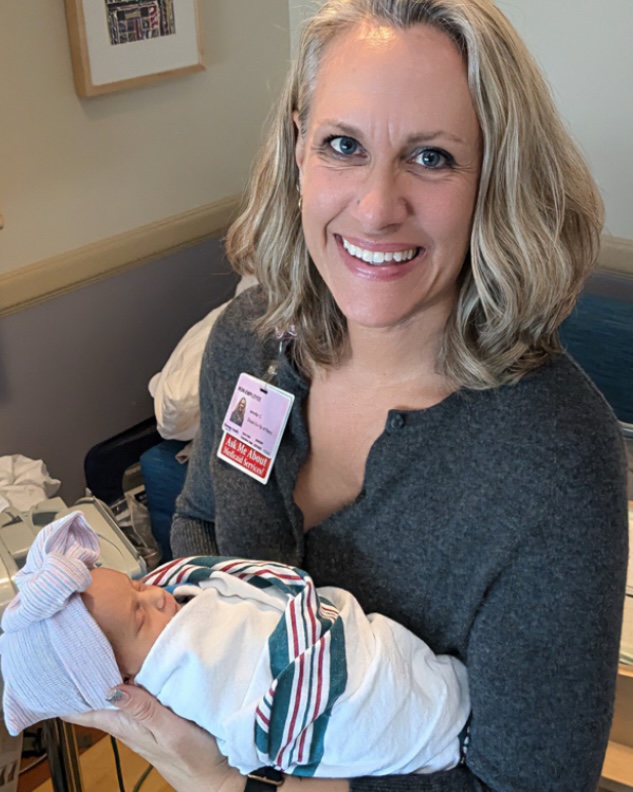

Thanks, so before we move on maybe you can share a bit more about yourself?
I never set out to lead a statewide doula nonprofit or become a voice in birthwork. My journey really started when I became a mom in 1992, although I had attended births as a support and friend before that, but not in a professional capacity. Over the years, as my family grew (ultimately to 18 children through birth, adoption, foster care, and a blended family), I found myself drawn deeper into supporting other women through pregnancy, birth, breastfeeding, loss, and everything in between.
What began as a passion became a career—15+ years as a birth assistant, doula, lactation consultant, childbirth educator, bereavement doula, and adoption/surrogacy doula. I’ve supported families through joy, trauma, infertility, miscarriage, grief, and transformation. Each story shaped me. Each family taught me something new about strength and humanity.
Today, I serve as the Executive Director of the DOULA CO-OP of Nevada—a nonprofit connecting birth, postpartum, and end-of-life doulas with underserved communities statewide. It’s the most meaningful work I’ve ever done. We’ve expanded Medicaid coverage, built collaborative pipelines for new doulas, strengthened partnerships with hospitals and community agencies, and made doula care accessible to families who have historically been left out of care they desperately need. We currently offer birth doula scholarships statewide. Accessibility has always been at the heart of what I’ve done, and workforce development expands the care families need.
Alongside that, my own platform, Doula in Reno, I’ve been sharing stories through my blog, Mom’s Running It (and Doula In Reno), since 2011, and through my podcast, Becoming Parents, which now ranks in the top 2.5% worldwide. Storytelling is advocacy—it reminds people they aren’t alone.
I’ve lived many of the experiences my clients face: infertility, miscarriage, homebirth, hospital birth, breastfeeding (including relactating for adopted babies), trauma, blended families, and the loss of an adult child.
Everything I do now—professionally and personally—is rooted in one belief: families deserve support, and doulas deserve it too.
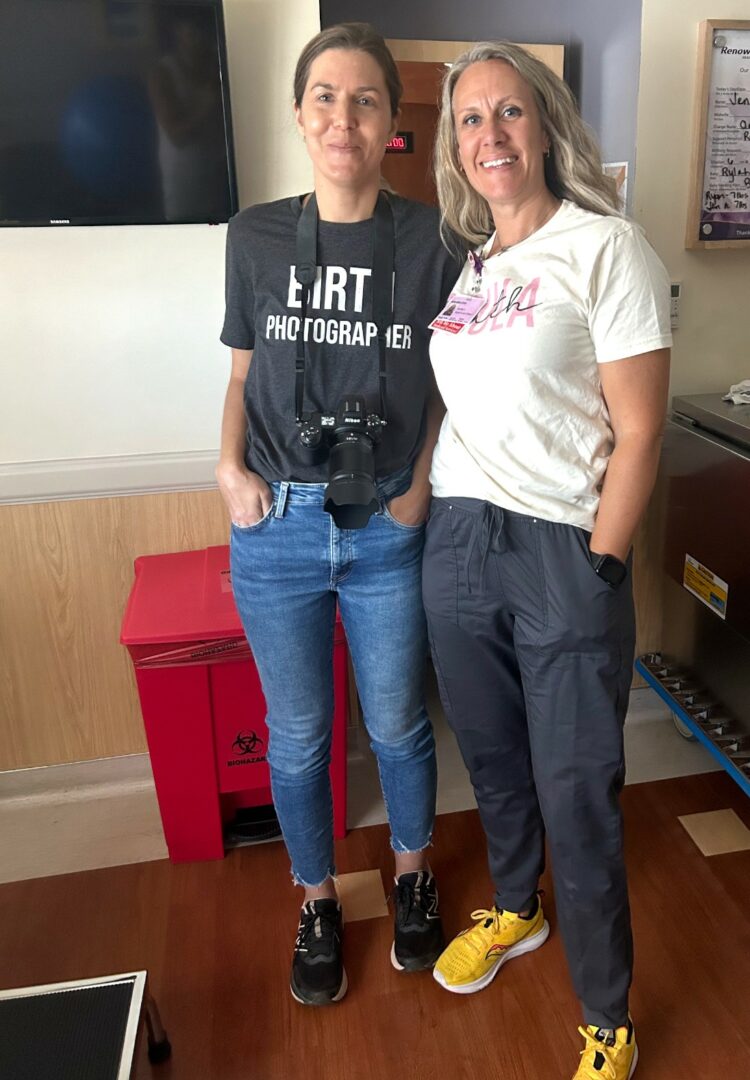

There is so much advice out there about all the different skills and qualities folks need to develop in order to succeed in today’s highly competitive environment and often it can feel overwhelming. So, if we had to break it down to just the three that matter most, which three skills or qualities would you focus on?
Looking back, three qualities shaped my journey more than anything else: self-awareness, resilience, and humility.
1. Self-Awareness
Self-awareness was the turning point for me. In birthwork, leadership, and parenting, you can’t support others effectively if you don’t understand your own triggers, limits, and patterns. Once I became honest about how I actually communicated—not how I thought I communicated—everything improved.
Advice:
Pay attention to yourself. Notice your reactions, your tone, and the stories you bring into conversations. Growth starts with awareness.
2. Resilience
My path has been anything but predictable—infertility, miscarriage, adoption, blended family dynamics, loss, and over 15 years of birthwork have all taught me that resilience isn’t about being unbreakable. It’s about returning to yourself again and again, even when life shifts beneath you.
Advice:
Build habits that strengthen your foundation: community, rest, boundaries, and honest reflection. Resilience grows in everyday choices, not dramatic moments.
3. Humility and Service
The most impactful lesson I’ve learned—whether supporting families, leading doulas statewide, my husband, or my children—is that I’m never the center of someone else’s story. My role is to hold space, not take it over. Humility keeps me teachable, grounded, and effective.
Advice:
Let the work shape you. Ask questions. Own your mistakes. Stay curious. The people you serve will always be your greatest teachers.


Looking back over the past 12 months or so, what do you think has been your biggest area of improvement or growth?
Over the past 12 months, my biggest area of growth has been learning to lead—and live—with a clearer understanding of the difference between intention versus impact.
Every year, I choose a guiding phrase. Last year’s was Grow Courageously. This year’s is Flourish. Both became deeply relevant as I stepped into one of the biggest decisions of my professional life: taking on the role of Executive Director of the DOULA CO-OP of Nevada on June 3rd and letting go of my private doula practice.
That was not an easy decision. My private practice had been part of my identity for years, and supporting families one-on-one has always held a special place in my heart. Choosing to step into statewide leadership meant widening the lens—moving from serving individual families to strengthening access, equity, and sustainability for doulas throughout Nevada. It took courage to make that transition, and even more courage to trust that it was the right one.
I’m grateful every day that I made it.
This past year required me to develop a new level of self-awareness and accountability around the distinction between intention versus impact. In leadership—especially in a role this public and relational—your intentions don’t guarantee how your actions land. I’ve had to slow down, reflect, listen deeply, and be willing to repair when needed. That kind of growth spills over into every corner of my life: my communication, my relationships, my parenting, and the way I show up in community.
Growth isn’t always loud. Sometimes it even looks like choosing the harder path, letting go of something you love, or opening yourself to a role that asks more of you.
This year, I grew courageously. And now, on the other side of that leap, I can feel myself flourishing.
Contact Info:
- Website: https://www.doulainreno.com
- Instagram: https://www.instagram.com/doulainreno/
- Facebook: https://www.facebook.com/doulainreno
- Linkedin: https://www.linkedin.com/in/jenn-taylor-campbell/
- Twitter: https://twitter.com/MomOfEighteen
- Youtube: https://www.youtube.com/c/MomOf18JennTaylor/
- Other: https://www.doulacoop.org
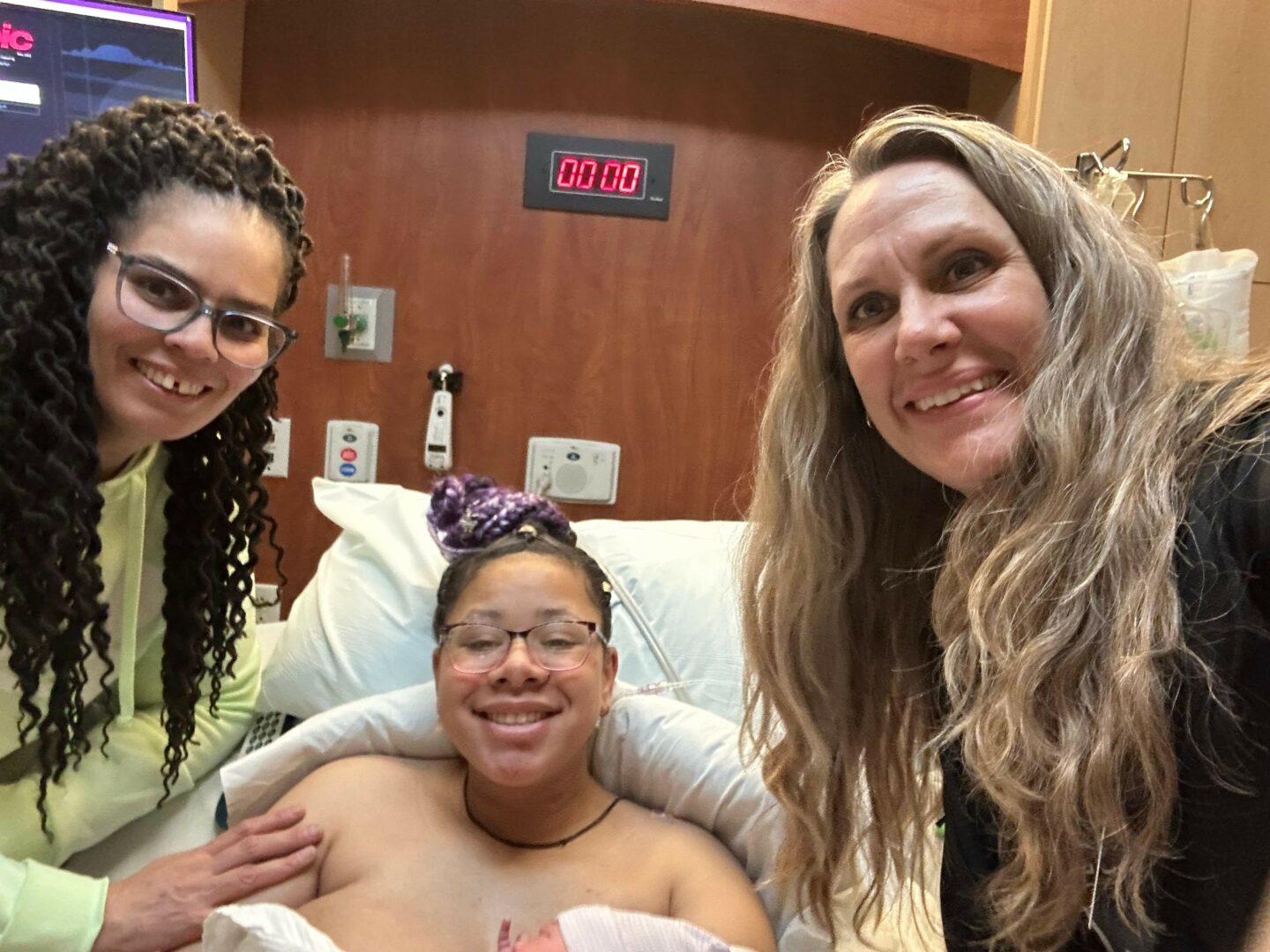
so if you or someone you know deserves recognition please let us know here.