Alright – so today we’ve got the honor of introducing you to Rielynn Grace. We think you’ll enjoy our conversation, we’ve shared it below.
Rielynn , so great to be with you and I think a lot of folks are going to benefit from hearing your story and lessons and wisdom. Imposter Syndrome is something that we know how words to describe, but it’s something that has held people back forever and so we’re really interested to hear about your story and how you overcame imposter syndrome.
In the beginning, I absolutely didn’t feel qualified—I thought I had to be a perfectly seasoned pro before I could offer tintype photography to the public. But I realized that waiting for perfection would mean never starting at all. What helped me move forward was being transparent about my work, including my mistakes. I bring everything into the light when I talk to people: the failed plates, the unexpected outcomes, and the wins that came from trial and error.
Sharing that honesty created connection, not judgment. It reminded me—and others—that failure is part of the craft. If you’re not willing to fail, you’ll never get the chance to succeed. Embracing that truth allowed me to push past the fear and simply begin, and that’s where real growth happened.
Let’s take a small detour – maybe you can share a bit about yourself before we dive back into some of the other questions we had for you?
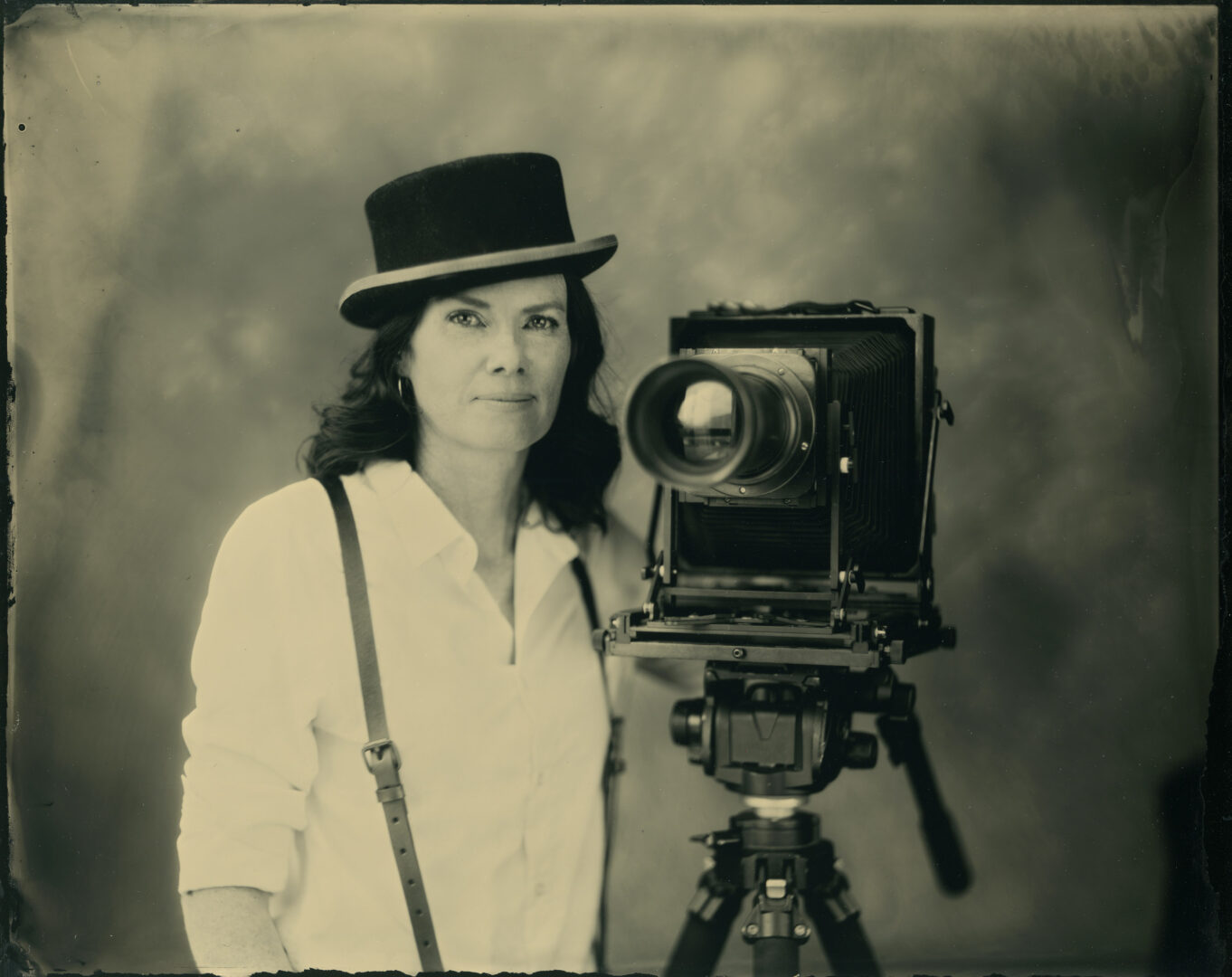
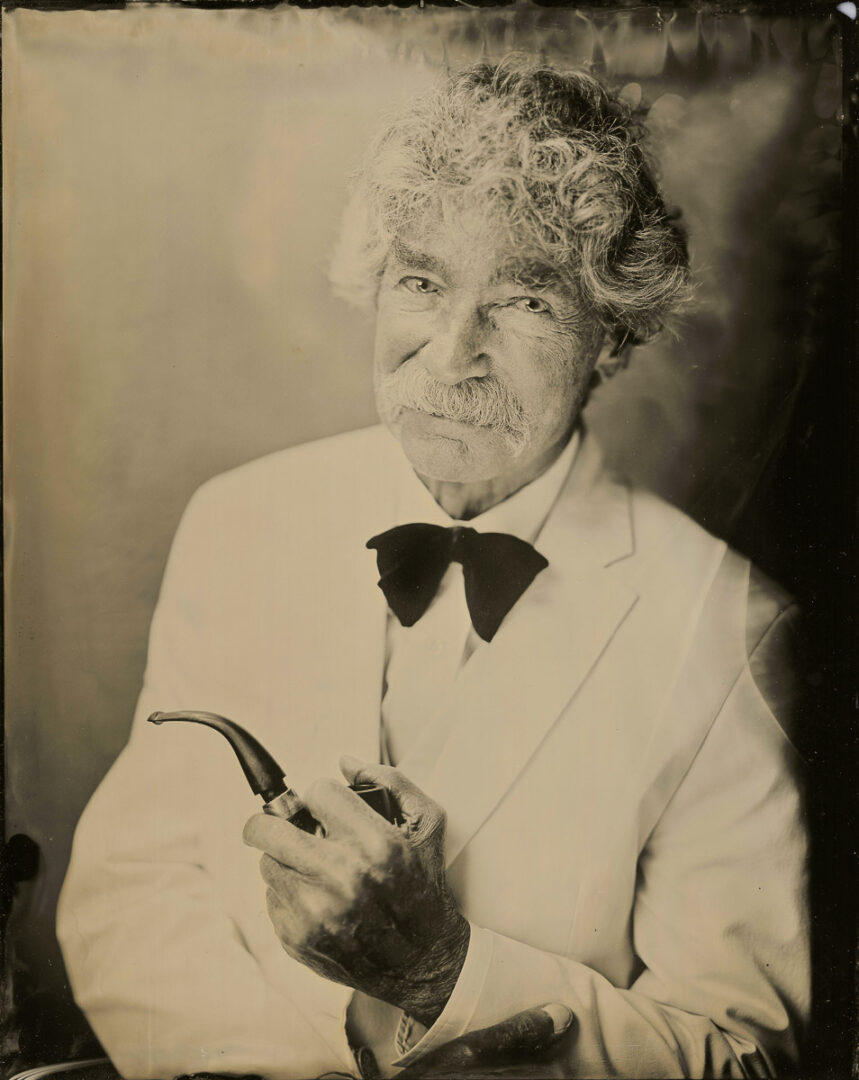
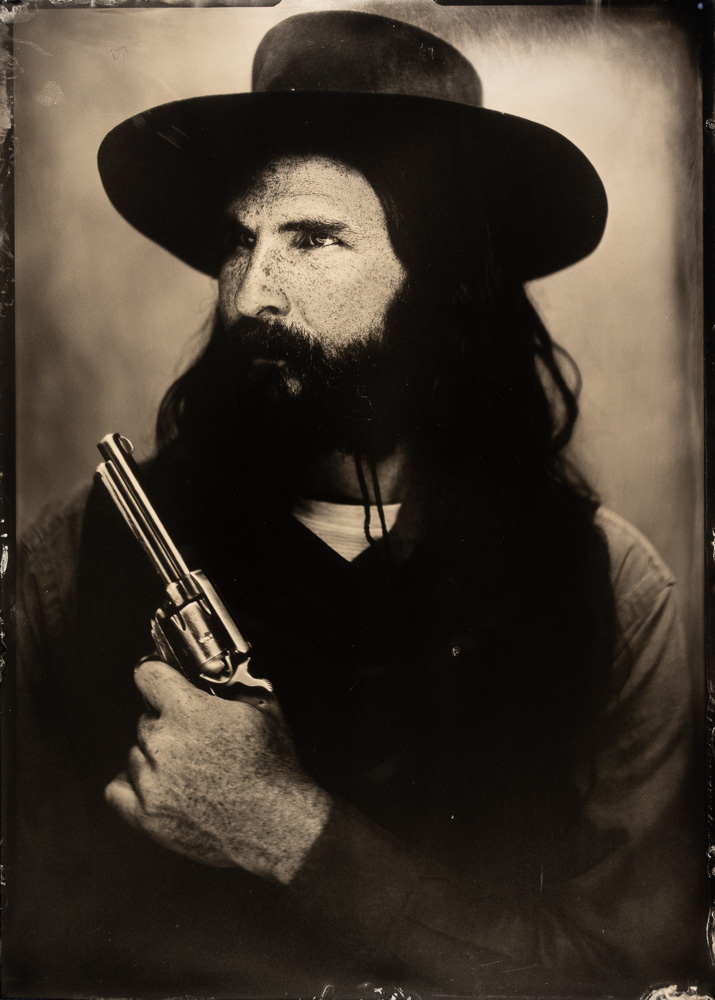
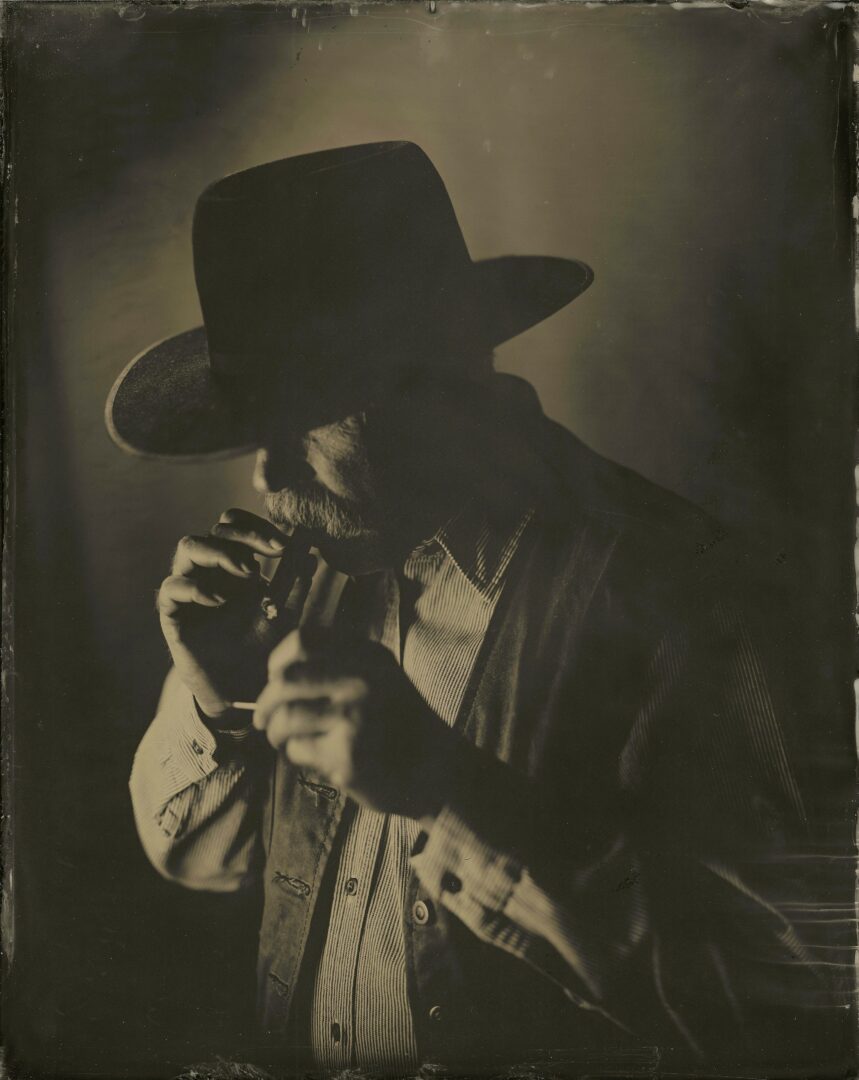
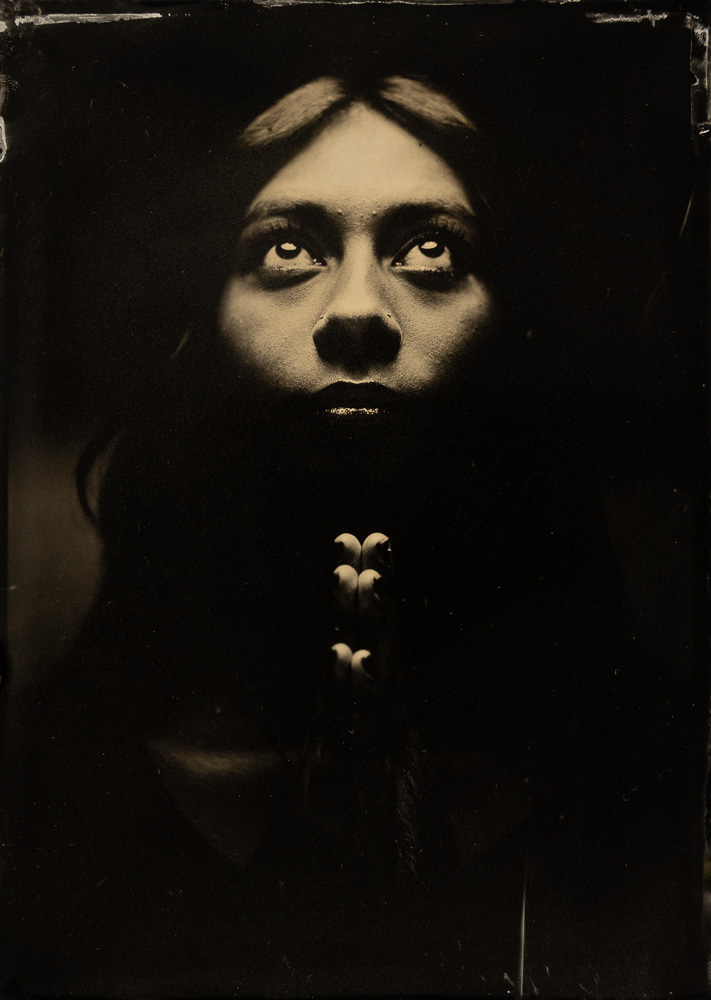
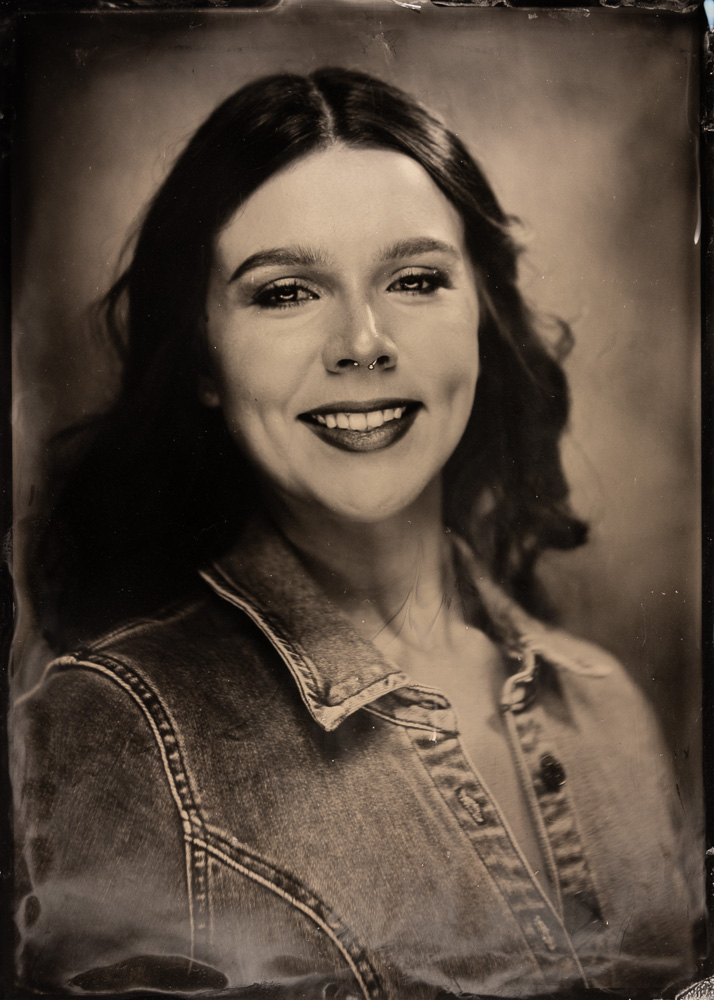
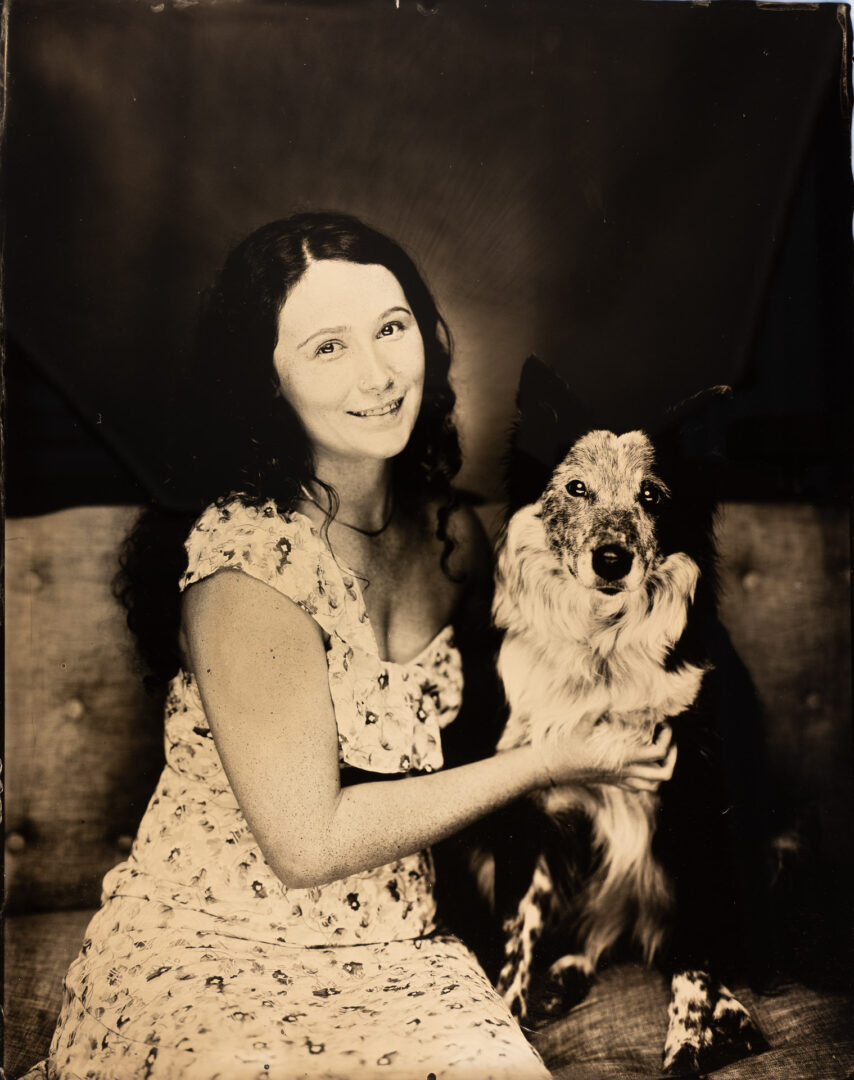
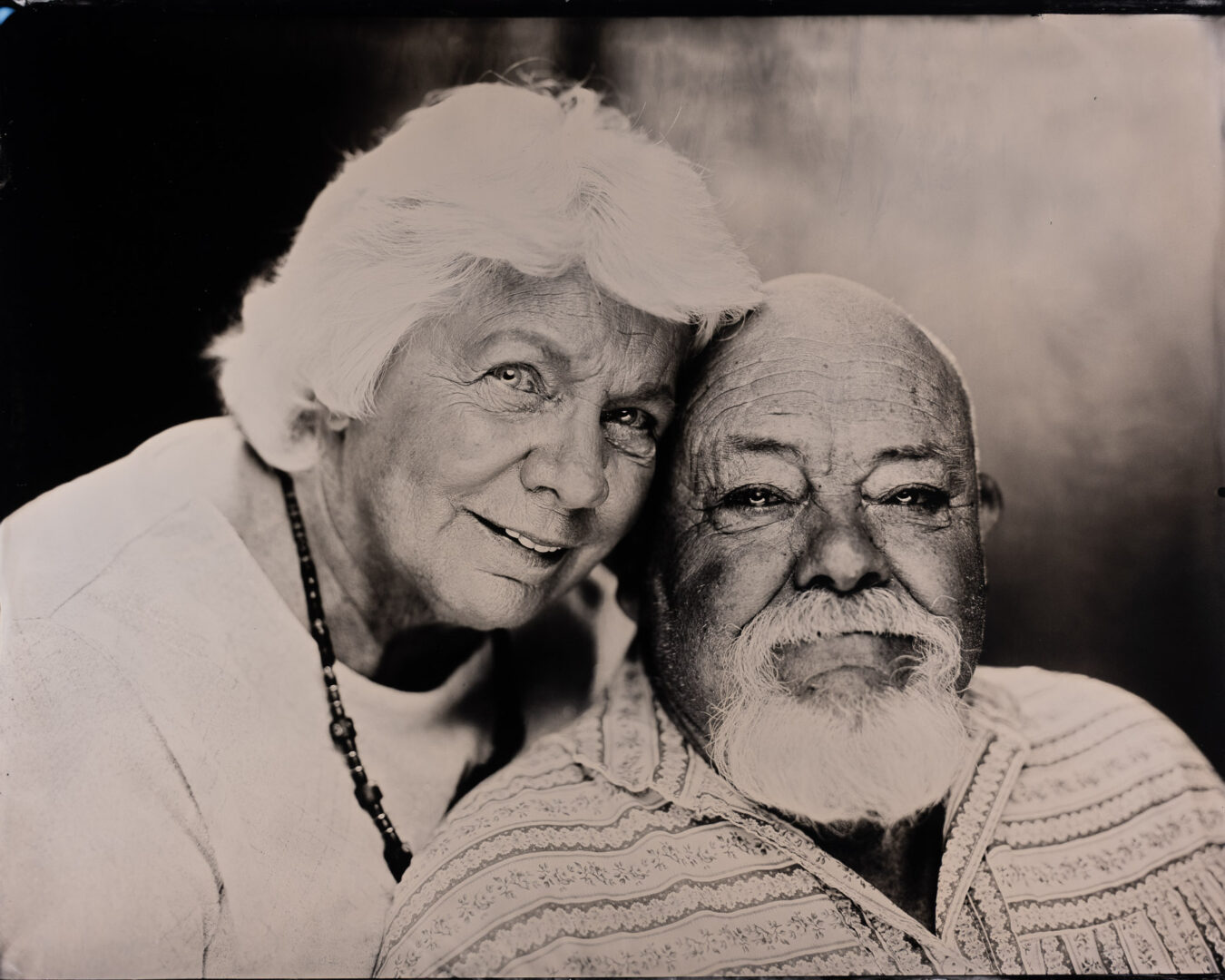
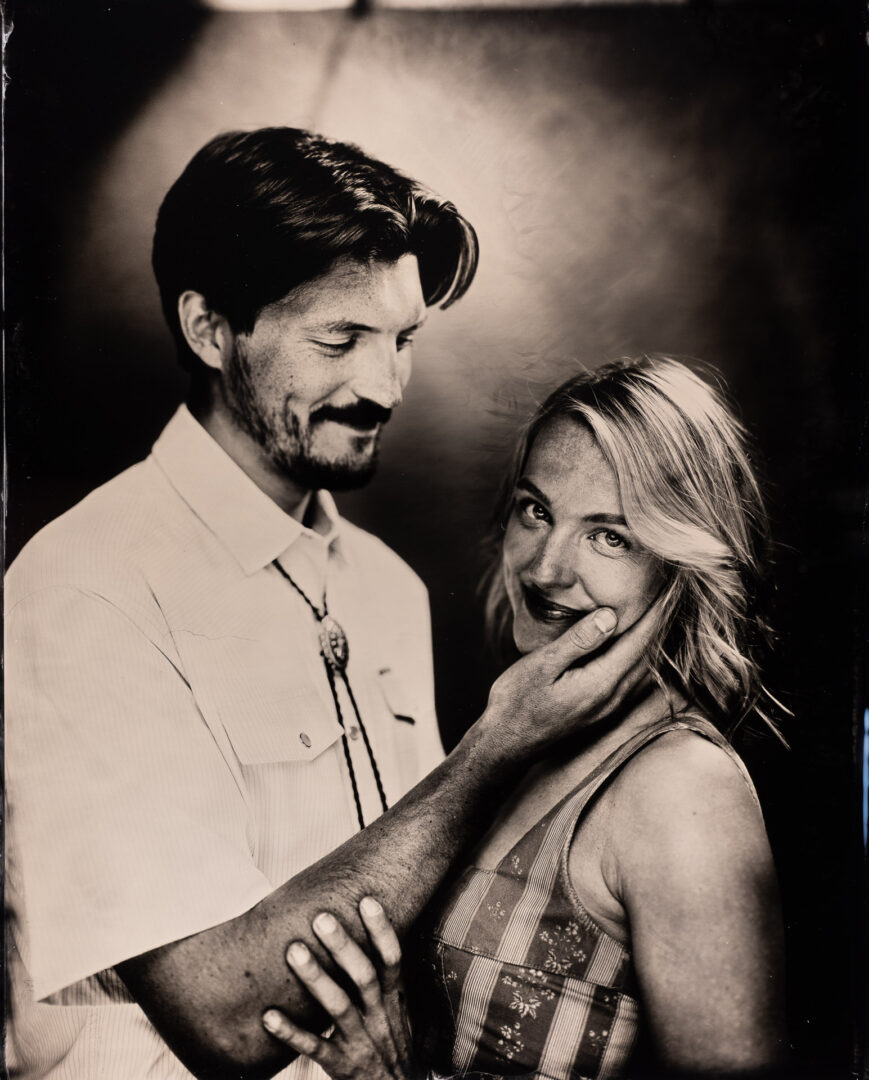
I’m a wet plate photographer, creating tintypes—the wonderfully temperamental, 1851-invented process that somehow still feels like pure magic. Every tintype is a one-of-a-kind piece of art that becomes an heirloom, capable of lasting hundreds of years. I like to joke that these plates will probably outlive all of us, which is both comforting and slightly humbling.
What makes tintypes so special is that they’re completely analog. Nothing is digital, nothing is edited, and nothing floats around in a cloud waiting to be forgotten. Everything is crafted by hand in my studio or out in the field: preparing the chemistry, adjusting the lighting, posing my subjects, and then hoping the photographic spirits are in a good mood that day. It’s meticulous, messy, and incredibly rewarding.
Working in such a hands-on, tactile medium forces me to slow down in a world that rarely does. It gives me the chance to really connect with whoever’s in front of my lens—hear their stories, share some laughs, and create something truly unrepeatable. Because with tintypes, once that plate develops, that exact moment can never be made again. There’s an other-worldly quality to them that people feel instantly, almost like stepping through a time portal.
And yes, I absolutely photograph kids and pets. They are equal parts challenging and hilarious, especially when you’re using a camera that moves about as fast as molasses in winter. But those sessions often produce the most joyful, unexpected moments—and some of my all-time favorite plates.
My brand, Eye of Rie, was born from a mix of my creative eye and my name—I’m Rielynn, but everyone calls me “Rie.” It felt catchy, fun, and just quirky enough to capture the spirit of what I do. Tintype photography isn’t exactly a mainstream hobby, so the name needed a little sparkle of personality too.
Beyond my studio portrait sessions, I also create miniature tintype jewelry. These tiny pieces are beautiful, extremely time-consuming, and—if I’m being honest—occasionally maddening to make. They’re crafted on metal, agate stone, or glass, and each one is a true labor of love. When someone buys one, it’s a little bittersweet. I’ve spent so much time coaxing that tiny image into existence that part of me wants to keep it forever… but the other part is thrilled knowing someone values this kind of old-world artistry enough to wear a piece of history around their neck.
As for what’s next, I’m dreaming big. I’m planning to build a customized tintype trailer next year—a mobile little time machine on wheels. The goal is to bring the full wet plate experience to more events, letting people literally step into the trailer and feel like they’ve traveled back to the 1800s for their portrait. It’s no small undertaking; tintypes require a full setup: a darkroom, running water, chemistry prep, developing, rinsing, varnishing, and the right lighting. Bringing all of that on the road is kind of like moving a Victorian laboratory every time you travel.
But I’m excited—truly excited—to make this dream real. It will allow me to reach more people, share the magic of tintype photography in more places, and keep growing Eye of Rie in a way that feels true to the brand: creative, adventurous, and rooted in a craft that invites people to slow down and savor the moment.
There is so much advice out there about all the different skills and qualities folks need to develop in order to succeed in today’s highly competitive environment and often it can feel overwhelming. So, if we had to break it down to just the three that matter most, which three skills or qualities would you focus on?
First and foremost: gumption, grit, and a downright stubborn refusal to give up. Tintype photography is a process that keeps you humble—it will hand you beautiful surprises one day and total chaos the next. Sticking with it, even when a plate goes sideways (literally or figuratively), was essential. Determination carried me through moments when I wondered what on earth I had gotten myself into.
Second, I learned the importance of slowing down and actually connecting with people. Asking good questions, having real conversations, and—most importantly—being an even better listener. Tintype photography is intimate and deliberate; it invites you to be present. That presence is a skill, and it makes the experience meaningful for both me and the person in front of my lens.
Third, I embraced the idea that mistakes aren’t roadblocks—they’re part of the path. Wet plate photography loves to test your patience, but it also rewards persistence. My best advice for anyone at the beginning of their own creative journey is simple: stay steady. Keep moving forward, even when things feel imperfect or messy. Especially when things feel imperfect or messy.
Doing something imperfect is always better than doing nothing at all. Progress comes from trying, adjusting, learning, and trying again. And sometimes, the “mistakes” end up being the most beautiful parts of the story.
What has been your biggest area of growth or improvement in the past 12 months?
Consistency—hands down. Over the past year, I’ve become far more steady in my work with far fewer errors, botched plates, disasters, or full-on catastrophes (and if you’ve ever done wet plate, you know that “catastrophe” is absolutely a technical term). Fine-tuning the tiny details has made a huge difference. I’ve learned to slow down, break down problems step by step, and have the patience to actually work through them. That shift alone has led to some truly amazing results.
I’ve also stayed committed to being a lifelong student. I read everything I can on the subject, ask questions, seek out people who are more experienced, and welcome mentorship whenever possible. Staying curious and teachable has been one of the most valuable parts of the journey—there’s so much wisdom from artists who’ve been doing this long before I mixed my first batch of chemistry.
There have absolutely been days, weeks, and even months of frustration. But looking back, many of the issues that used to tie me in knots have been ironed out. I know there will always be new obstacles, but breaking them into small, manageable pieces helps me find solutions, keep improving, and become better and better over time.
Contact Info:
- Website: https://www.eyeofrie.com
- Instagram: eyeofrie
- Facebook: https://www.facebook.com/eyeofrie
- Other: TikTok: Eye of Rie
so if you or someone you know deserves recognition please let us know here.