We recently connected with Shuning Huang and have shared our conversation below.
Shuning, appreciate you making time for us and sharing your wisdom with the community. So many of us go through similar pain points throughout our journeys and so hearing about how others overcame obstacles can be helpful. One of those struggles is keeping creativity alive despite all the stresses, challenges and problems we might be dealing with. How do you keep your creativity alive?
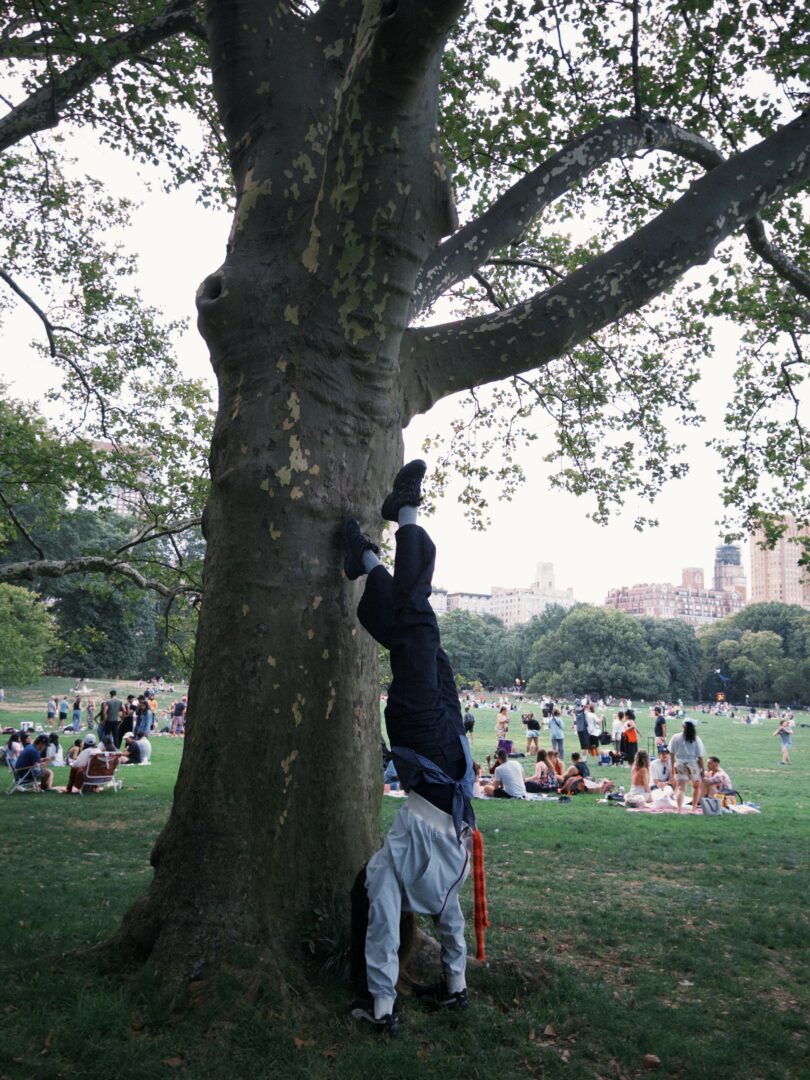
For me, creativity is a rhythm—sometimes soft, sometimes overwhelming, but always present if I make space for it. My training spans Chinese classical dance, ballet, and contemporary movement, so staying creative often means staying curious. I revisit my cultural roots, linger with memories of home in Nanjing, and let those textures collide with the rhythm of life in New York. Movement tends to appear in the in-between moments: the subway ride when everyone sways together, the way light lands on a museum wall, or a small gesture a student unconsciously repeats in class.
But keeping creativity alive isn’t effortless. Like most artists, I experience phases where everything feels flat. Instead of forcing inspiration, I’ve learned to build habits that quietly refill me: journaling after rehearsals, walking without a destination, taking workshops outside my main technique, or simply watching how strangers move through the city. Teaching also grounds me—my students’ curiosity reminds me why I started dancing in the first place.
Most importantly, I try to live with an open body and an open mind. Creativity shows up when I loosen my grip on perfection, stay connected to the world around me, and allow myself to be moved by things outside of dance. In that sense, it’s not something I “maintain,” but something I continually let in.

Thanks for sharing that. So, before we get any further into our conversation, can you tell our readers a bit about yourself and what you’re working on?
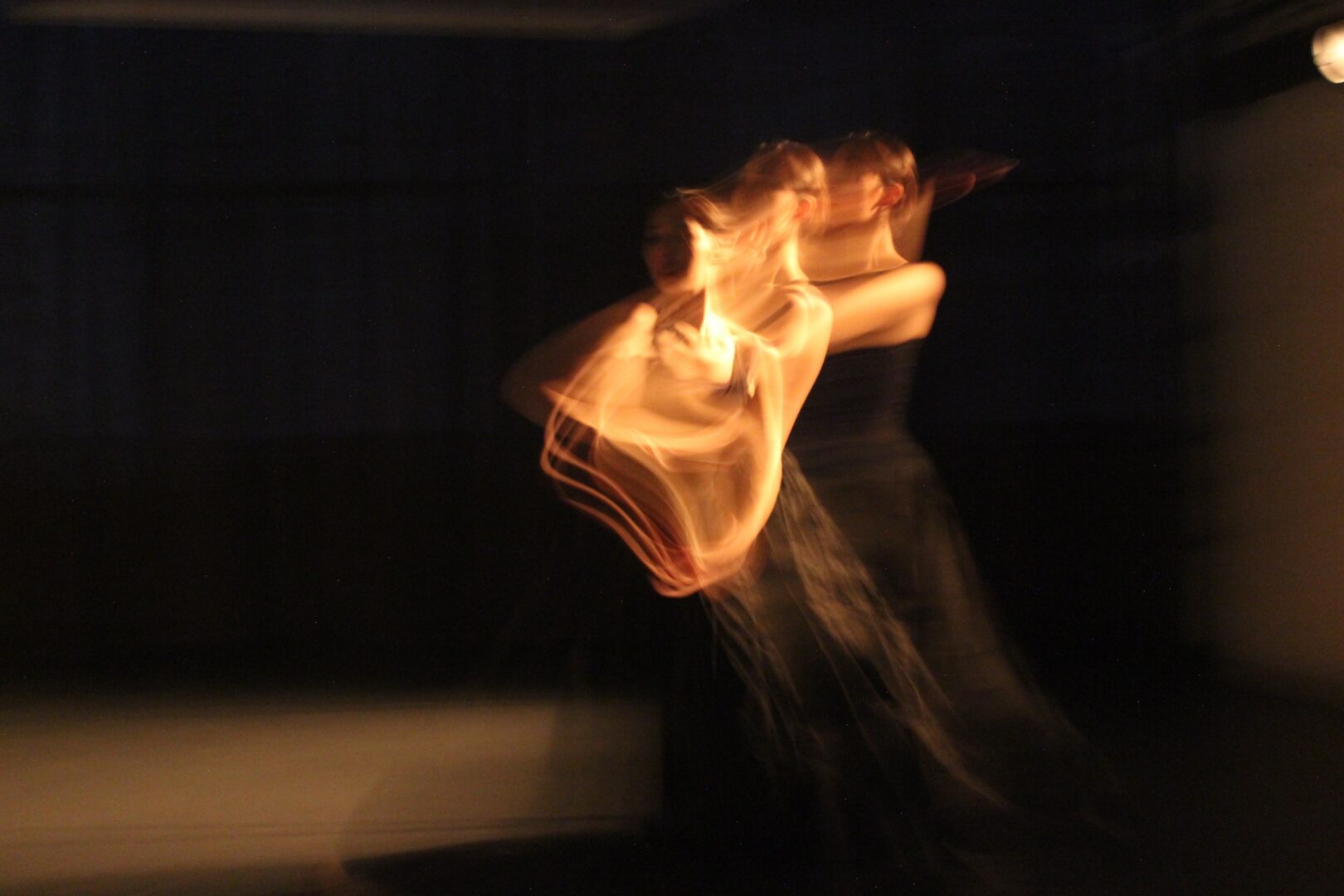
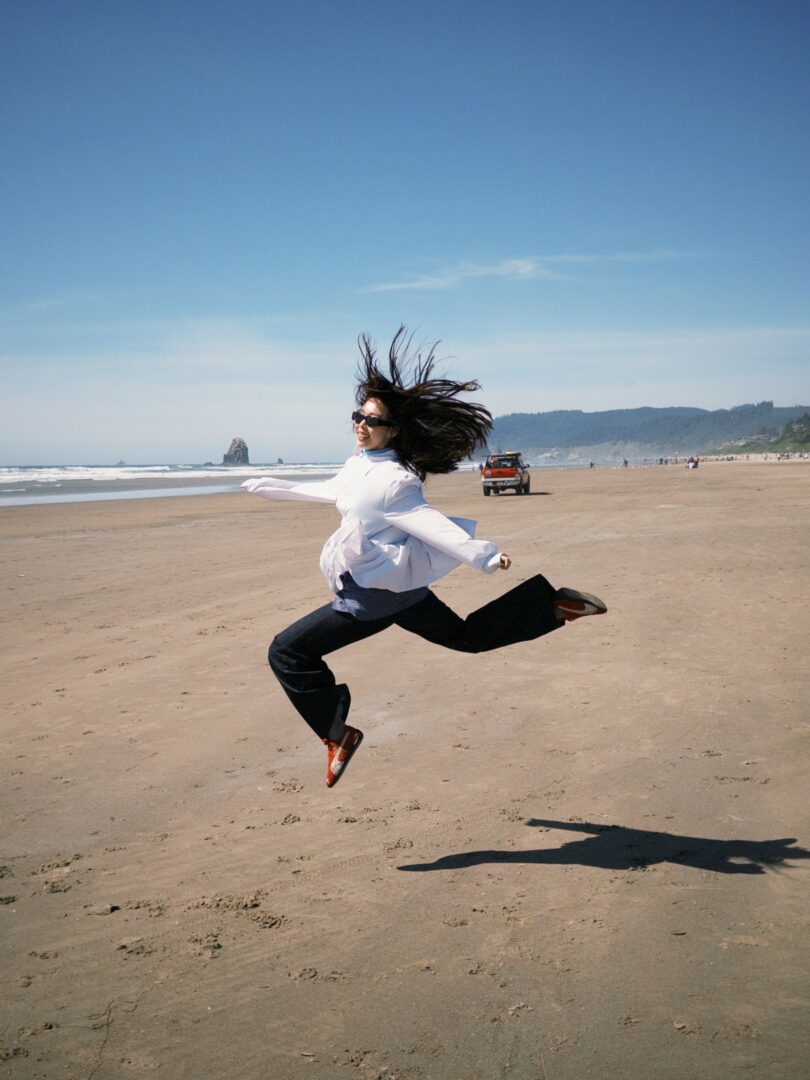
I’m a New York–based dancer, choreographer, and teaching artist whose work lives at the intersection of Chinese dance and contemporary movement. My practice is rooted in storytelling—whether it’s through my choreography, my performances with local companies, or the cultural programs I lead in museums, theaters, and schools across the city.
What excites me most is the opportunity to blend traditions with the present. I was born and raised in Nanjing and trained in Chinese classical and folk dance before expanding into ballet and modern dance. As I’ve grown as an artist in New York, those languages have started to merge in unexpected ways. My pieces often explore memory, migration, and the quiet emotional spaces we don’t always name. I love creating work that feels intimate, atmospheric, and honest—movement that resonates even without explanation.
I’m currently expanding my choreographic portfolio, especially my “After” series, a collection of works inspired by emotional afterglows—After Rain, and more to come. I’m also collaborating on an evening length project that integrates movement with visual illusions, and I’ll be performing in several New York venues in the upcoming season.
What I hope people take away from my work is a sense of closeness—both to themselves and to the world around them. Dance has this quiet power to make us pause, breathe, and feel more connected. If my work can offer even a moment of that, then it feels worth sharing.

Looking back, what do you think were the three qualities, skills, or areas of knowledge that were most impactful in your journey? What advice do you have for folks who are early in their journey in terms of how they can best develop or improve on these?
Looking back, the three things that influenced my journey the most were curiosity, consistency, and knowing my roots.
Curiosity kept me moving forward. I’ve always loved exploring different styles, asking questions, and noticing how people move through the world. That openness is what keeps my creativity alive. My advice: stay interested. Try new classes, watch different art forms, and let yourself be surprised.
Consistency sounds simple, but it’s the hardest. Showing up to train, rehearse, or create even when I’m tired or unsure ended up shaping me more than any big breakthrough moment. Creativity builds quietly. For anyone starting out: don’t underestimate the power of small, steady habits.
And knowing my roots—both culturally and artistically—has been a guide. My background in Chinese dance and my experiences in New York constantly inform each other. Understanding where I come from helps me make work that feels honest. My advice: whatever your background is, let it be part of your voice instead of something you hide.
Together, these three qualities helped me grow in a way that feels real and sustainable.
Tell us what your ideal client would be like?
From a business perspective, my ideal client is someone who values high-quality creative work, clear communication, and a collaborative process. I work best with clients who come in with a vision—or even just a feeling—and are open to trusting my expertise in shaping that vision through movement, storytelling, and cultural aesthetics.
I especially enjoy partnering with organizations, studios, and brands that appreciate thoughtful, intentional artistry rather than quick, surface-level results. Clients who understand timelines, respect the creative process, and are willing to invest in meaningful work tend to be the best fit.
Whether it’s choreography, performance, cultural programming, or educational workshops, the ideal client is someone who is professional, responsive, and genuinely excited about creating something memorable together. When both sides bring clarity and mutual respect, the work naturally becomes stronger and more impactful.
Contact Info:
- Website: https://www.shuninghuang.com
- Instagram: shyulavniga
so if you or someone you know deserves recognition please let us know here.