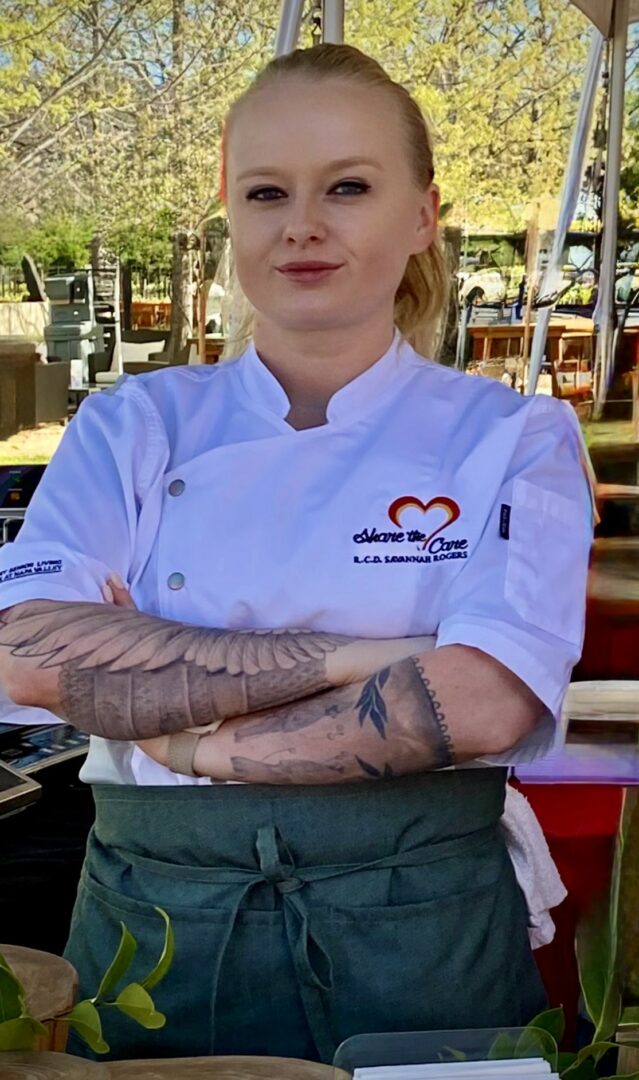
We recently connected with Savannah Rogers and have shared our conversation below.
Savannah, so great to be with you and I think a lot of folks are going to benefit from hearing your story and lessons and wisdom. Imposter Syndrome is something that we know how words to describe, but it’s something that has held people back forever and so we’re really interested to hear about your story and how you overcame imposter syndrome.
Honestly, I overcome imposter syndrome by going back to the facts. In this industry, being young and being a woman can make people assume you haven’t “earned it” yet — so I ground myself in what I’ve actually delivered. Communities that I support are stronger, culinary leaders and chefs across the U.S. are developing, programs are elevating, and my work speaks louder than any doubt. That keeps me centered.
Preparation is another big one for me. When I walk into a room, I make sure I’m ready. Here is where overthinking can actually be a superpower because I have already run the outcomes 50 times by now and am prepared for all the questions others may toss my way. That level of readiness quiets any insecurity really fast. It’s hard to feel like an imposter when you know your craft better than anyone else in the conversation.
I also stay rooted in my purpose. I’m here to raise the bar in senior living dining, to support my culinarians, and to create experiences our senior citizens truly deserve. When I keep that mission in focus, it puts everything else in perspective. Bias shows up, sure — but it doesn’t get to lead me. And being young? I’ve stopped treating it like something to overcome. I believe it’s my advantage. I bring fresh perspective, I move fast, I innovate, and I’m not stuck in “the way we’ve always done it.” My results usually speak before I have to.
So, yes, imposter syndrome pops up every now and then but I’ve learned to treat it like background noise. I let the work, the outcomes, and the growth of my teams across the U.S. remind me that my age and gender aren’t the reason I’m in this role… it’s my performance.
Great, so let’s take a few minutes and cover your story. What should folks know about you and what you do?
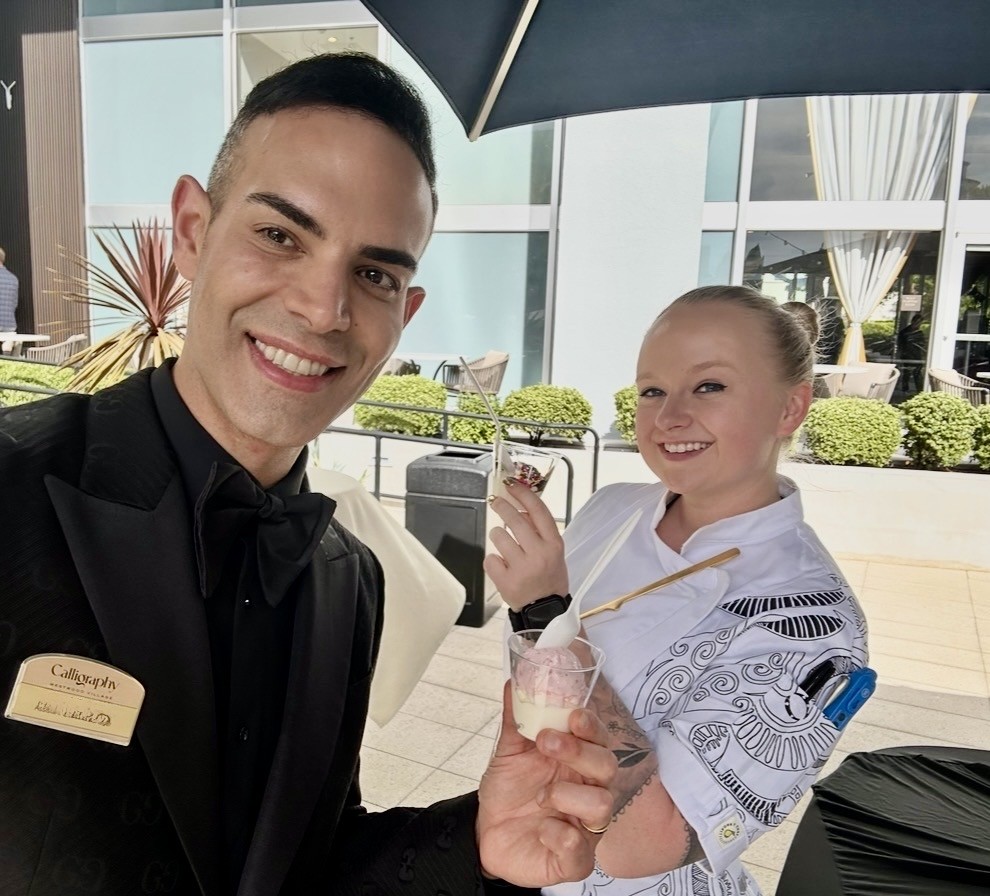
I oversee culinary operations for 50+ luxury senior living communities across the U.S., supporting teams from coast to coast. I travel constantly, working alongside our culinarians to elevate programs, strengthen culture, and redefine what senior living dining can be. I like to say I’m using my culinary degree in a way my college never even mentioned was possible and it’s become the most purpose-driven work I could have imagined.
What makes this field special is the impact. Food is comfort, connection, and dignity, and in senior living it carries even more weight. Being able to influence that experience for thousands of residents — while helping culinarians grow into confident, creative leaders — is something I’m both proud of and energized by.
My brand is rooted in elevating culinary culture and bringing excitement back into our kitchens, whether through heritage-driven programs like Feeding the Culture or through high-energy competitions and trainings that challenge our teams to grow and innovate. We’re also launching new initiatives like our Zero-Proof program — a fully crafted non-alcoholic bar experience with signature cocktails, menus, and full training resources — all designed to modernize senior living dining and deliver hospitality that feels truly elevated.
At the end of the day, my mission is simple: build extraordinary, resident-centered dining programs and develop culinarians who lead with skill, creativity, and heart.

If you had to pick three qualities that are most important to develop, which three would you say matter most?
Looking back, there are three qualities that have had the biggest impact on my journey: squashing my ego, speaking up, and learning to advocate for myself.
Squash Your Ego:
In this field, ego can get in the way fast. Letting go of the need to “prove” myself opened the door for real growth. It allowed me to listen, learn, and collaborate at a higher level. When you drop the ego, you make space for better ideas, stronger partnerships, and real leadership. My advice for anyone early in their career: stay coachable. Be hungry to learn, not hungry to be right.
Speak Up:
I had to learn early on that silence doesn’t build influence. Speaking up — even when I was the youngest in the room — helped me find my voice and earn respect. It doesn’t mean being loud; it means being clear, prepared, and willing to contribute. For those just starting out, practice articulating your thoughts whether it’s in front of the mirror, pouring into a journal or by creating a PowerPoint for your idea before being asked to present. Preparation builds confidence, and confidence builds presence.
Advocate for YOU:
This one is a game changer. No one can champion your goals, your value, or your career better than you can. I had to get comfortable asking for what I needed and not taking no for an answer when it counted whether it was about future opportunities, clarity, support, and even a seat at the table. My advice is simple: document your wins and communicate them without bragging (no one want’s to hear “that” person). When you show up with facts and back it up with actions, your voice carries weight.
Once you find leaders who reflect the kind of professional you want to become, pay attention. Ask questions about how they got there, and really watch — great leaders guide you through their actions more than their words. Just as importantly, learn from the bad leaders too. Take note of the behaviors, habits, and decisions that don’t align with the leader you want to be, so you never accidentally replicate them when it’s your turn to lead at a higher level.
What’s been one of your main areas of growth this year?
My biggest area of growth this past year has been learning how to slow down. In a fast-growing company like ours, where acquisitions move fast and expectations are high — budgets, resident satisfaction, and the constant need to support teams — it’s easy to stay in “go mode” all the time. This year, I made a deliberate shift.
I went back to the basics of leadership. Not just telling people what to do, but taking the time to explain how and why we do it. I think of it like giving someone directions on making a peanut butter and jelly sandwich. If you wrote instructions down right now, could someone with zero experience actually recreate it? Only if you explain everything — the type of bread, the utensils, how to assemble it, how it’s presented. Otherwise, their result will look completely different than what you intended.
That example reminded me that clarity builds confidence. So instead of pushing initiatives toward my team, I listened more, gathered feedback, and supported their personal and professional development in a way that met them where they were. The outcome was stronger communication, better alignment, and leaders who now give clearer direction to the people who report to them.
I also prioritized myself in a way I never have before. Traveling roles can burn you out quickly, if you’re not careful. This year, I protected my mental health, my fitness goals, my personal boundaries, and my overall sense of self. Learning to take care of me has made me a stronger, more grounded leader for the people I support.
Slowing down, communicating with intention, and caring for my own wellbeing changed not just how I lead — but how I show up for others.
Contact Info:
- Website: https://discovery-management-group.oasisrecruit.com/
- Linkedin: https://www.linkedin.com/in/savannah-rogers-307942ab
- Other: https://voyagedallas.com/interview/exploring-life-business-with-savannah-rogers-of-discovery-management-group/
Image Credits
Farid Tommy Taheri, De Waal Venter, Nicole Gasaway, Jody McLeod, Kevin Brown, Nick Schecodnic
so if you or someone you know deserves recognition please let us know here.