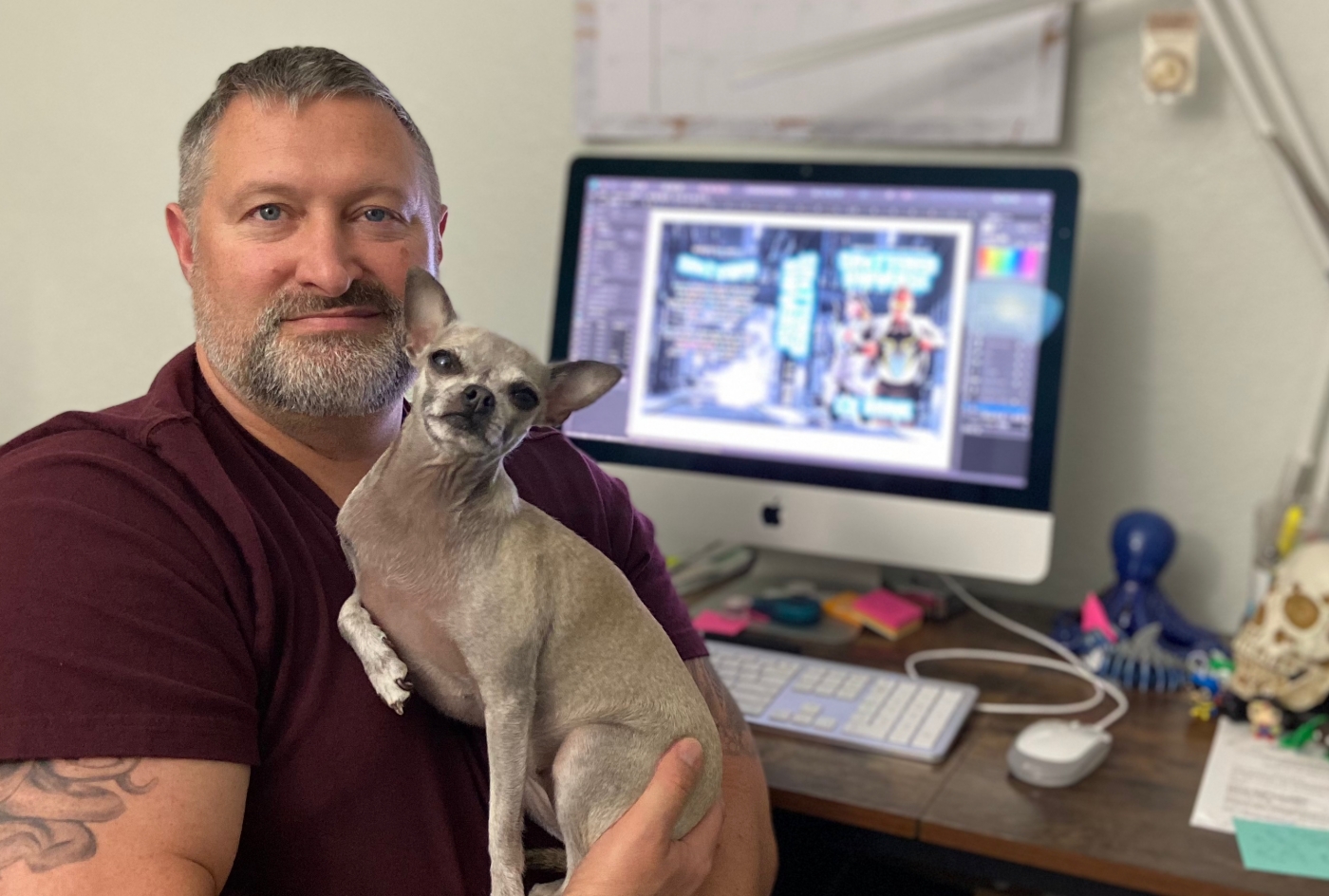
We recently connected with Neal Greenberg and have shared our conversation below.
Neal, so many exciting things to discuss, we can’t wait. Thanks for joining us and we appreciate you sharing your wisdom with our readers. So, maybe we can start by discussing optimism and where your optimism comes from?
My optimism isn’t something I was simply born with; it’s something I’ve intentionally built over time. For as long as I can remember, I’ve immersed myself in business books, biographies of great people, personal development writing, and anything that expands my mindset. Learning from people who have overcome challenges and turned ideas into impact has always reinforced my belief that progress is possible — for anyone willing to grow.
I’m also very deliberate about the people I keep close. I choose to surround myself with individuals who are optimistic, forward-thinking, and creative. Their energy fuels mine. At the same time, I avoid spending too much time with people who drain my spirit or stay stuck in limitation-based thinking. Protecting my energy is a priority, because mindset shapes momentum.
Another key source of my optimism comes from genuinely celebrating other people’s success. I don’t believe in jealousy or scarcity. When others win, it expands what’s possible for all of us.
I also train myself to focus on solutions rather than problems. Challenges are inevitable, but staying stuck in them is optional. By looking for angles, lessons, and opportunities, I stay in motion instead of in frustration.
More recently, my optimism is deeply connected to my health and routines as well. Investing in movement, nutrition, and daily habits that support my energy gives me a stronger mental foundation. When my body feels strong, my mind naturally follows. 4 years ago, as I approached the age of 60, I made this change and it has really paid dividends.
And perhaps most importantly, I’m committed to continuous growth. Becoming a little better each day builds confidence, and that confidence fuels optimism. Progress — even small progress — reinforces the belief that tomorrow can be better than today.
Appreciate the insights and wisdom. Before we dig deeper and ask you about the skills that matter and more, maybe you can tell our readers about yourself?
In 2005, I co-founded Schmartboard, a company created to solve a major challenge in the world of electronic circuit prototyping. As electronic components became smaller and more powerful—allowing devices like cell phones to pack incredible capability into tiny spaces—the traditional methods engineers used for testing circuits became obsolete. What had once been a straightforward process of hand-soldering prototypes was no longer possible with modern miniaturized components. Schmartboard patented a breakthrough technology that made it possible once again for engineers to hand-solder even the tiniest components, revitalizing the prototyping process for the next generation of electronics.
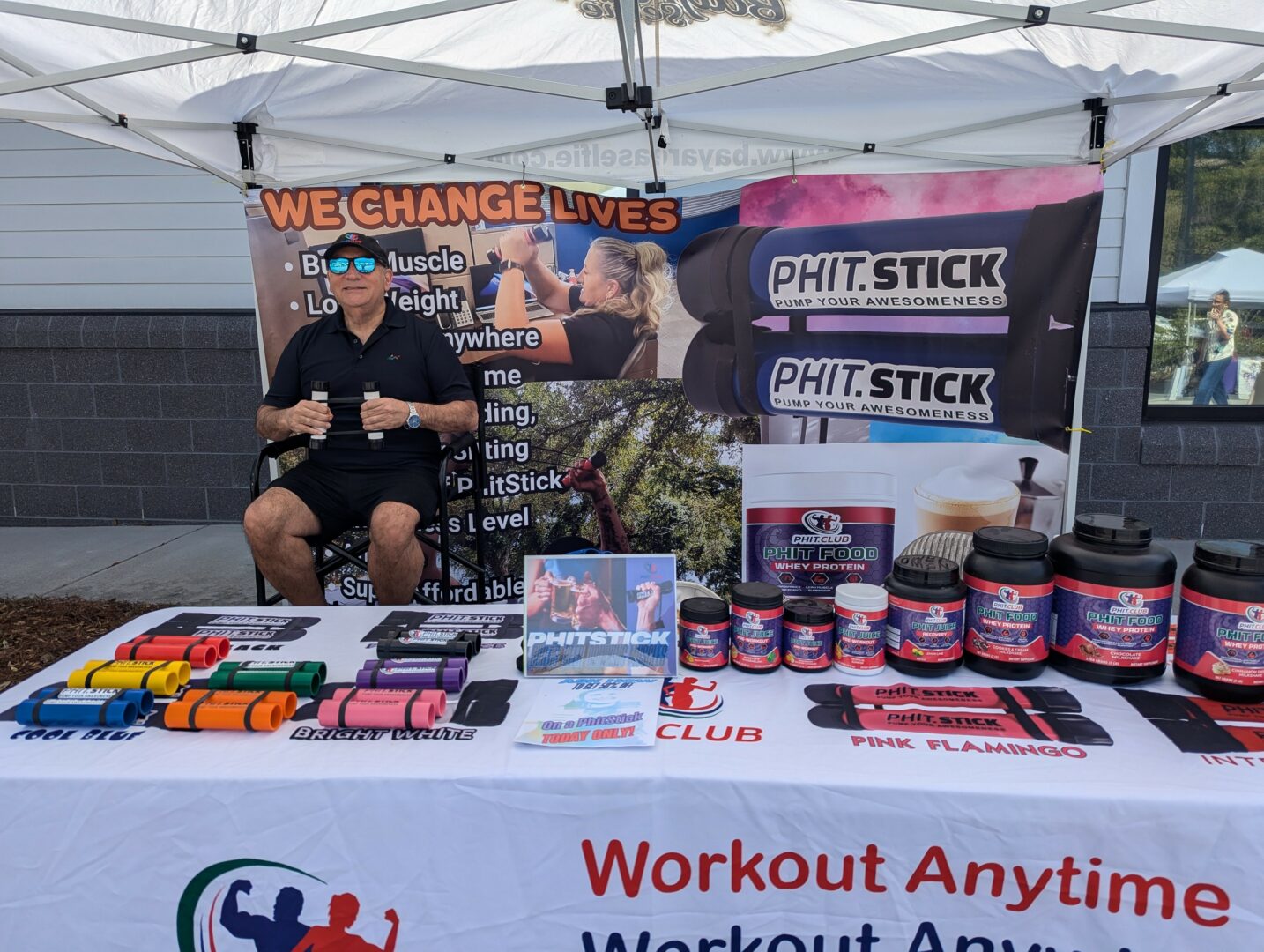
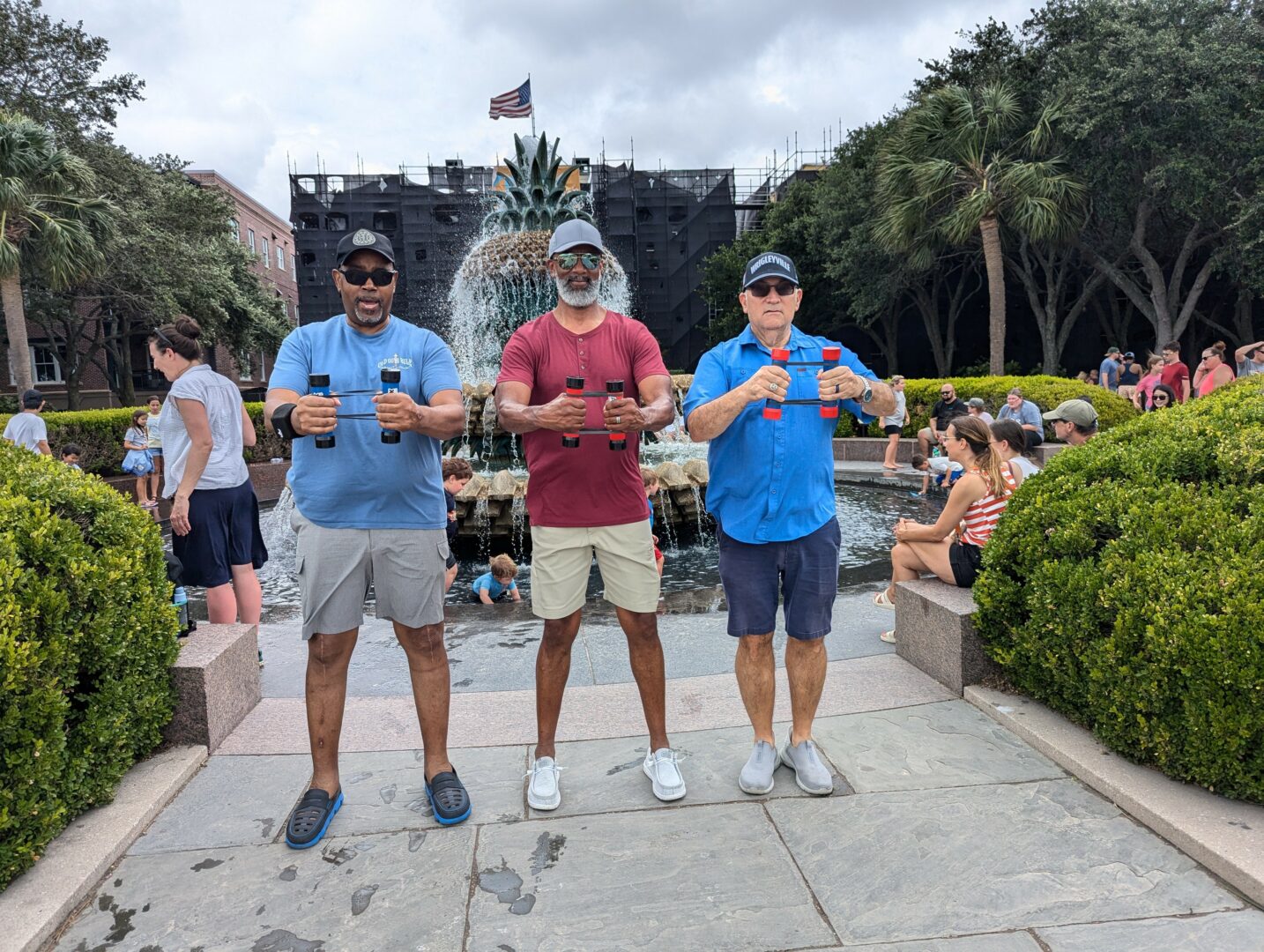
Nearly two decades later, in 2024, after personally losing weight and rebuilding my strength following years of neglect, I created a new product called the PhitStick and founded Phit.Club LLC. The PhitStick is a highly effective fitness device designed for building muscle and supporting fat loss. It’s portable, versatile, and easy to take anywhere—small enough to fit in a glove compartment, gym bag, or even a pocket. Today, we serve a wide range of audiences, including corporate wellness programs, chiropractors and physical therapists, senior communities, sports teams, and individuals looking for a simple, effective way to stay strong.
I also serve on the board of an exceptional nonprofit organization called SEBA (Supporting Business, Education, and Community). Our mission is to equip students with ethical leadership skills, essential life tools, and strong mentorship so they can navigate life with confidence and resilience. We are deeply committed to fostering social responsibility, mental and emotional well-being, and personal growth—ensuring every student has access to the support they need to succeed. Through practical leadership training, empathy-driven mentorship, and innovative life-skills education, SEBA helps young people become compassionate leaders who positively impact their communities.
What makes SEBA truly unique is our peer-to-peer approach: students lift up other students. We teach young people how to support classmates who may feel isolated or struggle socially. In a time when school environments face unprecedented challenges—highlighted all too often by tragic events—SEBA offers schools a powerful, proactive way to build healthier cultures. By teaching life skills early and empowering students to look out for one another, we help create safer, more connected communities where every student can thrive.

Looking back, what do you think were the three qualities, skills, or areas of knowledge that were most impactful in your journey? What advice do you have for folks who are early in their journey in terms of how they can best develop or improve on these?
I will give you one piece of advice: The most important rule I try to live by is this: Nothing that happens to you in life truly matters. What matters—what always matters—is how you choose to respond to what happens.
Life is unpredictable. We all face setbacks, disappointments, unfair situations, and moments we never saw coming. We can’t control every circumstance, and we certainly can’t control other people. But we always retain the power to choose our response. That response is what shapes our character, our direction, and ultimately our future.
When you stop viewing events as something happening to you and instead see them as something happening for you to learn from, everything changes. Challenges become training grounds. Failures become data. Unfairness becomes fuel. You realize that your internal world has far more influence on your success and happiness than anything external ever could.
This mindset creates resilience. It shifts your attention away from blame and toward responsibility. It gives you power in situations where most people feel powerless. And over time, choosing your response—intentionally, thoughtfully, and with strength—builds optimism, confidence, and emotional maturity.
In the same spirit, try not to let yourself become upset over expectations you place on others. If someone outside your immediate family doesn’t meet your hopes or needs, don’t let it derail your peace. Acknowledge it, accept it, and move forward. People will disappoint you at times—that’s part of life—but you don’t have to let it grow into unnecessary drama or emotional chaos.
You can’t control the weather, the economy, your past, or other people’s decisions. But you can always control your attitude, your actions, and your next step. And that is where real freedom lives. NEVER BE A VICTIM.

As we end our chat, is there a book you can leave people with that’s been meaningful to you and your development?
The Seven Habits of Highly Effective People by Stephen Covey was an important book in shaping how I think, lead, and respond to life. Covey’s message is built around one powerful idea: truly effective people don’t simply react to life — they create their life through intentional choices. That principle has stayed with me for decades.
One of the biggest insights from the book is the importance of taking responsibility for your own mindset and behavior. Covey explains that your power lies in your ability to choose your response, regardless of circumstances. That perspective aligns directly with the rule I try to live by — that what happens to you doesn’t matter nearly as much as how you respond to it.
Covey also emphasizes the value of clarity and purpose. He encourages you to define where you want your life to go before you start making decisions, because direction gives meaning to action. That understanding helped me see the importance of aligning my daily choices with long-term values, not short-term impulses.
Another core message from the book is the discipline of focusing on what truly matters. It’s easy to get lost in urgencies and distractions, but Covey teaches that effectiveness comes from prioritizing the things that actually move your life forward — your health, your goals, your relationships, and your personal growth.
He also reshapes the way you think about relationships and success. Instead of approaching life as a competition, Covey shows the power of seeking outcomes where everyone benefits. Trust, collaboration, and mutual respect create stronger partnerships and better results than scarcity-driven thinking ever could. And communication becomes far more effective when you focus first on understanding others rather than rushing to be understood.
Covey also highlights the idea that we achieve more together than we ever can alone. When people combine their strengths, perspectives, and creativity, the outcome is bigger and better than anything one person could produce in isolation.
And finally, he reinforces the necessity of continual renewal — taking care of your body, your mind, your emotional health, and your spirit. Effectiveness isn’t just about pushing harder; it’s about maintaining the energy, clarity, and resilience needed to keep growing over a lifetime.
Contact Info:
- Website: https://www.seba-leadership.org/
- Facebook: https://www.facebook.com/schmartboard
- Linkedin: https://www.linkedin.com/in/nealg/


Image Credits
Neal Greenberg
so if you or someone you know deserves recognition please let us know here.