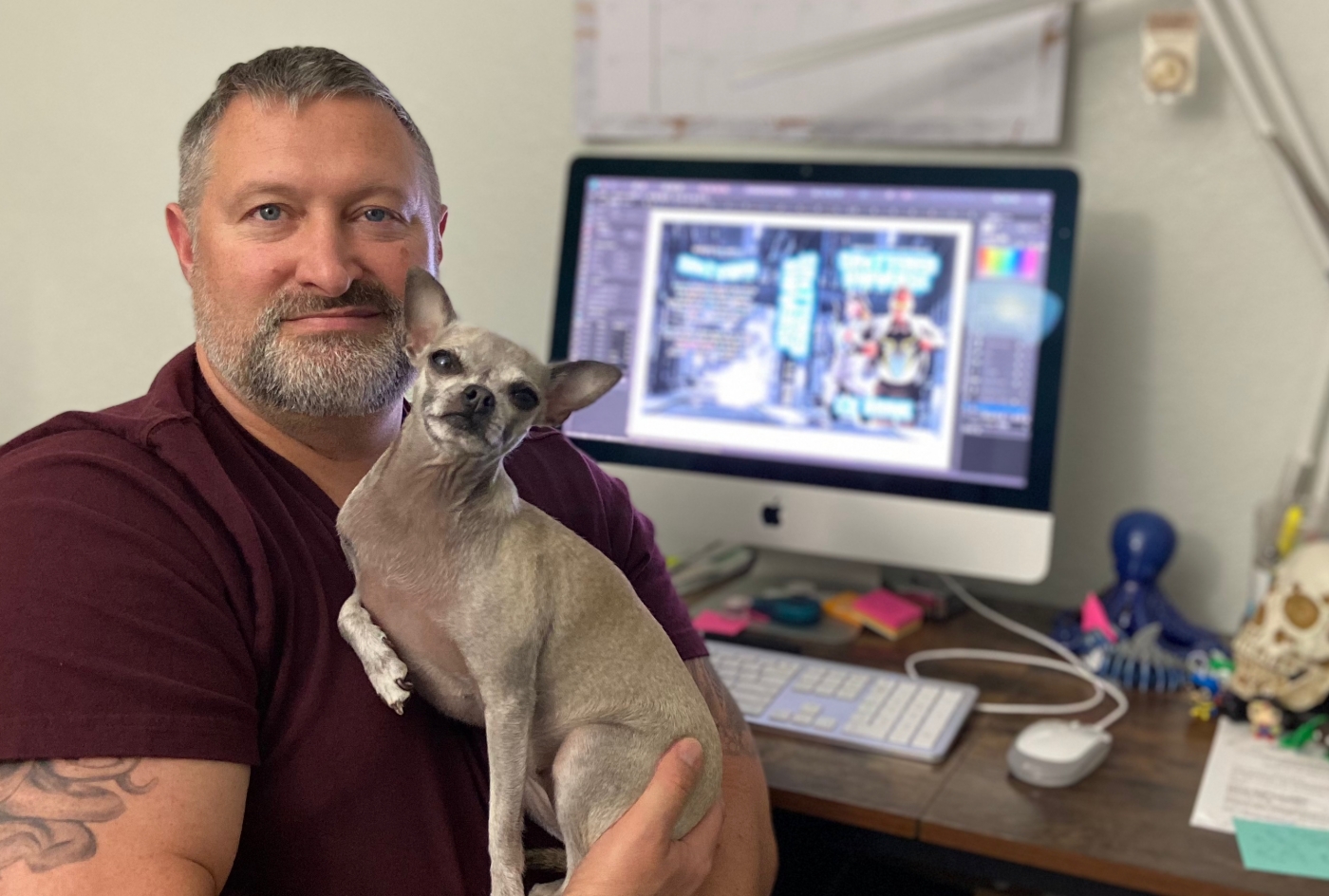
We were lucky to catch up with J. D. Brink recently and have shared our conversation below.
Hi J. D., great to have you with us today and excited to have you share your wisdom with our readers. Over the years, after speaking with countless do-ers, makers, builders, entrepreneurs, artists and more we’ve noticed that the ability to take risks is central to almost all stories of triumph and so we’re really interested in hearing about your journey with risk and how you developed your risk-taking ability.
That’s a good question. I’m not sure I know the answer. Or rather, some things that others outside of myself might have seen as risk-taking, like joining the Navy when I was 22 and graduating from college, I didn’t feel risky about. Other things that others saw as common life stuff, like asking a girl out, I trembled at and could not fathom.
To take the latter, I do remember the thought process that finally allowed me to ask a girl out the summer after my senior year of high school.
First, you have to understand that I was born with anti-confidence. While some people are not confident in themselves, might even be said to have no confidence, I scored in the negatives–below zero! For the first half of my life, it was nearly impossible for me to imagine that any girl would be interested in me for any reason. (Which is one of the great regrets of my life–what a waste of time and youth!) Heck, I’ll be 49 this month, am married with a son and step-kids, for a short period 20 years ago had a pretty lively dating life, and even now I’m not sure I can imagine it!
But I made an argument at 18 that finally convinced me to risk it. The movie “Interview with the Vampire” had come out earlier in my senior year. And as I stared at the telephone, debating the psychological damage and crippling embarrassment I might suffer at calling this girl and asking her out and receiving her inevitable rejection, something occurred to me. What if I were immortal, like those centuries-old vamps in that movie? One little rejection on a Saturday afternoon 100 years ago would be nothing in such a lifetime. And even if I lived less than one century, would I look back on it as some life-shattering event? I sure hope not!
So what the heck was I afraid of?
That convinced me. In the grand scheme of things, this tiny little event would barely be a blip on my radar. I probably wouldn’t even remember any of it in a few years. (Of course, that turns out not to be true. It obviously made an impression on my fragile psyche.)
So how did it turn out? Well, she said yes. Turned out by some miracle, there was at least one girl who was actually eager for me to ask her out. Too bad I didn’t know what to do after that. The date was a one-and-only and we wouldn’t chat again until the 10 year reunion.
But that’s okay. That’s the first step, right? You’re not going to win any gold medals the first time you swim, but you have to be able to jump in the water to begin learning how in the first place.
Going into the Navy never seemed like a risk to me. Even though all of my friends and family were mortified and dumbfounded by the decision. It was an adventure waiting for me. And what was the alternative? To stay home and NOT have any adventures? What would be the point of that?
So my advice for pushing yourself through the risk-adverse barrier is to ask yourself two questions: What’s the worst that could happen if you try it? And what’s the alternative if you don’t?
The answers are most likely: nothing and nothing. Nothing terrible will happen if you try. And nothing good will happen if you don’t.
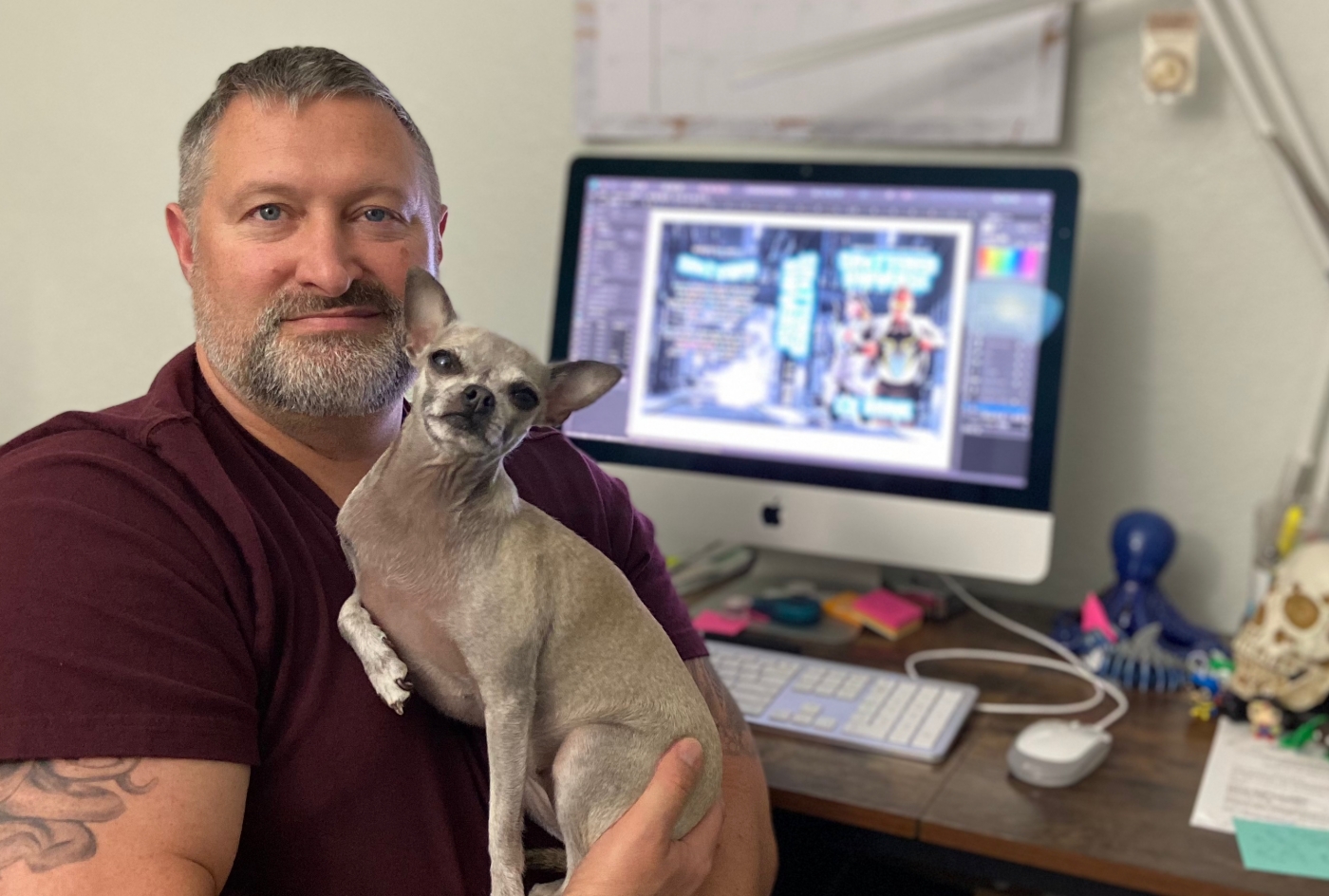
Great, so let’s take a few minutes and cover your story. What should folks know about you and what you do?
I like to say, “Life is not a straight line.”
And I’m still navigating the curves as we speak.
In college (the first time), I changed my major from undecided to creative writing. “What are you going to do with that?” my mother asked. I didn’t know then and I’m still not sure today.
After college I enlisted in the Navy as a cryptologic technician, collecting intel on the high seas. (And if you’re saying I should have been an officer, you’re right!) After a four-year hitch I became an insurance adjuster, then a substitute teacher as I got qualified to teach K-8. But when I couldn’t find a fulltime teaching job, I went back to college and became a nurse. Then I went back to the Navy on the medical side. Now I combine all those things as a nursing school instructor, making new nurses to send out into the world. Oh, and I sometimes find time to write, too.
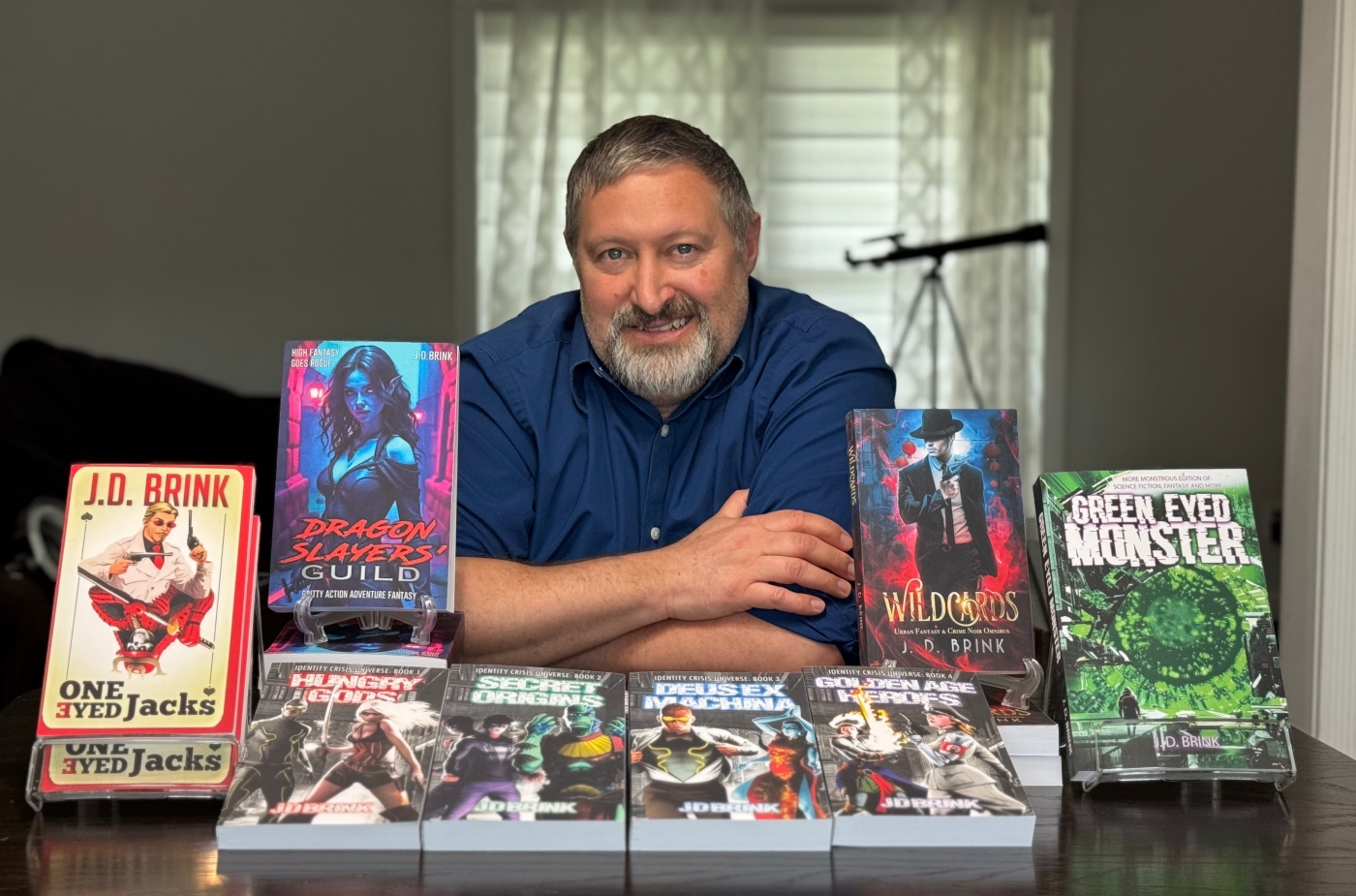
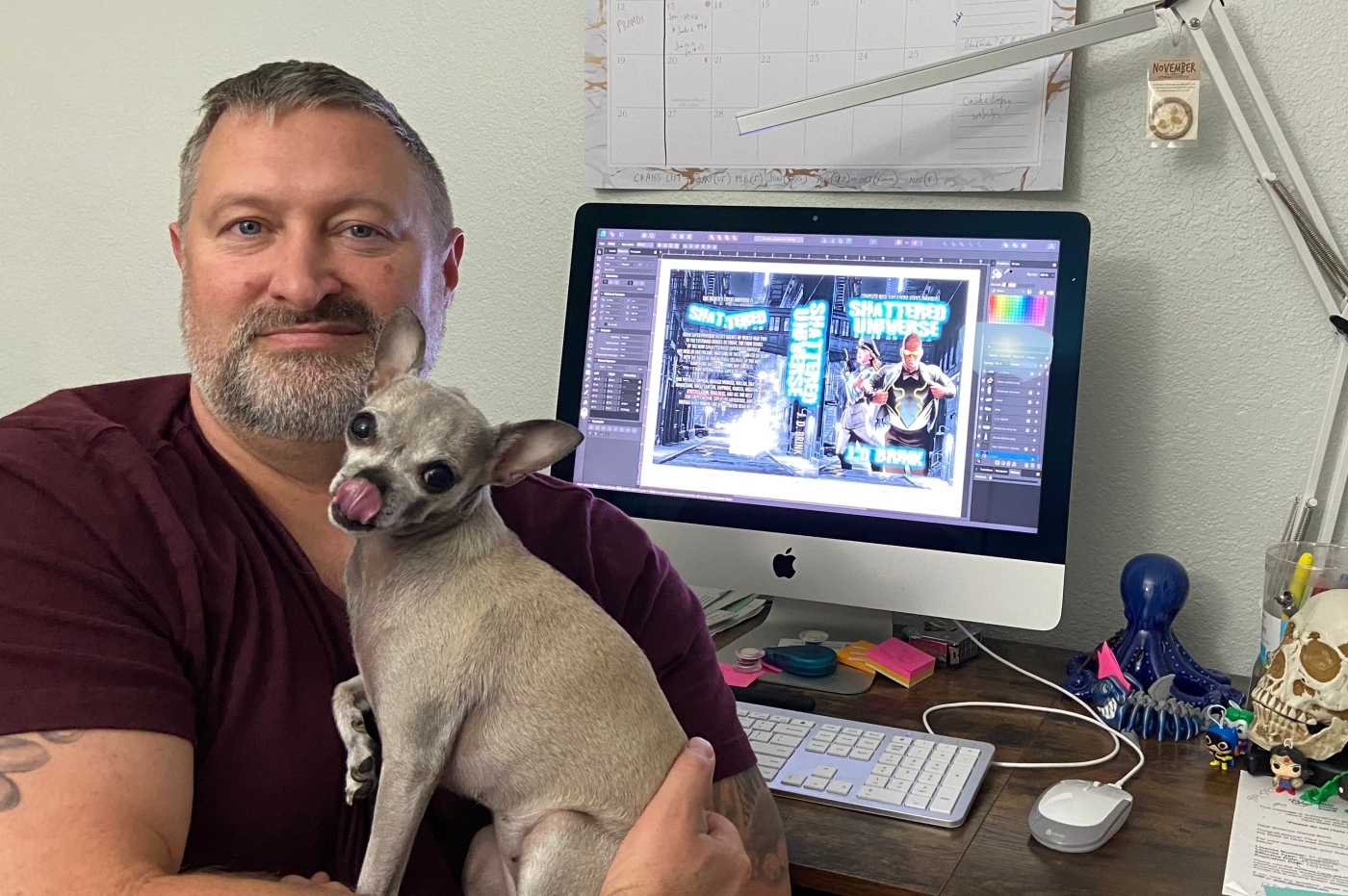
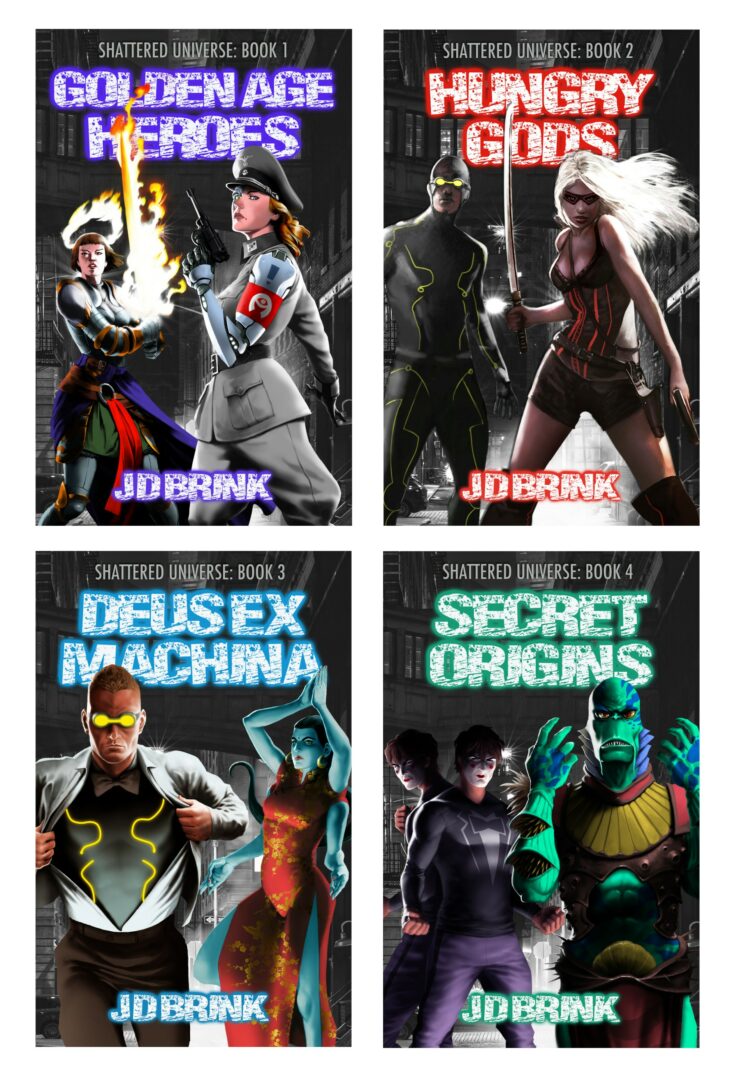
I was trained to write “literature” in college but grew up on monster movies, Star Trek, and X-Men comic books. And so, like my day job, I combine my many experiences into fantasy and science fiction that blends art, theme, humor, and gritty real life. I enjoy writing short stories and novels, from space opera to swords and sorcery to gritty noir, all with characters that feel real, action that packs a punch, and the purest enjoyment of the genres.
You can find me on all the major retail sites and at JDBrinkBooks.com
And recently, due to the economic woes of the country, I reduced the price on all my ebooks to just $2.99 for the remainder of 2025. Here’s hoping for big changes in 2026.
There is so much advice out there about all the different skills and qualities folks need to develop in order to succeed in today’s highly competitive environment and often it can feel overwhelming. So, if we had to break it down to just the three that matter most, which three skills or qualities would you focus on?
That’s a tough one. But I suppose I’ll endorse the same qualities that a lot of folks probably do:
1. Persistence. Resilience. Whatever term you want to use. Continuing to do what you do despite all the obstacles and doubts that life throws at you. You might think everyone else is making it but you, but that’s not true. The vast majority of folks give up along the way. So just by finishing through to the end, you’re putting yourself in the top 1% of achievers.
2. Use your experience. In the case of writers, “write what you know.” But I write sci-fi and fantasy. So how could I know about space travel and dragons?
Those things are easy–I just make them up! To me, write what you know means about life, human experience. The emotional struggles, the ups and downs, the love, doubts, and fears. Those things are what everyone else can relate to. By including them, you make your work universal, no matter the genre or medium.
3. Risk-taking. As with that first interview question, being afraid accomplishes nothing. If you’re sick of occupying the same little box you find yourself in, YOU can change it. And really, ONLY you can. So don’t be afraid to do so. Start small, if you have a lot on the line. For example, a 20-year-old single person has a lot more flexibility and less to risk than a 40-year-old with a family. But it’s never too late to make positive changes and strive toward your dreams. The biggest thing you have to lose is the status quo that you’re tired of anyway.
Is there a particular challenge you are currently facing?
The sad truth is that writing is not hard.
Well, it’s not easy, but if you can somehow find “butt in chair” time and resolve (both of which I sorely lack these days!) you can get the writing done.
No, the really hard part is selling. Marketing. Just getting eyes on your work. THAT is the Holy Grail, the magic challis.
How am I solving this problem?
…I got nothing.
There are ways, of course, but as more and more people publish material, the vast ocean we float in gets bigger. This is made exponentially worse by people who cannot or don’t really want to write but think it can be their “get rich quick” scheme by utilizing AI, flooding with market with inhuman crap that can’t possible simulate human experience. And then, I suspect, they find out selling is definitely the hard part (since they didn’t write it in the first place).
Okay, I’ll get off my soapbox.
To summarize, “what works” seems to change rapidly. And I am not one to offer advice in this arena but I’d happily take it if anyone has suggestions!
Contact Info:
- Website: https://www.jdbrinkbooks.com/
- Facebook: https://www.facebook.com/JDBrinkBooks
- Youtube: https://www.youtube.com/@JDBrink/videos
- Other: Amazon: https://www.amazon.com/stores/J.-D.-Brink/author/B008WC3G7W
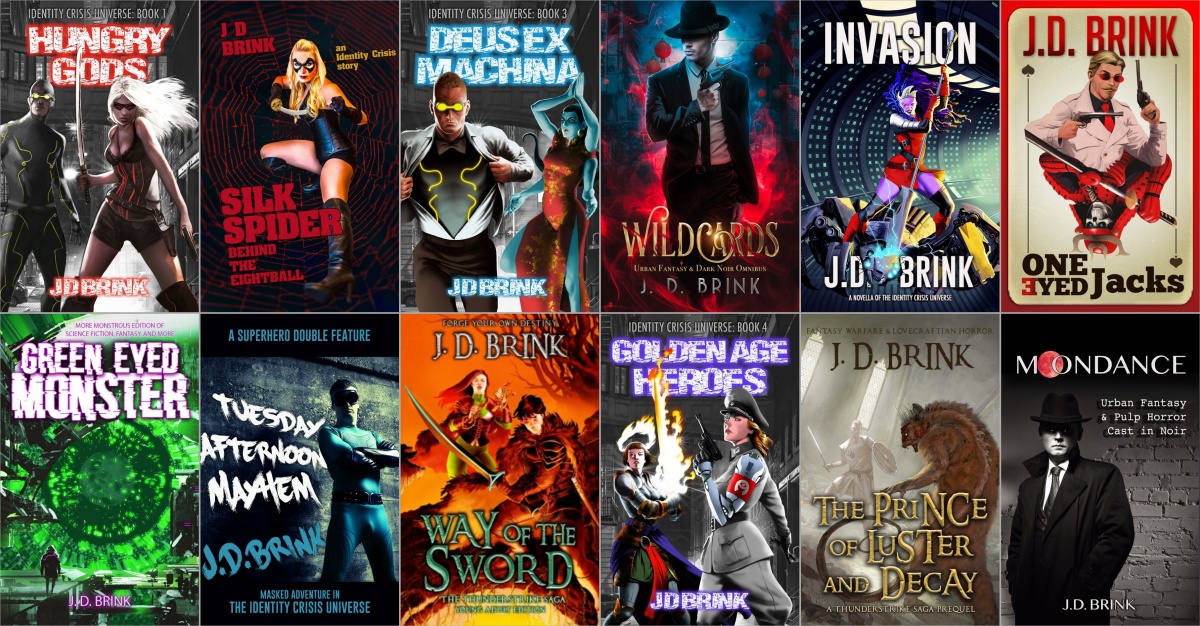
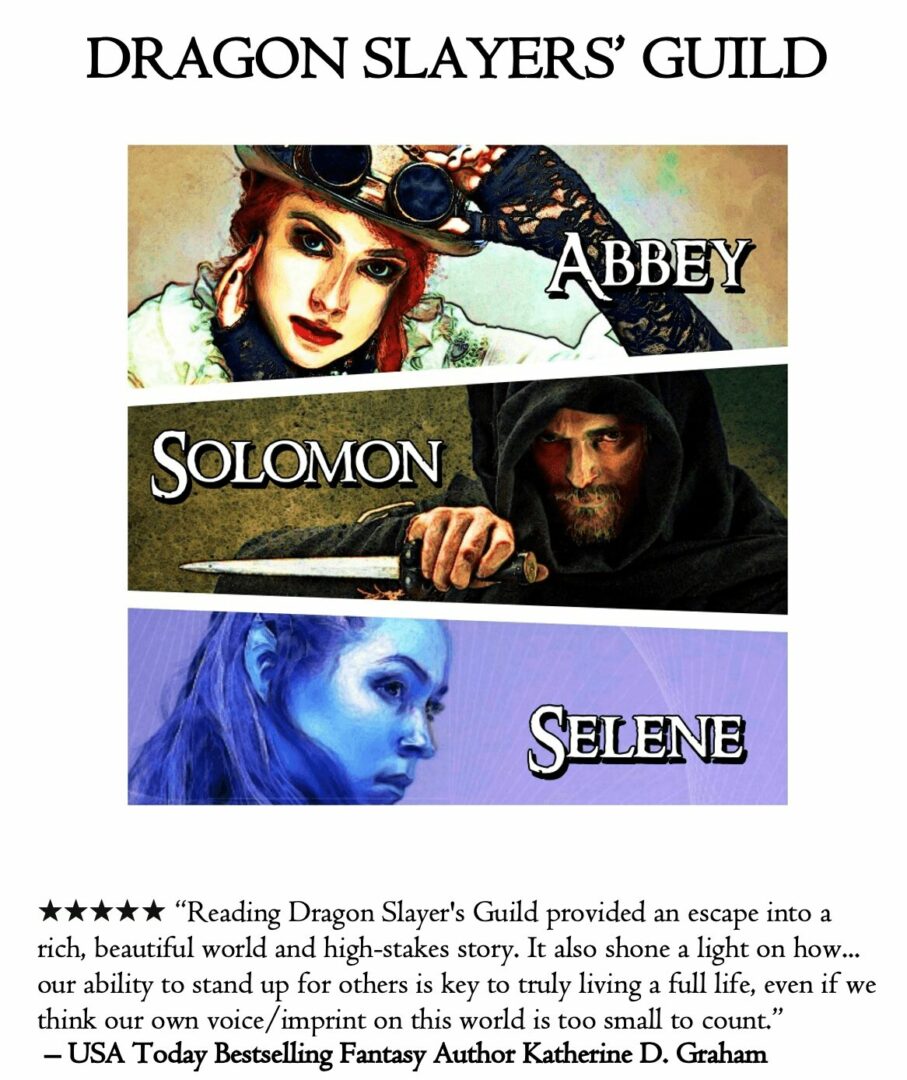
Image Credits
America Brink, Henry Ponciano, Trevor Smith
so if you or someone you know deserves recognition please let us know here.