Alright – so today we’ve got the honor of introducing you to Shulamit Sappire. We think you’ll enjoy our conversation, we’ve shared it below.
Shulamit, we are so deeply grateful to you for opening up about your journey with mental health in the hops that it can help someone who might be going through something similar. Can you talk to us about your mental health journey and how you overcame or persisted despite any issues? For readers, please note this is not medical advice, we are not doctors, you should always consult professionals for advice and that this is merely one person sharing their story and experience.
The first time I went mad, I had no map, no tools, no pathway for understanding how slowly it creeps in. I was deeply sad, and I didn’t yet have the language for what was happening. I think I’d have an easier time with this question if it asked, “How are you living despite challenges related to mental health?” Because persistence and resilience often get framed in ways that pathologize what is, for me, simply life. I don’t struggle with a mood disorder—I live with one.
Some days that means it’s brilliant, and I’m on fire. I can fly through meetings, emails, texts, move from one workplace to the gym and back again with almost no consequences. Whether it’s a good day or a bad one, there are always effects. On the tougher days, I’m snappy, I find safe recluse in the As You Are Space, and I wish I’d handled that client moment better when they forgot the movement. So I go back to the basics: hydrate, move, repeat, remind myself that feelings are not facts.
Like so many others, I’ve found ways to live despite the sounds, the mood dips, the crying fits. I know when things have stretched on too long—every ill person tracks their markers. A crisis is when I can’t find my way out. And persistence, for me, is running my hands along every wall, every seam, every opening until one finally gives and the light breaks through.
Thanks, so before we move on maybe you can share a bit more about yourself?
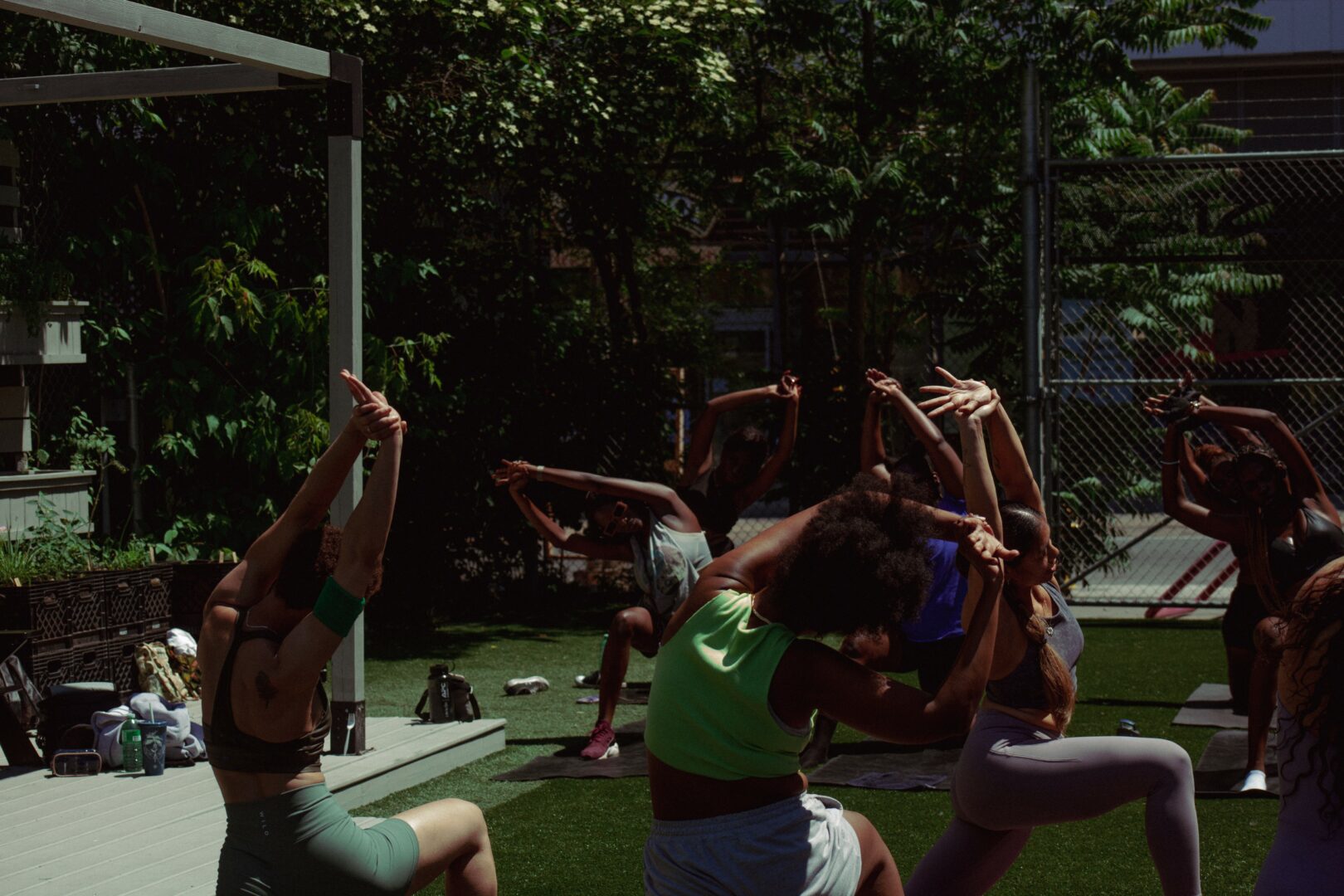
Professionally, my work lives at the axis of movement, community, and care. The first part is the gym—our grassroots wellness space designed for women and gender-diverse folks to explore movement and strength training on their own terms. Holding space through this business is really about creating pathways to both personal and community wellness. It’s a place where people can show up as they are, move in the bodies they have today, and grow without the pressure or performance that so often defines mainstream fitness culture.
The second part of my work is facilitation and peer support. I work with different spaces—organizations, community groups, classrooms—and lead conversations and workshops on wellness that reflect real bodies and real lives. As a peer support coach, I work with disabled and chronically ill folks to help them engage with their bodies, not an idealized version of what a body “should” be. It’s about supporting people in finding what’s possible, accessible, and sustainable for them.
Looking back, what do you think were the three qualities, skills, or areas of knowledge that were most impactful in your journey? What advice do you have for folks who are early in their journey in terms of how they can best develop or improve on these?
In reflection, If i had to narrow it down the three pieces that have been key in the last little while of the journey are self-awareness, community, and embodied practice.
Self-awareness gave me a kind of internal compass. It helped me notice the subtle shifts—the early markers or small signs that things (health, work, business, relationships) were tipping one way or another—so I could respond before I was swallowed by them or at-least, try to.
Community – A lot of people assume I’m “good at community” because I grew up in one. That couldn’t be further from the truth. I grew up in proximity to community, not inside it. Carving out a space—or multiple spaces—where I could be myself and where others could show up fully as themselves has taken work, practice, and, honestly, has been downright annoying and inconvenient at times. But the people and spaces where I could arrive exactly as I was, without shrinking or performing, gave me a steadiness I couldn’t always create on my own. They demanded more of me, for me—calling me back to my values, my actions, and my integrity when I was drifting. And running a business in community taught me how to be in conflict, how to have difficult conversations, and how to stay when things got uncomfortable.
Bodymind practice—movement, breath, routine—became the most reliable bridge back to myself. Sick people are some of the most disciplined people I know, because we understand exactly how long we have before the next crash, and the cost of falling out of routine when our bodies depend on it to function. Hydrate, move, repeat. Those basics aren’t glamorous, but they’re grounding. They remind me that my body can lead even when my mind is loud, scattered, or heavy

Looking back over the past 12 months or so, what do you think has been your biggest area of improvement or growth?
My biggest area of growth this past year has been learning how to have difficult conversations and letting myself stay in the discomfort instead of running from it. This year, I’ve been practicing naming things out loud—what I feel, what I need, what isn’t working—and trusting that honesty won’t break the connection, it strengthens it.
I’ve also gotten better at recognizing when I’m standing in my own way. Because we do that, right? We block the very things we say we want. I’ve had to learn to call myself in, to pause and ask whether the obstacle is real or something I built out of fear, habit, or old stories.
Contact Info:
- Website: https://shullyspace.my.canva.site
- Instagram: @asyouarespace
- Linkedin: Shulamit Sappire

Image Credits
Shaza Tarig
Osato Edobor
so if you or someone you know deserves recognition please let us know here.