We were lucky to catch up with Craig Stewart recently and have shared our conversation below.
Craig, sincerely appreciate your selflessness in agreeing to discuss your mental health journey and how you overcame and persisted despite the challenges. Please share with our readers how you overcame. For readers, please note this is not medical advice, we are not doctors, you should always consult professionals for advice and that this is merely one person sharing their story and experience.
It’s tough; I wish there was an easy answer. You know you need to do the thing, even know how to do the thing, but you don’t do it. What I’ve learned is that you can’t force it. If there’s nothing in the tank, all the good intentions in the world won’t get you anywhere. The key, for me, is accepting that there’s nothing ‘wrong’ with me; I just do things differently. So I keep my phone by the bed, to record those 3am epiphanies that I’m always sure I will remember in the morning but never do. Also, learning to embrace the frenetic pace that the work can get done. 30 pages plus in one day, offset by 12 days of absolutely nothing. Good or bad, that’s my reality. So I make lists of what is left to do. Maybe today I can get one done – or not. Maybe today I smash through the entire list. The end goal is a completed project. Focus on that, rather than the minutiae of the creative process. One thing off the list is one step forward.
Appreciate the insights and wisdom. Before we dig deeper and ask you about the skills that matter and more, maybe you can tell our readers about yourself?
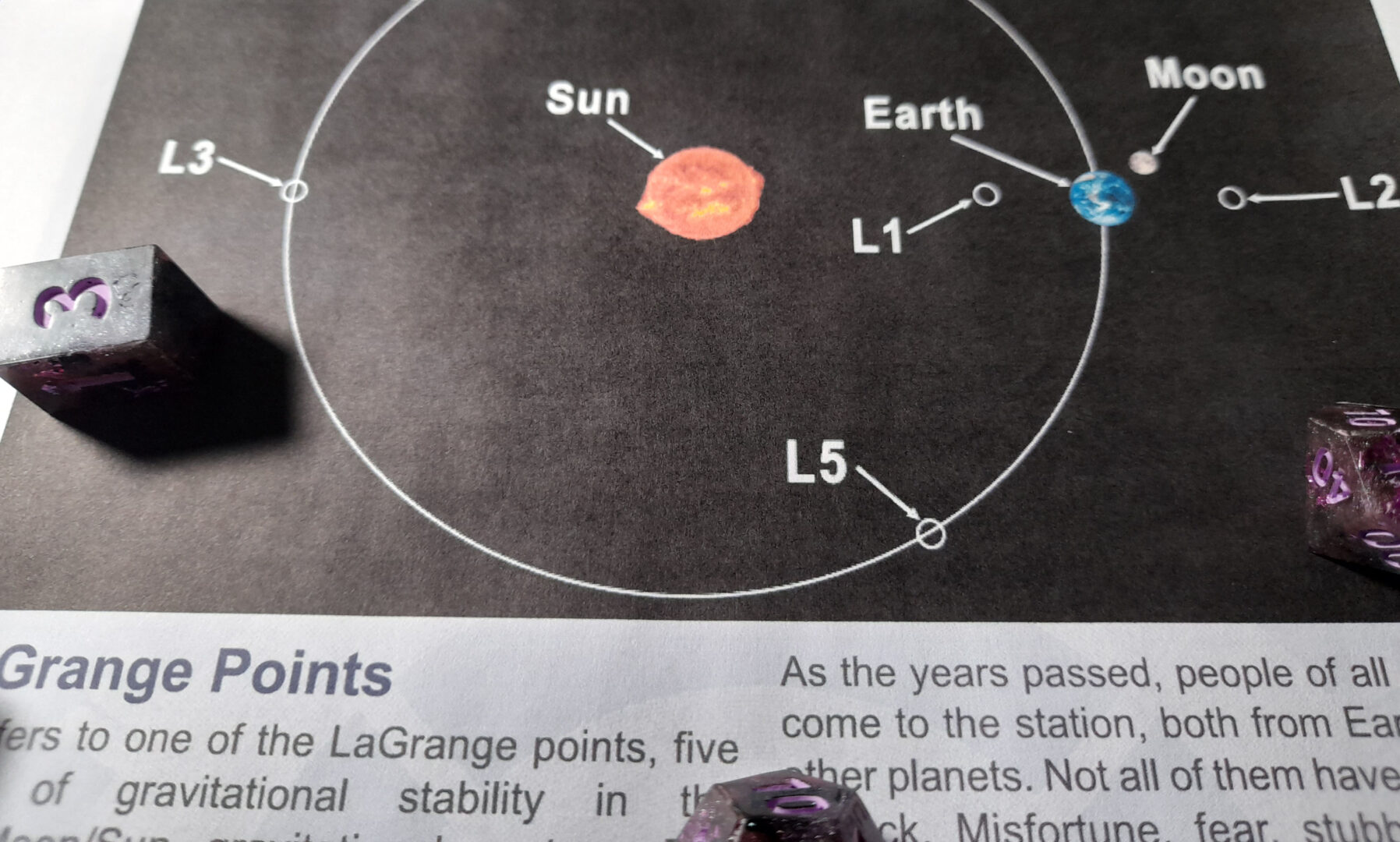
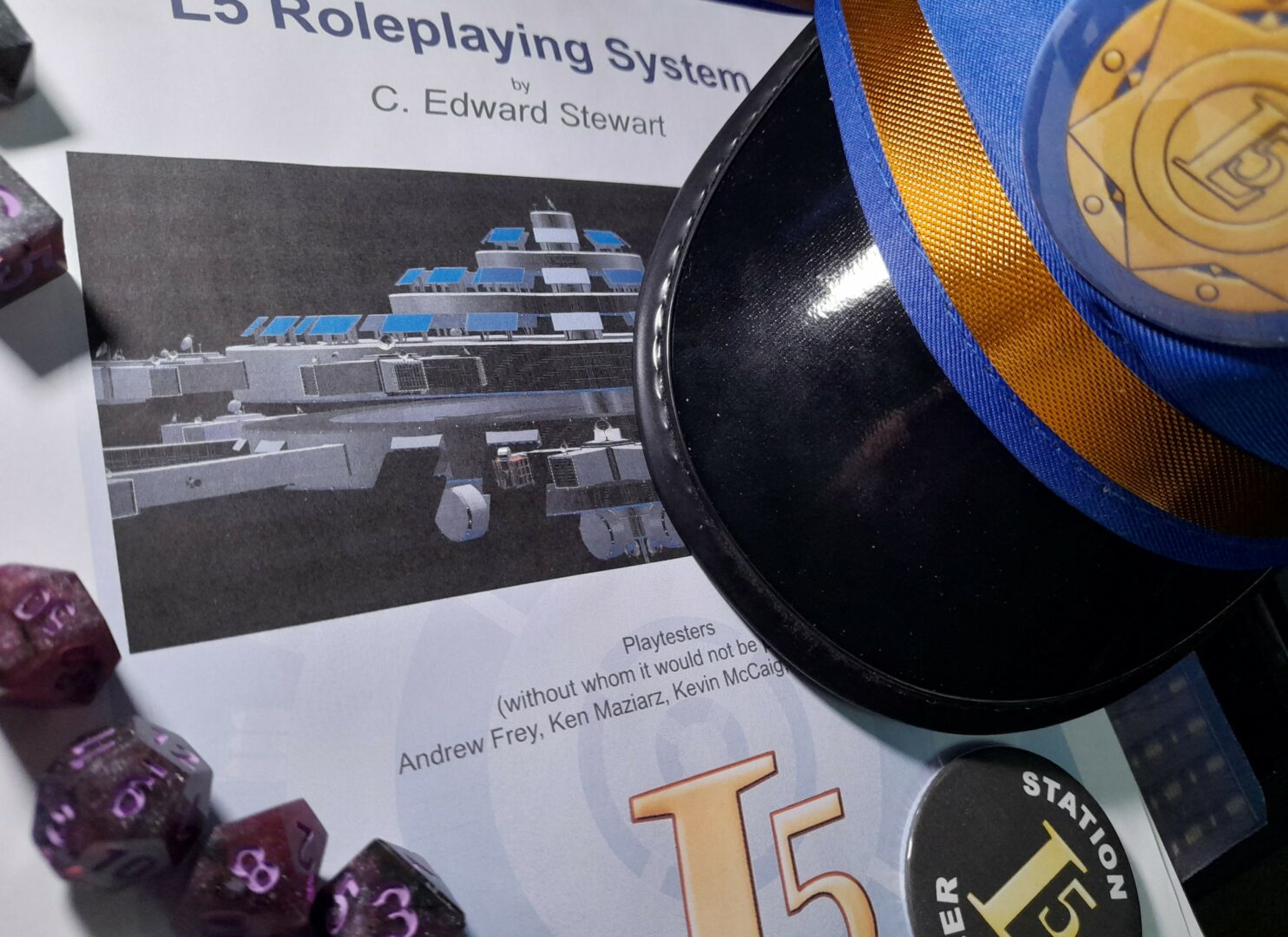
L5 is a TTRPG (Table Top Role Playing System). I’ve been playing TTRPGs for years, and designing my own for almost as long. The initial drive to create stems from frustration that the systems I was playing in weren’t perfectly tailored to what I felt was the ideal game. L5 started because combat takes too long. Granted, in many games, it’s a power fantasy, you are the hero, but it takes a lot of the jeopardy of combat out and replaces it with the ‘dice fest’, rolling fistfuls of dice, which you then have to add up, knock that off the monster’s total and repeat. So I knew I needed combat that was fast paced and feels dangerous. The player needs to feel the jeopardy of the situation.
And stemming from that, the math needed to be scaled back. Not everyone can perform math quickly, and it can lower your enjoyment when you feel like you are slowing everything down. And stopping to calculate breaks immersion.
Then, reduce needless complexity while retaining the wide variety of options. And put the agency in the players’ hands. The dice will tell their own story as the game progresses. Why put that randomness in the character creation process? It’s your character; build it how you like.
And on to the setting. L5 is a massive space station. Why? In every campaign, big or small, the players get to a big city and momentum stops. Not that they lose interest, but that they find so many things to do in the city, so many quests can develop, so many people to meet, that they just want to stay. Thus we are playing on a space station, in essence a big city, with all of the exploration and action that entails.
All of that together makes it a very beginner friendly system. You don’t roll fistfuls of dice, you don’t do a lot of math, you make all the choices when designing your character.
And that leads to the upcoming core rule book. Almost 100 pages of maps, complete rules, several mini-games to spice up the gameplay and help retain immersion, nine species to choose from and unlimited possibilities.
If you had to pick three qualities that are most important to develop, which three would you say matter most?
It’s a scifi game, so scientific knowledge is a must. Willingness to redo what you have done if it isn’t working is also important. And skills in layout and graphic design are also key.
Scientific knowledge is a matter of thinking up cool ideas and then seeing how they can relate to science as we know it. And, as with all science, consult, test and refine. In this particular field, playtesting is part of it. If your tech is too tech, too esoteric for ease of use in gameplay, refine it and try again.
That speaks to the redo portion of the development. I often created a system, playtested, and it worked. But it wasn’t elegant. It didn’t flow, or broke immersion. Or it just didn’t fit into the design ethic of ‘easy to pick up and play’. So you redo it. Even if you really like it, refine it. Imagine taking it to a grade school and teaching kids. Would they get it? What about a retirement home? Would they lose interest? Keep it accessible.
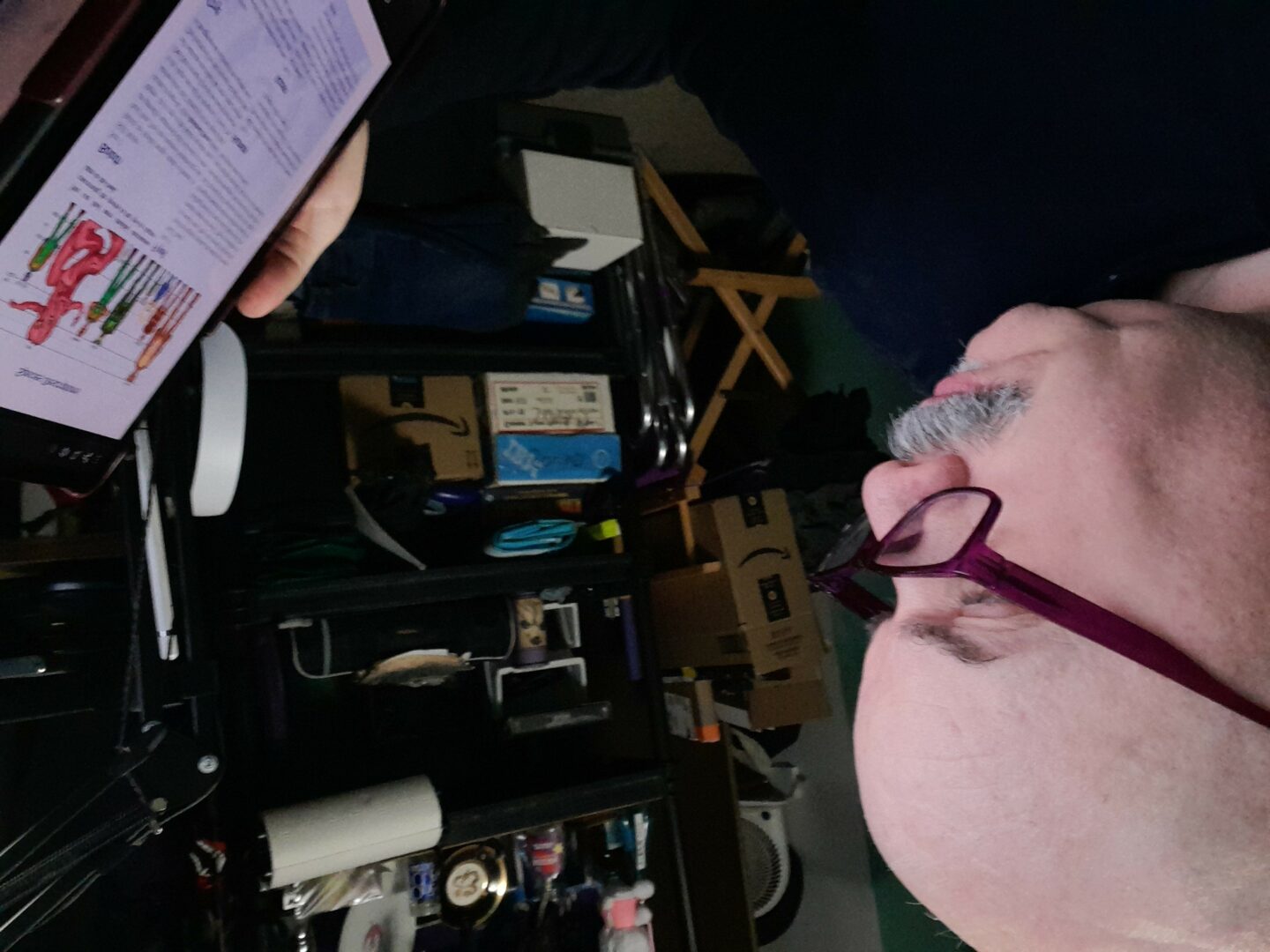
Layout and design. Rule one, avoid the ‘wall of text’. Sometimes, you have to pass on a lot of information. Break it up with graphics, charts, pictures. Read it over. Does it seem too dry, too wordy? When you look at the page, what is your eye drawn to? Pleasing layouts require skill. Don’t be afraid to seek out a course to help you get started. Or, just look at books you found really easy to understand, that had a clear, pleasing design. Try to build that into your style. Don’t copy it, but look at what made it a good layout in your eyes. Take that and apply it to your own work.
Any advice for folks feeling overwhelmed?
Accept it. That’s always the first step. Then assess. What’s overwhelming you? If possible, put that aside and work on another aspect of the project. Or just take a break from it. Though sometimes that can make it worse, make the project take on an even more daunting aspect. This is where making lists helps. Take a look at that list of things to do and see if there is a thing on it that isn’t overwhelming. Just do that thing, cross it off the list. If you have collaborators, let them know you are struggling. Sometimes just sharing the trouble can bring it down to a more manageable level.
Contact Info:
so if you or someone you know deserves recognition please let us know here.