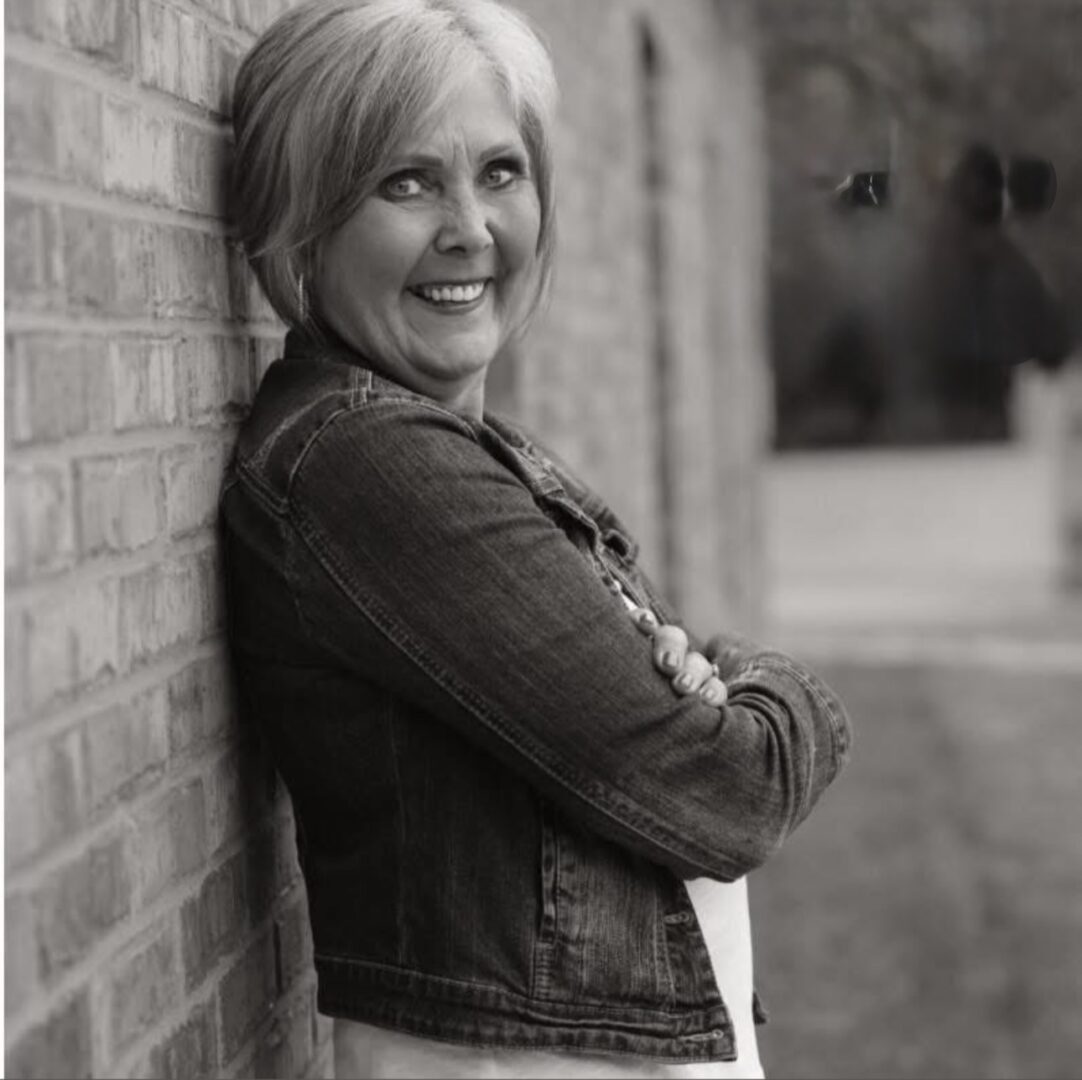
Alright – so today we’ve got the honor of introducing you to Tami Lysher. We think you’ll enjoy our conversation, we’ve shared it below.
Hi Tami, appreciate you sitting with us today to share your wisdom with our readers. So, let’s start with resilience – where do you get your resilience from?
I get my resilience from a lifetime of turning movement, learning, and lived experience into strength.
As a child, movement was my first form of regulation — swinging, climbing, and playing were how I found calm. I didn’t know it then, but I was already beginning to understand the nervous system through my body.
I’ve lived through trauma, loss, and breast cancer, and each time, I’ve rebuilt myself with more clarity, compassion, and purpose. I don’t just teach trauma-sensitive practices — I’ve lived them. My healing journey is woven into every breath I teach, every movement I guide, every child and parent I support.
I’ve spent more than 35 years in early childhood education, movement, and neuroscience-informed work. I keep learning, training, studying — not because I have to, but because it fuels me. Every new layer of knowledge helps me make sense of what I’ve lived and turn it into something meaningful for others.
My nervous system lens isn’t just a framework — it’s how I stay grounded. I practice what I teach: breath before reaction, movement before overwhelm, curiosity before judgment.
But most of all, my resilience comes from believing in what’s possible — in children, in families, in educators, and in myself. I’ve seen how the body can heal, how the brain can rewire, how connection can transform someone’s life.
Resilience, for me, isn’t about being unbreakable — it’s about continuing to grow, even after being broken. It’s about turning adversity into purpose and using my story to help others find their way back to calm.
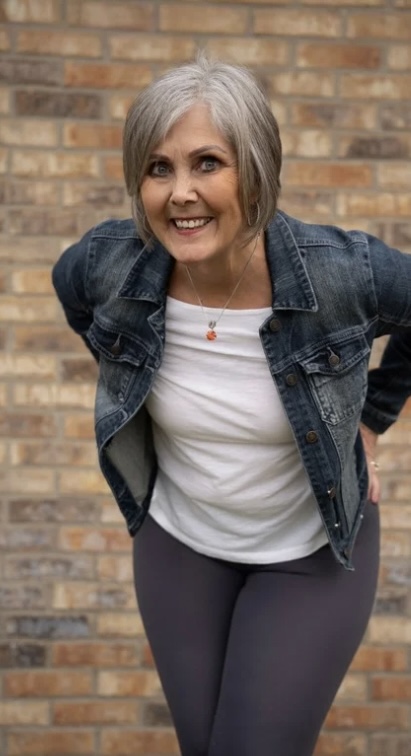
Appreciate the insights and wisdom. Before we dig deeper and ask you about the skills that matter and more, maybe you can tell our readers about yourself?
I’ve spent over 35 years working at the intersection of early childhood education, movement, and the nervous system — long before neuroscience became a buzzword. My work began in Head Start classrooms and university lecture halls, but it has evolved into something much more integrated and deeply needed: I help parents, educators, and children understand how the nervous system shapes behavior, learning, connection, and well-being.
I’m the founder of Move Into Calm, a body-based framework that blends trauma-sensitive teaching, neuroscience, sensory integration, and movement. What makes it different — and what excites me most — is that it’s not just theory. It’s practical, embodied, relational. It helps people feel change in their bodies, not just think about it.
I’ve seen firsthand what happens when children are dysregulated, when their nervous systems are overwhelmed — and how that same experience affects teachers, parents, and caregivers. We don’t need more rules or fear-based discipline. We need more co-regulation, movement, breath, and safety cues. That’s what Move Into Calm provides — a pathway back to connection.
What’s most special about this work is that it honors the body as the starting place. We don’t talk kids into calm. We move them into it. We connect them into it. We breathe them into it. The same is true for adults. It’s a huge shift, and it’s changing lives.
Right now, I’m incredibly excited about the launch of Move Into Calm’s newest offering: a 21-day online course built on my Learn – Move – Explore model. It gives parents, teachers, and caregivers short, daily practices to bring nervous system regulation into everyday life — without needing extra time, special equipment, or training. Just real tools, for real families and real classrooms.
In addition to one-on-one coaching, I also work with school districts, Head Start programs, nonprofits, and early childhood teams who want to create trauma-responsive learning environments rooted in movement and co-regulation — not behavior charts and consequences.
And there’s more coming:
A growing library of digital resources
New professional development options for educators
Parent-child movement programs
A 12-week coaching container for deeper transformation
What I want readers to know most is this:
Kids don’t “grow out” of dysregulation. But they can grow through it — with the right support.
Movement, breath, and connection are not extras — they are the foundation.
Move Into Calm exists because nervous system literacy should be accessible, embodied, and compassionate. And I’m just getting started.
There is so much advice out there about all the different skills and qualities folks need to develop in order to succeed in today’s highly competitive environment and often it can feel overwhelming. So, if we had to break it down to just the three that matter most, which three skills or qualities would you focus on?
Looking back over my career — from early childhood education to trauma-informed movement to founding Move Into Calm — three things have made the biggest impact on my work and my ability to keep evolving:
1. Nervous System Literacy
Understanding the nervous system changed everything — not just how I teach, but how I see people. When I started to recognize stress responses as adaptations, not misbehavior, it gave me new ways to support connection, healing, and learning. This knowledge shapes how I teach college students, guide parents, and design regulation programs.
Advice:
Start with your own nervous system. We can’t teach calm if we aren’t practicing it. Learn the basics: safety cues, state shifts, co-regulation, vagal tone. Integrate it into your daily life — not just your work.
2. The Ability to See the Whole Child — Not Just the Behavior
My years in early childhood taught me that children’s bodies are storytellers. Movement, breath, posture, and play are just as important as words — sometimes more so. This lens helped me recognize how developmental delays, trauma, and sensory needs show up in real time.
Advice:
Get curious, not judgmental. Observe before you intervene. Look for patterns, not problems. And remember: behavior is communication, movement is communication, breath is communication.
3. Resilience Rooted in Lived Experience
My resilience didn’t come from theory — it came from life. Surviving breast cancer, rebuilding myself, reinventing my work, and walking through trauma (personal and generational) gave me deep compassion and clarity. I bring that with me into every classroom, workshop, and parent session.
Advice:
Don’t run from your story. Use it. Shape it. Let it fuel purpose, not pain. Your lived experience can become part of the medicine you offer the world — if you let it come through your work with honesty and intention.
✨ If you’re early in your journey:
Stay curious more than certain
Let your nervous system be your compass
Build skill and compassion at the same time
Remember that your presence matters more than your perfection
This work begins inside of us — and it grows outward.
What’s been one of your main areas of growth this year?
Over the past year, my biggest area of growth has been stepping fully into my voice and my authority — not just as an educator, but as a creator, founder, and nervous system advocate.
For decades, I stood beside, behind, and in support of others — children, parents, teachers, school systems. I was always the one holding space, offering tools, building bridges. But this past year, something shifted.
I began to own the body of work I’ve created.
I claimed:
The depth of what I know
The uniqueness of Trauma-Informed + Nervous-System-Informed movement
My ability to translate neuroscience into everyday tools
My voice as a thought leader in this field
And I stopped waiting for permission.
This year I:
Launched Move Into Calm as a full nervous system regulation framework
Built the 21-day Learn – Move – Explore course
Integrated Applied Educational Neuroscience research into my programs
Became even more clear about who I serve and why it matters
Began speaking publicly about trauma, nervous system literacy, and embodied healing in new spaces
Most importantly…
I stopped hiding the why behind my work — my story as a breast cancer thriver, my childhood experiences, and the deep belief that movement can heal what words alone cannot.
This year, I stepped out of the quiet expert role and into full leadership.
And I’m not done — this is just the beginning.
Contact Info:
- Website: https://www.studiotpilates.com
- Instagram: studiotpilatesmi
- Facebook: Tami Lysher, Studio T Pilates
- Linkedin: studiotpilates, Tami Lysher
- Youtube: Studio T Pilates157
- Other: email [email protected]
Move into Calm
https://055dceb918435915abf22aea4d65fb5e.mykajabi.com/black-friday-offer
Image Credits
Brandon Williams
so if you or someone you know deserves recognition please let us know here.