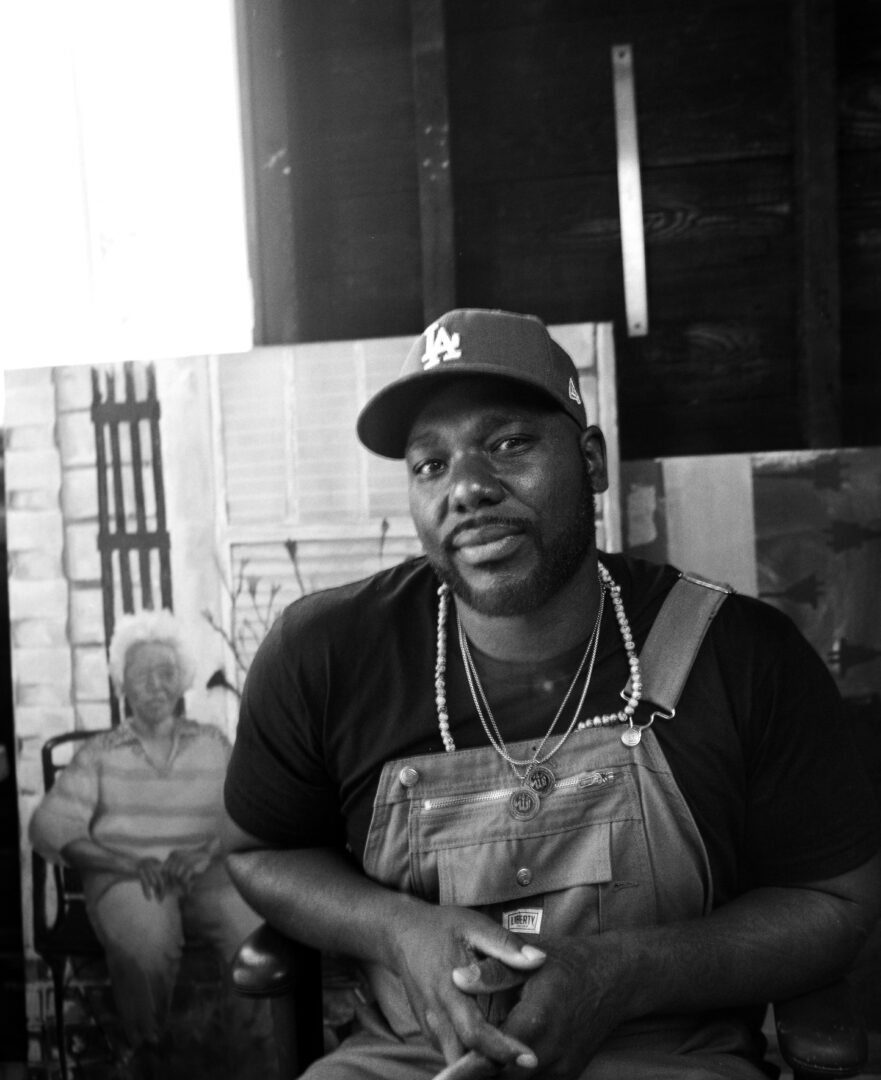
We were lucky to catch up with Kenneth Webb recently and have shared our conversation below.
Kenneth , thank you so much for joining us. You are such a positive person and it’s something we really admire and so we wanted to start by asking you where you think your optimism comes from?
My optimism didn’t start as a personality trait — it started as a survival lesson. In the beginning, I wasn’t someone who naturally expected the best. I’ve lived through poverty, isolation, incarceration, and moments where it felt like nobody was in my corner. But each time I came out on the other side, I noticed a pattern: I made it. That became my first frame of reference — the understanding that if I survived what tried to break me, then I’m being prepared for where I’m going.
The middle of that story is where faith stepped in. Over time, I developed what I call a “good opinion of my Lord.” I learned to see God as just, merciful, and deeply involved in my life. People say, “God works in mysterious ways,” and that’s true — but sometimes He also works in ways that are loud, obvious, and right in your face. When I started recognizing those moments, I realized optimism wasn’t naïve — it was alignment. It was me choosing to trust the vision God already had for me.
Where I am now — the ‘end’ of this particular story, and the beginning of many others — my optimism is rooted in practice. It’s a discipline. As an artist, I know vision matters, but vision without reference is impossible. I’ve been given enough experiences, lessons, and divine nudges to understand the path in front of me. So I trust it. I trust that if God brought me through everything I’ve already survived, He is more than capable of bringing His vision into fruition. And that trust is where my optimism truly lives.
Let’s take a small detour – maybe you can share a bit about yourself before we dive back into some of the other questions we had for you?
My work sits at the crossroads of art, community, and systems-building — but none of it began as a career plan. It began as survival. Sixteen years inside taught me how stories shape identity, possibility, and power. When I came home, that understanding matured into a practice rooted in a philosophy I call Post Fiction — the act of reclaiming and rewriting narratives that were distorted, weaponized, or never meant to include us. My art is where truth replaces falsehood and imagination becomes authorship.
Today, my practice spans painting, public art, performance, movement, film, and community-centered design. Across every medium, my aim is the same: to build narrative infrastructure — emotional, visual, and communal — that helps people transform their lives and the worlds they inhabit.
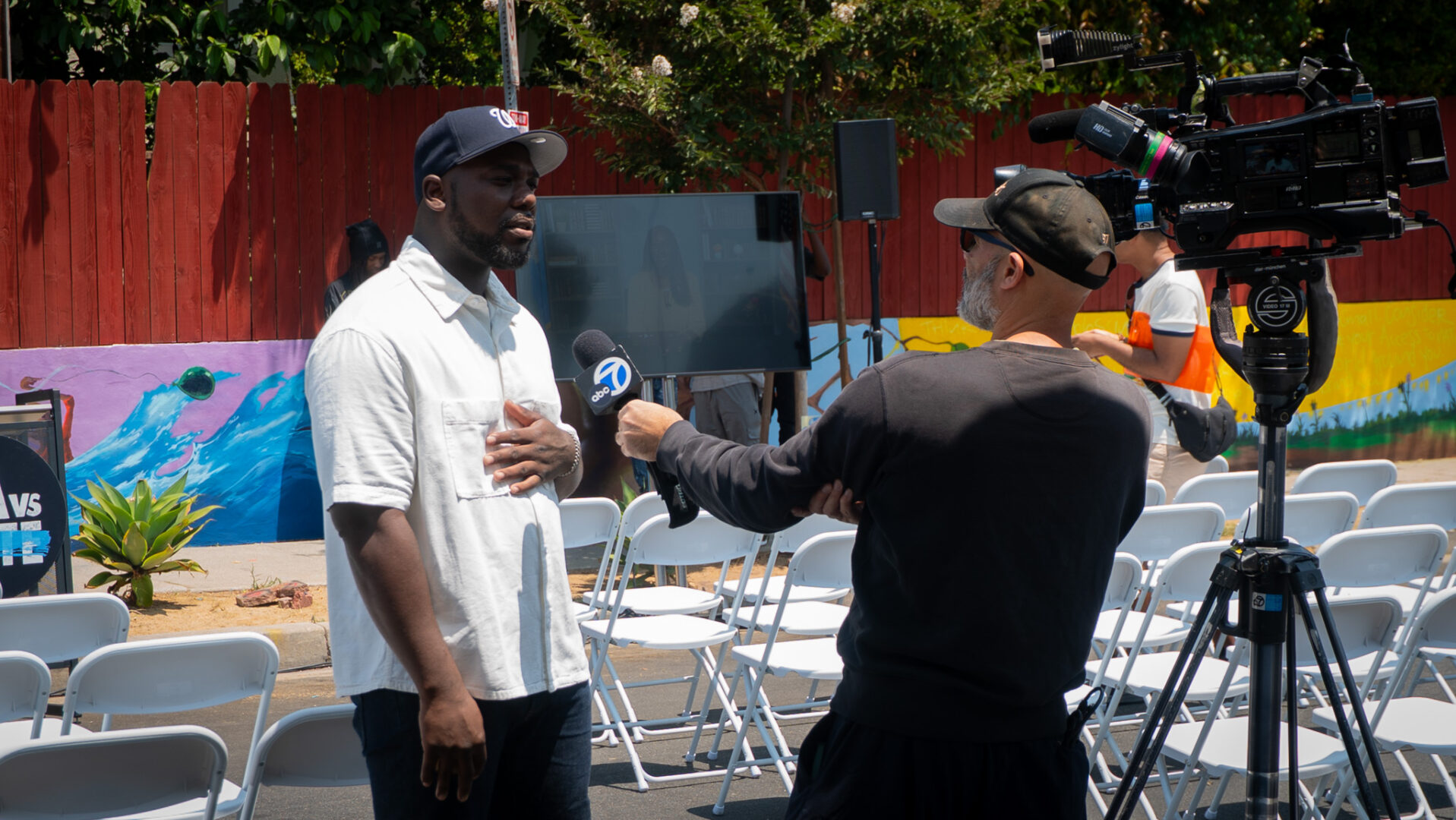
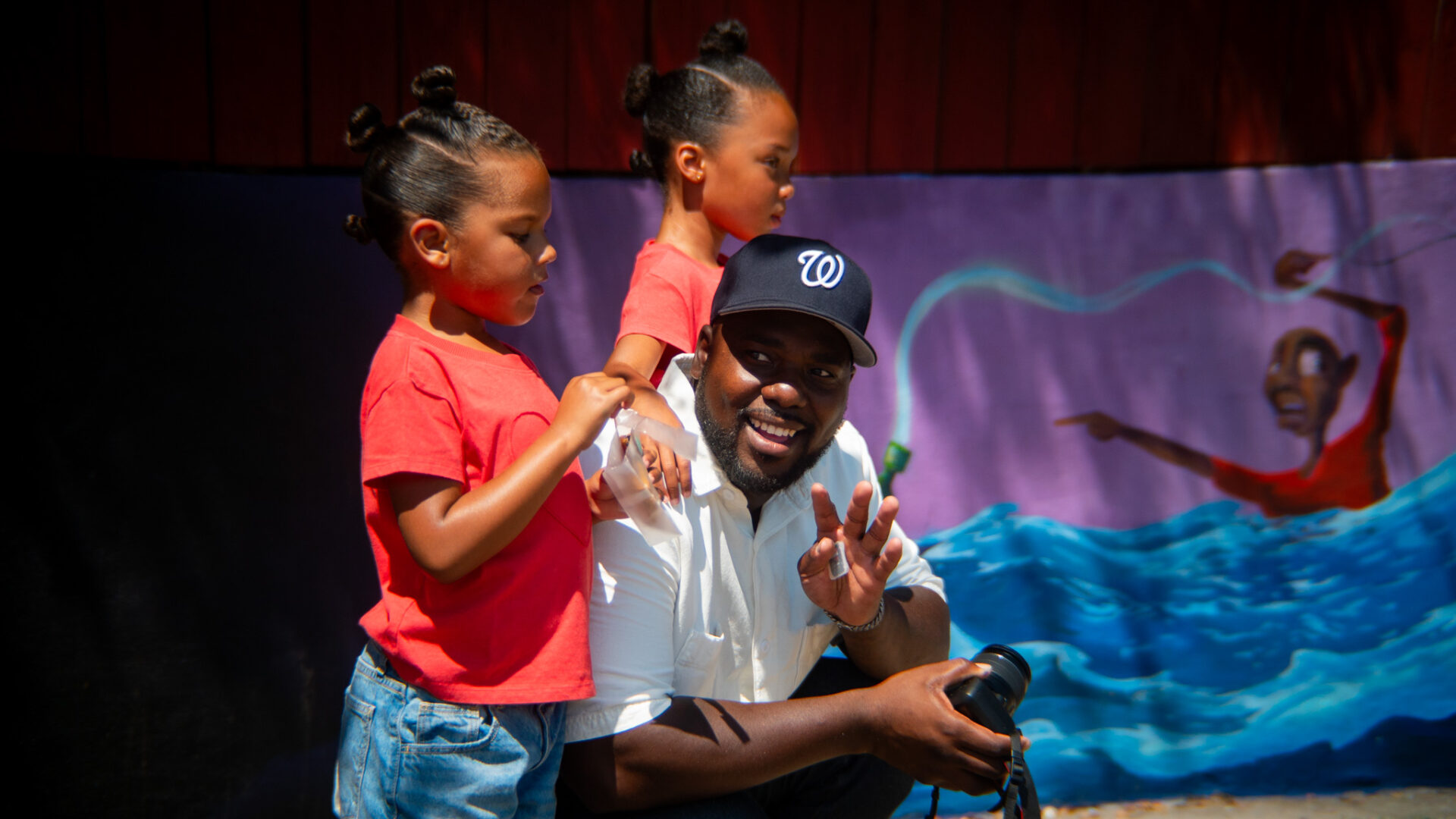
This year, that vision has taken new shape. I recently completed Healing Fields, a county-funded mural with LA vs Hate that transforms collective harm into a landscape of renewal. I’m developing The Weaver in a Haystack, a poetic short film that blends realism and dreamscape to explore the spiritual and psychological terrain of reentry — what it means to rebuild a self in a world still clinging to an outdated version of you.
On the entrepreneurial side, I’m expanding Creative Currancy, the umbrella company that carries and organizes my work. Creative Currancy is built on the belief that creativity isn’t just expression — it’s capital. It can circulate, empower, and ignite localized economies of care. It’s where fine art, community programming, brand collaborations, and vocational pathways meet, creating sustainable creative ecosystems instead of relying on a single career lane.
Right now, all the threads — the film, the murals, the youth work, Creative Currancy, and the grounding force of Post Fiction — are weaving into a larger vision. My brand isn’t defined only by what I create, but by what I build. It’s about turning lived experience into blueprint, blueprint into opportunity, and opportunity into a collective pathway forward.
If you had to pick three qualities that are most important to develop, which three would you say matter most?
When I look back over my journey, the things that shaped me the most weren’t skills I learned in a classroom — they were qualities forged in the environments I had to survive. Hardship, resilience, and vision weren’t theories for me; they were tools I needed long before I knew they had names.
The first was understanding hardship as a form of intelligence. Growing up in Los Angeles during the crack era, hardship wasn’t episodic — it was constant. I learned to read people and situations with sharp awareness because life demanded it. I’ve been shot at, and in that split second, I learned something most leadership books never cover: pressure regulation. How to slow my breathing, how to assess threat, how to make decisions when fear wants to take over. Those instincts didn’t disappear as I got older — they evolved. They became the same instincts I use now to read a room, navigate an institution, or sense when a project needs redirection. Hardship taught me things comfort never could, and it gave me an intelligence that has carried me through every chapter of my life.
The second was resilience as a transferable skill. Resilience gets romanticized, but when I was inside, it wasn’t poetic — it was necessary. Navigating oppressive systems became a daily exercise in problem-solving. I had to figure out how to create art with almost no materials, how to protect my creativity when the environment was designed to suppress it, how to adapt to new units, new personalities, new threats. When I came home, I realized that same resilience translated directly into entrepreneurship: adapting on the spot in unfamiliar environments, learning quickly, asking questions, seeking mentorship, and being open enough to say, “I don’t know — teach me.” People underestimate how much others are willing to give when you ask with humility. That ability to learn on the move became one of my greatest assets.
The third was vision paired with discipline. I always had imagination, but imagination alone wasn’t enough — especially inside. I needed ritual. I needed a practice. I had to show up for my vision long before the world believed in it. Writing, drawing, studying, movement — I used discipline to keep my mind free even when my body wasn’t. That discipline followed me home. It taught me how to build structure around my ideas, how to honor the vision even on days when doubt tried to take me under. Vision without discipline is a dream; vision with discipline becomes a life.
If you’re just starting out, I’d offer this: treat your lived experience as intelligence, not baggage. The hardest moments in your life taught you how to regulate pressure, read a room, adapt quickly, and solve problems in environments where the stakes were real. Those skills translate directly into creative work, business, leadership — everything.
Be willing to ask questions and seek guidance. Some of the most transformative breakthroughs in my life came from admitting what I didn’t know and letting people pour into me. Humility isn’t weakness — it accelerates your growth.
And finally, build a practice. Whether it’s writing, sketching, or studying, show up for it every day. Discipline creates momentum. Ritual creates clarity. Consistency creates freedom. Your talent will take you far, but your habits will take you further.
How can folks who want to work with you connect?
Are you looking for folks to partner or collaborate with?
Collaboration has always been part of my DNA. Nothing I create—from films to murals to community programs—happens in isolation. I’m drawn to people who lead with vision, who see creativity as a principle, and who treat diversity not as a checkbox but as a lived practice.
I’m open to working with filmmakers, artists, educators, organizers, and institutions, but what matters most isn’t the title—it’s the heart. I’m looking for people who understand that art can shift culture, who believe in building from the inside out, and who aren’t afraid to experiment or sit with complexity. Folks who move with integrity, curiosity, and care. People who value community as a collaborator, not an audience.
If someone reads this and feels aligned with that—if they recognize something familiar in my story or see a place where our visions could intertwine—I’m open. The best partnerships come from conversation, so reach out. Let’s talk, dream, and see what we can create together.
Contact Info:
- Instagram: In_the_webb
- Facebook: Kay’webb
- Linkedin: Kenneth Webb jr.
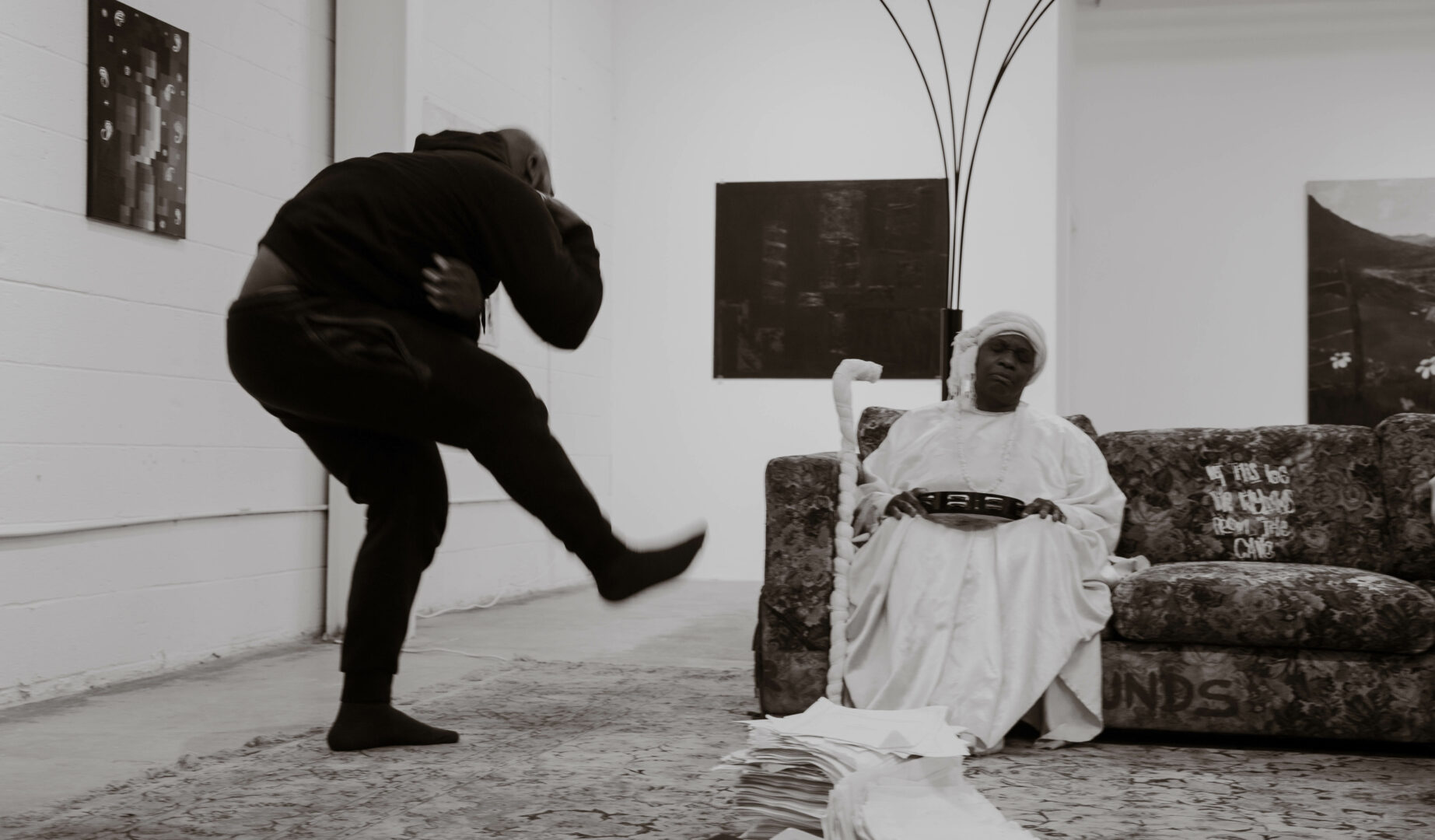
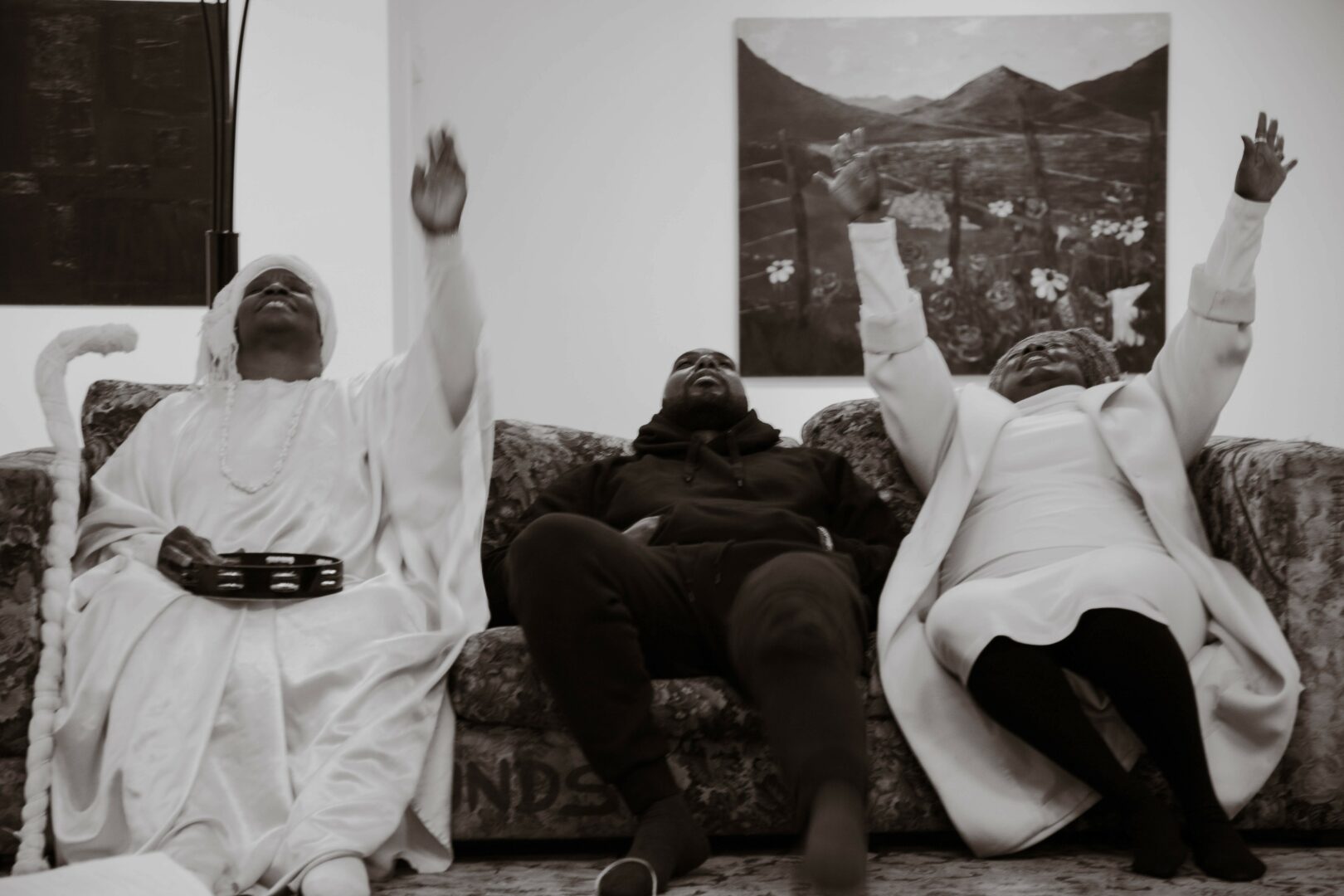
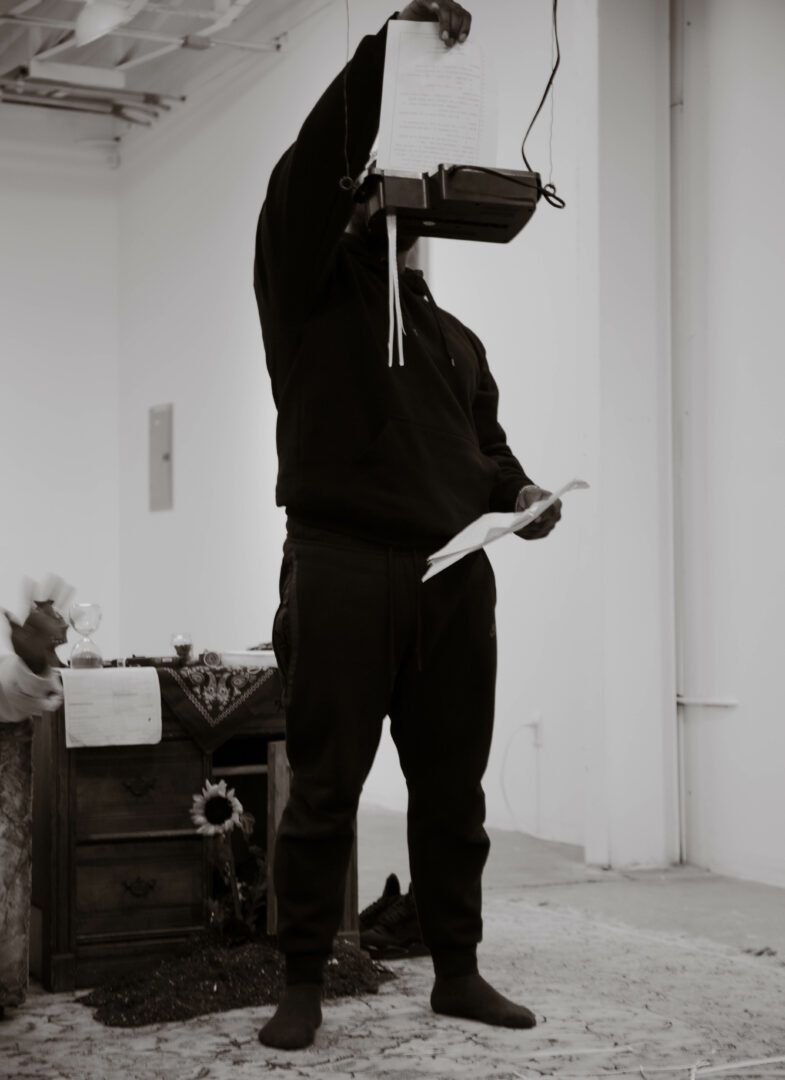
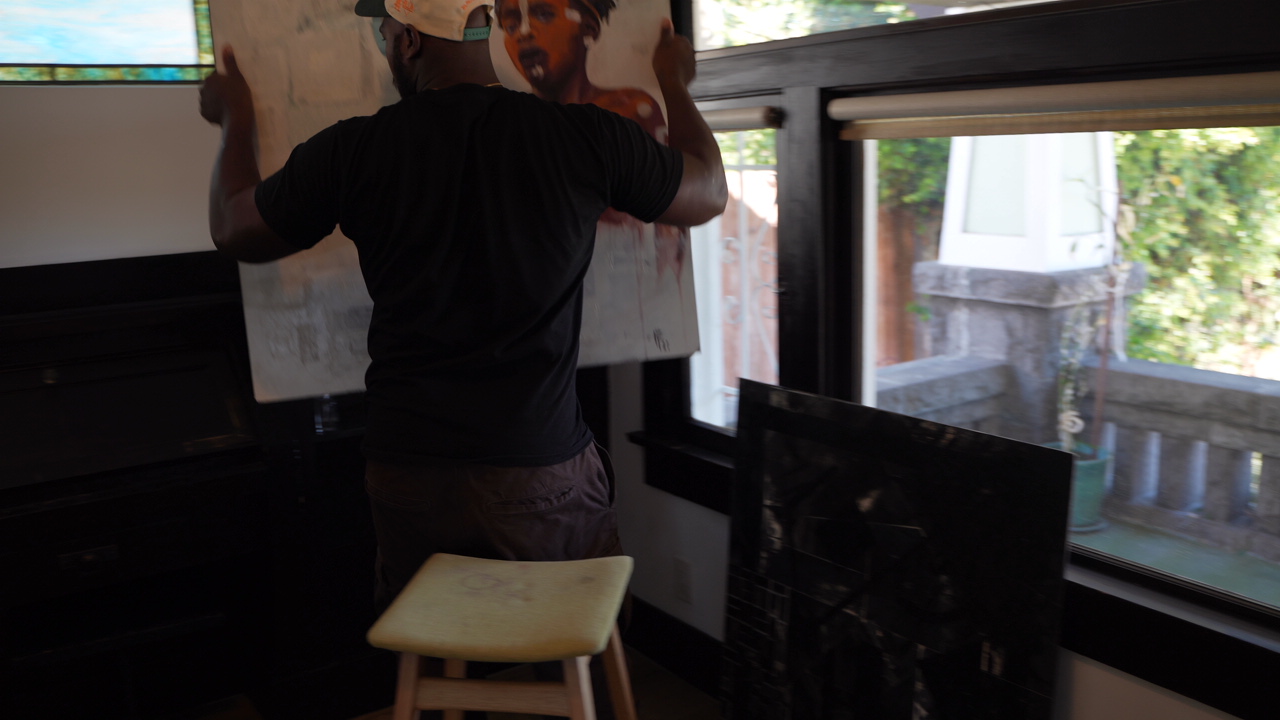
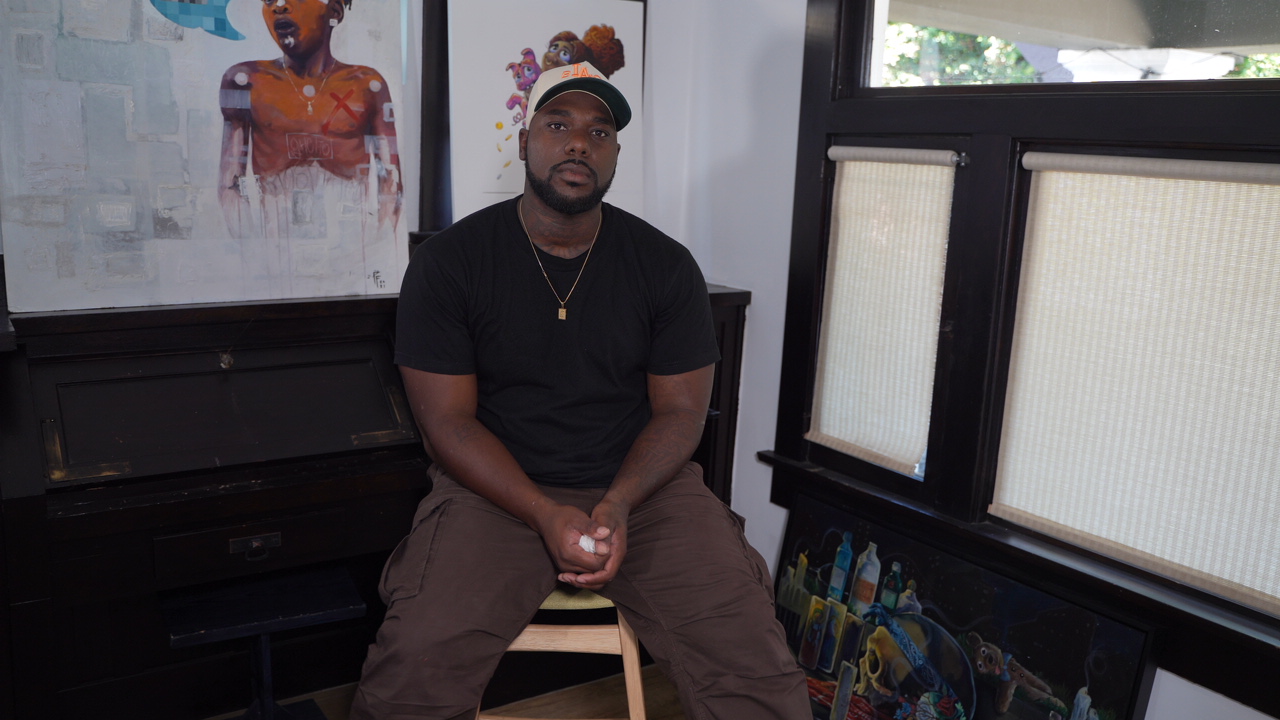
Image Credits
Hanna Thacher, Khalil Bowman, curtesy of Huma House & LA vs. Hate
so if you or someone you know deserves recognition please let us know here.