Alright – so today we’ve got the honor of introducing you to Vittoria Giacomini. We think you’ll enjoy our conversation, we’ve shared it below.
Alright, so we’re so thrilled to have Vittoria with us today – welcome and maybe we can jump right into it with a question about one of your qualities that we most admire. How did you develop your work ethic? Where do you think you get it from?
I developed my work ethic primarily from my family, and especially from my grandfather. He came from extremely humble beginnings — his family was considered the poorest in a small town in northern Italy — yet in the 1950s he managed to build a business completely from scratch. Growing up hearing his story, and seeing how much resilience, vision, and discipline it required, has had a huge impact on how I approach work myself.
For me, work ethic doesn’t mean working excessively long hours. At a certain point, that’s not even productive. Instead, it’s about the quality of how you use your time: being intentional, thinking strategically, and taking responsibility for your goals. It’s also about maintaining respect — for your own limits, for your growth, and for the people you work with.
I strongly believe that when you work in a team, everyone should feel part of something meaningful. A strong work ethic, in my view, is not just individual discipline; it’s also the ability to collaborate, to communicate clearly, and to contribute to an environment where each person feels valued and aligned toward a common purpose.
Great, so let’s take a few minutes and cover your story. What should folks know about you and what you do?
Certo — ecco una versione più corta, più snella e adatta a una presentazione professionale, mantenendo però tutto ciò che ti rappresenta:
—
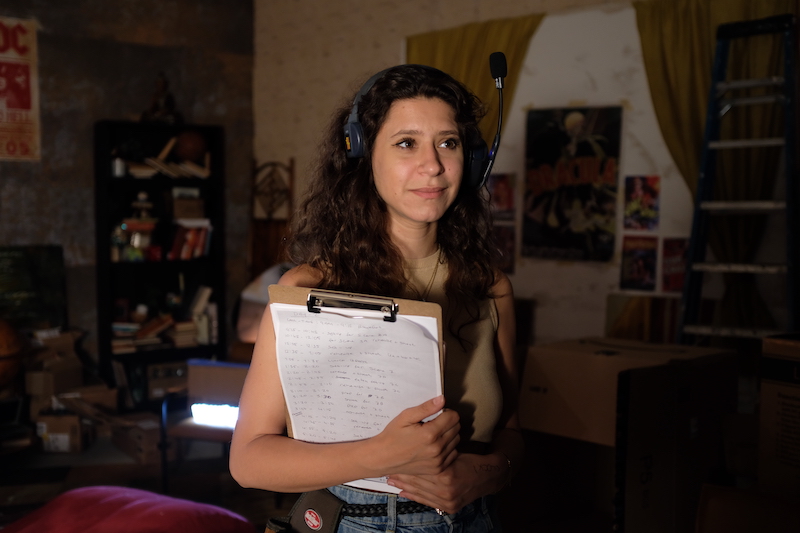
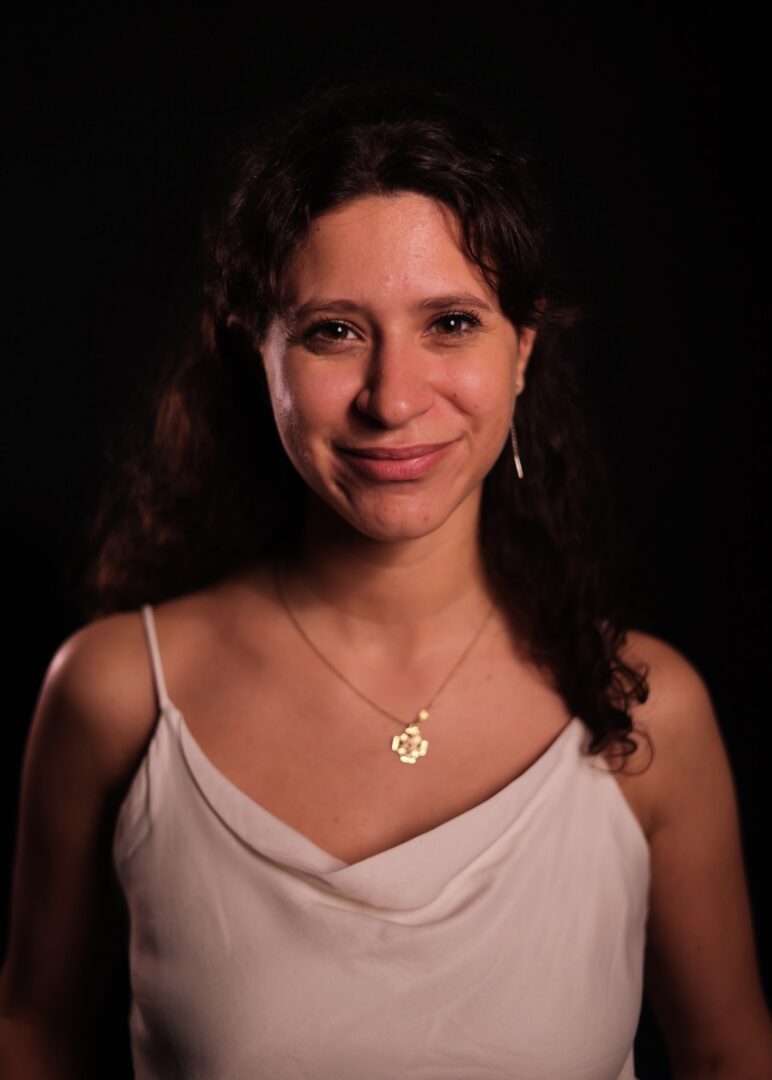
I’m Vittoria Giacomini, an Italian filmmaker based between Italy and New York. My path into filmmaking comes from something very personal: growing up with dyslexia. Traditional learning was often challenging, but it pushed me toward a language that felt natural to me — images. Cinema became the place where I could fully express myself.
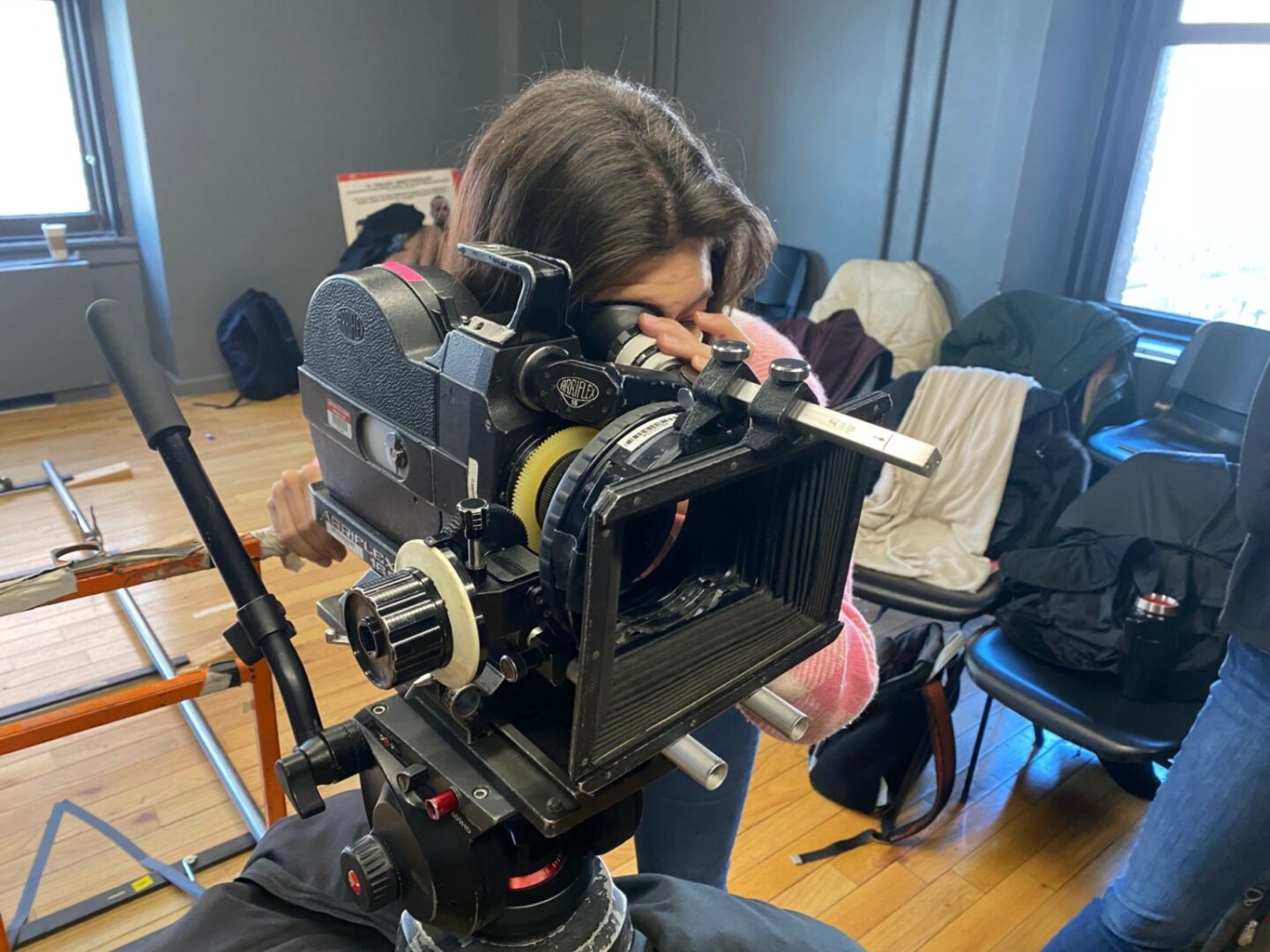
I studied film in Bologna and later moved to New York, where I began working professionally as a director. My work focuses on visual storytelling — from short films and narrative projects to branded and experimental pieces. I’m drawn to themes of identity, inner conflicts, and the subtle poetry of everyday life. My goal is to create stories that make people feel seen.
Collaboration is at the heart of my process. I see filmmaking as a collective art form, and I value listening, brainstorming, and building ideas together with my team. I believe that a project becomes truly powerful when everyone contributes their creativity.
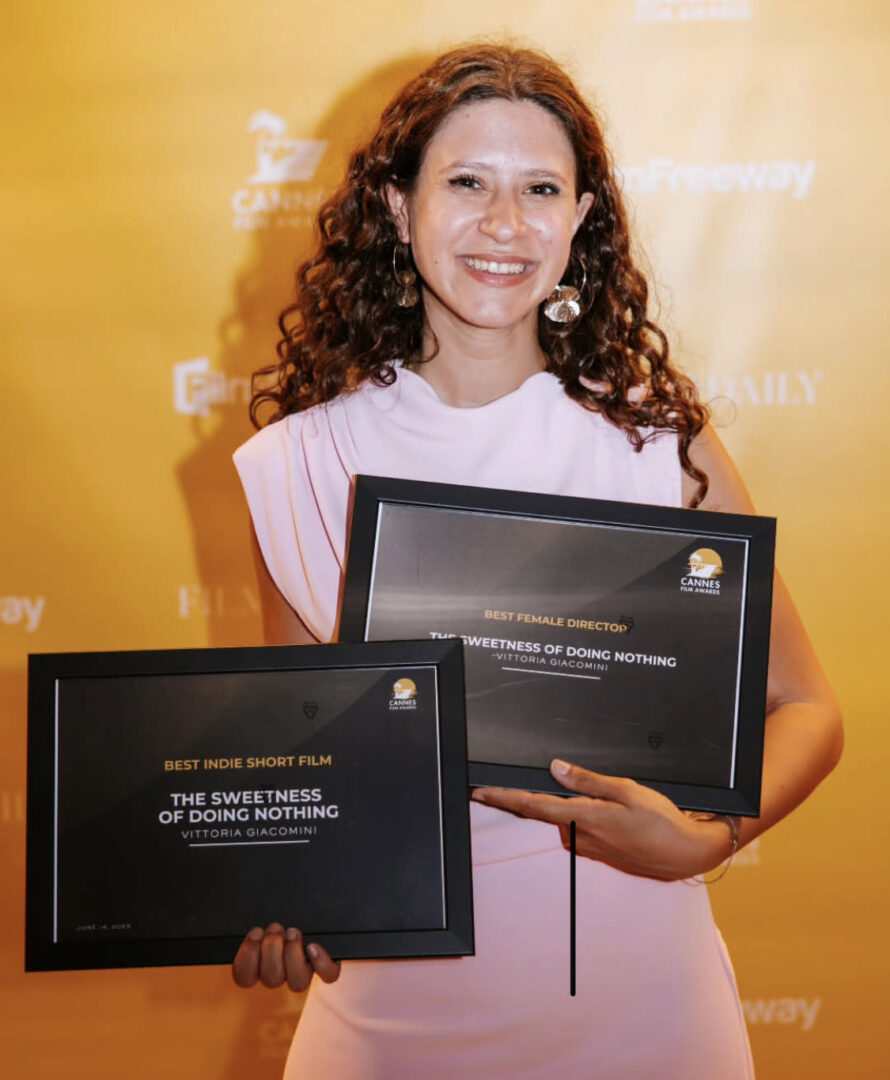
I’m proud of the recognition my work has received — including screenings in New York and several international festival awards (Bi Apple Film Festival, Cannes Film Awards, European Short Awards) — but I’m equally grateful for the teams that made those achievements possible. Creative challenges are part of the journey, and with openness and respect, they often lead to the best ideas.
For anyone discovering my work, I want them to know: everything I create comes from sincerity, curiosity, and a deep respect for both my collaborators and the audience. My aim is always to craft something honest, visually grounded, and emotionally resonant.
There is so much advice out there about all the different skills and qualities folks need to develop in order to succeed in today’s highly competitive environment and often it can feel overwhelming. So, if we had to break it down to just the three that matter most, which three skills or qualities would you focus on?
Looking back at my journey, I realize that the qualities that shaped me grew slowly, through experience and instinct more than conscious intention. My visual sensitivity was the first to emerge. Growing up with dyslexia, images were the place where everything made sense, and over time that way of observing — noticing gestures, atmospheres, and emotional details — became central to how I tell stories. For anyone starting out, I’d say: take the time to really look at the world. Your eye becomes sharper the more you use it.
Resilience also became a defining part of my path. Filmmaking is full of unexpected turns — ideas evolve, plans fall apart, and you constantly have to find solutions on the spot. At first, those moments felt overwhelming; now I see them as the experiences that strengthened me the most. My advice to beginners is to embrace those imperfect situations. The challenges you face early on teach you flexibility, confidence, and resourcefulness.
And then there’s collaboration, which has become one of the aspects I value most. I’ve learned that a project truly comes to life when everyone involved feels included and heard. I’m not the kind of director who imposes a vision from above; I love when ideas grow through dialogue and when the collective energy of a team pushes the story forward. To those at the start of their path, I’d say: surround yourself with people whose passion inspires you. Listen, communicate openly, and stay open to being surprised.
In the end, these qualities — seeing visually, adapting to challenges, and embracing collaboration — shaped me without me even realizing it at the time. And for anyone beginning their journey, the best advice I can offer is to stay curious, patient, and willing to learn from every moment. Your voice grows naturally when you give it the space to evolve.
All the wisdom you’ve shared today is sincerely appreciated. Before we go, can you tell us about the main challenge you are currently facing?
Sometimes, the biggest challenge in my creative work and storytelling comes from myself. Everything I create starts from within — from my experiences, passions, and relationships — and often my mind moves faster than I can translate into reality. Overthinking often arises even before I’ve written a single word, accompanied by doubts about whether a project will make sense to the audience or if it only resonates with me.
I think self-doubt is normal, especially in creative fields, because when you create, you’re not just producing a work — you’re sharing a part of yourself, your thoughts, and your emotions. It takes courage to expose something so intimate, and I deeply admire all artists who do so.
What helps me overcome this is writing everything down immediately, even if it feels messy or unrealistic. By externalizing my ideas, I can start to organize them, shape them, and eventually adapt them to the concrete reality of a project. This process allows me to transform the whirlwind of thoughts in my mind into something tangible, while still preserving the personal and emotional essence that makes the work meaningful.
Contact Info:
- Website: https://vittoriapictures.com
- Instagram: goodvonly_ / vittoriapictures_
- Linkedin: Vittoria Giacomini
- Other: IMDB: Vittoria Giacomini
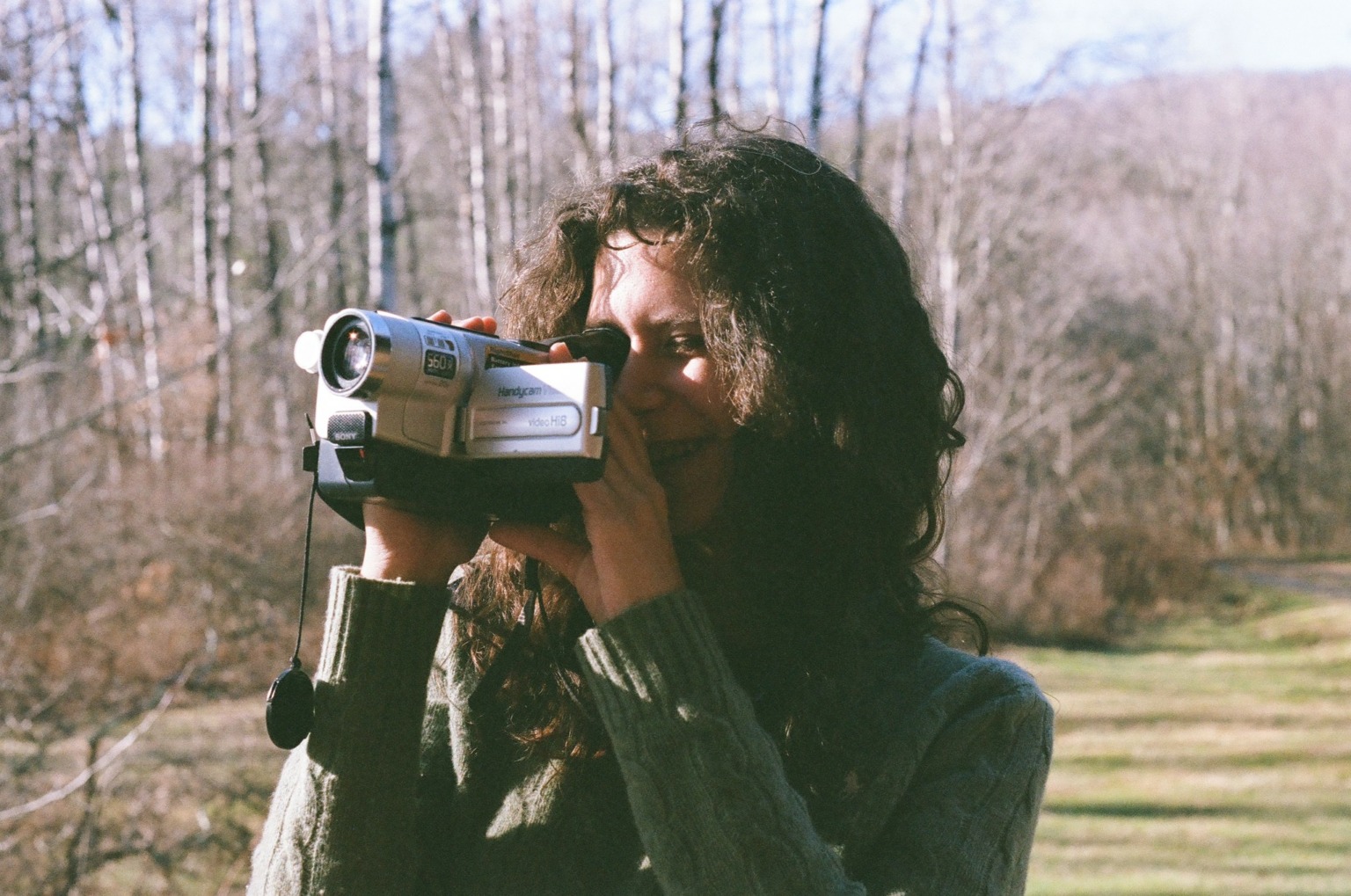
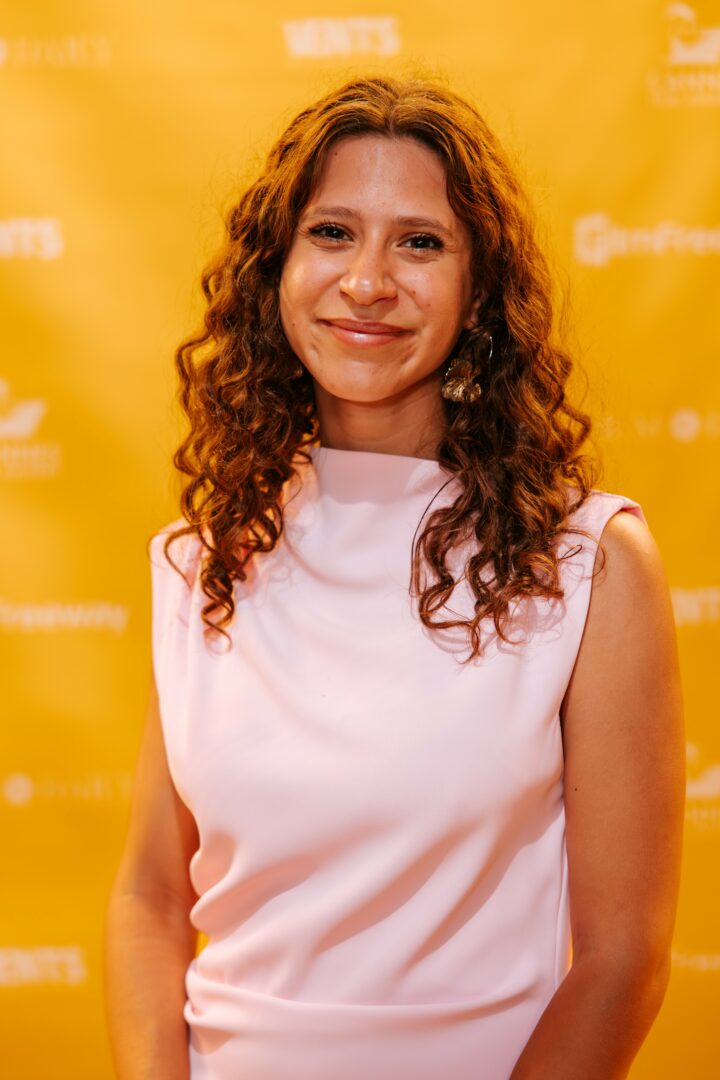
Image Credits
Cannes Film Awards (the 2 with the yellow background)
so if you or someone you know deserves recognition please let us know here.