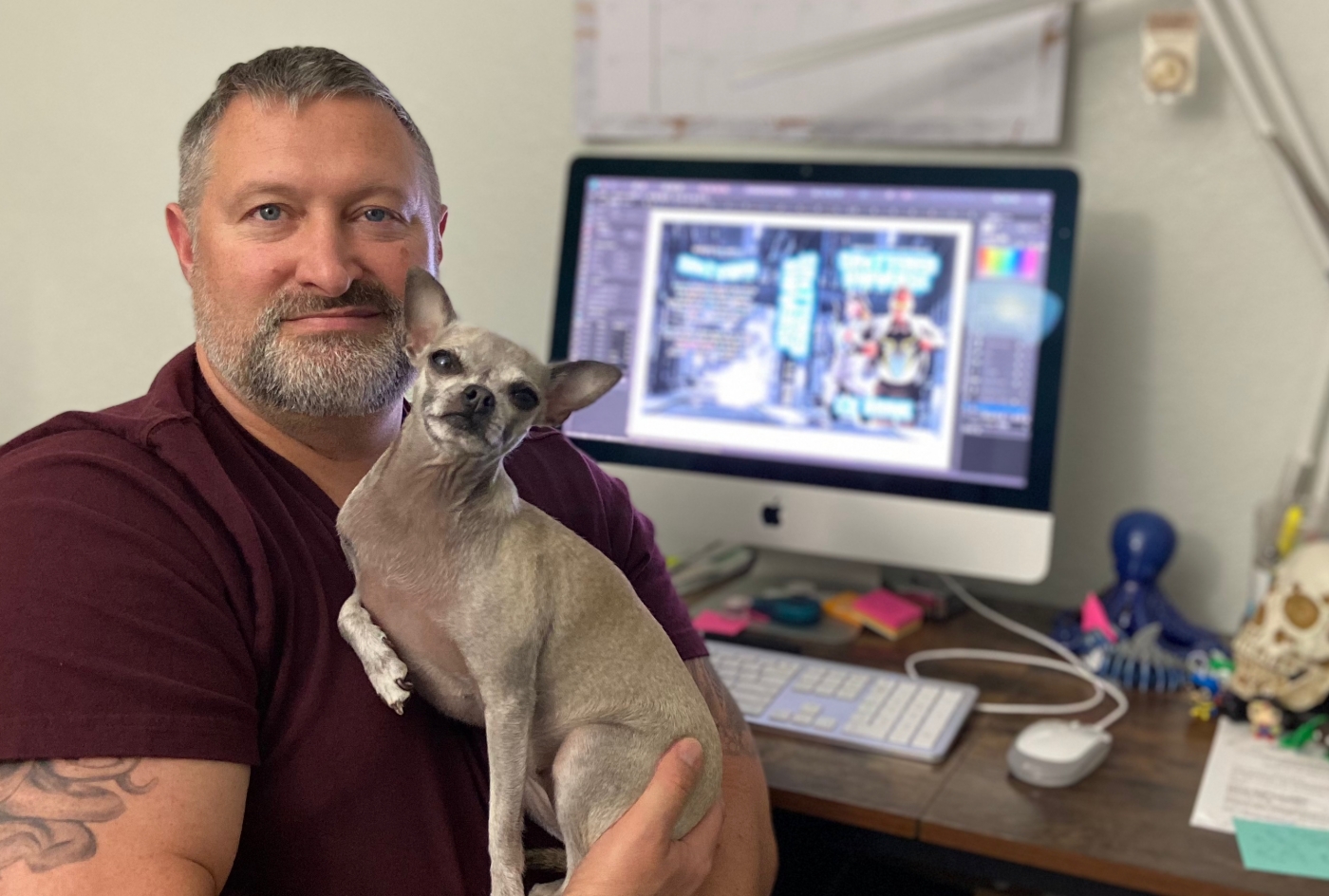
Alright – so today we’ve got the honor of introducing you to Kyle Rutherford. We think you’ll enjoy our conversation, we’ve shared it below.
Kyle, first a big thank you for taking the time to share your thoughts and insights with us today. I’m sure many of our readers will benefit from your wisdom, and one of the areas where we think your insight might be most helpful is related to imposter syndrome. Imposter syndrome is holding so many people back from reaching their true and highest potential and so we’d love to hear about your journey and how you overcame imposter syndrome.
Short answer is… I haven’t – but that isn’t necessarily a bad thing. I think people put a lot of pressure on themselves to be perfectly competent and have no doubts in their abilities. Of course, being a perfectionist myself, I also fall into this category. However, over the time I’ve been in private practice as a therapist, I’ve done my best to lean into the imposter syndrome. Without it, I might stagnate – if my thoughts constantly told me I was doing everything right, I would never have the drive to improve.
It took a lot of time, tears, practice, and my own therapy to untangle my self-worth from my performance (and it’s still an ongoing battle). I noticed a shift happened when I started to accept my self-doubt as okay to be there rather than running from it. I began asking myself questions such as “What does my worry say about what I value?”, “Is this self-deprecating thought helpful in pursuing that value?”, and “What can I do here that helps reinforce the value instead of the thought?”
Insecurity is not a pathology. Imposter syndrome is experienced by 40-70% of people; talking about your fears with others might show you that you aren’t alone in feeling them! I’ve learned through my work with clients and my own life that shame succeeds in silence and suffers when shared. I can admit, sharing our fears is… well… scary. I’ve learned to be okay with that, too. After all, imposter syndrome isn’t a syndrome; it’s a human experience.
You might think that therapists only teach and clients only learn – this can’t be further from the truth. I learn from all my clients, and each has unique wisdom to share in their story. One client taught me the phrase “do it scared”, which has really stuck with me to this day. “Do it scared” reminds me that I don’t have to have everything right, I don’t have to be perfect, and I certainly don’t need to be unafraid. I can be courageous by accepting my fears as they are and then doing the things I value despite what the fears may tell me. As Franklin D. Roosevelt once said, “Courage is not the absence of fear, but rather the assessment that something else is more important than fear.”
Appreciate the insights and wisdom. Before we dig deeper and ask you about the skills that matter and more, maybe you can tell our readers about yourself?
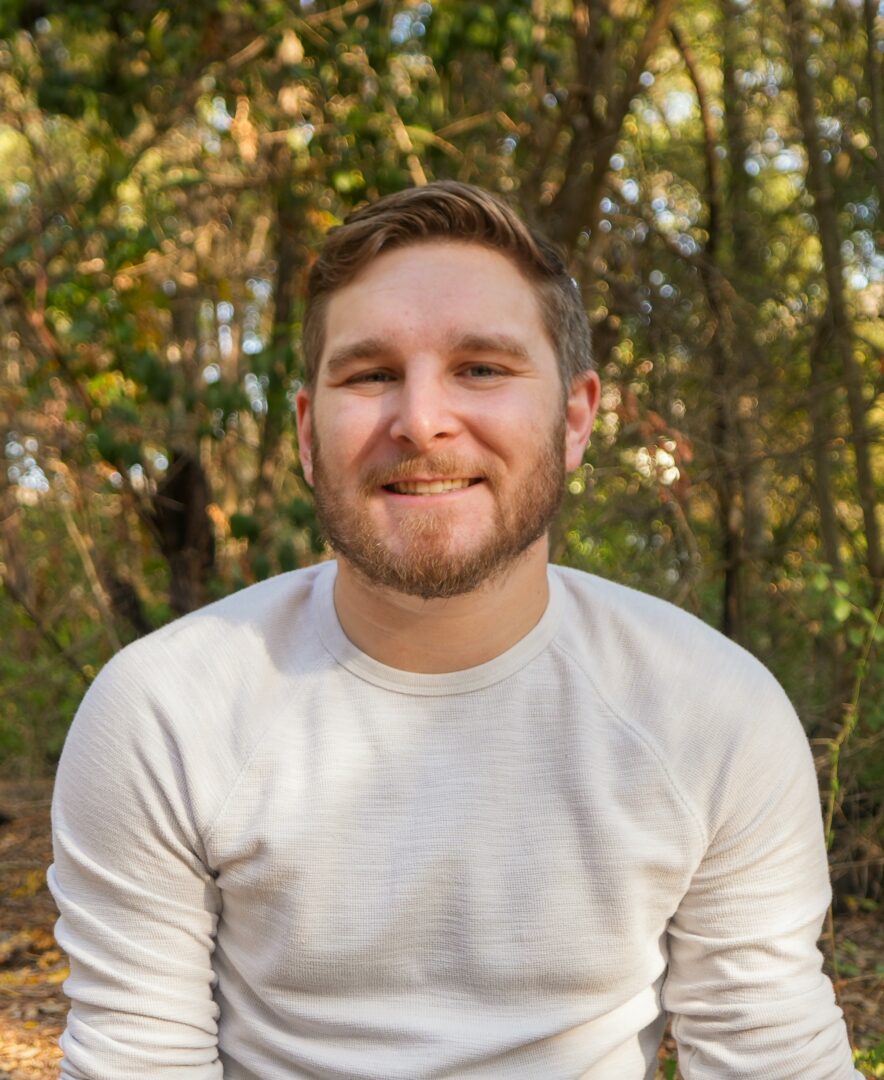
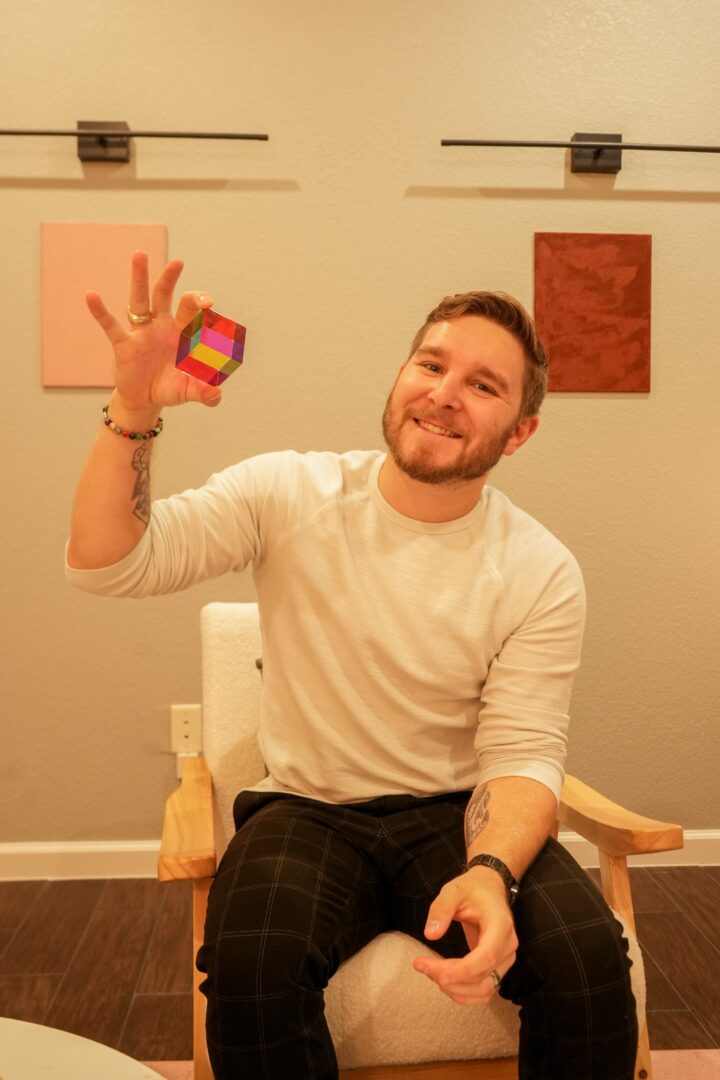
Hey! I’m Kyle, and I am many things: a therapist, a partner in a neurodiverse relationship, a board gamer, an outdoor enthusiast, and a proud ADHDer with a deep appreciation for the beautifully complex ways our brains work.
I bring both clinical tools and lived experience to the therapy room, especially when it comes to working with folks who’ve never quite felt like they fit. I specialize in working with couples and individuals who struggle to manage neurodivergence and the pervasive effects of trauma in their relationships. In other words, I help sensitive nervous systems regulate, grow, and reconnect!
I started The Rooted Brain, PLLC in 2025 with the mission to provide therapeutic services tailored to each client’s unique neurological needs and life experiences. A “rooted brain” refers to the grounding effect that compassion for our brain wiring, sensory preferences, and early life experiences has on our day-to-day activities and relationships. Much like the roots of a tree anchor it to the ground, our earliest interactions with caregivers (especially those involving safety, trust, and love) and the unique ways our brains are set up (ADHD brains, autistic brains, dyslexic brains, etc) form the foundational neural pathways that shape our perceptions, emotional responses, and ways of relating to others and ourselves.
When our attachment needs are not met, when trauma occurs, or we don’t honor the sensory needs of our brains, these foundational pathways can become distorted, creating patterns of fear, distrust, overwhelm, burnout, or self-sabotage. However, just as a tree can grow and adapt over time, so too can the brain (hooray for neuroplasticity)! The first step is to create the right environment; a tree can’t grow, adapt, or flourish in harsh conditions. I do exactly this with my clients!
I see clients in a variety of places: in the office, on a trail during walk-and-talk therapy, or via telehealth with anyone in Texas. Whether I see clients as a couple, individually, or in one of my groups, I always start by establishing sensory safety and encouraging clients to start noticing their relationship with their environment and their own internal world.
In 2026, I am starting a new therapy group called “Games for Growth”. In the 10-week group, we’ll use board games as a therapeutic tool to explore how we show up in relationships. Whether you’re working through social anxiety, navigating neurodivergence, or hoping for more connection in your life, this group is a unique way for up to 6 people to grow through play! As an avid board gamer myself, I am excited to lead this group that represents an overlap of my personal and professional passions. My hope is that by playing games with people who are open to learning about themselves and others, group members can experience a new way to connect that feels safe and inviting.
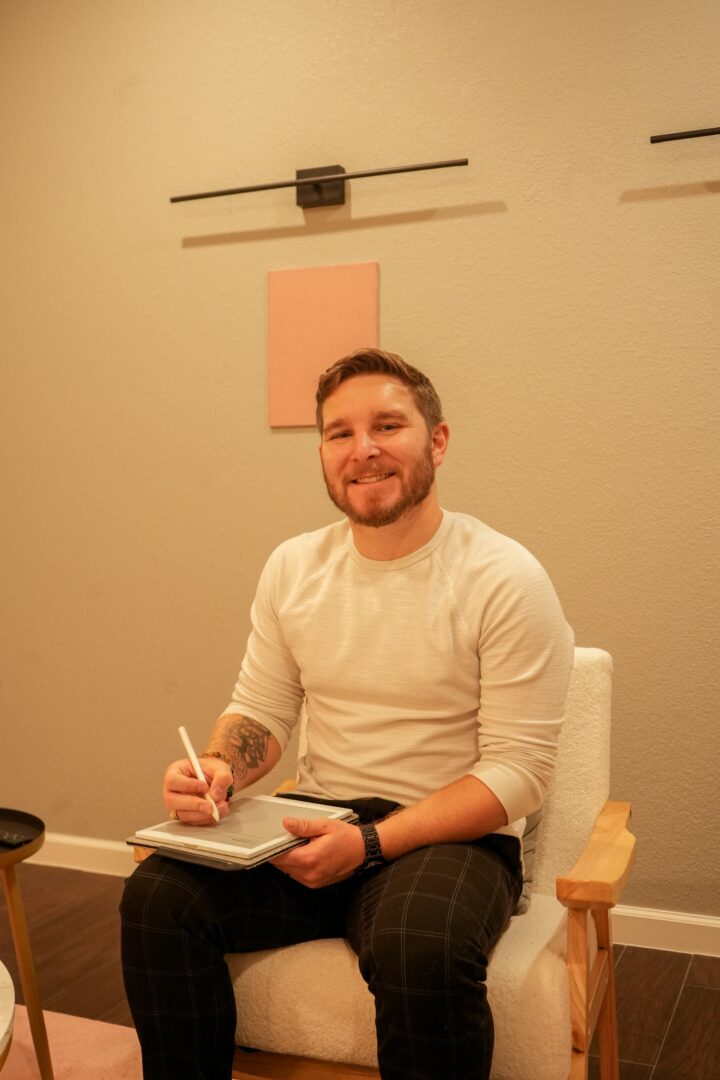
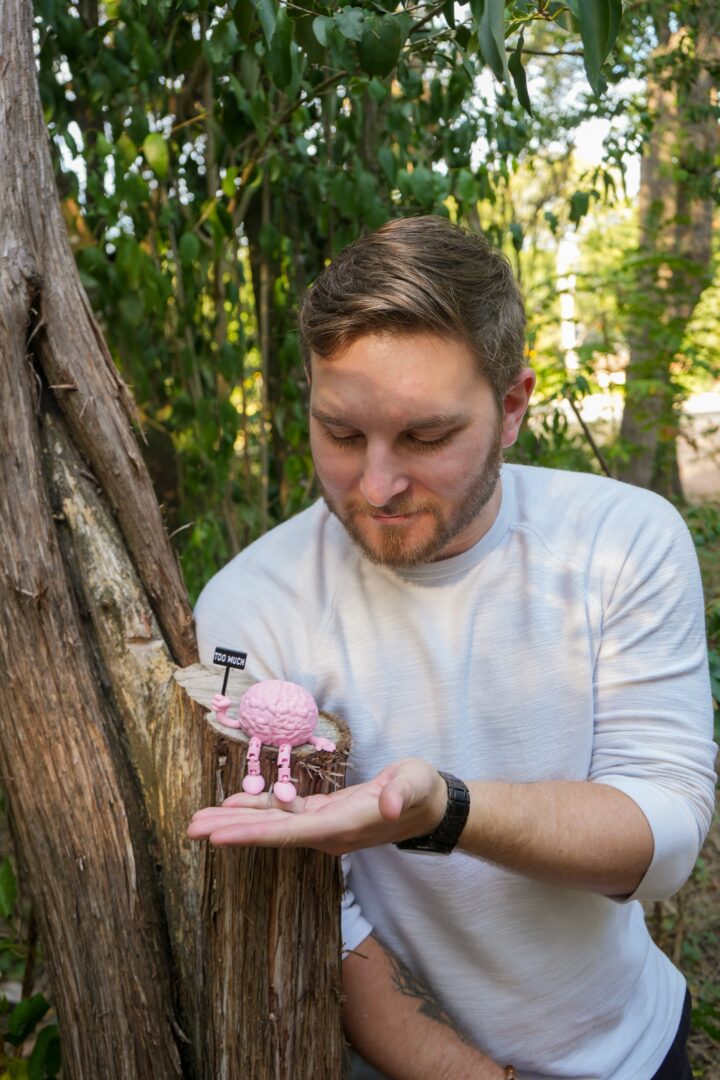
If you had to pick three qualities that are most important to develop, which three would you say matter most?
The three qualities that are most impactful in my ongoing journey are self-compassion, vulnerability, and perseverance. It is probably no surprise that I picked these qualities, given my profession. However, these qualities overlap with my life outside of the therapy room, too. For example, without self-compassion, I can end up beating myself up mentally after every session and then being hard on myself for not doing all the things I planned to do when I get home. Self-compassion is telling myself that it is okay that I had a hard day or that everything didn’t go right; it is recognizing the effect of cascading stressors and not adding to it with self-blame. Vulnerability is a quality that allows us to get in touch with ourselves and risk being fully seen, with the risk of that being used against us. While vulnerability may be challenging (and for good reasons), it has allowed me to have a lot of success in my field. If I am not willing to be vulnerable with others, how could I expect clients to feel safe enough to take that risk? I have also found that our willingness to sit with our most difficult or painful emotions allows us to connect with others in their darkest places without becoming completely overwhelmed ourselves. Finally, perseverance is a quality I hold dear to my heart. It is one of the core tenets of the martial arts school I grew up going to, and I have identified with it so much that I have a tattoo of it on my foot! Perseverance has gotten me through countless challenges, roadblocks, and setbacks. It reminds me that even in a hopeless place, there is something in me that is willing to keep searching or fighting. Continuing the fight is more meaningful to me than getting a result at all. I would have likely given up on my dream of owning a private practice without it – and it keeps me moving forward and improving even to this day.
My advice to others is to separate yourself from your problems. You are not what has happened to you or what will happen to you. You are someone worth caring for, and that begins with caring for yourself! Be kind to yourself when things get hard. Be open to taking a risk and sharing something vulnerably with someone, knowing you can bounce back if it goes badly, and giving yourself the opportunity to experience it going well. Remember all the things that have gotten you to where you are today – it wasn’t what has happened but rather how you pulled yourself through it. Think of all the times you could have given up but didn’t. Figure out what qualities or values matter most to you. Start looking for ways you already embody them and ways you can weave them into your life more. I heard somewhere that “your mess is your message”… so go spread the word! I know someone needs to hear it.
One of our goals is to help like-minded folks with similar goals connect and so before we go we want to ask if you are looking to partner or collab with others – and if so, what would make the ideal collaborator or partner?
I am always looking to collaborate with others! I love being a guest on podcasts, giving psychoeducational and neuro-affirming presentations to businesses or groups interested in learning, and nerding out with our clinicians who are passionate about affecting brain change.
Learning from others and sharing what I know is foundational to how I interact with the community in a fulfilling way. I also love engaging in community-based events such as retreats, panels, and informal gatherings of imperfect humans (hey I am one of those!).
For those who are neurospicy like me or just want a co-worker, I find body doubling highly rewarding and helpful. Body doubling is the practice of having someone else present, either in person or online, to provide focus, accountability, and motivation for completing tasks, especially for people with ADHD. It is a great way for me to connect with others, share ideas, and co-regulate through difficult tasks.
You can reach out to collaborate or chat with me via email at [email protected]!
Contact Info:
- Website: https://therootedbraintherapy.com
Image Credits
Julia Brown
so if you or someone you know deserves recognition please let us know here.