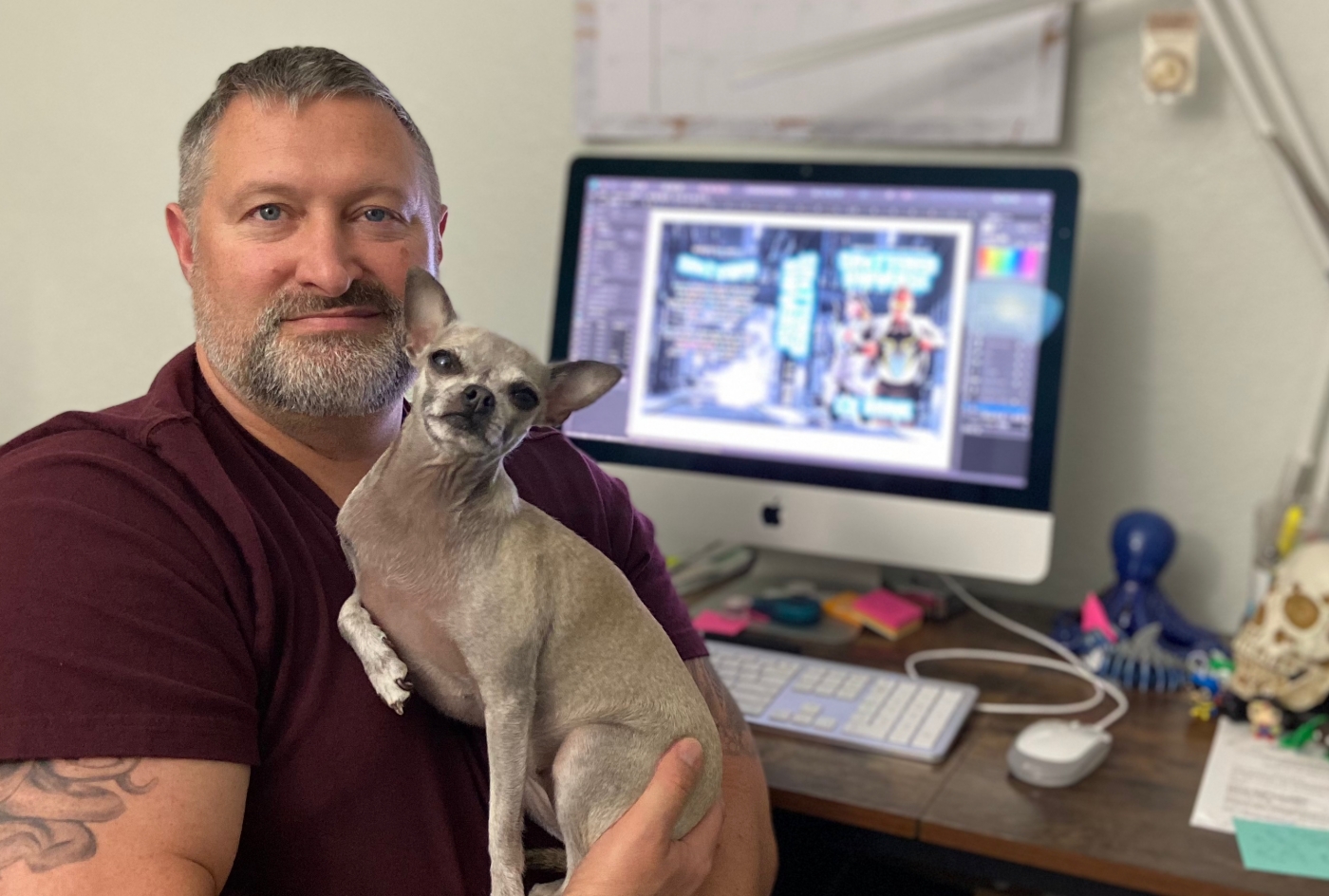
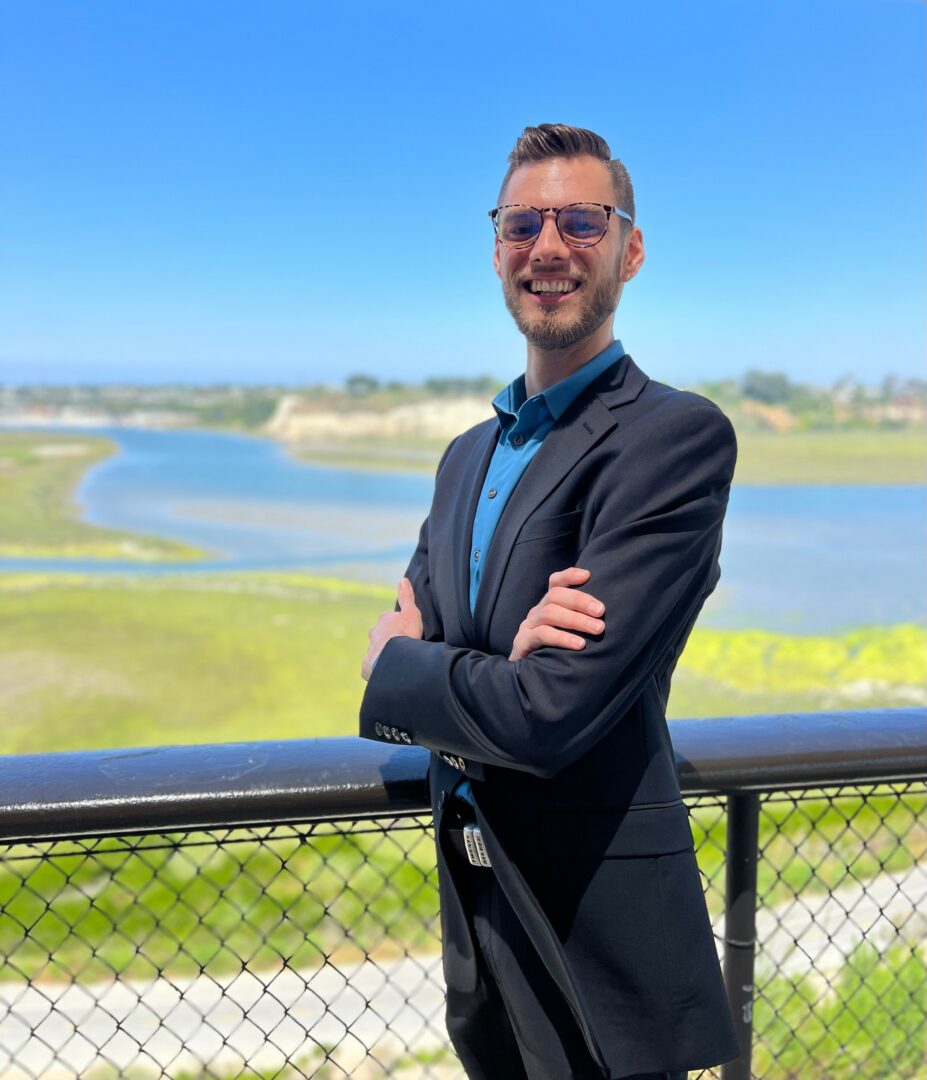
Alright – so today we’ve got the honor of introducing you to Jared Jennings. We think you’ll enjoy our conversation, we’ve shared it below.
Hi Jared, thanks for sharing your insights with our community today. Part of your success, no doubt, is due to your work ethic and so we’d love if you could open up about where you got your work ethic from?
I grew up in a small town, at least small to me, in southwest Missouri called Neosho. Neosho has been home to my Father’s home for generations. My great grandfather was a farmer and a lumber man, My grandfather, Leroy, was a farmer as well as working various factory jobs all while raising eleven children with the help of my grandmother, Veta. My father always told me grandpa was the hardest working man he knew, which was passed on to him because he is the hardest worker I know. My father helped work the farm as a child and as a teenager took on various job and eventually fell into concrete construction which he did for over 40 years. My father would wake up at 4 in the morning to head off to where ever the job site might be and come home at the end of the day sore, sweaty and covered in dirt or concrete depending on the task for the day. He started taking me to work when I was 15. At first my tasks were simple clean up or helping get the truck loaded up for the day as I watched and was shown the inner workings of the job. My mother’s side of the family had an impact as well. I don’t know much about my great grandfather or mother on her side, but I know my grandmother Mary took care of my great grandfather after the government cut funding for Mental Health institutions. She did this while raising 8 children on her own after my grandfather passed away from complications due to a stroke. I can remember my mother smelling to high heaven coming home from the chicken plant. Later she put car parts together in an Aaron’s automotive factory and finally got a job as a secretary at Crowder Collage eventually becoming their payroll accountant. Both my parents, my grandparents, aunts and uncles have never been afraid to get dirty and break a sweat. I watched and came to understand that their work ethics were necessities to do right not just for themselves but for their families and that in turn was beneficial to their communities as well. I want to do right for the people around me and be a good example for those that come after me such as my nieces and nephews.
Great, so let’s take a few minutes and cover your story. What should folks know about you and what you do?
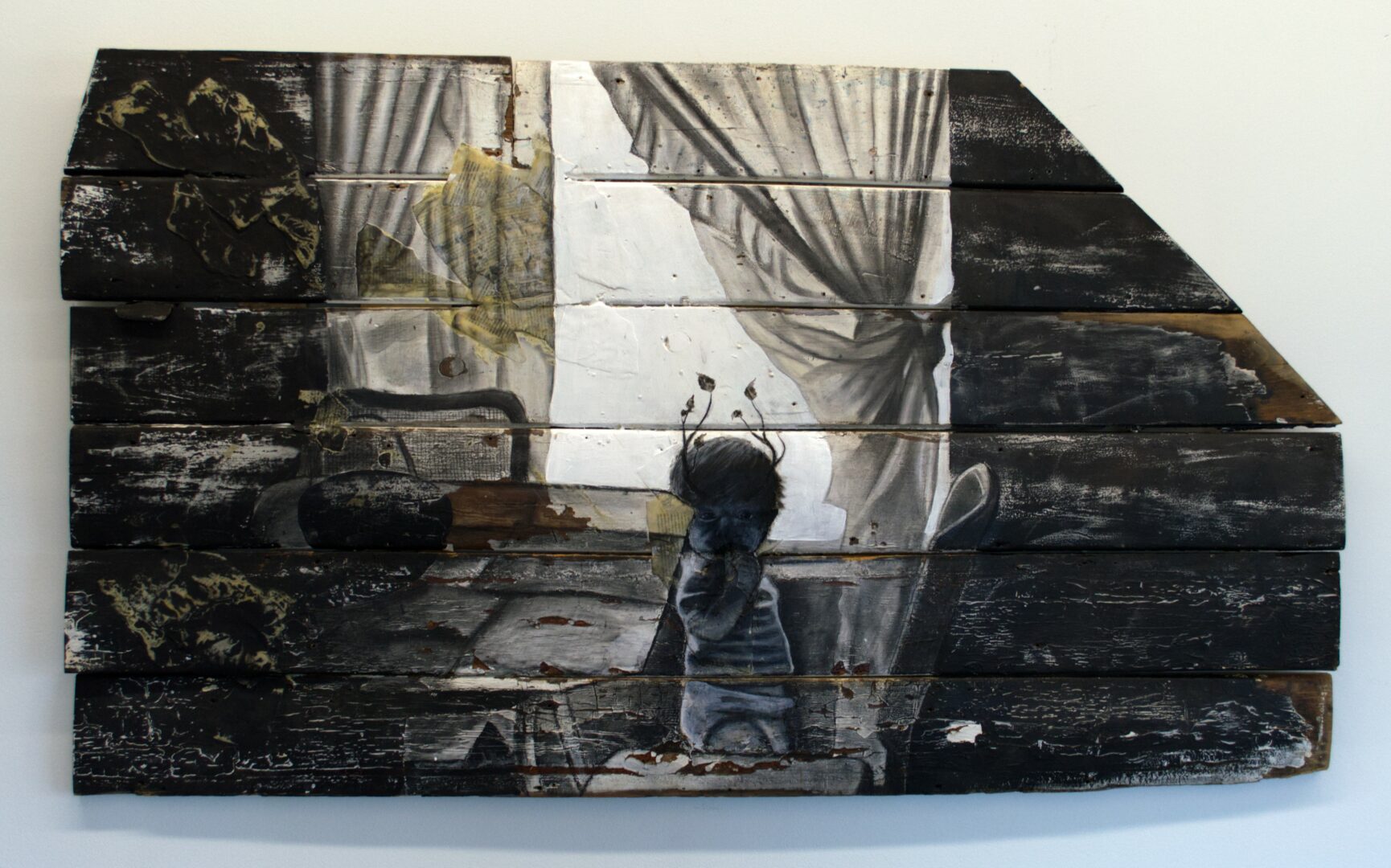
I think like everyone I was born an artist, I just didn’t allow the world I grew up in destroy that need to be creative and expressive. I’ve always drawn. Mom and Dad got on to me time and time when I was young for drawing on the bedroom walls and myself with whatever utilize I could get my hands on. As I grew older my means of how I expressed myself changed. In the 5th grade on a field trip to the capital building in Jefferson City, I discovered art could be something more than the cartoons I had grown to love watching Saturday morning tv. I can sill remember walking into that lounge room in awe of those murals, A Social History of Missouri by Thomas Hart Benton who I’d come to learn was also from Neosho. I began to not just draw cartoons for fun, but also focus on the people around me. At one of our family get togethers I drew and portrait of my Uncle Keith unknowingly. When I was finished with what wasn’t more than a line drawing I showed my mother who encouraged me to show my grandmother Veta. Grandma Veta was so proud that she took the drawing and went around to show everyone at our gathering. I never saw that drawing again but that was validating to push forward. My practice has changed greatly over the years, but that one thing that holds true is its purpose to me. The artwork I make is for me. It’s how I work through my experiences, feelings and thoughts. Even though I found inspiration in more classical and traditional artists I would define my own work as confidently contemporary as well as uniquely my own. I began to work with found objects shortly after finishing my BFA from Pittsburg State University. I started to draw on barn wood with charcoal and ink washes on rusted sheet metal. Abandoning paper for surfaces that aren’t as predictable reconnected my work as an artist to my childhood home and my upbringing. It also opened the door to express a more honest perspective. The world and the people that inhabit it are imperfect, but that’s what makes it beautiful.

Looking back, what do you think were the three qualities, skills, or areas of knowledge that were most impactful in your journey? What advice do you have for folks who are early in their journey in terms of how they can best develop or improve on these?
I think the 3 most important things to me are Self-Reliance, Perseverance, and Bravery.
As an individual, you’ll never be completely prepared for all the things that’ll be thrown at you. Self-Reliance in important because you’ll find yourself in situations or with problems that need to be solved and its left up to you to find a way to accomplish that. Perseverance helps with that need to push forward even when things aren’t idea or everything seems to be going wrong which leaves bravery. Failures are a part of life. Failure is how we learn and grow. To be brave is to not succumb to fear of failure. Embrace failure. Some of the most amazing things and innovations have come at the hands of failure.

What’s been one of your main areas of growth this year?
In fall of 2024, I started my position here as Assistant Instructor with the Great Plains Institution of Art at Sinte Gleska University. Growing up, I never saw myself being a teacher, but of course I also never saw myself being a professional artist either. Being a teacher is far different than being that which you are attempting to help others be. You have to stop and re-evaluate what it is you’re doing and why. I’ve struggled with imposter syndrome my entire life. When I left home to move to Hays, KS to attend Graduate school at Fort Hays State University, I felt like I was abandoning my family. I felt selfish. Being an artist is a very difficult path to walk and all I knew well for being a part of society was labor. It hasn’t been any easier leaving home a second time to move to a place even further away. My family is very important to me and I know they want me close by but I’ve also been able to accept that they’re proud of me even if they don’t exactly understand it. Over the past year i’ve been able to allow that to push me forward. It helps set a good example for my students. You can persevere even through your own barriers that you build inside yourself.
Contact Info:
- Instagram: https://www.instagram.com/jared.e.jennings/
- Facebook: https://www.facebook.com/jjenningsart/

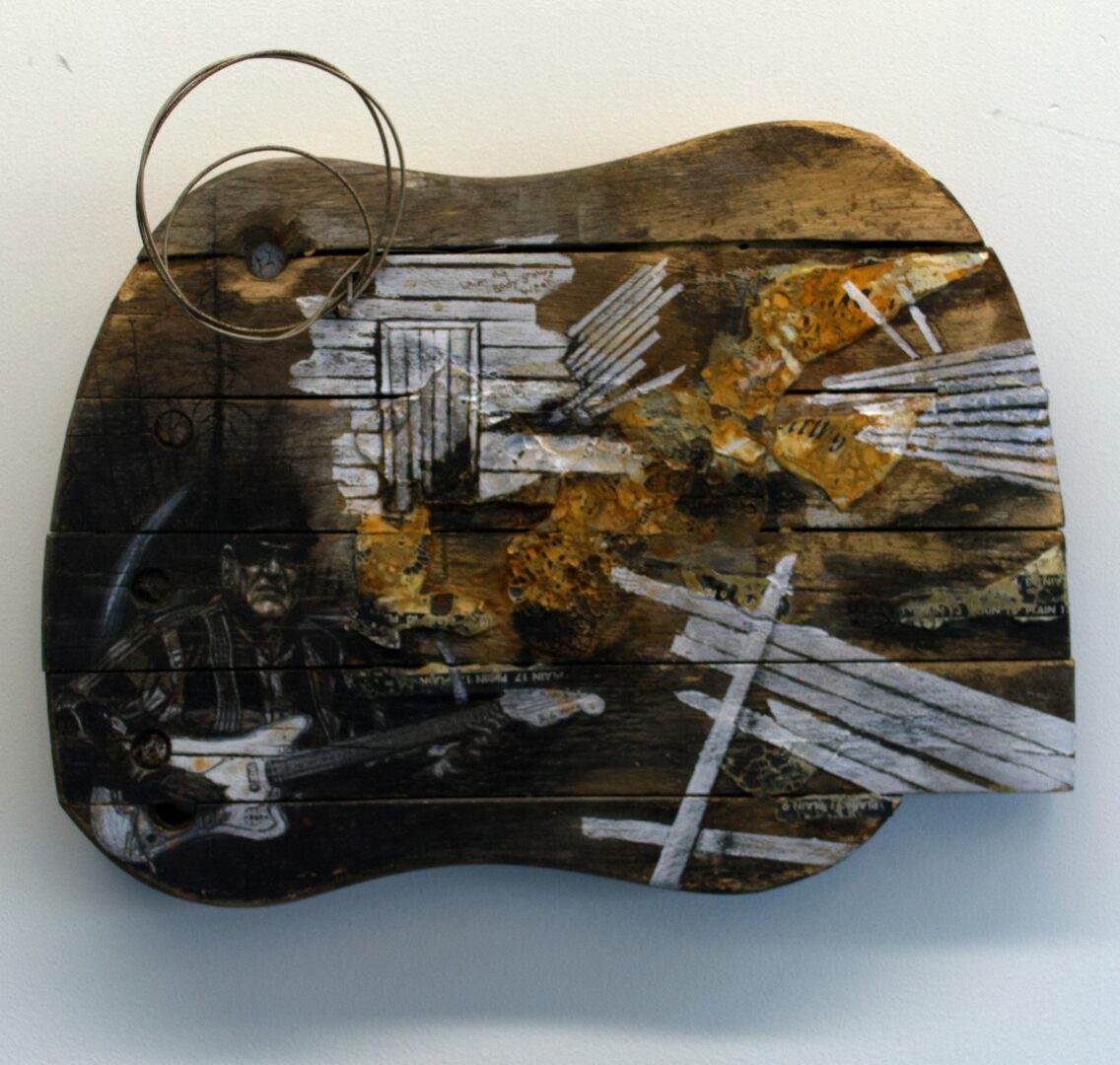

Image Credits
Personal Photo Credit: Keshena OneStar
so if you or someone you know deserves recognition please let us know here.