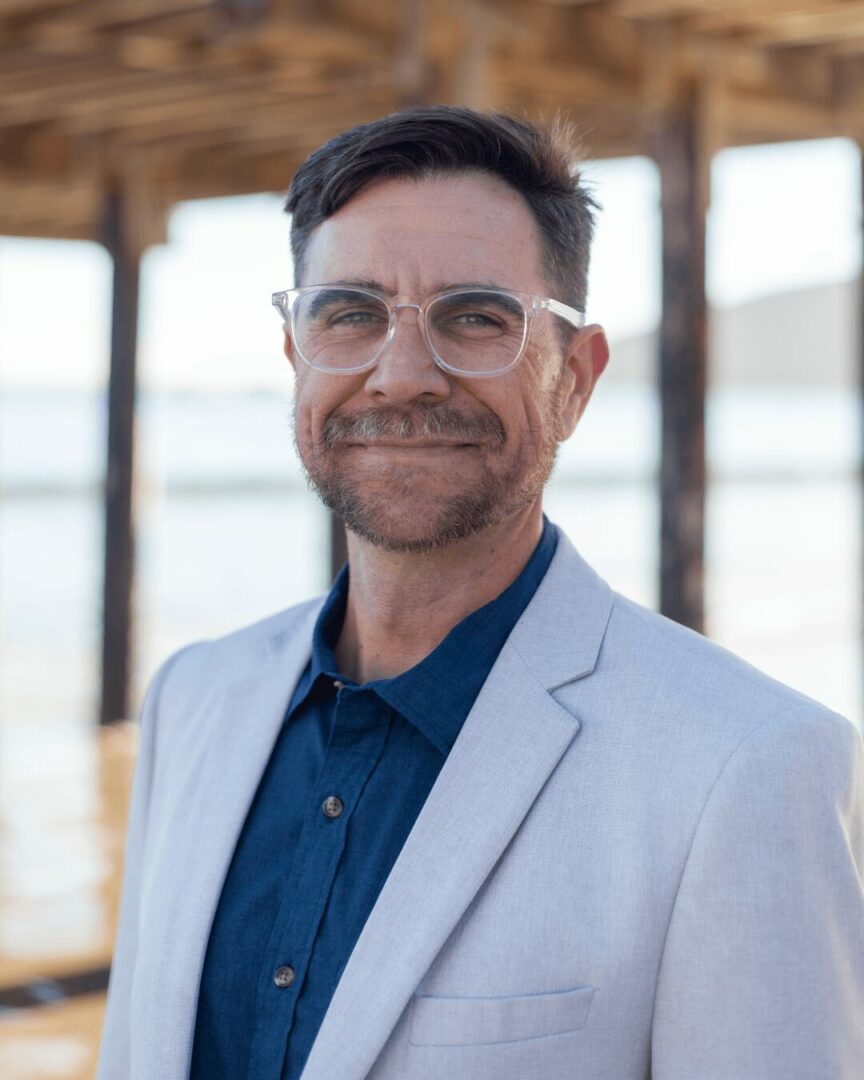
Alright – so today we’ve got the honor of introducing you to Trevor Fry. We think you’ll enjoy our conversation, we’ve shared it below.
Trevor, thrilled to have you on the platform as I think our readers can really benefit from your insights and experiences. In particular, we’d love to hear about how you think about burnout, avoiding or overcoming burnout, etc.
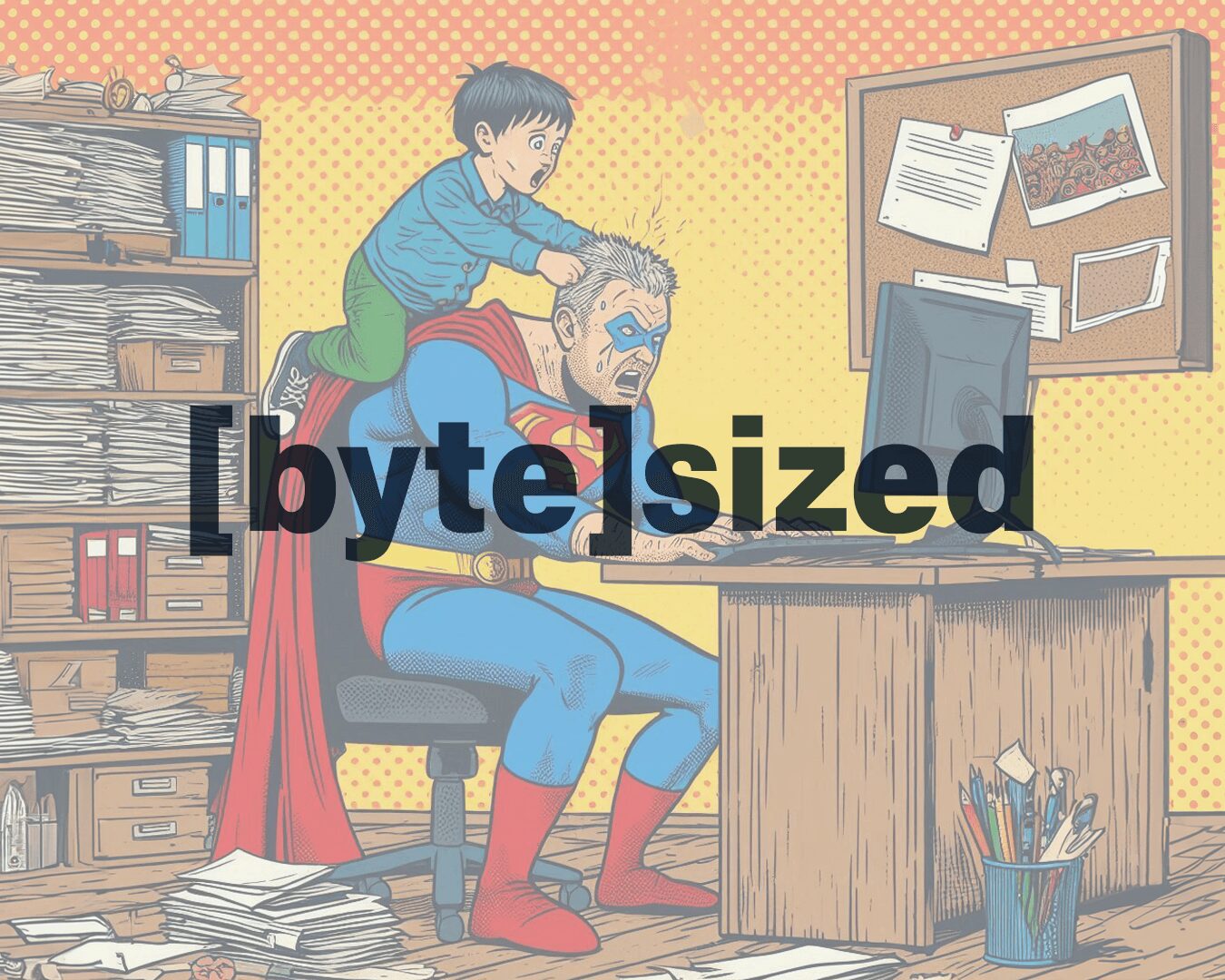
I wish I could say I learned to avoid burnout through some mindful, intentional process, but the truth is I learned it the hard way. Years of waking up with dread and immediately sprinting on the hamster wheel of stress with work, parenting, and other life responsibilities, without taking a step back and taking an objective view of my life.
For most of my career (and life), I felt like I had unlimited energy and even prided myself on being the person who could just take on more. More projects, more responsibility, more late nights, more seeking perfection in everything I do. As I moved into engineering leadership, I was leading bigger and bigger teams, dealing with legacy systems and legacy cultures that had their own gravitational pull, and I felt like my primary responsibility was to shield the people on my teams from that constant firehose of stress and do anything I could to help them be more productive and enjoy what they do. The funny thing is that when you spend your energy protecting everyone else, you often forget to protect yourself.
Now, pile on an expanding family, and not only do we have work stresses, but we have the parental stress that working parents understand all too well.
My first real signs of burnout showed up quietly, not like some overnight lightswitch or obvious breaking moment. My sleep started to suffer, I was becoming more mentally absent at home, and my anxiety was starting to rule more and more of my life (something I didn’t even realize I had). On top of that, I was chasing seemingly undiagnosable physical health issues.
These are things I only noticed in hindsight. While in the thick of it, it was just day-to-day life; just needed to change one thing, and it’d get better. It was almost impossible to look at all these issues objectively and realize how many of them were due to my burnout. It didn’t feel like there was a way out; I had to keep doing what I was doing to maintain our way of life (or so I thought). I kept telling myself I just needed to push through the week or get past the next release or solve whatever fire was burning that particular month. Coupled with my employers dangling the carrots of higher pay, more equity, better positions, etc.
More and more, I found myself dreading things I normally loved, like working with my teams, building something new, or even hobbies I previously enjoyed seemed like too much. I just wanted to become a vegetable after signing off from work and not engage with anyone. It really clicked that this way of working was not sustainable as I’d become more and more dissociated at night. Eating dinner with my family, it was like I was in another world; physically I was there, slowly putting food in my mouth and nodding at whatever was being said, but mentally I was spiraling down a stress hole. Thinking about how I was going to survive another day at work tomorrow. Thinking there was something seriously wrong with me, and I was dying. I was agitated and aggravated all the time; no one wanted to be around me, including my family. I knew something needed to change.
I say all this in hopes that adding these details can help others realize that what they might be feeling isn’t ‘just life’. It’s burnout, and it’s literally removing years from your life. It doesn’t matter your title, position, roles, responsibilities, etc. we all take on stress. A certain job is not necessarily more stressful than the next; much like we often live to our means financially, we live to (or beyond) or means stressfully as well.
The biggest thing that helped me overcome burnout was giving myself permission to redesign how I worked (as well as my amazing wife helping me realize how bad things were and pushing me to know it’d be OK to make big changes). Instead of trying to fit myself into traditional roles that demanded unlimited output, I stepped back and asked what kind of work could actually fit the life I wanted to have. What roles aligned best with what I actually enjoy doing? What would light me up and get me closer to the Japanese idea of ikigai? That led me into fractional work and starting my own business.
I recognize not everyone is able to take that step back and start on their own, but I do believe everyone should find a way to take an objective look at the stresses in their life and work to limit or remove them entirely. If your job is sucking the life out of you, make a change; maybe a new position or role at the same company, or even doing the same thing at a different company can (at least temporarily) provide some relief. If you’re up for it, make a major change; move to another country, go do something completely contrary to what you are doing now. Work in engineering? Try sales. Work in management? Try an individual contributor role. Can’t afford a change in pay? See how much you actually need vs what you are spending on out of convenience or because you are too stressed to do something different.
Today, I stay very aware of my limits. I focus on work that is meaningful and aligned instead of saying yes to everything. I will say, there is a bit of stress everytime I say, “no” to work, but I also never regret it. I’m prioritizing and betting on myself, instead of someone else. I built in recovery time. I stay involved in things outside of tech that help me reset, like outrig canoeing with my local club. Being on the water and pushing myself as part of a crew gets me out of my head and into my body in a way that nothing else does. It also reminds me that being part of a team doesn’t mean carrying the whole canoe yourself.
I also learned that burnout doesn’t just come from working too much. It comes from working in environments that drain you. Misaligned leadership, unclear priorities, and unspoken expectations all weigh on people more than the actual hours. One of the gifts (and privileges) of going independent is choosing who I work with and building relationships where communication and boundaries actually matter.
I am not perfect at avoiding burnout. I still take on too much sometimes. I still get caught in “just push through” mode. But I am a lot faster now at noticing the signs and a lot kinder to myself when I need to step back. Overcoming burnout wasn’t about finding balance. It was about redesigning the entire system I was operating in and being honest with myself about what I actually need to show up well.
Thanks, so before we move on maybe you can share a bit more about yourself?
I run a fractional CTO and technical consulting practice called //TREVORFRY.TECH. In simple terms, I help small and mid-sized businesses clean up their tech, build healthier engineering teams, and set the foundations for their next stage of growth. That often means stepping into messy situations, untangling years of “just make it work” decisions, and helping leaders finally feel confident in their systems and processes again.
What I love most about this work is that the problems are nuanced, and I get to dive into new situations and industries to understand, dissect, and improve people, technology, and long-term strategy. A lot of companies think their challenges are purely technical, but most of the time, the real issues are things like unclear priorities, overwhelmed teams, or processes that no one ever intentionally designed. Helping a team go from reactive and stressed to clear and aligned is the part that never gets old.
I also enjoy working with founders who are visionary and brilliant at what they do, but who may not have a technical background or understand how to manage technical teams. There is something energizing about being their translator, guide, and problem solver. I get to give them confidence in decisions that used to feel intimidating or risky, and help them understand what is being built and why.
I work with a mix of founders, executives, and teams who need someone who can translate between the technical world and the business world. Whether it is guiding a digital transformation, helping a team adopt healthier engineering practices, or supporting a non-technical founder through major product decisions, the goal is always the same: build something that actually works and will keep working, while also making work and life a bit more enjoyable.
What I want people to know about my approach is that none of this is about chasing the newest technology or over-engineering solutions. It is about building systems, processes, and products that support the life and business someone is trying to create. Sometimes that means modernizing workflows for a legacy company. Sometimes it means rebuilding a website that has been duct-taped together for years. Sometimes it means helping a founder finally feel like they aren’t alone in the technical parts of their business.
That is the thread running through all of my work: clear strategy, practical execution, sustainable systems, and a people-first approach.
There is so much advice out there about all the different skills and qualities folks need to develop in order to succeed in today’s highly competitive environment and often it can feel overwhelming. So, if we had to break it down to just the three that matter most, which three skills or qualities would you focus on?
Looking back, the most impactful qualities in my journey have been curiosity, communication, and what my wife jokingly calls my superpower: the ability to fail repeatedly.
Curiosity has carried me through every phase of my career. I never sat down with a detailed plan for where I wanted to be. I followed the threads I found interesting, even when it meant changing roles, industries, or teams. I didn’t set out to work in software, but it’s where I found myself utilizing most of my skills. Curiosity pushes you to understand how things work, how decisions are made, and how different parts of a business connect. It also helps you challenge the status quo and either change your own direction or the direction of a project or business. For anyone early in their career, being curious about more than just their own job is one of the fastest ways to grow.
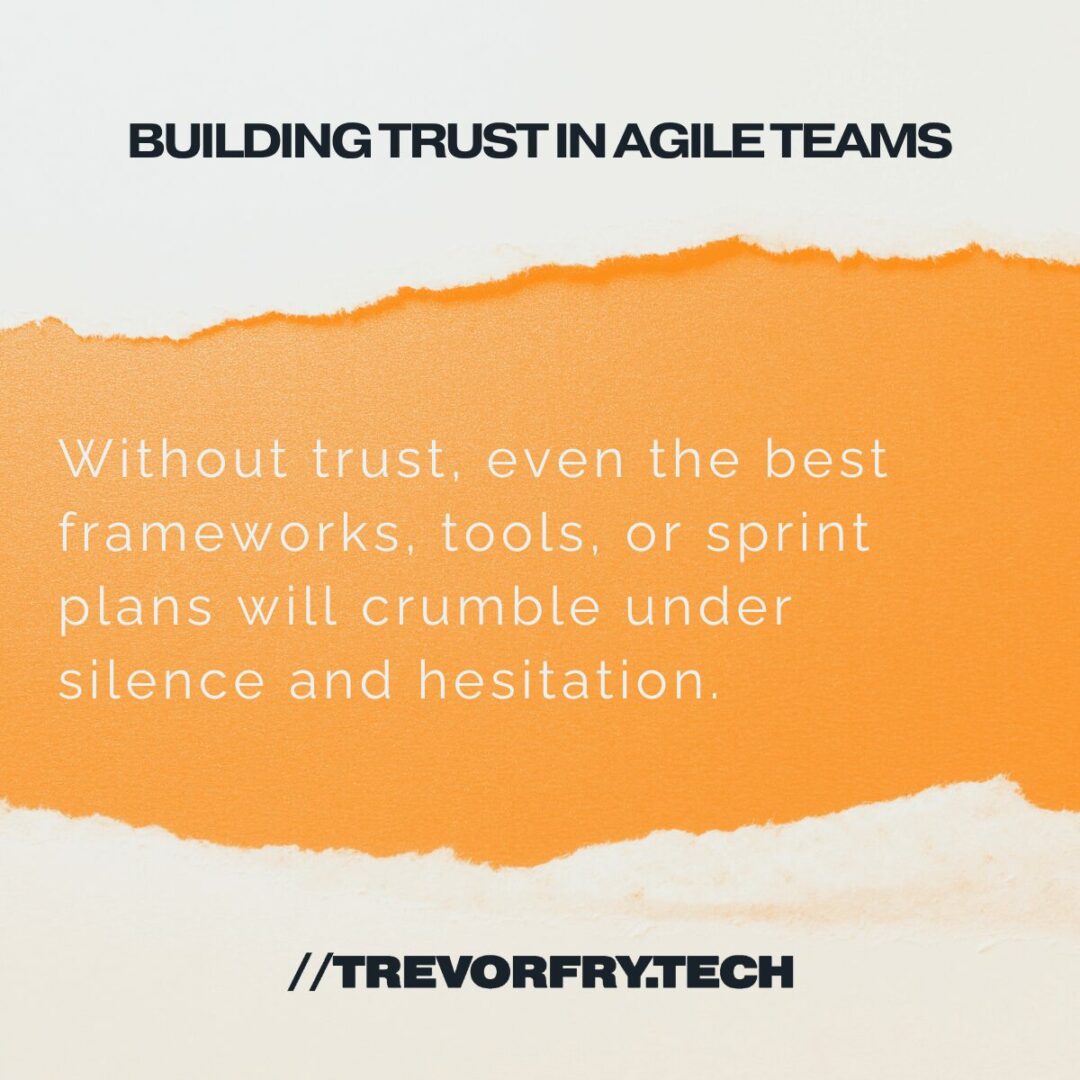
Communication is a skill I didn’t fully appreciate until I moved into leadership. Early in my career, I thought success came from solving hard problems, writing good code, or just being a master of my craft. Later, I realized that communicating clearly, asking good questions, and being able to translate with both technical and non-technical teams or people is what actually moves projects and people forward. You can practice this by learning to explain complex ideas simply, understanding that others do not have the same knowledge base or perspective as yourself, listening more than you speak, and being willing to surface misalignment instead of working around it.
The ability to fail forward is something I didn’t even recognize in myself until my wife called it out. My career has been a long string of experiments, detours, mistakes, and learning opportunities. I am comfortable being wrong, trying again, and iterating and adjusting until I land on something that works. That willingness to fail repeatedly without losing momentum has been one of the most important drivers of my growth. For anyone early in their journey, the advice here is not to seek failure for its own sake, but to treat it as a normal part of figuring things out, even to celebrate it. You don’t have to have the perfect, most detailed plan (often that’s not even the right thing to do), you have to have enough of a plan to move forward, learn quickly, and adjust as you go.
If there is a thread through all of this, it is that careers are less about having everything mapped out and more about building a mindset that supports growth. Stay curious. Communicate clearly. Give yourself room and permission to try, fail, and try again. Those three things will take you a long way, no matter the path you end up on.
Okay, so before we go, is there anyone you’d like to shoutout for the role they’ve played in helping you develop the essential skills or overcome challenges along the way?
The person who has been most helpful in my journey is my wife. We are similar in many ways, but she is the yin to my yang (to use the cliche) in all the ways that matter. She pushes me, questions me, and helps me see the world through a different lens. She has this ability to hold up a mirror without judgment and challenge my assumptions, which has forced me to grow in ways I never would have on my own.
She has played a huge role in helping me recognize the moments when I was burning out or stuck in unhealthy patterns. I am someone who tends to grit my teeth and push through anything, often to my own detriment, and she has been instrumental in helping me step back, reassess, and make decisions that are better for my long-term health and happiness. When I needed to make big changes in my career and life, she was the one who helped me believe it would be OK, even when I couldn’t quite see it myself.
We also work incredibly well together, which seems to surprise a lot of people. We have led teams together and run businesses together, and instead of clashing, we communicate extremely well, and balance each other in a way that makes both of us stronger. The same qualities that make her an amazing partner at home translate directly into how we collaborate professionally.
She challenges assumptions I don’t even know I’m making, asks the one question I didn’t think to consider, and points out the angles I completely missed. It has made me a better leader, a better parent, and honestly, a better human.
If there is one thing I’ve learned from her, it’s that we all need people who can tell us the truth with care, someone who believes in our potential but won’t let us stay on autopilot. She has been that person for me, and I would not be where I am today without her influence and support.
Contact Info:
- Website: https://trevorfry.tech
- Instagram: trevorfry.tech
- Linkedin: https://www.linkedin.com/in/trevorfry
- Other: Blog/newsletter: http://bytesizedmusings.substack.com
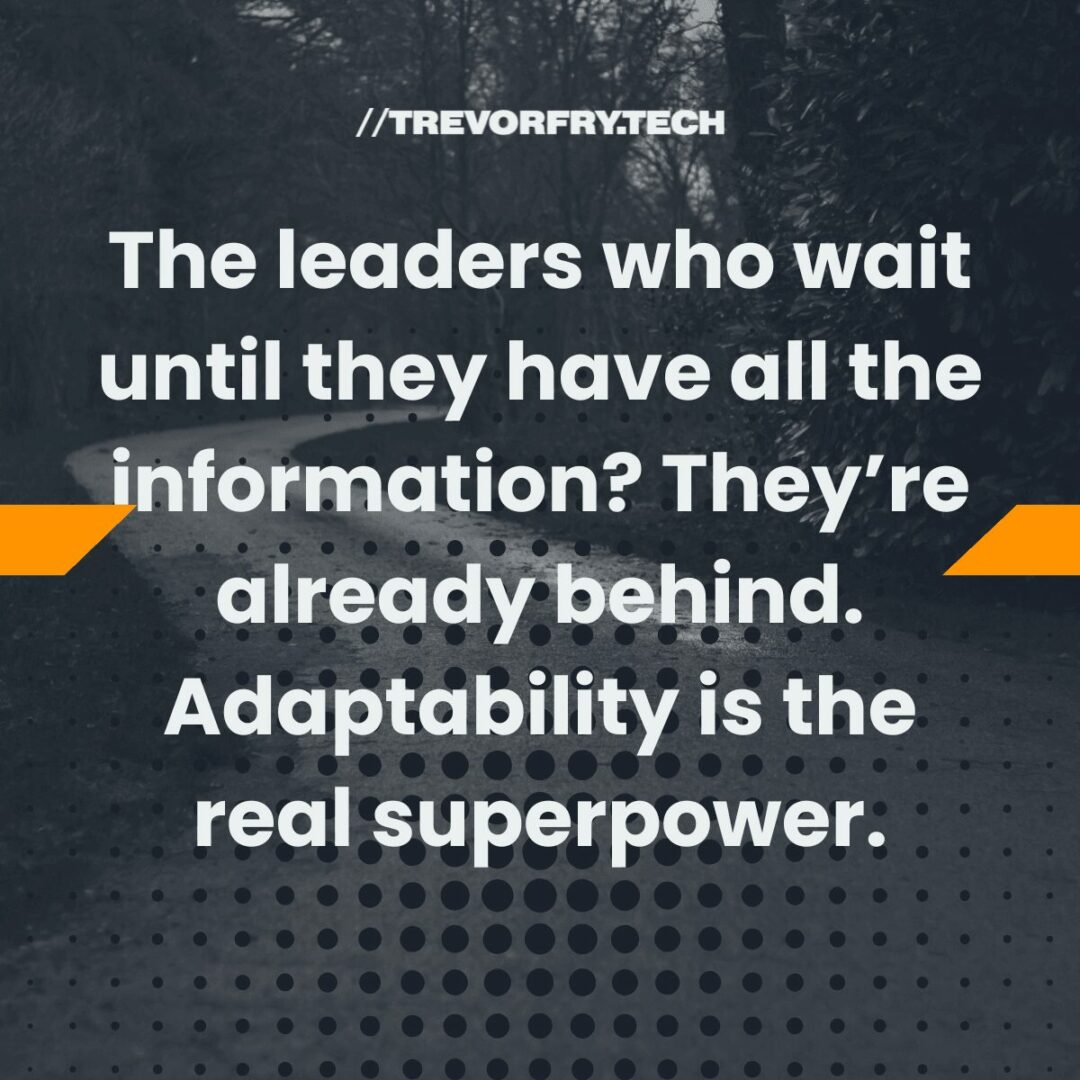


Image Credits
All images by Trevor Fry except the 2 paddling which were provided by Pale Kai Outrigger Canoe Club
so if you or someone you know deserves recognition please let us know here.