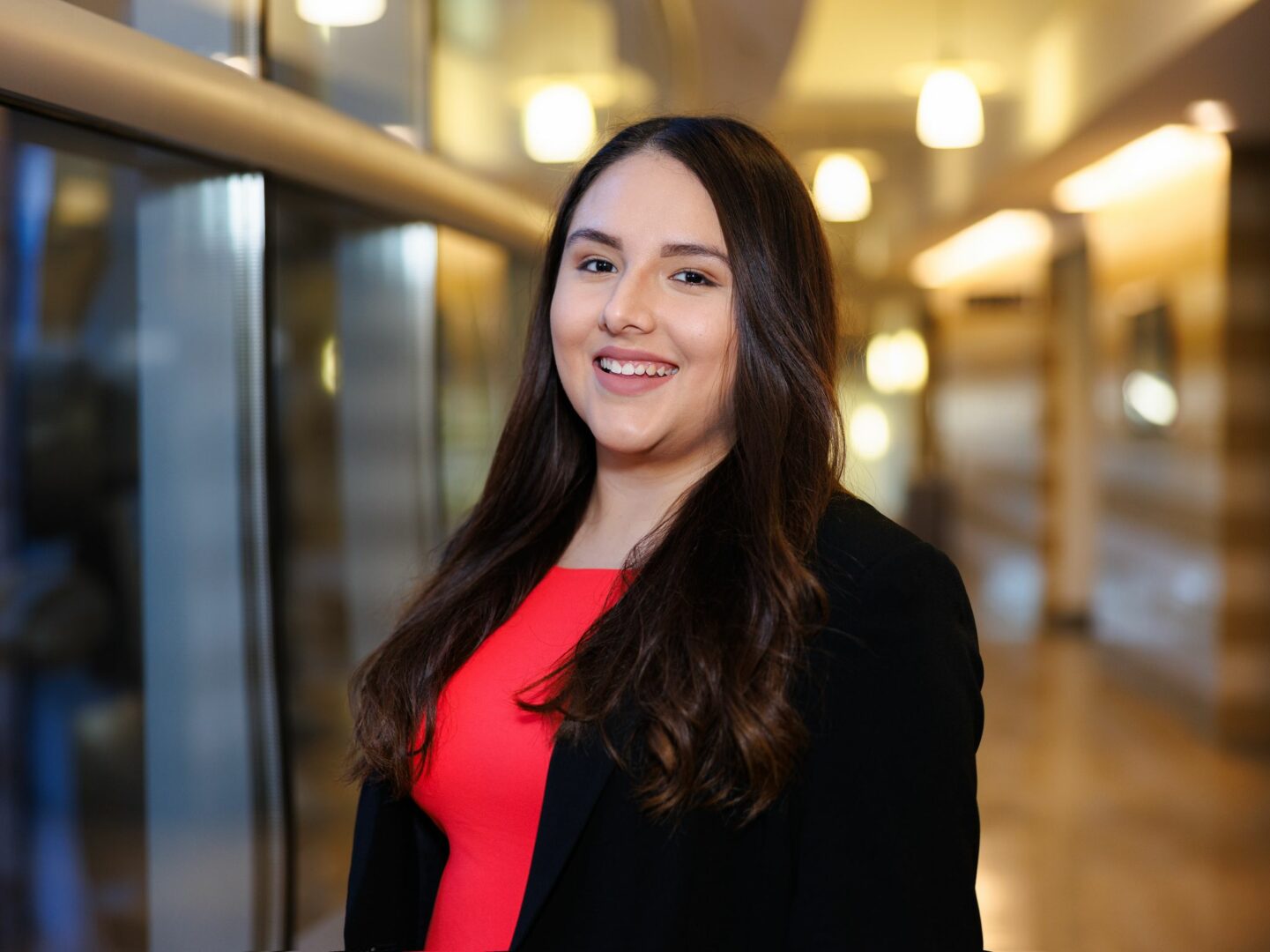
We were lucky to catch up with Gabriela Ledesma recently and have shared our conversation below.
Gabriela, thank you so much for joining us today. Let’s jump right into something we’re really interested in hearing about from you – being the only one in the room. So many of us find ourselves as the only woman in the room, the only immigrant or the only artist in the room, etc. Can you talk to us about how you have learned to be effective and successful in situations where you are the only one in the room like you?
When I left Panama to study abroad, I arrived in a country, culture, and education system that were completely new to me. I was thousands of miles away from my family, learning to navigate everything—from the language in everyday life to how the classroom worked. Many people around me, even with good intentions, thought I wouldn’t make it, that the distance, the pressure, and the cultural shock would eventually send me back home.
At first, I felt like an outsider everywhere I went. I was the international student with an accent, the girl who didn’t fully understand the jokes, the one who had to translate ideas in her head before speaking. But even when everything around me felt different and unfamiliar, one thing remained very clear to me: my purpose. I knew I was not only there for myself, but also for my family and my country.
Instead of letting that pressure break me, I decided to let it shape me. I learned to adapt quickly—asking questions, listening carefully, and observing how things worked. I showed up prepared to every class, every meeting, every opportunity. Slowly, the “international student who might not make it” became the student who was invited to lead.
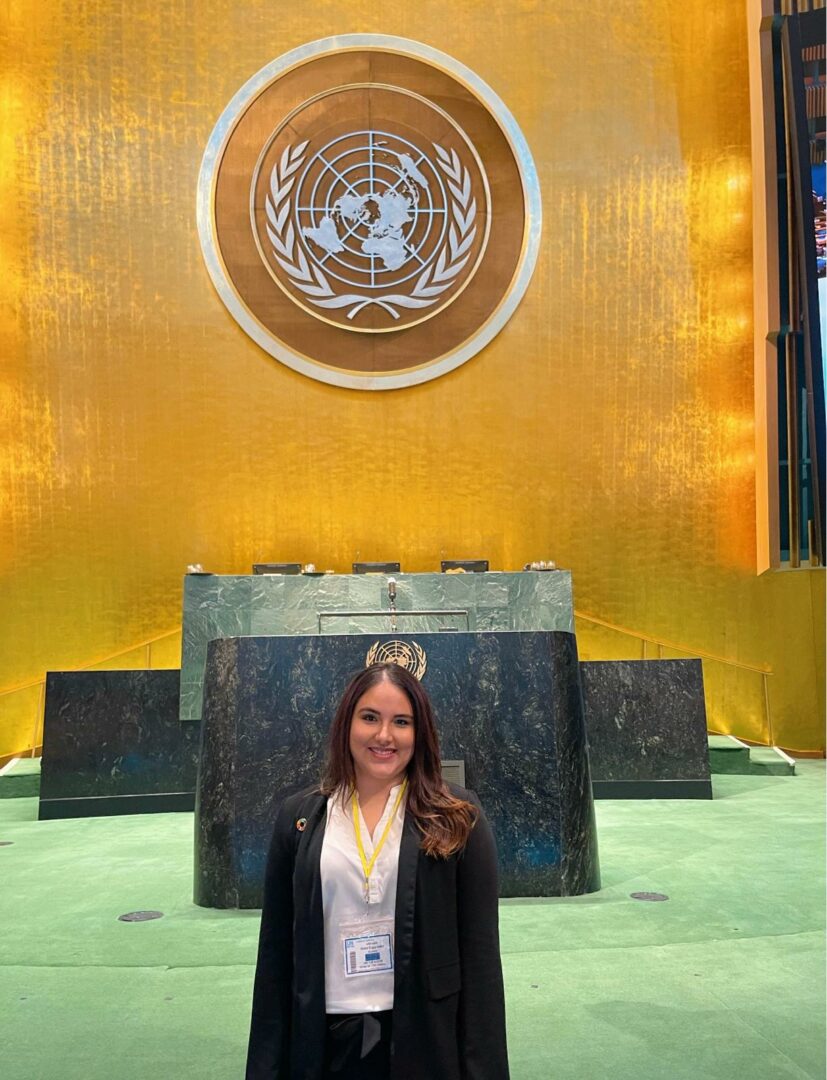
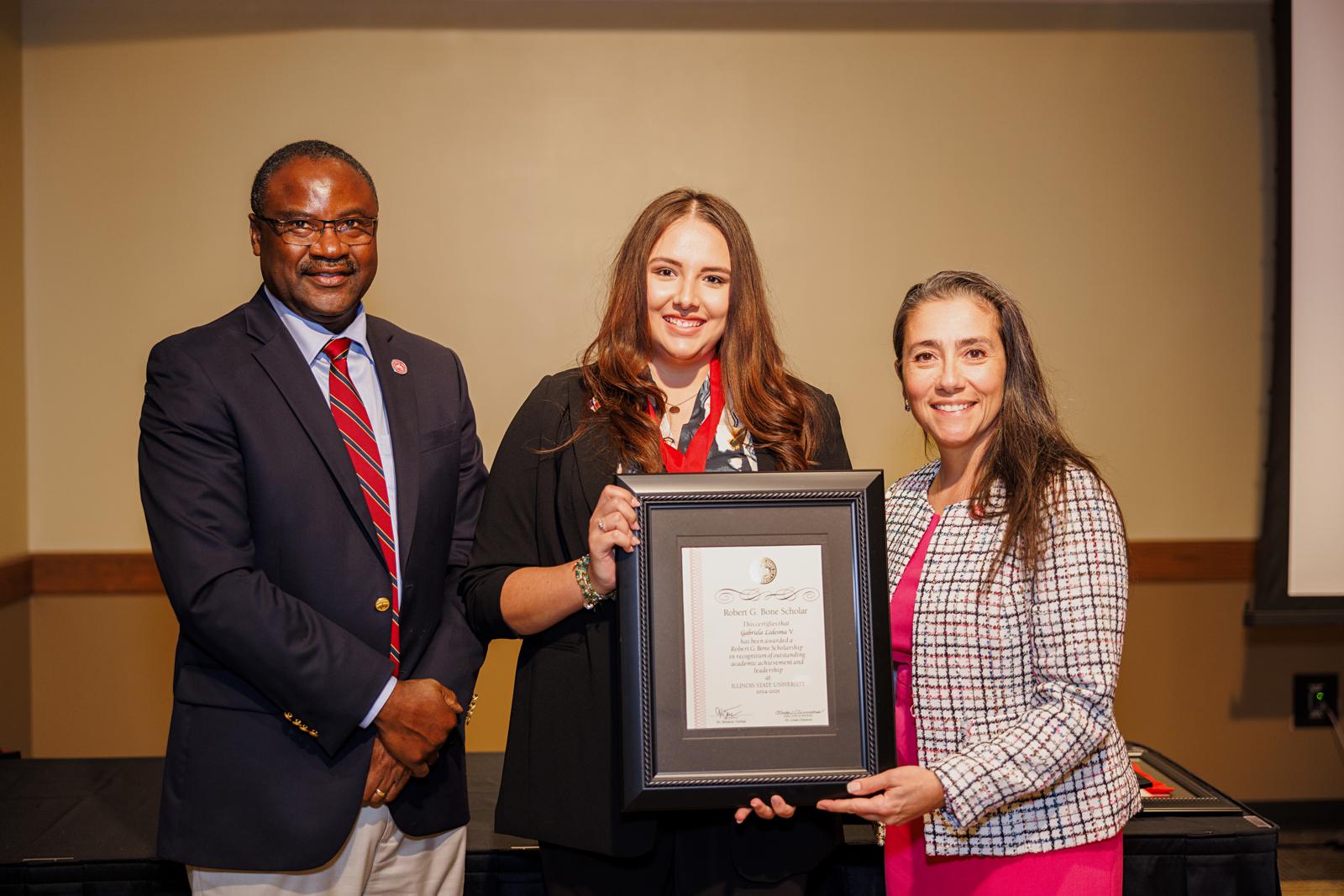
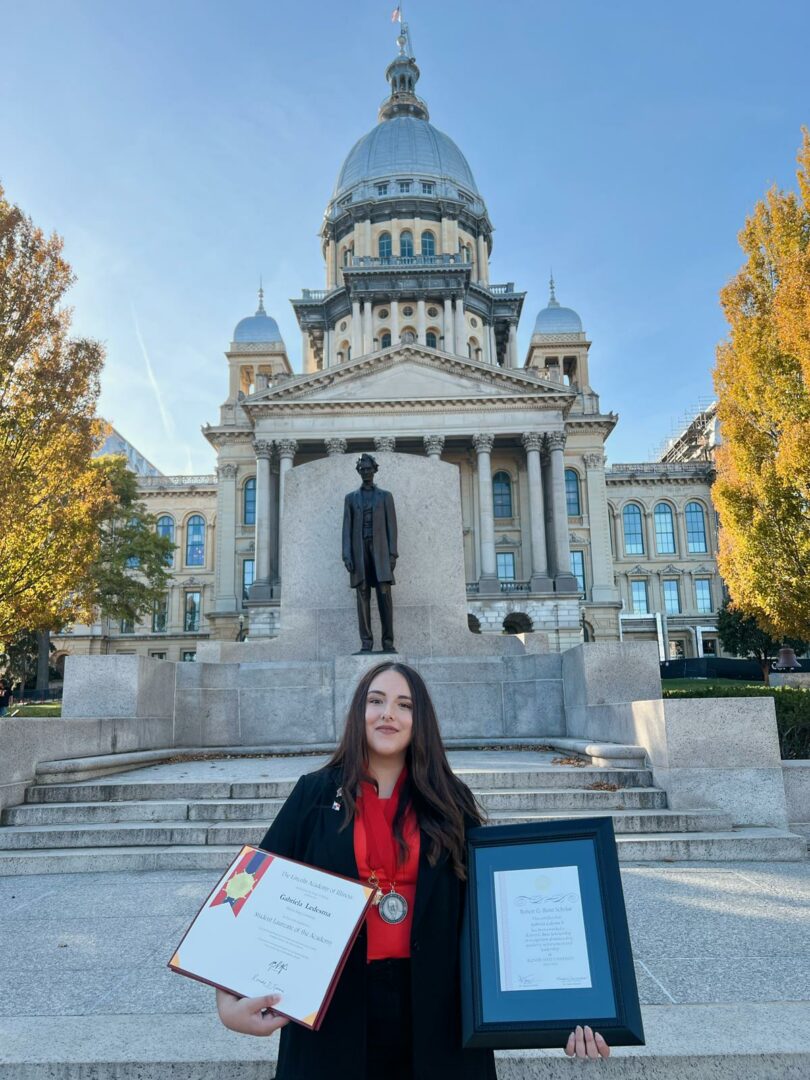
I started leading in spaces where an international student had never led before: I became president of the International Business Association, represented my university in high-level forums, worked with nonprofits connected to the UN, and was honored with the Abraham Lincoln Civic Engagement Award, a statewide recognition for students who demonstrate outstanding leadership and service. Each time I stepped into a new room where no one looked like me or shared my background, I reminded myself that my story was not a limitation—it was my strength.
Now, in January, I will begin an internship with the Organization of American States (OAS) in Washington, D.C., working in the Department of Human Development, Education, and Employment. For me, this is a continuation of that same journey: entering rooms where I might still be the only one who looks like me, but where I now know I belong, I can contribute, and I can help open doors for others.
Being the only one in the room has taught me that success is not about blending in, but about staying rooted in who you are while having the courage to grow beyond what others thought was possible for you.
Thanks, so before we move on maybe you can share a bit more about yourself?
Right now, my work sits at the intersection of international affairs, education, and communication. I’m originally from Panama, and in 2025, I graduated with a Bachelor’s degree in International Business and Business Analytics. Since then, my focus has been on building a career that connects people to opportunities—whether that’s through policy, scholarships, or skills development.
In January, I’ll be joining the Organization of American States (OAS) in Washington, D.C., in the Department of Human Development, Education, and Employment. There, I’ll be working on communications and outreach to promote scholarship and educational opportunities across the Americas. For me, this is especially exciting because it combines everything I care about: international cooperation, access to education, and using communication as a bridge between institutions and real people.
Before that, I worked in government affairs for a telecommunications company in Panama, collaborating with stakeholders across Latin America and the Caribbean. That experience gave me a front-row seat to how policy, regulation, and business interact—and how important it is to have people at the table who understand both the human impact and the strategic side of decisions.
Outside of formal roles, I’m very active in the nonprofit and civic space. I love volunteering, and I currently support the Tennessee World Affairs Council (TNWAC), helping with social media and outreach to engage more people.
One of the projects I’m most proud of is creating an online communication course in Spanish for people who want to improve how they present themselves professionally—whether for job interviews, scholarships, or networking. I also teach classes and workshops on topics like CV building, elevator pitches, cover letters, and LinkedIn. I’ve seen how a single opportunity or a well-told story can change someone’s life, so a big part of my “brand” is helping others learn to tell their own stories with confidence.
There is so much advice out there about all the different skills and qualities folks need to develop in order to succeed in today’s highly competitive environment and often it can feel overwhelming. So, if we had to break it down to just the three that matter most, which three skills or qualities would you focus on?
Looking back, three things have been especially impactful in my journey: strategic communication, resilience, and believing in myself.
Strategic communication has been at the center of almost everything I do—from public speaking in Panama, to working in government affairs in a telecommunications company, to now joining the OAS. Being able to communicate clearly and intentionally has helped me advocate for ideas, represent my community, and open doors that might have stayed closed otherwise. My advice is not to treat communication as something you either “have or don’t have,” but as a skill you can develop. Practice how you introduce yourself, how you explain your work to someone who knows nothing about it, and how you write emails or messages. Take courses, watch talks, and pay attention to people who communicate in a way that moves you, then analyze what they’re doing and try it yourself.
Resilience has also been essential, especially as an international student far from home. There were moments when things didn’t go as planned, when finances or uncertainty made everything feel fragile. Resilience, for me, wasn’t about never feeling tired or discouraged; it was about deciding to keep going, even when it would have been easier to give up. My advice is to build resilience through small acts of consistency. Finish what you start, even if it takes longer than you expected. When something doesn’t work out—a scholarship, a job, an opportunity—allow yourself to feel disappointed, but then ask: “What can I learn from this?” and “What’s my next step?” Resilience grows every time you choose to try again.
Believing in myself has probably been the most powerful factor. Some people thought I wouldn’t adapt, that I would eventually return home, or that my dreams were too ambitious. If I had agreed with them, none of what I’m doing today would exist. Believing in myself didn’t mean I was always confident; it meant I chose to act even when I was nervous—applying for opportunities that felt out of reach, stepping into leadership roles where no one like me had led before, and saying yes to rooms that intimidated me. My advice for anyone early in their journey is to start by borrowing belief if you need to. If it’s hard to believe in yourself at first, lean on the people who do believe in you family, friends, mentors, and let their support be your starting point. Over time, as you collect small wins and evidence that you can do hard things, that belief in yourself becomes real and unshakable.
What has been your biggest area of growth or improvement in the past 12 months?
In the past 12 months, my biggest area of growth has been learning patience. I am the kind of person who is always looking for new opportunities, wanting to travel, learn, and keep moving forward. I love feeling that I am progressing. However, many of the things I enjoy the most had to be put on hold while I was going through the process of obtaining my permanent residency, which took 11 months.
That experience forced me to slow down and accept that not everything can be achieved through hard work and planning alone—some things simply take time. I had to learn how to sit with uncertainty, to keep doing my best with what I had in front of me, even when I couldn’t control the timeline.
This period taught me to trust the process more, to focus on what I could build in the present instead of constantly fighting the waiting. It also made me more grateful and intentional with the opportunities that are now opening up, because I know what it feels like to have your life on pause.
Contact Info:
- Instagram: gledesmag18
- Linkedin: https://www.linkedin.com/in/gledesm/
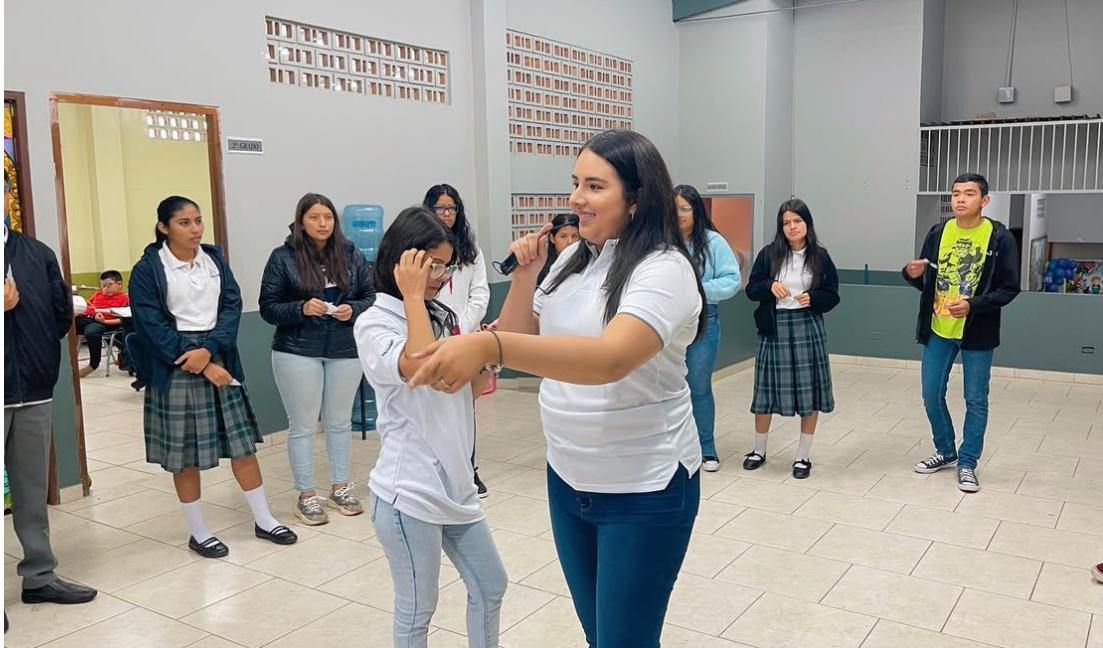
Image Credits
N.A
so if you or someone you know deserves recognition please let us know here.