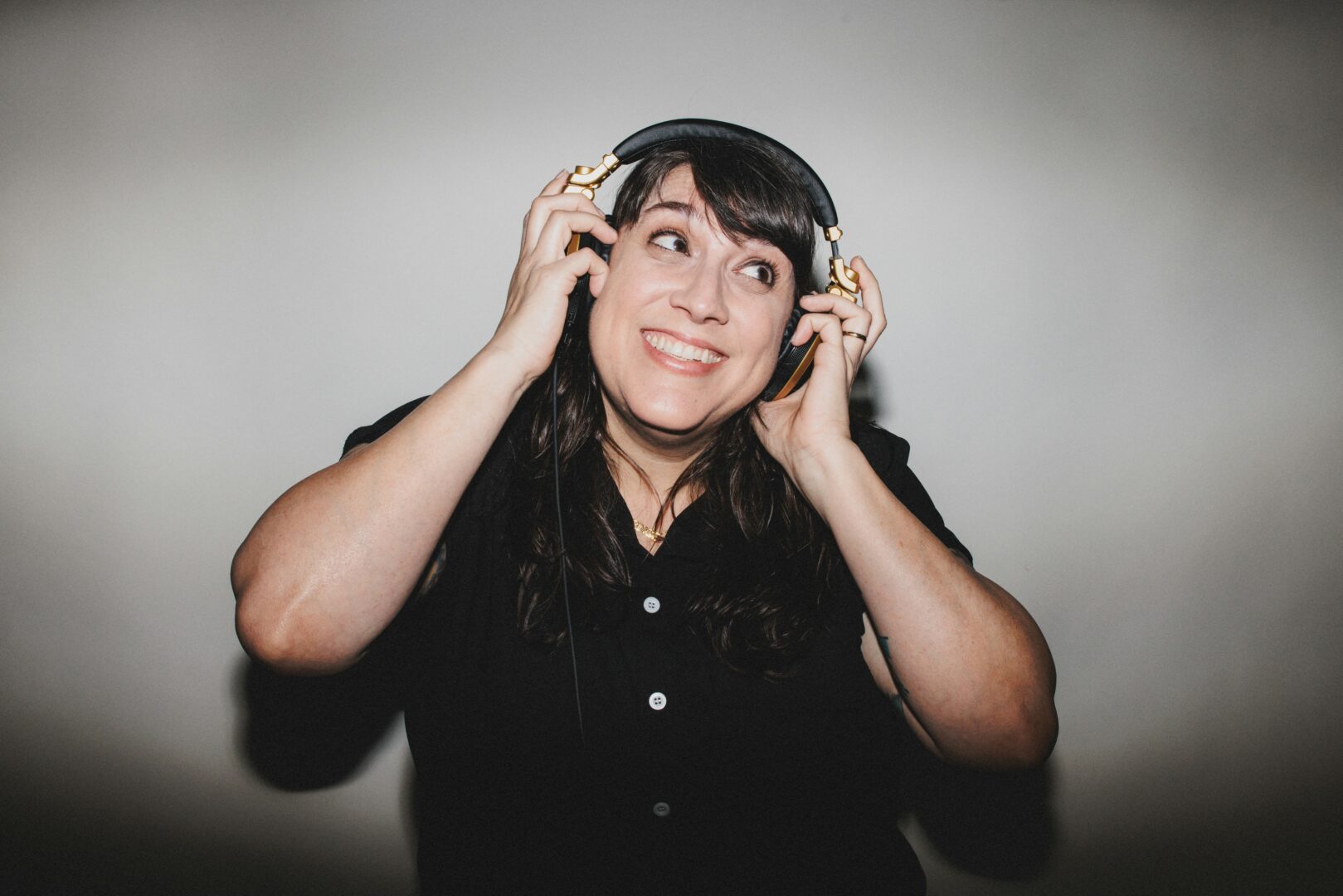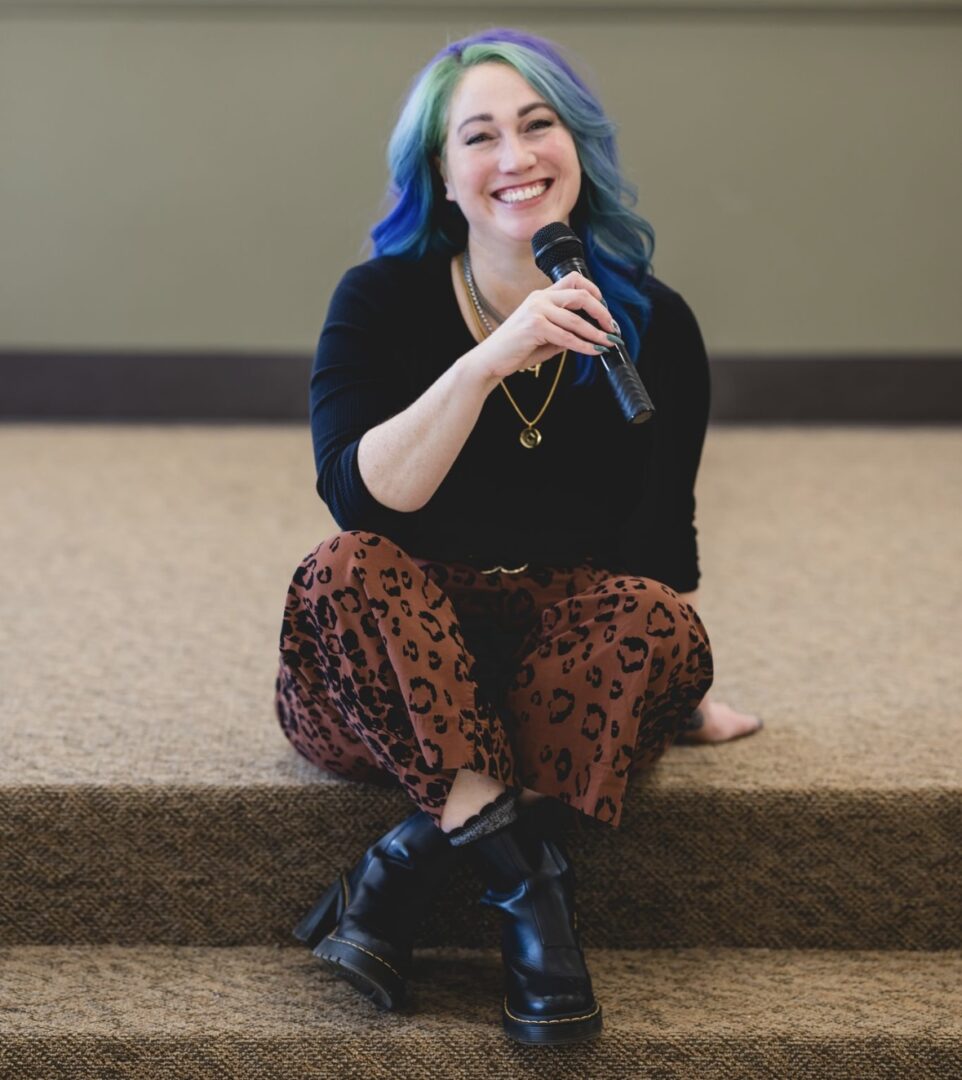
We were lucky to catch up with Katie K. May recently and have shared our conversation below.
Katie , so good to have you with us today. We’ve always been impressed with folks who have a very clear sense of purpose and so maybe we can jump right in and talk about how you found your purpose?
As a DBT-Linehan Board of Certification Clinician™ and the founder and executive director of Creative Healing, Teen Support Centers, I’ve helped thousands of teens learn to cope with overwhelming emotions and understand their experiences with depression, anxiety, and self-harm.
But once upon a time, I was a teen “on fire.”
As a teenager, I numbed my pain with anything that might quiet what I felt inside—self-harm, drug use, shoplifting, sneaking out. I was trying to put out an internal blaze I didn’t know how to name.
Everything shifted in my twenties when an unexpected pregnancy forced me to confront the hurt I had been carrying for years. It pulled my pain into perspective and marked the beginning of my fight to break a generational cycle and build a life I could finally call my own.
In that process, I found my calling.
I also learned what it means to raise a “Fire Feeler” myself. Parenting a teen with intense emotions while also being a specialist in teen self-harm gives me a dual vantage point. I understand, intimately, the complexities, fears, and pressure that come with supporting a kid who feels everything all at once.
My mission is simple: help teens understand they are not weird, bad, wrong, or broken for feeling the way they do and help parents and professionals do the work to create homes where their kids feel understood, accepted, and safe to be exactly who they are.
This is the purpose I found in the fire.

Let’s take a small detour – maybe you can share a bit about yourself before we dive back into some of the other questions we had for you?
I’m a licensed therapist, author, speaker, and group practice owner, and every part of my work centers on the same mission: stopping the revolving door of hospitalizations for self-harm, suicide, and emotional shutdowns. I help families and clinicians decode behavior as survival so they can create new stories that actually stick.
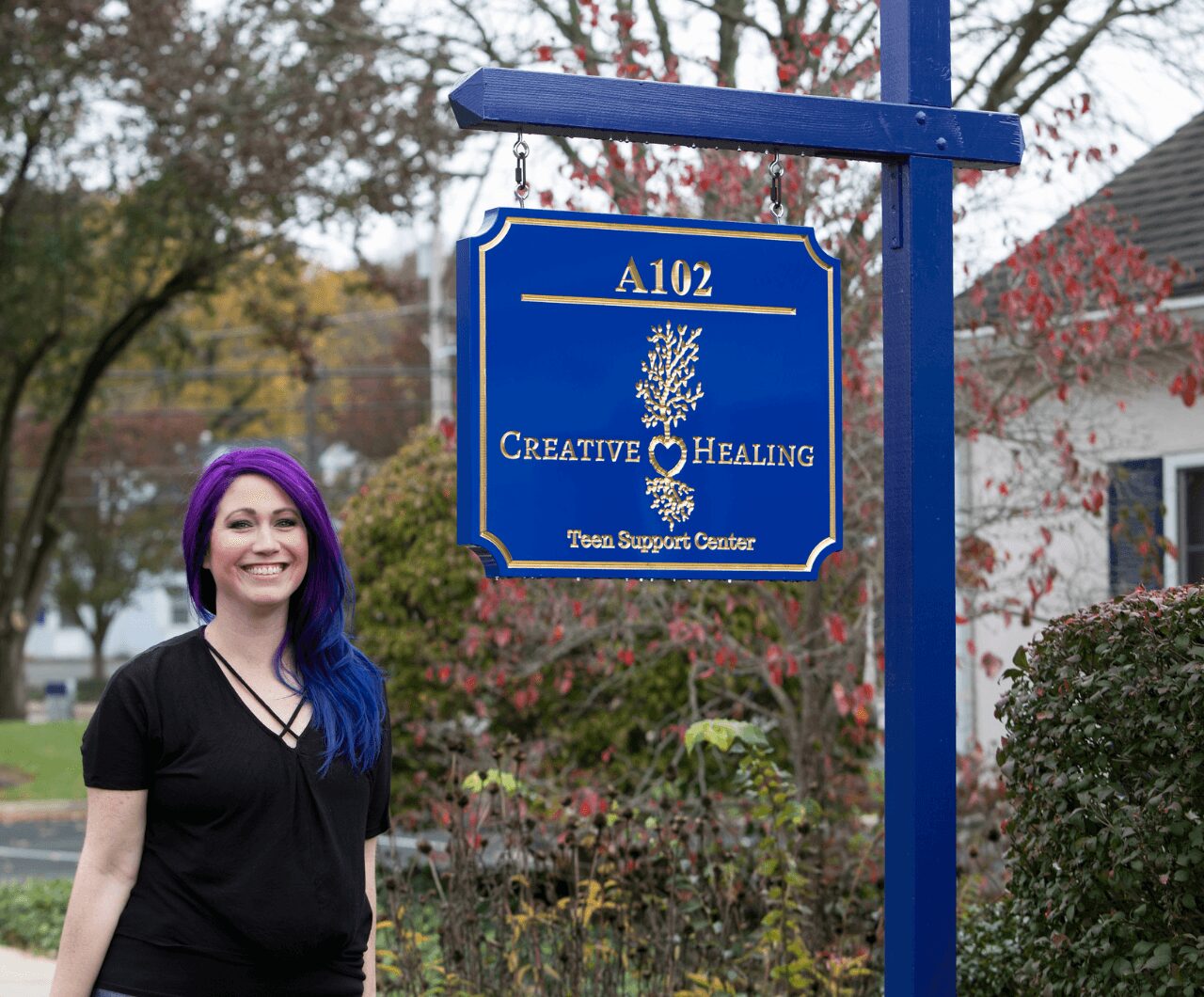
I’m the founder of Creative Healing, a multi-location teen support center in the Philadelphia region, where my team and I specialize in supporting teens with intense emotions, self-harm, and suicidal ideation. I also wrote the Amazon #1 best-selling book You’re On Fire, It’s Fine: Effective Strategies for Parenting Teens with Self-Destructive Behaviors, and I have a clinician-focused book on treating high-risk behaviors coming out in 2026.
What makes my work unique is that it blends clinical expertise with lived experience. I was once a teen who turned to self-harm myself, so when I sit with families, I understand their fear, their confusion, and the urgency to make things better. That combination of real-world insight and practical DBT-based strategies is what helps me bridge the gap between the therapy room and the family living room. My focus is always on integrating the whole family into treatment so that progress is not just possible, but sustainable.
Professionally, I’m doing two things at the same time: helping parents respond without blame or shame, and helping therapists move beyond behavior management into deep somatic and relational healing. When teens feel understood and parents feel equipped, everything shifts.
Right now I’m delivering national trainings for clinicians and teams who want to strengthen their work with high-risk teens, and preparing for the release of my next book. And as I speak more widely, my goal is to change the narrative around self-harm and intense emotions—away from crisis and punishment, and toward understanding, regulation, and real connection.
What I want readers to know is this: teens who feel deeply aren’t broken. Parents aren’t failing. And with the right support, families can create new patterns, new tools, and new hope together.

Looking back, what do you think were the three qualities, skills, or areas of knowledge that were most impactful in your journey? What advice do you have for folks who are early in their journey in terms of how they can best develop or improve on these?
Looking back, the most impactful qualities were internal capacities I had to build the hard way.
1. The ability to see the hard parts as the “messy middle,” not the ending.
Growing up, my story felt defined by struggle. It took time to realize that the painful chapters weren’t the whole book—they were the turning points. That perspective changed everything. When you learn to hold the messy middle with curiosity instead of shame, you start to trust that something meaningful can come from it.
Advice: Practice separating what’s happening right now from what it means. Most breakthroughs start with a simple shift in interpretation.
2. Learning to sit with difficult emotions instead of escaping them.
Before I found DBT, my coping strategies were all about avoidance—numbing, hiding, shutting down. The real growth came when I learned to stay present with what hurt and understand what my emotions were trying to tell me. That is still the foundation of my work today.
Advice: Build emotional endurance in small moments. Sit with discomfort for 10 seconds longer than you want to. Notice the sensations, the thoughts, the urges. That’s how tolerance becomes strength.
3. Making meaning from the experiences that once felt impossible to face.
My purpose didn’t arrive fully formed. It emerged from the process of integrating my past, breaking cycles, and choosing to turn pain into something useful for others. Meaning-making became both my personal compass and the core of my professional work.
Advice: Don’t rush to find your “why.” Live your life, pay attention to what keeps calling you back, and let your meaning reveal itself through what you survive, what you learn, and what you create.
If you’re early in your journey, focus less on being impressive and more on being honest with yourself, with your emotions, and with the story you’re still in the middle of writing.
Who has been most helpful in helping you overcome challenges or build and develop the essential skills, qualities or knowledge you needed to be successful?
When I think about who has been most influential in helping me grow, the answer that comes to mind first is my own teenager. They like to joke that they’re the reason for my success, and honestly, they’re not wrong. Their arrival was the turning point that forced me to rethink everything—my choices, my patterns, my future. I’m grateful every day for who I’ve become because of the surprise of them coming into my life.
But no one becomes who they are alone.
I’m deeply thankful for the people who supported me long before Creative Healing existed: the best friends who have been with me since childhood, the siblings who walked through similar pain but had their own separate journeys, and my husband who believed in the possibility of my success when I couldn’t yet see it for myself.
And I can’t overlook my Creative Healing team who works beside me every day. They share my mission to help teens feel like they’re not weird, bad, wrong, or different for feeling the way they do. Their commitment, their heart, and their belief in this work make everything we do possible.
These are the people who helped me build the skills, the perspective, and the resilience I rely on today. My success is woven from all of them.
Contact Info:
- Website: https://www.katiekmay.com
- Instagram: https://www.instagram.com/katiekmay/
- Linkedin: https://www.linkedin.com/in/katiekmay/
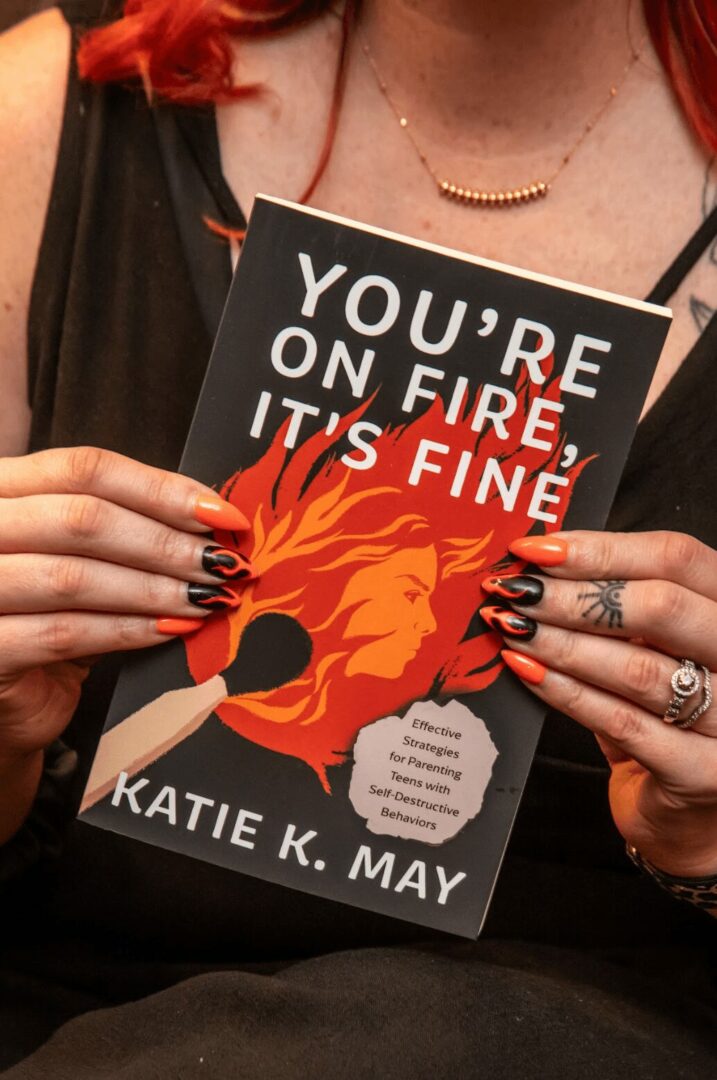
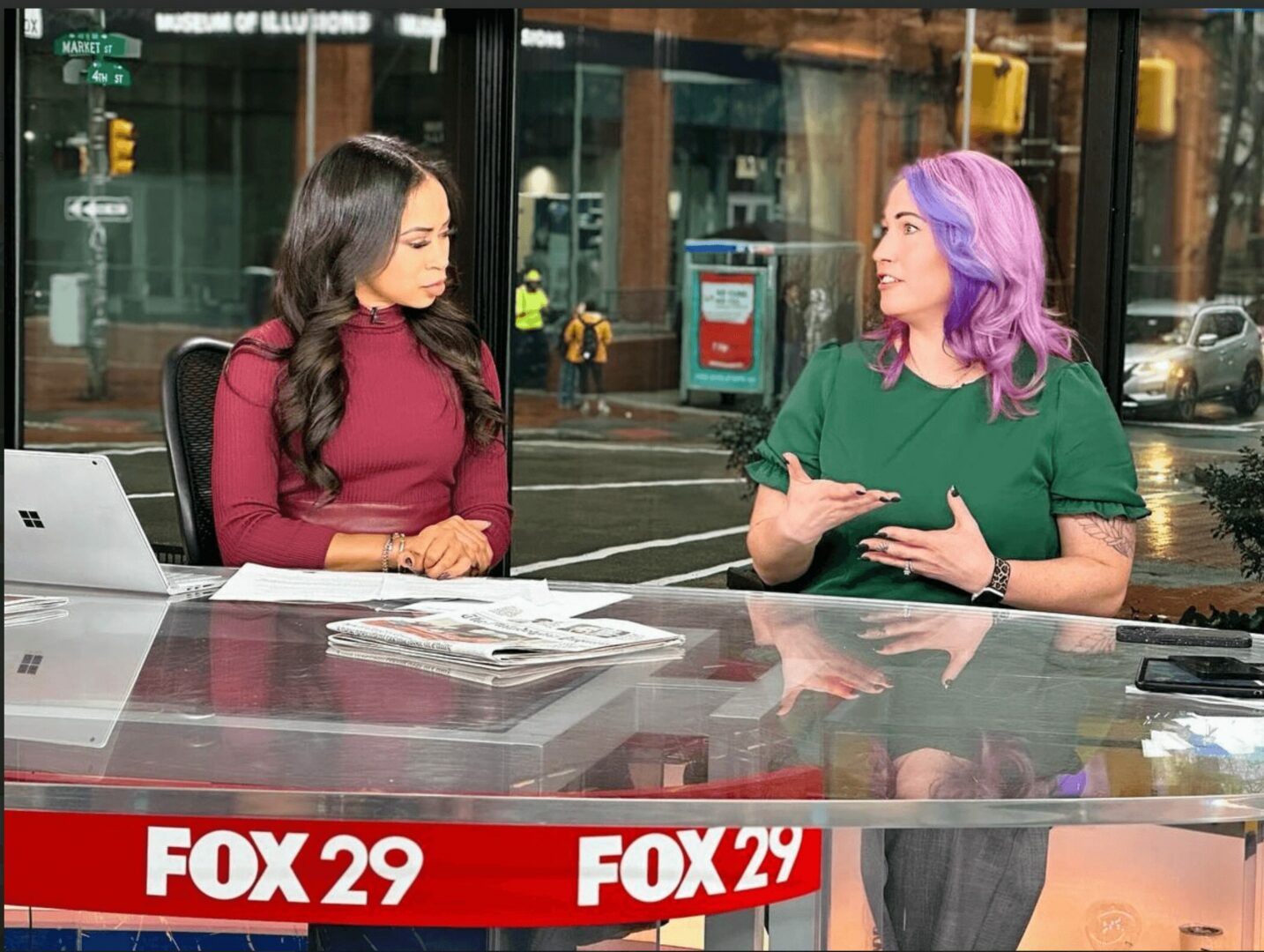
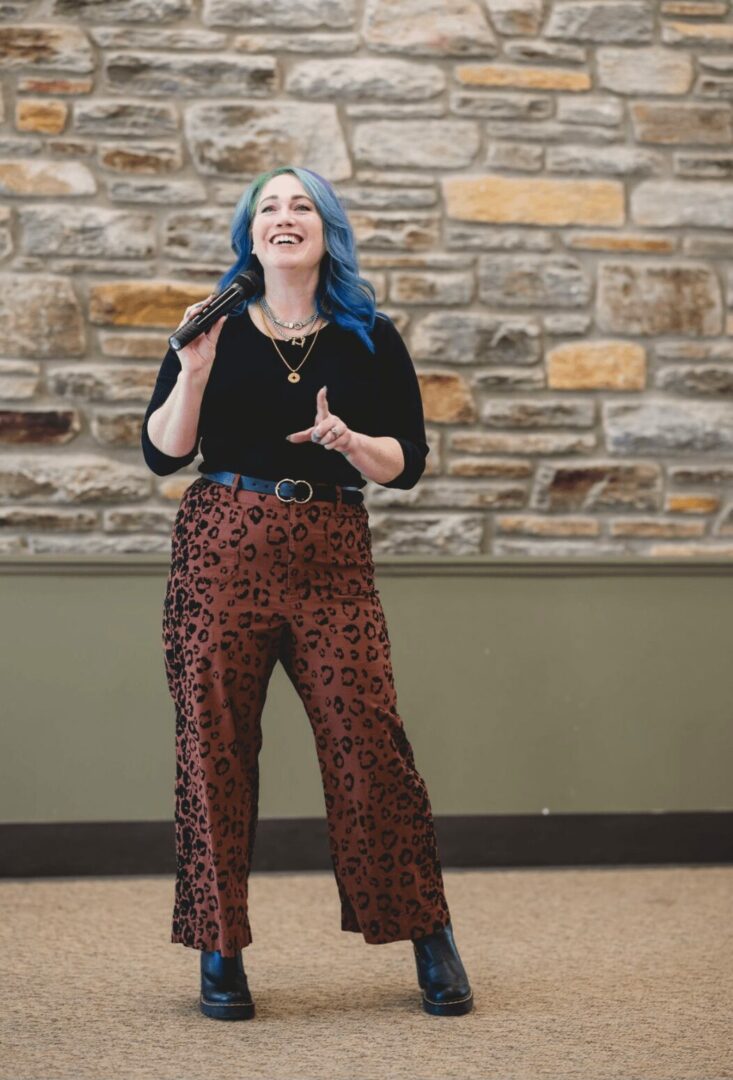
Image Credits
Photo credits to Lucy Baber, Lisa Schaeffer and Shannon Confair
so if you or someone you know deserves recognition please let us know here.