Even as there is a growing recognition for the need for representation, there are still many cases where folks will find themselves as the only person in a room representing their particular demographic – and often there is pressure to perform in such contexts to prove competence not just for yourself but for everyone who is like you. The burden and the stress of being the “representer” is real, and so we wanted to create a space where folks can discuss who they go about ensuring they are effective and successful even in contexts where no one else on the team or in the room is like them.
Aisha Rae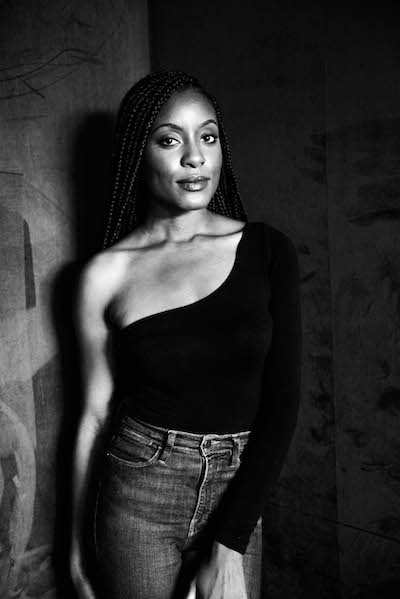
Being the only one in the room who looks like me has never been easy. You stand out instantly, and that means all eyes are on you your presence, your performance, even your mistakes. There’s a constant pressure knowing people will remember you simply because you’re the only one, which can feel like you’re carrying more weight than everyone else. Read More>>
Dr. Mirna Martinez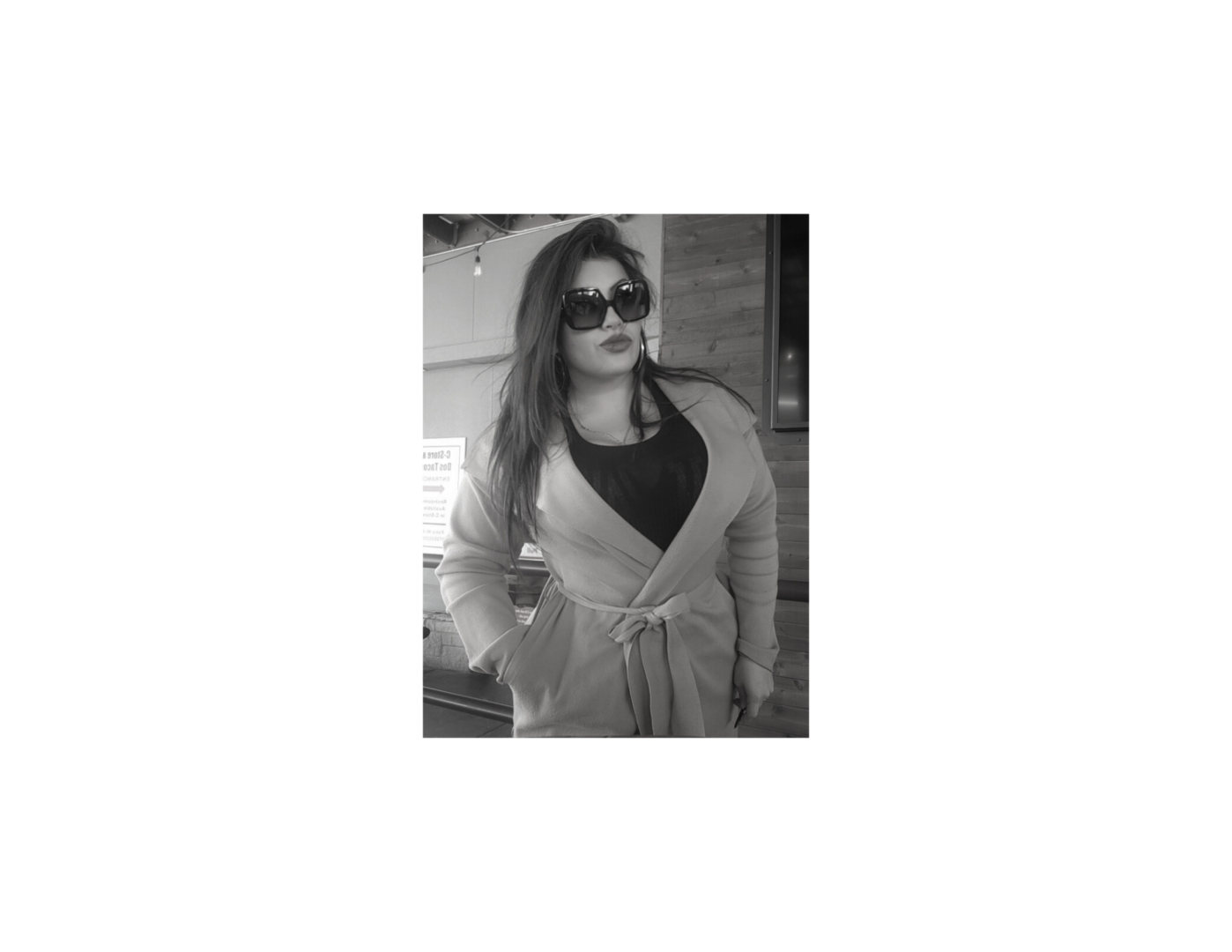
Honestly, I thought my background, my style, and mindset were going to be a huge obstacle in walking in the rooms that I do. As a Latina from the hood we tend to view the world different. We tend to speak and appreciate things to different levels. But I love being the only Latina Mujer in rooms that were created for white business men. Read More>>
Bethany Patrick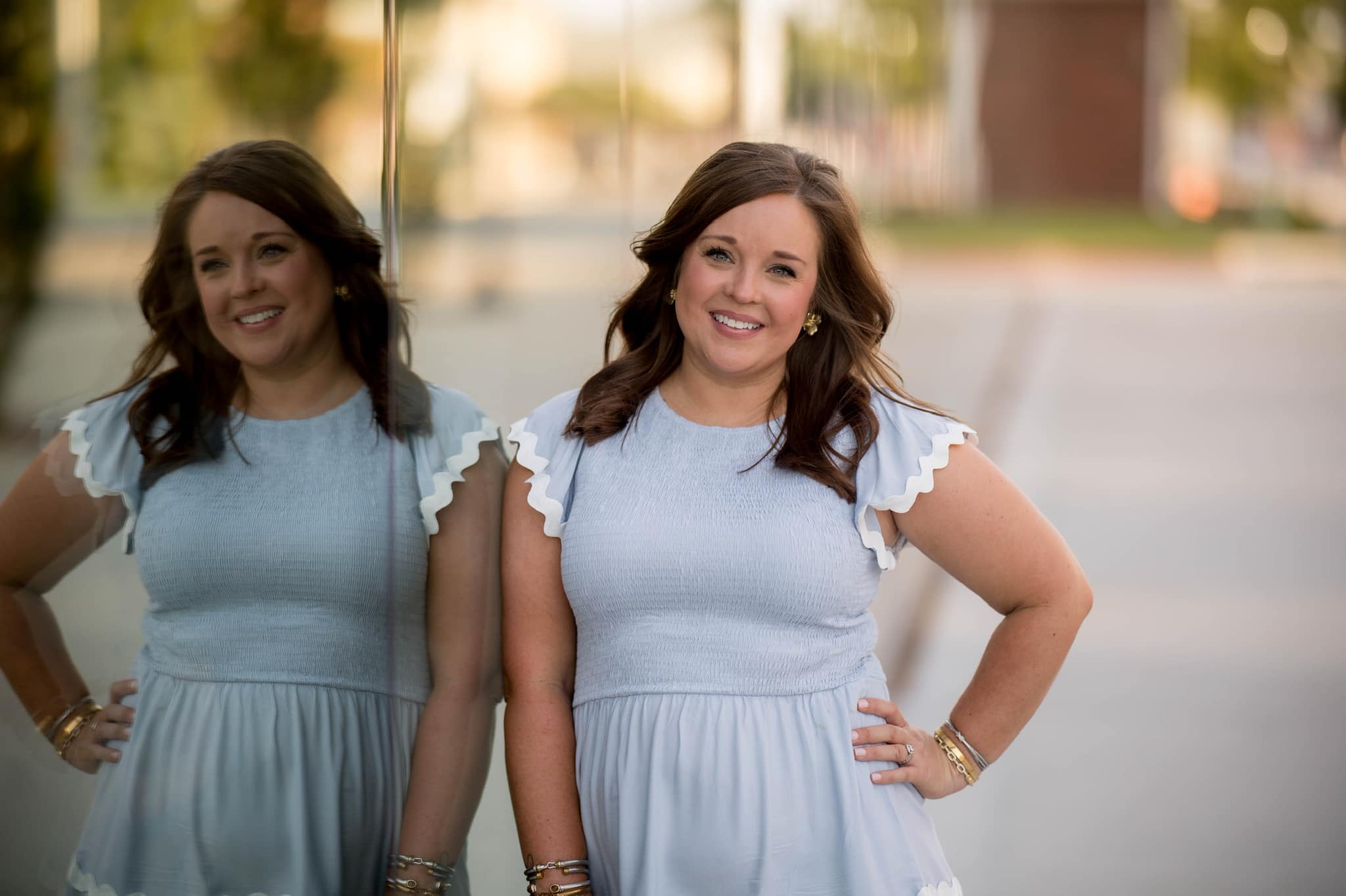
Being a Wedding Planner, we are the only ones who do what we do associated with each event. In order to be successful in that role, you have to lead with confidence. Read More>>
EJ Adiele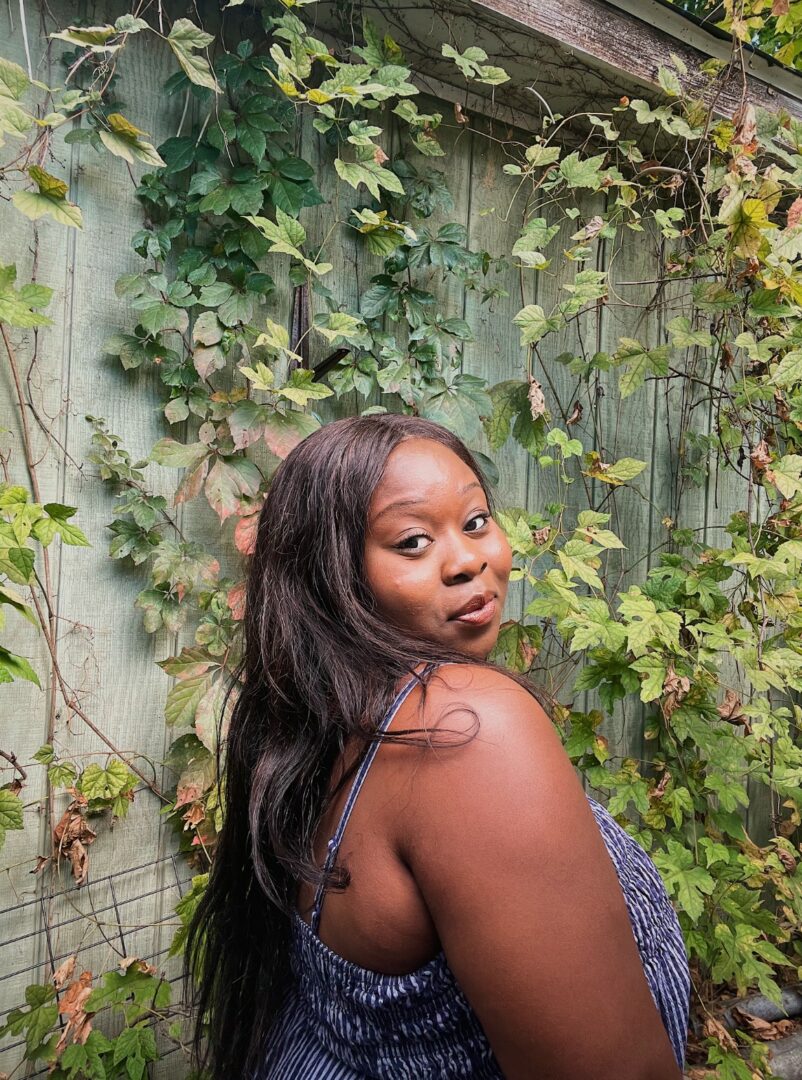
One of the most important things I have learned is to keep going. When it came to making music, for a while, I thought the only way for me to pave my way in the industry was to make rnb or soul music. It is commonly expected, particularly of Black women, to share their stories through those specific genres. Read More>>
Chiffon Lark
I really appreciate this question, because I think a lot of Native/Indigenous people who live outside of their communities can resonate with the experience of feeling like an outsider. It is a very lonely experience, because on one hand – if you live in an urban, ethnically inclusive area, there are not many tribal members or people who will understand your culture, ethics, or perspectives. Read More>>
Patty Ceccoli
The first time I read this question, it lit me up! Then, I read it again, and realized it didn’t exactly ask what I first thought. I scanned the rest of the list, but no other question was as intriguing to me as that first impression of this rich question. So, forgive me as I boldly edit the original question. Read More>>
Angie Hanson
For most of my life, I never set out to be “the only one in the room.” I just somehow kept finding myself there, whether in grief groups where no one had lost a child, business spaces where no one quite understood the ache behind my mission, or creative circles where my work lived at the crossroads of heartbreak and hope. Read More>>
Calei Castillo
I exude culture; from my brown skin and curly hair to my last names, ‘Gutierrez Castillo’- I exude culture. One thing I will innately do for the rest of my life is represent pure Filipino heritage. I represent hardworking immigrants who were foreign to every space they invited themselves in to. Not just to this country alone, but to any room that had wandering eyes. Read More>>
Carly Oberle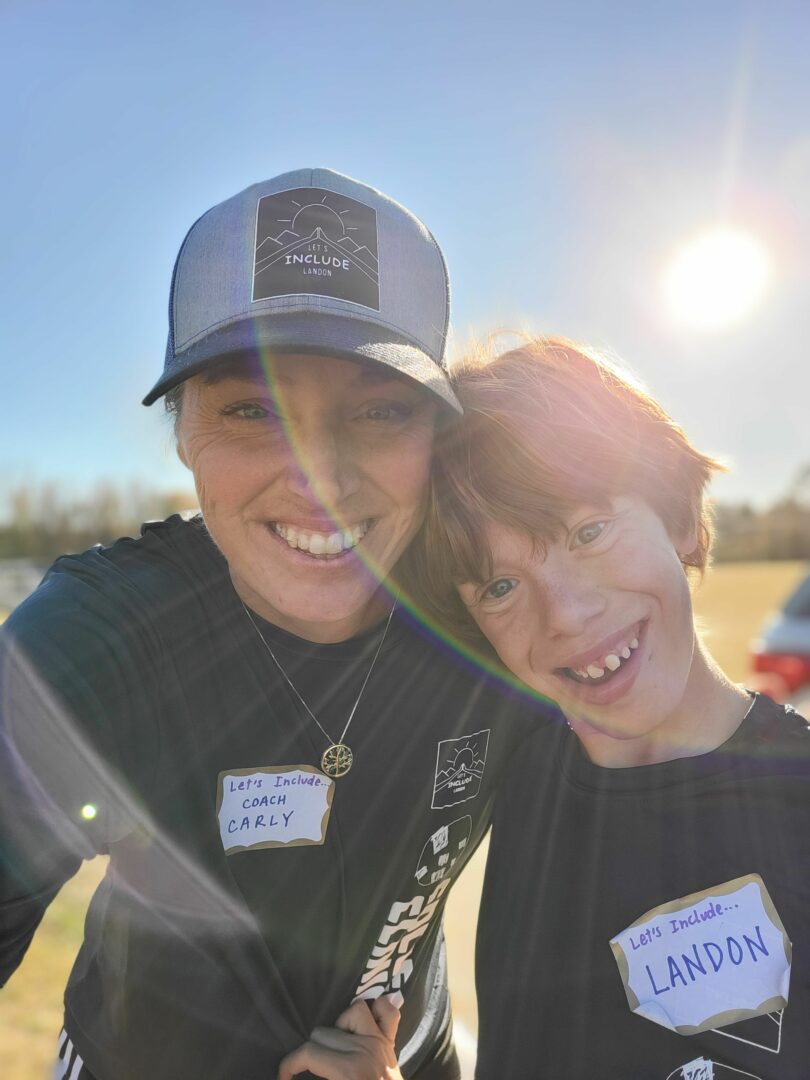
My 10 year old son Landon plays baseball, basketball, and is on a running team. And he also has Williams Syndrome, a deletion of genes on the 7th chromosome. Usually he is the only one in the league with a disability. He is unique – his team knows it, the parents know it, I know it, and he knows it. Read More>>
Jabari Walthour
For much of my professional career in corporate America and tech, being “the only one in the room” wasn’t rare — it was routine. I often found myself navigating spaces where no one looked like me, understood my background, or carried the cultural weight I walked in with. Early on, I tried to blend in. Read More>>
Hamad Naroze
Well, being a Pakistani playwright, raised in New York, does mean that almost every time I am in a room filled with creatives, I’m the only South Asian there, which has its cons but also a few perks. Read More>>
Paula Sofia Rivero
It’s been a journey and a huge learning curve to own that part of me. At the beginning, when I started auditioning and attending dance calls, I scanned the room and became aware and worried that most of the girls were blond, or there were few girls with curls or a similar height/body type. Read More>>
Felisha Carrasco
Being the only one in the room has unfortunately been a familiar experience throughout my career. Whether I’m shooting for major brands, covering concerts, or walking into corporate events. As a biracial woman in the LGBTQ+ community, I had to learn early on that my presence alone challenges the norm. What’s helped me be successful is showing up authentically and consistently. Read More>>
Kate Mueller
I recently had a lighthearted conversation with another friend who works in a very male dominated field, and I joked–just imagine what experts we are becoming because whenever we’re working on something someone comes to tell us how we could be doing it better! Read More>>
Gabriela Ledesma
When I left Panama to study abroad, I arrived in a country, culture, and education system that were completely new to me. I was thousands of miles away from my family, learning to navigate everything—from the language in everyday life to how the classroom worked. Read More>>
Alexis Gurr (she/her) + Katrina Gurr (she/her)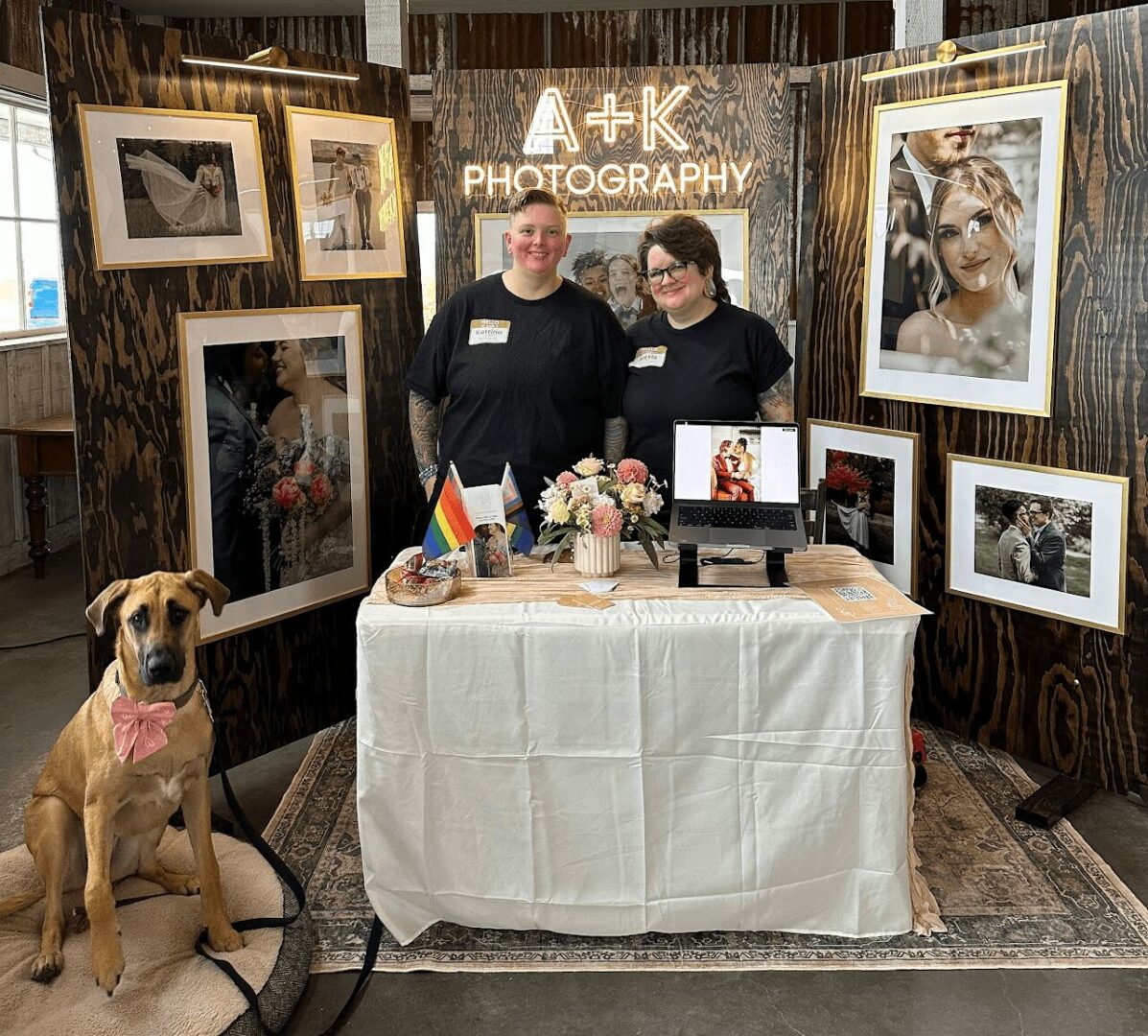
As a queer couple, we’ve learned that being the only ones in the room who look like us can feel both isolating and empowering. Early on, we realized we had two choices: shrink ourselves to fit the space, or show up fully as who we are and trust that the right people would feel seen because of it. We chose the second option. Read More>>
Chelsea Mae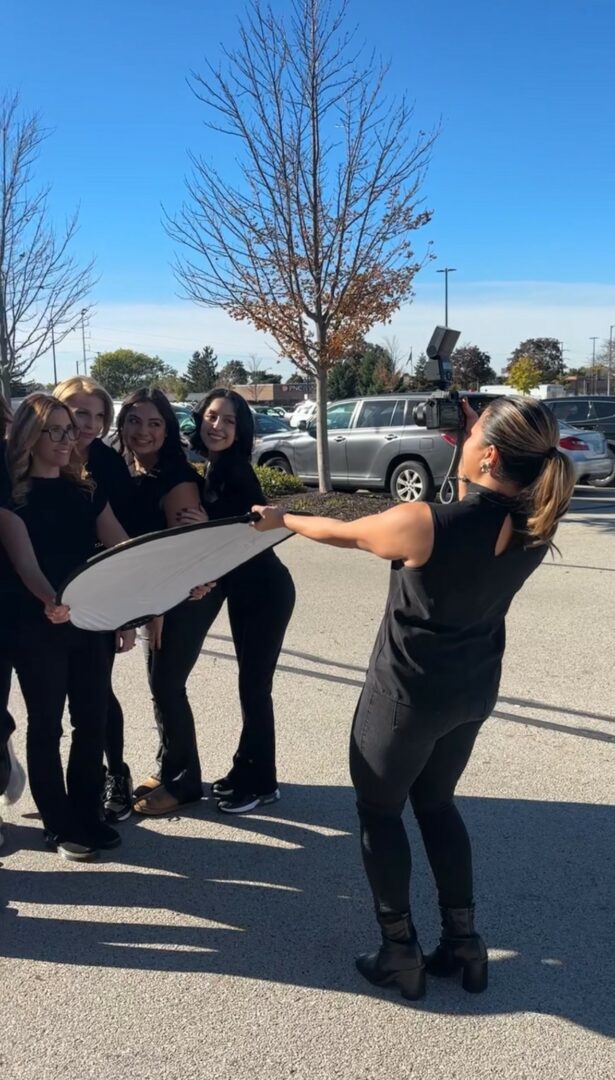
This is such an important question, and honestly, it’s something I’ve navigated throughout my journey and overall my career path. The foundation for me has always been being confident in the work and skills I bring to the table. I’ve learned to trust myself, (and it hasn’t always been easy)—my expertise, my perspective, and my unique approach. Read More>>
Mikey Tableman
“Being the only one in the room” has never been about being the only one who looks like me, it’s about being the only one people consistently misinterpret at first glance. Because of how I carry myself, and because of the circles I move through, people assume I’ve never struggled. Read More>>
Joy Allen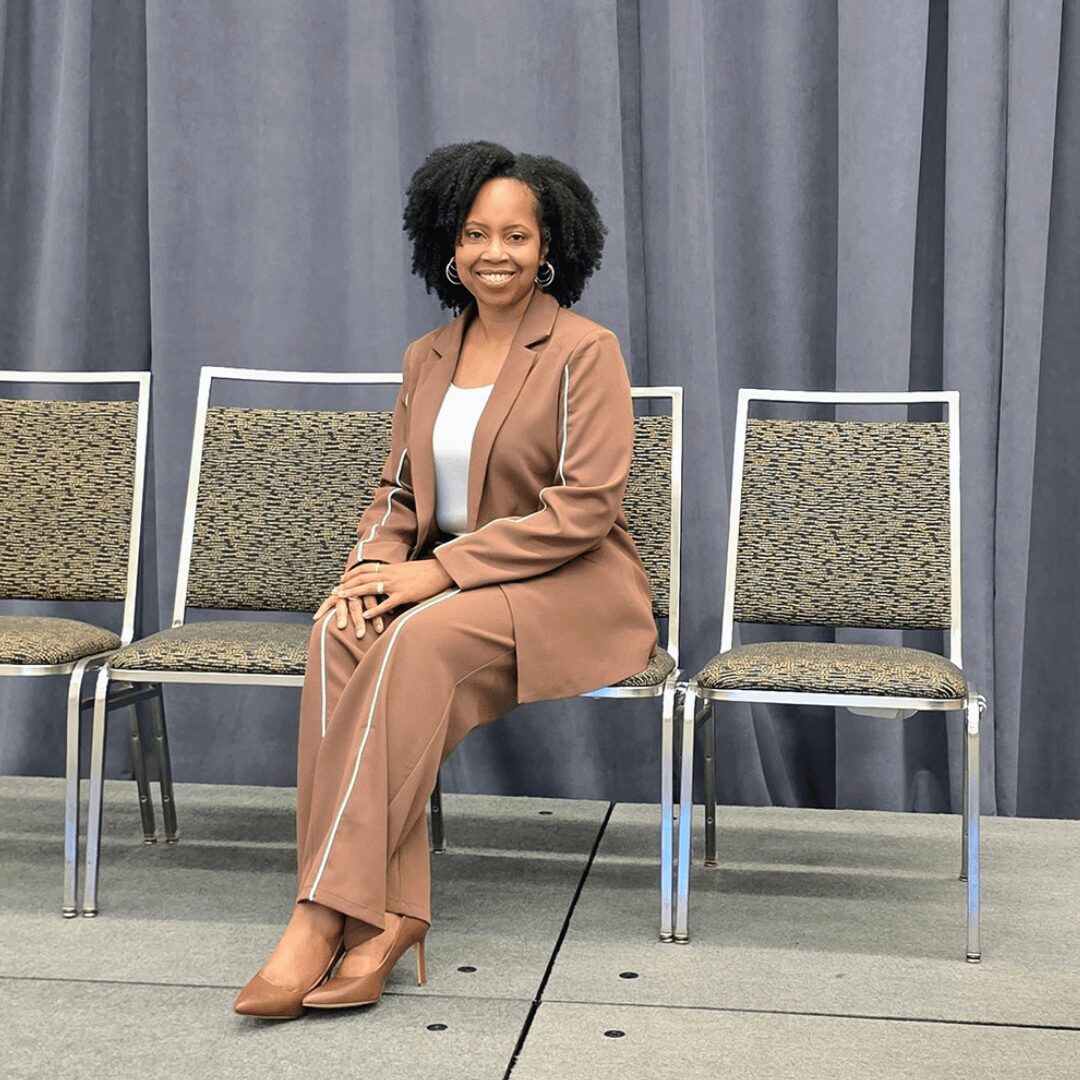
When I think about what equipped me to thrive in spaces where I’m the only one who looks like me, I always go back to my roots. Resilience was woven into me from childhood by the people who raised me and loved me the most. Read More>>
Avery Malone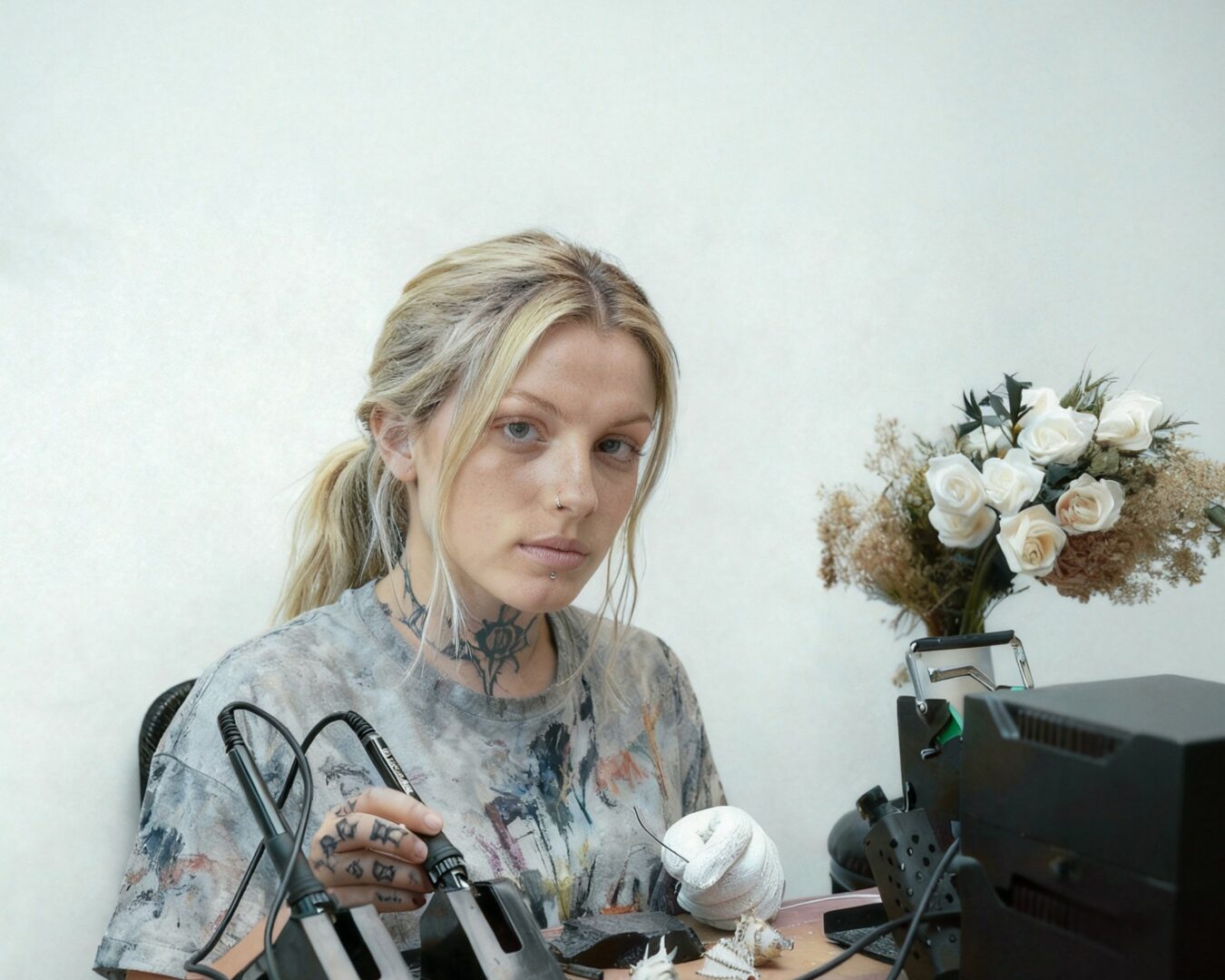
I’ve always been the one who was different from the others in the room. It took me many years to realize that I didn’t need to be like everyone else. I could do things differently and still do them well. Now I know that I have a certain degree of autism, but as a child, I didn’t understand that. I’ve always been quiet, introverted, withdrawn. Read More>>
Azumi Tsutsui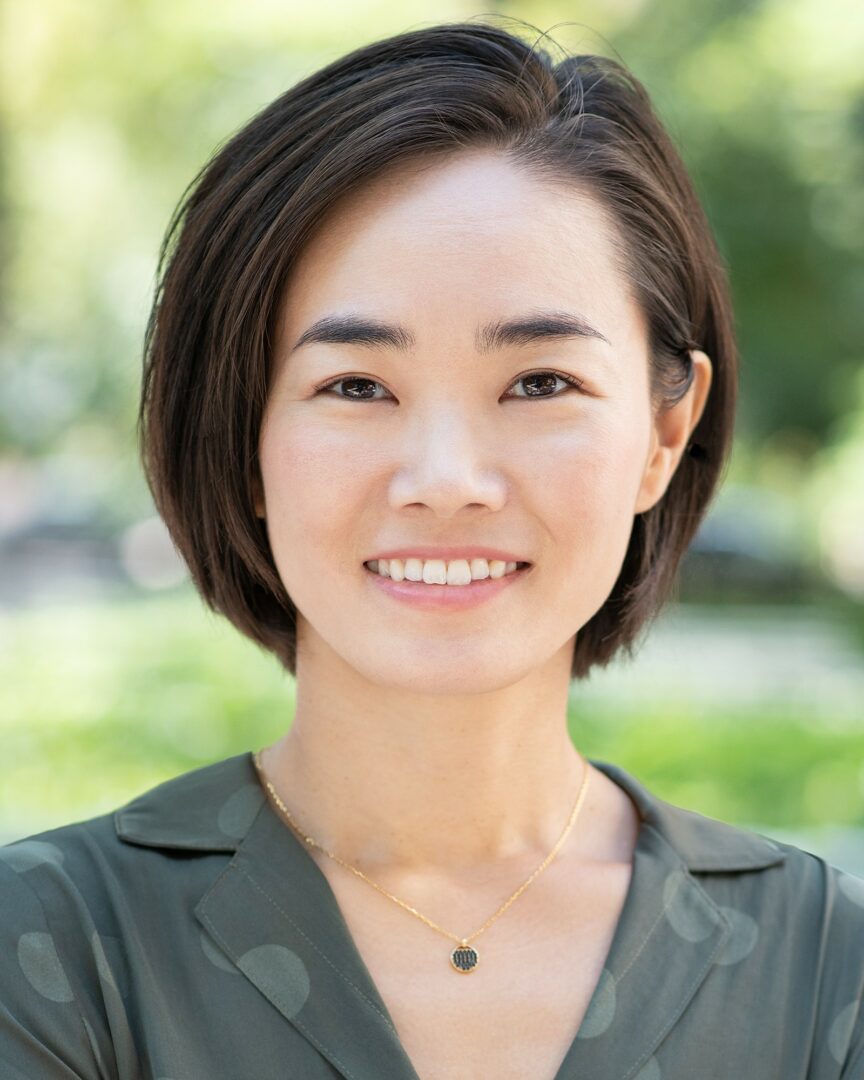
At first, I was very judgmental toward myself. I had been that way since I was very little. Maybe it was the environment I grew up in, but I didn’t realize what I was doing. In the acting world, we often say, *’Don’t judge yourself (or other actors).’ * One day I realized—oh, this is what I’ve been doing! That’s why everything felt so hard. Read More>>
Teresa Moody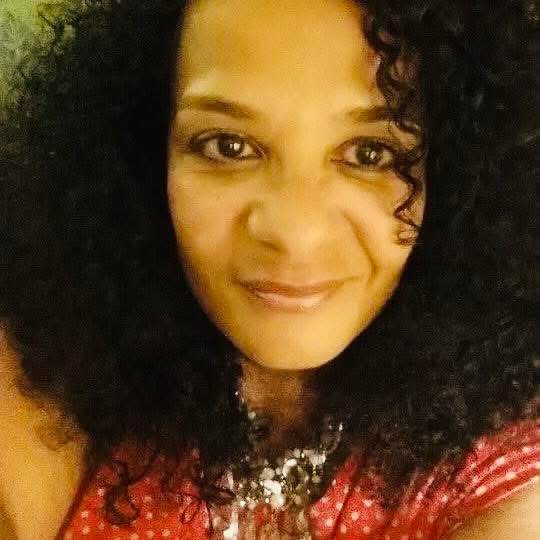
When I’m the only one in the room who looks like me, I remind myself that I’m not there to blend in, I’m there to bring something different. I walk in with confidence, authenticity, and excellence. I’ve learned that being the only one isn’t a disadvantage; it’s an opportunity to represent my culture, my purpose, and my God with boldness.<br> Read More>>
Dominic Rosalia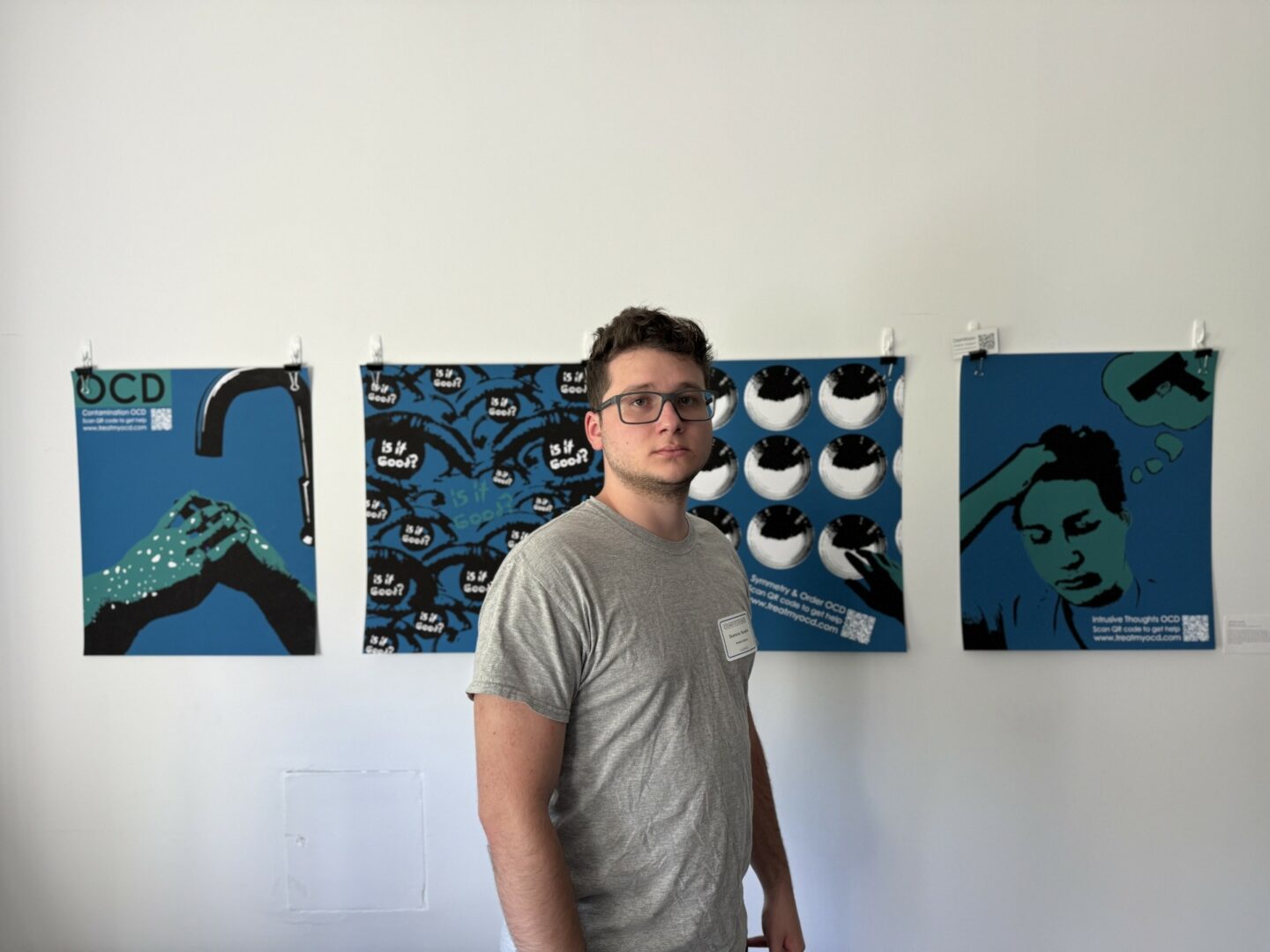
Inner reflection is the best way to grow. At the end of the day, it is your obligation to push yourself to be better. You learn from your mistakes when you look back on things. You realize ways to be better and what to do better for next time. Read More>>
Kaveri Karhade
It’s been important to trust my training and believe in myself. Even when I’m the only one in the room, I am confident in what I know (and similarly confident in what I DON’T know, so I can find out). Read More>>
Ariel Esquivel
There have been many moments in my life and career where I realized I was the only one in the room who looked like me the only one carrying my cultural background, my family’s stories, and the way I understand art. It can be isolating, especially when you’re bringing perspectives people aren’t used to hearing. Read More>>
Cat Corchado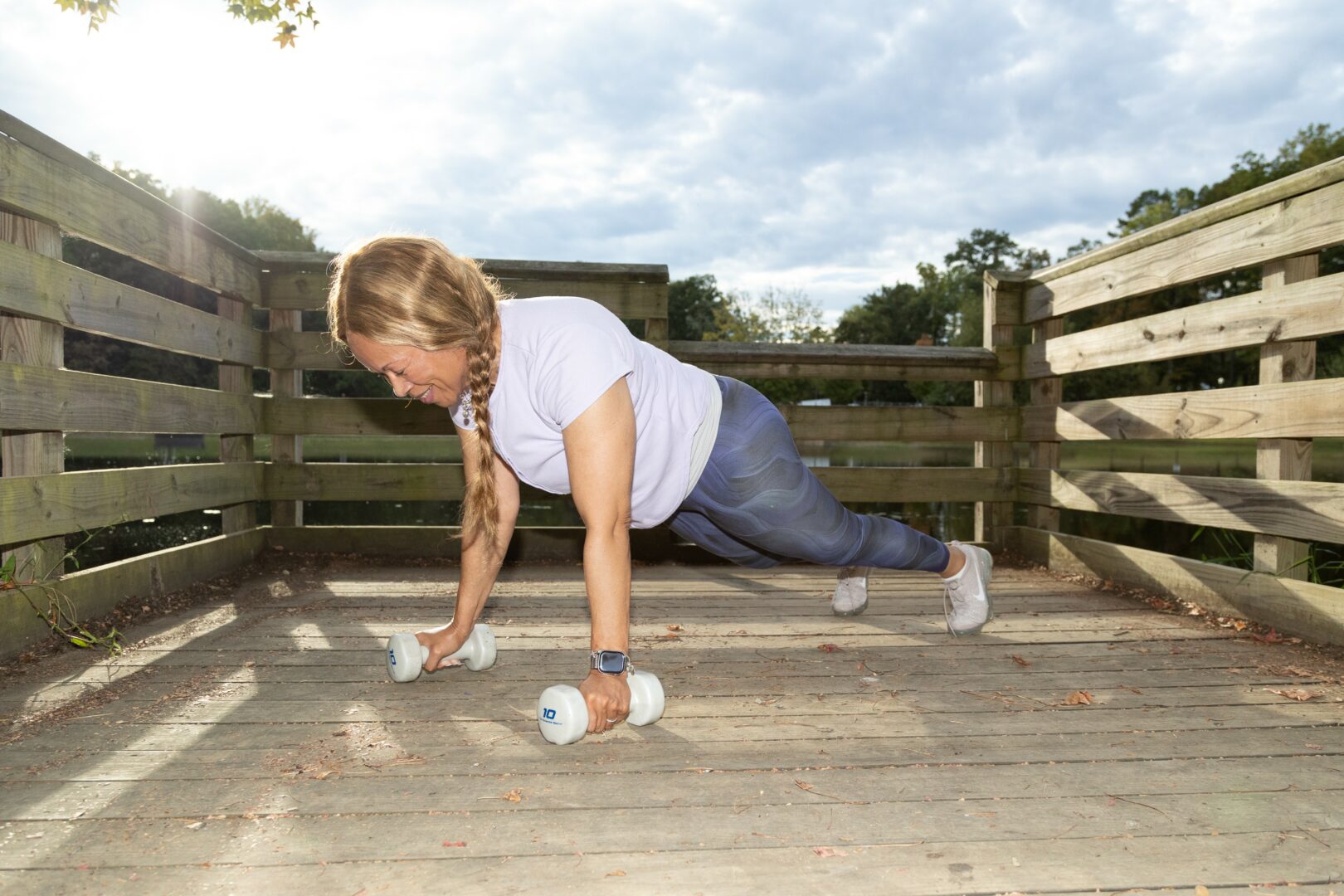
Being the only one in the room: how have you learned to be effective and successful even when you’re the only one there who looks like you? Read More>>
Eddie Pimentel
Great question! I’ve learned to stay focused on the logical balance of the creative chain, making sure each person involved is the best fit for the role, the sound, or the style required. For me, that often means bringing composition ideas, guitars, and textures to the table. Read More>>
Kylan Jackson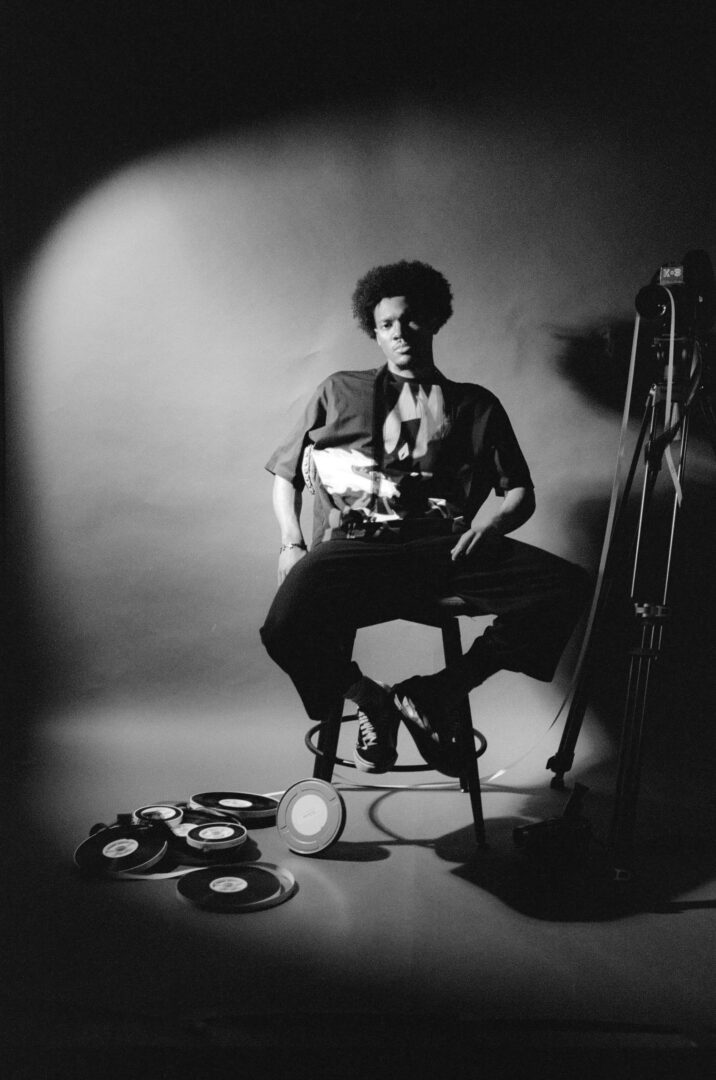
Realizing there isn’t anyone to look at besides myself is as exciting as it is scary. I vividly remember going through challenges and searching for answers from other successful people via interviews, articles, or whatever else I could find but still never finding someone who has done exactly what I want to do. Read More>>
Lee Savage
Being the only one in the room never intimidated me, it trained me. Some people walk into a space looking for mirrors. I walk in with the scars already telling my story, and the healing factor kicks in long before doubt ever does. I didn’t earn confidence from applause. Read More>>
Colter Olmstead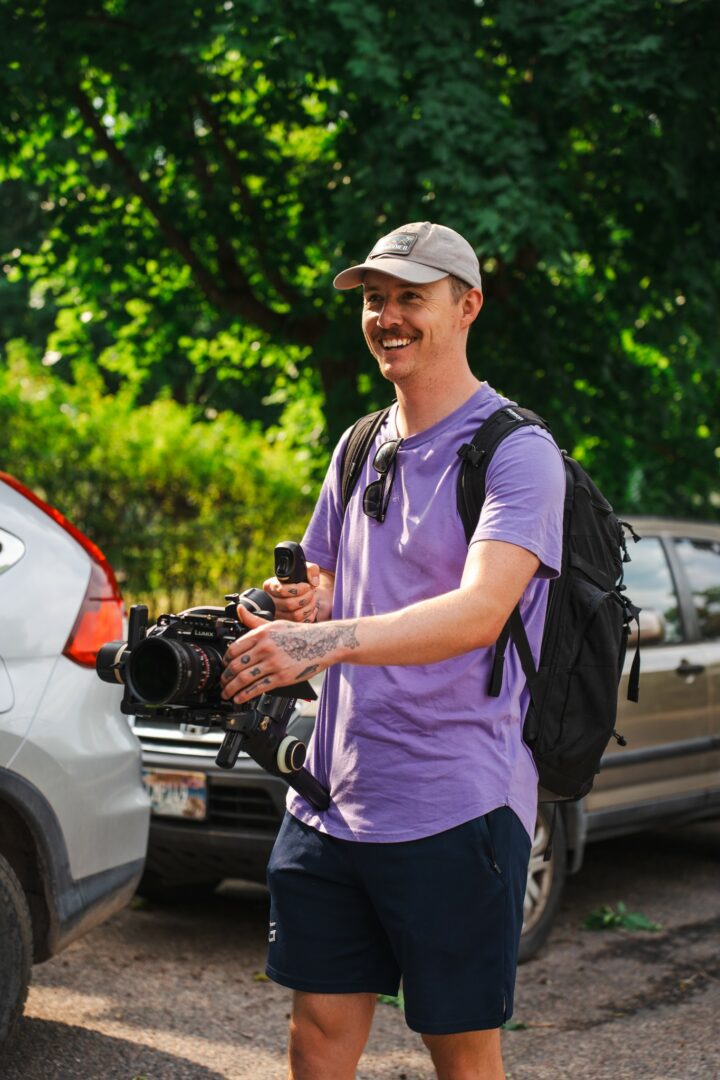
Being effective as an individual can be challenging; It might be the hardest part of being an independent contractor and creator. Building a work ethic and sticking to it when nobody is around takes a lot of dedication and patience to create a routine that allows you to be successful. It’s different for everyone, but what’s worked for me is creating consistency in my routines. Read More>>
Kuhoo Mitra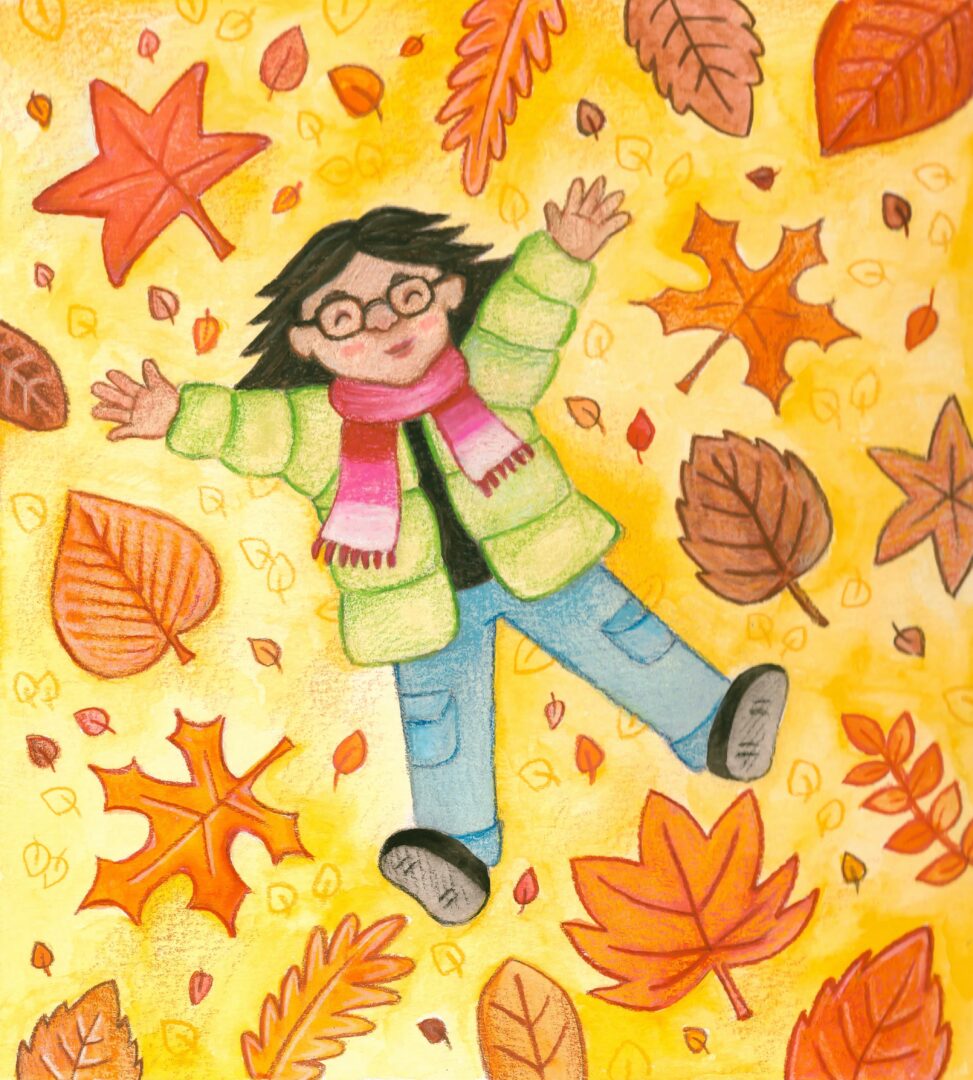
Before I moved to New York City in the fall of 2021 to pursue a BFA in Illustration, I had never truly known what it is like to stand out or be different. I grew up in Kolkata, a city in Eastern India – one that most Americans have never heard of. Read More>>
Leo Testoni
I was born and raised in São Paulo, Brazil, a place full of diversity and contrast. Throughout my career, I have often been the only Brazilian in the room or the only person who looked or sounded like me. Performing all over Brazil taught me a lot. Read More>>
Miki Garcia
Sometimes I honestly forget how I look! Having lived most of my life in Europe, I’ve experienced a different dynamic compared to the US. Cities like London, Paris, and Amsterdam can feel quite diverse, whereas in many parts of the US—outside major urban areas—you can quickly find yourself in a “you versus them” situation. Read More>>
Izarya Rawchaa 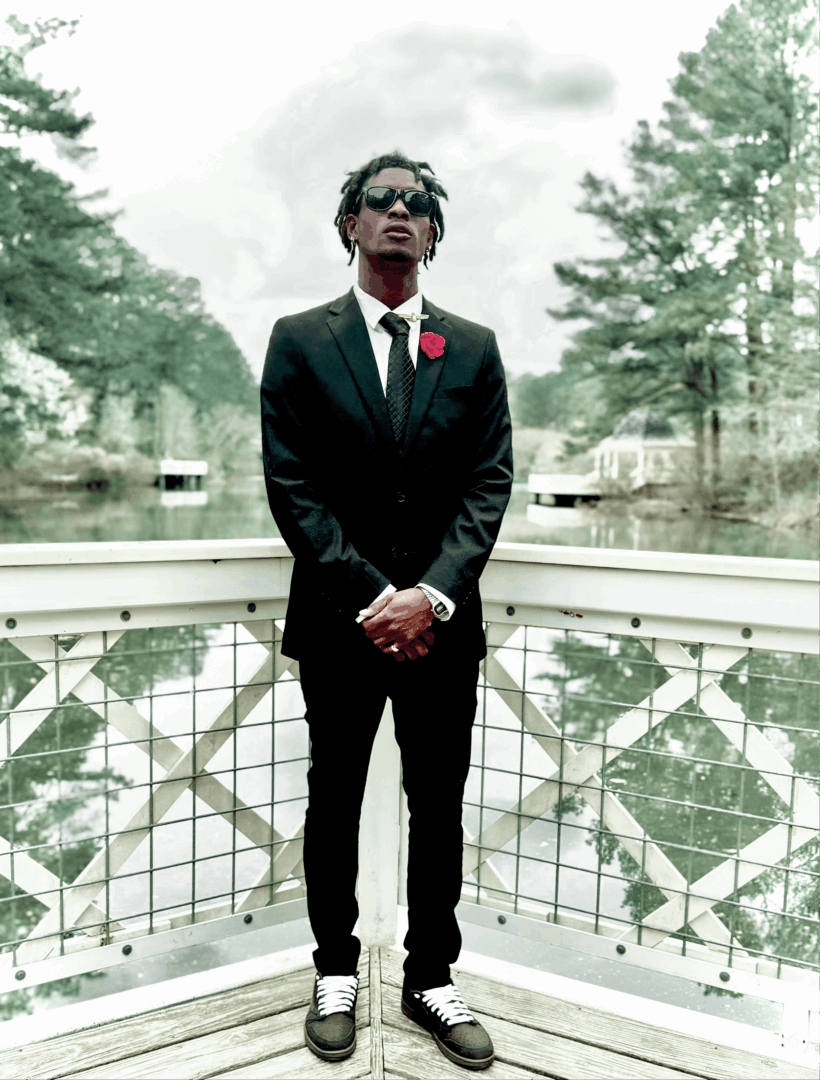
For me, it’s really about being 100% comfortable in what I’m doing and who I am. Understanding that it’s okay to be myself that being different isn’t strange, different is powerful. Different is great. What I do isn’t just for me; it inspires and motivates people, and that lets me know I’m on the right track. Read More>>
DJ KICKIT
I’ve learned that authenticity is way more powerful than pretending. For a long time, I thought I had to prove I belonged — especially in my first corporate job. I code-switched, volunteered for all the “extra” tasks, took on work outside my role… all in hopes that people would see my value. What I didn’t realize then was that I already belonged. Read More>>
Dr. Paulette Harper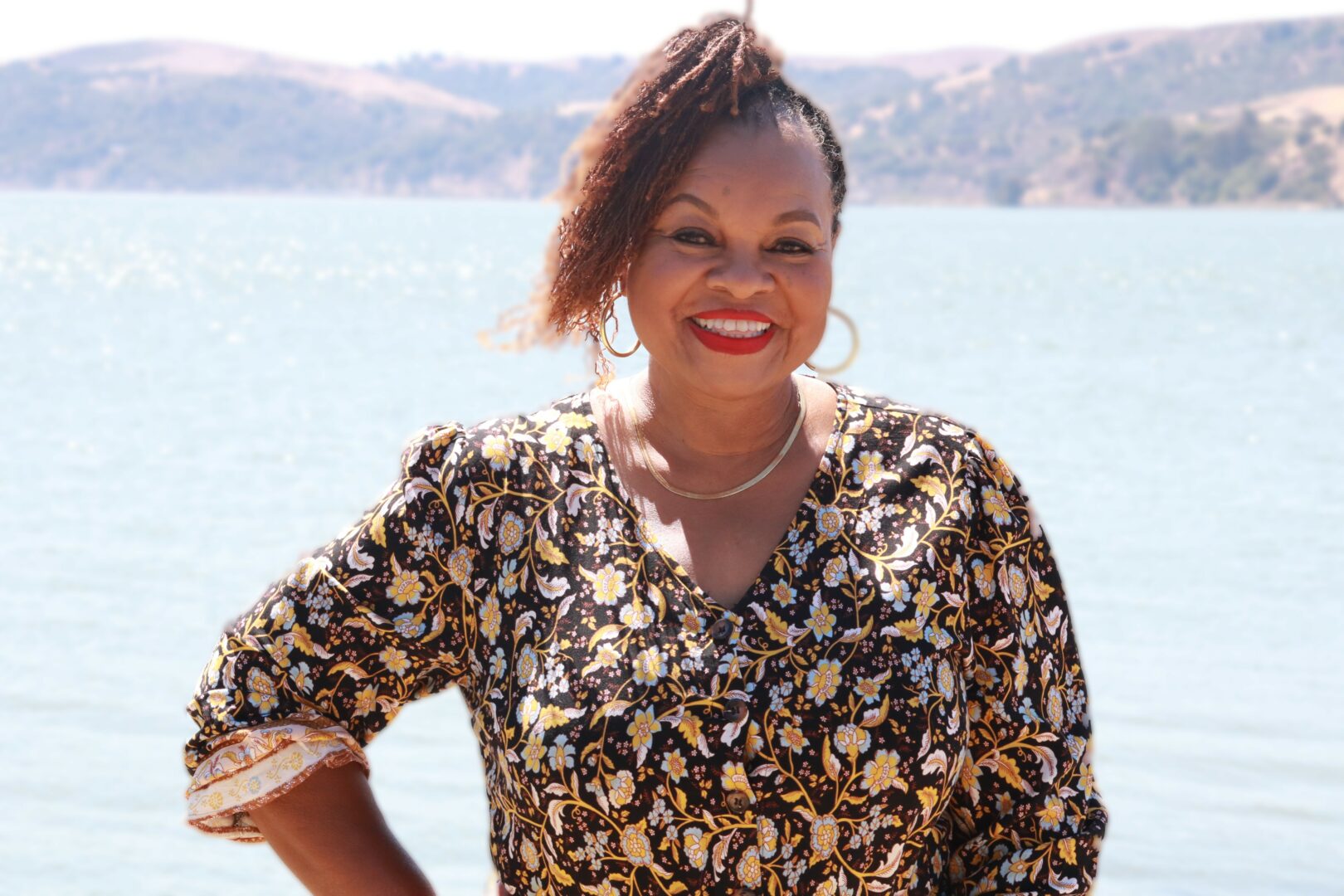
There have been many seasons when I found myself as the only one in the room — the only woman, the only person of color, the only voice carrying a Kingdom perspective in a space that wasn’t built to include it. But I learned early on that my difference wasn’t a disadvantage Read More>>
Ashleigh Marie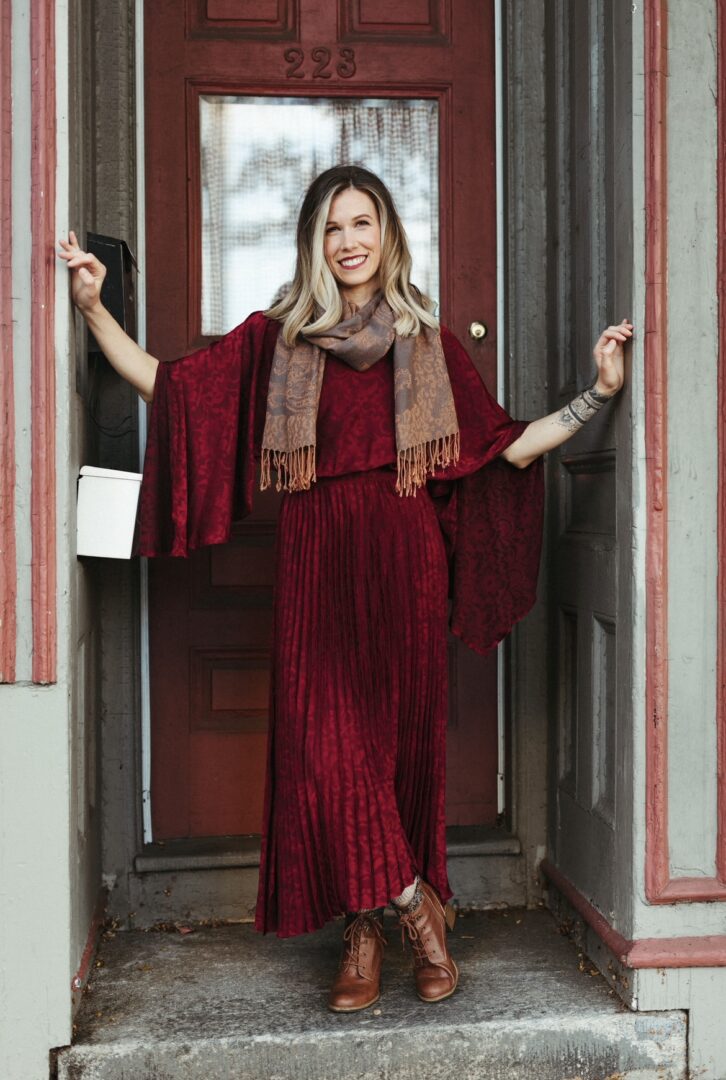
Wow, I love this question! This took me a long time and quite a journey of unbecoming to cultivate and embody. It’s a space within that I’m still growing into. When I began to embrace my sensitivity and depth as gifts and learn how to work with it, a lot began to shift. As well as, experiencing environments where I do feel at home amongst fellow artists, entrepreneurs/ small business owners and creative souls! Read More>>
Mrs. Kennetha “The Homeless CEO” Patterson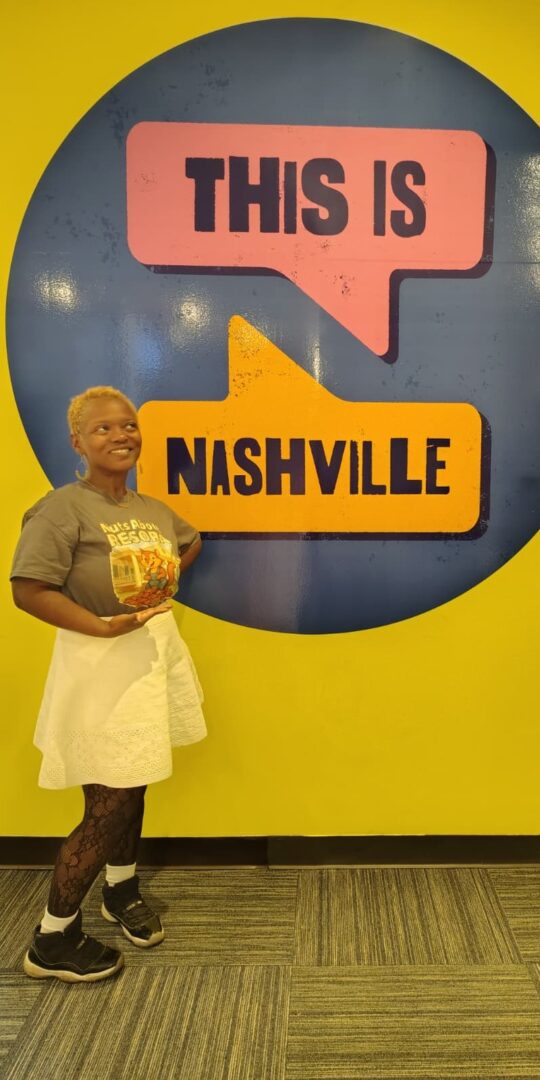
Being the only one in the room who looks like me isn’t an easy novelty—it’s a unicorn pattern recognition . An ability I’ve learned to interrupt with peace in solidarity, strategy, documentation, and unapologetic presence. I don’t shrink to fit the space. I expand it. I correct the record. I turn every moment of exclusion into public precedent. Read More>>
Bahman Mehabadi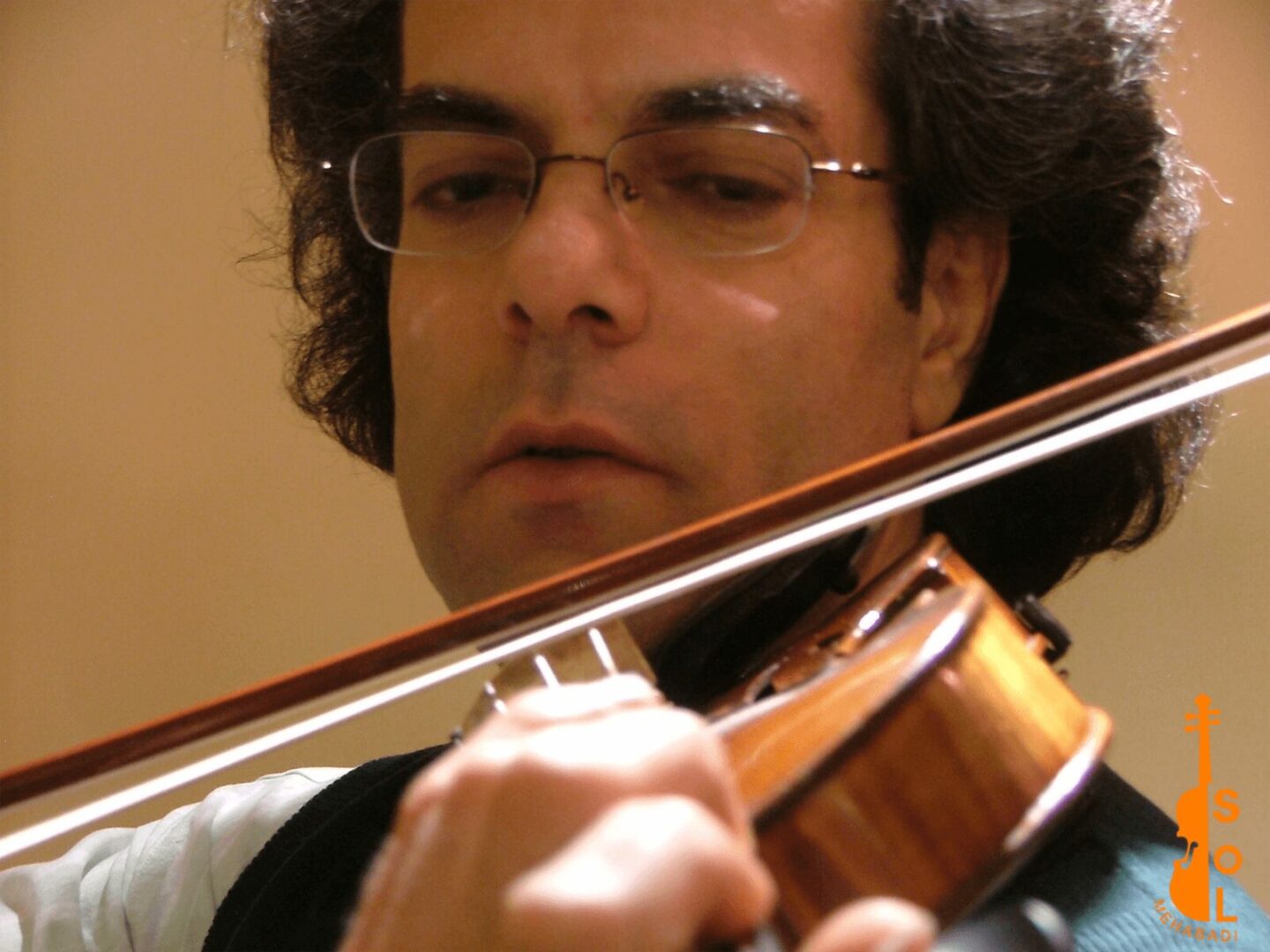
Every path that art and music has offered I’ve followed with enthusiasm, and every shelter they have presented I’ve embraced to soothe and have sought its peace. I’ve been passionate about art and music, when they are of the academic type. I have always been very strict. By nature, I always sought excellence and was inclined to constant improvement and wiping out every bit of darkness and corruption of the mind; and that was the blessing I was given. Read More>>