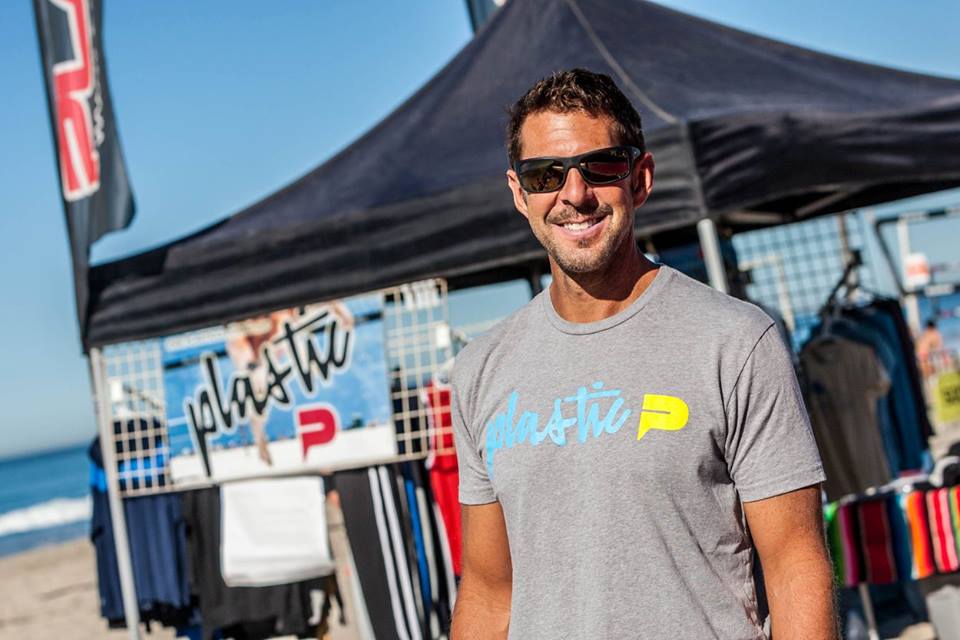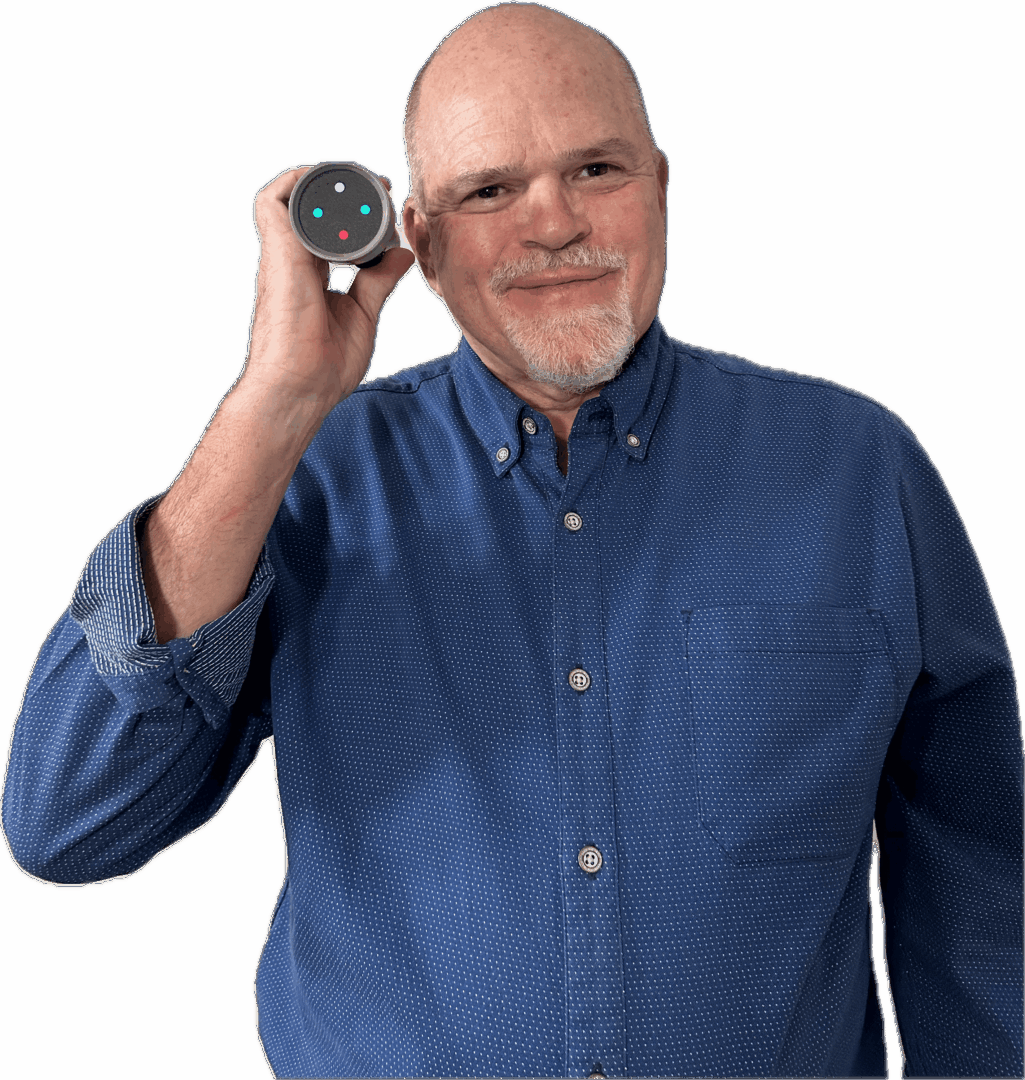
We’re excited to introduce you to the always interesting and insightful Dr. Rick Graebe, O.D., FCOVD. We hope you’ll enjoy our conversation with Dr. Rick below.
Dr. Rick , so good to have you with us today. We’ve got so much planned, so let’s jump right into it. We live in such a diverse world, and in many ways the world is getting better and more understanding but it’s far from perfect. There are so many times where folks find themselves in rooms or situations where they are the only ones that look like them – that might mean being the only woman of color in the room or the only person who grew up in a certain environment etc. Can you talk to us about how you’ve managed to thrive even in situations where you were the only one in the room?
The Courage to Go First: Dr. Rick Graebe on Pioneering His Own Path in Vision Therapy
By Dr. Rick Graebe, O.D., FCOVD
People often look at my practice today—thirty-five years of helping patients from over 800 zip codes, one of the few board-certified in vision therapy and neuro-rehabilitation in Kentucky, owning and operating multiple clinics, the founder of Kentucky’s only standalone vision therapy clinic—and assume the path was always certain, or always popular. The reality is far different. If anything, I am living proof that sometimes the most meaningful work—and the most growth—happens when you choose not to be a mockingbird. When you go against the grain, you often feel lonely, but in the pursuit of your passion, you find your purpose.
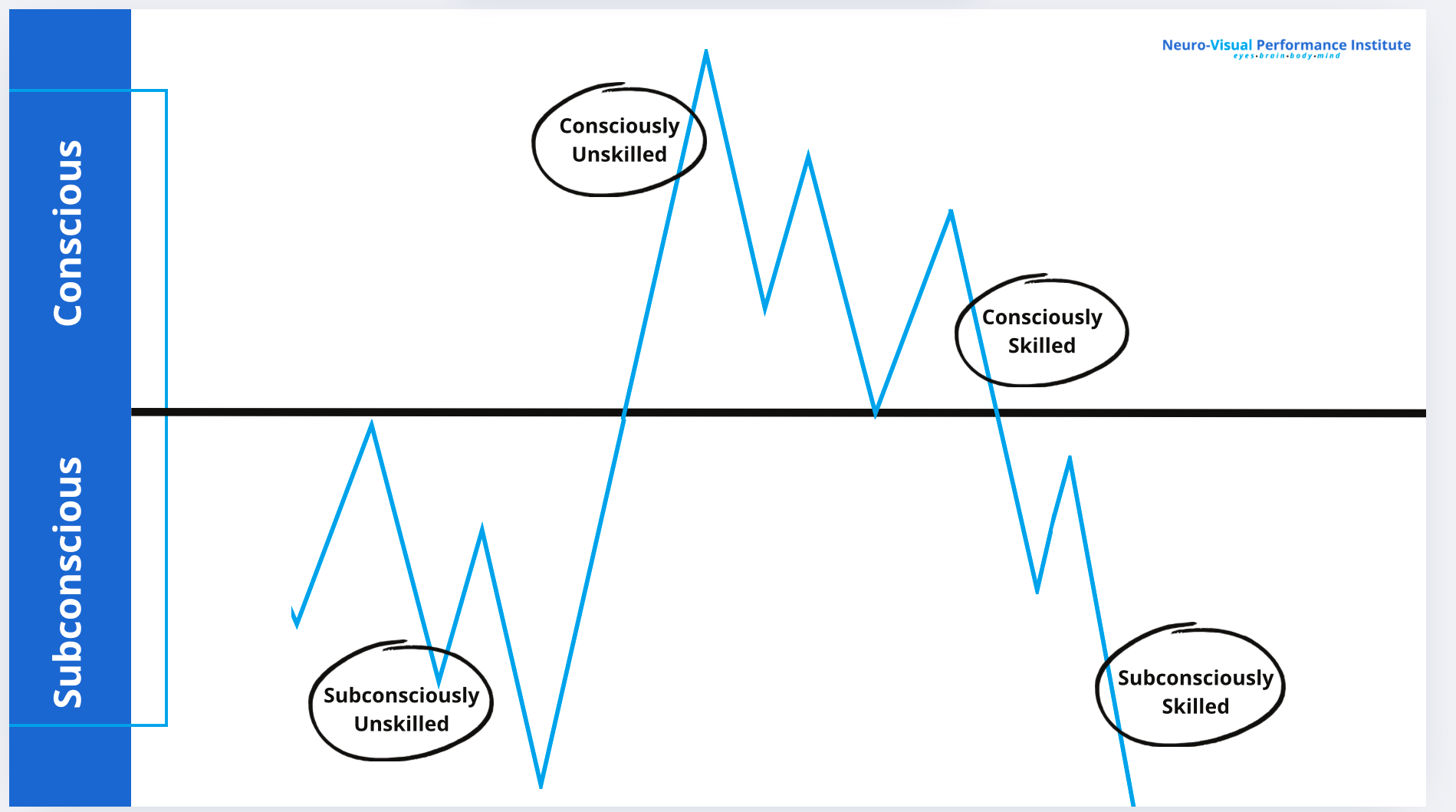
Ironically, I didn’t start my career passionate about vision therapy; quite the opposite. After earning my doctorate of optometry from Indiana University, I thought vision therapy was pseudoscience — “voodoo”. The easy choice would have been to take the “safe” route, stay with the norm, and ignore the outliers — which is exactly what I did my first six years out of optometry school. But a single chart shown at a conference changed everything for me.
The chart—one I reference for patients still to this day—explains how “mastery” is formed. At first, you’re subconsciously unskilled (you don’t know what you don’t know). Then you become consciously unskilled (you’re aware, and you know you need help). Through concentrated practice, you achieve conscious skill. Finally, you reach the point of subconsciously skilled: your brain takes over and mastery becomes second nature.
This model, rooted in both psychology and neuroscience, connected deeply with me as both an optometrist and a lifelong learner. Suddenly, I saw vision therapy not as “crazy stuff,” but as the practical process of rewiring and empowering the brain. That insight lit a fire in me—and changed the course of my life.
But passion is only part of the story. Pursuing this work also meant facing skepticism, making mistakes, and at times failing outright. In the early days, there were four VT doctors across Kentucky. Now there are two. More than once, I felt isolated or even wanted to throw in the towel. I made business decisions that, in retrospect, weren’t wise. It’s easy to read about successful practices and forget the long, uncertain nights that lead up to them. But what separates those “interested” in something from those truly committed is what they do when the going gets tough, when the road gets narrow—or when you find yourself paving the path for the first time.
I remember seeing my very first brain injury patient—a mother pleading with me to help her son, who after 10 years of OT & PT, still started therapy using a walker. I didn’t have all the answers, but I had to try for his sake. By the end, he no longer needed the walker or a cane. Experiences like this proved to me that even when I didn’t feel fully prepared, commitment to the process—and to the patient—matters more than flawless expertise. Patients like this are now a recurring event.
On a daily basis, I have students graduating our program with a jump of over three grade levels in thirty weeks. I’ve watched smart, struggling children find their voices. I’ve seen adults and athletes rebuild their lives after trauma and watched families experience relief when a child no longer needs surgery or suffers daily headaches. Every patient’s story is unique, but the outcome is the same: liberation.
The truth is, excellence doesn’t come from playing it safe or copying what others are doing. It comes from being willing to learn, being honest with your patients, and extending your best effort—even after office hours, even after the patient leaves your therapy session. I never stopped reading, asking, and collaborating with the tiny community of others doing this kind of work. My first mentor, Dr. Ken Gibson, and so many leaders along the way, taught me to keep going, keep learning, and keep trusting that the brain knows what to do if you give it the right information.
To anyone else feeling alone or uncertain: know that these feelings are common. You are not alone in your isolation, nor are you alone in your failures. The ones who make an impact are those who press forward when nobody is watching, when nobody is cheering, and when the outcome isn’t guaranteed. You have to choose your passion, choose your path—and keep choosing it again and again, especially when it’s hardest. Trust in God and on yourself.
If my story does anything, I hope it gives others the courage not just to follow their passion, but to commit to it, day after day, struggle after struggle. Because sometimes the best thing you can do for your patients, your practice, and yourself is to be the one who chooses not to be a mockingbird, but a pioneer.
Great, so let’s take a few minutes and cover your story. What should folks know about you and what you do?
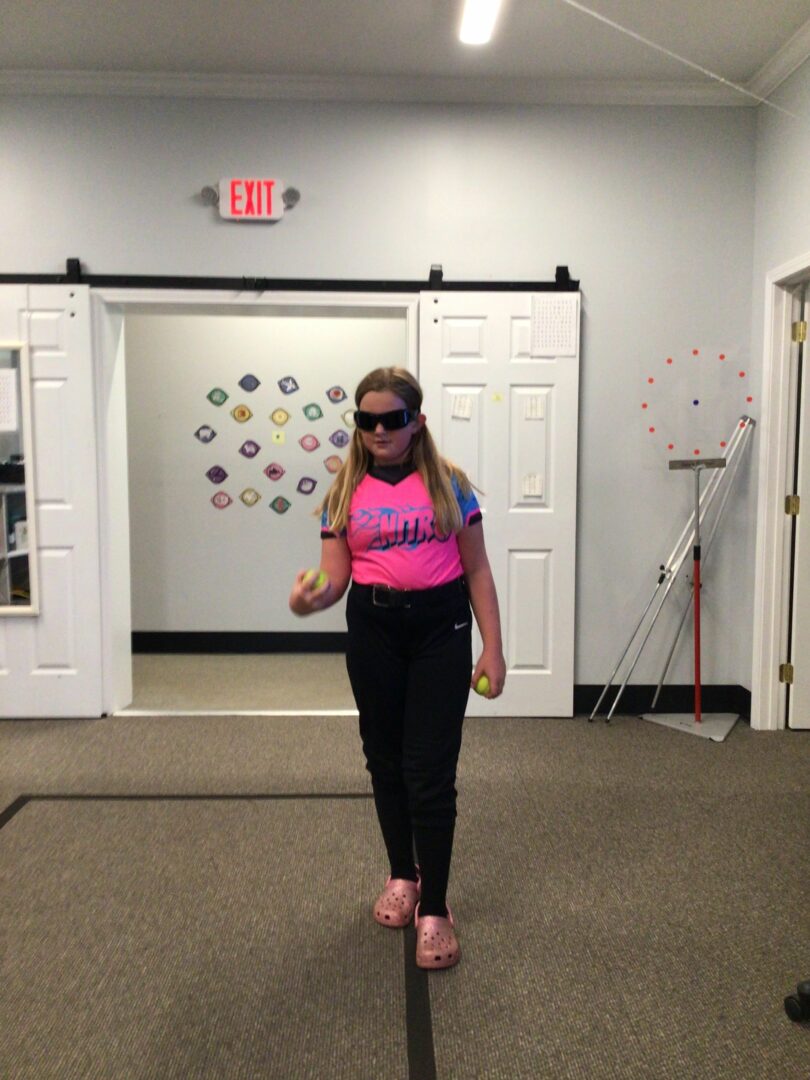
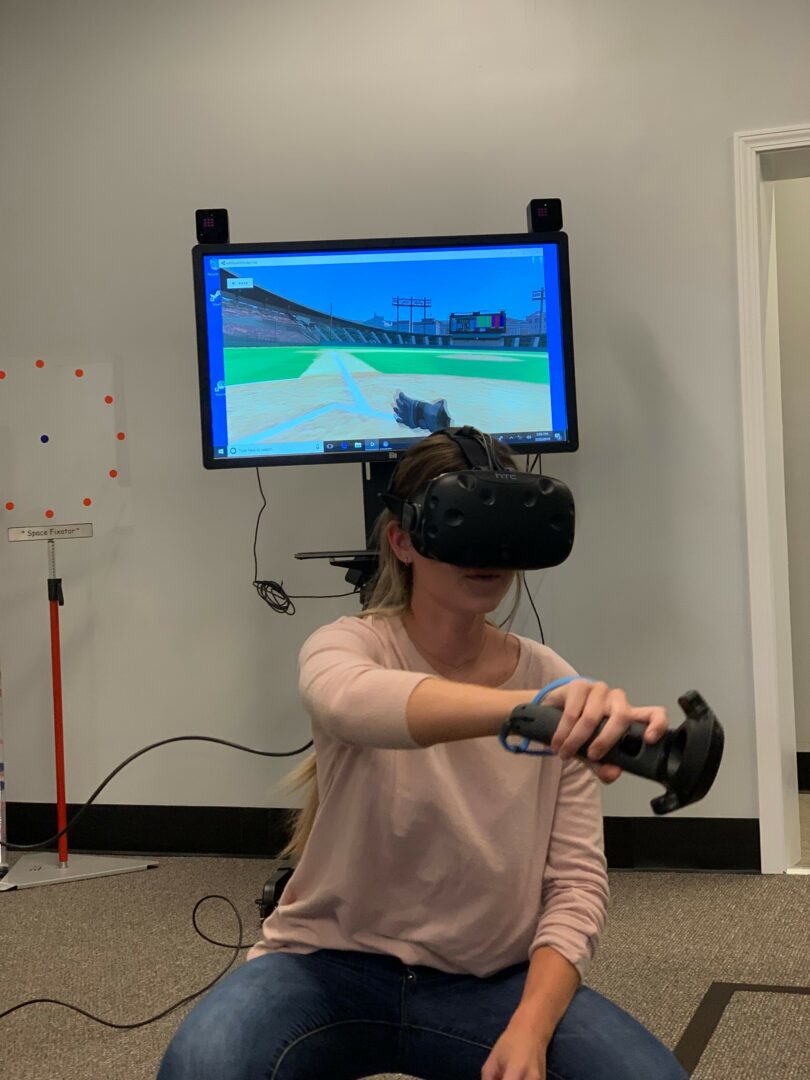
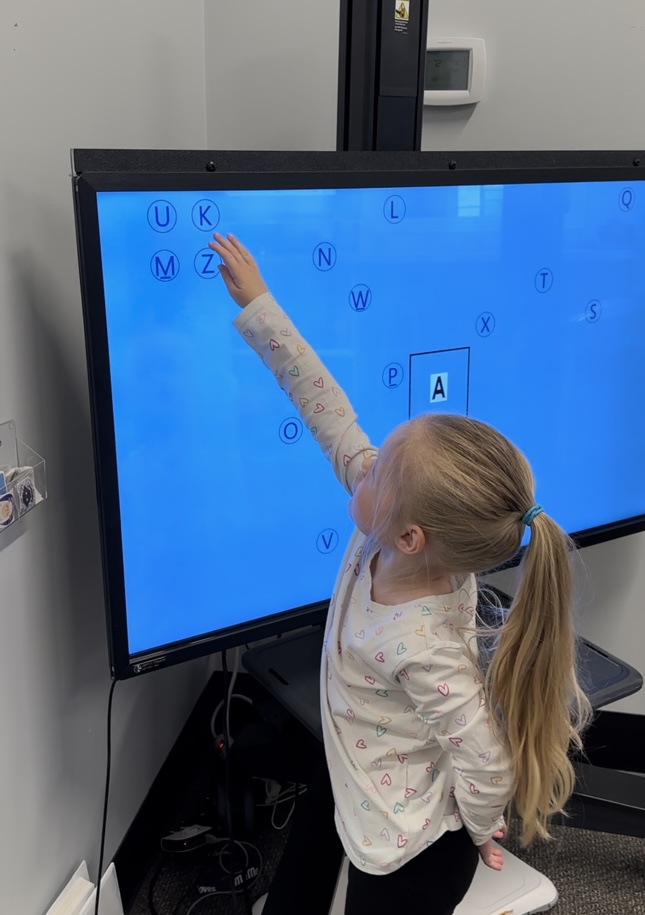
At Neuro-Visual Performance Institute, we do much more than standard eye care—we change lives by uncovering and unlocking each patient’s full visual and neurological potential. Over my 40 years in practice, I’ve seen time and again how Vision Therapy and neuro-rehabilitation can help children excel in school, athletes perform at their best, and people recover from life-altering injuries. What sets our brand apart is the deep commitment to treating every patient as an individual, focusing on their unique journey and not just their symptoms.
What excites me most is witnessing breakthroughs that once seemed impossible—a child jumping three grade levels in half a year, a former brain injury patient walking independently again, or correcting complex eye turns without surgery. Our work is rooted in science and compassion; we’re constantly learning, improving, and integrating the latest research in visual development and neuroplasticity.
We’re proud to be one of the few clinics in Kentucky and the eastern United States to offer such a comprehensive, holistic approach. We serve patients from all walks of life: kids who struggle in school, athletes striving for peak performance, adults recovering from concussion or trauma, and families searching for answers they haven’t found anywhere else.
Our most recent developments include new neuro-rehabilitation programs for brain injury and concussion, innovative collaborative events with local organizations, and expanded educational outreach in schools and the community. Every day, we strive to make excellence and honesty the cornerstone of our patient experience—because the real “brand story” is the lasting difference we make in the lives of those who trust us with their care.
Looking back, what do you think were the three qualities, skills, or areas of knowledge that were most impactful in your journey? What advice do you have for folks who are early in their journey in terms of how they can best develop or improve on these?
Looking back, there are three qualities or skills that I believe made the biggest impact on my professional and personal journey: 1. Intellectual Curiosity and Willingness to Learn
I started out skeptical about Vision Therapy—and frankly, about many things outside the mainstream. But being willing to ask questions, seek new evidence, and admit when I needed to learn more opened up a whole new world for my patients and me. The best advice I can give is never to let your education stop at graduation. Read widely, seek out mentors, and don’t be afraid to challenge your own beliefs.
2. Perseverance and Resilience in the Face of Uncertainty
There were many moments I wanted to throw in the towel—after business mistakes, while feeling isolated, or when results didn’t come as quickly as I hoped. What separates those who merely dabble from those who make a difference is perseverance, especially when the path is lonely or unclear. If you believe in your mission and the value you bring, push through the setbacks. Every practice, every field, will test your commitment at some point.
3. Empathy and the Ability to Connect with Patients
Technical skill is essential, but empathy is what builds trust and drives success. Some of my most powerful moments have come from listening deeply and validating a parent’s worry, or believing in a patient’s potential when others had given up. Practice empathy not just as a soft skill, but as a clinical tool. It will change how you approach care, solve problems, and build lasting relationships.
Advice for Those Starting Their Journey:
Invest time in learning—even when it’s uncomfortable. Expect setbacks and see them as part of the growth process. Above all, never forget why you started: the people you serve. Surround yourself with mentors, stay humble, and be willing to take the road less traveled if that’s where your passion and conviction lead you. The journey won’t be easy, but it will be worth it.
As we end our chat, is there a book you can leave people with that’s been meaningful to you and your development?
The book that has played the most important role in my development—professionally and personally—is, without a doubt, the Bible. I sometimes like to describe it as “Basic Instructions Before Leaving Earth,” because it offers timeless guidance not just for faith, but for every aspect of life.
The biggest lessons I’ve drawn from it are simple but profound: Keep God first in all that you do, love your neighbors as yourself, and commit everything—family, business, and daily life—to the glory of God. The Bible has given me foundational instructions for building meaningful relationships, making wise decisions, and finding purpose, whether I’m caring for a patient, leading my team, or just showing up for my family and community.
Ultimately, it’s taught me that our real calling is to serve others and to represent Christ in every action, every word, and every moment. That mission guides both my professional journey and my personal life, and I wouldn’t trade those nuggets of wisdom for anything.
Contact Info:
- Website: https://nvpinstitute.com/
- Instagram: https://www.instagram.com/neurovisualperformance_?igsh=cHhiejc1aWNyeGJv&utm_source=qr
- Facebook: https://www.facebook.com/neurovisualperformanceinstitute/
- Linkedin: https://www.linkedin.com/in/rick-graebe-58b96457?utm_source=share_via&utm_content=profile&utm_medium=member_ios
- Twitter: https://x.com/rickgraebeod?s=21
- Youtube: https://youtube.com/@neurovisualperformance?si=o5crC8JRTIJg_tO-