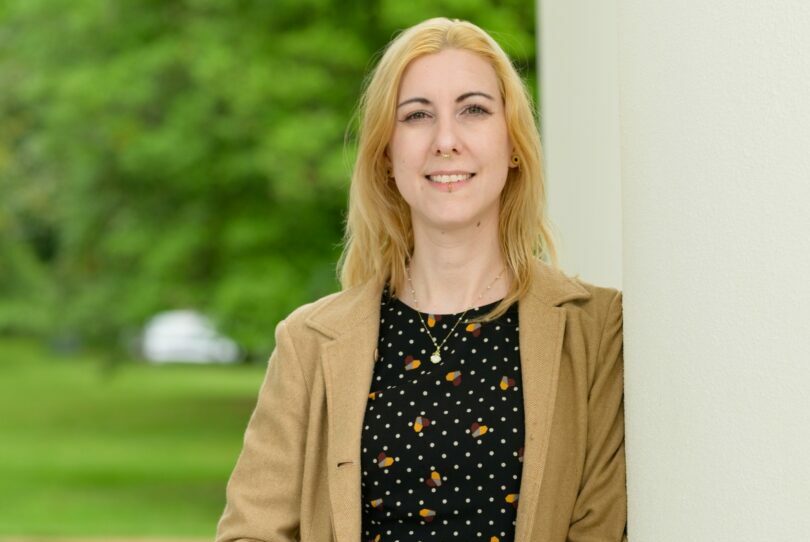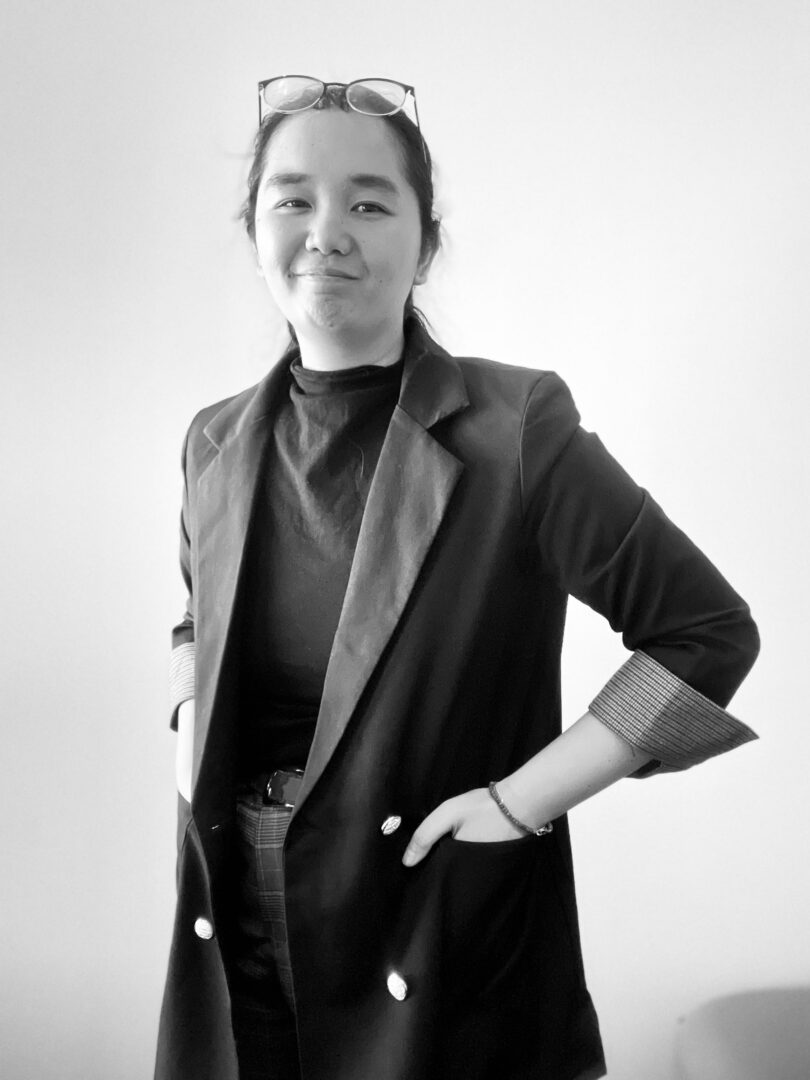
We’re looking forward to introducing you to Pia Fajelagutan. Check out our conversation below.
Pia, really appreciate you sharing your stories and insights with us. The world would have so much more understanding and empathy if we all were a bit more open about our stories and how they have helped shaped our journey and worldview. Let’s jump in with a fun one: What are you most proud of building — that nobody sees?
While I’m perpetually tinkering on a constellation of projects (illustration side quests, poetry workshops, the occasional wild idea that keeps me up at night) the creation I’m secretly proudest of, the one almost no one has seen yet, is the board game I’m building with my buddy of over twenty years.
We just click, you know? We’ve always had this electric synergy: her genius for gorgeous visuals and razor-sharp mechanics meshes perfectly with my love for storytelling and balance. We actually started years ago by designing our own playing card deck…just for fun, just for us. So this board game feels like the natural next step. Late nights sketching on napkins, playtesting over café snacks, watching it come to life. It’s the most rewarding thing I’ve ever made.
Can you briefly introduce yourself and share what makes you or your brand unique?
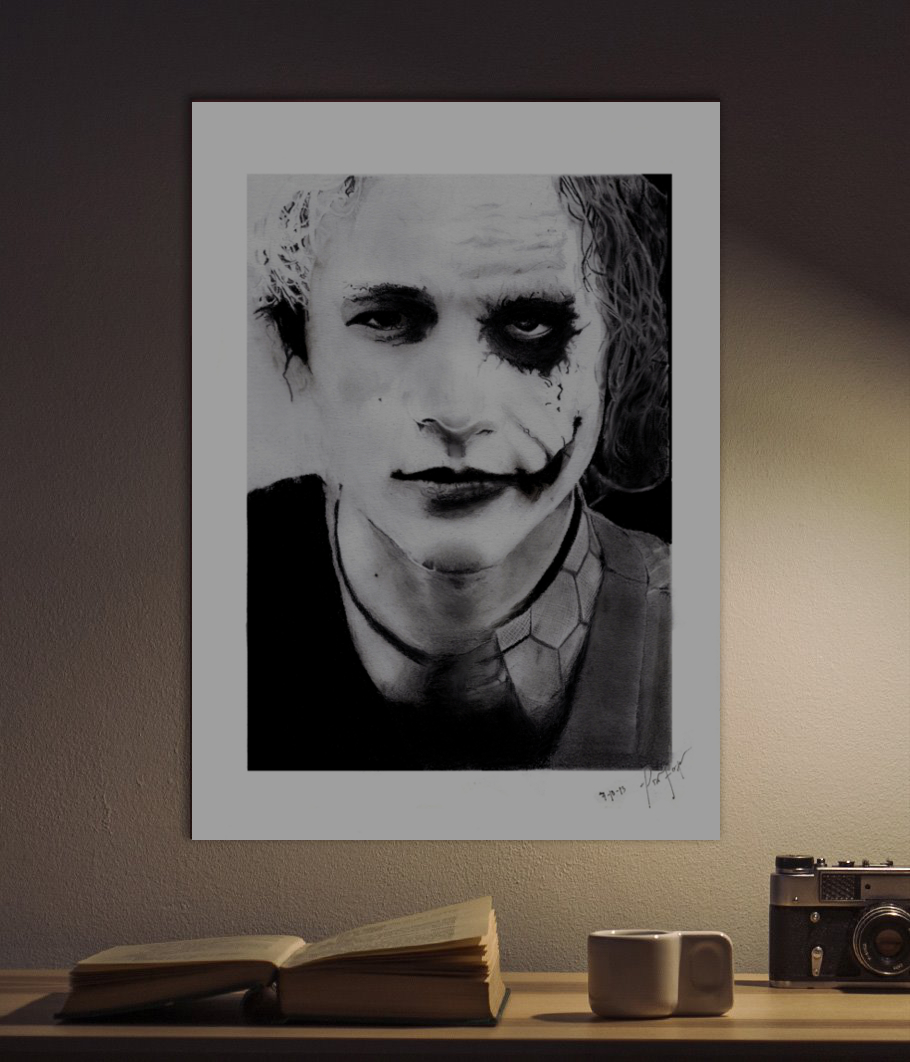
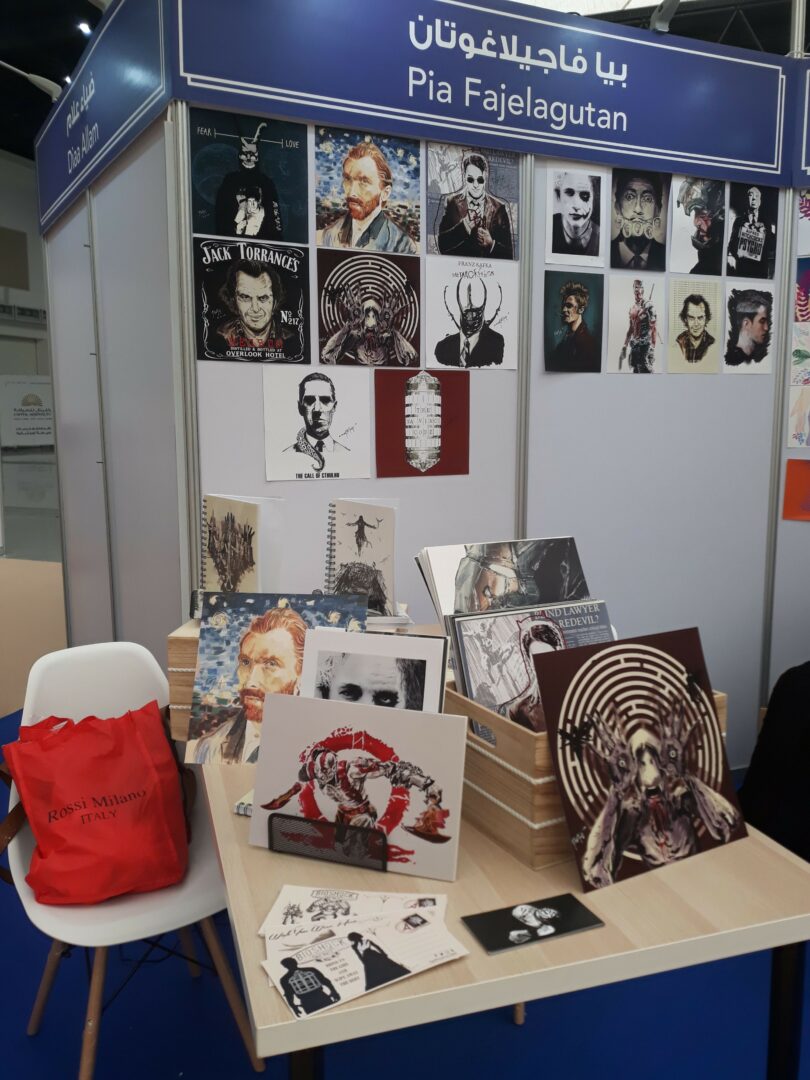
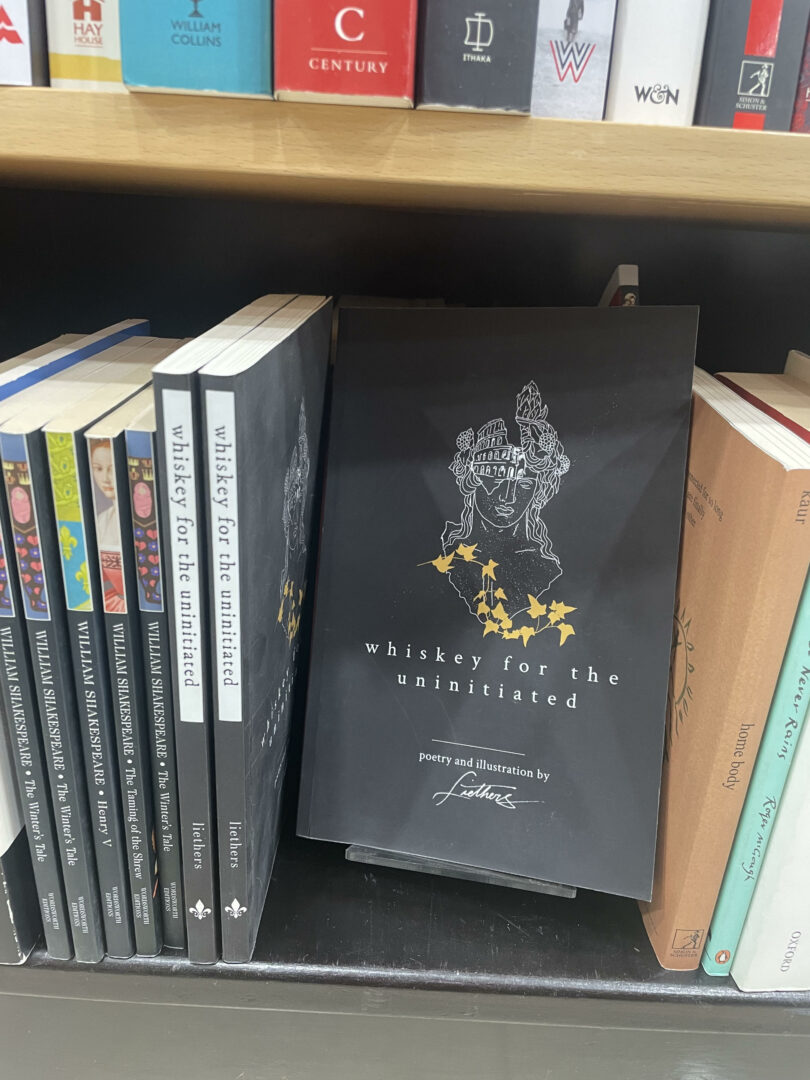
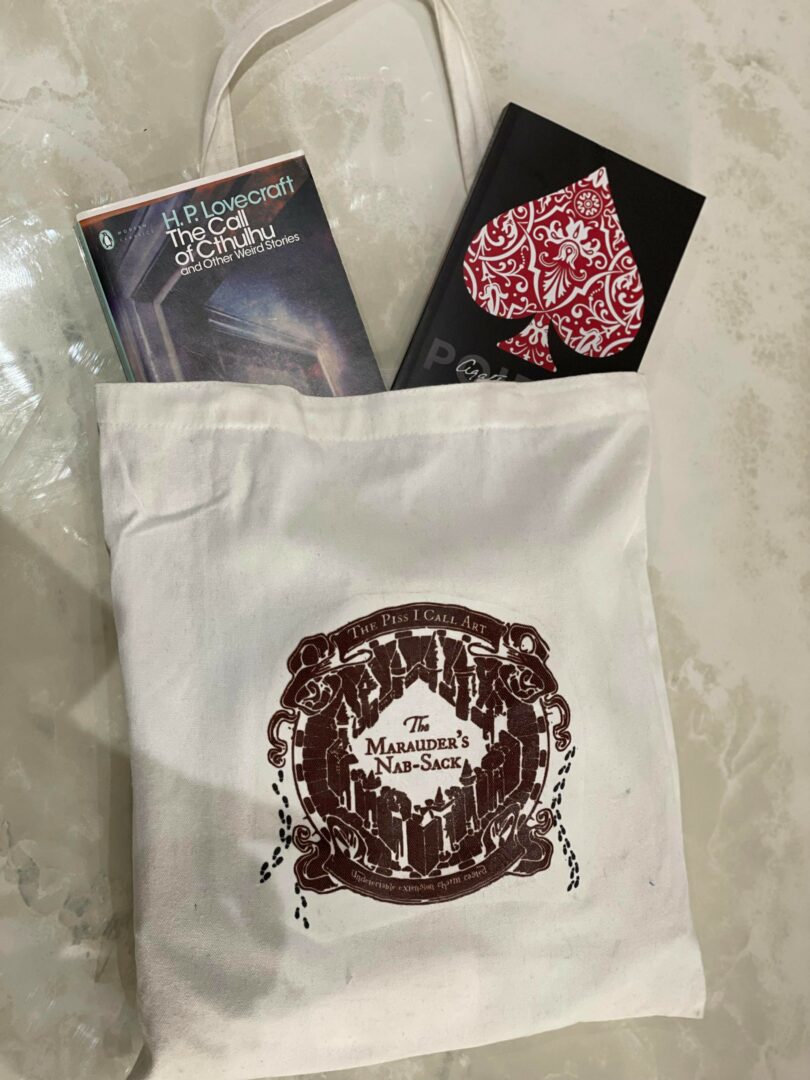
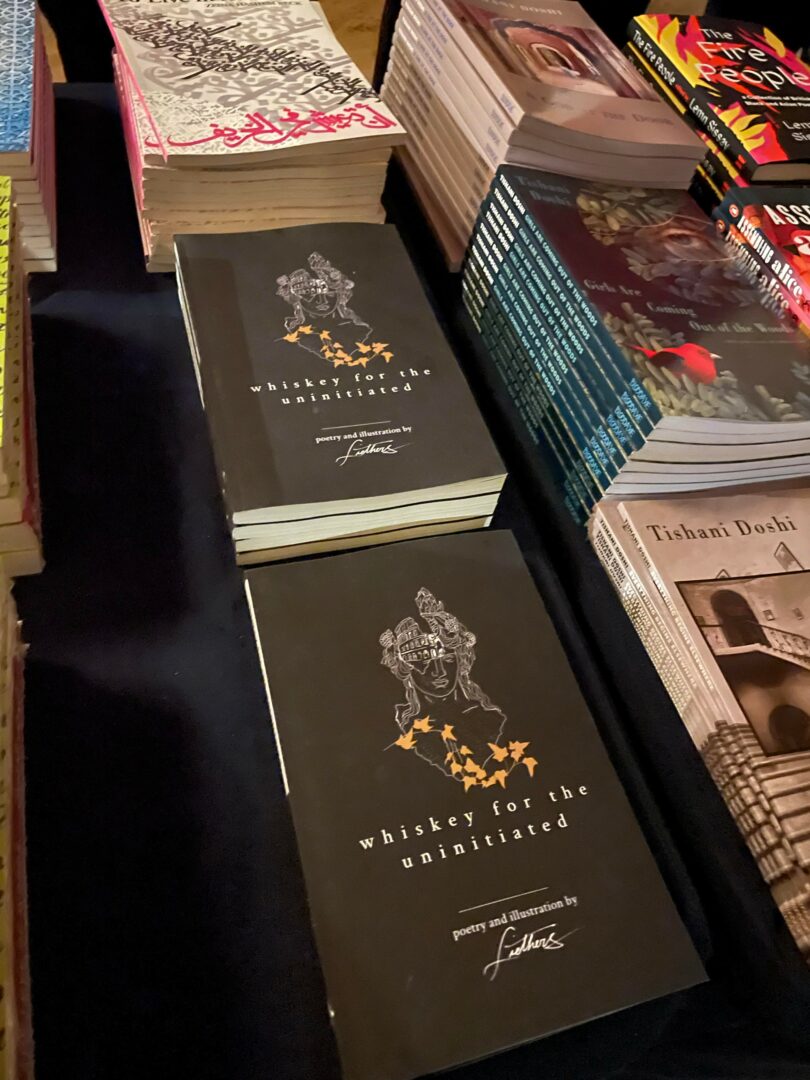
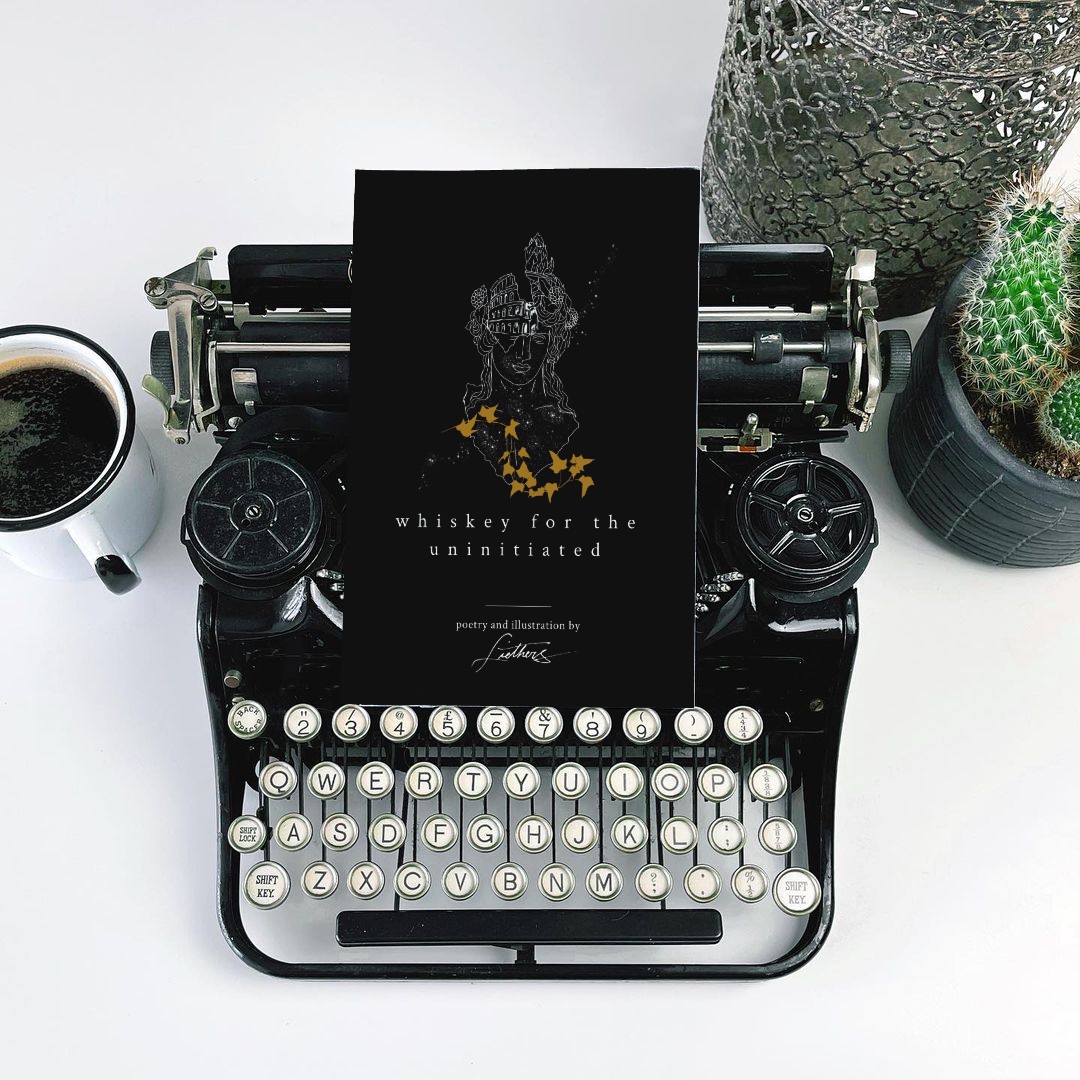
I’m Liethers: Abu Dhabi native, poet, creator, and the slightly unhinged person behind The Piss I Call Art; my little corner of the internet where I make illustrations that look like someone left feelings out in the sun too long. A few years ago I wrote Whiskey For The Uninitiated, a whiskey primer that’s basically poetry disguised as tasting notes (or the other way around).
I’ve never believed poetry should be chained to love sonnets and candlelight. Feelings are messier, louder, sometimes darker and they arrive in waves, the way memory or music or a perfect night can hit you out of nowhere. So I borrowed the six classic stages of inebriation (the buzz, the glow, the loose tongue, the stumble, the blackout, the morning after) and turned them into emotional registers. Each chapter climbs from first spark to raw confession to quiet reckoning.
It felt honest. We don’t experience life in tidy, polite increments; we lurch, we glow, we confess, we regret, we remember. Using those stages gave me permission to let the poems get progressively braver, sloppier, more tender, more dangerous…exactly the way real nights (and real feelings) do. The whiskey was never the subject; it was the truest map I knew for how emotion moves through a body.
These days I’m still running on the same fuel: turning weird thoughts into drawings, words, or whatever container will hold them. Right now that means two not-so-secret projects. The first is my debut novel (slow, smoky, and refusing to behave). The other is a murder-mystery board game I’m building with my best friend of over twenty years; the same brilliant human I’ve been making ridiculous things with since we were teenagers armed with nothing but markers and insomnia.
Everything I do under The Piss I Call Art (whether it’s a print, a poem slipped into a whiskey review, or this ridiculous game that keeps us up until sunrise) comes from the same place: I believe stories and art should hit like a drink you weren’t ready for. Lingering, a little dangerous, and impossible to forget.
Okay, so here’s a deep one: What’s a moment that really shaped how you see the world?
I must have been twelve or thirteen, sprawled on the living room carpet in our Abu Dhabi flat, when mom mentioned, almost as an afterthought, that she was meeting someone for coffee the next day. A woman she hadn’t seen in twenty-something years, flying in just for the afternoon. The name meant nothing to me. Mom tells me everything (every childhood friend, every cousin’s scandal), yet this person had never once come up.
A week later I learned why.
The woman had lost her job, her savings, her nerve. My mother had quietly wired her money, rewritten her résumé, coached her through interviews, and helped her land a new position. When I asked why she’d never mentioned this “friend” before, Mom shrugged, and said, “Oh, she wasn’t a friend back then. She was the one who made my first year at the airline hell.”
Mom was eighteen when she started her first job in the airlines straight out of college (barely more than a girl, sending every penny home). They didn’t have much growing up, and after rent and bus fare there was nothing left for the little luxuries her colleagues flaunted: the imported lipstick, the designer sunglasses, the perfect nails. Mom was beautiful the way the way provinces make you pretty (natural, unadorned, bright eyes, porcelain skin, impossible to ignore), and that made her a target and this older colleague decided to make sport of her. Ridiculed the pleated skirt that was last year’s style, the cracked lipstick shared with her sister, the faint scent of coconut oil instead of Chanel. Every shift, a new jab sharp enough to leave a mark no one else could see.
Those barbs chipped away at the confidence my mother had scraped together to leave her small town in the first place. She still winces when she remembers hiding in the staff cafeteria just to breathe.
Yet decades later, when that same woman reached out, broke, ashamed and desperate, my mother didn’t hesitate. She didn’t bring up the past. She didn’t require an apology. She simply showed up with the kindness that had been denied to her, and handed it over like it was the most natural thing in the world.
I sat there stunned, trying to reconcile the mother I knew (the one who once marched into my kindergarten and made a teacher apologize for calling my left-handedness a defect, the one who when I was 15 and underpaid at my first job, threatened to call the labor board on my exploitative shady boss) with this quiet act of grace toward someone who’d once tried to shrink her.
In that moment I understood something I’ve carried ever since: kindness is not the absence of strength; it is strength’s most terrifying form. It doesn’t need an audience. It doesn’t keep score. It walks into the room fully aware it could destroy someone with a single sentence…and chooses to build instead.
The same woman who, when I was three, plopped me on her lap to teach me how to boo properly at the TV when Bret Hart walked out, who can silence a room with one raised eyebrow, chose mercy over memory. My mother can tear an asshole a new one in three languages and still have breath left for a prayer. Yet, she didn’t need the last word. She didn’t need the bully to grovel. She saw a human being drowning and threw a rope (no ledger, no interest, no public announcement).
That single story rewired how I move through the world.
I understood that the people who can break you are never the ones who scare me. It’s the ones who could break you and choose not to. Forgiveness doesn’t mean forgetting; it means refusing to let someone else’s cruelty write the rest of your story.
I learned that real power sounds nothing like a mic drop; it sounds like a coffee invitation extended across thirty years of silence.
And I learned that the strongest people I know are the ones who can be kind without needing the room to notice how much it cost them.
Every day since, when I feel the urge to settle a score, I think of my mother pouring coffee for a ghost from 1984. And I choose the harder thing. Not because I’m weak. But because someone once taught me that the strongest words you can ever say to another human being are simple: ‘I remember. And still, come sit. There’s room.’
What fear has held you back the most in your life?
I was eight or nine when I first watched The Outsiders, and it felt less like a film and more like a verdict of my own life. In our small town, nothing ever happened, and almost no one ever left with their name in lights. The hierarchy was etched into the pavement before we could spell our own surnames: some kids were born for the stage at graduation, others for the back row.
I learned early how the world measures worth.
Straight A’s were nice, but valedictorian ribbons went to children whose parents sat on the PTA, whose fathers arrived at Awards Day in air-conditioned cars. I was the student whose tuition payment sometimes arrived weeks late because the envelope had to wait for my mother’s next paycheck, whose father commuted to work so the money could go to school fees instead of gasoline. I knew exactly which side of the line I stood on.
What truly frightened me wasn’t my place; it was that my parents refused to see it.
Report cards came home glowing, and my mother would smile, not needing to take a peek, and surely say, “Of course. My Pia’s brilliant,” as if excellence were as sure as tomorrow’s sunrise. She never rushed to school to collect the certificates; she didn’t need proof. When I came home with scraped knees from climbing trees or a mischievous grin after some small rebellion, she’d laugh and tell her friends, “That one is destined for greater things.” She believed it the way only wrestling fans believe no one kicks out of Shawn Michaels’ Sweet Chin Music.
Every word of praise felt like a promissory note I wasn’t sure I could ever repay.
I looked at the relatives who had already stumbled (cousins who quit school, uncles who drank away their tomorrows, relatives who vanished into marriages that swallowed their names), and I recognized the same restless blood in my own veins. Same sharp tongue, same hunger that could curdle into self-destruction if the world didn’t make room fast enough. I was convinced the ingredients were already mixed; I just hadn’t turned out wrong yet.
My deepest fear was that my parents were pouring everything (overtime shifts, borrowed money, sleepless nights of prayer) into a daughter who would only prove the town right: that outsiders like us don’t escape, we just postpone the fall. I was terrified they had gambled their dreams on a ghost, and that one day I would have to hand those dreams back in ruins.
That fear followed me like a second shadow.
It whispered that their love was too generous for someone as ordinary as I secretly believed myself to be, and that the kindest thing I could do was disappear before they realized their investment had been a mistake.
I’ve spent every year since trying to outrun that prophecy.
Some mornings I still glance back to see if it’s gaining.
But every time I manage something my younger self thought impossible (a team proud to call me their manager, a byline, a passport stamp, a room that listens when I read my poetry), the shadow shrinks a little further.
I may never feel I’ve fully earned their faith.
I only know I’ll keep trying to grow into the person they saw in me long before I dared to look.
Next, maybe we can discuss some of your foundational philosophies and views? What truths are so foundational in your life that you rarely articulate them?
The one truth I almost never say out loud, because it feels too close to scripture, is this: Authenticity is the only thing I will never trade; not for belonging, not for safety, not even for love.
I learned it when I was four, barefoot in a California living room that smelled of hairspray and rehearsed grief. All the aunties had dressed their sorrow in perfect black, eyeliner sharp enough to cut glass, voices lowered to the exact decibel of respectable mourning, faces practiced in the mirror until sorrow looked almost chic. The air-conditioning was set to arctic punishment.
I wasn’t built for performance yet.
So I opened my mouth and announced to the entire funeral parlor, loud and clear: “Ang lamig naman dito!” (It’s so cold in here!)
Twenty faces swiveled toward me like I’d set off an alarm. The temperature dropped another five degrees from sheer disapproval. A few cousins almost laughed, then remembered the dead and swallowed it back into mourning posture. My mother didn’t scold me. She hid a smile behind her hand and, later, told the story with pride: “That’s my child…she always speaks her mind.”
In that single, badly-timed sentence I learned two things that have governed every day since:
1. Most rooms want you to wear your truth the way they want it worn: quiet, laundered, temperature-controlled. They want us to rehearse grief so it doesn’t smudge the mascara. It calls us to lower our voices when we’re cold, or hungry, or hurting, because honesty at the wrong moment makes us inconvenient.
2. The people who belong to you will simply hand you a sweater and turn the air down.
I have been offered every possible costume since then: the polished pronunciation to my surname, the palatable politics, the “relatable” but digestible version of my feral-tongued, left-handed, too-much-and-never-enough, raised-by-palm-trees-and-wrestling self. Each time I almost put one on (because it would be easier, because the room would smile, because love sometimes feels conditional), I feel that four-year-old shiver again.
And I refuse the dress.
Every poem I publish unedited, every time I let my accent thicken when I’m angry, every time I walk into a room owning the full hybrid chaos of who I am, I am still that barefoot kid choosing cold air over a pretty lie.
Authenticity is the only inheritance I was born with that no one can repossess. It has cost me seats at certain tables, invitations I once thought I needed, versions of myself that would have been easier to love.
But every time I stay real, someone (often a stranger, often another shivering kid) looks up with wet eyes and says, “I thought I was the only one who felt cold.”
So I keep the air-conditioning exactly where it is. And I keep the door open.
Okay, so let’s keep going with one more question that means a lot to us: If you laid down your name, role, and possessions—what would remain?
I’ve always thought of Liethers as the Mr Hyde to Pia’s Dr Jekyll.
I’ve grown so used to introducing myself in interviews as an aviation recruiter that I sometimes forget the rest of me is still breathing.
So when people ask what remains when the titles fall away, I have to remind myself first.
If you stripped away the names on my passports, the golden visas, the LinkedIn profile, the books I’ve written and co-authored, a decade of ink-stained artworks, the drawer full of boarding passes and guitar picks, the business cards from three continents…
what’s left is someone who still keeps a pen in every pocket because blank receipts feel like invitations to confess.
Someone who once spent an entire part-time salary on an iPod Classic for the person they loved in college,
who missed a connecting flight just to steal one more hour with a best friend in a transit lounge,
who cries every time they watch the person they love walk through the departure halls.
Someone who notices a stranger’s hand shaking on a boarding pass and feels the tremor in their own ribs,
who believes stories are the only luggage that never gets lost,
who has spent a lifetime translating themselves for other people and finally decided the translation is allowed to be messy, unfinished, misinterpreted.
Take everything else,
and you’re still left with the part that refuses to be ordinary,
the quiet alchemist who keeps turning homesickness into ink,
who chooses gentleness not because it’s easy
but because it’s the only revolution she trusts.
Everything else was borrowed for the flight.
The person with the pen and the too-many homesicknesses?
Non-transferable.
So are her board games.
Contact Info:
- Instagram: @wethemythical
- Linkedin: https://www.linkedin.com/in/piafajelagutan
so if you or someone you know deserves recognition please let us know here.