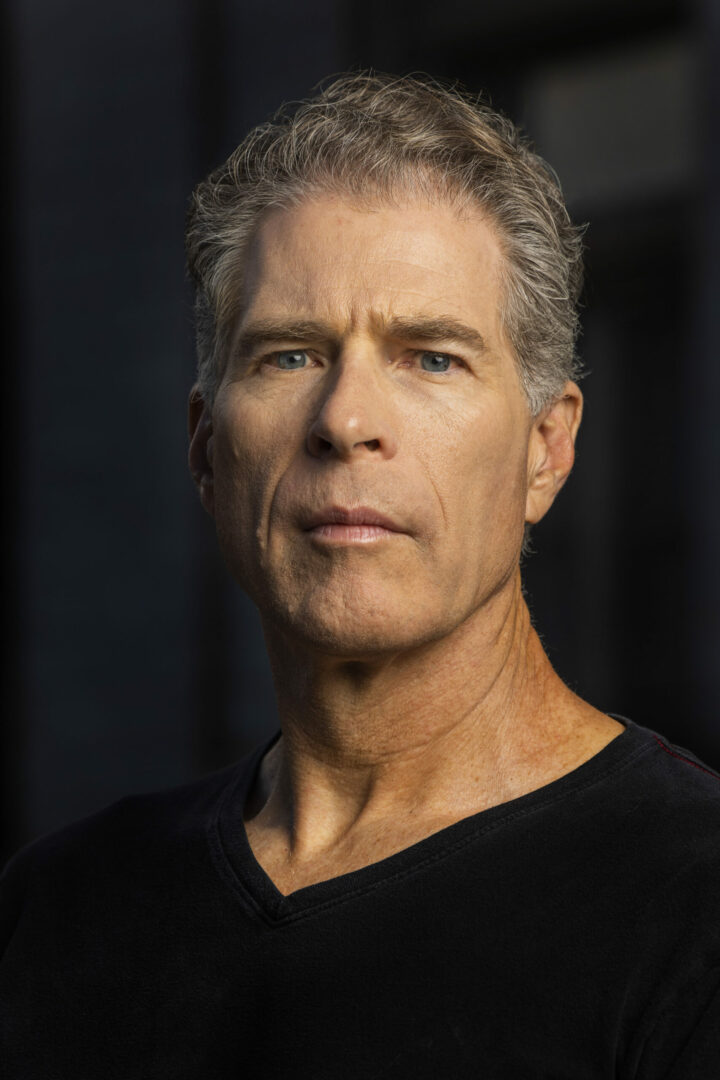
We recently had the chance to connect with Paul Zak and have shared our conversation below.
Paul, a huge thanks to you for investing the time to share your wisdom with those who are seeking it. We think it’s so important for us to share stories with our neighbors, friends and community because knowledge multiples when we share with each other. Let’s jump in: What do the first 90 minutes of your day look like?
I roll out of bed, make a carafe of good coffee and walk for about 2 miles. I use this time to listen to an audiobook, oxygenate my brain, and get organized for the day. I got into this habit walking my dogs, but even though the dogs are gone, it is still a great way to get energized and focused. I do it rain or shine.
Can you briefly introduce yourself and share what makes you or your brand unique?
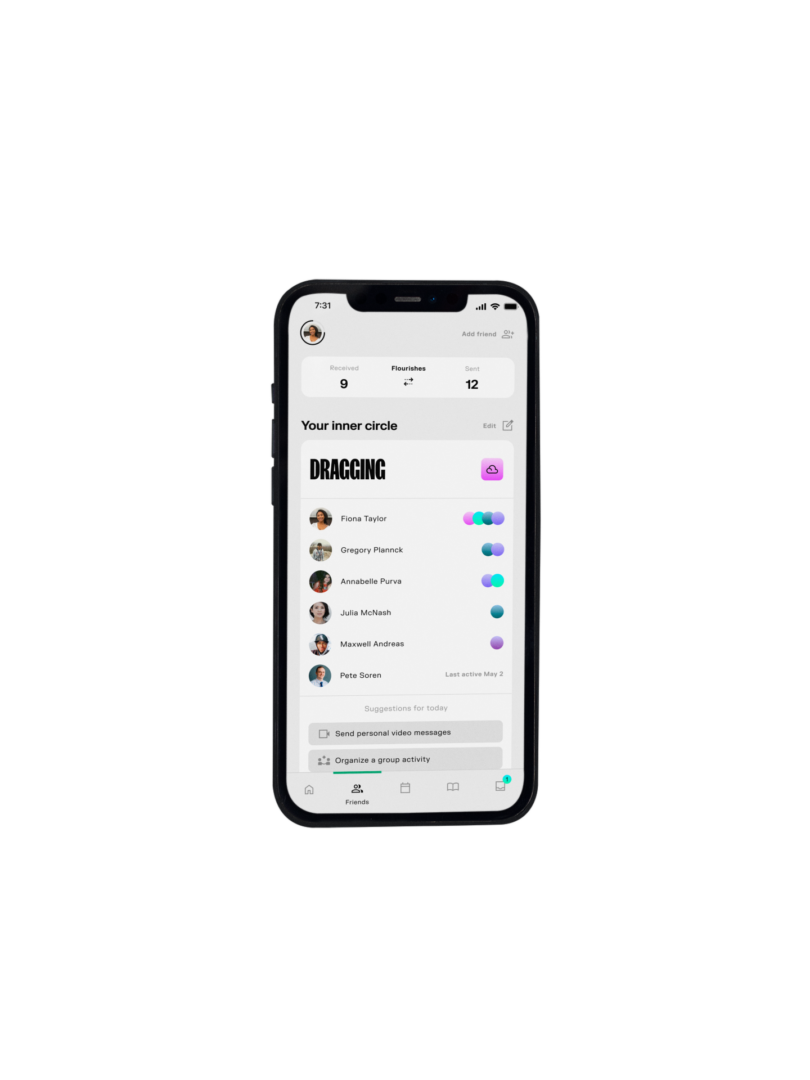
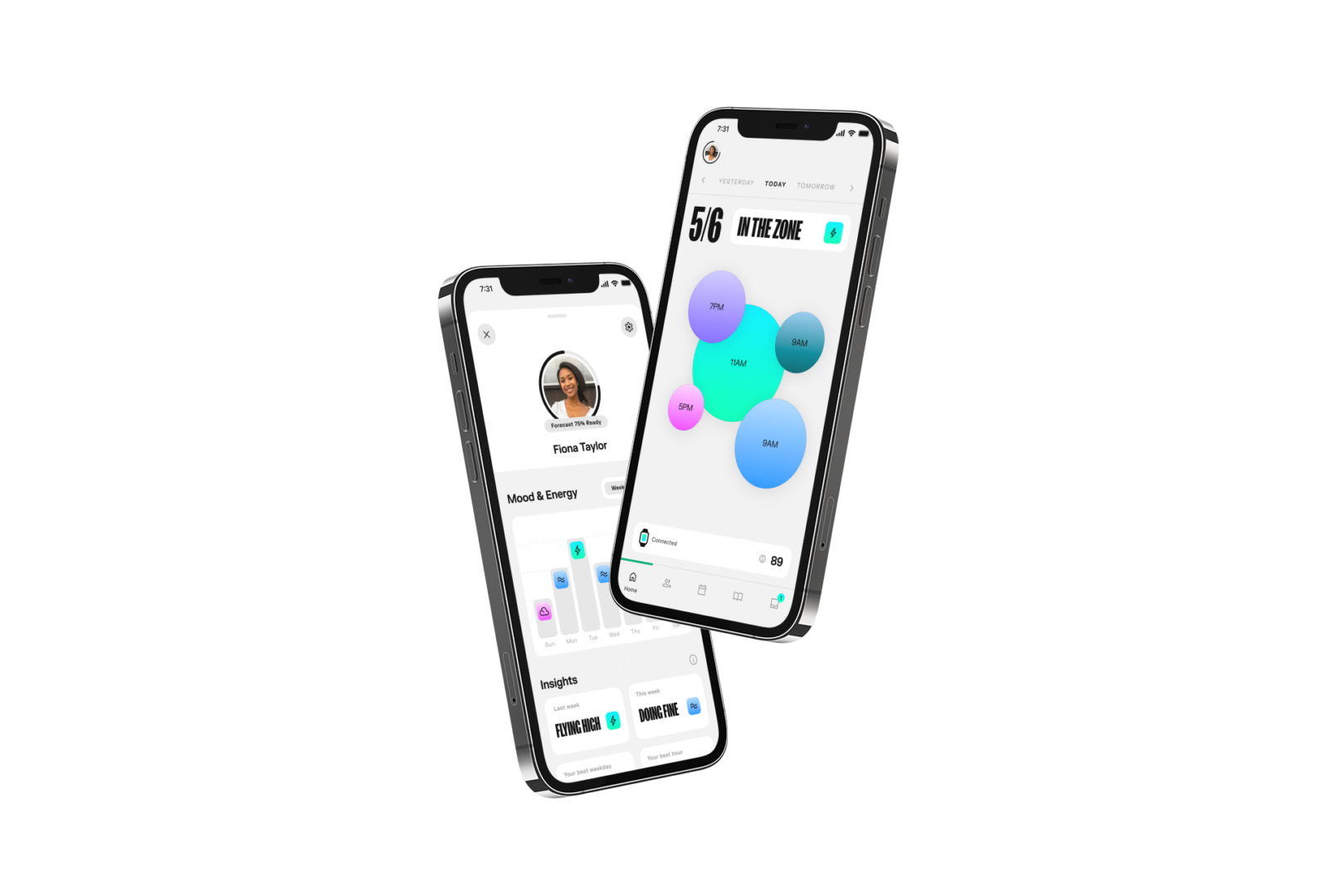
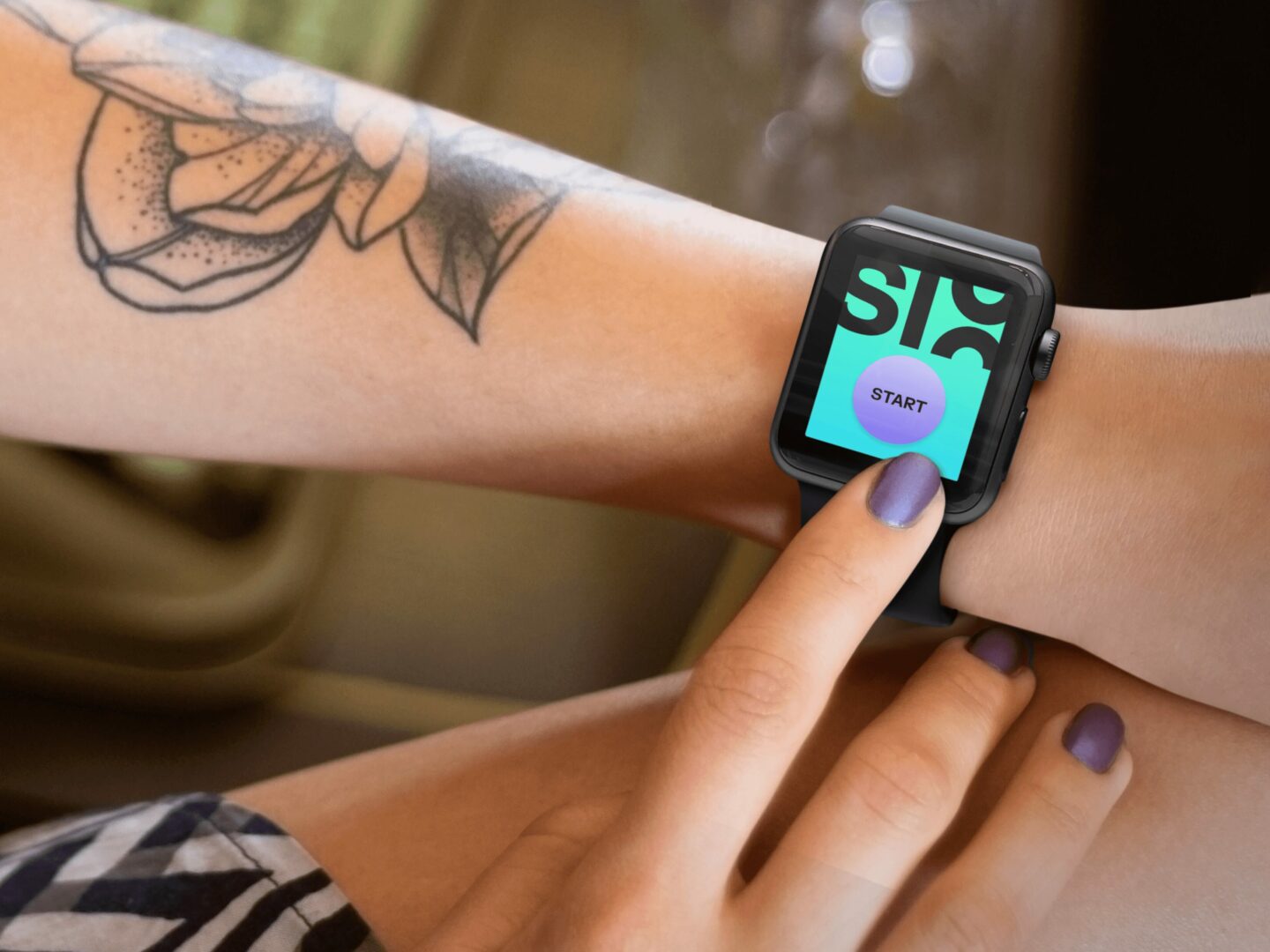
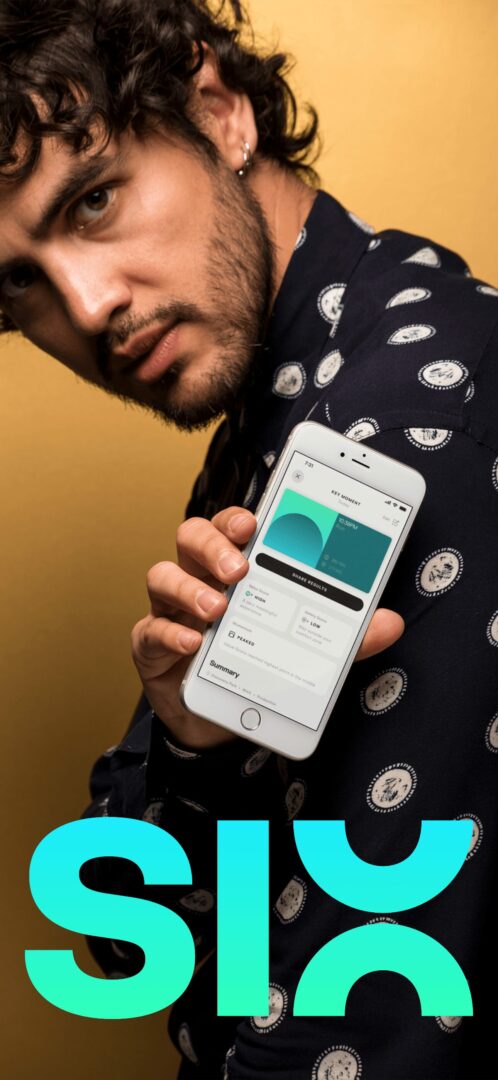
I am a well-known behavioral neuroscientist, entrepreneur, author, and public speaker. Yes, I keep busy! These multiple jobs came about because, unlike many academics, I’m focused on solving problems. In my case, I do this by measuring brain activity while people make decisions to understand the variety of the human experience. My work has characterized brain activity that supports prosocial behaviors like being trustworthy, generous, charitable, and kind. To fully understand this, I have also worked with psychiatric and neurologic patients as well as criminals and psychopaths who lack these social abilities. When we have developed insights and technologies that are useful to society more broadly than for laboratory research, we will create companies to commercialize them. My current company is Immersion Neuroscience. This is the first Neuroscience as a Service technology that enables anyone to measure what the brain values in real time by applying algorithms to the brain’s “output file”, the cranial nerves that we can capture from nearly any smartwatch or fitness wearable. “Immersion” is what I named the brain’s valuation network for social-emotional experiences. The Immersion app is used by businesses to objectively measure the neural and behavioral impact of marketing, customer experiences, education and training, and the value of events. Our direct to consumer app is called SIX and is the first technology that measures what individual users’ brains get the most value from doing every day–something that is hidden from our conscious awareness. My published scientific research has shown that people who have six or more well-defined high neural value Key Moments per day are thriving–they are fully engaged with people and in activities. Those who have three or fewer Key Moments have low energy and negative moods. SIX runs continuously on your phone and identifies the time and place of Key Moments so people can lean into those activities and people that bring them joy. SIX also has a trained AI assistant that offers prospective advice on what individual users can do to be happier–its’ like your sweet grandma reminding you to see people and do things that are most important to you. SIX is the only app that helps people build their emotional fitness proactively, rather than waiting for someone to have a mental health crisis. My goal is to get 1 billion people to use our free SIX in the next three years.
Appreciate your sharing that. Let’s talk about your life, growing up and some of topics and learnings around that. Who saw you clearly before you could see yourself?
My first semester of college at age 20 a wonderful professor named Yannis Venieris asked me to come to his office after I got the highest grade on the first 3 exams of economics 101. I was putting myself thru school and he became a mentor and advisor because he saw something in me that I was not aware of. He then hired me to work on his properties and home, doing landscaping and light construction. At some point I started joining his family for dinner. He not only encouraged me to do a PhD, but guided me on the mathematics I would need to take to get into a top PhD program. I followed his advice, earned a PhD at a top three program, and credit him with helping me acquire the tools that are the foundation for the successful career I have had. He is my second father and calls me his second son.
Was there ever a time you almost gave up?
I am a big believer in having a “do not do” list. In science and in my company, we move fast but also cut our losses fast if things are not going well. A large proportion of scientific research fails. This is especially true when one is trying to understand big issues, for example, I spent over a decade identifying the brain basis for good and evil; you know, just small stuff. To me, there is no emotional attachment to failure. It is a chance to learn and get smarter for the next battle. The same is true for my company, we are constantly running experiments to see what works and eliminate what does not. I advocate “smart” giving up–there is no use throwing money or time at a losing proposition. If you are swinging for the fences, you will miss the ball a lot. This is fine as long as you learn from it.
So a lot of these questions go deep, but if you are open to it, we’ve got a few more questions that we’d love to get your take on. What would your closest friends say really matters to you?
My friends would describe me as curious and brave. As in the previous question, I love to be wrong. If I am right about something, I have not learned anything new. When I am wrong, I have acquired new information. I want to own “wrong.” Being wrong does not effect my sense of self, but rather encourages me to get a little smarter over time. I think my friends would also say that they know I love them because I show them and tell them. I believe in investing in relationships and even wrote a book about the neuroscience of happiness that derives fundamentally to having high-quality relationships. The book is The Little Book of Happiness: A Scientific Approach to Living Better.
Okay, so let’s keep going with one more question that means a lot to us: What is the story you hope people tell about you when you’re gone?
Years ago FastCompany magazine gave me the title “Dr Love” because I specialize in the neuroscience of connection and care for others. At first I disliked this because I’m a serious scientist. Later, I realized what a gift they gave me: I can talk about love in all its manifestations scientifically. In my TED talks, TV appearances, popular books, and technology my company has released, I have tried to share the message that nearly all humans are built to give and receive love. This is part of our evolved biology and if we embrace love we will live longer, happier, and healthier lives. This is one reason why the SIX app, that measures love neurologically, is free. I want as many people to have the chance to discover what they love doing and who they love doing it with so they can be happier.
Contact Info:
- Website: https://your6.com/
- Instagram: thesixapp
- Linkedin: https://www.linkedin.com/in/paul-j-zak-91123510/
- Twitter: @pauljzak
so if you or someone you know deserves recognition please let us know here.