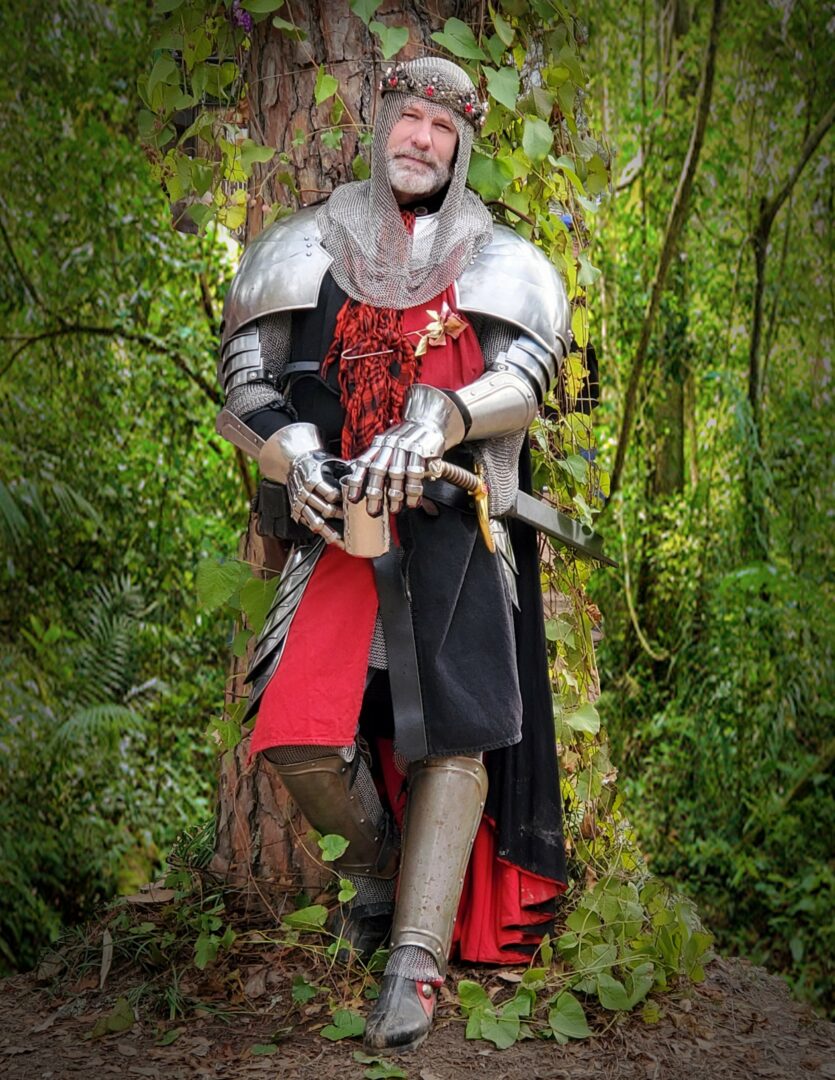
Lord Reverend Paraic Mulgrew shared their story and experiences with us recently and you can find our conversation below.
Hi Paraic, thank you for taking the time to reflect back on your journey with us. I think our readers are in for a real treat. There is so much we can all learn from each other and so thank you again for opening up with us. Let’s get into it: Have any recent moments made you laugh or feel proud?
I attended a live action role-play event called Hynafol. I went as myself, Lord Rev. Mulgrew, the founder of the Knight Watch and guardian of The Sanctuary. In reality, I’m the co-owner of Knight Watch Games (a board game cafe) and The Sanctuary, which is a Medieval / Renaissance Boutique.
During Hynafol, I interacted with many other participants. Several of them have admitted publicly that meeting me was the highlight of their experience. Bring happiness to others makes me feel proud.
Can you briefly introduce yourself and share what makes you or your brand unique?
My name is Paraic Mulgrew, and I’m the co-owner of Knight Watch Games in San Antonio, Texas—a tabletop gaming store built on the belief that retail should be an immersive experience long before it becomes a transaction. My wife, Brenda, and I designed Knight Watch as a full medieval stronghold: stone walls, a war-room gaming hall, a tavern-style café, and a community space that treats gamers with the dignity, authenticity, and camaraderie they deserve.
Alongside running the store, I’m a tabletop game designer developing a trilogy of skirmish games under the Glory banner:
Gauntlets of Glory, a fantasy battle-royale skirmish game with 225+ hero combinations and a loot-driven progression system.
Gears of Glory, a mech-combat battle royale featuring modular chassis, pilots, customizable weapon wells, and a dynamic inertia-based movement system.
Guns of Glory, a modern-day warfare battle royale with heroes, tactical maneuvers, suppression, and cinematic firefights built around motivation, momentum, and battlefield control.
Each game emphasizes tactical depth without needless complexity, fast turns, and meaningful choices—designed to be visceral, thematic, and accessible.
Whether I’m crafting a rule system, building an immersive retail environment, or writing lore, my mission stays the same: create worlds where people feel welcome, empowered, and part of something bigger than themselves. That’s the heart of Knight Watch Games, and it drives every project I work on.
Amazing, so let’s take a moment to go back in time. Who were you before the world told you who you had to be?
I was a creator long before I ever put on a uniform. I grew up building worlds, sketching characters, and imagining stories bigger than myself. Then I joined the Army, and like many who serve, I learned discipline, duty, and resilience—but I also learned how easily creativity can be boxed in, buried under structure, rank, and regulation. For years, that part of me was forced quiet.
When I left the military, it felt like a dam finally broke. All that suppressed imagination came pouring out at once. Creating became not just something I enjoyed—it became who I am again. Now I build entire universes, design games like Gauntlets of Glory, Gears of Glory, and Guns of Glory, and run Knight Watch Games with my wife in a way that invites others to step into those worlds too.
Before the world told me who I had to be, I was a dreamer and a storyteller.
Now that I’m out of the Army, I’ve reclaimed that identity—and creating is all I do.
Is there something you miss that no one else knows about?
Yeah. I miss the quiet moments in the Army, not the structure, not the grind, but those rare pockets of stillness where the world went silent for a second. Sometimes it was right before a mission, sometimes at the end of a long, brutal day. Everyone’s exhausted, no one’s talking, and there’s this strange clarity that settles in. You feel the weight of everything and nothing at the same time.
Most people assume I only miss the action, or the purpose, and sure, there’s truth in that. But what I really miss, what I don’t usually say out loud, is that quiet clarity. That feeling of being absolutely present, stripped of distraction, knowing exactly what mattered in that moment.
It’s ironic, because now my life is overflowing with creativity, color, and possibility. I wouldn’t trade it for anything. But every once in a while, I think back to those silent moments and realize they shaped me just as much as the loud ones.
Sure, so let’s go deeper into your values and how you think. What are the biggest lies your industry tells itself?
One of the biggest lies in tabletop gaming is the belief that people just want “good games.” As if mechanics alone are the magic. As if the right rule set, the perfect balance tweak, or the hottest new title is what makes the hobby meaningful.
But the truth, the part most publishers and designers don’t want to admit, is that the game matters far less than the people at the table.
You can hand someone the most brilliantly designed system on the planet, but if they’re playing with the wrong group, people who don’t respect them, don’t welcome them, or don’t create space for them, it won’t matter. That experience will fall flat every time.
On the flip side, give a great group of friends a mediocre game, or even a downright broken one, and they’ll have the time of their lives. They’ll laugh, they’ll improvise, they’ll house-rule it into something unforgettable.
Our industry keeps pretending the “what” is the magic.
But after decades of playing, designing, and running a community at Knight Watch Games, I’ve learned this:
The real magic is the “who.”
The people you share the table with.
The trust, the camaraderie, the willingness to look ridiculous, heroic, or vulnerable together.
Games are frameworks.
People are the experience.
Okay, so let’s keep going with one more question that means a lot to us: What do you understand deeply that most people don’t?
That communication is manipulation and that’s not inherently a bad thing.
Most people hear “manipulation” and think of deception or control. But the truth is that every time we communicate, every word, tone, gesture, and silence, we’re influencing someone’s thoughts, emotions, or actions. We’re shaping how they interpret the world, how they feel in the moment, and how they connect to us.
Leaders use it. Parents use it. Teachers, storytellers, performers—everyone who wants to inspire, reassure, warn, entertain, or calm someone is manipulating the experience.
The problem isn’t the influence.
The problem is the intent behind it.
I learned this the hard way in the Army, where communication could calm a conflict, escalate it, or save a life. And now, as a game designer and community builder, I use that same understanding to create better experiences, to guide players, build trust, set expectations, and make people feel welcome and seen.
When you strip it down, communication is the most powerful tool we have.
The moment you accept that it’s always a form of manipulation, you also accept your responsibility to use it with clarity, empathy, and purpose.
Contact Info:
- Website: https://www.gauntletsofglory.com
- Instagram: https://www.instagram.com/gauntlets_of_glory
- Linkedin: https://www.linkedin.com/in/knightwatchgames/
- Facebook: https://www.facebook.com/profile.php?id=61570501419547
- Youtube: https://www.youtube.com/@GauntletsofGlory
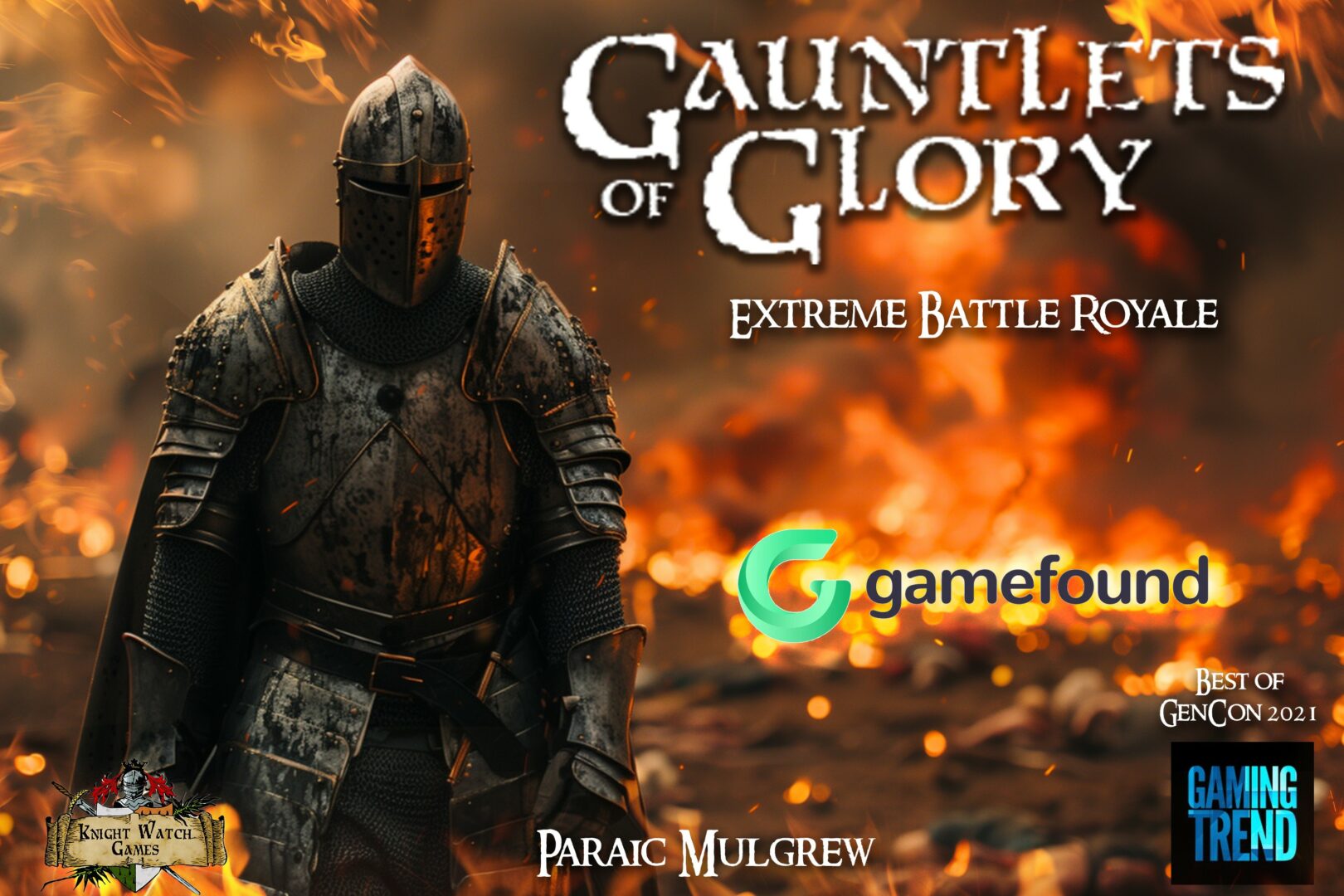
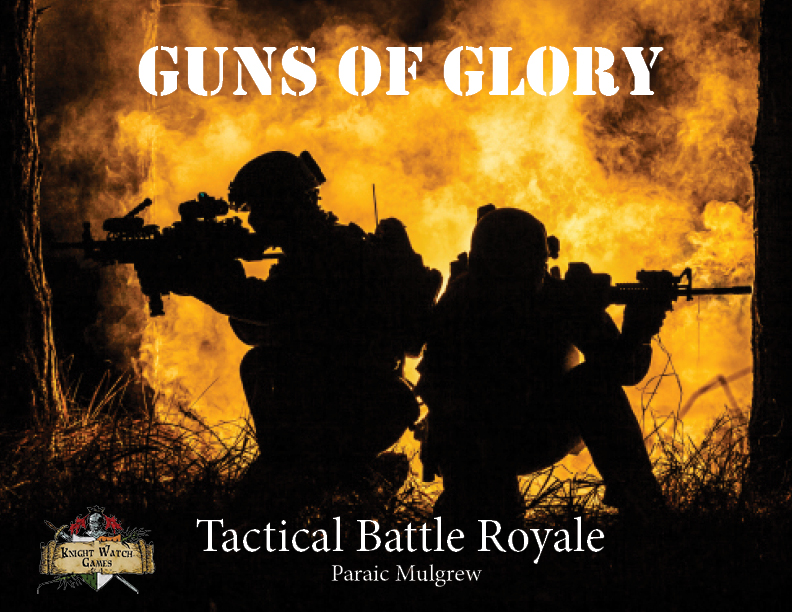
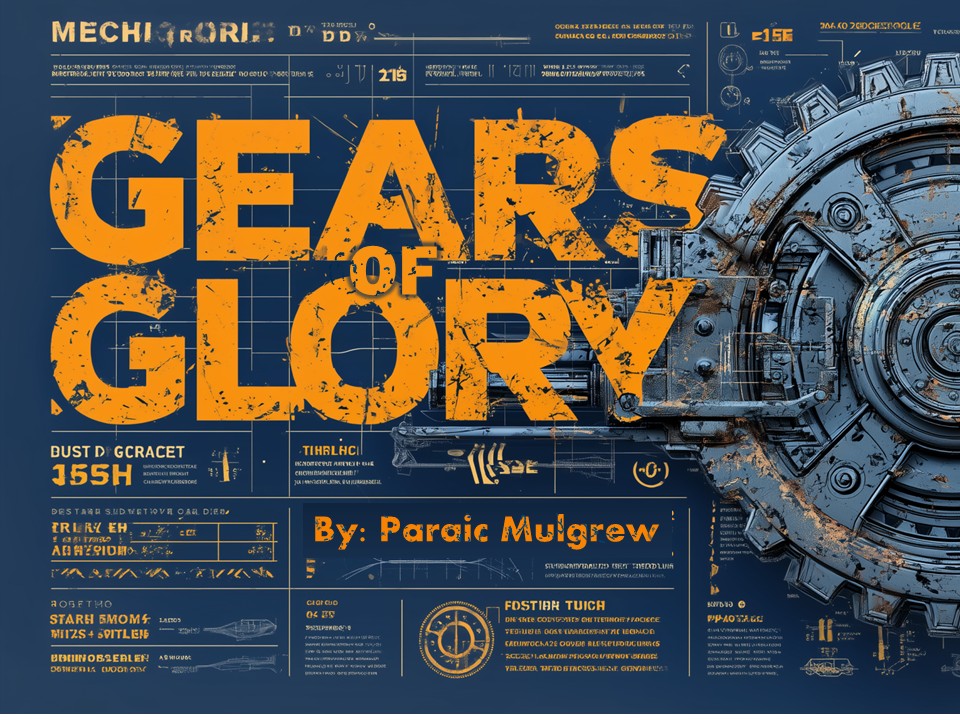
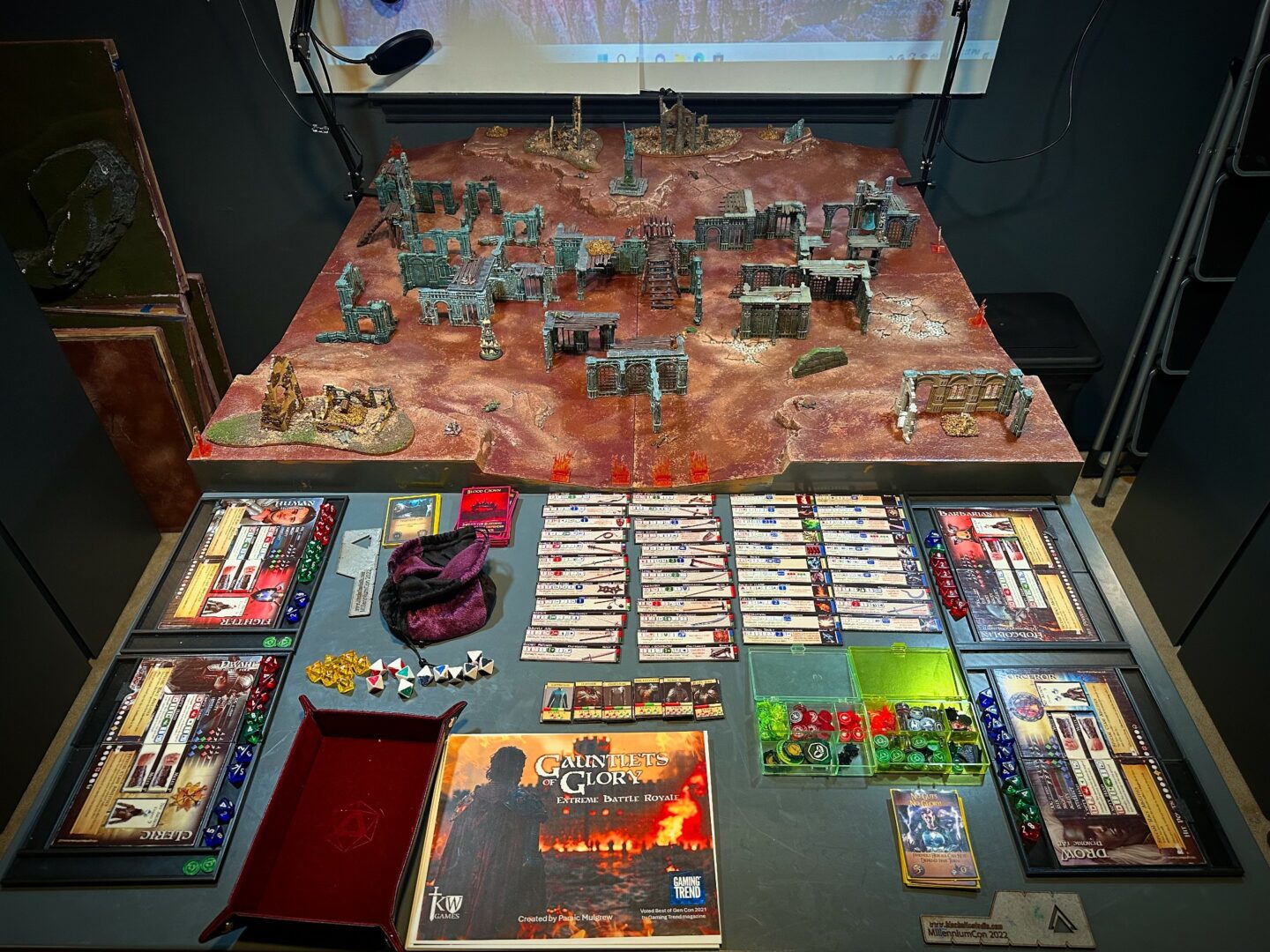
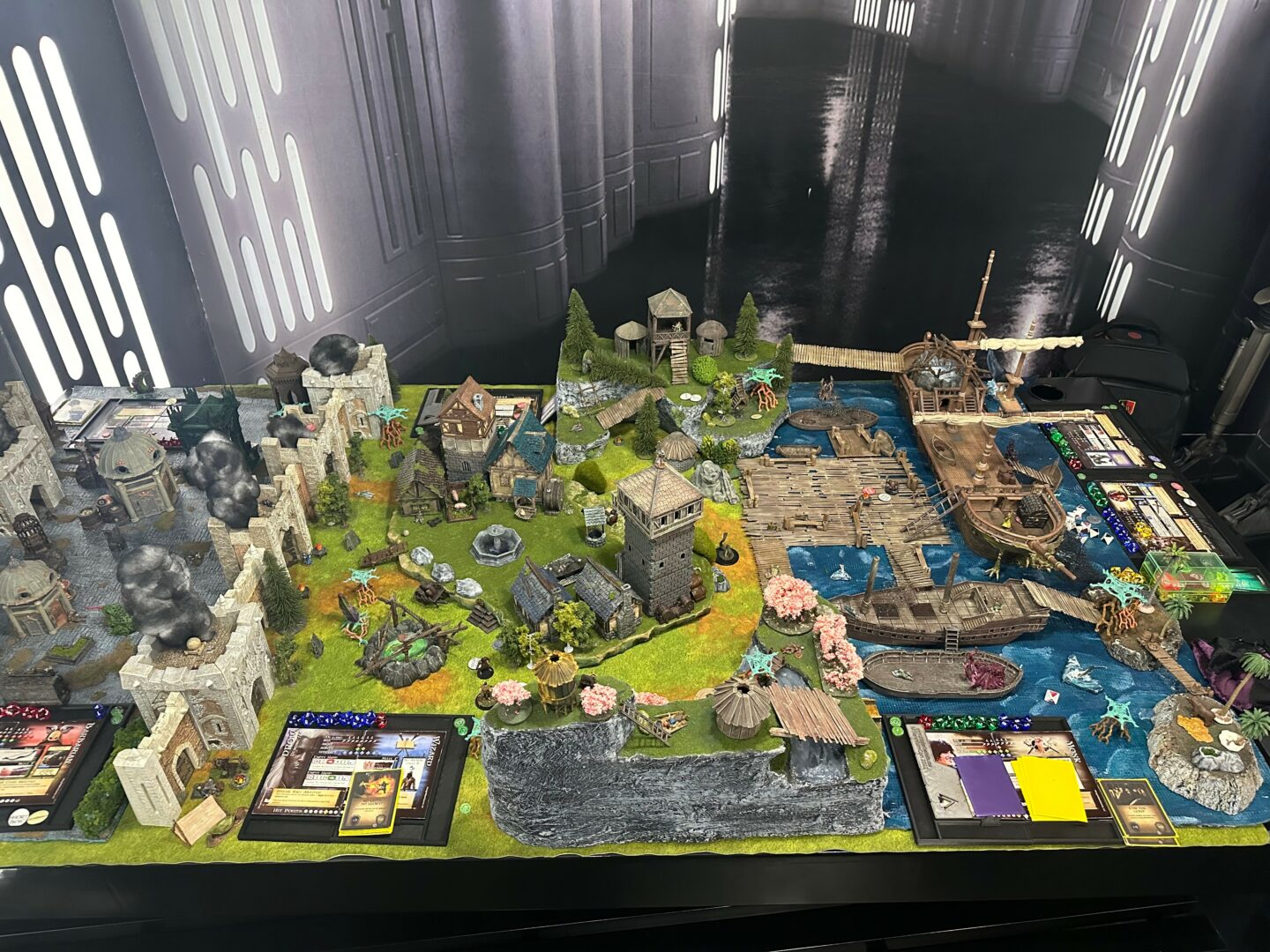
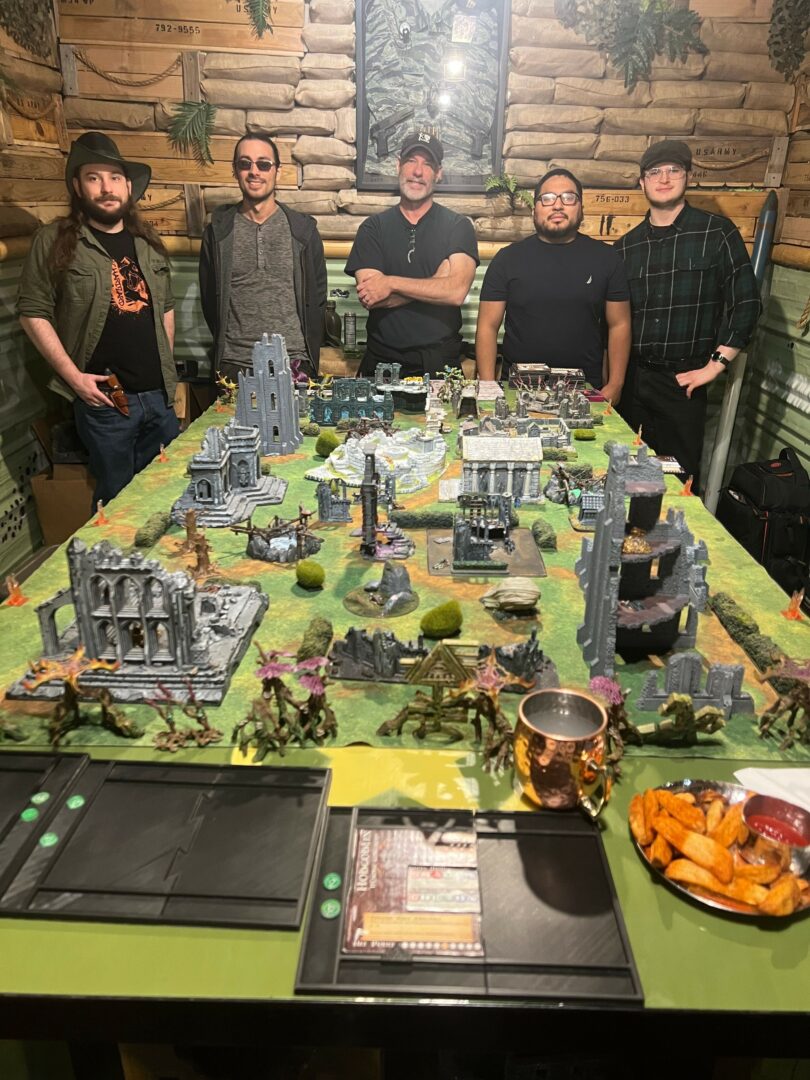
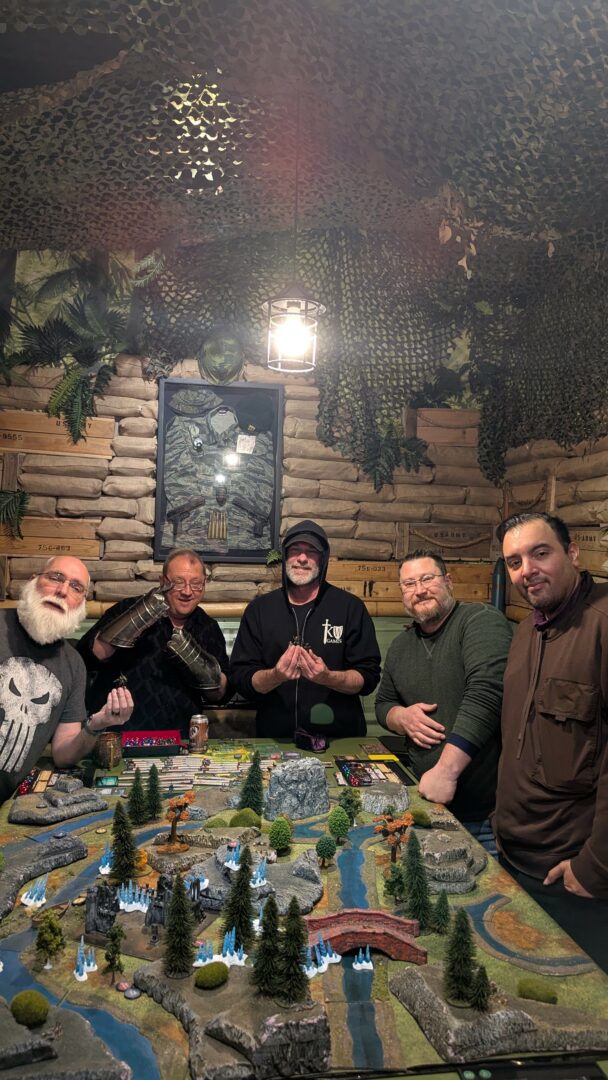
Image Credits
Paraic Mulgrew
so if you or someone you know deserves recognition please let us know here.