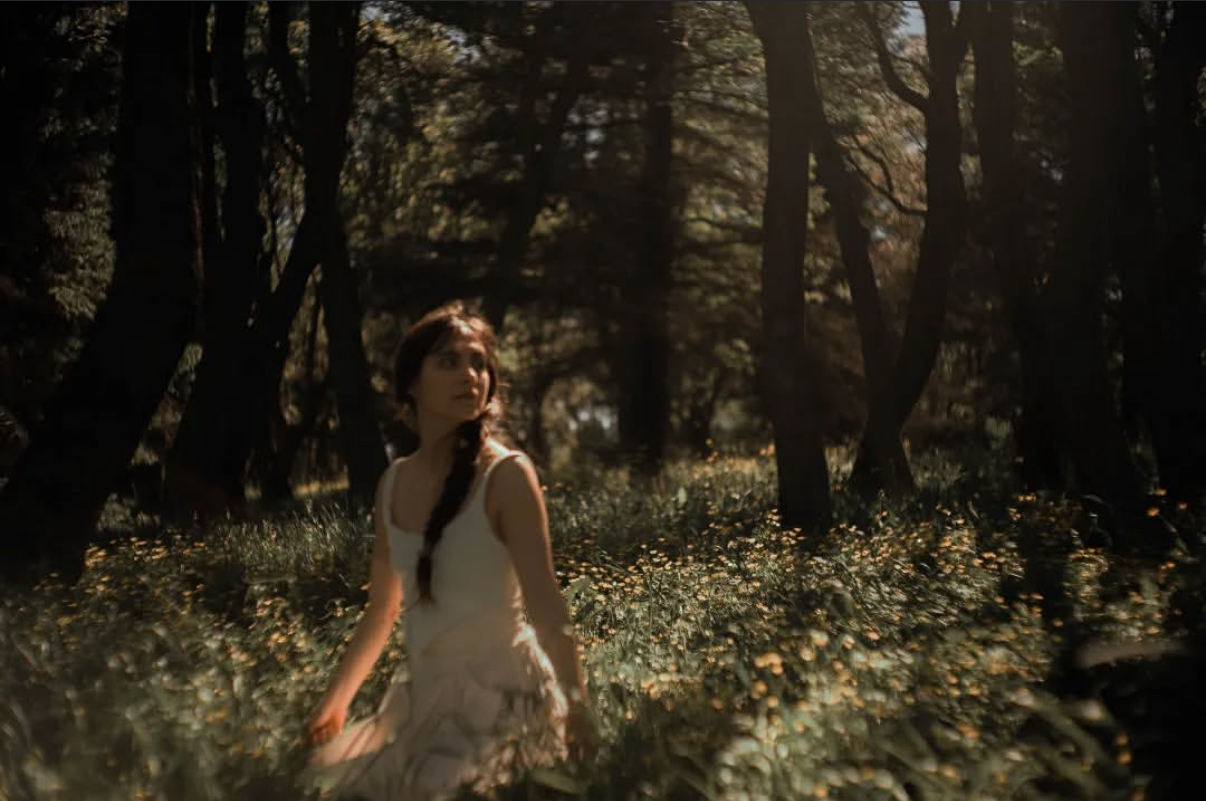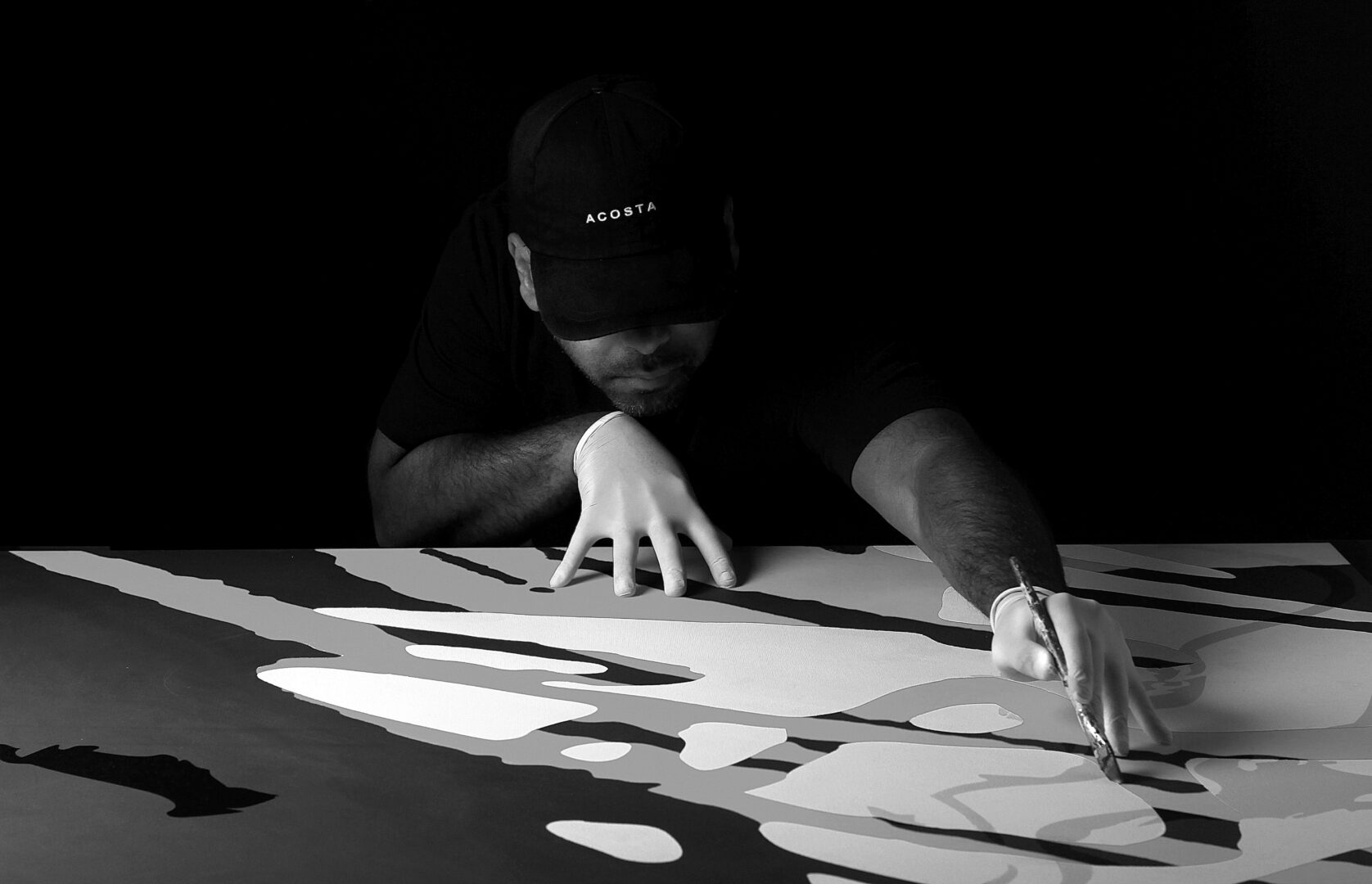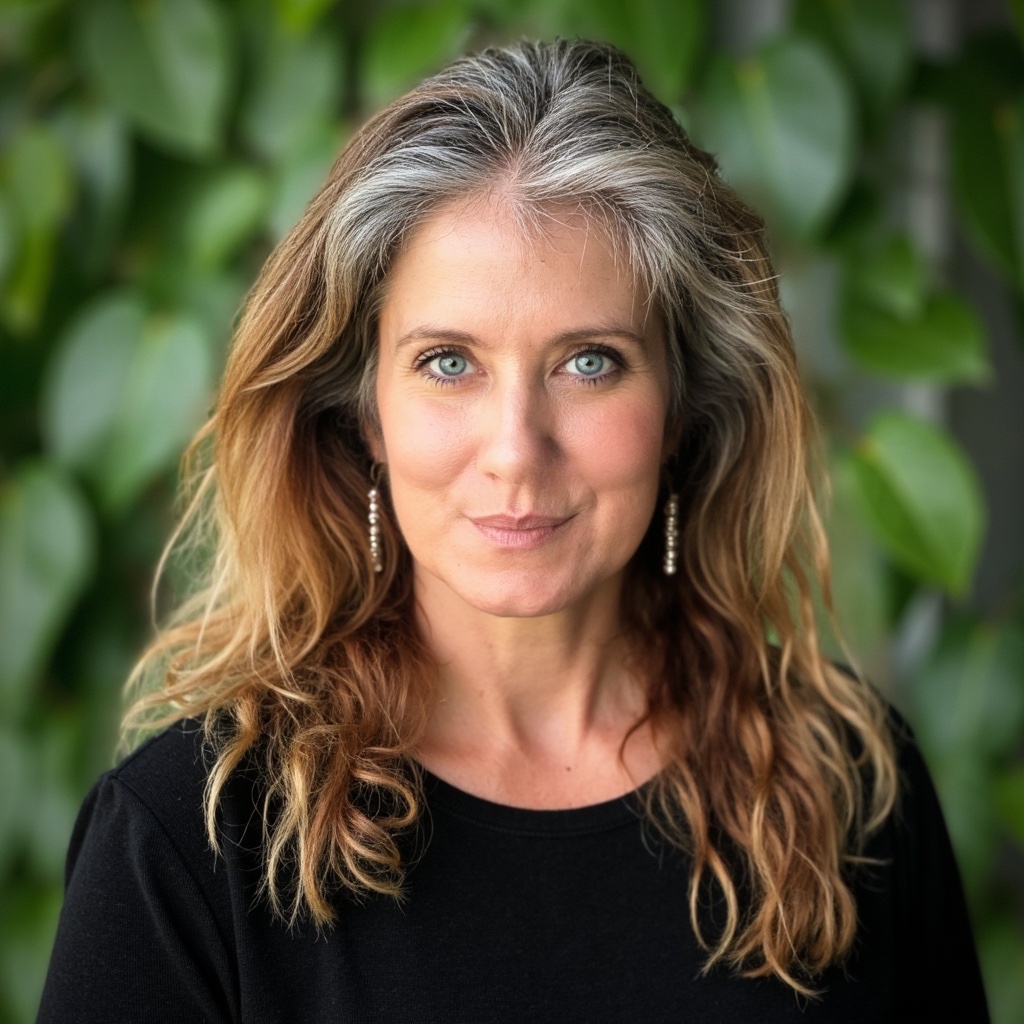
We’re looking forward to introducing you to Julianne DiBlasi. Check out our conversation below.
Hi Julianne, thank you for taking the time to reflect back on your journey with us. I think our readers are in for a real treat. There is so much we can all learn from each other and so thank you again for opening up with us. Let’s get into it: What do you think is misunderstood about your business?
Most people assume downloadable education resources are quick to create—just a worksheet and done. In reality, they require research, accessibility considerations, differentiation options, design work, testing with students, and often revisions based on teacher feedback. High-quality printables take time because they must be clear, functional, age-appropriate, and classroom-ready.
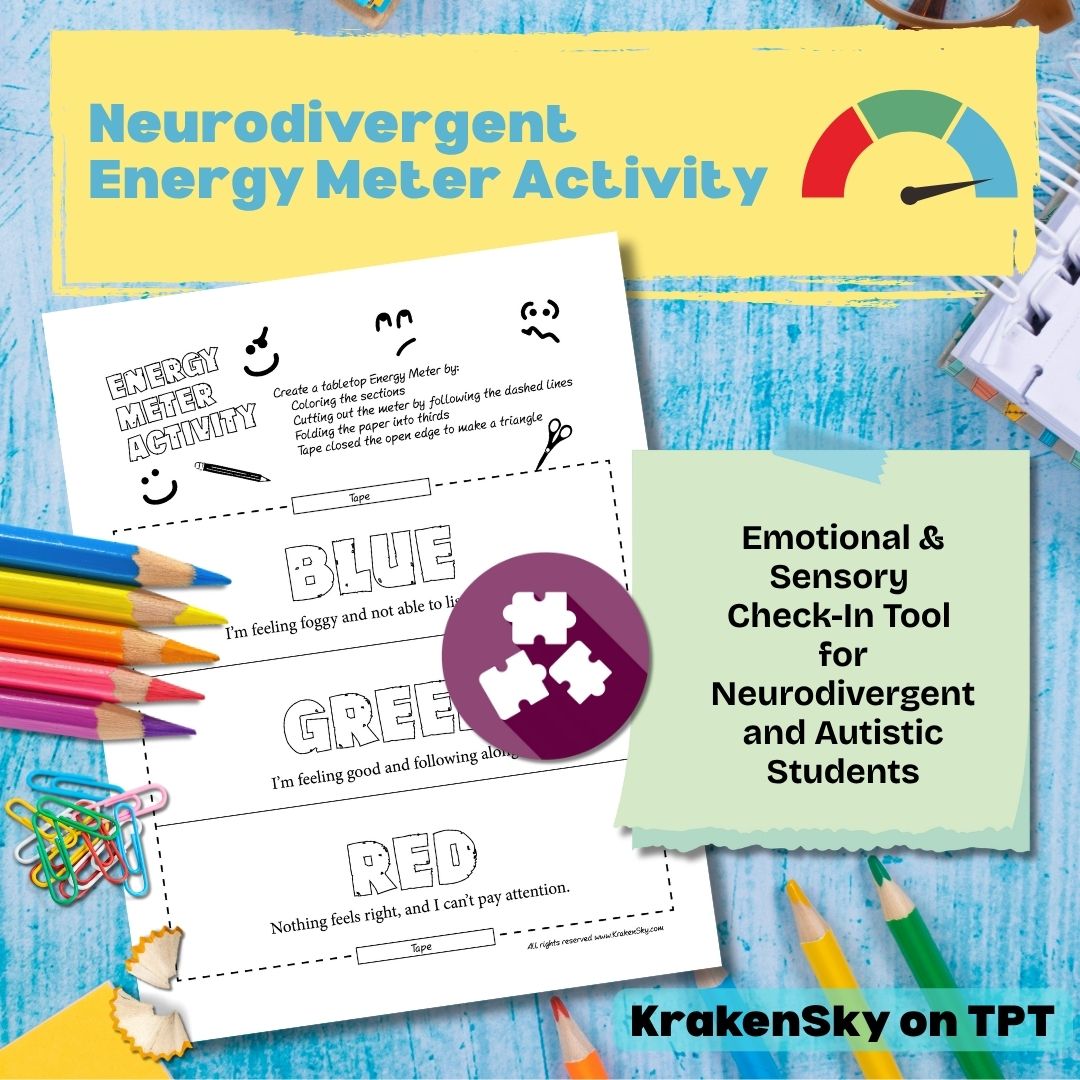
Another misconception is that people think a resource that works for one group will work for everyone. But effective printables need to support neurodivergent students, multilingual learners, visual learners, sensory-sensitive learners, and kids who need more structure or more flexibility. Good resources are built with multiple access points and scaffolding built in.
It can be another hiccup when people think free resources are of “lesser quality.” In reality, creators often make free downloads intentionally high-quality so teachers can try them out, get inspired, or use them in a pinch. Free doesn’t mean low effort—sometimes those resources take as much time as paid ones.
Can you briefly introduce yourself and share what makes you or your brand unique?
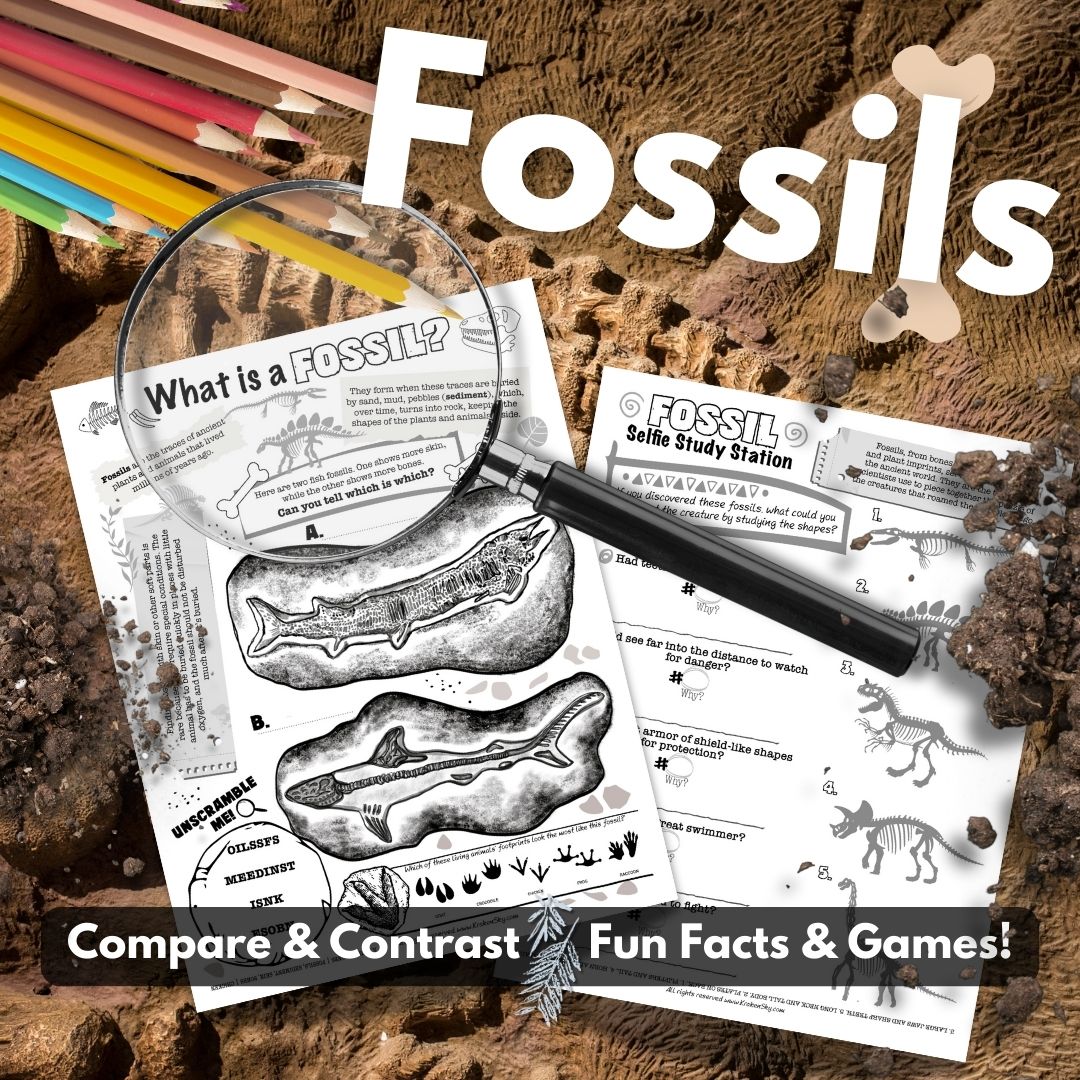
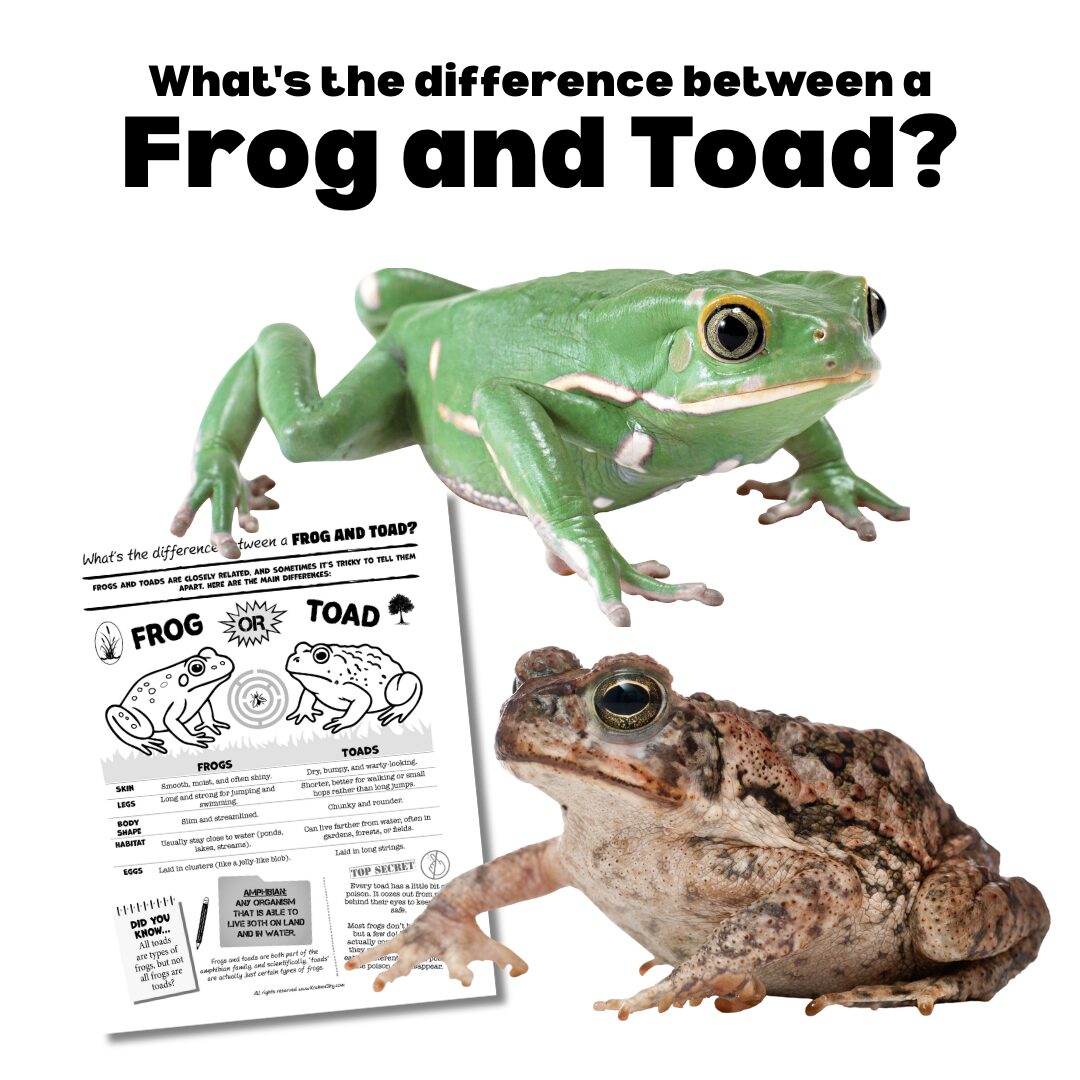
My name is Julianne DiBlasi, and I’m the founder of CreativeBrainsGrowHere.org, a growing hub of printable science activities, nature-themed art lessons, and teacher-friendly classroom resources. As an artist, author, and designer with decades of experience in global branding, I create high-quality printable worksheets, hands-on science + art projects, and kid-friendly ecology activities that help educators bring creativity and curiosity into the classroom.
What makes my work unique is the blend of art, ecology, and real-world discovery—all designed to support busy teachers with ready-to-use educational materials, low-prep lessons, and engaging nature-based learning. I also run a social feed featuring curated classroom reels to give educators easy ideas they can implement right away.
Right now, I’m working on new eco-art lessons, expanding my citizen-science resource library, and growing a fundraising initiative that helps classrooms gain access to free high-quality art and science supplies. If you’re an educator searching for free printables, STEM-inspired activities, or no-prep nature worksheets, my free download library is always growing—and you can explore it here:
👉 https://www.teacherspayteachers.com/store/krakensky/category-free-activities-here-1269470
Appreciate your sharing that. Let’s talk about your life, growing up and some of topics and learnings around that. What’s a moment that really shaped how you see the world?
When I was young, a single visit to the city dump changed the way I saw the world. Standing in front of mountains of waste—piled up and forgotten—I felt the weight of what our throwaway culture was doing to the planet. That moment sparked my passion for creating educational resources that teach kids and families about nature, conservation, and the impact of our choices. Everything I design now is rooted in that early realization: when children understand nature, they’re far more likely to protect it.
Do you remember a time someone truly listened to you?
A memory that really stands out for me was in college. We were doing a painting critique of our finished assignments, going around the room to explain and present our work. I had just finished something I was really proud of and was worried that my enthusiasm would be blunted if my classmates’ critique was too harsh.
The instructor had me talk about my piece and then asked me to restate my thoughts on it a second time. It was unusual to be asked to present twice, so I was careful that my second description of the art was different than the first, thinking I wasn’t clear enough the first time around. I understood after finishing that the instructor was keenly interested and not only heard me, but wanted to hear more. It was an incredible experience to feel fully “enough” in an environment designed to nitpick and find fault.
I think our readers would appreciate hearing more about your values and what you think matters in life and career, etc. So our next question is along those lines. What are the biggest lies your industry tells itself?
One of the fundamental principles of education holds it back. Every piece of educational material is first categorized by age. It’s harmful to try to keep young minds within goal posts that aren’t designed for everyone. Holding to traditional standards about how old you should be when you graduate, what age you should attend college, etc., creates so much unnecessary drama for the gifted, the delayed, the neurodivergent, and the late starters. Grouping knowledge by something as arbitrary as age basically tells students that they are silly if they still enjoy younger books, or that they are too young for concepts they might fully understand and flourish on.
I would love to see an educational model where a student’s reading, language, math, etc., levels guide them through classrooms with no age or grade attached, where 9-year-olds learn the educational standards alongside teens, because that is where each of their personal aptitudes has brought them.
Thank you so much for all of your openness so far. Maybe we can close with a future oriented question. Are you doing what you were born to do—or what you were told to do?
In a way, both. I’ve always known I was an artist. I’ve always known that I had an inquisitive mind. But the creative community creates a narrative around art as a complex craft to succeed in. It therefore sets an expectation of making it a career at a very low level—a self-fulfilling prophecy of underachievement. So I feel I was born to be a professional creator, and while I may have started out being told it would only be a hobby, I’m working on unlearning those stereotypes as time moves forward.
Contact Info:
- Website: https://creativebrainsgrowhere.org/
- Instagram: https://www.instagram.com/creativebrainsgrowhere/
- Linkedin: https://www.linkedin.com/in/juliannediblasi/
- Facebook: https://www.facebook.com/creativebrainsgrowhere/
- Other: https://pinterest.com/creativebrainsgrowhere
https://www.teacherspayteachers.com/store/krakensky
https://www.amazon.com/author/juliannediblasi
https://www.etsy.com/shop/KrakenSky
www.tiktok.com/@creative.brains.g



so if you or someone you know deserves recognition please let us know here.