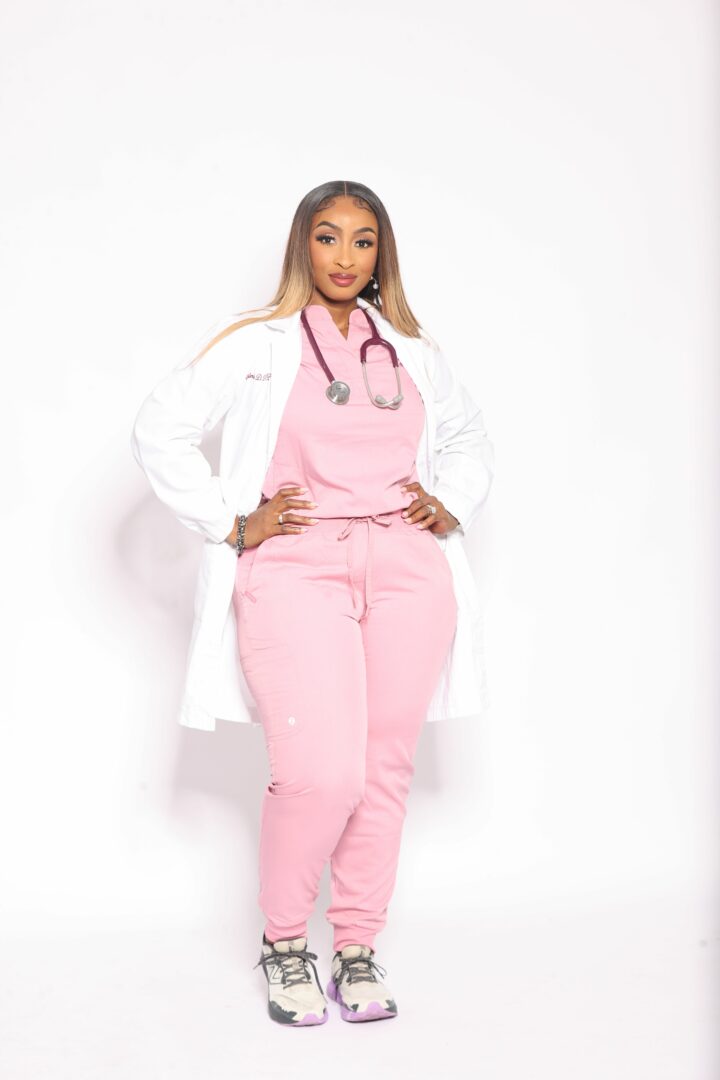
We recently had the chance to connect with Valerie Dornema DNP. APRN, FNP-BC and have shared our conversation below.
Hi Valerie , thank you so much for joining us today. We’re thrilled to learn more about your journey, values and what you are currently working on. Let’s start with an ice breaker: What are you most proud of building — that nobody sees?
What I’m most proud of building is something invisible but transformative: a mindset shift in nursing students who’ve been told they can’t pass their nursing exams
I’m building belief systems in students who’ve lost faith in themselves. I’m building resilience frameworks that help them bounce back from failure stronger than before. I’m building a culture of support in a profession that has historically eaten its young.
Can you briefly introduce yourself and share what makes you or your brand unique?
I’m Dr. Valerie Dornema, DNP, APRN, FNP-BC, and I’m on a mission to change how nursing students approach the nursing board exam—especially those who’ve been told they can’t pass.
I’m the founder of NCLEX Gems Review, where I help nursing students who struggle with their board exams transform anxiety into confidence through proven test-taking strategies and mindset shifts. With over 15 years of clinical experience in Medical-Surgical and Progressive Care settings, plus my Doctor of Nursing Practice degree, I bring both real-world nursing expertise and advanced educational knowledge to every student I work with.
What Makes My Approach Different
Here’s what makes my work unique: I’ve been where my students are. As an immigrant nursing student, I faced language barriers, self-doubt, and obstacles that made me question whether I belonged in this profession. That struggle became my superpower—it gave me deep empathy and insight into what students face when they’re staring down the NCLEX, especially after failing once, twice, or even three times.
I don’t just teach test-taking strategies—I rebuild belief systems. My approach is built on what I call the “3 G’s”: Growth, Grace, and Grit. Growth mindset to see failure as feedback, Grace to forgive yourself and keep moving forward, and Grit to push through when it gets hard.
My Current Mission
Right now, I’m authoring an ebook specifically for students who’ve struggled with their NCLEX, focusing on the test-taking strategies and mental frameworks that actually work. I’m also committed to breaking down the toxic “nurses eat their young” culture and building a new generation of nurses rooted in support, mentorship, and excellence.
Every student who passes their NCLEX through my program isn’t just getting a license—they’re proving to themselves they were capable all along. That transformation? That’s what drives me every single day.
Thanks for sharing that. Would love to go back in time and hear about how your past might have impacted who you are today. Who were you before the world told you who you had to be?
Before the world told me who I had to be, I was simply someone who wanted to help people heal.
I didn’t know about the politics of nursing. I didn’t know about the hierarchy, the “eating your young” culture, or the unspoken rules about staying quiet and fitting in. I didn’t know that as an immigrant, I’d face extra scrutiny or that my accent would make people question my competence before I even opened a patient’s chart.
Before all of that, I was just a person with compassion and a calling—someone who believed that caring for others was the highest form of service.
The world tried to tell me I had to be tougher, less emotional, more “professional” in ways that often meant suppressing the very empathy that drew me to nursing. It tried to tell me that struggling meant I wasn’t cut out for this. It tried to tell me that my background was a barrier instead of a bridge.
But here’s what I’m reclaiming: that original version of myself was right all along.
The compassion I had before the world tried to harden me? That’s what makes me a better educator. The struggles I faced that the world said disqualified me? Those are exactly what qualify me to help students who feel the same way. The belief that nursing should be about lifting people up, not tearing them down? That’s the culture I’m building now.
So who was I before? I was someone who believed nursing could be different—kinder, more supportive, more human. And now, I’m becoming her again, but with the wisdom and credentials to actually make that vision real.
Was there ever a time you almost gave up?
Yes. More than once.
There was a moment during nursing school when I sat in my car after a particularly difficult clinical day, wondering if I was fooling myself. The language barriers felt insurmountable. I’d study twice as hard as my classmates just to understand the material in a language that wasn’t my first. I watched other students grasp concepts quickly while I struggled to translate not just the words, but the entire way of thinking.
I remember thinking: Maybe everyone’s right. Maybe this isn’t for me.
But here’s what changed everything: I realized that my struggle wasn’t a sign I didn’t belong—it was preparation for exactly the work I’m doing now.
Every time I wanted to give up, I thought about the patients who needed advocates, the students who would face the same barriers I did, and the version of myself that would regret not pushing through. I thought about how nursing desperately needs people who understand what it’s like to feel like an outsider, who know what it means to fight for your place at the table.
The truth is, I didn’t almost give up once—I almost gave up multiple times. And each time, I made the choice to keep going. Not because it got easier, but because I got stronger. Not because the barriers disappeared, but because I learned to climb over them.
Now, when my students tell me they want to give up after failing the NCLEX, I understand that moment intimately. I know what it feels like to question everything. And I can tell them with absolute certainty: that moment of wanting to quit? It’s not the end of your story. It’s often right before your breakthrough.
I’m living proof that the person who almost gave up can become the person who helps others keep going.
Sure, so let’s go deeper into your values and how you think. What would your closest friends say really matters to you?
My closest friends would tell you that what really matters to me is seeing people realize they’re capable of more than they believed possible.
They’d say I can’t stand injustice—especially when it’s disguised as “tradition” or “the way things have always been done.” They know I get fired up when I see nursing students being dismissed or when I hear about new nurses being bullied instead of mentored. They’ve heard me rant about the “nurses eating their young” culture more times than they can count.
But they’d also tell you that beneath all that fire is something softer: I genuinely believe in people. Sometimes more than they believe in themselves.
My friends would say I’m the person who won’t let you give up on yourself. If you’re my student and you’ve failed the NCLEX three times, I’m not writing you off—I’m figuring out what approach we haven’t tried yet. If you’re doubting yourself, I’m reminding you of every obstacle you’ve already overcome.
They’d tell you that advocacy runs through everything I do—whether it’s advocating for my students to get the support they need, advocating for nurses to speak up about unsafe working conditions, or advocating for a complete culture shift in how we treat the next generation of nurses.
Okay, we’ve made it essentially to the end. One last question before you go. When do you feel most at peace?
The second is actually when I’m alone, early in the morning, before the world wakes up. That’s when I can hear myself think. That’s when I reconnect with why I started this work in the first place. I’ll sit with my coffee, maybe journal, and remind myself of the immigrant student I used to be—the one who felt so lost and alone. In those quiet moments, I feel at peace because I know that younger version of me would be proud of who I’ve become.
But here’s the honest truth: peace doesn’t come naturally to me. I’m wired to fight, to advocate, to push for change. So when I do feel peace, it’s usually because I’ve created it intentionally—through prayer, through reflection, or through celebrating a student’s victory.
I’ve learned that peace isn’t the absence of struggle. For me, it’s the presence of purpose. When I know I’m doing exactly what I’m meant to do—helping students who feel the way I once felt—that’s when everything settles. That’s when I can breathe.
Peace, for me, is knowing I’m building something that matters. And that the struggle I went through wasn’t wasted—it’s become the bridge that helps others cross over to their dreams.
Contact Info:
- Website: https://www.nclexgemreview.com
- Instagram: @nclexgemreview
- Facebook: Nclexgemreview



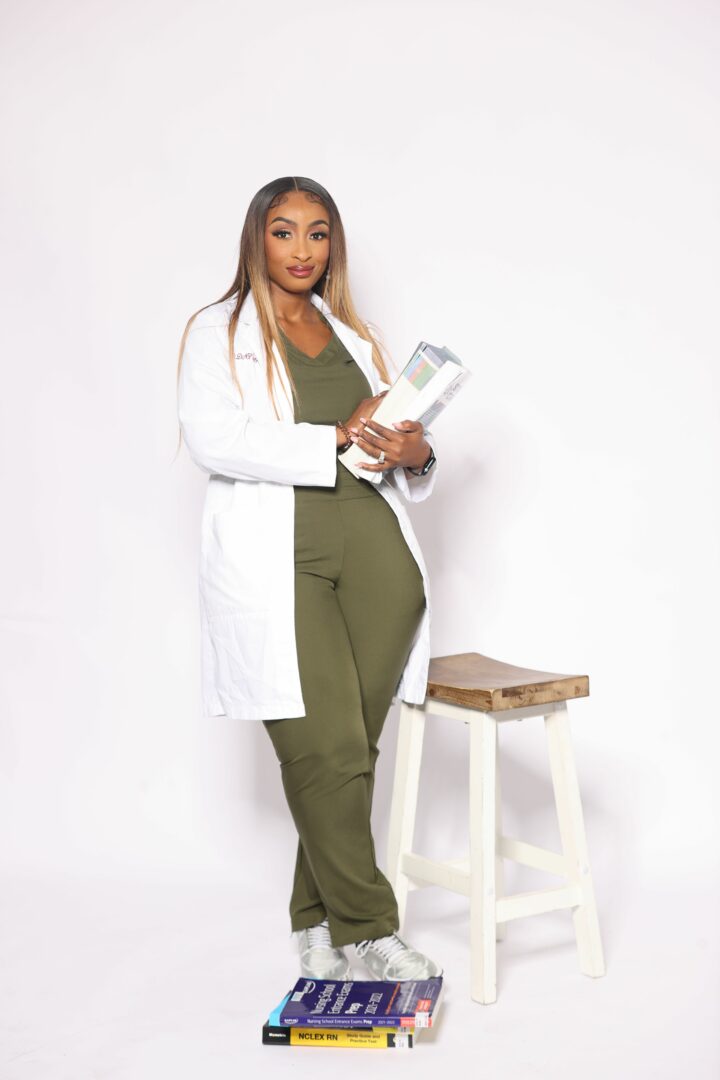
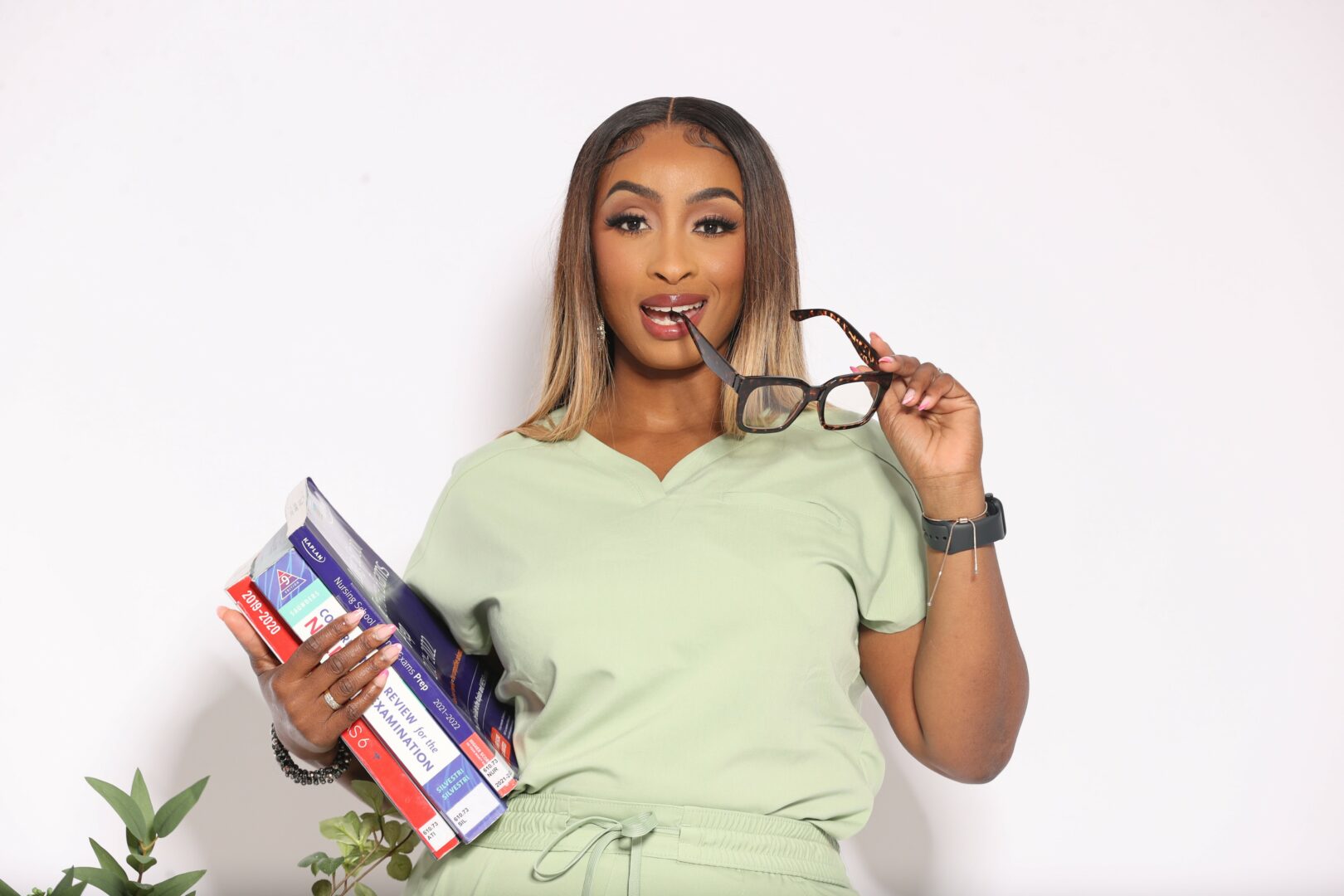
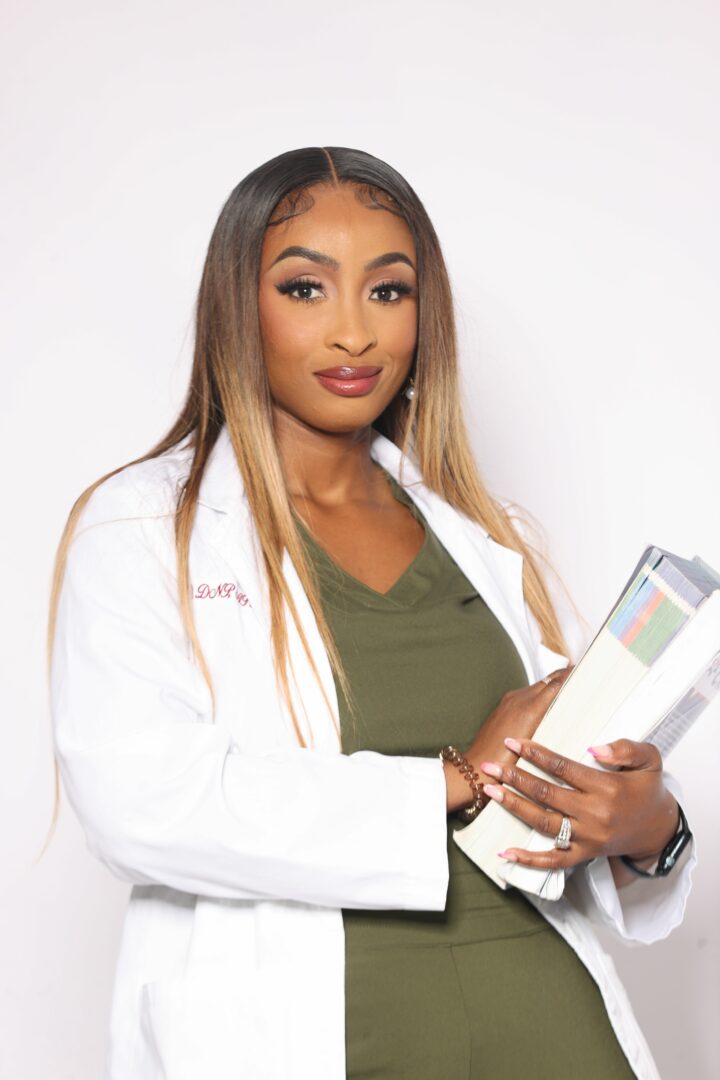
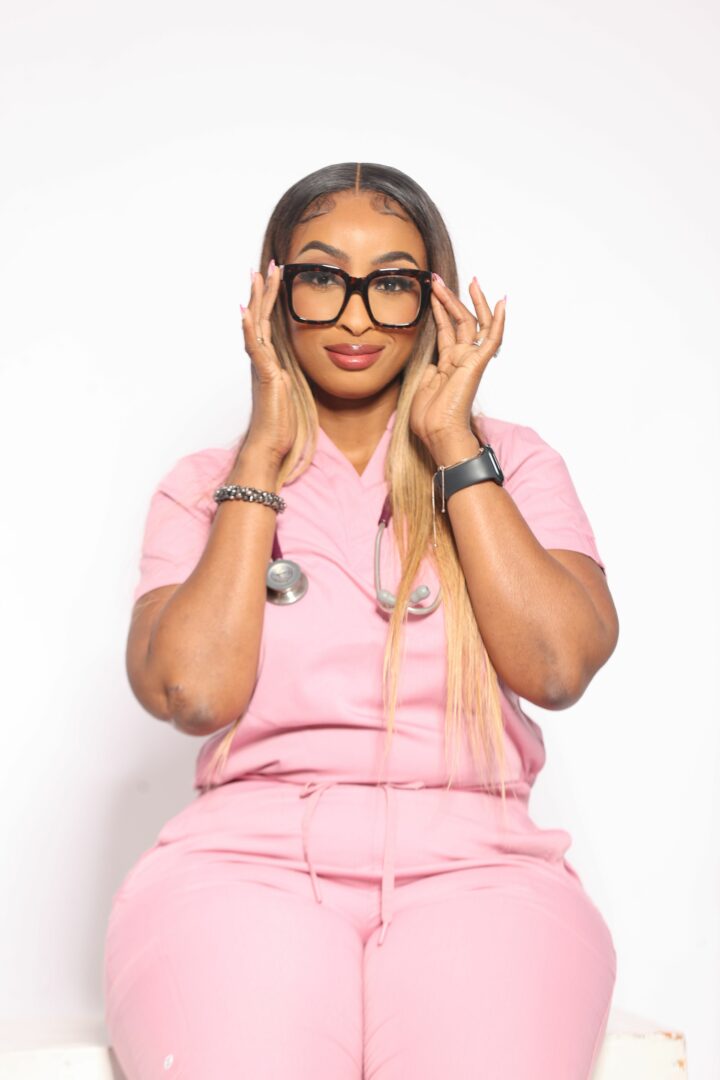

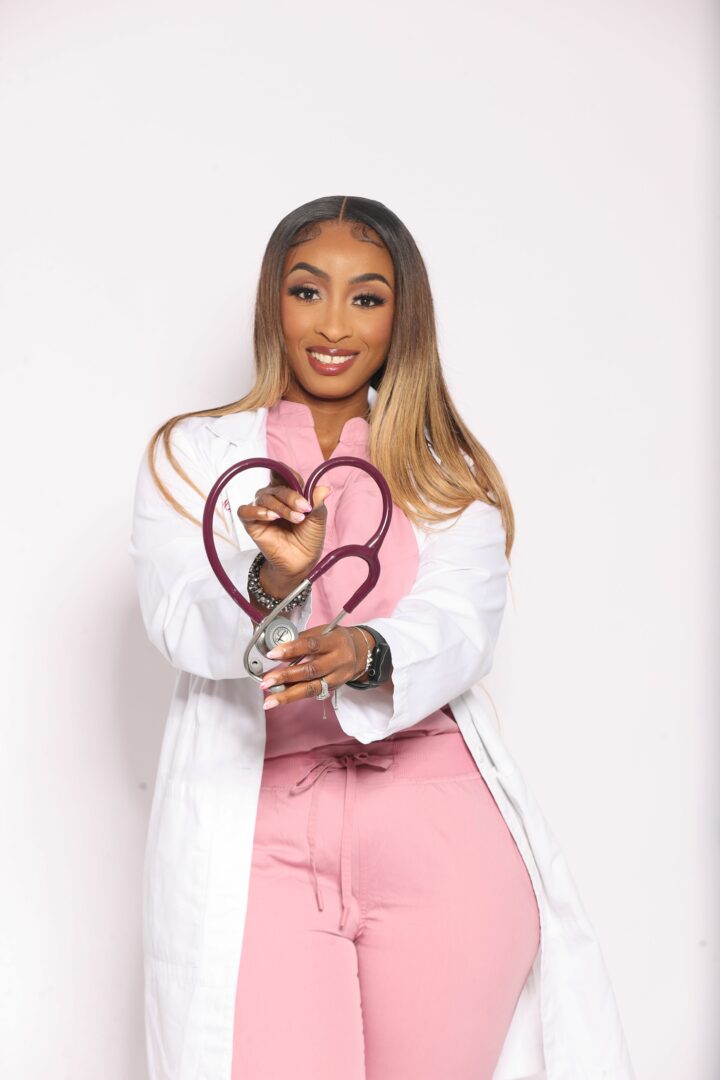
Image Credits
Soulpho Photography LLC
so if you or someone you know deserves recognition please let us know here.