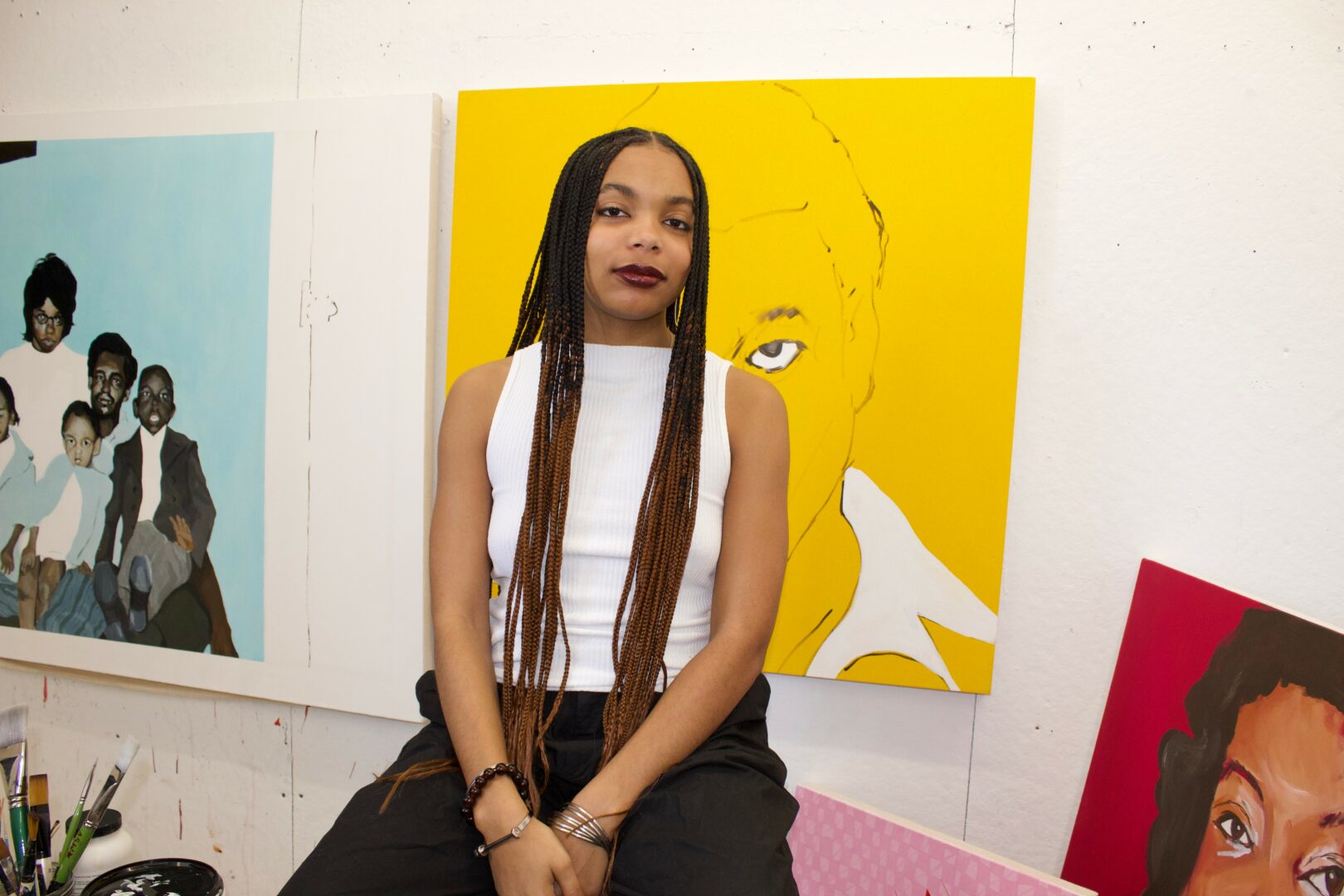
Amadi Williams shared their story and experiences with us recently and you can find our conversation below.
Amadi, so good to connect and we’re excited to share your story and insights with our audience. There’s a ton to learn from your story, but let’s start with a warm up before we get into the heart of the interview. What is a normal day like for you right now?
A normal day for me starts early as I get ready for work at Galerie Lelong, where I’m a gallery assistant. My time at the gallery is filled with activity, surrounded by inspiring artwork and engaging with visitors and colleagues. Once the workday ends, I usually head straight to the studio. I take the train and use that time to unwind and knit, then I start painting as soon as I get there. Evenings in the studio are my favorite part of the day—it’s quiet and focused, and I can really sink into my own creative process before heading back home.
Can you briefly introduce yourself and share what makes you or your brand unique?
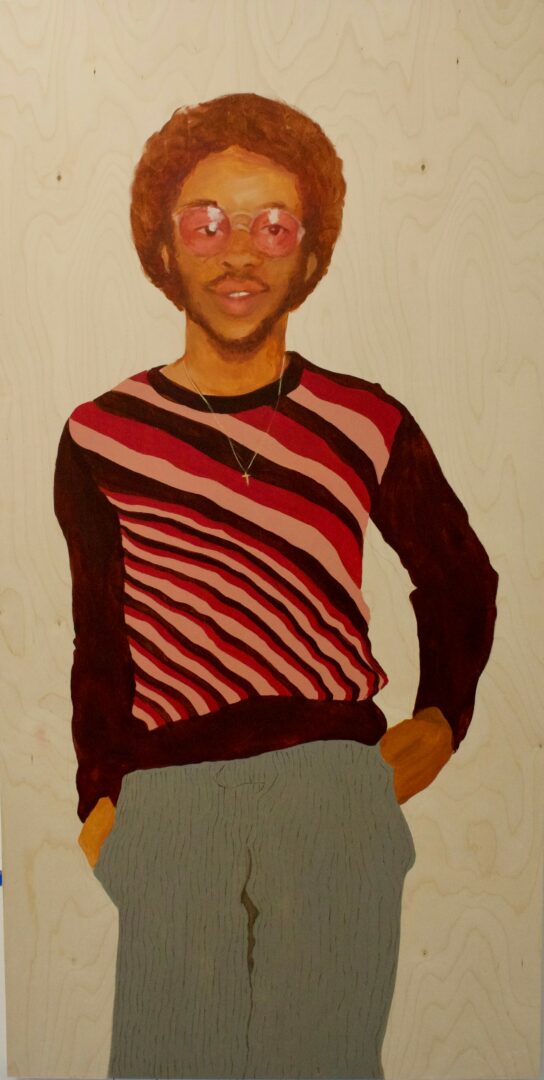
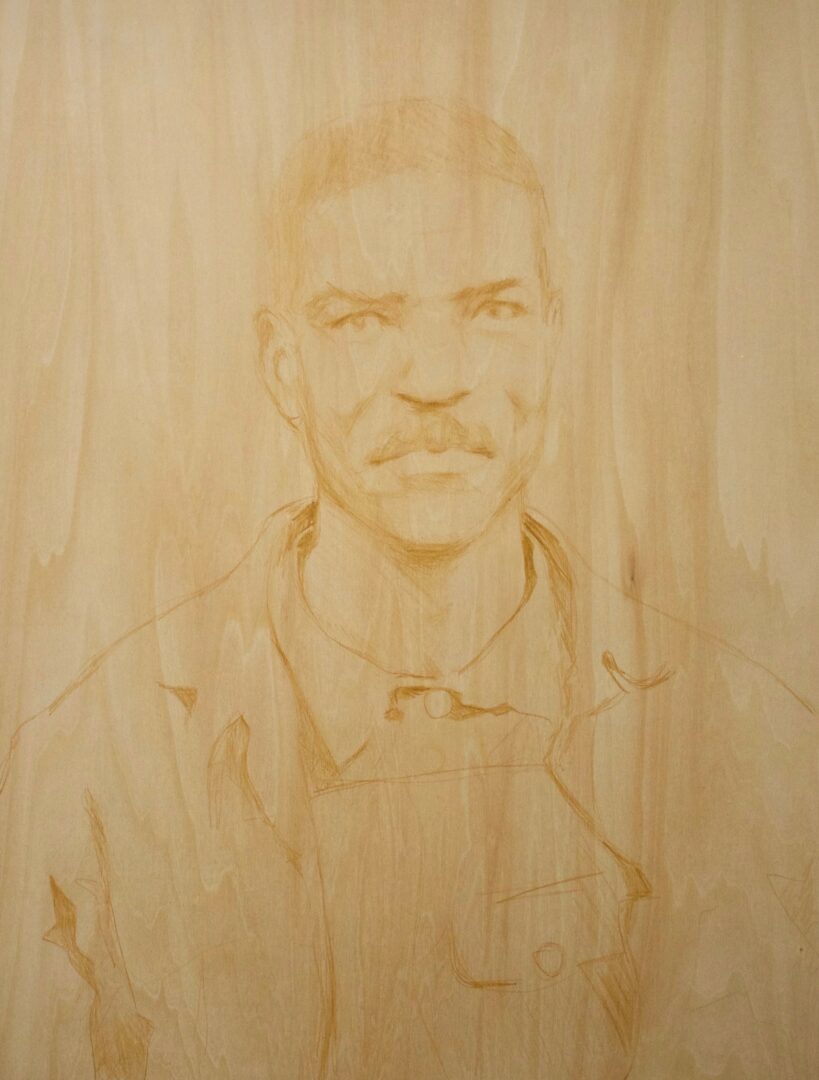
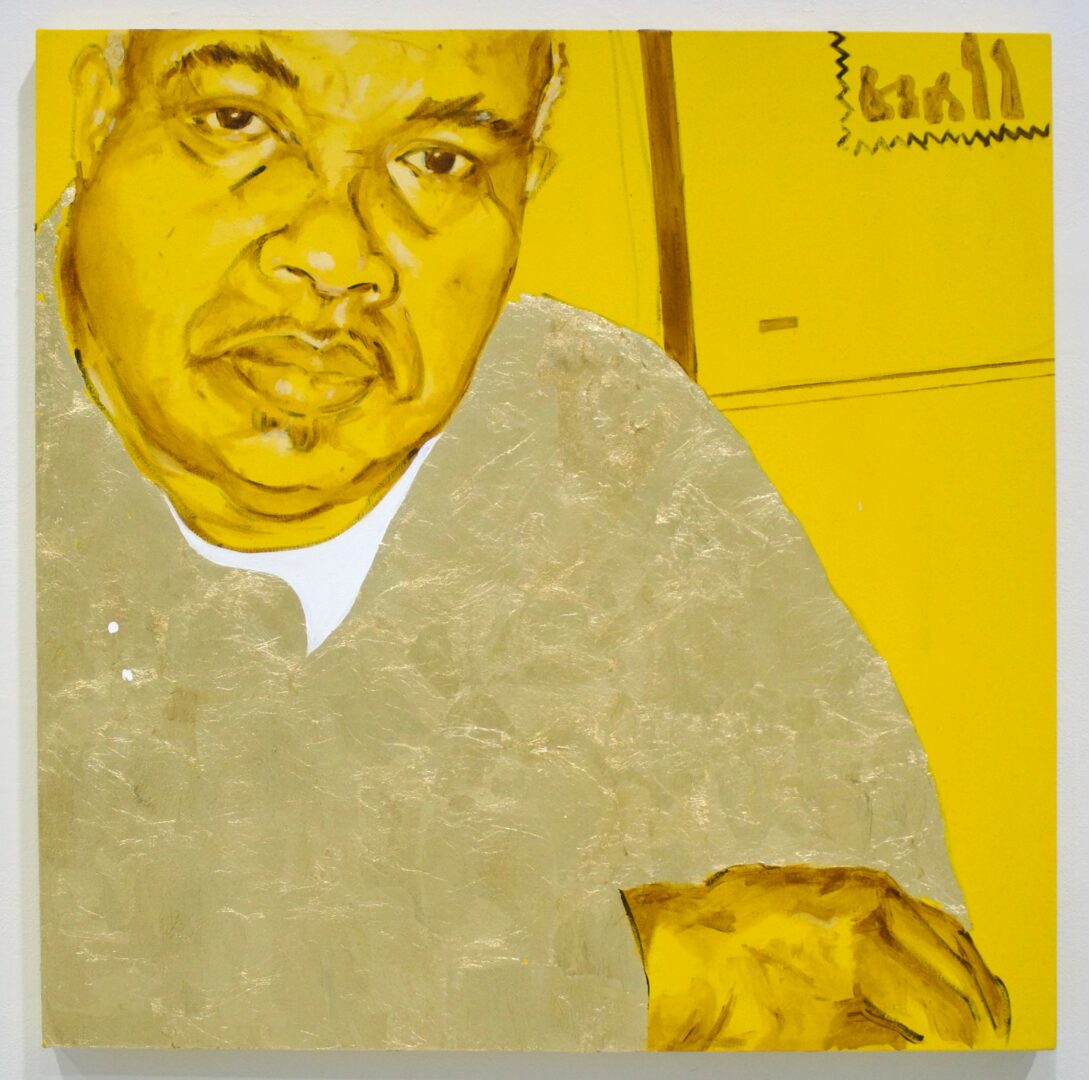
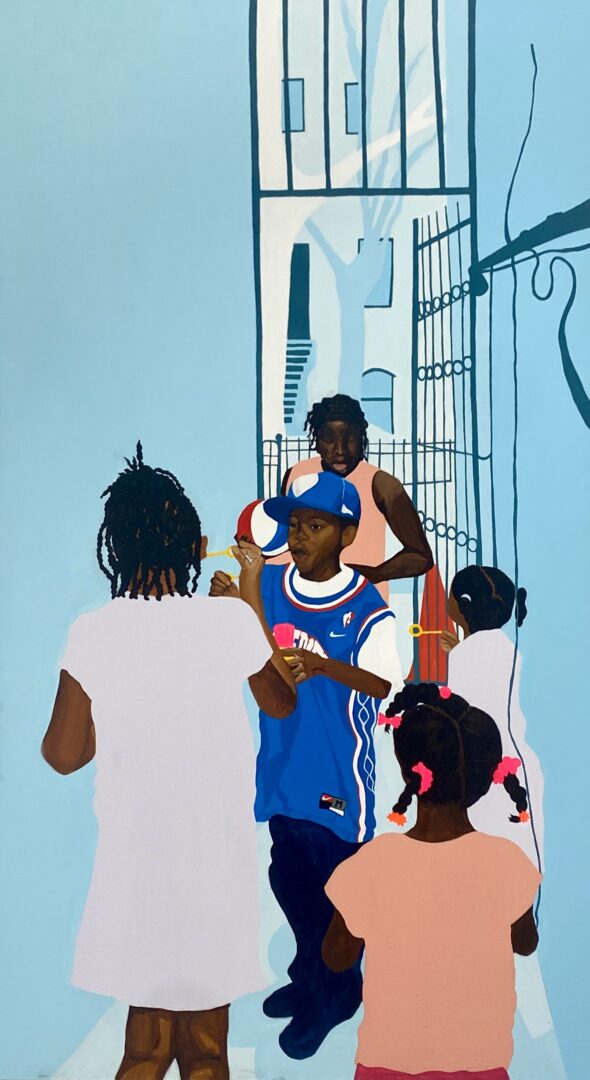
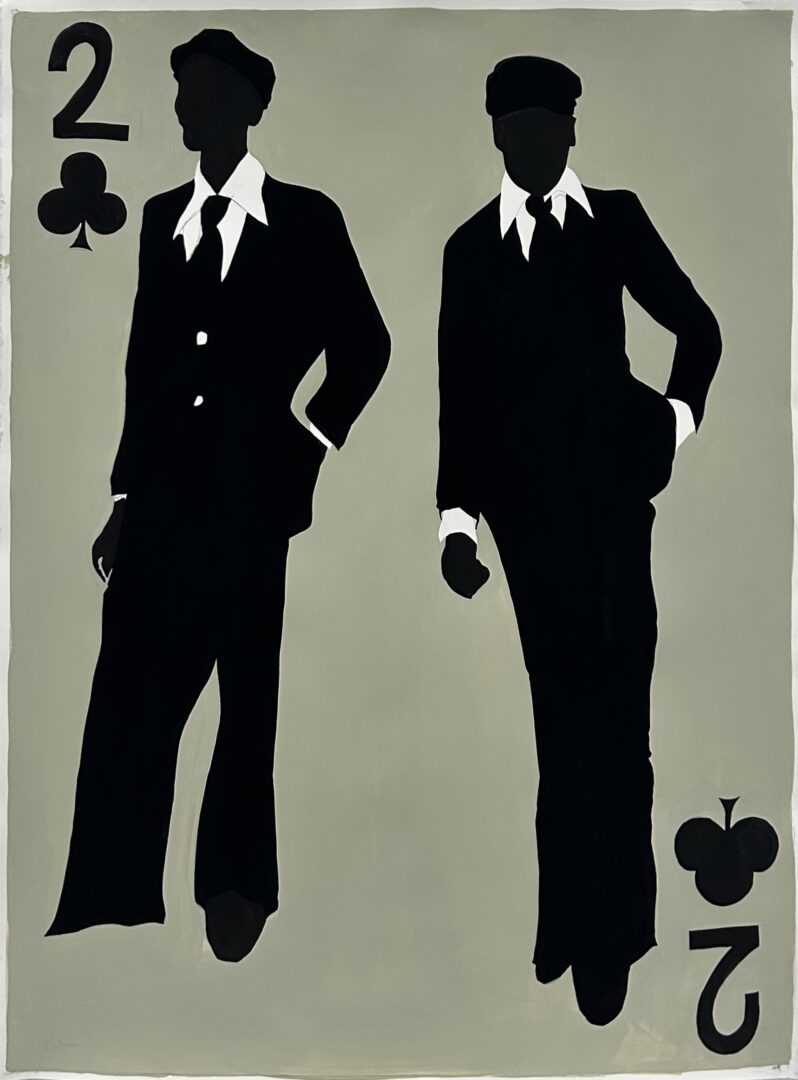
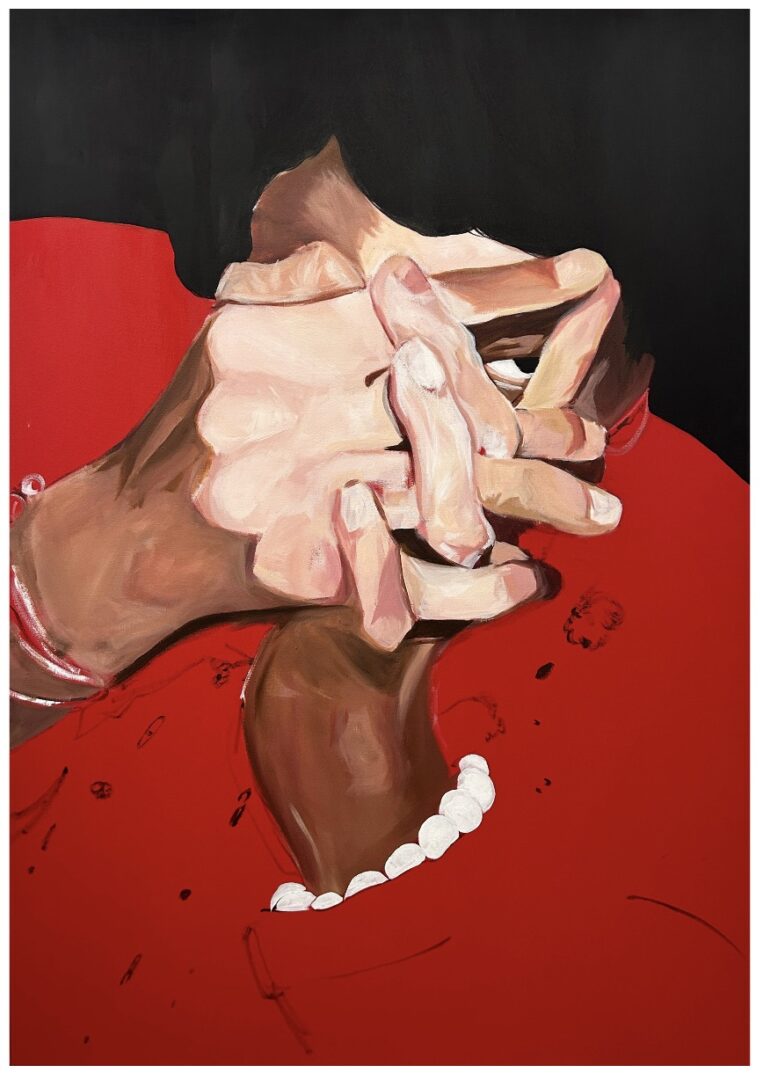
My name is Amadi Williams, and I’m a multidisciplinary artist from Brooklyn, New York. My work is rooted in family history and constantly explores the complexities of Blackness, memory, and storytelling through painting and mixed media. I draw inspiration from both my personal experiences and broader social narratives, giving a voice to underrepresented stories and challenging conventional perspectives. Right now, I’m focused on pushing these themes further in my latest projects, finding new ways to share my vision and connect with others through art.
Appreciate your sharing that. Let’s talk about your life, growing up and some of topics and learnings around that. What relationship most shaped how you see yourself?
My relationship with my grandmother has deeply shaped how I see myself and my art practice. The words of wisdom she’s shared—many passed down from her own mother—have stuck with me over the years and continue to guide my sense of self-worth. She’s always made me feel like my perspective and voice are valuable, encouraging me to think carefully about what I put into the world and how I show up for others. This influence has made my creative practice very research-driven; I want to ensure that anyone I represent in my work feels authentically seen, understood, and honored beyond outside assumptions or stereotypes. My grandmother’s stories and teachings remind me to stay rooted in honesty and care when portraying others, both in my art and in my daily life.
What fear has held you back the most in your life?
The fear of failure has often held me back, especially when navigating the uncertainties of the art world, where every step can feel like a risk. During my time at RISD, feedback sometimes made me doubt whether anyone was truly interested in the work I was creating or whether my art was worth engaging with. Those experiences sometimes undermined my confidence and made me question if my perspective mattered. However, lately I’ve been making a conscious effort to face that fear rather than run from it. Leaning into the discomfort has pushed me to take more creative risks in my practice, and I’m finding that this openness to vulnerability is helping my work evolve in new and meaningful ways.
So a lot of these questions go deep, but if you are open to it, we’ve got a few more questions that we’d love to get your take on. What’s a belief or project you’re committed to, no matter how long it takes?
Highlighting the missing person epidemic is an essential part of my work because it deeply affects communities I belong to and care about. This issue resonates with me on a personal level, recognizing how disproportionately people from my demographic are impacted and often overlooked. No matter which directions my artistic practice takes, raising awareness about missing persons continues to be a central pillar—one that drives my commitment both in my projects and on my website, where I create space for sharing resources and stories. The women I’ve spoken with over the past few years have made a profound impact on me, motivating me to amplify their voices and ensure their experiences are acknowledged. This dedication has led me to develop multiple series focused on different communities most targeted by this epidemic, and to build platforms where people can connect, find support, and stay informed.
Okay, so before we go, let’s tackle one more area. If you retired tomorrow, what would your customers miss most?
It’s interesting to reflect on this because there was a point after graduating college where I seriously considered leaving painting behind altogether. I had reached a place where I struggled to believe that my art truly mattered, especially after having people directly question whether I deserved the opportunities I was given. That doubt made it hard to see value in what I created. But as I’ve continued to grow, I’ve realized that my work does resonate with people—friends, family, and even strangers have told me how much certain pieces mean to them. Thinking about that now, I know there are those who would genuinely miss my work if I were to step away from it, and that gives me the motivation to keep going despite my moments of uncertainty.
Contact Info:
- Website: https://amadiwilliams.com
- Instagram: https://www.instagram.com/amadi13/
- Other: https://www.meaningfulvoices.com
so if you or someone you know deserves recognition please let us know here.