Christine Polite shared their story and experiences with us recently and you can find our conversation below.
Good morning Christine, we’re so happy to have you here with us and we’d love to explore your story and how you think about life and legacy and so much more. So let’s start with a question we often ask: What is something outside of work that is bringing you joy lately?
Lately, I’ve found joy in something I never thought I’d actually finish: I wrote a romance novel. I’ve always loved storytelling, and I finally decided to stop treating it like a “someday” dream and actually do it. And the stats are wild: around 80% of adults want to write a book, 15% ever start, and only about 3% finish. So getting to “The End” on an 81,000-word manuscript feels like something worth celebrating.
What’s surprised me most, though, is the community that’s come with it. I joined a professional writers’ organization, and it connected me with an incredible group of women who are ambitious, creative, supportive, and navigating careers and life alongside their art. Being part of that world has been genuinely joyful.
It’s given me a creative outlet that feels energizing and grounding — and it’s a part of my life that’s expanding me in all the best ways.
Can you briefly introduce yourself and share what makes you or your brand unique?
I’m Christine Polite, a creative strategist and storyteller based in Springfield, Virginia. At Media Cause, I help nonprofits and mission-driven organizations translate complex issues into emotionally resonant messages that move people to action. I thrive at the intersection of creativity and operations—especially in cause-driven spaces—and I’m passionate about redefining professionalism and centering justice, belonging, and antiracist values in the work.
A lot of my approach comes from who I am outside the office: a proud misfit, a mom in an interracial family, and a person living with Type 1 diabetes and ADHD. Those experiences shape the empathy, humor, and lived humanity I bring to every project. My path has never been linear—in a past life I owned a bake shop and even appeared on the first three seasons of Cake Boss—and I think that winding journey has made my work more grounded and more creative.
I’m also a romance writer, which has become an unexpected source of joy and community. I recently finished an 81,000-word manuscript and joined a professional organization for writers, which has connected me to an incredible community of women using story to shift culture in their own ways.
Right now, I’m focused on helping organizations communicate with more courage and authenticity—and continuing to build my own creative work in ways that celebrate identity, nuance, and belonging.
Appreciate your sharing that. Let’s talk about your life, growing up and some of topics and learnings around that. What’s a moment that really shaped how you see the world?
Right after my time on Cake Boss, I was working at a bake shop in New York City and had been assigned to make a cake for Katy Perry’s birthday. The day before, I ended up needing emergency surgery and couldn’t make the cake. When I finally recovered and came back to work, I was told I was fired on the spot.
I walked outside, stood on the corner, and cried. I had no job, no health insurance, and no idea what I was going to do next. It was one of the lowest moments of my life at the time, but it also forced a shift. Instead of trying to fit back into someone else’s plan for me, I decided to create my own. That’s when I chose to open my own business.
That experience changed everything for me professionally. It taught me resilience, and it gave me a deep empathy for people who are doing the best they can with what they have. If I hadn’t hit that rock-bottom moment, I don’t know where I’d be now — but it’s one of the reasons I lead the way I do today.
When did you stop hiding your pain and start using it as power?
For years after I was diagnosed with Type 1 diabetes, I did everything I could to hide it. I didn’t want people to know, and when I started wearing an insulin pump, I hated that anyone could see it. It felt like a flaw being broadcast—something that made me different in a way I didn’t ask for. So I covered it, minimized it, and pretended it didn’t affect how I moved through the world.
The real shift happened when I became a mother. Teaching my kids to love themselves, to embrace their quirks, and to accept the parts of themselves that feel imperfect forced me to confront the fact that I wasn’t modeling that for myself. I couldn’t raise children who were confident in who they are while I was actively hiding such a big part of who I am.
Little by little, I stopped covering my devices. Now I wear my CGM and insulin pod on my arm, fully visible. I still don’t love how they look, but I no longer feel embarrassed by them. They’re a reminder of my strength, my resilience, and the trauma I’ve lived through and rebuilt from.
That shift also made its way into my creative work. In the novel I wrote, the main character has Type 1 diabetes, and a big part of her arc is learning to let herself be seen. Writing her helped me understand that authenticity is its own kind of power—and that the parts of ourselves we once tried to hide can become the parts that make us feel whole.
So a lot of these questions go deep, but if you are open to it, we’ve got a few more questions that we’d love to get your take on. What’s a cultural value you protect at all costs?
Antiracism is a value I won’t compromise on. And as a white woman, I think it’s especially important to name that—because we play a major role in either upholding harm or actively dismantling it. Being “not racist” isn’t enough, and proximity to Blackness or any underrecognized community doesn’t make someone antiracist by default. It takes action.
For me, that means passing the mic, giving credit where it’s long been withheld, questioning systems that benefit people who look like me, and using whatever privilege I have to lift up others. It also means being willing to be uncomfortable, to be corrected, and to stay in the work even when it’s messy.
I carry that responsibility into my leadership, my parenting, my relationships, and even my storytelling. It’s not about perfection—it’s about choosing accountability and courage over comfort, every single day.
Okay, we’ve made it essentially to the end. One last question before you go. What will you regret not doing?
If I ever have regrets, they’ll come from the things I didn’t try. I’m a big believer in the idea that you miss 100% of the shots you don’t take. Every major turning point in my life—from opening a business to writing a novel—started because I finally chose to go for it instead of waiting for the perfect moment.
If I try and fail, at least I tried and learned. But if I don’t take the leap at all, that’s the kind of regret that lingers. What I’d regret most isn’t the risk itself—it’s letting fear talk me out of the chance to build the life I actually want.
Contact Info:
- Website: https://polite.carbonmade.com/
- Instagram: https://www.instagram.com/tineymarie/
- Linkedin: https://www.linkedin.com/in/christinemariepolite/
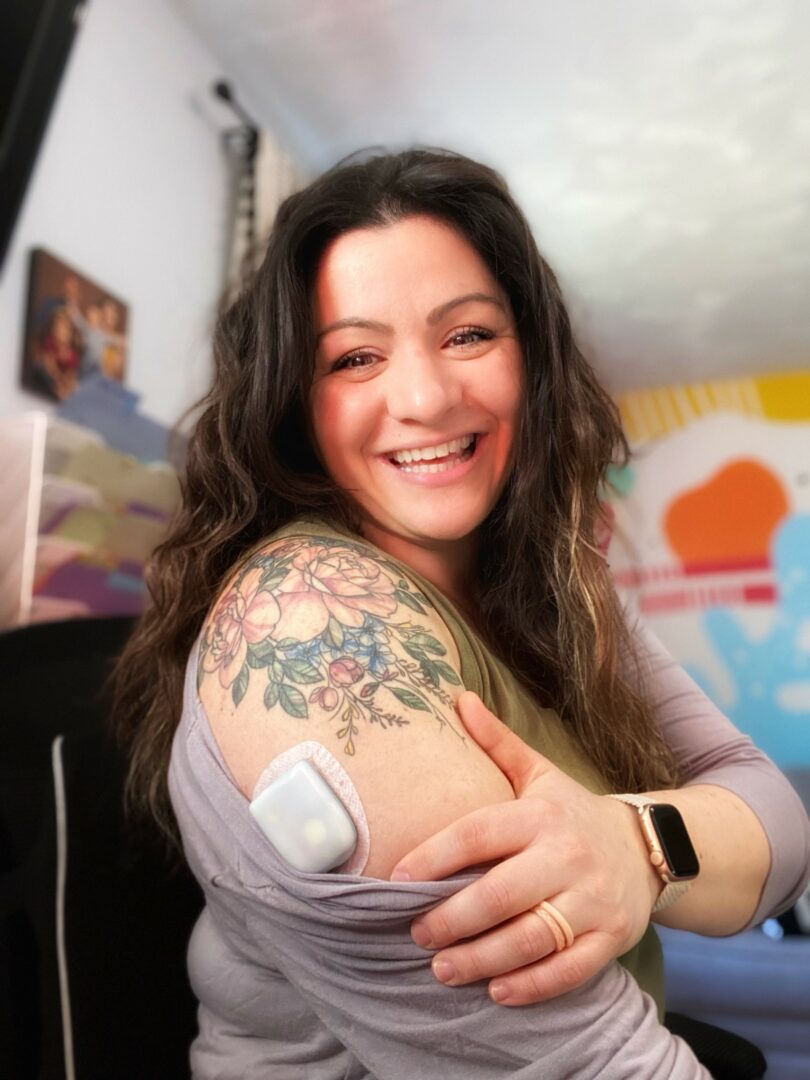
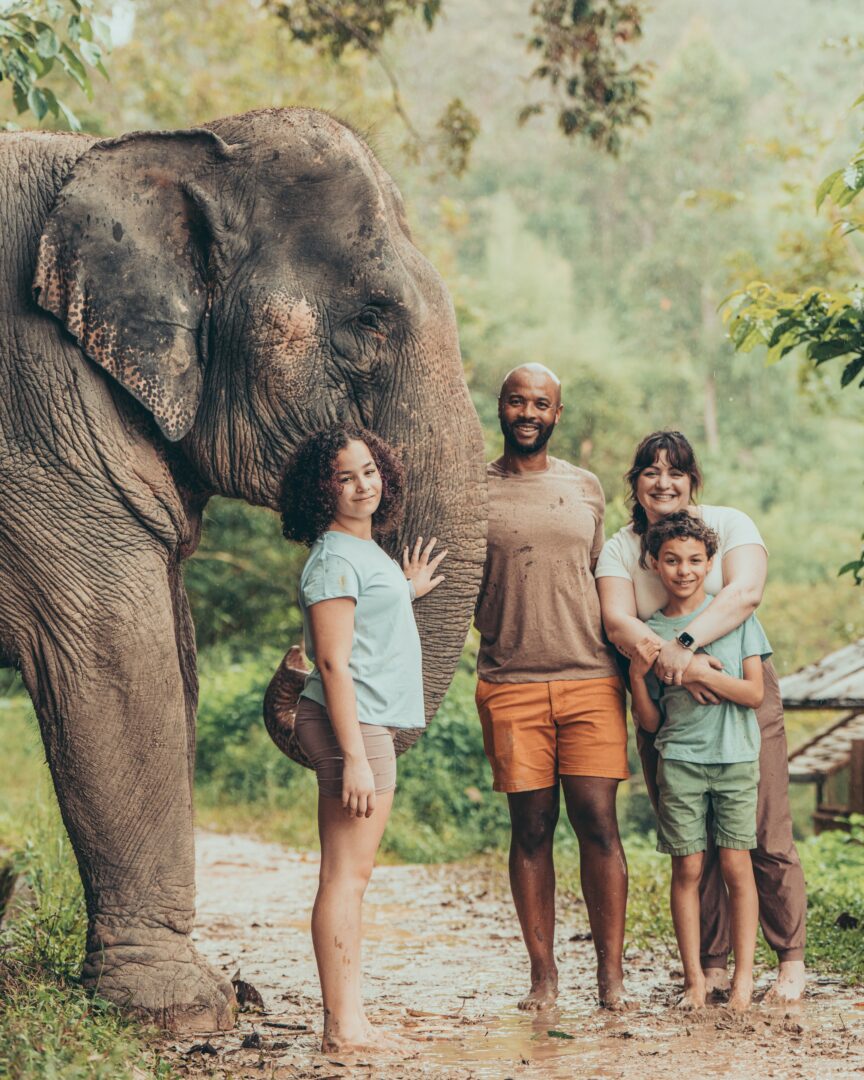
Image Credits
photo credit: @dlc.photographer
so if you or someone you know deserves recognition please let us know here.