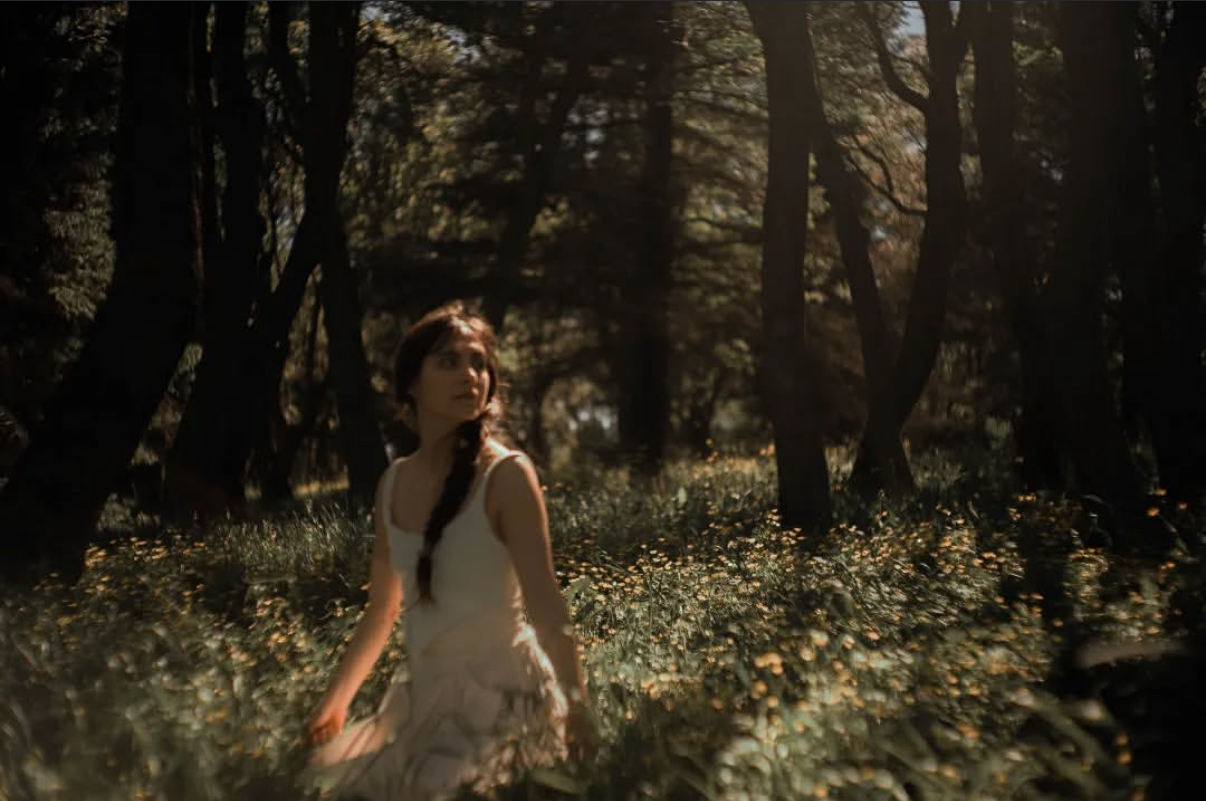
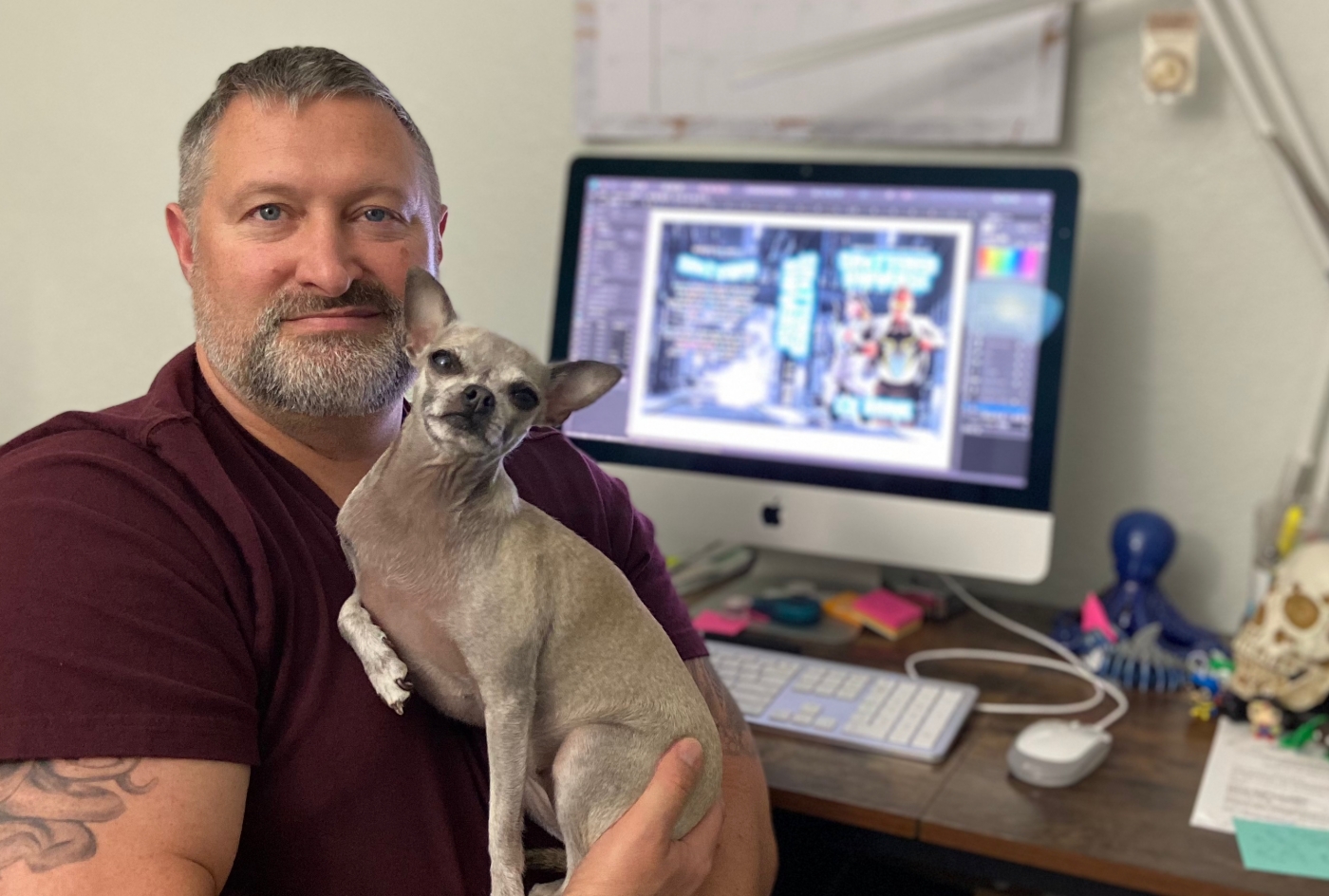
We’re looking forward to introducing you to Hio Fae. Check out our conversation below.
Hi Hio, thank you for taking the time to reflect back on your journey with us. I think our readers are in for a real treat. There is so much we can all learn from each other and so thank you again for opening up with us. Let’s get into it: Who are you learning from right now?
This year has been the hardest of my life—from escaping the LA fires, to hearing I.C.E. news as someone who is half Mexican- half Cuban-Miami born, to moving up and completely changing my wedding because of CT scans. What was supposed to be a skydiving–farmstead vineyard ceremony followed by a sweet French bistro and hot springs in Santa Barbara turned into a same-day marriage-but it was still a poetic leap of faith, even if we weren’t jumping out of a plane. Three weeks later, my husband was diagnosed with aggressive cancer.
We moved to Sweden within six days of the diagnosis for his treatment- quitting my job, shooting a video, donating and clearing our apartment, breaking the lease, calling jury duty, and selling my car. And after four months I had to leave Sweden without him because my visa ran out while my residency application was still processing. When I returned to the States, a week later I was bitten in the face by a dog and had to get seven stitches. My body went through burnout, depression, and bed-rotting-but I also learned so much about resilience and perspective.
One of the biggest things I learned during my husband’s treatment was the importance of consistency: daily walks, organic homemade meals, and a positive, grounded mindset. Not ‘I have faith you’ll get through this,’ because faith leaves room for doubt- for the unknown- but ‘I know you will get through this.’ That certainty mattered.
A writing professor once told me to ‘make the familiar strange and the strange familiar,’ and that advice has shaped the way I process everything. He also told me I didn’t need an MFA- even though I was accepted to schools like Columbia-that I was already a strong writer and just needed more experience. That pushed me to live in seven countries, explore different degrees and careers, and ultimately circle back to photography, film, and writing, enriched by everything I’d learned along the way.
What I’m learning now is that adopting an author’s mentality helps me survive. When something difficult happens, I can’t help thinking, ‘this is content- this is backstory.’ It doesn’t erase the pain, but it gives it meaning. I’ve realized that struggle doesn’t just test me-it deepens my craft and strengthens the way I see and move through the world.
Can you briefly introduce yourself and share what makes you or your brand unique?
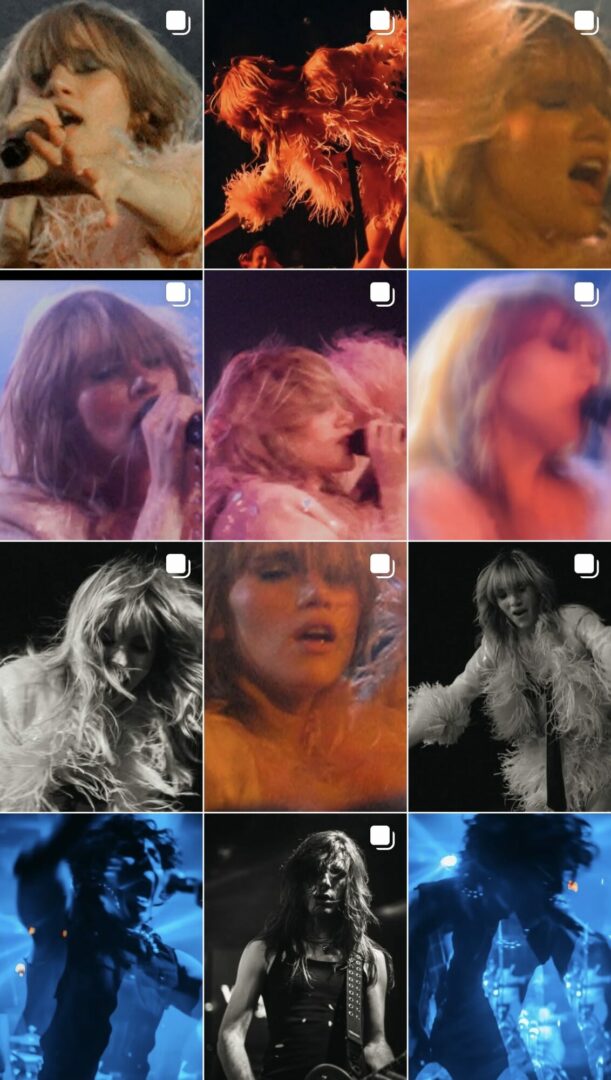
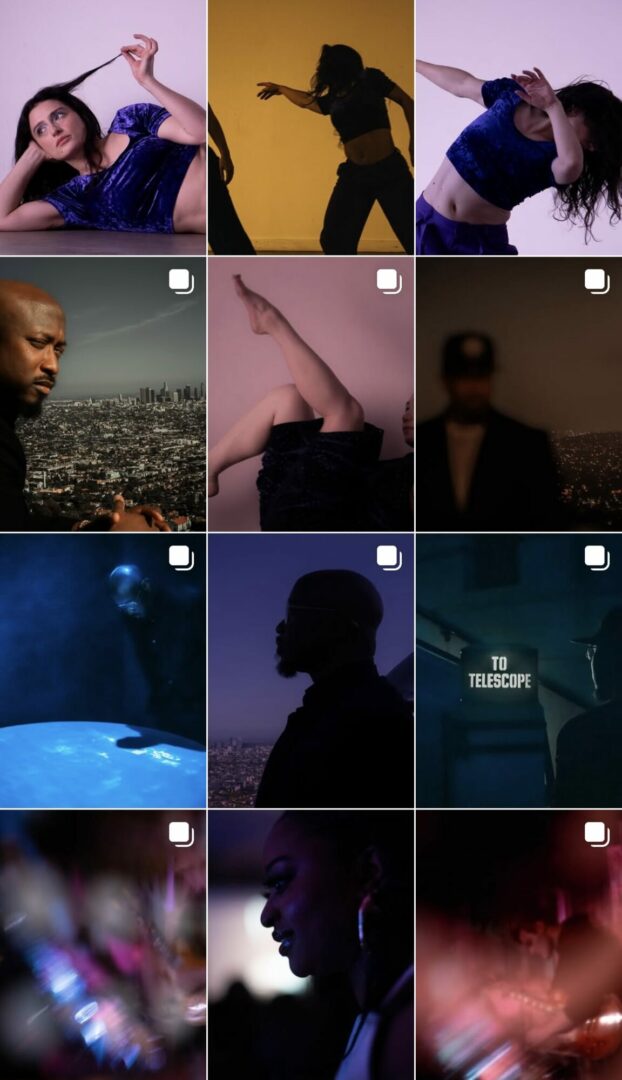
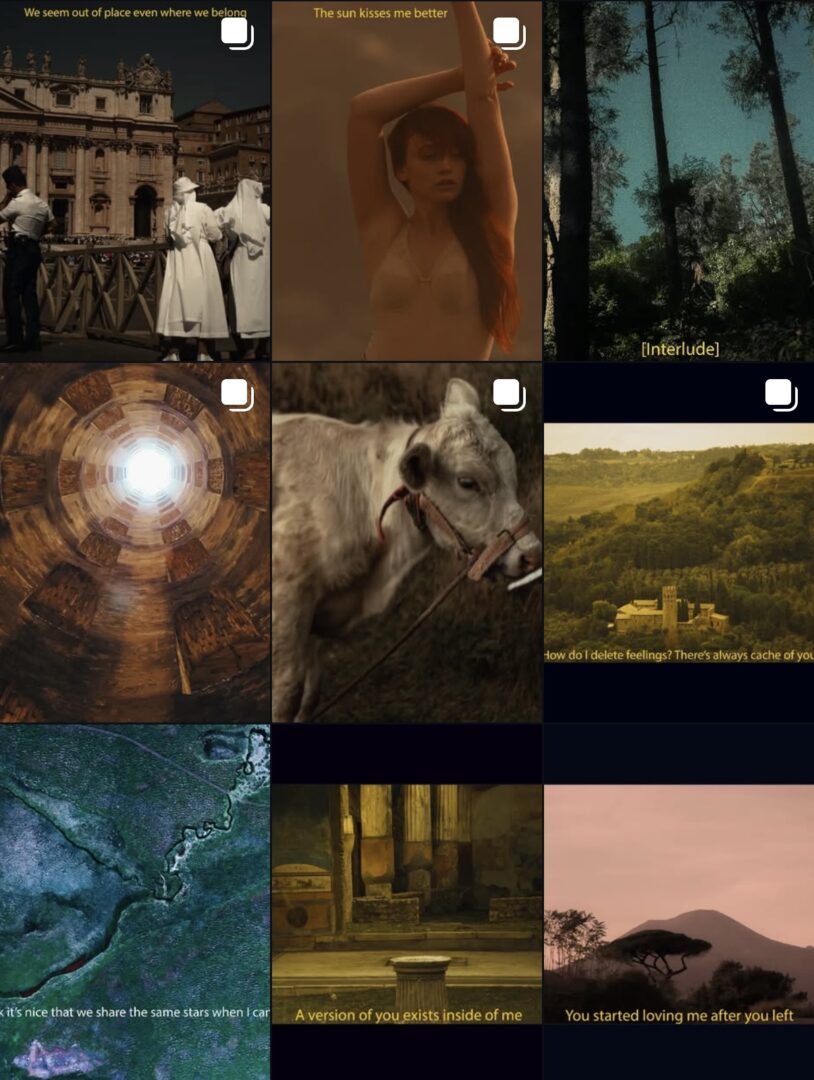
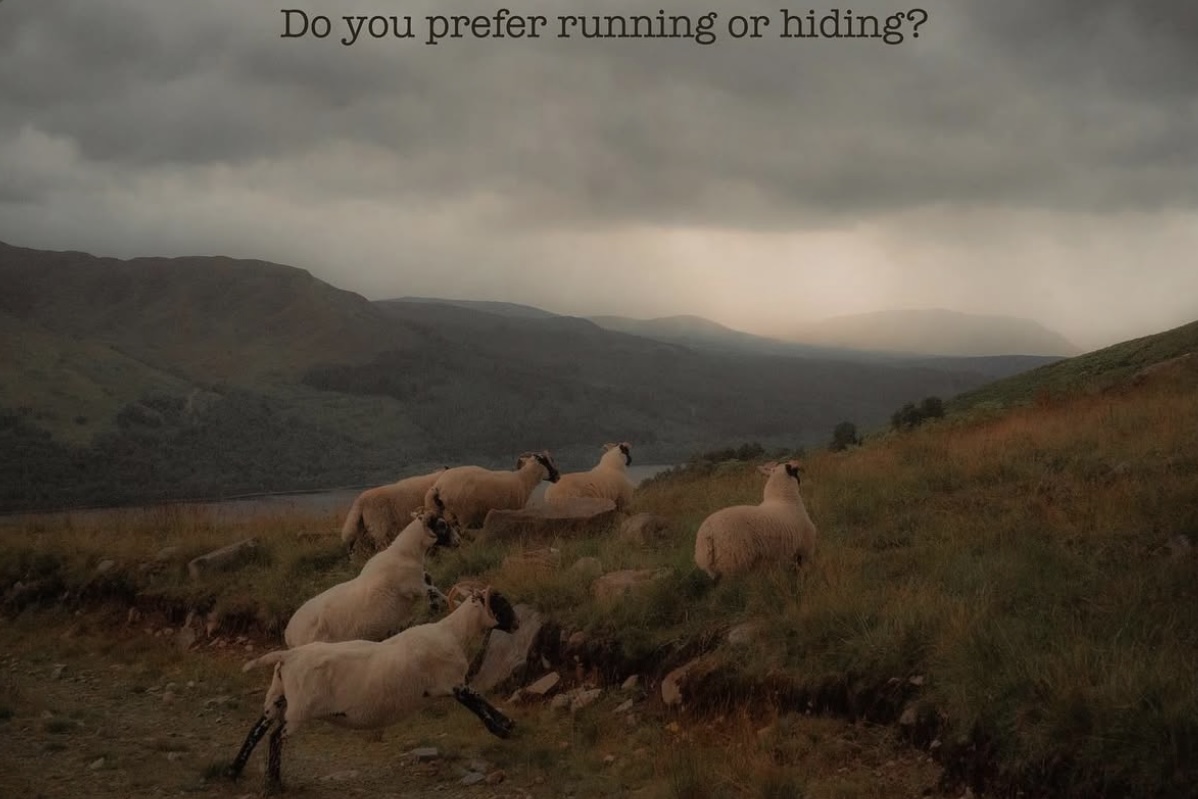
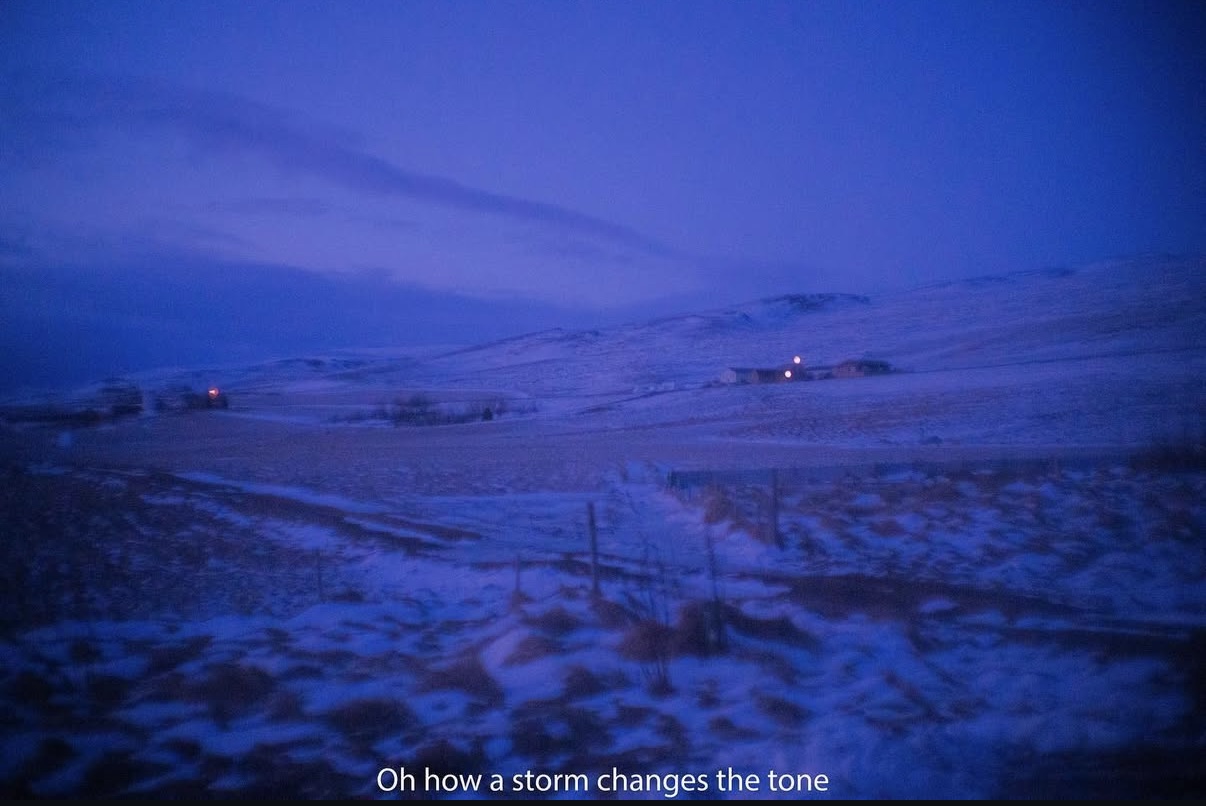
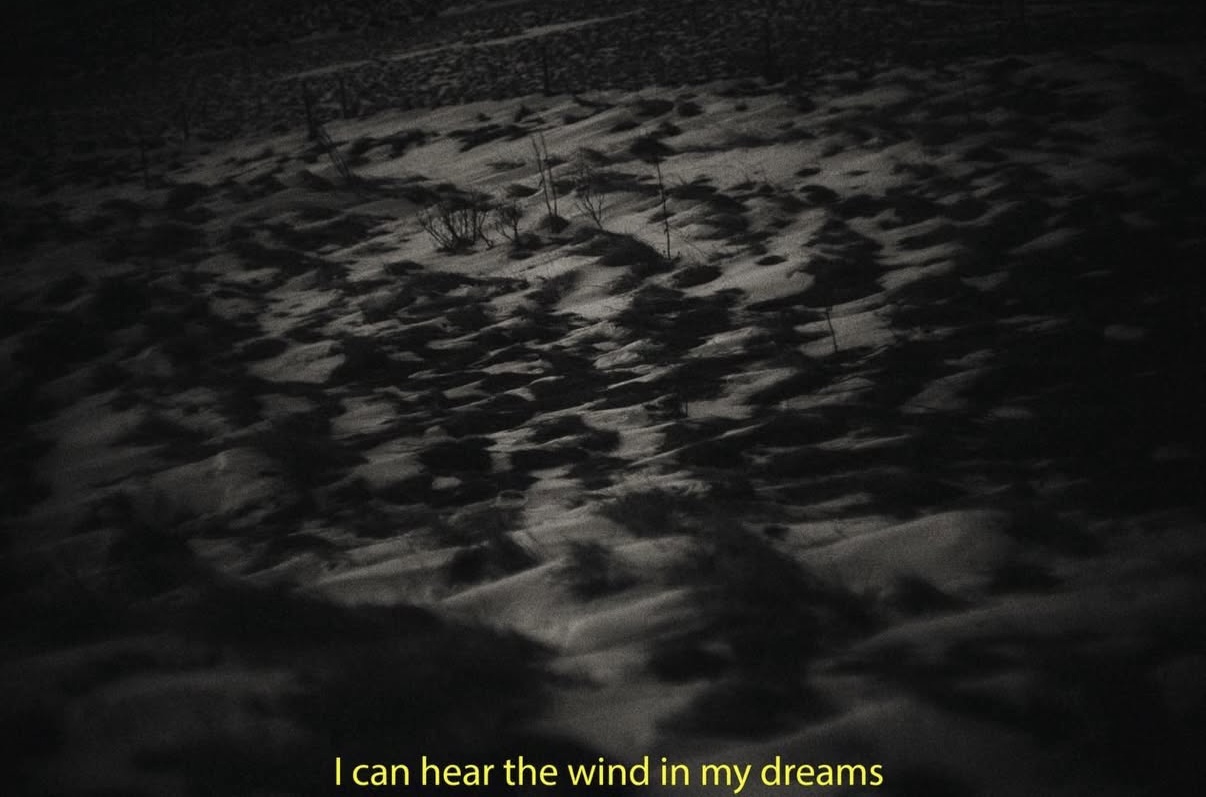
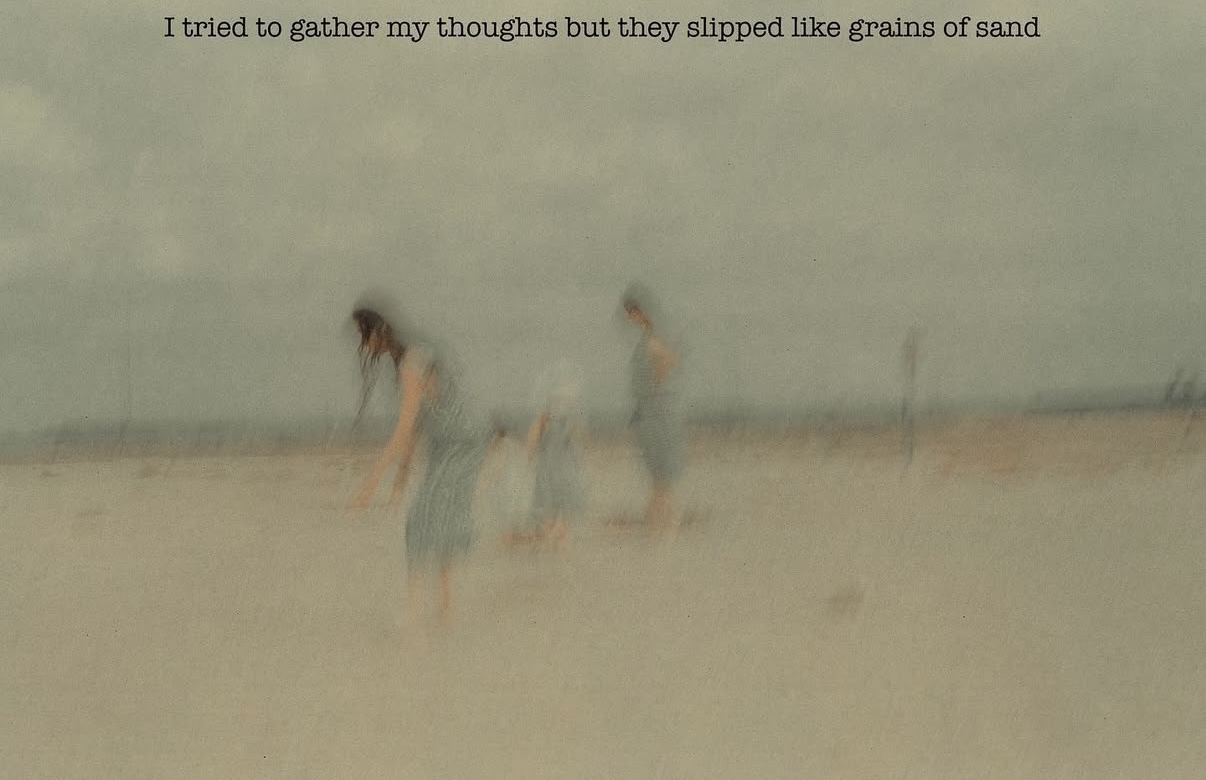
I’m Cassandra Ruiz- also known in my creative world as Hio Fae. I’m a storyteller and visual alchemist who moves fluidly between photography, film, writing, color grading, and editing. My tagline is: “Dreaming aloud through story + color.” I started behind the lens, drawn to vintage textures and the emotional quiet of analog aesthetics, but soon found that creativity knows no single medium: I’ve directed, produced, and edited a short film in Iceland, worked for institutional partners like NASA and the Icelandic Pavilion at the Venice Biennale, and worked on a major YouTube channel with 30 million+ subscribers.
Now I’ working on building a channel of my own- one that reflects my style, my storytelling, and my worldview. At the same time, I’m finishing my debut novel. Everything I create—whether it’s a photograph, a film, or a piece of writing- comes from a desire to make people feel something real, to blend nostalgia with meaning, and to turn lived experience into art.
Amazing, so let’s take a moment to go back in time. Who were you before the world told you who you had to be?
I’ve always had the passion to try new things. I always wanted to write, to help, to keep learning. But the world kept trying to narrow me down—telling me to choose one path, like Sylvia Plath’s fig tree, where picking one fig means losing all the others. I was told I couldn’t be both a writer and an engineer, or someone who works across film departments. I was constantly told to stay in one lane, to stop being a jack of all trades, to master one thing and let the rest go.
But I’ve never believed in that. I’ve always wanted to prove that you can do it all—and still do it masterfully.
For a long time, writing was the thing I pushed to the side, even though it’s the foundation of everything I do. Good storytelling is what makes people watch anything. It’s the heartbeat behind every frame. So now I’m bringing writing back to the forefront and asking myself: How can a photograph carry a story? How can what I film become a stronger story? How can any piece of art become visual poetry?
That’s the version of myself I’m returning to—the one who refuses to choose between mediums or identities, because the story deserves all of them. We are onions: layered, complex, and meant to reveal ourselves slowly—not simplified into one slice.
When did you stop hiding your pain and start using it as power?
I think lately I’ve been using my vulnerability to create better art. Back in undergrad, my strongest poems were always the ones rooted in pain—my mom’s miscarriage, my parents’ divorce, my grandmother’s dementia. But I was so guarded with those pieces. They felt too close, too raw, too exposed. I couldn’t imagine people reading and criticizing work that came straight from the softest parts of me.
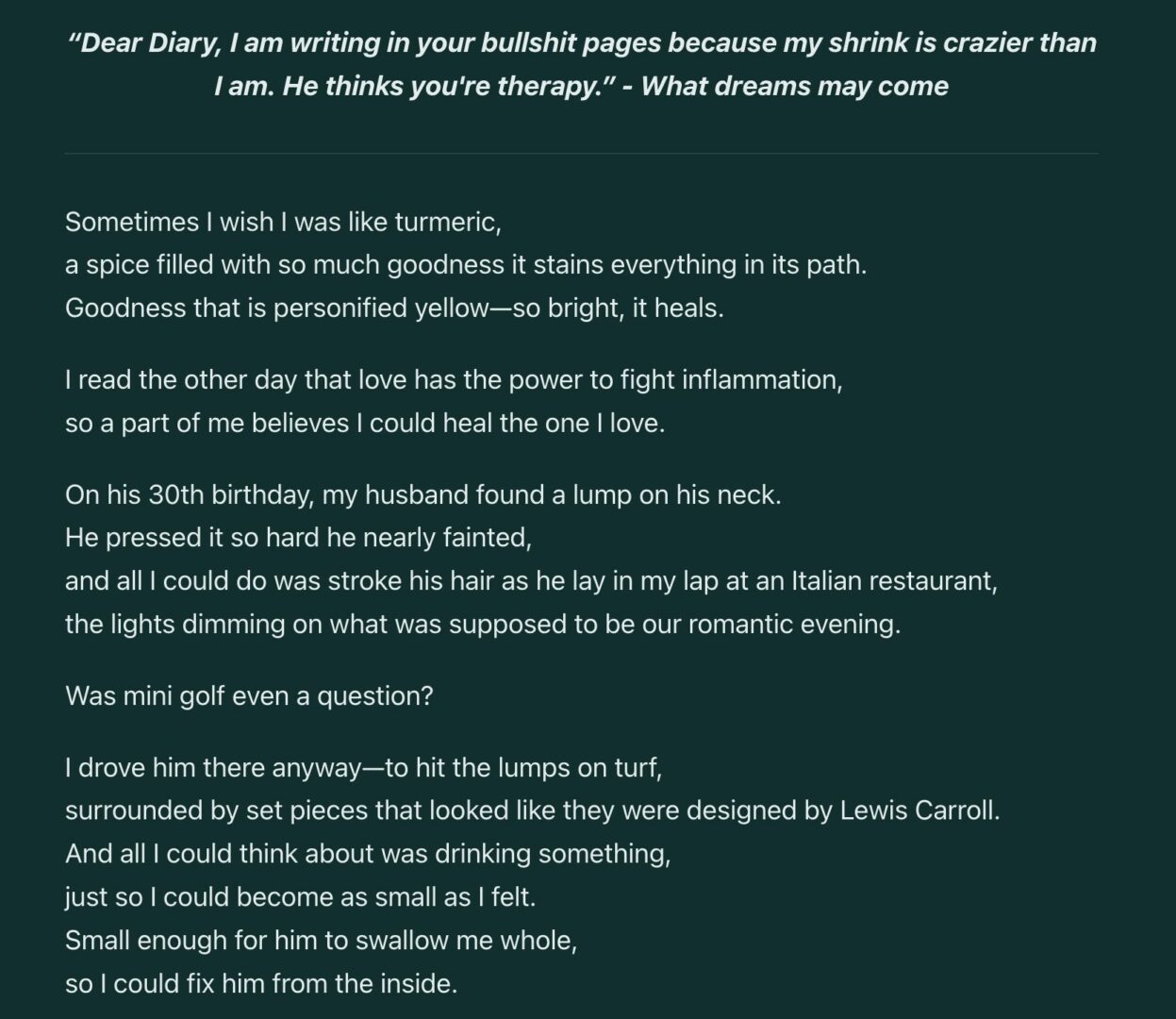
And there were things I couldn’t write about at all at the time—like my father marrying someone my sister’s age in Vegas, my working hole in my heart that almost made me faint, or the telenovela twist of my 70-year-old dad suddenly having three newborns, shifting me from the youngest to the middle child overnight. It was too much, too chaotic, too personal to touch creatively while I was inside it. Much like now while my husband went through cancer treatment and we are waiting to find out if he needs more.
I’ve always liked creating through the pain without showcasing it publicly until after I’ve lived through it. Once the moment passes, I feel like I’m a different version of myself, and that distance gives me the perspective—and the courage—to turn it into something new.
I think I write best when I’m depressed, but writing is also the thing that pulls me out of depression. It’s this strange loop of expression and healing. Right now, I’m working on shortening the gap between experiencing something, having the idea, and actually sharing the work. I want to be brave enough to create in real time, not just in retrospect.
Next, maybe we can discuss some of your foundational philosophies and views? What truths are so foundational in your life that you rarely articulate them?
Lately, I’ve been noticing how much people attach identity to what someone does for work. If you’re in between jobs, like I am right now, it can feel like the world suddenly sees you as less-but that doesn’t mean I’m not a creative. Creativity isn’t tied to a paycheck or a title. I genuinely believe everyone has the ability to create, even if it’s something as simple and beautiful as making a good dish. We’re all human beings, no more or less than each other.
That’s why I’ve started asking people what they enjoy doing or creating instead of what they do for work. When I lived in Iceland, the singer of a famous band was also a bookshop manager, and that completely shifted how I understood identity. Living there taught me that your job doesn’t define you. Your curiosity, your imagination, your worldview- those are the things that shape you. Success is whatever you decide it means, even if it’s simply finishing a project that matters deeply to you.
I also think my situation right now is a blessing in disguise. We tend to spend according to our paycheck- the more we have, the more we unconsciously consume. But when you’re living with only the necessities, you realize how little you actually need. This chapter might be tight and challenging, but it’s breaking me out of the consumer mindset and the fast-fashion habits we grow up with. It’s grounding me. It’s helping me find joy in free things again—in nature, in movement, in simplicity-the same way you do as a child. And it’s given me the time and energy to finally start building my channel.
Eventually, I want my channel to explore these ideas: documenting new ways of living and thinking. I want to meet people and visit places that are open to sharing their stories- their contradictions, their layers, their humanity. I want to show that life is not linear, and that it becomes richer when you allow yourself to be more than one thing.
There’s narrative in the mundane, meaning in the mess, poetry in the things people overlook. I think that’s why I’m so drawn to vintage aesthetics and emotional textures- because I believe everything has a past life, a hidden layer, a second reading. And I carry this truth with me: everything is temporary. The good, the bad, the confusing, the beautiful. Every version of ourselves is temporary too. That shapes how I move through the world- how I forgive, how I create, how I survive. It reminds me to pay attention, because nothing stays exactly as it is, not even pain.
And maybe the biggest truth is that we’re not meant to be just one thing. We’re layered, multifaceted, contradictory in the best way. The world tries to flatten us- asks us to choose one identity, one path, one purpose- but I’ve never believed in that. I think people are more like onions or galaxies: multiverses of selves, all happening at once.
Before we go, we’d love to hear your thoughts on some longer-run, legacy type questions. Could you give everything your best, even if no one ever praised you for it?
I always try to give my all. I’m by no means well known or financially successful, but everyone I’ve met has told me I’m a true artist or filmmaker- because I don’t care if only five people see my work or if there’s zero budget to make a project happen. I still push through and create because I have to. I tried working in an engineering lab and in corporate environments, but none of it felt right. If I’m not creating, I’m not truly living. I’m not happy.
So much of my life, especially this past year, has happened in quiet spaces where no one could see the work I was doing- emotionally, creatively, spiritually. I’ve written entire pieces that never left my Google Docs. I’ve taken photographs that only live on my hard drive. I’ve edited projects at 3am knowing they might never be posted. And yet, those moments still mattered. They sharpened me. They shaped me.
I create because I need to- because it’s how I breathe, how I understand myself, how I turn my life into something meaningful. Praise is nice. But purpose is better.
Contact Info:
- Website: https://vimeo.com/1025311445?share=copy&fl=sv&fe=ci
- Instagram: https://www.instagram.com/hiofae
- Youtube: https://www.youtube.com/@hio_fae
- Other: https://hiofae.substack.com/
so if you or someone you know deserves recognition please let us know here.