We recently had the chance to connect with Pratik Parulekar and have shared our conversation below.
Good morning Pratik, it’s such a great way to kick off the day – I think our readers will love hearing your stories, experiences and about how you think about life and work. Let’s jump right in? What makes you lose track of time—and find yourself again?
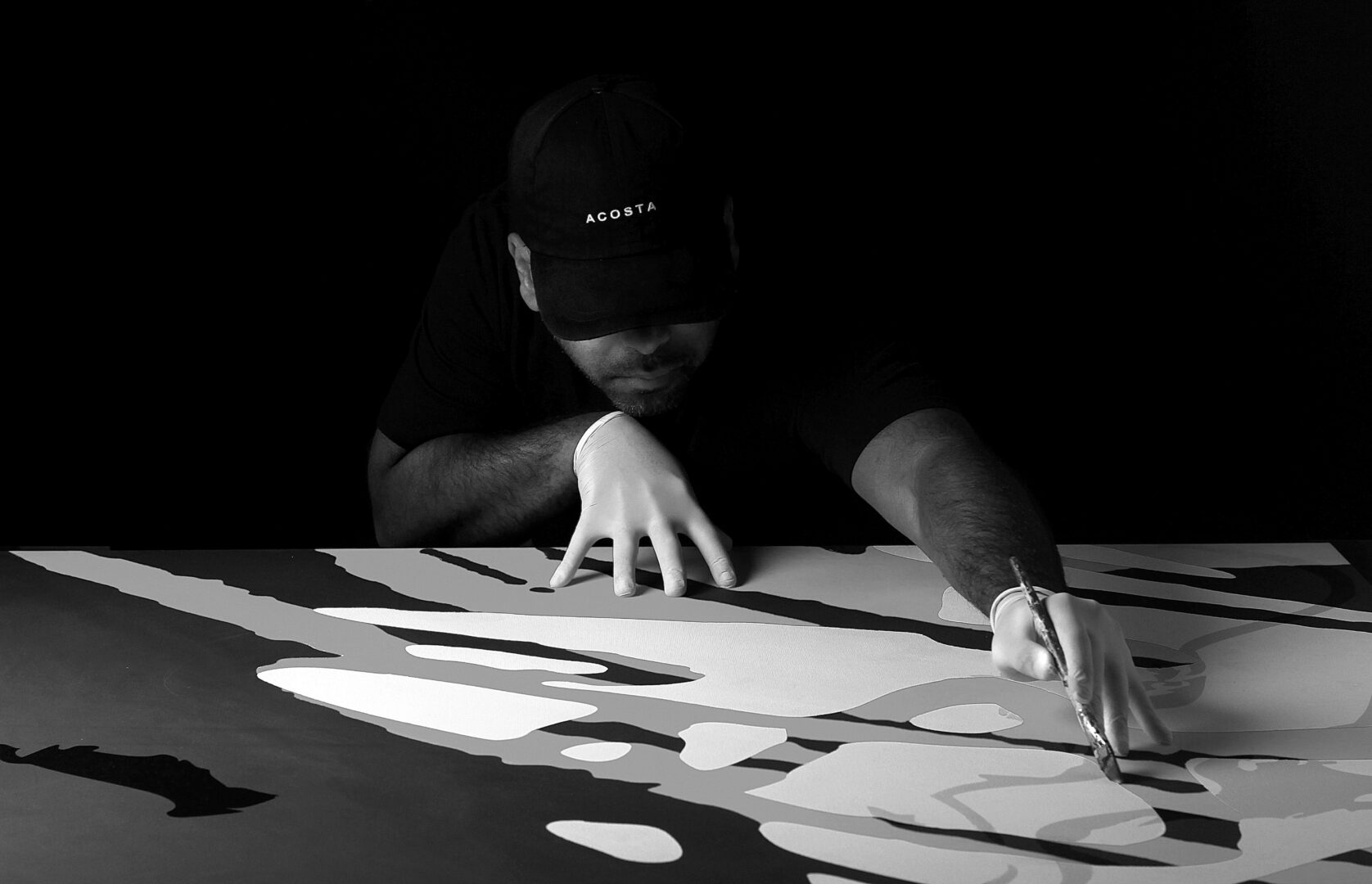
The pencil, the brush and the colors. When I paint, I do not exist, the mind stops its chatter, the ego melts, the world disappears.
The lines drawn and the color spread are not mine. They do not belong to me. Yet in them, I discover myself. Not the self that wants, that worries, that judges, that performs but the self that is alive, that witnesses, that simply is. The canvas does not care about you. The paint does not ask for your permission. They do not care about success or failure. And in their indifference, you touch something eternal, something infinite, something that whispers: ‘Here you are. You are not lost.
Painting is a rebellion against time, against the mind, against the world that measures everything, labels everything, confines everything. Drawing is a doorway — a doorway to silence, to freedom, to the discovery that creation and being are the same. When you enter that doorway, the boundaries vanish. I sometimes tend to lose myself. Lose time. And in that losing, I discover the self that was never lost at all.
Can you briefly introduce yourself and share what makes you or your brand unique?
I’m a third-generation photographer, born into a family where the camera was always a tool for storytelling, but my first lessons in observation came from pencils and brushes. Growing up drawing and painting, I learned to see light, texture, and composition long before I held a camera. That early training shaped the way I approach photography today every shot is informed by an understanding of color, form, and the emotional weight of a frame.
My work sits at the intersection of fine art and commercial photography, where still life, lifestyle, and campaign imagery are approached with the same care as a painting. What makes it unique is the way I bring an artist’s eye to every shoot whether it’s the subtle interplay of shadows in a product image or the narrative flow of a campaign. I’m constantly exploring how photography can do more than show a product or a scene how it can capture mood, evoke emotion, and tell a story in a single frame.
Right now, I’m focused on projects that push the boundaries of visual storytelling, blending traditional photography techniques with the sensibilities of painting and drawing and artificial intelligence to create imagery that feels timeless yet contemporary. It’s a practice that keeps me learning, experimenting, and seeing the world anew through both an artist’s and a photographer’s eyes.
Thanks for sharing that. Would love to go back in time and hear about how your past might have impacted who you are today. What relationship most shaped how you see yourself?
The relationship that most shaped how I see myself is the one I had with my grandfather. From a very young age, he became more than a mentor, he was my guide into the world of art and creativity. He would take me to museums, patiently walking me through galleries, pointing out details in brushstrokes, textures, and compositions that I would have otherwise overlooked. He taught me to observe not just with my eyes, but with my mind and heart, helping me understand the emotion and intention behind every work of art.
He also encouraged me to participate in art contests, pushing me to step beyond my comfort zone and share my work with others. Through those experiences, I learned how to handle both recognition and criticism, and more importantly, I discovered the joy of creating for the sake of creation itself. These early experiences instilled a sense of confidence in my artistic voice that continues to shape the way I approach photography today.
His guidance didn’t just teach me technical skills; it shaped my identity. I see myself as an artist first, someone who observes deeply, interprets the world through visual language, and strives to tell stories that evoke emotion. Every photograph I take carries the lessons he imparted the patience of an artist, the sensitivity to detail, and the courage to explore the controversial fearlessly.
What did suffering teach you that success never could?
One of the first things the Buddha said after his enlightenment was that ‘life is suffering’. Even though the sentence sounds negative, it has a deeper meaning to those who are open enough to understand it. He didn’t mean that life is only pain, but that clinging to pleasure, status, or success will always lead to suffering because nothing is permanent.
I see suffering is not just a curse; it is a teacher. In suffering, you see the impermanence of all things: the light that fades, the shadow that moves, the life that slips through your fingers. It teaches you not to cling, not to grasp, not to chase illusions. You begin to see the world as it truly is fleeting, fragile, beautiful in its raw honesty.
As an artist, suffering is the most common trait in all artists of the past and present in one form or another. It is that fuel which helps the artist to continuously create. Whats a better example than the master VanGogh, higher the suffering, the better the art. Success can decorate the canvas, but suffering fills it with depth. I feel only in pain we do learn to witness life, and only in witnessing does creativity flow without effort, without ego, without fear.
The world worships success, and fools call it happiness. Suffering, they fear, so they run from it, but it is the only doorway to life’s truth. As an artist, I know this: success teaches technique, vanity, and ego; suffering teaches vision, depth, and freedom. Only in suffering does the soul open, only there does creativity breathe. Those who chase success are children playing with shadows, while the courageous, who embrace suffering, see the sun.
I think our readers would appreciate hearing more about your values and what you think matters in life and career, etc. So our next question is along those lines. What are the biggest lies your industry tells itself?
“The greatest lie in photography and advertising is that it shows reality. It never does. Every glossy image, every perfect smile, every flawless body is an illusion carefully constructed to seduce, to manipulate, to make you feel lack. They tell you: ‘This is what life should look like. This is what you should be.’ And the world believes it, and people chase shadows as if they were the sun.
Specifically speaking about the Advertising photography industry The camera does not capture truth; it flatters, distorts, stages, and deceives. Lighting, angles, retouching — all conspire to present a version of life that does not exist. But look at it from a birds eye view, there is a game being played, a subtle psychological game that enslaves the mind. Advertising does not just sell products; it sells dissatisfaction, envy, and desire. It whispers to you: ‘You are incomplete. You are not enough. You lack something vital.’ And then it offers a solution: the perfect face, the perfect body, the perfect lifestyle. It is a clever trap.
Art, real art, has nothing to do with perfection. It is not in the posed, the polished, the filtered. Art is in the cracks, the shadows, the fleeting moments that cannot be controlled. It is in the unexpected, the raw, the unplanned. Advertising Photography, when it becomes a servant to advertising, abandons life and enslaves the eye. It teaches admiration of what is not real.
Advertising plays a psychological game: it tells you that you are incomplete and sells the fantasy of completion. It thrives on envy, comparison, and insecurity. And yet, life is not a perfect image. Life is messy, fleeting, unpredictable, and imperfectly beautiful.
Okay, so before we go, let’s tackle one more area. Have you ever gotten what you wanted, and found it did not satisfy you?
Yes, many times. Society teaches us from birth that happiness lies in accumulation, possessions, titles, applause, respectability. We are told that to be worthy, to be successful, to be complete, we must earn, acquire, and perform. And so we chase: the house, the car, the job, the recognition. We think that these objects, these symbols, will fill the emptiness inside. But when we finally get them, we discover the truth: they do not satisfy. The applause fades, the possessions lose their novelty, and respectability feels hollow. The world can offer admiration, but it is too phony and too plastic.
The dissatisfaction is not with life itself, but with the illusion that the world’s measures of success and respectability could ever feed the soul. For me , true freedom comes when I let go of the desires for possessions, when I simply reject the need to be respected, when I stop performing for approval. Happiness for me is not in collecting anymore, it is in just being. I think we only wake up when we stop listening to the world’s illusions and start listening to the conscience, which again feels like an impossible task for most as it is so deeply embedded in us.
I have learned that when desire for respectability and material possessions disappears, the inner fire grows, burns on its own, playful, fearless, unstoppable. In that space, life itself becomes art, and fulfillment is not something to achieve, it is something we are, by simply being alive and in return life becomes richer, not because you have more, but because you’re no longer bound by what the world tells you to want.
Contact Info:
- Website: https://www.pratikparulekar.com
- Instagram: https://www.instagram.com/pratik.parulekar
- Linkedin: https://www.linkedin.com/in/pratik-parulekar-3a7547122/
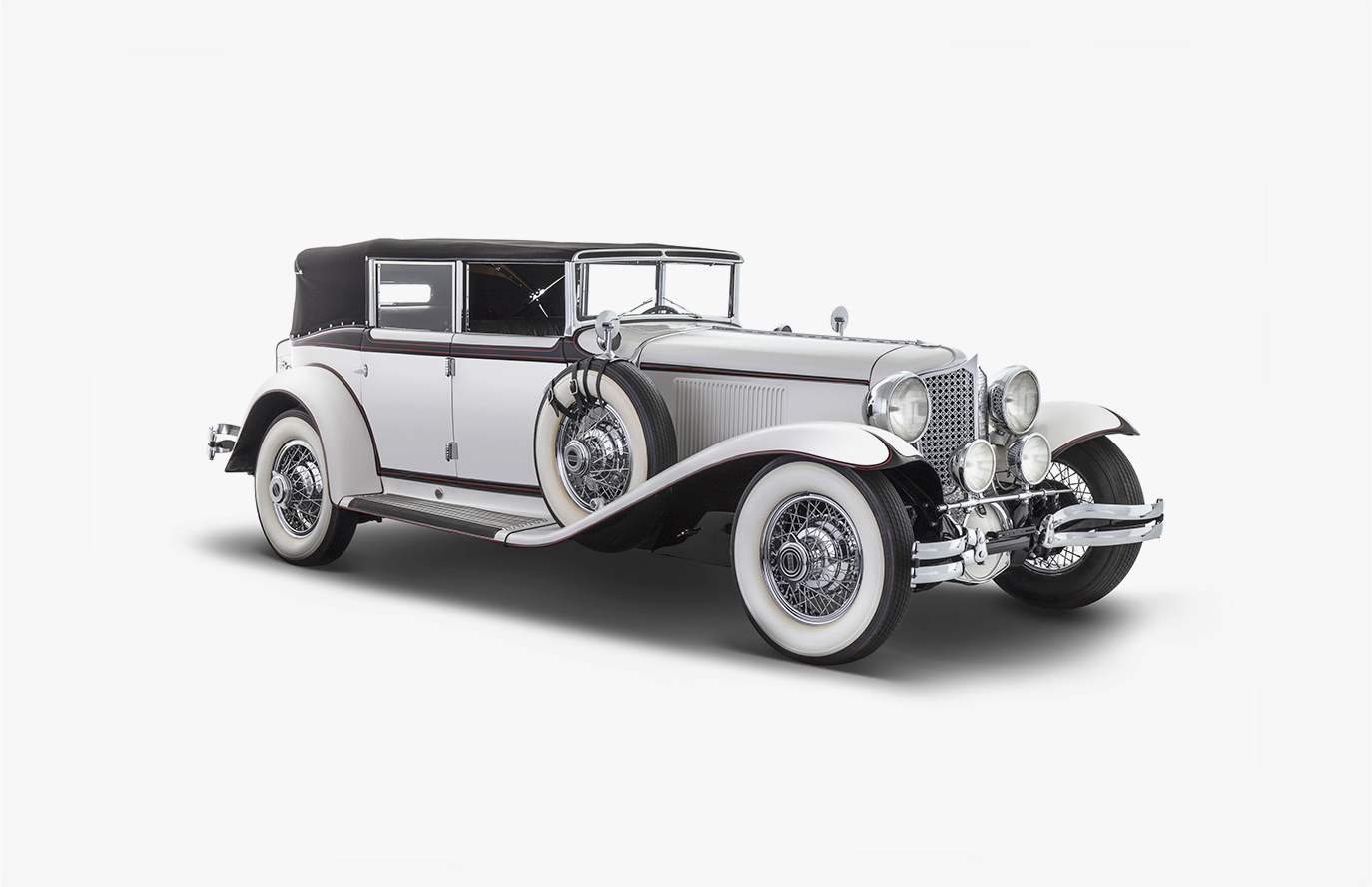
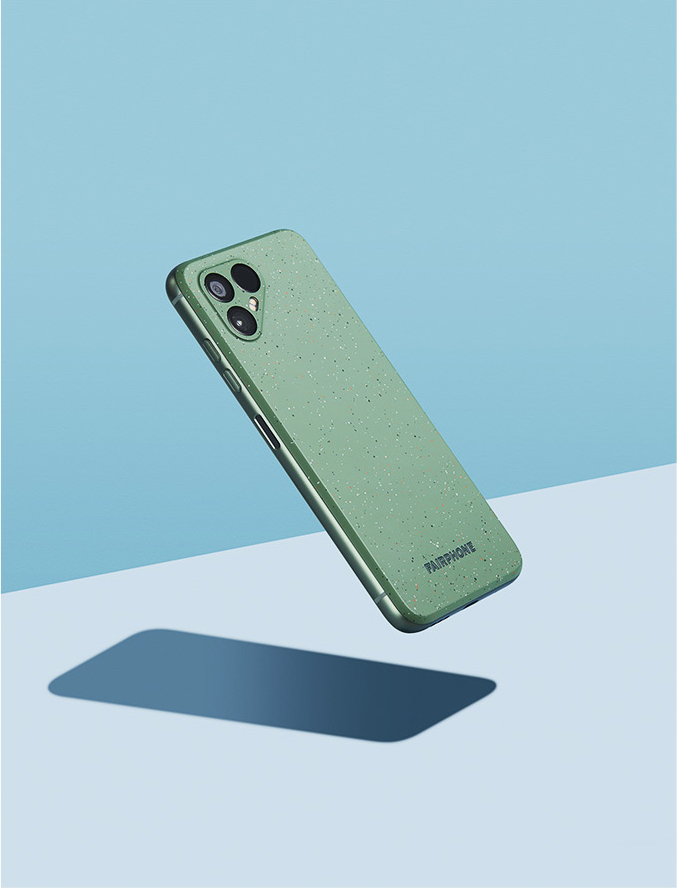
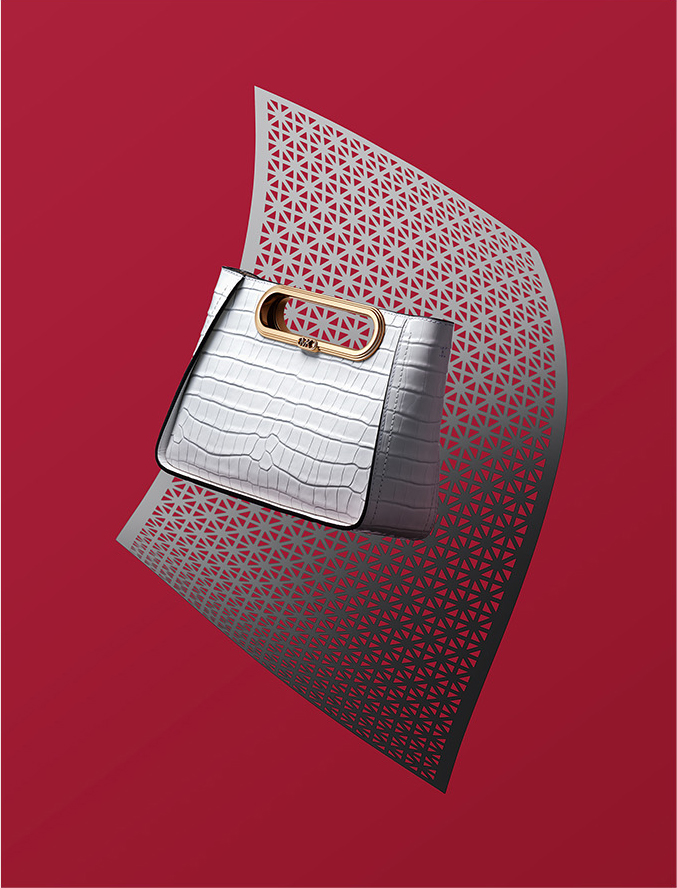
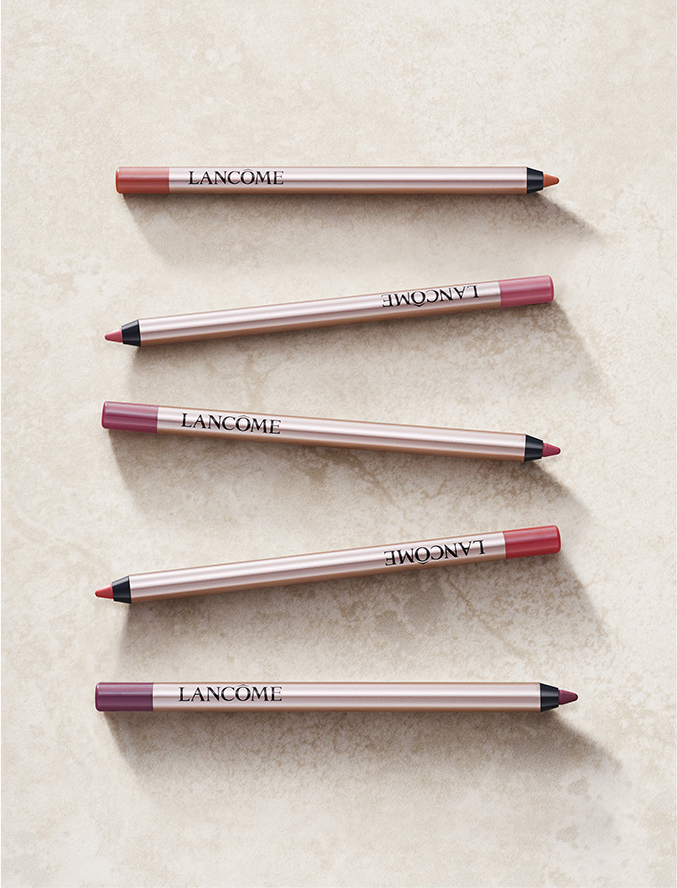
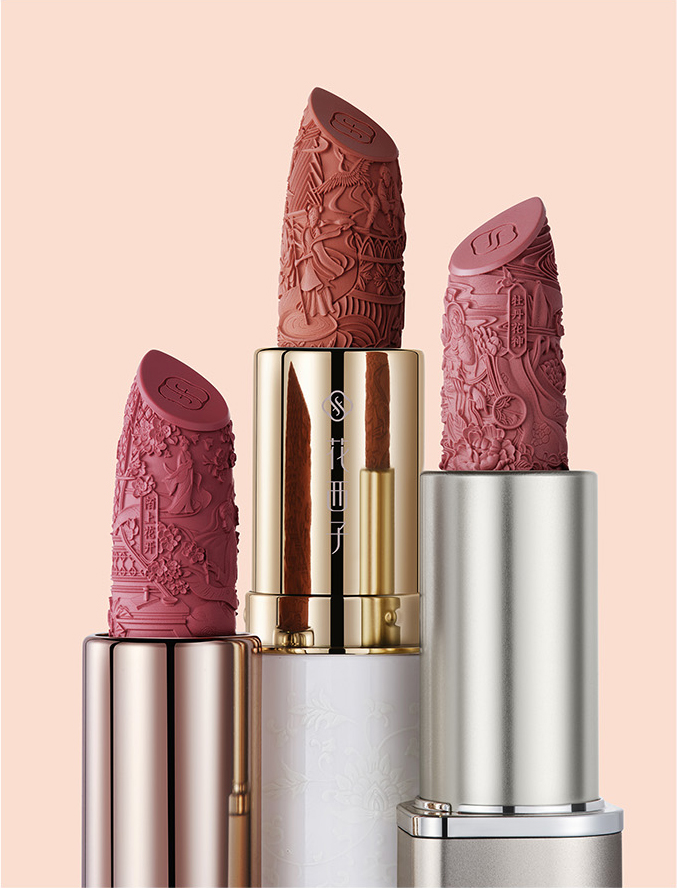
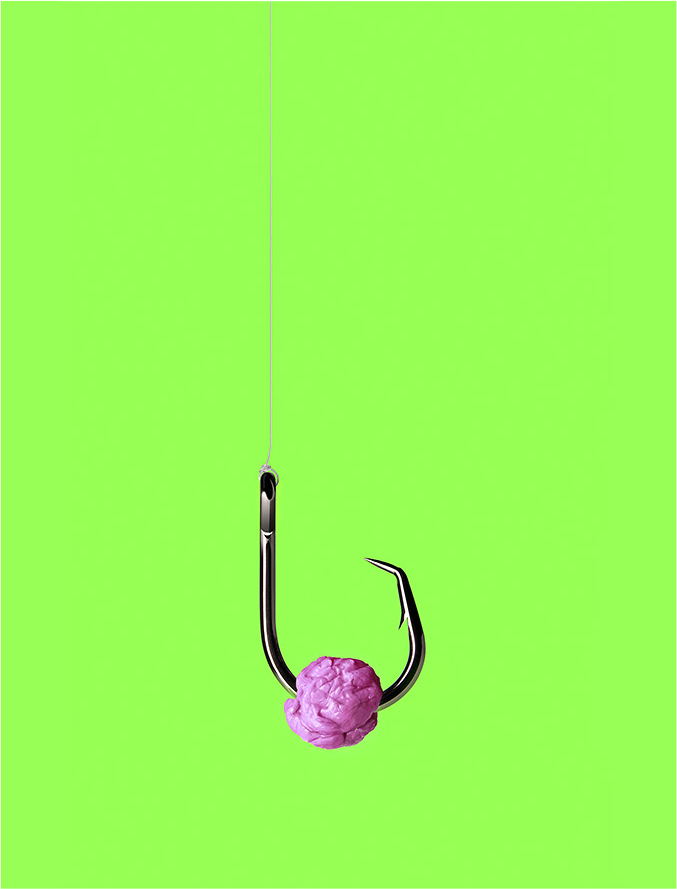
Image Credits
Styling by : Bessie Lacap
so if you or someone you know deserves recognition please let us know here.