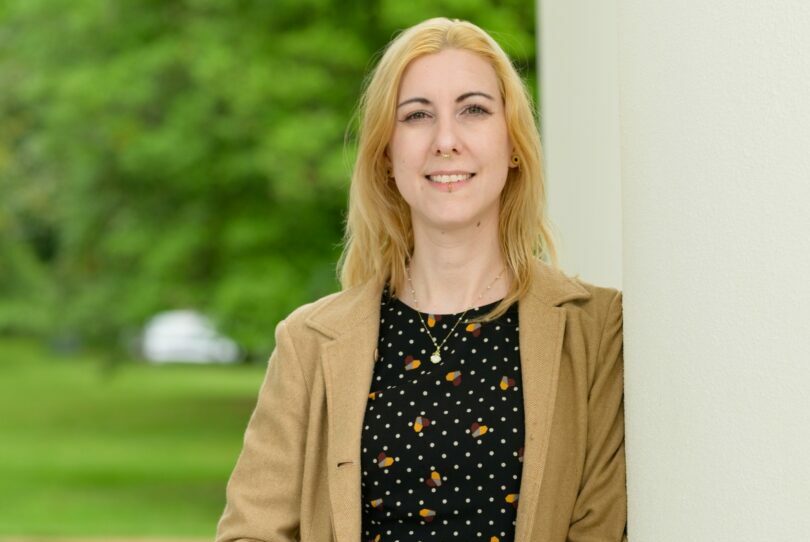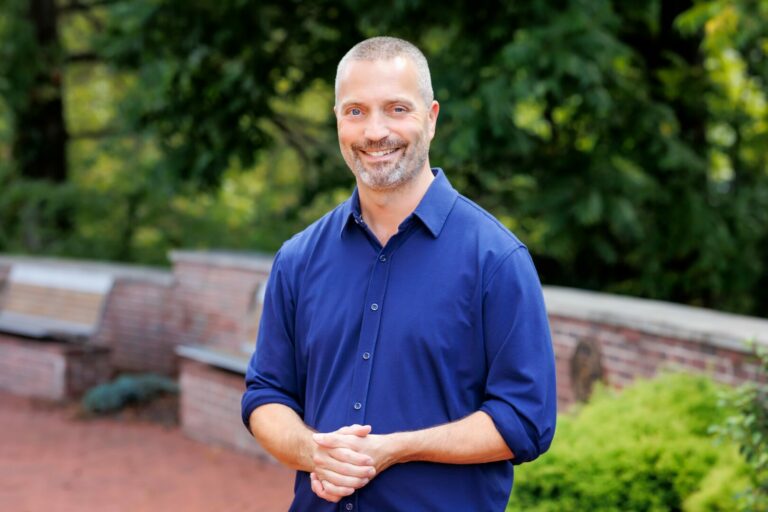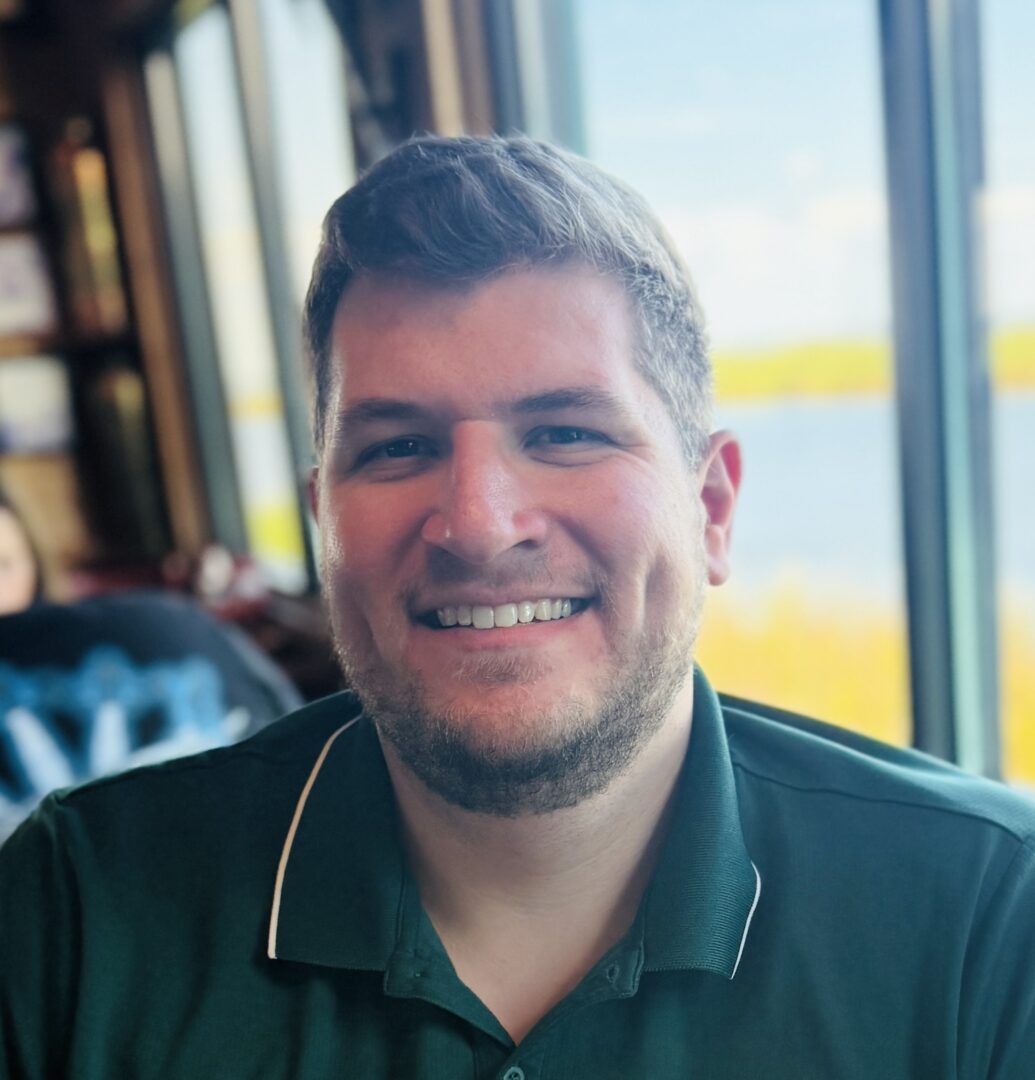
Logan Ryles shared their story and experiences with us recently and you can find our conversation below.
Hi Logan, thank you so much for taking time out of your busy day to share your story, experiences and insights with our readers. Let’s jump right in with an interesting one: What makes you lose track of time—and find yourself again?
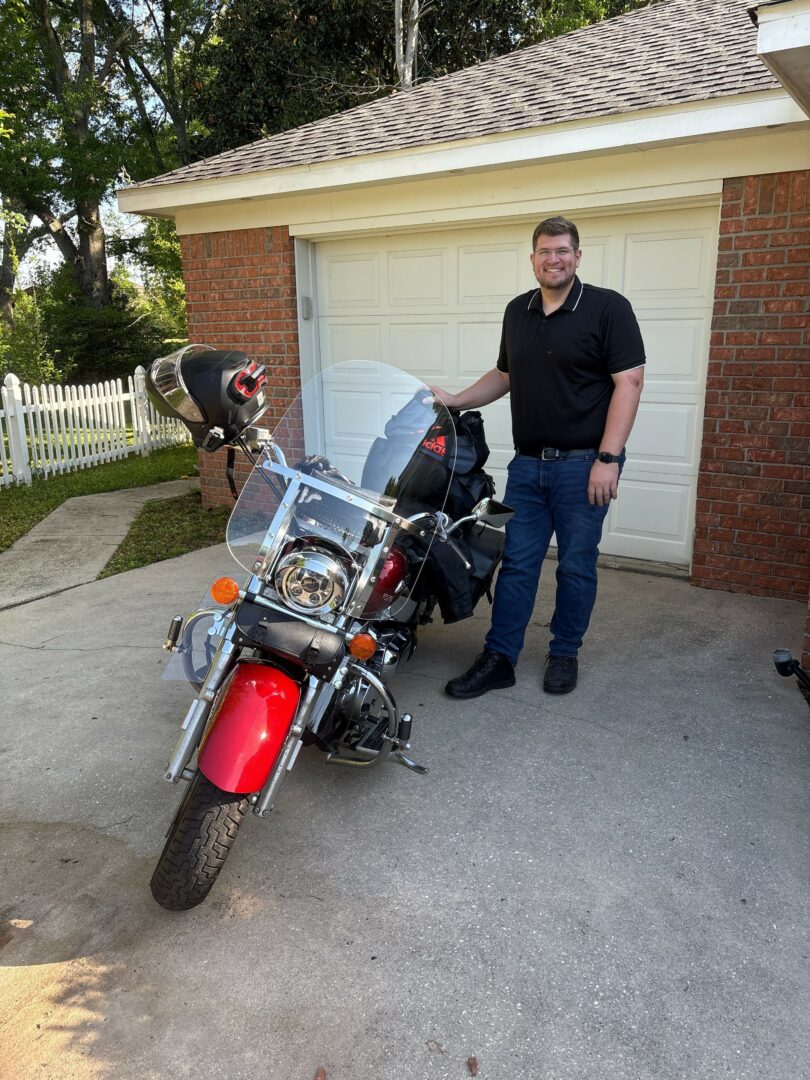
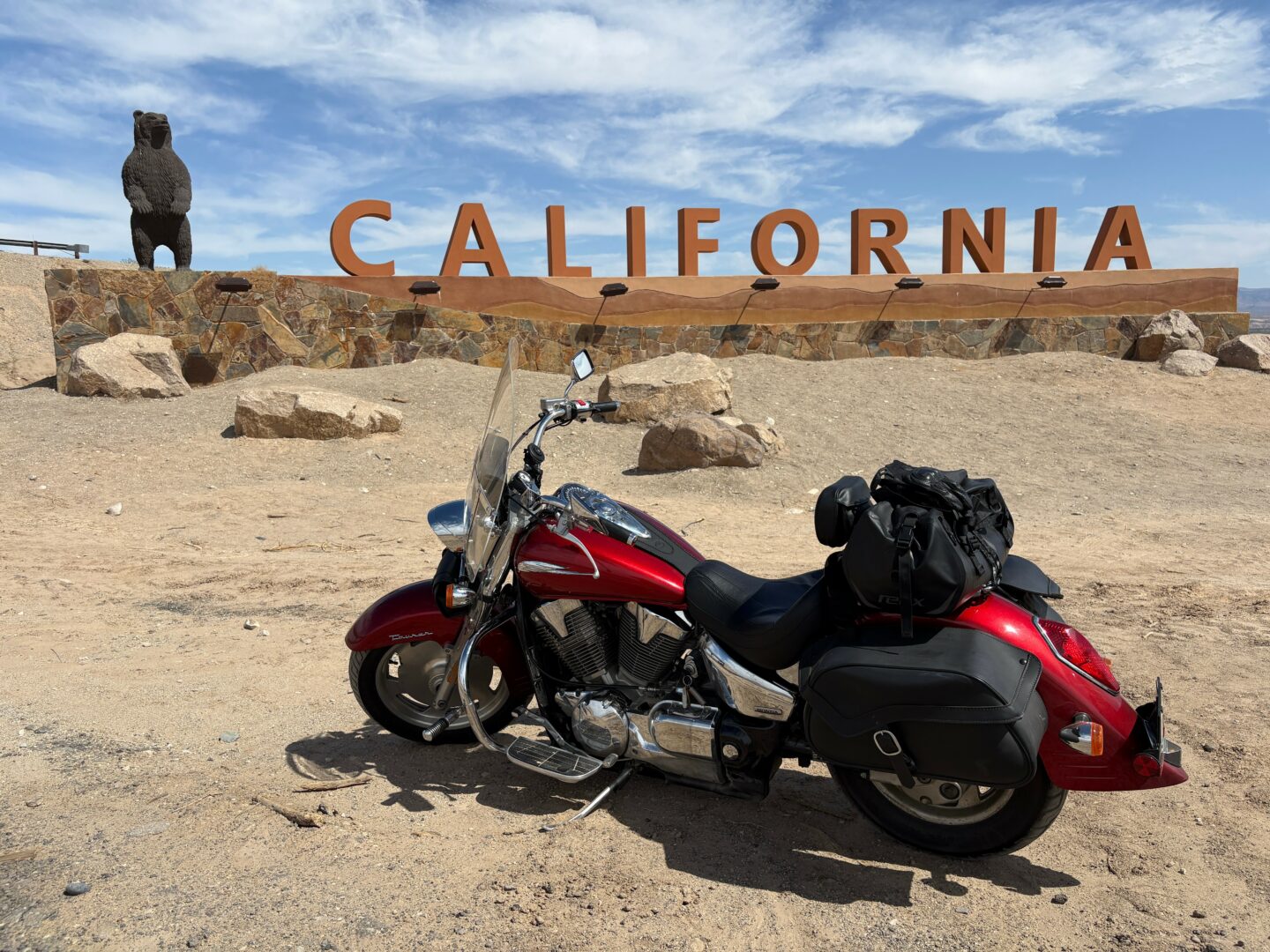
There’s nothing like the open road. I’ve been enchanted by it since childhood, and as an adult it’s still my favorite way to reset my creative engine. I take road trips, long and short, as often as I can. Sometimes in my old Silverado, and sometimes on my motorcycle when I want something a little less civilized.
Whatever the case, just give me an empty schedule, a great playlist, and a long stretch of highway, and the world slowly starts making sense again…
Or at least becomes more manageable.
Can you briefly introduce yourself and share what makes you or your brand unique?
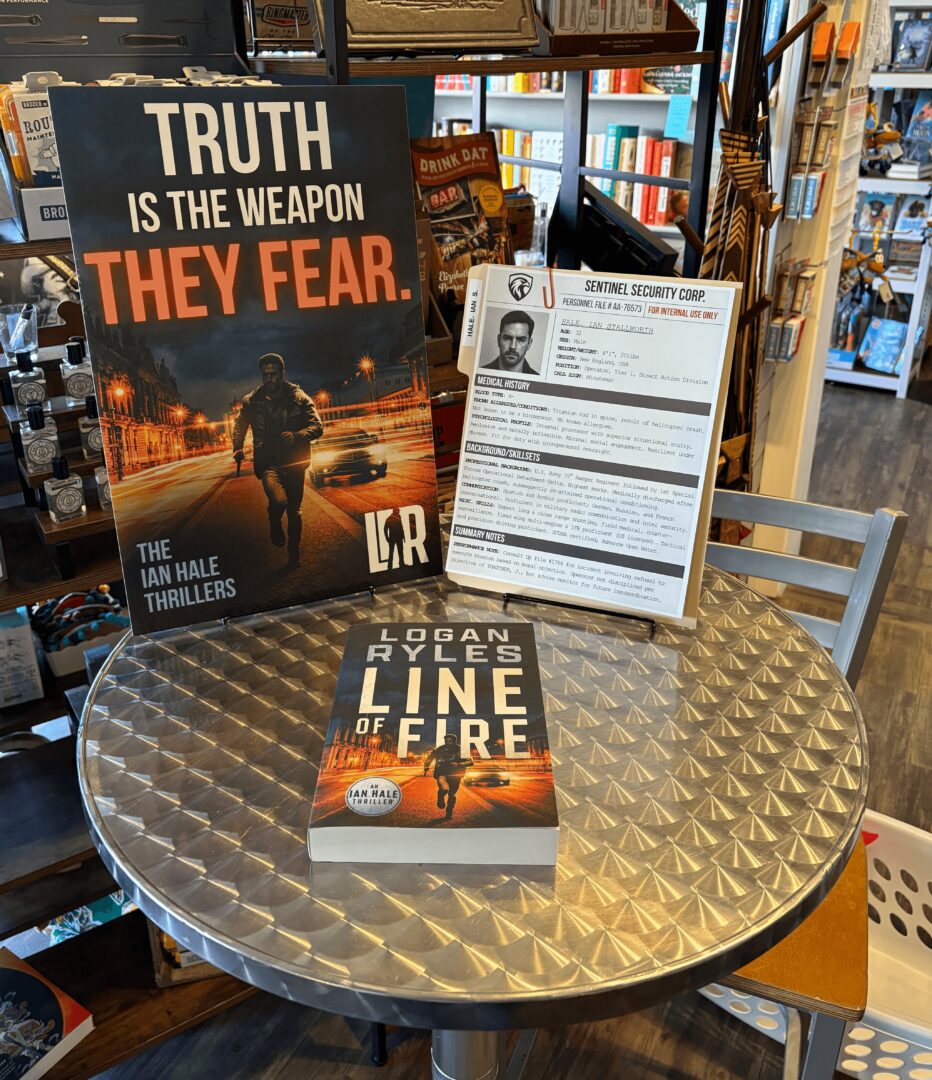
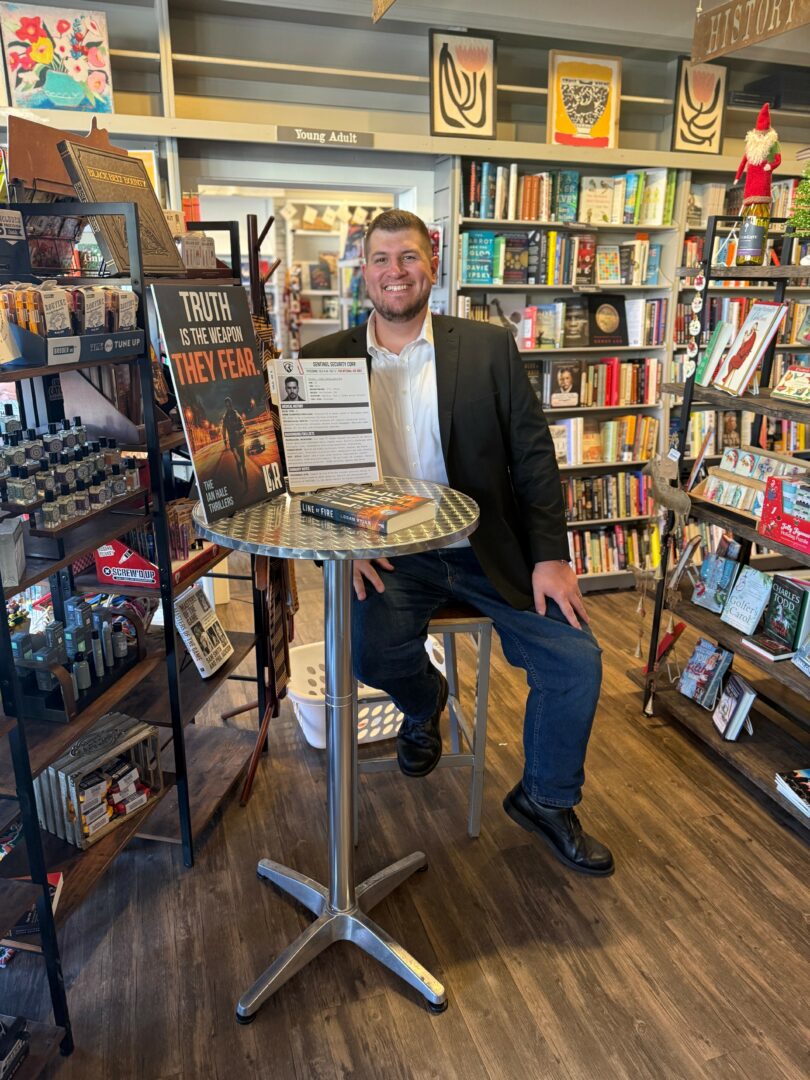
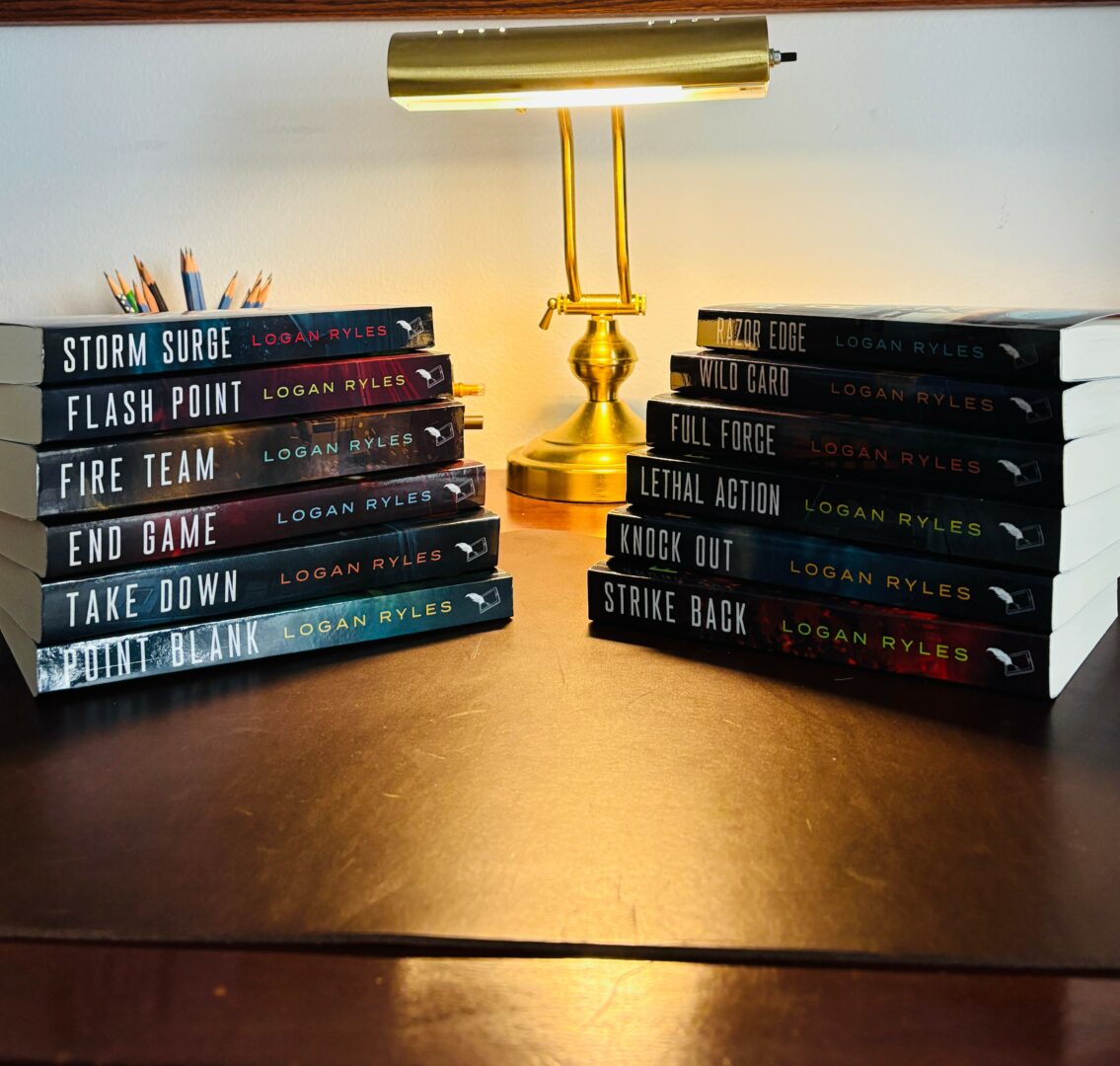
I’m a thriller novelist—the author of twenty-eight published novels and several shorter works, with a specialty in the action-thriller genre. My stories range in flavor from geopolitical conspiracies to small-town, lone-wolf hero fiction, but they all share the same core ingredients: mystery, momentum, and the human experience under pressure. That’s the cocktail I’m always working to craft, and when I get it right, readers let me know that the pages turn themselves.
Nearly a million copies of my work have been sold worldwide, with two of my series translated into German. It’s been an unbelievable journey, and I’m deeply grateful for every reader who has taken a shot on my work. Like I always tell them, I plan for many more adventures to come.
Appreciate your sharing that. Let’s talk about your life, growing up and some of topics and learnings around that. Who were you before the world told you who you had to be?
I love this question because it speaks to a difficult truth—how quickly the world tries to tell us who we should be, and how often we listen.
I first wanted to be a writer when I was six years old. I used to make “books” with crayons and staple them together, and looking back now, I can see my personality reflected in those early habits: always carrying around notebooks and frequently wandering off to be alone and imagine. I even took road trips back then—except I couldn’t drive, so I walked them instead, miles along busted Alabama roads.
Most of my childhood dreams stayed with me. I finished my first novel just before turning fifteen, and by the time I graduated high school I’d written three more and discovered my love for thrillers. But around that same time, the world started telling me who I should really be. Negative voices—some well-intentioned, others less so—coached me on the “realities” of adult life, the impossibility of an artistic career, and the safer paths I should consider. And I listened.
I went to college, launched a semi-successful career in finance, and tried my best to accept life as it was sold to me. But the dream of writing never left, and eventually I found my way back to it. Along the way, I learned a lot about life, about what’s actually real versus what is only perceived, and about what people are capable of when they persist. Most of all, I hope the experience taught me to be kinder and more encouraging toward others with big dreams. If I can help someone else pursue something larger than life, I’ll count my career detour as a net win.
Was there ever a time you almost gave up?
I remember it clearly—partly because my wife won’t let me forget, and I hope she never does. At the time I’d published three thrillers and was getting absolutely nowhere. I was writing hard and trying to gain traction, but there’s a lot more to making it as a career novelist than simply telling an exciting story. I still had so much to learn about marketing, branding, and building creative momentum.
We were living in Nashville then. I drove Uber during the day to help pay the rent, writing in every spare moment, while my wife worked downtown. Each morning I’d drive her to the office before starting my shift. On this particular morning, I was pretty low about my lack of progress. As we pulled up to her building, I told her I was thinking about quitting—that maybe I’d been fooling myself, that maybe all those negative voices from my teenage years had been right.
She looked at me and said, very simply, that I couldn’t give up. That I had to keep working, keep trying things, and keep believing. Most importantly, she said that she believed in me. That loving push was enough to keep me going a little longer.
Since then, as breakthroughs and milestones have come, my wife has reminded me of that conversation with a smug smile and a lot of love in her voice. The truth is, without her support I probably would have quit. I never would have reached the life I’m living now.
What I learned from that moment is just as important as the lesson about negative voices. Nobody is Superman, and nobody is self-made. We all need help and community. The power of one loving person who believes in us is fuel enough to build incredible things…and a reminder to stay humble.
So a lot of these questions go deep, but if you are open to it, we’ve got a few more questions that we’d love to get your take on. Whom do you admire for their character, not their power?
This is another question I love, because it speaks to my developing definition of success.
Multiple people come to mind when I think of character over power—my late grandfather (a twenty-year veteran of the U.S. Armed Forces, a family man, an innovator), my pastor (a spiritual guide, friend, and community anchor), and various historical figures. None of them are or were perfect, but all made deliberate choices to define their lives by core values of faith and love for others, rather than leveraging the raw power their positions or careers could have so easily enabled.
I have this theory—really more of a belief—that our society often confuses goodness and greatness. We see something great (powerful, influential, highly successful) and we instinctively label it as good. Sometimes it is good. But history teaches that you don’t have to be good to be great, and the world is full of unsung heroes who are deeply good without ever being “great” by traditional measures.
I think everyone, at some point, faces the opportunity to pursue achievement at the expense of virtue. When we choose goodness, material achievement may come later—or it may not. But we’ve made a choice grounded in values larger than ourselves, and that’s a definition of success worth aspiring to.
Okay, we’ve made it essentially to the end. One last question before you go. What is the story you hope people tell about you when you’re gone?
Building on the last question, I hope people tell a story of a passionate artist—someone dedicated to excellence who lived and reflected his faith and convictions. Whatever traditional success I might achieve, I hope it isn’t the only yardstick used to measure my work.
I hope every road trip I take in life follows the highways of my core beliefs, and that when forks in the road offer opportunities for compromise, I merge toward integrity. If my journey honors ultimate Truth, then that’s a legacy I can die proud of—great, and good.
And if I can only be one, God willing, I’ll be good.
Contact Info:
- Website: https://www.loganryles.com/
- Instagram: https://www.instagram.com/logan.ryles/
- Facebook: https://www.facebook.com/loganrylesauthor
so if you or someone you know deserves recognition please let us know here.