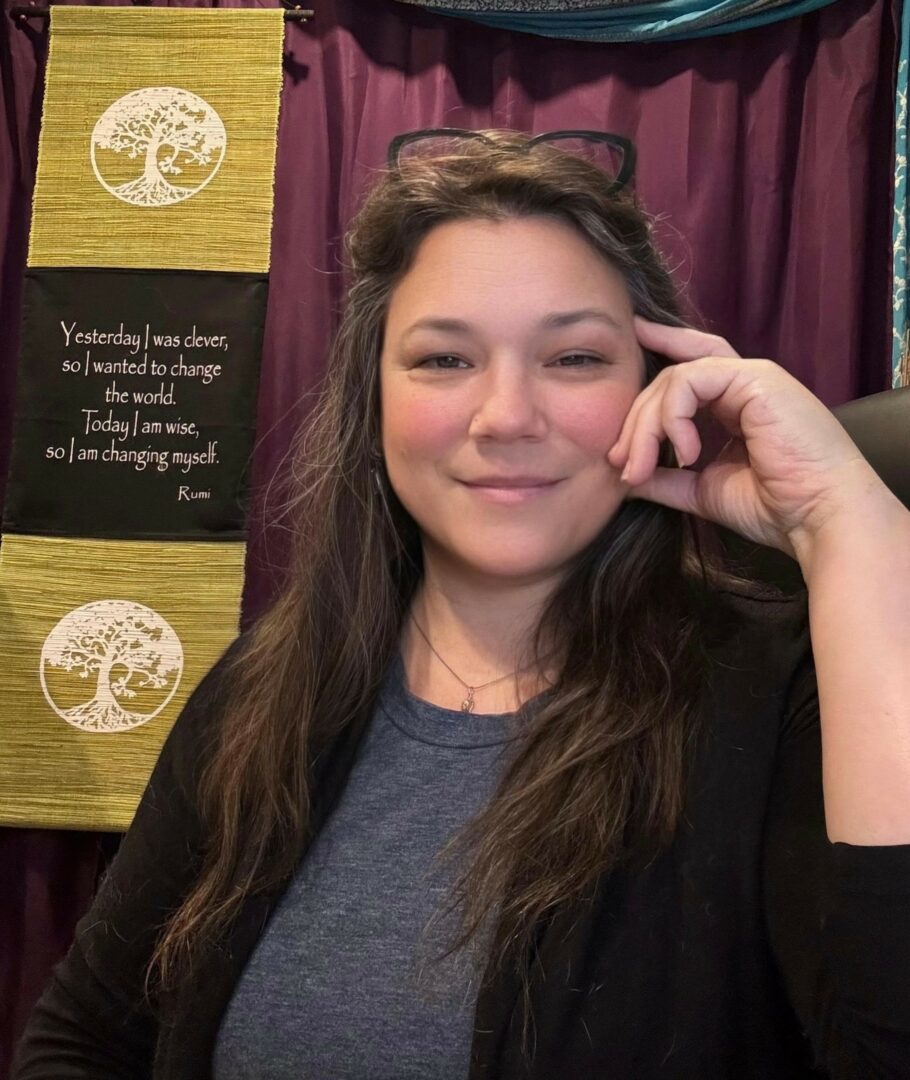
Jennifer Jurkofsky shared their story and experiences with us recently and you can find our conversation below.
Hi Jennifer, thank you so much for joining us today. We’re thrilled to learn more about your journey, values and what you are currently working on. Let’s start with an ice breaker: What do you think is misunderstood about your business?
I think one of the biggest misunderstandings about my work is the role of spirituality in mental health. In our profession, this aspect of who we are is often overlooked, and sometimes even viewed as controversial by regulatory bodies. Yet, I truly believe that healing can’t be complete unless we explore all dimensions of ourselves — mind, body, and spirit. When I first started incorporating spirituality into my practice, I was honestly worried that it might be misunderstood or create professional obstacles. But following my heart and integrating this into my work has not only been deeply fulfilling, it’s also been transformative for my business. It’s a reminder that honouring the whole person, and trusting your own intuition, can open doors you never expected.
Can you briefly introduce yourself and share what makes you or your brand unique?
Sure! I’m Jennifer, a psychotherapist, spiritual counsellor, and intuitive life coach who blends traditional mental health practices with a deep focus on spirituality. My work helps people heal and integrate all parts of themselves so they can live more authentically and fully. What makes my approach unique is that I don’t separate the spiritual from the psychological, I see them as deeply intertwined.
I combine clinical expertise with tools and practices that empower clients to access their inner guidance and personal strengths to address real-world challenges, creating transformative results. Right now, I’m expanding my work to include educational content, guided meditations, and programs that help people step into their gifts, their truth, and their fullest potential.
In addition to my clinical and teaching work, I host two podcasts that allow me to share this blend of psychology and spirituality with a wider audience. I’m the co-host of Twillow Talk with my dear friend Tanys Coughlan, and I also host For the Love of Mystics, for Beyond Being Human, a show dedicated to exploring mystics throughout history — and what it means to live a mystical life in the modern world.
Great, so let’s dive into your journey a bit more. What’s a moment that really shaped how you see the world?
A moment that truly shaped how I see the world happened in late July 2013. I was a single mom of two, in an abusive living situation, feeling completely desperate. I had been searching for a new place to live for months, going nowhere, and finally, I surrendered. I lay in bed and cried — and then I heard a still, small voice telling me to get up and go for a drive.
I surrendered completely and followed it. At every light and intersection, I asked which way to go, until I ended up in a neighbourhood I didn’t know. I felt the urge to pull over, and when I did, I felt lost until I heard, “look.” I turned and saw a “for rent” sign in the window of the unit I had parked next to. I called and saw the apartment that day. It wasn’t even ready yet, they were still doing renovations, but they agreed to rent it to me. No down payment, no references, animals allowed, and even a discount because of the unfinished work. That weekend, I packed up my two kids, a cat, and a dog, rented a moving truck, and moved in.
That moment showed me the power of surrender, trust, and following guidance — even when it doesn’t make sense. It changed how I navigate life and shaped the way I show up in my work: knowing that when we let go and listen, the universe supports us in ways we can’t always imagine.
When did you stop hiding your pain and start using it as power?
It didn’t happen in a single dramatic moment — it unfolded slowly, after years of trying to be “the strong one,” the responsible one, the one who held everything together no matter what was crumbling underneath. I had grown up learning to cope by minimizing my own needs, staying quiet about my experiences, and pushing through pain as if it were a badge of honour. For a long time, that strategy worked — at least on the surface. It kept me functioning. But it also kept me disconnected from myself.
The shift began when I realized that the parts of me I kept trying to hide — my grief, fear, anger, exhaustion, even the parts shaped by trauma — weren’t weaknesses. They were signals. They were holding the truth about what needed to heal. And every time I tried to suppress them, I was also suppressing my intuition, my fierceness, my creativity, and my ability to actually feel alive.
Shadow work changed everything. Instead of treating my pain as something to conquer, I began approaching it with curiosity and compassion. I stopped asking, “How do I get rid of this?” and started asking, “What is this showing me about my strength, my boundaries, my gifts, and my purpose?”
That’s when my pain became power — when I realized the shadow wasn’t a flaw, but an entry point to the deepest parts of my genius. The parts I was taught to hide were actually the parts that made me intuitive, insightful, and able to support others on a profound level.
Now, in my work, I help people understand that the shadow is not a place of shame — it’s a source of brilliance. When we stop avoiding it and start listening to it, what emerges is clarity, authenticity, and a level of inner power that can’t be accessed through “success” alone.
That shift — from hiding to harnessing — changed not only how I see myself, but how I navigate the world and guide others on their own healing journeys.
Next, maybe we can discuss some of your foundational philosophies and views? What are the biggest lies your industry tells itself?
One of the biggest lies my industry tells itself is that healing must remain strictly clinical to be credible. There’s a lingering belief that anything intuitive, energetic, or spiritually grounded is somehow less valid or less professional. Meanwhile, many clients are searching for more than symptom management — they want depth, meaning, and connection. Ignoring that doesn’t make therapy stronger; it makes it incomplete.
Another lie is the idea that therapists must remain “neutral” to be effective. In reality, healing thrives in authenticity. People don’t need a blank slate — they need a regulated, grounded, human presence who can hold space with compassion, clarity, and genuine connection. The idea that we have to detach from our humanity in order to do good work is not only outdated, it’s harmful.
But perhaps the biggest lie is this:
That mental health exists in isolation from the rest of a person’s life. We’re taught to focus on symptoms and interventions, that rarely address the full complexity of being human. We talk about “holistic care,” but often forget that a person is not just a mind — they’re a whole ecosystem of emotions, physiology, relationships, beliefs, identity, purpose, and lived experience. These pieces don’t exist in neat, separate boxes. They constantly interact, shape one another, and influence how someone heals.
Real transformation doesn’t come from treating isolated parts — it comes from integration. When we recognize the interconnectedness of everything a person carries, therapy shifts from being simply supportive to genuinely life-changing.
My work challenges the old assumptions by welcoming the whole person into the room — not just the mind, not just the emotions, but the full, complex, intuitive human being. When every layer is honoured, healing becomes deeper, more efficient, and far more sustainable
Okay, we’ve made it essentially to the end. One last question before you go. What do you understand deeply that most people don’t?
I’ve come to understand that suffering isn’t only about external circumstances — it’s also shaped by how we relate to our inner world. There are situations where suffering is created by real harm, injustice, or abuse, and those experiences deserve compassion, protection, and support. But in the day-to-day, many people suffer not because of what is happening, but because of how their mind interprets it, resists it, or tries to outrun it.
Most people don’t realize how powerful their inner landscape is. We’ve been taught to fear our feelings, to avoid discomfort, and to push away dense emotions like sadness, anger, fear, or grief. But the more we fight them, the more they shape our reality from the shadows. True healing requires taking responsibility for our relationship with our emotions — not blaming ourselves, but reclaiming the power we’ve unconsciously handed away.
I’ve learned that emotional pain becomes heavier when we refuse to sit with it, and lighter when we allow it to move through us. This understanding is at the heart of my book Spheres of Consciousness, which explores how to meet difficult emotions in healthy, grounded, and compassionate ways. When we learn to sit with what we’ve avoided, we stop being controlled by our suffering and start transforming it.
What most people don’t understand is this:
Our freedom doesn’t come from eliminating painful emotions — it comes from changing how we relate to them.
And when we do that, we reclaim a level of agency, clarity, and inner power that many people never realize they have.
Contact Info:
- Website: https://myholisticselfcounselling.com/
- Instagram: https://www.instagram.com/myholisticselfcounselling/
- Linkedin: https://www.linkedin.com/in/jennifer-jurkofsky-06942543/
- Twitter: https://www.x.com/MyHolistic
- Facebook: https://www.facebook.com/HolisticSelfCounselling/
- Yelp: https://www.yelp.com/biz/cL0M9a7F6XHJVPU8AJbqEQ
- Youtube: https://www.youtube.com/@myholisticself
- Other: Additional Websites:
PassengerConsciousness.ca
TherapyforLightworkers.com
StarlitPaths.ca
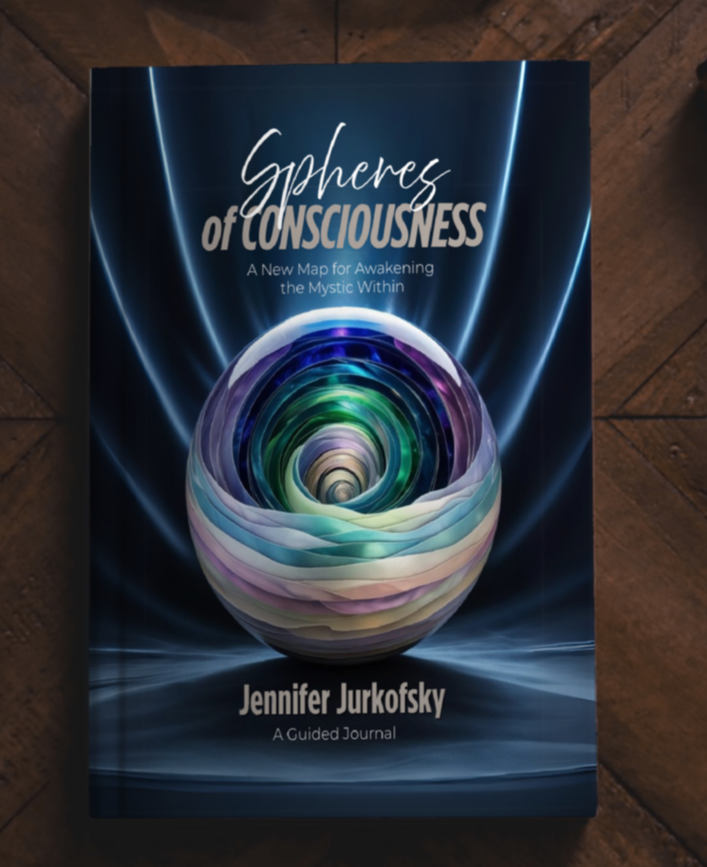
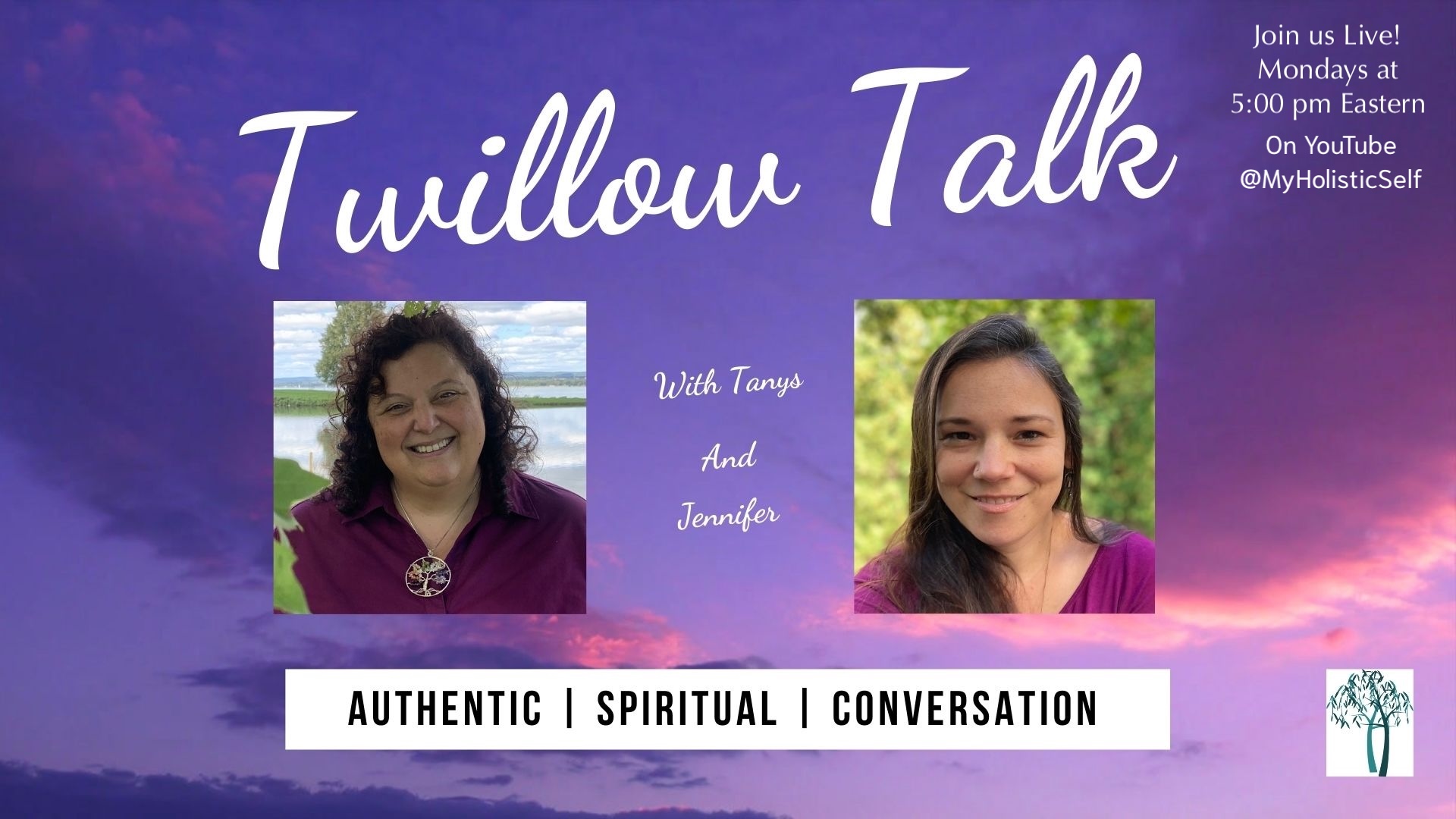
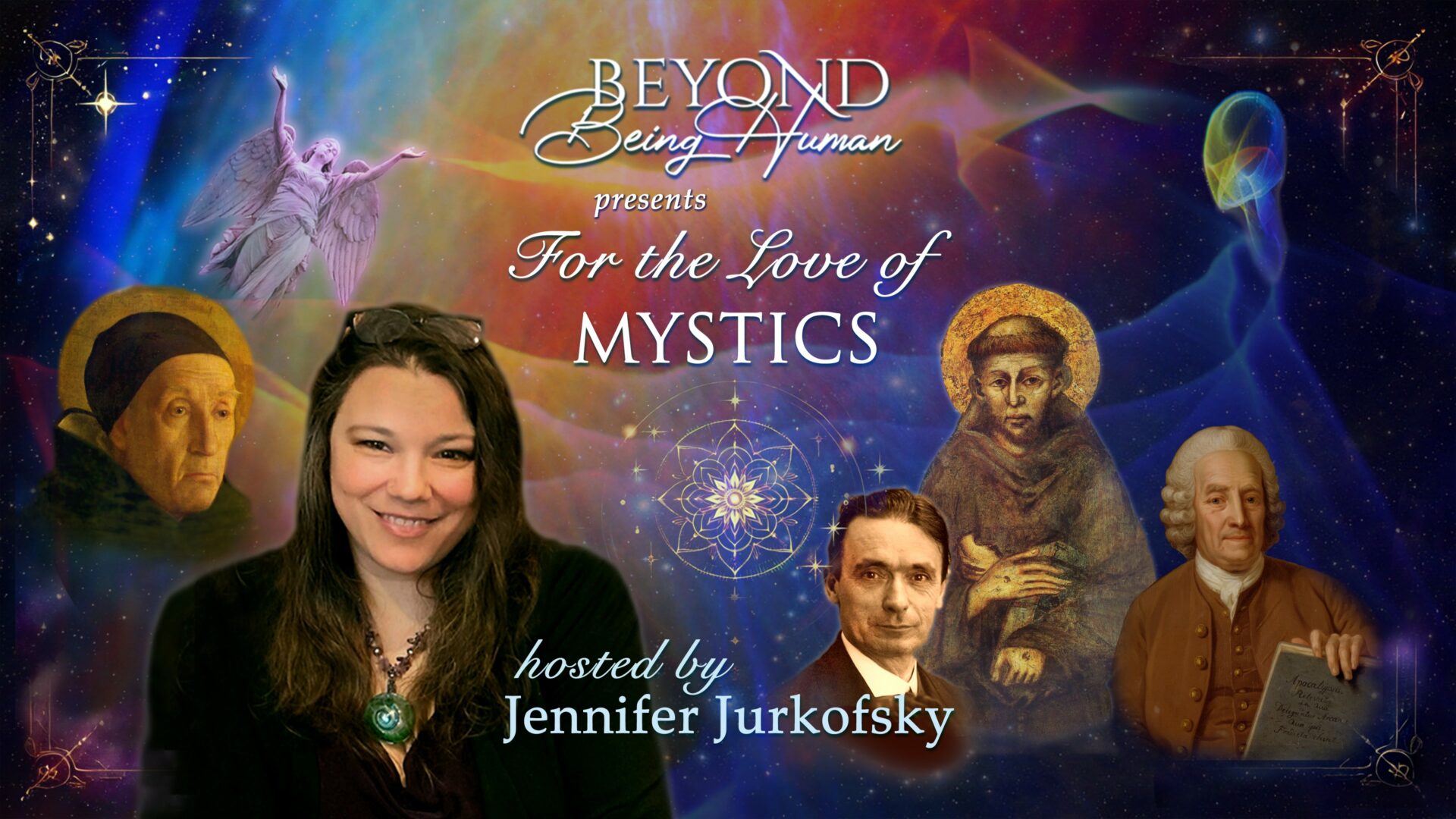
Image Credits
Twillow Talk – Tanys Coughlan, Twillow Lifestyle Community
For The Love of Mystics – Michael Davyd, Beyond Being Human
so if you or someone you know deserves recognition please let us know here.