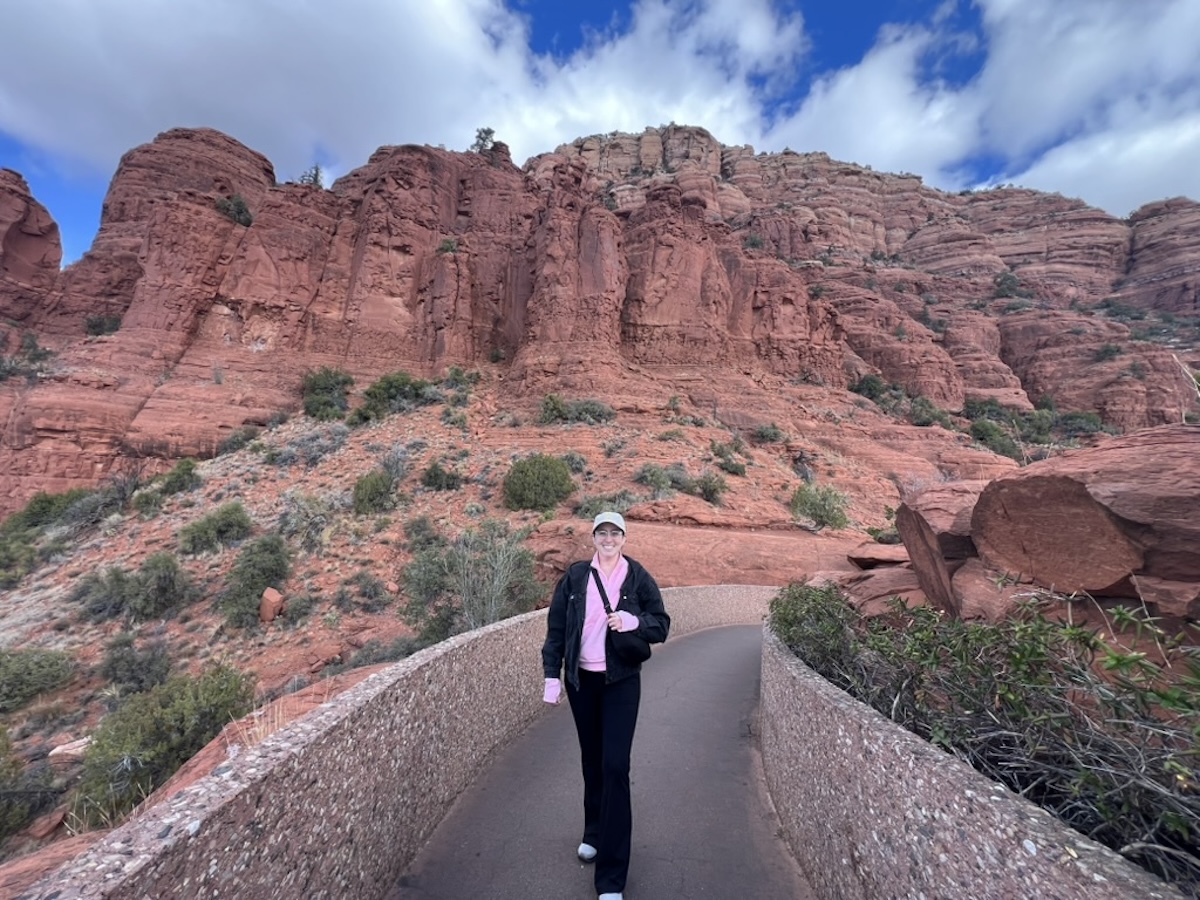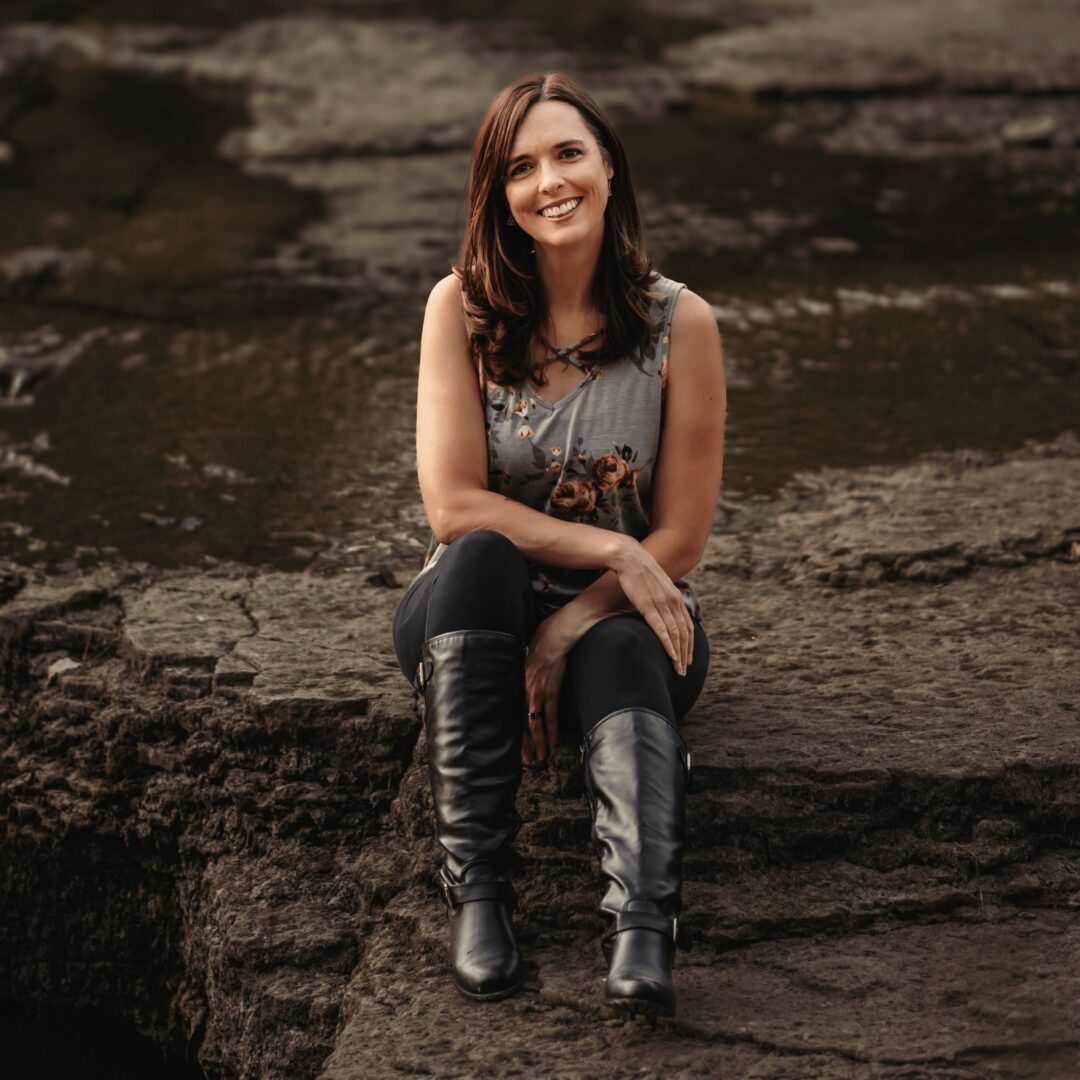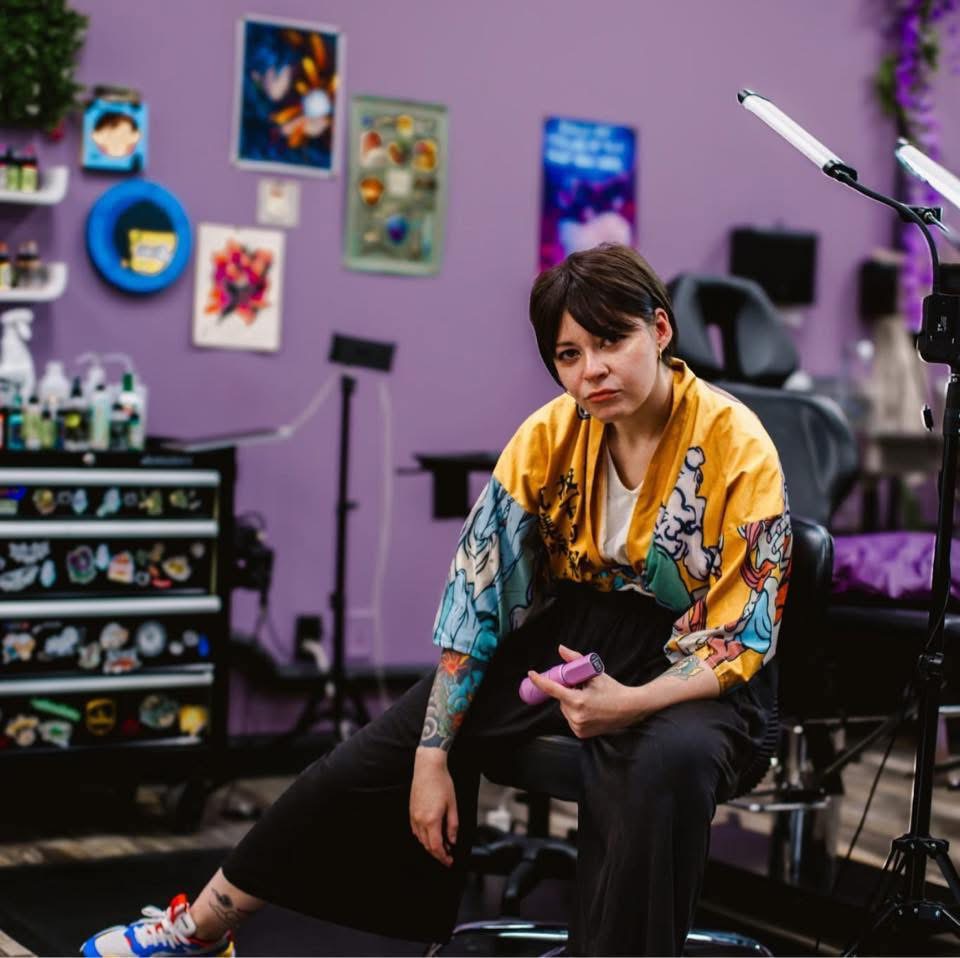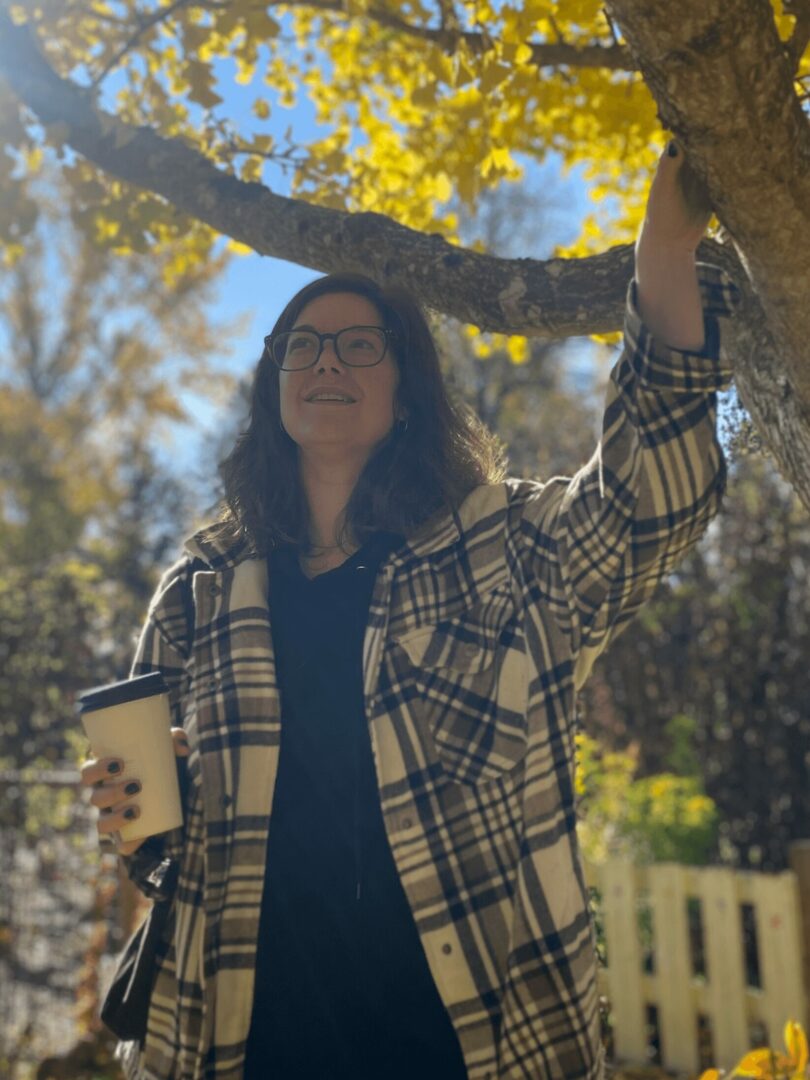
Angela Di Filippo shared their story and experiences with us recently and you can find our conversation below.
Good morning Angela, it’s such a great way to kick off the day – I think our readers will love hearing your stories, experiences and about how you think about life and work. Let’s jump right in? What’s more important to you—intelligence, energy, or integrity?
Integrity is by far the most important thing to me because, without it, nothing we do has meaning. What I mean is, I could be the smartest person in any room, or feel the most energetic I’ve ever felt before, and if I don’t have that inner compass, that guidance, that drive to try my best and be honest with others, then my intelligence and energy won’t make anything better – for myself or my community – in a meaningful way.
Can you briefly introduce yourself and share what makes you or your brand unique?
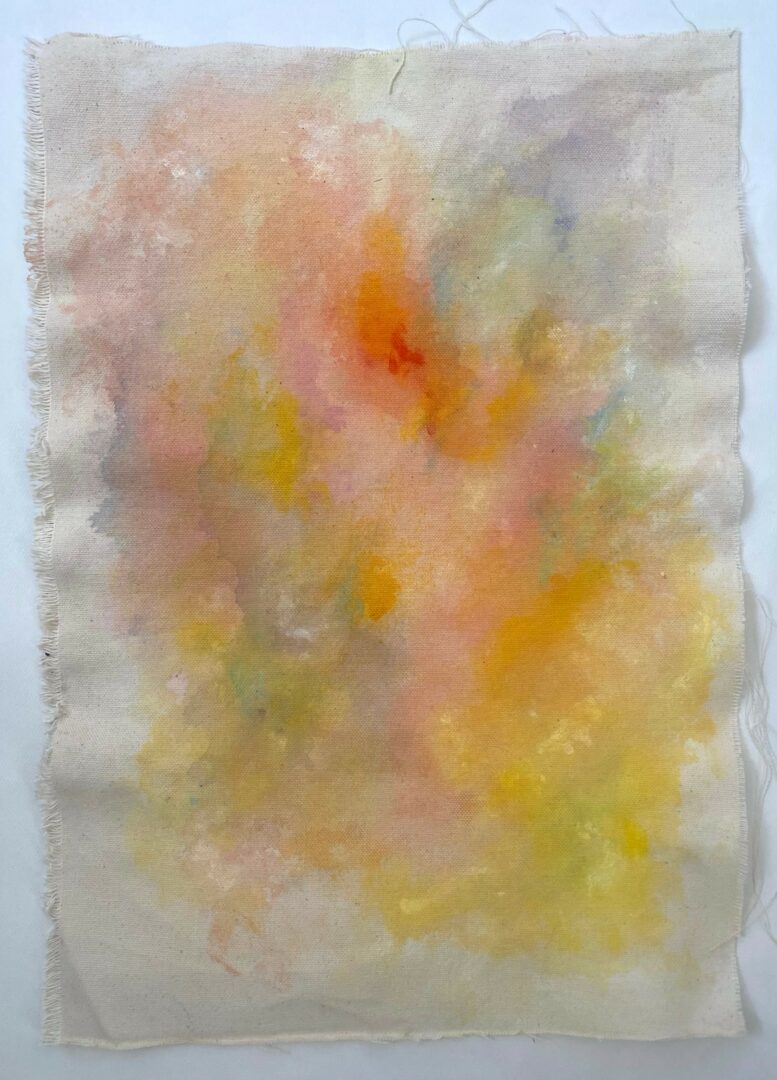
My name is Angela Di Filippo, and I am a Leadership Coach (Angela Di Coaching) and an abstract expressionist painter. These intersect in my mission to create a more beautiful world with acceptance, positive expression, and expanding perspectives. As a painter, I know my pieces are the result of the influence of my direct action and natural forces (like gravity). Even if I’m drawing inspiration from something, I understand that the final work is an evolution of processes that is only possible by balancing control and chaos. Coaching works in a similar way.
My coaching practice is driven by the idea that everyone is a leader in their own life – or at least has the potential to be – and achieving a goal is a matter of a person understanding what they truly want and choosing to move in that direction. That’s where I come in as a Coach – I help clear out the noise of everyday life and empower people to challenge the limits they’ve put on themselves, so they evolve with confidence in living out their goals by changing what they can control and accepting what they cannot.
Appreciate your sharing that. Let’s talk about your life, growing up and some of topics and learnings around that. What part of you has served its purpose and must now be released?
I’ve been reflecting on this question lately. I grew up in a family that was not good at communicating needs, but very good at communicating guilt, shame, and criticism. I taught myself how to communicate effectively in my 20s and used my self-awareness, curiosity, and ability to cut through ego to review conversations – both ones I had and ones I was planning to have. And it worked – I was able to identify what I could let go of, what I really wanted, and how to better communicate my needs and wants.
Now, almost in my 40s, I don’t need to analyze things in the same way because I not only have the skills, but I also have the shifted perspective I was ultimately looking for. Essentially, this analysis practice of “fighting with ghosts” (as I lovingly call it) no longer benefits me like it used to. Instead of a way to process conversations and use the information for my own continuous improvement process, I realized it was keeping me trapped in very human and, ultimately, defensive attitudes. Freeing myself from my own limitations, like those attitudes, means letting go of the security blanket that comes with analysis, accepting feelings, and trusting myself to be true to my life mission, regardless of the situation.
When did you stop hiding your pain and start using it as power?
Very recently! A few months ago, I entered the part of my healing journey where I touch on the bedrock traumas in my life, one of which is how I was raised to minimize any discomfort or pain I felt. Part of this included not bringing up if something was wrong because that meant I was harming the perpetrator.
This was always difficult because I am, and always have been, a soft person – I don’t have a thick skin and, while I don’t invest in grudges or hold onto things longer than I need to (after all, not all cuts are wounds), I can feel pain easily. I have, in the past, understood this, but still invested in trying to develop a thicker skin and “not care” about whatever inspired the pain response. That’s what I thought resilience was.
The turning point was not just accepting the fact of my softness, but accepting that not having a thick skin is part of what makes me great. I have an ability to care deeply about so many things, and this is what opens the doors for so many meaningful connections in my life. Ultimately, my resilience and strength doesn’t look like toughness; it looks like empathy and understanding.
So a lot of these questions go deep, but if you are open to it, we’ve got a few more questions that we’d love to get your take on. What’s a belief or project you’re committed to, no matter how long it takes?
In short, I believe that we have the potential for a better life for all of us. Logistically, I believe that we do have enough food, housing, and other essential resources for people’s basic needs to be met, and that scarcity is more manufactured than a fact of life. So, we have this need for better resource distribution, and I believe that this ultimately starts with radical generosity.
Many of us are living with a lot of uncertainty – I myself have Type 1 Diabetes and have a day job working for local government at the potential start of an era of shutdowns- and the idea of giving to others when we can’t guarantee our own needs will be met is uncomfortable to say the least. And, it’s the only way forward. The focus on individualism and our worth being intrinsically tied to our ability to produce has led to loneliness, isolation, and fear for many.
However, when we can acknowledge those needs but not use them as guides for our behavior, we can truly connect with others and find opportunities for all of our needs to be met. Giving when we’re uncertain, showing up when we’re tired – these are ways we can be radically generous, and, while this needs to be balanced with healthy boundaries, I believe that by investing in how we support others, we will find new and better ways to be supported ourselves.
Okay, so let’s keep going with one more question that means a lot to us: If you knew you had 10 years left, what would you stop doing immediately?
I would stop postponing my creative endeavours and, more specifically, I would stop keeping those projects to myself. I have always been a writer and painter, and am lucky that the same creativity that allows me to participate in these practices is the same creativity that allows me to design leadership trainings and coach leaders for my work and business. And yet, even though the source is the same, I regularly share my leadership and coaching work publicly, but rarely share my artistic projects with others beyond my immediate circle.
As I’ve been working on embracing all of my nuances, I’ve recognized that I don’t always honor how I can use my artistic creativity to inspire and empower others in the same way that I use my coaching creativity to support others. While I’m still generating some courage for the next steps, I have started to share more of my work with others and am exploring potential opportunities for myself, so I don’t wait until I have only 10 years left.
Contact Info:
- Website: https://www.angeladicoaching.com/
- Linkedin: https://www.linkedin.com/in/angela-di-filippo-965623191/
- Other: https://adfpaintings.portfoliobox.net
so if you or someone you know deserves recognition please let us know here.