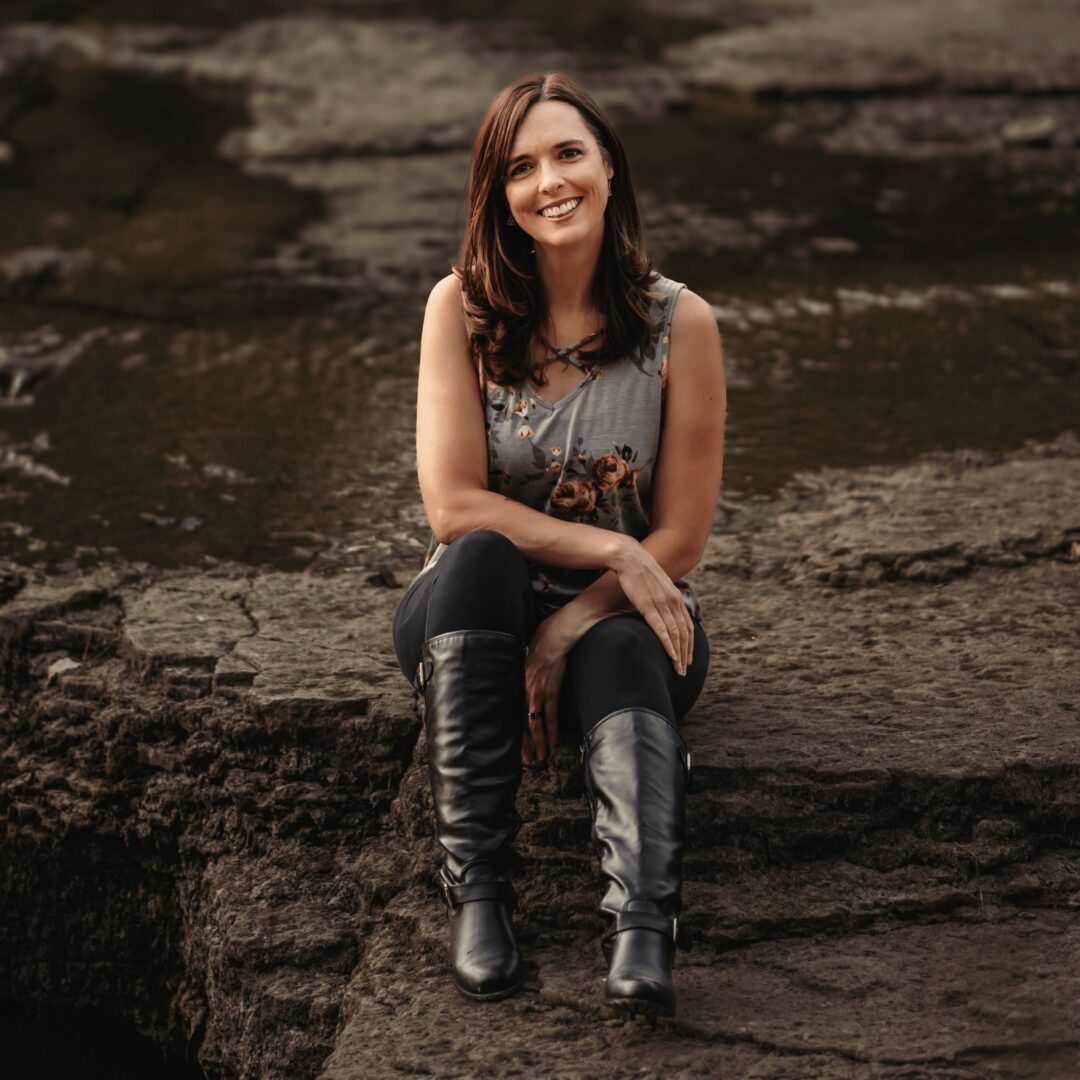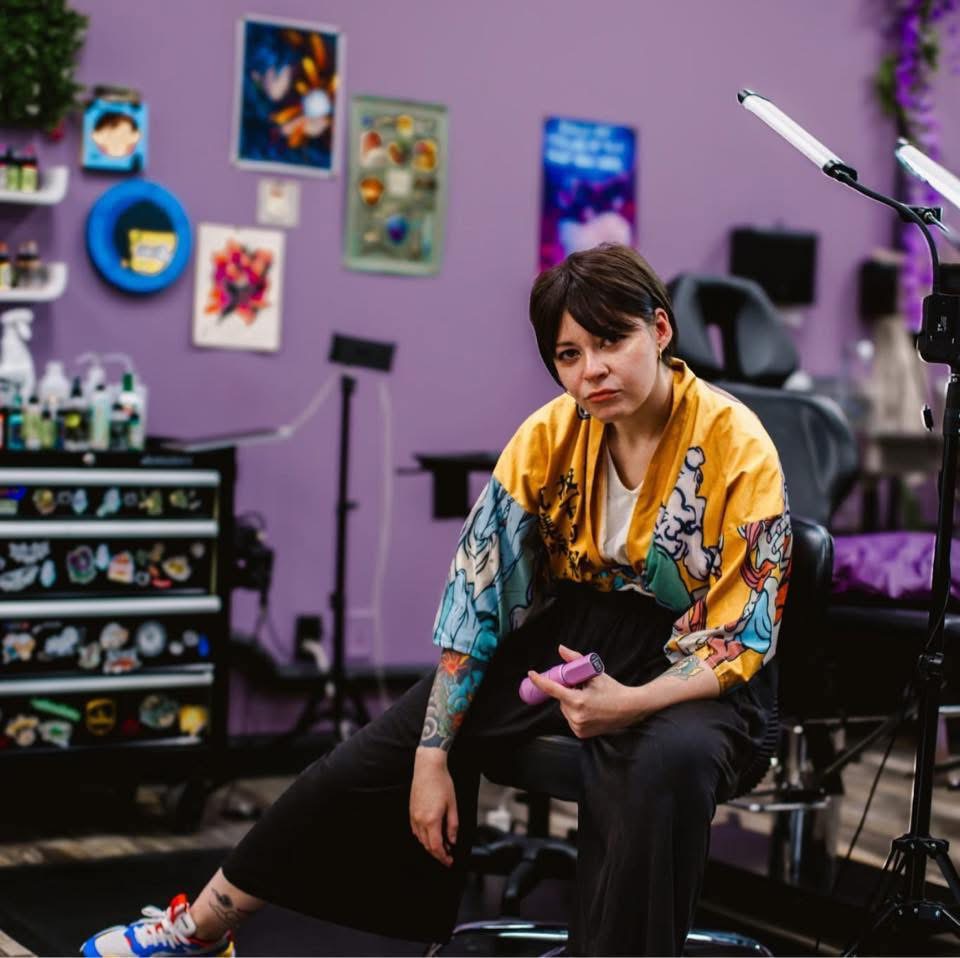
We recently had the chance to connect with Ruth Araujo and have shared our conversation below.
Ruth, really appreciate you sharing your stories and insights with us. The world would have so much more understanding and empathy if we all were a bit more open about our stories and how they have helped shaped our journey and worldview. Let’s jump in with a fun one: What are you being called to do now, that you may have been afraid of before?
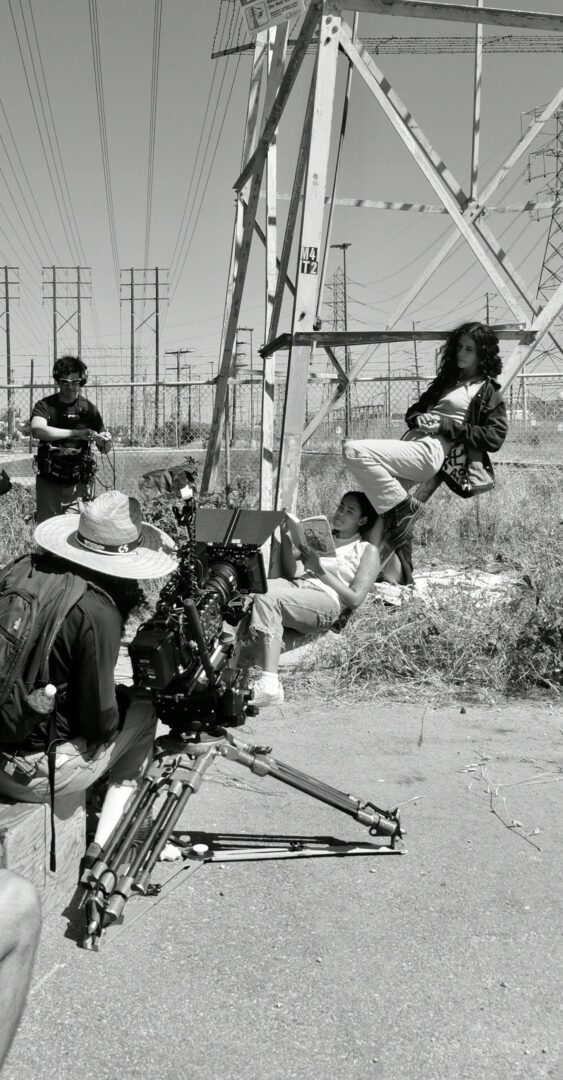
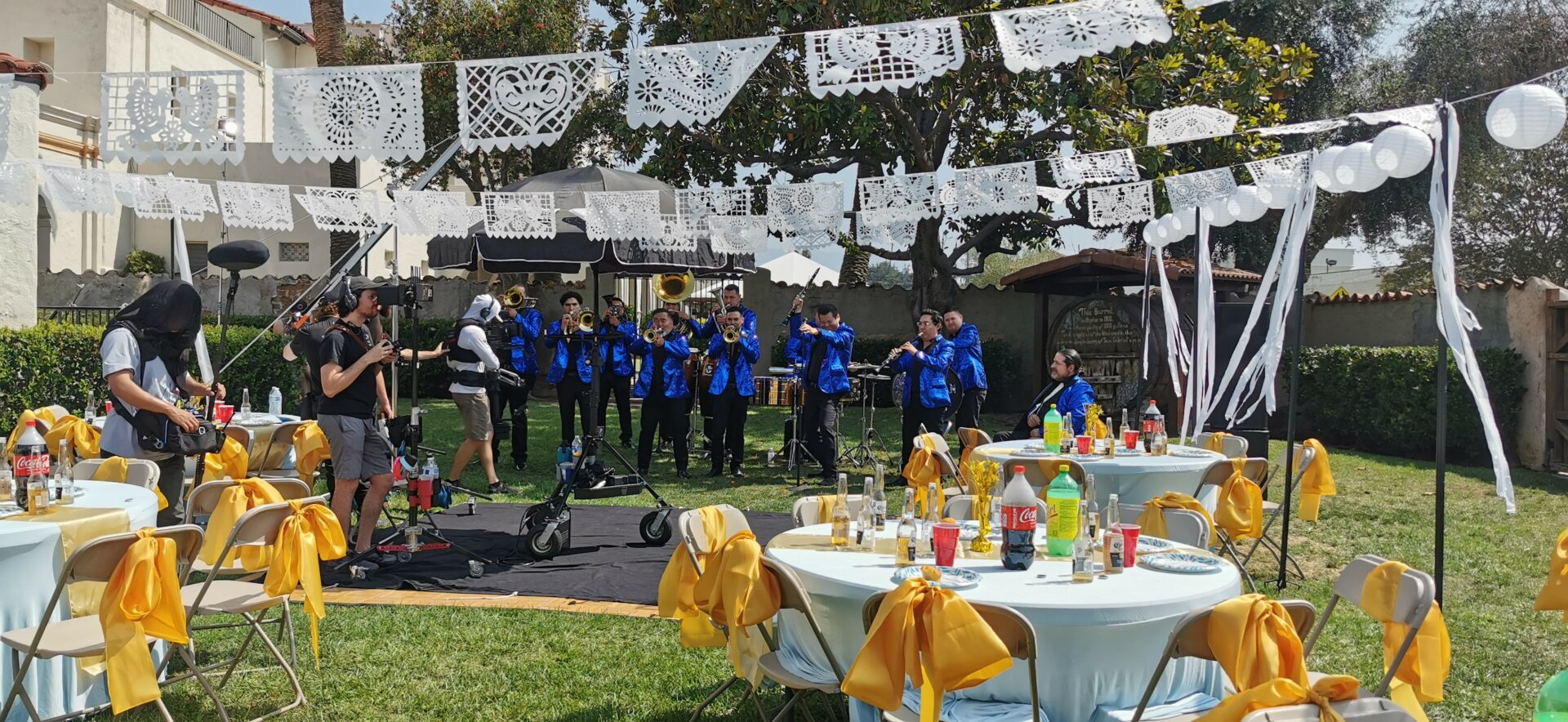
I recently got the opportunity to costume design a period film. This opportunities don’t come often since period films require a higher budget on all visual fronts and a lot more time. However having the opportunity to do it is unique at this point of my career since it gives me the opportunity to prove my ability to do the research, lead a team from sketches and research to a final product on screen and the quality of work I can deliver as a costume designer for any kind of film.
Since these kind of projects don’t come along often you learn how to do them by pretty much being thrown into the deep end and finding a way to stay afloat, you try to be as clear and transparent with your producers on what is feasible and what you might need to sacrifice, you need to be smart about where your money goes and how much you can promise to achieve.
The final result was amazing for the time and resources we had and it was all thanks to team work, from my direct department, to the production team and the other departments working on the film.
Can you briefly introduce yourself and share what makes you or your brand unique?
I am a costume designer, born and raised in Mexico City. I started my career working on commercials and live television and then transitioned to narrative forms from short films and episodic to features and stage productions when I moved to LA.
I have been fortunate to have some of the most extraordinary mentors through out my time in LA, from whom I’ve learned everything and have had the pleasure of working with in their own projects. I have worked with Jacqueline West (Dune, Killers of the Flower Moon, The Revenant), Deborah Nadoolman Landis (Raiders of the Lost Arc, The Blues Brothers, Coming to America), Eduardo Castro (Ugly Betty, Once Upon a Time, Miami Vice) and Lynn Ollie (The Man in my Basement, American Horror Stories).
Because of the way I work in project I have always considered myself a director’s designer, meaning that I rely on a close collaboration with the director to create characters that come to life in a story, that feel real and whose personality and life I can help tell through the garments selected for them, rather than creating just surfaces and eye catching trendy look that live only for an instant on a screen and can’t transcend that space.
Thanks for sharing that. Would love to go back in time and hear about how your past might have impacted who you are today. Who saw you clearly before you could see yourself?
I did my undergrad in fashion, I knew I loved garments and the power they had to represent events in people’s lives, specific moments in history and geographic differences. From the moment I started my journey in school I was confronted by one of my professors, Gustavo Prado, he is a leader in trend prediction and research for anything garment related in Mexico. He would always challenge everything I was doing and asked me if I was sure this was something I wanted to pursue. At the time I didn’t really understand what he meant and I always saw it as him telling me I wasn’t a good designer and I should quit designing. However now when I look back I can see that he always meant that I wasn’t a fashion designer or a stylist, he saw in me the interest for collaboration and story telling before I could see it myself, he could tell that I was interested in human narratives and the history of garments as a voice to societies, rather than a global trend mindset and marketable instants.
When I switched my path to costume design he was extremely supportive of it. Helped me find my way, meet the right people, read the right books, watch the right movies, everything I needed in terms of garment literacy was provided to me from him and I will always be grateful for that.
What fear has held you back the most in your life?
I think anyone who is in a similar point in their career as I am has suffered from imposter syndrome.
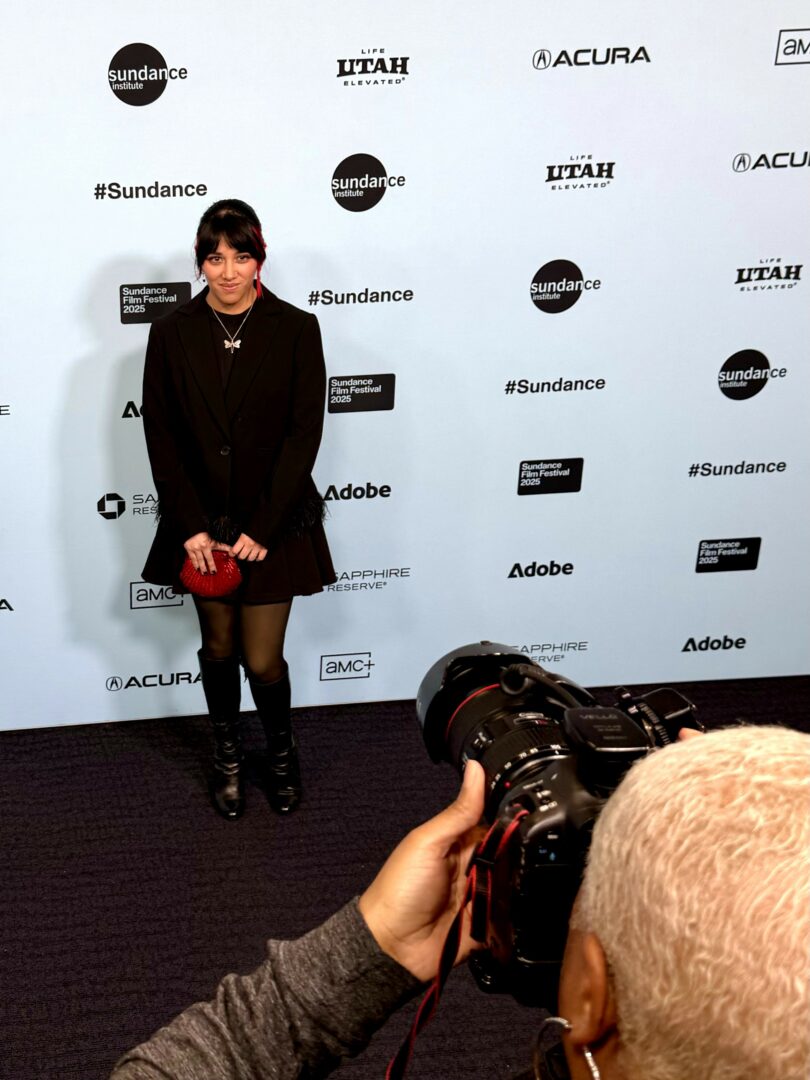
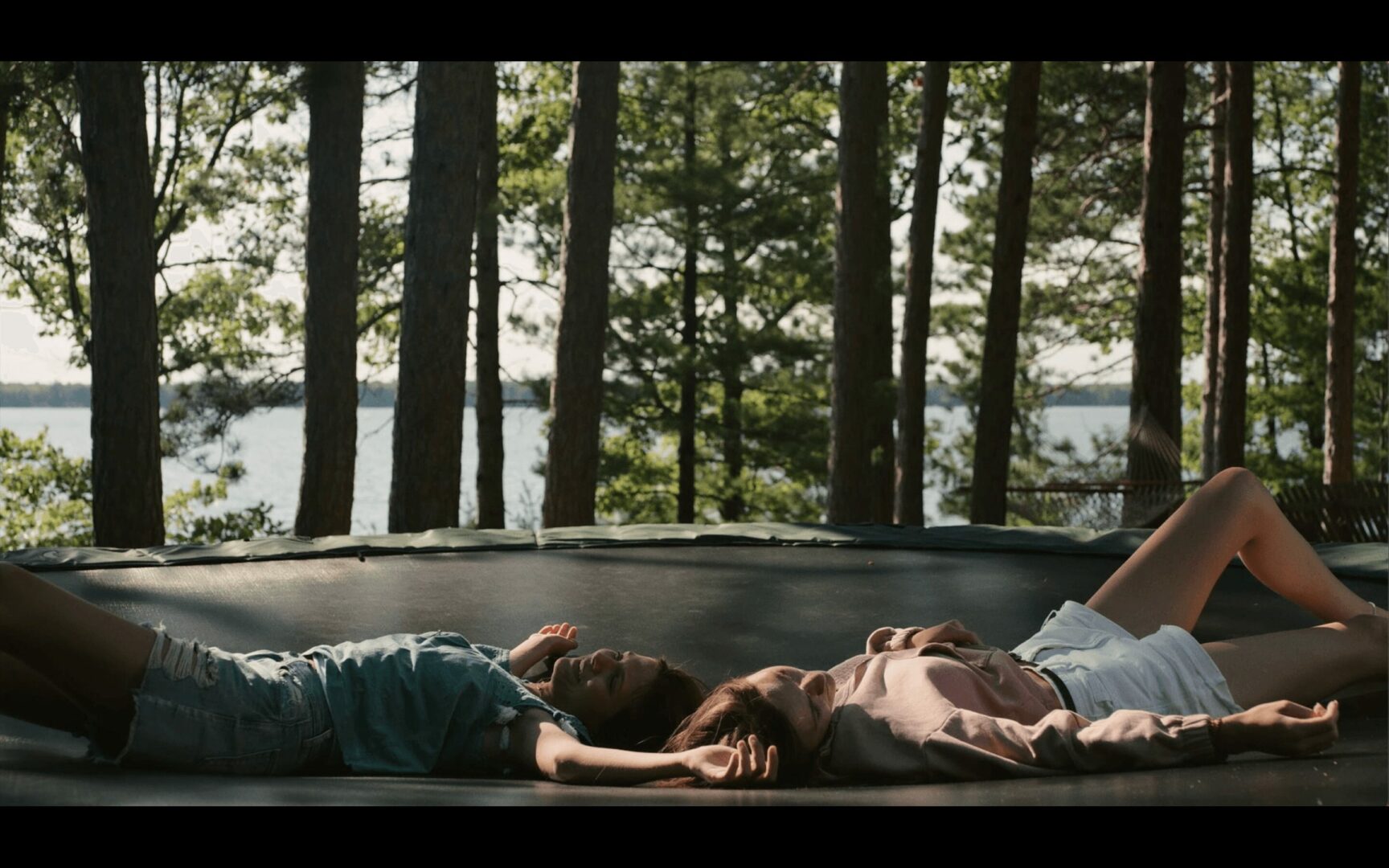
At the beginning of this year I had the opportunity to attend Sundance with the film Sunfish and Other Stories on Green Lake, where I was the costume designer. It was an other worldly experience, where I had to talk to press, and had interviews and panel conversations, attended red carpets and industry parties. The movie had a great festival run, audiences responded with so much love and it’s now streaming in multiple platforms. All of this happened and for a couple of months after all I could think about was “is this it?, is this the highest point of my career?”. I felt like this was all good luck and just the universe giving me a win rather than hard work and actual talent at play. It was both so incredible and at the same time terrifying to think that maybe I could never do something as good again.
Talking to other colleagues in the costume department I realized that they all have this happen with every single project that is a success, they get nervous and start doubting their actual talent and the hard work they’ve put into things. I think I now understand that it is just a consequence of the fast paced world we live in where things are relevant for an instant and then they’re gone and that shouldn’t be the bar by which I measure professional achievements and personal growth.
Sure, so let’s go deeper into your values and how you think. What are the biggest lies your industry tells itself?
That movies are a product that need to be liked by everyone. I think a lot of filmmakers have forgotten about the fact that film is a form of art, and art is supposed to be disruptive, make people uncomfortable and question things. Yes, it is also a form of finding community and a group experience where synergy comes at play in a room to make us feel different things, but it’s also personal and unique.
In an attempt to please everyone and capture huge audiences film has sacrificed so much, becoming a repetitive experience and telling of the same tropes, same language, same dynamics, same tricks and same techniques. I think the most successful films are those that have a very specific audience in mind and perform amazingly within that audience, where they become cult classics and are revisited over an over by like minded people who cherish them despite what others think of it, because they know that it was just not made for them, but they probably have something that is also not for me, and we are all okay with that.
Before we go, we’d love to hear your thoughts on some longer-run, legacy type questions. Could you give everything your best, even if no one ever praised you for it?
I think if you ask anyone in the costume department this question they would all tell you the same thing, that we are already doing that. Our job is for our work to blend in to the rest of the world being created, credibility is obtained when nothing distracts you from the story being told, rather than when something distracts you entirely and pulls you away from what you are seeing. If there is a moment when costumes pull attention it’s because it is scripted that way and the story is revolving around that garment, but we are an aid to tell the story, and most of the time this skill goes without the proper praise.
Everyone wants to interview the directors and actors, but who is interviewing the designers?
Contact Info:
- Website: https://rutharaujo.com
- Instagram: raraujog.design

so if you or someone you know deserves recognition please let us know here.