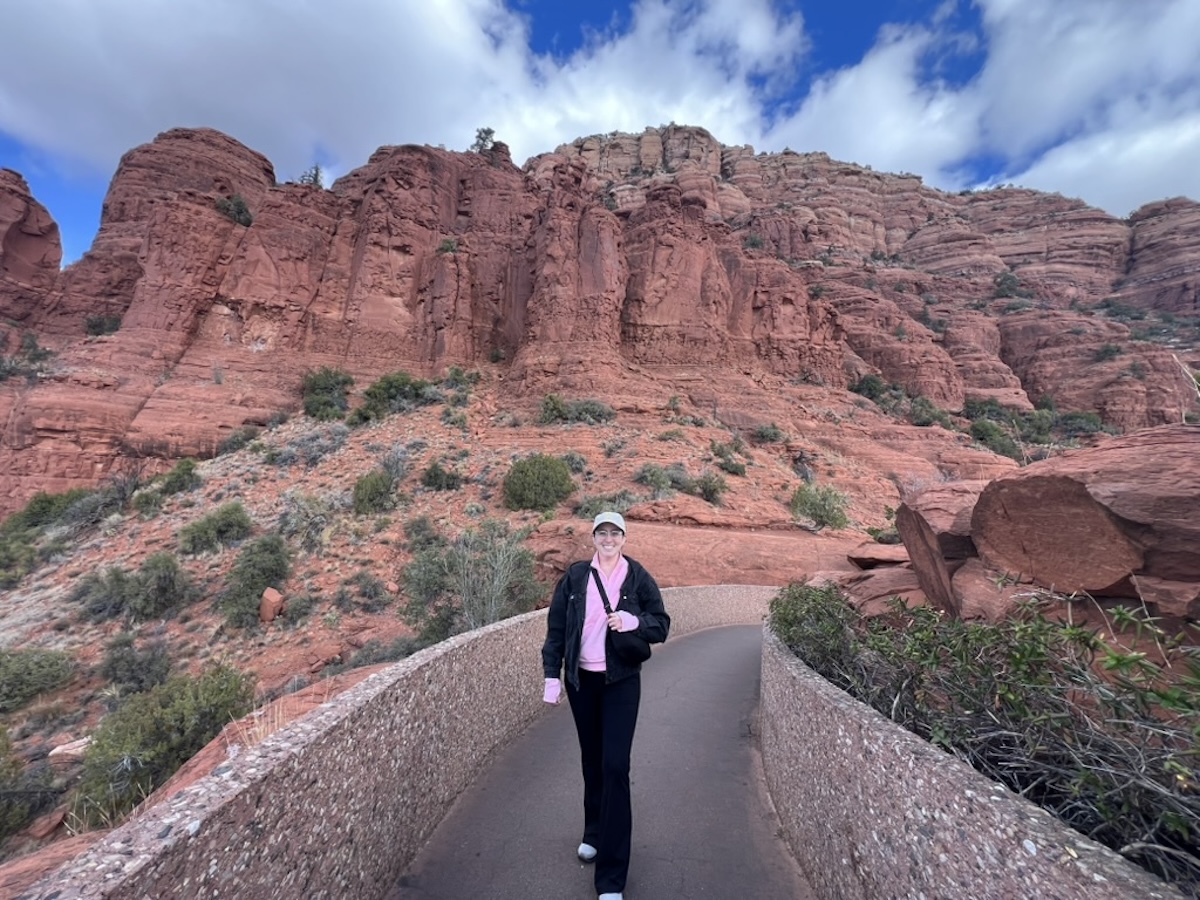
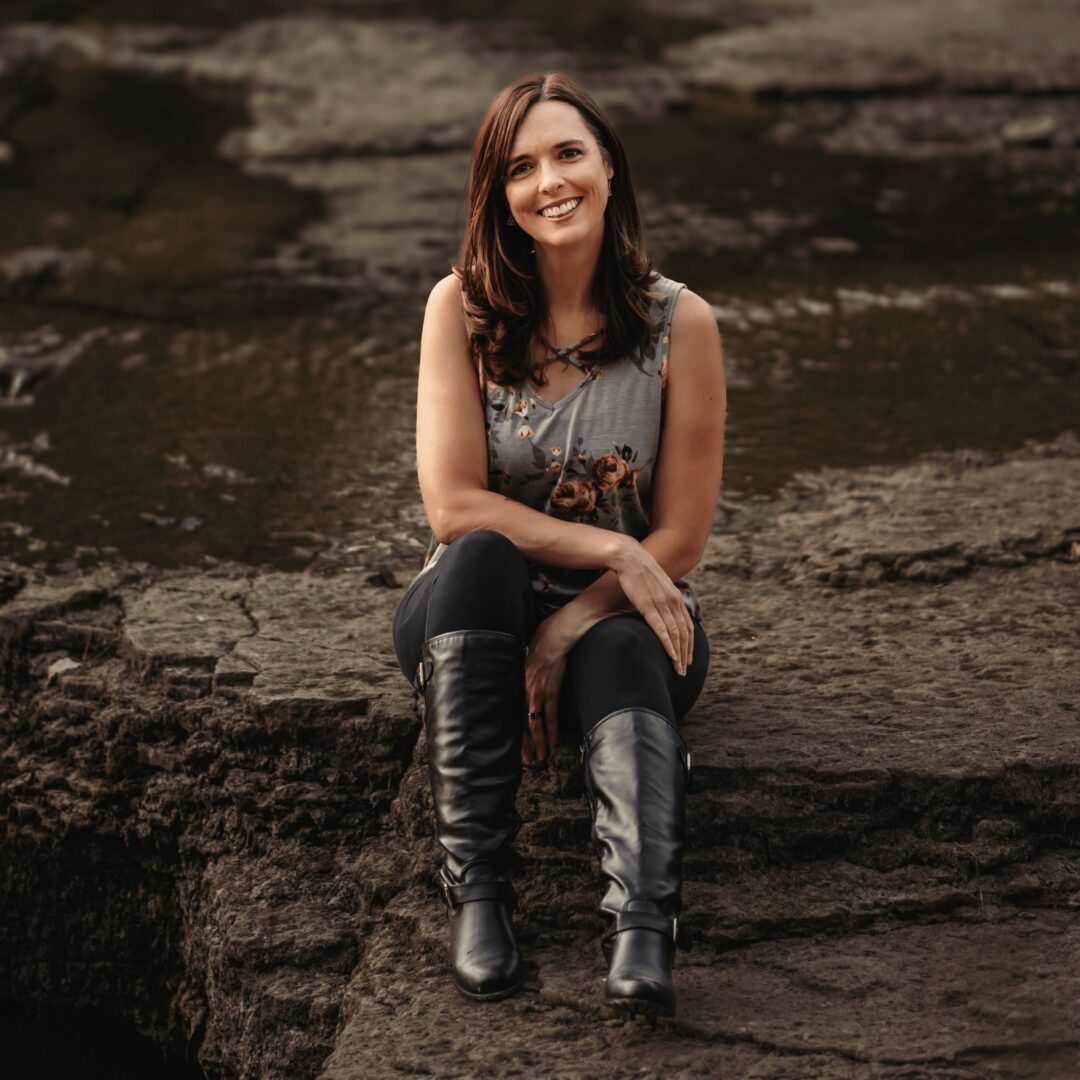
We’re looking forward to introducing you to Esther Dillard. Check out our conversation below.
Esther, it’s always a pleasure to learn from you and your journey. Let’s start with a bit of a warmup: What are you being called to do now, that you may have been afraid of before?
I’m stepping into something I never imagined I’d have the courage—or the tools—to do: creating animated stories that bring history to life.
I’ve always loved animation. I’m a lifelong Disney fan, and back when I was single, I’d go to animated movies alone simply because they made me happy. There’s something powerful about the way animation can speak to both kids and adults—sometimes even more effectively than live-action storytelling. But I never pursued it because I can’t draw, and for a long time I believed that meant animation was out of reach.
That changed when AI tools for animation started becoming more accessible. I’ve always loved digging into history and uncovering stories that connect the past to the issues we’re facing today, so when I realized I could merge that passion with animation—without needing traditional art skills—I jumped in. At first, I was just experimenting. I posted a few short clips on LinkedIn, not thinking much of it, and suddenly someone reached out asking if I’d be interested in collaborating.
That moment pushed me into a space I never would have entered before. And now I’m working on a short animated series that launches at the end of this month. It’s stretching me creatively, technically, and spiritually in the best way. I’m excited—and a little nervous—but more than anything, I’m grateful that I didn’t let fear keep me from exploring a new way to tell stories that matter
Can you briefly introduce yourself and share what makes you or your brand unique?
My name is Esther Dillard, and I am a journalist, storyteller, and creator behind The Color Between the Lines—a storytelling brand and media platform dedicated to amplifying overlooked histories, elevating marginalized voices, and helping everyday people use their stories to create impact.
For more than 20 years, I’ve worked in television, radio, and digital media, and I currently serve as a reporter for the Black Information Network. Much of my work has centered on real-world issues affecting Black and Brown communities, including education, disability justice, mental health, and family advocacy. My reporting on these subjects has been honored with two Gracie Awards, including one for a series that eventually inspired my book, Raising an Autistic Young Adult.
Over time, I realized that my passion wasn’t just about telling stories—it was about teaching others how to tell their own. The Color Between the Lines grew out of that mission. It’s now a multimedia home for interviews, short-form storytelling lessons, advocacy-driven narratives, and creative experiments that blend journalism with emerging technologies.
What makes my work unique is the way I merge traditional reporting with modern tools and a deep love of history. Recently, I began creating animated historical shorts—using AI tools to reinterpret nearly forgotten Black stories and connect them to today’s world. I never imagined animation could be part of my storytelling, but it’s opened an entirely new lane for educating, inspiring, and reaching audiences who might never read a long article or watch a documentary.
Right now, I’m finalizing a new animated series that reimagines “erased” moments in Black history, while also growing my educational offerings for parents, educators, and community leaders who want to use storytelling in meaningful ways. Ultimately, my brand exists to remind people—especially those often left out of mainstream narratives—that their stories matter, and that their voice can move their community, their classroom, their business, and even the world.
Appreciate your sharing that. Let’s talk about your life, growing up and some of topics and learnings around that. Who taught you the most about work?
The people who taught me the most about work weren’t mentors or supervisors — they were my parents. Both of them modeled what it looks like to work with purpose, compassion, and integrity.
My dad used to jokingly call himself a workaholic, and in many ways he was. By day, he was an administrator for the health department. Outside of that, he was a minister, a public speaker, and the person people relied on for prayer, counseling, and hospital visits. He poured himself into service, often to the point of exhaustion. But watching him taught me two important things: the value of being dedicated to your craft, and the necessity of knowing when to rest. My dad didn’t always do that part well — vacations were the only time we tried to pry him away from work — but even that was a lesson. I learned that excellence doesn’t mean burning yourself out; it means knowing how to show up fully and also how to step back.
My mom taught me a completely different dimension of work. She and my dad were foster parents who welcomed more than 31 children into our home over the years. My mother was a master teacher long before anyone gave her a title: she taught babies how to walk, talk, read, communicate, and feel safe. She taught me everything from how to change diapers to how to nurture a child’s confidence. Her patience and her ability to create a loving home shaped who I am as a parent and as an advocate.
Together, my parents taught me that work is about service and sacrifice — but also about joy, boundaries, and intention. They’re the reason I was thoughtful about when to start my own family. I wanted to experience adulthood fully, so that when it was time to give myself to motherhood, I could do it with presence and without resentment. And I did. When my son arrived, the sacrifice felt natural, because I had already watched what it looked like to give of yourself wholeheartedly.
Everything I do today — from journalism to storytelling to raising a neurodivergent young adult — is rooted in the lessons my parents lived every day. They didn’t just teach me how to work; they taught me how to work with love.
If you could say one kind thing to your younger self, what would it be?
First, I’d probably tell my younger self to buy Apple stock — let’s just be honest.
But after the joke, I’d tell her something much deeper: mistakes are not the enemy. They’re teachers.
For most of my life, I thought mistakes were signs that I’d done something wrong or missed the mark. But now I realize that some of the things I once viewed as missteps actually pushed me toward better paths — the places I was meant to go. A lot of what we call “mistakes” are really blessings in disguise, redirecting us before we waste time in spaces that aren’t meant for us.
I’d also tell her to enjoy the ride more. I’ve always been someone who works hard, who wants things to look polished and done well. But sometimes I got so caught up in perfection that I forgot to enjoy the process. And honestly, the best work I’ve ever created came from moments when I gave myself permission to play — no pressure, no deadline, just pure creativity.
Deadlines have their place; they keep us moving. But freedom fuels imagination. When I allow myself space to explore without judgment, that’s when the magic happens. That’s when I remember why I love storytelling in the first place.
I’d tell my younger self all of that: don’t fear mistakes, trust the detours, and remember to find joy in the process — because that’s where the real creativity lives.
Sure, so let’s go deeper into your values and how you think. What do you believe is true but cannot prove?
I believe that storytelling is a spiritual force — that the stories we tell, and the stories we choose not to tell, shape the world in ways we can’t fully measure.
I can’t prove it on paper, but I believe stories carry energy. They can heal, awaken, disrupt, connect, and transform — even long after the storyteller is gone. And some stories wait for generations until the right person is ready to tell them.
I also believe that the instincts we carry — the ones that nudge us, pull us, or whisper “go this way” — aren’t random. They’re connected to something bigger. I’ve followed those nudges in my career, in motherhood, and now in my creative work with animation, and they’ve opened doors I didn’t even know existed.
So even though I can’t prove it, I believe that every story we tell sends out a ripple. And someone, somewhere, is changed because of it.
Thank you so much for all of your openness so far. Maybe we can close with a future oriented question. How do you know when you’re out of your depth?
For me, I know I’m out of my depth when the energy in the room shifts. I’m big on reading the room — not in a fearful way, but in an intuitive way. There are moments when you can feel that a space just isn’t for you, and I’ve learned not to take that personally.
Not everyone is going to connect with your style, your voice, or your message. And that’s okay. I remember hearing Tyler Perry say something in an interview that stuck with me: he didn’t care if everyone liked his work, because he knew exactly who he was creating for. He understood his audience — the people who saw their grandmother in Madea, who recognized the church auntie, who understood the humor and the culture behind his characters. He leaned all the way into that, and he built an entire empire on stories that resonated with the people who “got it.”
That taught me something. When I feel like I’m out of my depth, it’s usually not because I’m not capable — it’s because I’m in the wrong room. The fit is off. The connection isn’t there. And instead of forcing it, I’ve learned to interpret that as information. It’s a sign pointing me back toward the spaces where my gifts actually matter and where my work connects.
So when I feel that misalignment, I don’t see it as failure. I see it as clarity. It just means I’m not supposed to be doing this — and that frees me up to focus on what I am called to do.
Contact Info:
- Website: https://estherdillard.com/
- Instagram: https://www.instagram.com/iamestherdillard/
- Linkedin: https://www.linkedin.com/in/estherdillard/
- Twitter: @estherdillardtv
- Facebook: https://www.facebook.com/iamestherdillard
- Youtube: https://www.youtube.com/@thecolorbetweenthelines
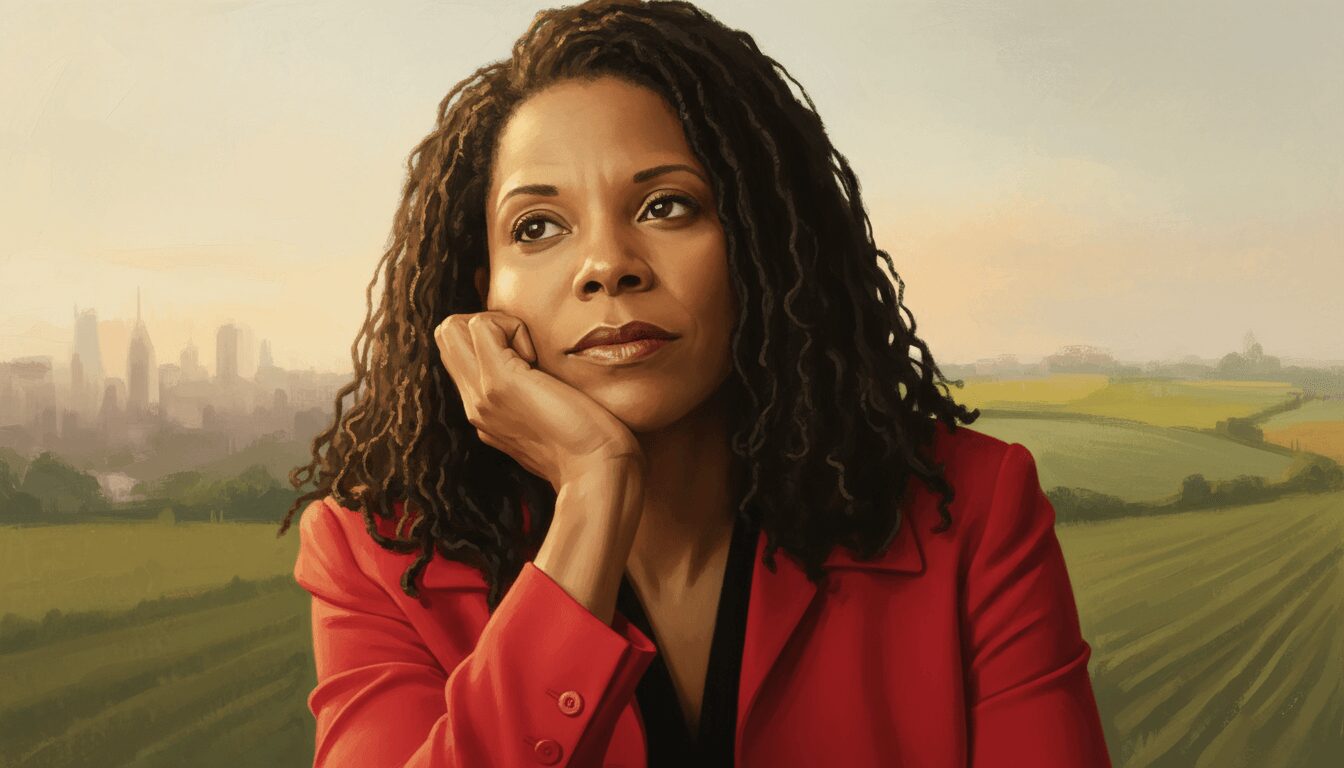
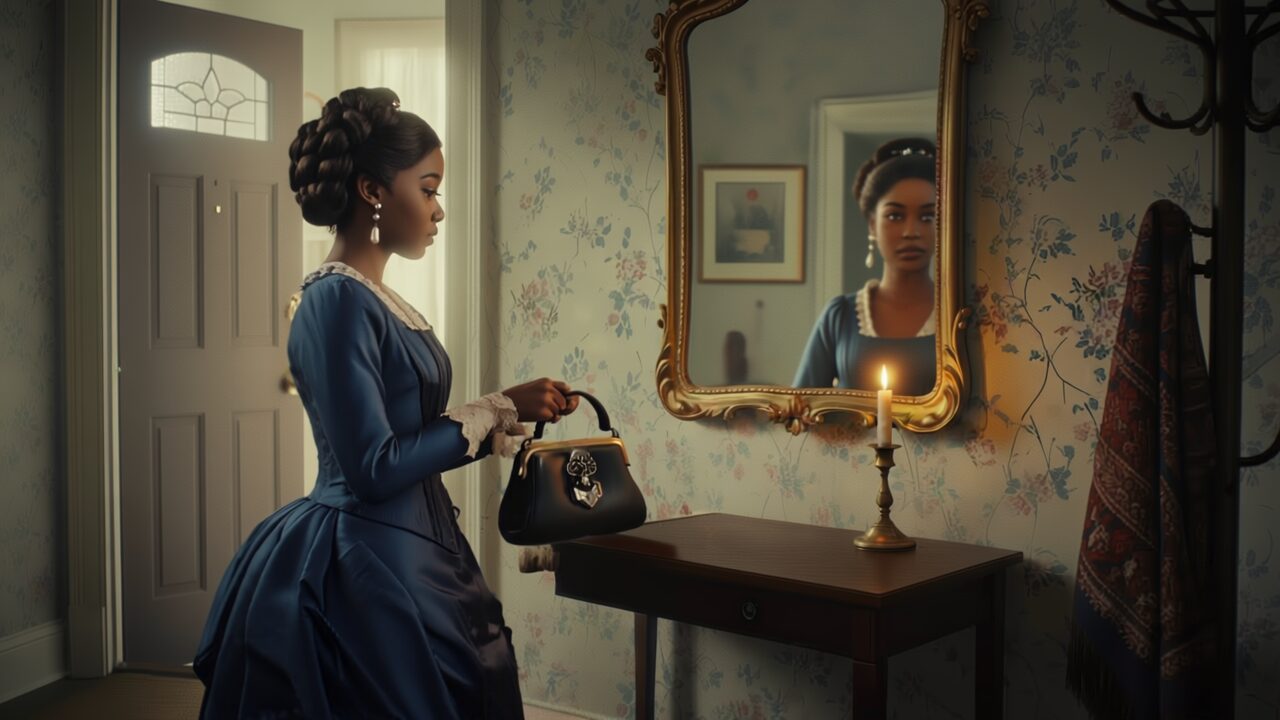
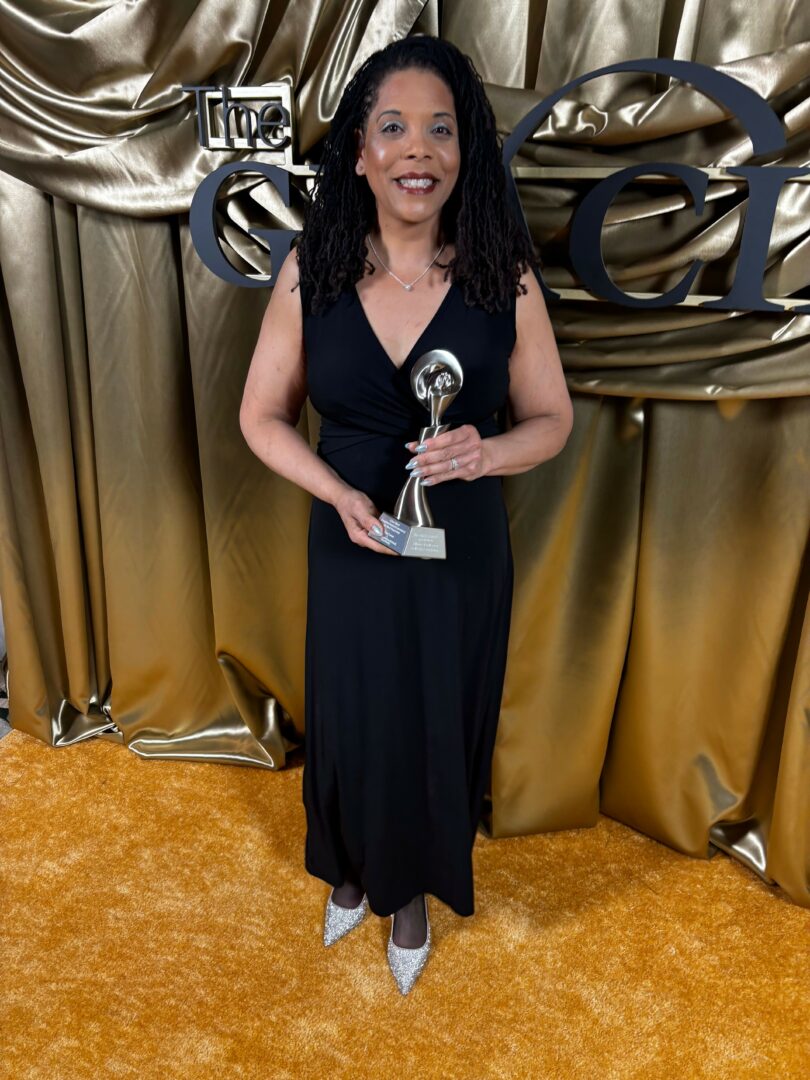
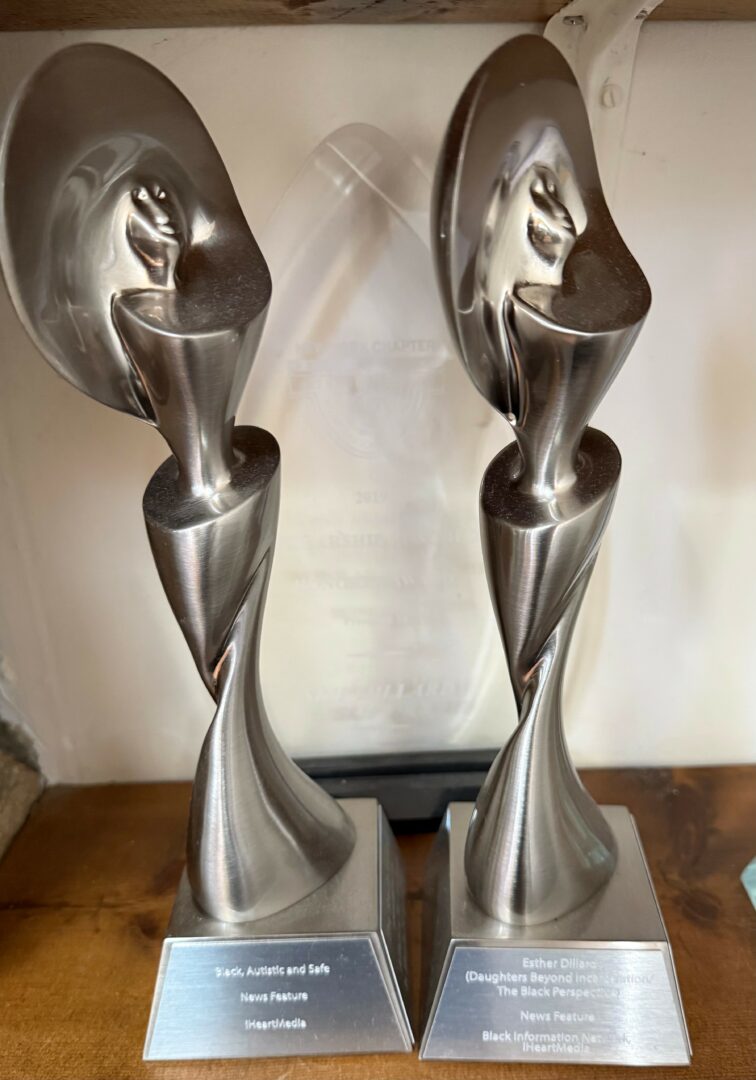
Image Credits
Photos 1, Photography by Jeff Brooks. He took the professional photo but I have all rights to the photo.
so if you or someone you know deserves recognition please let us know here.