We were lucky to catch up with Megan Correa recently and have shared our conversation below.
Megan, we’ve been so fortunate to work with so many incredible folks and one common thread we have seen is that those who have built amazing lives for themselves are also often the folks who are most generous. Where do you think your generosity comes from?
I think my desire to give back comes from two places — and if I’m being completely honest, both were partially selfish at first.
In the beginning, I wanted to give back because I was carrying a lot of guilt from my past. As an addict, I hurt people I loved and caused chaos I couldn’t take back. Once I got sober and found stability, I had nothing left to numb the pain or silence the voices in my head. You’re just left with your raw, unfiltered self. Giving back through community work, sharing my gifts, creating platforms for other artists, helping young people find their voice — it felt like a way to repent, to balance out the harm I had caused. And for a while, that belief helped me stay afloat.
But over time, I learned that life doesn’t operate through simple binaries — good and bad, reward and punishment, sinner and saint. That framework is rooted in a colonial mindset we’ve all been conditioned into. My perspective shifted when I started to see myself in every child I teach, every artist I support, every young person I mentor. I realized we are all one collective consciousness, experiencing life in different bodies, through different paths.
Once I understood that, my empathy expanded beyond guilt. I didn’t want to give back to feel better about myself anymore — I genuinely wanted to help for the sake of our collective well-being. It’s a beautiful experience to celebrate someone else’s success and feel joy as if it were your own. That is what unconditional love looks like. And in practicing it, I’ve learned to release guilt, shame, anger, and resentment.
I want to share that freedom with anyone who needs to hear it.
Let’s take a small detour – maybe you can share a bit about yourself before we dive back into some of the other questions we had for you?
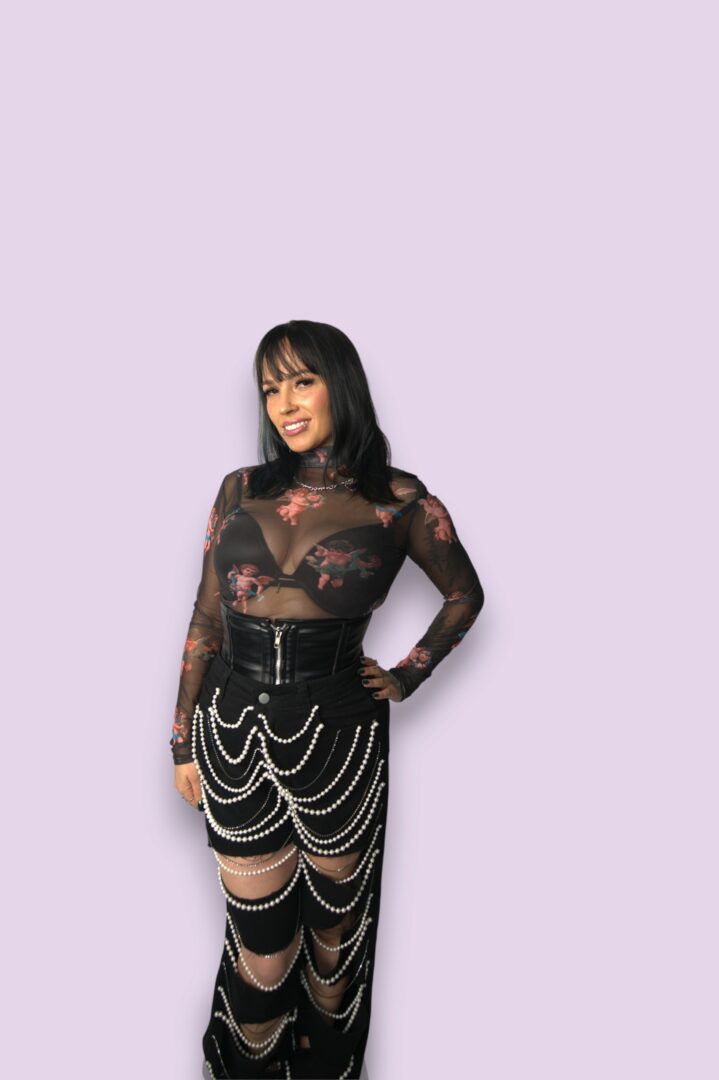
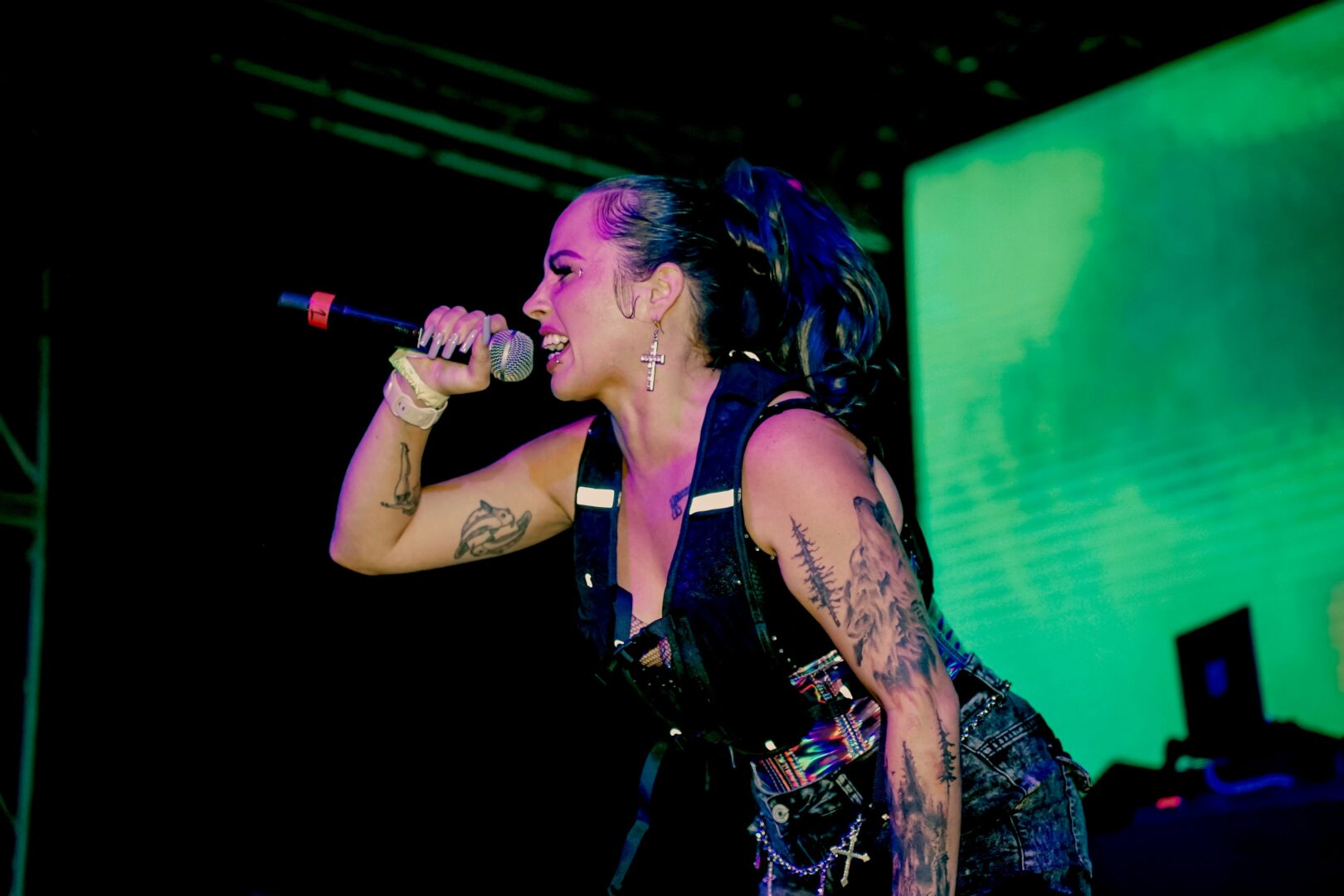
I’m LiL MC — a bilingual Latina rapper, singer, producer, and battle rap champion from the Bay Area. My artistry lives at the intersection of raw lyricism, emotional truth, and empowerment. I jump effortlessly between English and Spanish, blending sharp bars with cinematic storytelling and melody.
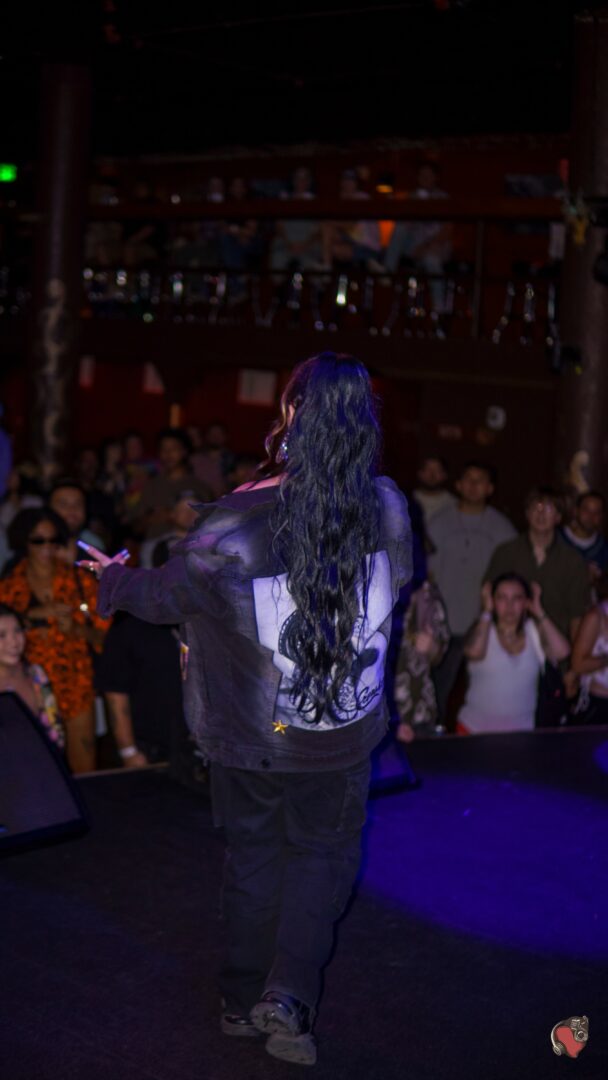
I’m also a classically trained pianist and a rap battle champ, but beyond what happens on stage or in the studio, I’m an educator and community-builder at heart. As a senior instructor and program coordinator for Hip Hop For Change, an Oakland-Based non-profit organization, I teach music theory, songwriting, beat-making, and creative expression to youth across the Bay and beyond. I also founded Queens of the Underground, an all-women hip-hop platform designed to uplift and amplify women’s voices — because representation isn’t optional, it’s necessary.
My work has been featured in The Source, CBS, NBA 2K21, Billboard Hip Hop, and in the film An Addict Named Hal, and I continue to evolve my sound and my message through projects that challenge systems, ignite imagination, and return power to the people.
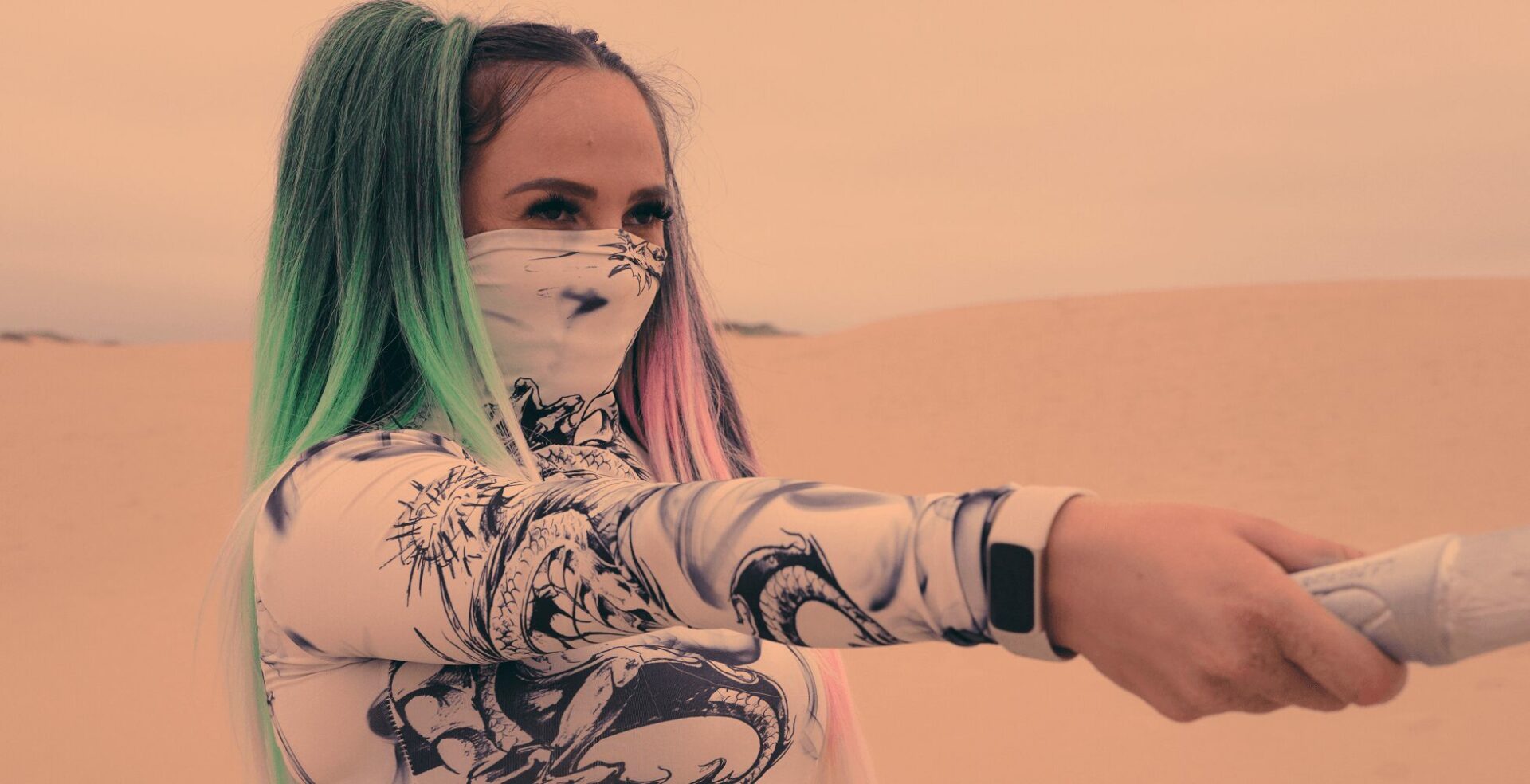
Right now, I’m working on one of the most ambitious and meaningful projects of my career — a new album and corresponding screenplay titled Where Did All The Dreamers Go. The story is set in a dystopian future where AI has replaced most human jobs, creativity is no longer valued, and art has become automated. In this world, very few people can still dream. Those who can are considered dangerous and are controlled and weaponized by large tech companies.
The screenplay follows a protagonist navigating a society numb to violence, disconnected from emotion, and trapped at the bottom of Maslow’s hierarchy. The narrative asks a simple but powerful question:
What happens to humanity when imagination dies?
The album is built as a direct extension of that world.
Each song corresponds to a dream by the protagonist- the only time in the screenplay where music is played-and subsequently every dream in the films is also one of my very own dreams. The music is cinematic, immersive, and emotionally charged — exploring themes of rebellion, consciousness, technology, healing, and the power of art to restore the soul.
My goal is to spark a revolution of imagination — to remind us that dreaming is a radical act of love and humanity.
If you had to pick three qualities that are most important to develop, which three would you say matter most?
Looking back, I can clearly identify three qualities that shaped my journey — each tied to a major chapter of my life.
1. Pure Creativity — My Childhood
From the time I was five, I lived inside my imagination. I was writing plays, composing on the piano, acting in musicals, drawing, singing — completely lost in the magic of making things. I didn’t question myself or fear judgment. I created boldly, freely, instinctively.
Today, when I sit down to write music, I still try to channel that childlike fearlessness. When you create from inner truth — from that inner child, spirit, or God-source — the art becomes exactly what it’s meant to be. My advice for emerging artists: return to what made you fall in love with creating in the first place. Protect your imagination. Let it lead.
2. Resilience — My Adolescence
My teenage years were marked by deep trauma, addiction, and survival. I found freestyling in high school during a period of chaos — it became both an outlet and a lifeline. Pain forced me to grow resilience fast. I genuinely believe trauma survivors carry a kind of superhuman strength — the ability to remain focused in crisis because our nervous systems were trained for it.
Learning to soften after survival mode is its own journey, but that early resilience later protected me in the music industry. It helped me navigate predatory behavior, trust my intuition, and move through rooms with awareness and strength. For those early in their journey: resilience isn’t just surviving – it’s learning how to bounce back after disappointment. Don’t ever let anyone tell you what you’re destined for- there are infinite possibilities and only you can decide the outcome.
3. Work Ethic — Young Motherhood + College
My transitional years — becoming a single mom, getting my GED, attending community college, then transferring to USF on scholarship — taught me discipline like nothing else. I had no work history, no internships, and I was academically behind, but I caught up fast. I volunteered at the San Francisco suicide hotline, interned at the trauma and stress recovery center, worked as a research assistant and TA, all while balancing motherhood and school.
I learned how to self-motivate even when life felt impossible. That work ethic now fuels my career as an independent artist — planning rollouts, booking tours, strategizing releases, treating my music like a business instead of a hobby.
My advice: Learn to tap into your creative source- regardless of if you’re an artist or not- listen to your true voice- not the voice of doubt or disappointment- and treat your dreams like a business that’s already a success- Don’t wait for anyone but yourself.
Thanks so much for sharing all these insights with us today. Before we go, is there a book that’s played in important role in your development?
I love to read! I have so many amazing book recommendations but my favorite book for creatives that helped me IMMENSELY is “The Artists Way” by Julia Cameron. It’s radically transformative!
I’ve been practicing two of Cameron’s core tools for over three years now: morning pages and artist dates. Morning pages help me empty my mind, clear creative blockages, and make space for new ideas. It’s like sweeping the floor of the subconscious. Artist dates, on the other hand, remind me to nurture my inner child — to play, explore, experiment, try things simply because they spark curiosity or joy.
Those two practices alone have completely changed the rhythm of my artistic life. I no longer wait for inspiration to strike. I create from a place of openness, presence, and play — and the work arrives naturally.
If anyone feels stuck, disconnected from their passion, or creatively shut down, The Artist’s Way is a powerful guide back to your imagination — back to your voice.
Contact Info:
- Website: https://www.lilmcmusic.com/
- Instagram: https://www.instagram.com/lilmc.music/?hl=en
- Facebook: https://www.facebook.com/LilMcSF/
- Linkedin: https://www.linkedin.com/in/megan-correa-9b073589/
- Youtube: https://www.youtube.com/channel/UCg4mk1Z4Dmsk8tcQw-XQAOQ
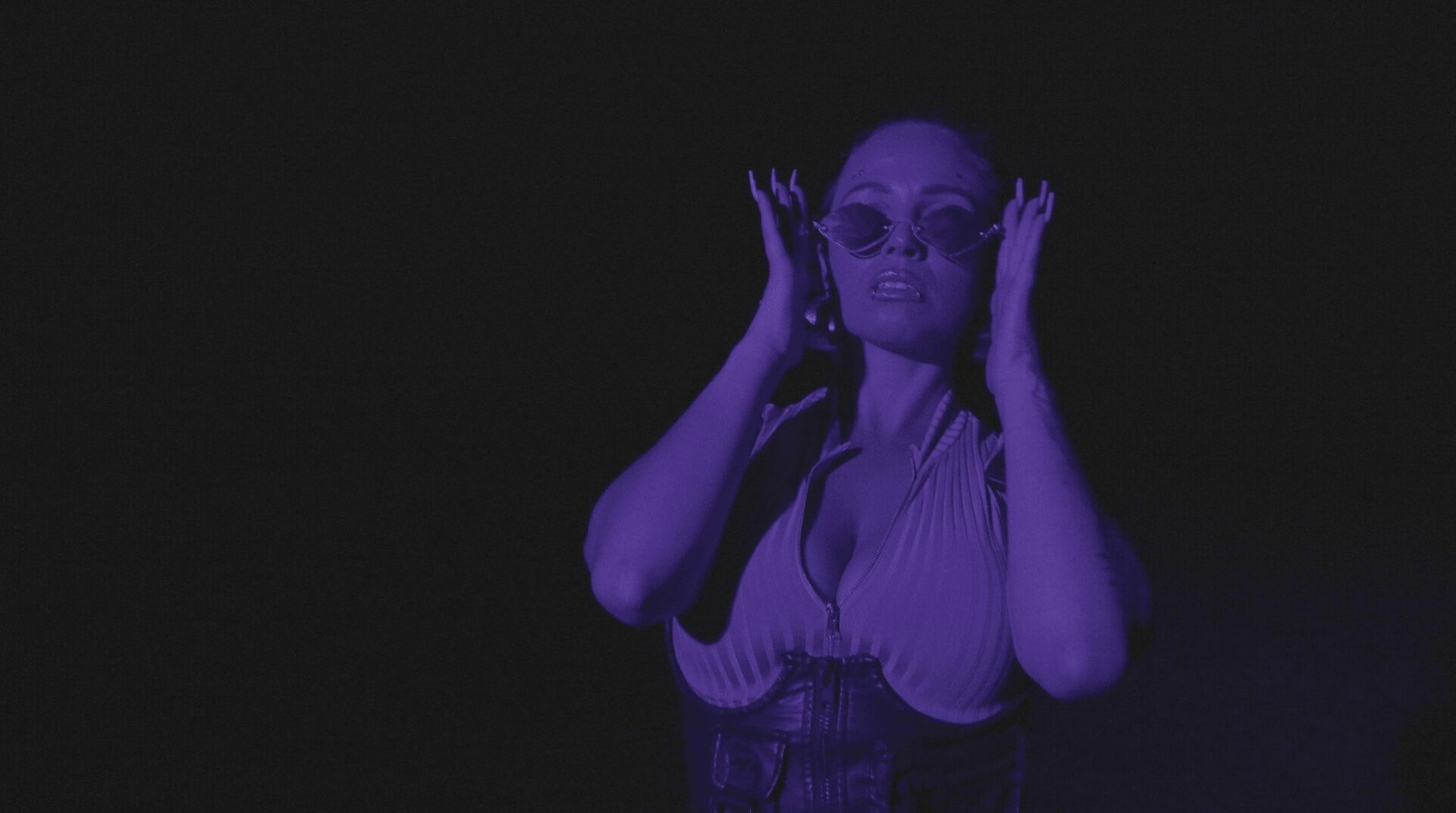
Image Credits
1. Comotose Rose Photography (Primary photo)
2. Kesia Janee (First photo in additional photos)
3. Adrian Covarrubias
4. Marvin Santiago
5. Marvin Santiago
6. Marvin Santaigo
so if you or someone you know deserves recognition please let us know here.