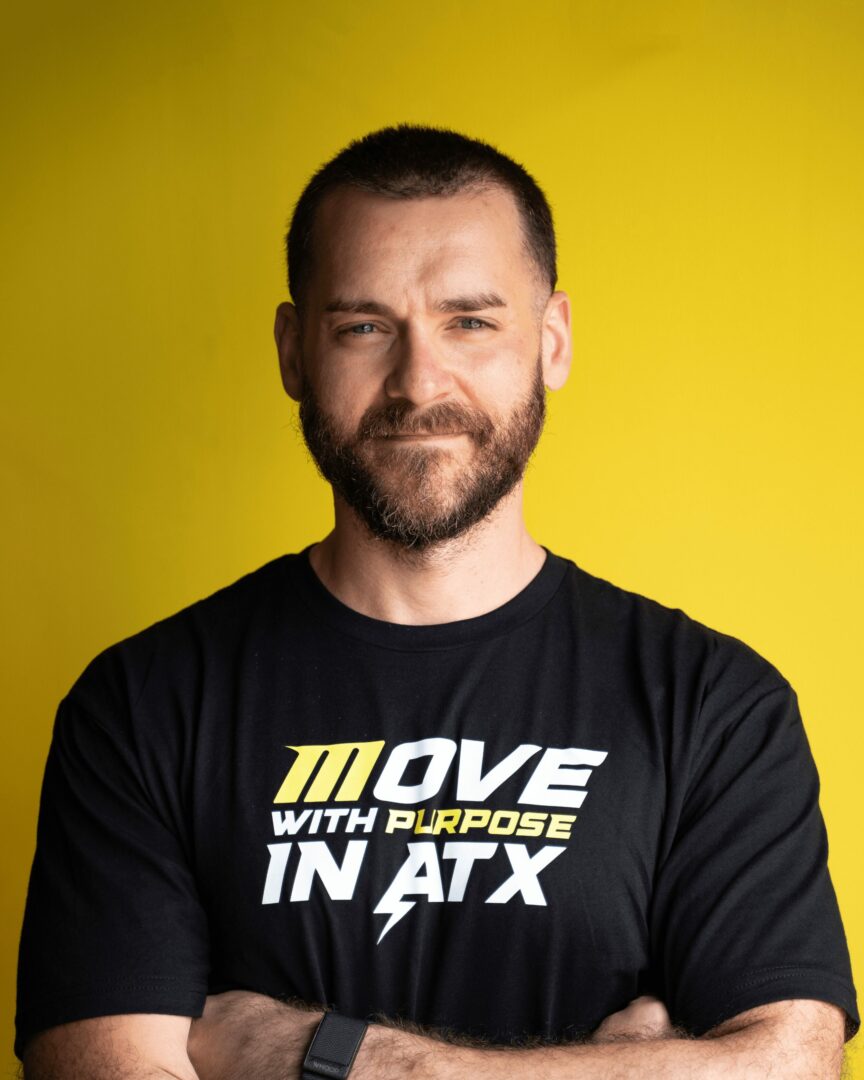
We’re excited to introduce you to the always interesting and insightful Brian Murray. We hope you’ll enjoy our conversation with Brian below.
Brian, thank you so much for joining us and offering your lessons and wisdom for our readers. One of the things we most admire about you is your generosity and so we’d love if you could talk to us about where you think your generosity comes from.
My generosity comes from growing up in an environment where pain was normal and support was not. I didn’t have a lot of people who could show up for me when I needed help. As a kid, that felt confusing. As an adult, it shaped my entire philosophy. I learned early that most people carry more weight than they let on, and sometimes a small moment of kindness changes the direction of their life.
My own challenges forced me to grow up fast. I dealt with things most kids never have to think about. Trauma, physical pain, and the search for identity all showed up before I had the words to make sense of them. Movement eventually became the one place that made me feel grounded. It was the first space where my effort directly translated to progress. Over time, I realized how powerful that can be for anyone who feels lost or overwhelmed.
As I grew into coaching, generosity stopped being an abstract trait and became a responsibility. People trust me with their bodies, their fears, and their stories. They walk into the gym carrying their own versions of what I carried. I don’t take that lightly. Offering my time, my attention, and my full presence is my way of giving others what I wish I had more of growing up.
Generosity also shows up in how I teach. I’ve made a commitment to share everything I’ve learned about movement, pain, and purpose because those lessons were earned the hard way. When you spend years figuring out how to rebuild yourself, it becomes natural to want to help others do the same with less friction.
At this point in my life, generosity isn’t something I try to practice. It’s something that feels built in. It comes from lived experience. It comes from empathy. And it comes from a very real understanding that people need more support than they get, even when they appear strong. My goal is to make sure that when someone walks into my space, they feel seen, supported, and understood in a way I didn’t always get when I was younger.
If I can offer that, I’m doing my job.
Appreciate the insights and wisdom. Before we dig deeper and ask you about the skills that matter and more, maybe you can tell our readers about yourself?
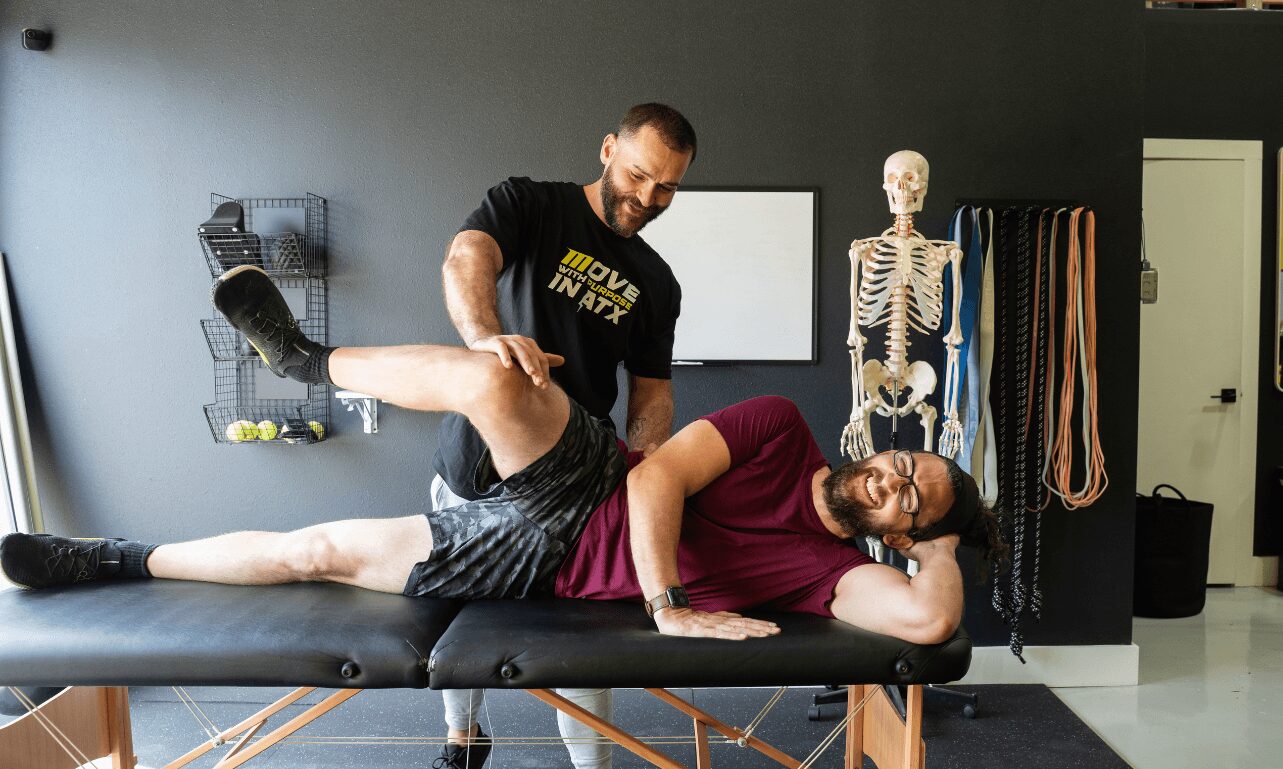
I’m the founder of Motive Training in Austin, Texas, and my work centers on helping people move better, get stronger, and reclaim control of their bodies. I’ve been coaching for more than fifteen years, and everything I do is shaped by a simple idea. When you teach people how to understand their bodies, you give them a real path out of pain.
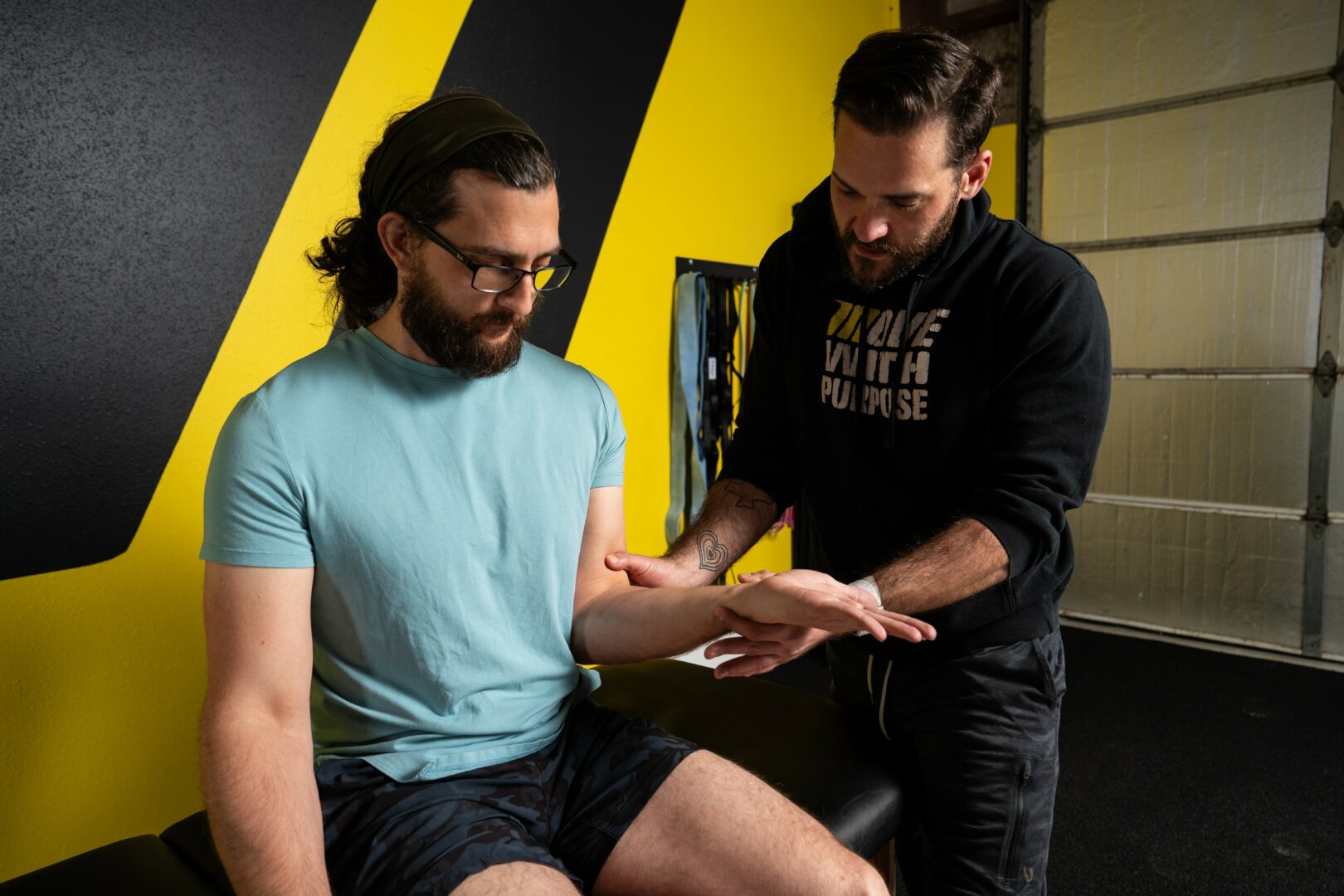
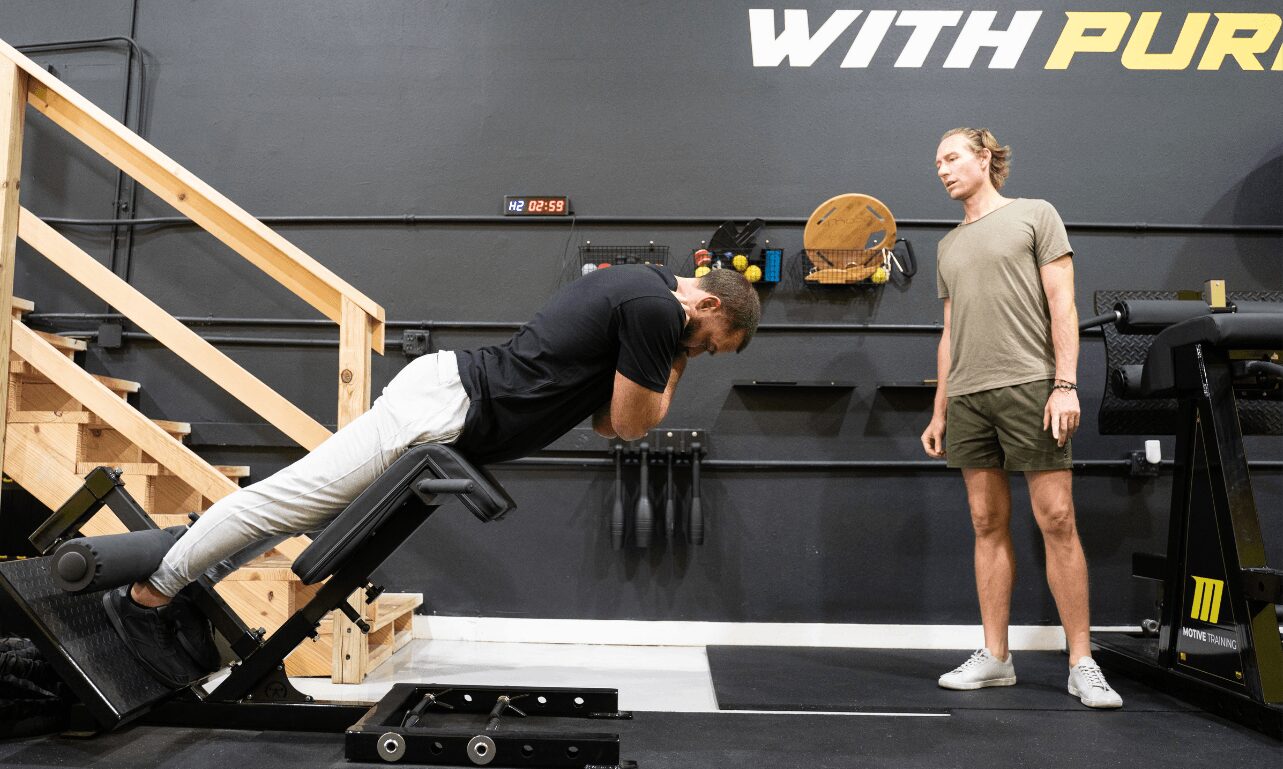
Motive Training focuses on joint health, mobility, and strength. Instead of throwing people into hard workouts and hoping they adapt, we slow things down. We assess, we ask better questions, and we build programs that match each client’s needs. I’m trained in Functional Range Conditioning and have spent years integrating that system with strength training. The result is a method that helps people feel better while still building real resilience. Our clients range from everyday people dealing with nagging pain to athletes and performers who need high-level precision. The common thread is that they all want to feel capable again.
What makes Motive Training special is our philosophy. We call it Move With Purpose. Every decision is intentional, from how we assess joints to how we design a training plan. We focus on quality over volume, and we treat training as a skill, not a punishment. My own journey through pain, identity, and rebuilding my body shows up in how I coach. It’s personal. I care about making people feel seen and supported, because that is what I needed when I started.
Professionally, I’m in a period of growth. I downsized the business in the past year to focus fully on our Austin location, and that choice created the space I needed to build something deeper and more meaningful. I launched Motive Mobility, our online platform for mobility programs, pain-specific courses, and KINSTRETCH Online. It’s designed for people who want guidance, no matter where they train. It gives me a chance to teach on a larger scale and share the systems I’ve developed over the years.
On the content side, my work is being featured more broadly, which has been both humbling and motivating. I write regularly for The Mobility Blog, creating long-form education on joint health, movement, and strength. My work has also been published through elitefts, Real Simple, Yahoo Life, and other platforms that highlight evidence-based training and practical mobility solutions. Writing has become an important extension of my coaching because it allows me to reach people who may never set foot in my gym. The more clear, useful information I can put into the world, the more people can feel empowered to take control of their bodies and their health.
My goal moving forward is simple. I want Motive Training and Motive Mobility to be known for doing things the right way. No shortcuts, no gimmicks, and no empty promises. Just evidence-based training that helps people get stronger, move with confidence, and feel better in their day-to-day lives. If people walk away from my work feeling more capable and more connected to their bodies, that’s success in my book.
Looking back, what do you think were the three qualities, skills, or areas of knowledge that were most impactful in your journey? What advice do you have for folks who are early in their journey in terms of how they can best develop or improve on these?
The first quality that shaped my career was curiosity. I never accepted surface-level answers about pain, movement, or training. I wanted to understand how the body worked and why people struggled the way they did. Curiosity kept me learning even when I felt overwhelmed, and it helped me build a coaching system rooted in intention instead of trends. For anyone early in their journey, stay open. Ask better questions. Keep pulling on threads until something makes sense in a real, practical way. Your ability to stay curious will outlast talent.
The second was empathy. I came into this field with my own experiences of pain, confusion, and rebuilding. That history taught me how important it is to meet people where they are. You never know what someone walked through before they showed up. Empathy helps you listen, understand, and coach the person in front of you instead of the version you assumed they’d be. If you’re just starting out, spend more time listening than talking. Pay attention to people’s fears and frustrations. When clients feel understood, everything else gets easier.
The third was technical skill. I invested heavily in understanding joints, biomechanics, and movement quality. Functional Range Conditioning shaped a lot of my thinking, but so did years of coaching across different environments. Technical skill gives you confidence when you build programs and troubleshoot pain. It also earns trust. My advice for new coaches is to pick one area to master before chasing the next certification. Depth matters. When you understand something fully, you become far more effective at helping people solve real problems.
These three pieces—curiosity, empathy, and technical skill—worked together throughout my career. They helped me build a brand, develop a training philosophy, and create an environment where people feel supported and capable. If you can commit to developing those qualities early on, the rest of your path will unfold with a lot more clarity.
What was the most impactful thing your parents did for you?
The most impactful thing my parents did was show me what resilience looks like. They didn’t have easy lives, and they didn’t pretend otherwise. Watching them work through their own challenges taught me how to push forward even when things felt heavy or unclear. That example shaped how I approach adversity today and why I refuse to quit on the things that matter.
They also gave me space to become who I am. Even though they didn’t always have the tools to guide me through everything I faced, their love remained consistent. That consistency helped me develop independence, self-awareness, and the ability to carve my own path. Those qualities show up in every part of my life and career.
Contact Info:
- Website: https://www.movewithpurpose.com
- Instagram: https://www.instagram.com/motivetraining/
- Linkedin: https://www.linkedin.com/in/brian-murray-5a753021/
- Yelp: https://www.yelp.com/biz/motive-training-atx-austin
so if you or someone you know deserves recognition please let us know here.