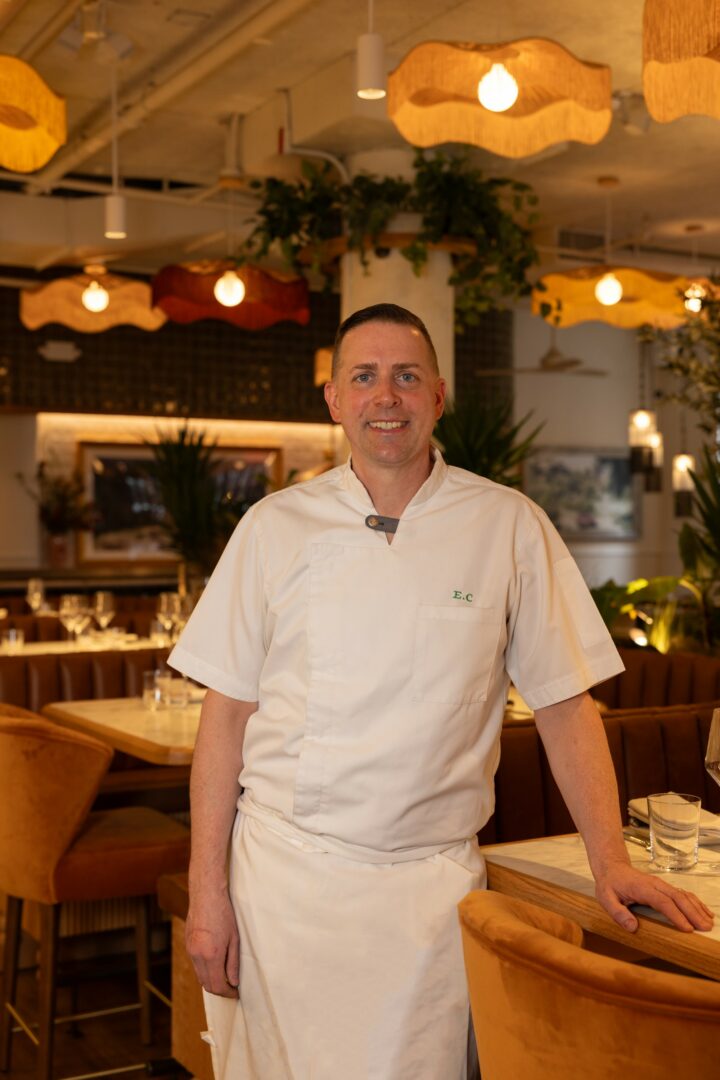
We recently connected with Ed Cotton and have shared our conversation below.
Ed , looking forward to learning from your journey. You’ve got an amazing story and before we dive into that, let’s start with an important building block. Where do you get your work ethic from?
I get my work ethic from my family—my father, my grandfather, and honestly the whole line of people who came before me. In my family, hard work wasn’t something you talked about, it was just what you did. Everyone showed up, everyone pulled their weight, and everyone took pride in doing things the right way. I grew up watching that every day. That consistency, that discipline, that sense of responsibility—it shaped me. My work ethic isn’t something I had to learn later in life; it’s something I inherited, and it’s been part of me ever since.
Thanks for sharing that. So, before we get any further into our conversation, can you tell our readers a bit about yourself and what you’re working on?
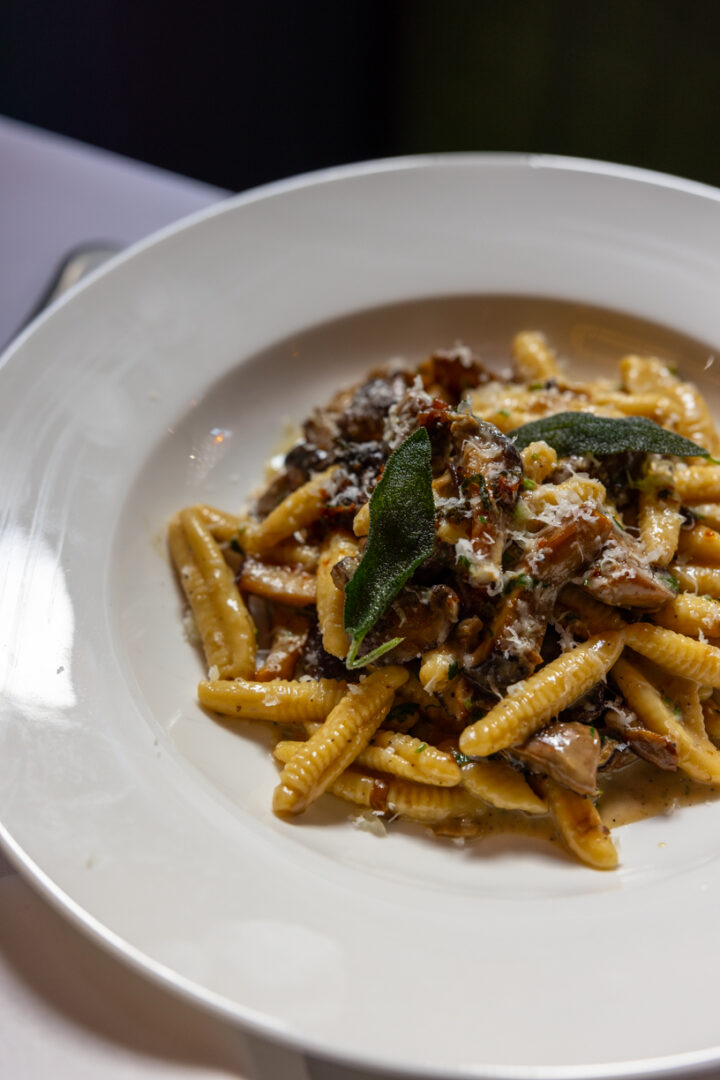
I’m a chef and restaurateur leading several concepts across New York City, including Jack & Charlie’s, Leonetta, City Tavern & Table, The Derby Club, and Bedford Hall. Each restaurant has its own personality and culinary identity, and that’s exactly what excites me. Nothing is cookie-cutter. I’m constantly shifting gears, adapting, creating, and pushing myself to think differently. Essentially, I wear many different hats in the kitchens—operator, mentor, menu developer, technician, storyteller—and I love that challenge.
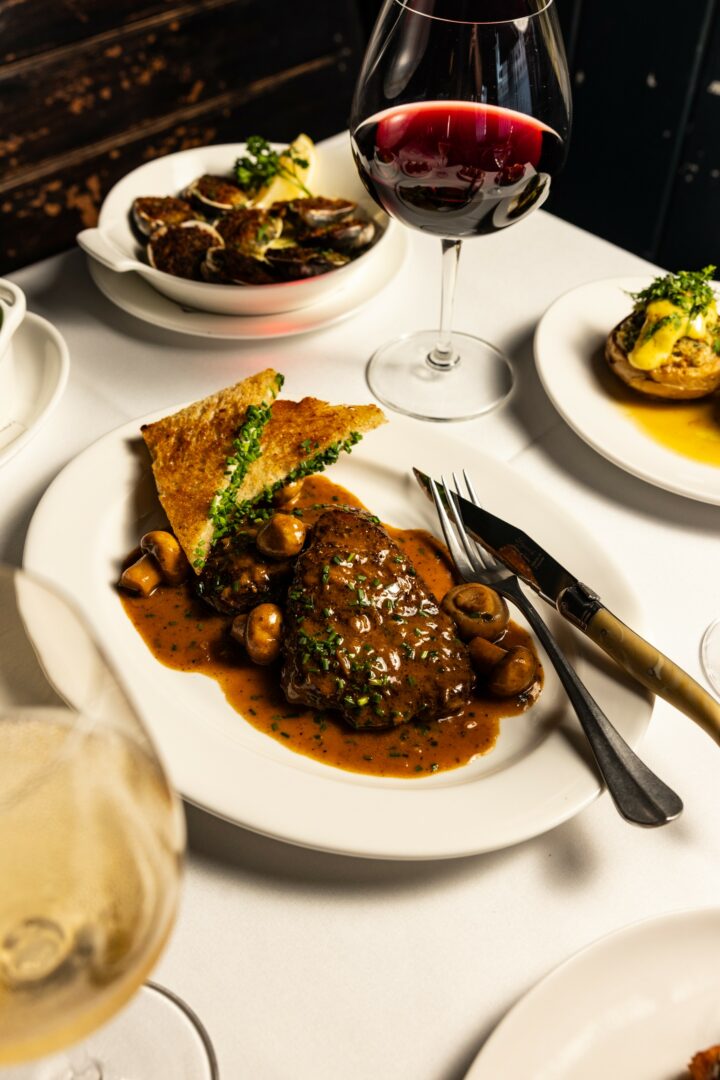
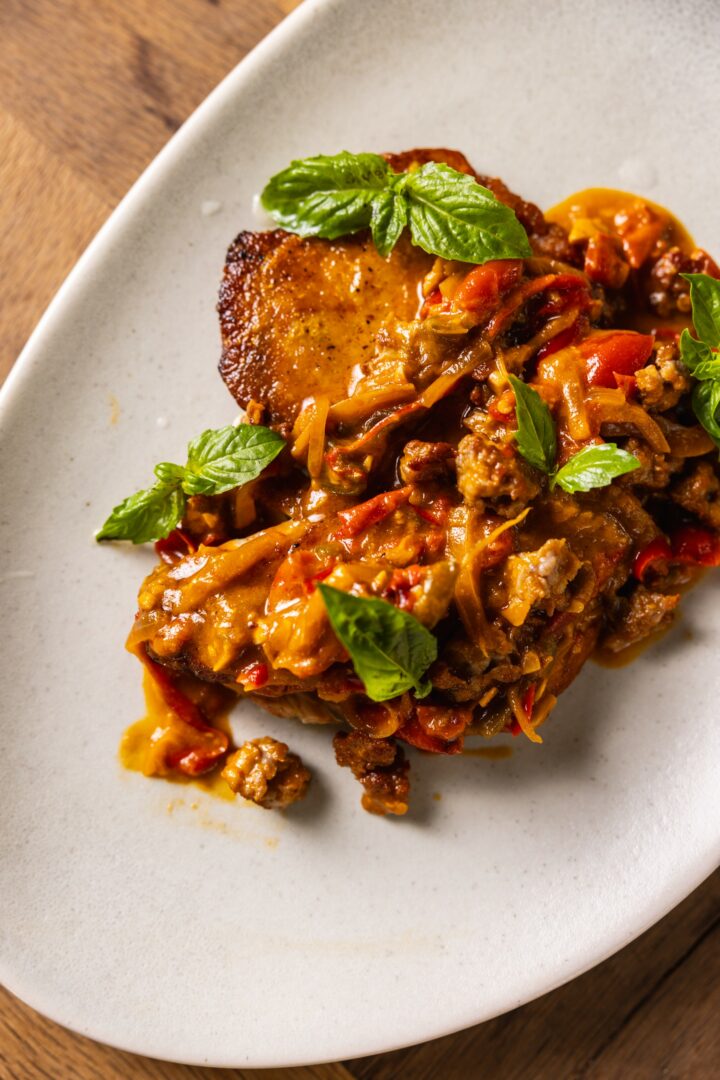
What makes this work special for me is the craft. I’m hands-on in every kitchen and involved in every detail, from the food to the execution to the training. At Bedford Hall, I’m actively developing an entirely new menu that reflects a fresh direction for the space. At Leonetta, I’m working with Mediterranean flavors and disciplined simplicity. At Jack & Charlie’s, I’m focused on classic technique with a modern edge. City Tavern & Table and The Derby Club each bring their own style and energy, and I love building food and experiences that match those identities.
Right now, I’m excited to continue building off what we’ve already created across all these concepts. Our restaurants might be very different from one another, but they’re connected by the same philosophy: work with integrity, lead with purpose, and make food that has soul. We don’t cut corners. We show up. We take pride in the work.
What I want people to know about my brand is simple: we’re committed to excellence, to hospitality, and to creating experiences that feel personal. Whether it’s a neighborhood tavern, a Mediterranean kitchen, a modern NYC restaurant, or a new menu launch, the goal is always the same—deliver something memorable, honest, and grounded in craft
If you had to pick three qualities that are most important to develop, which three would you say matter most?
Discipline came first. This industry demands consistency—showing up early, staying late, caring about the small details when no one’s watching. Discipline is what turns good cooks into great chefs. It’s not glamorous, but it’s the foundation.
Curiosity is what pushed me creatively. I’ve always wanted to learn more—new techniques, new cuisines, new ingredients, new ways of seeing food. Curiosity kept me from ever getting comfortable. It made me a better cook, a better leader, and a better collaborator.
Resilience might be the most important of all. Kitchens are intense, unpredictable, and unforgiving at times. You’re going to get knocked down, you’re going to make mistakes, and you’re going to have days where nothing goes right. Resilience is what keeps you moving forward, learning from the hits instead of being defined by them.
My advice for people early in their journey?
Start with discipline. Train yourself to care about the details, to practice the craft the same way an athlete trains. Show up with intention.
Stay curious. Ask questions, try things, read, taste, experiment—never stop learning.
And build resilience. Understand that setbacks aren’t signs to quit—they’re part of the process. The chefs, artists, and leaders who last are the ones who keep going when it gets hard. If you commit to those three things, you give yourself a real shot at longevity in this industry
What is the number one obstacle or challenge you are currently facing and what are you doing to try to resolve or overcome this challenge?
The biggest challenge I’m facing right now is balancing the growth of multiple restaurants while maintaining the level of quality and consistency I expect in every kitchen. As we expand and develop new menus, new teams, and new concepts, the demand on my time and attention becomes greater. I take a lot of pride in being hands-on, and when you’re leading several different kitchens, each with its own identity, it’s a constant exercise in focus, communication, and leadership. To overcome this, I’m investing heavily in building strong teams and developing the right people. I’m spending more time mentoring sous chefs, empowering cooks to take ownership, and creating clearer systems so every restaurant has a solid framework to operate from.
The goal is to build depth—not just rely on myself to drive everything forward. I’m also learning to prioritize smarter. I ask myself where I’m needed most, where I can make the biggest impact, and what I can delegate without losing the essence of what we do. That’s been a real evolution for me. At the end of the day, the challenge is growth—good growth. And the way through it is building leaders, strengthening the culture, and making sure every kitchen has the tools, training, and support to execute at a high level even when I’m not physically standing on the line
Contact Info:
- Instagram: chef_edcotton
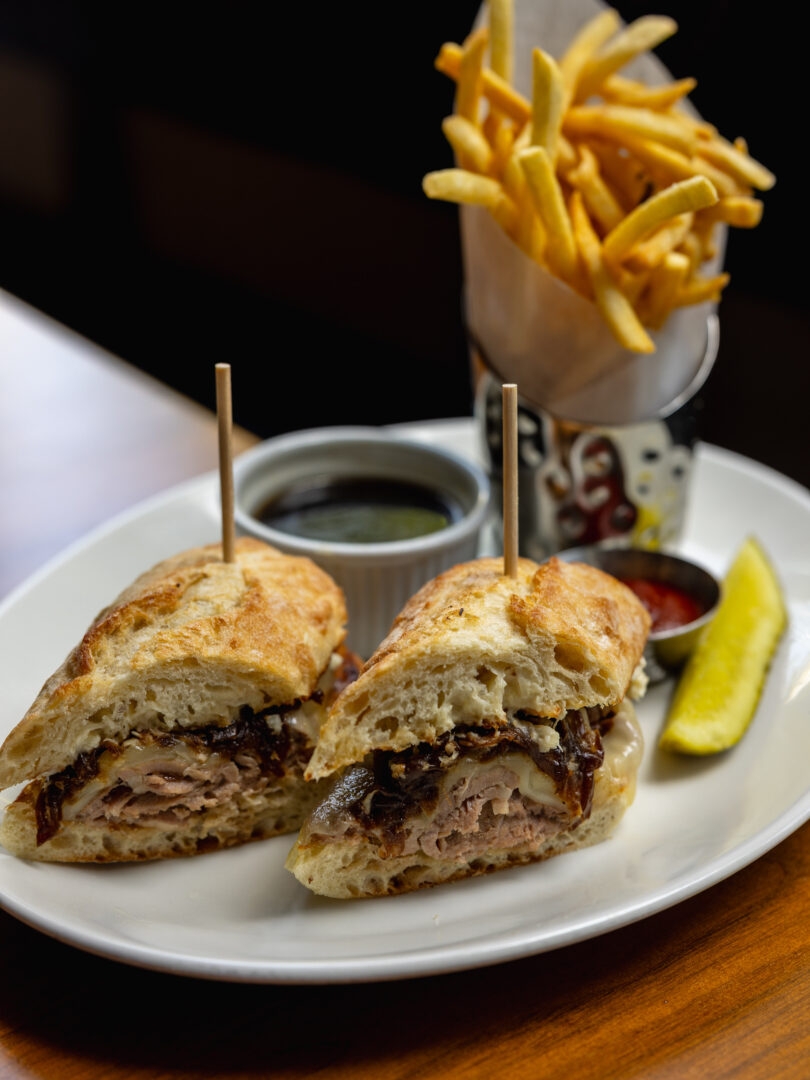
Image Credits
Dillon Burke
so if you or someone you know deserves recognition please let us know here.