Alright – so today we’ve got the honor of introducing you to Katherine McCord. We think you’ll enjoy our conversation, we’ve shared it below.
Alright, so we’re so thrilled to have Katherine with us today – welcome and maybe we can jump right into it with a question about one of your qualities that we most admire. How did you develop your work ethic? Where do you think you get it from?
I always wanted not only to work, but to be the best!
As a small child, I had the privilege of spending time with each of my parents at their jobs and each evening they would talk through their days with me. So, since my mother was in Recruiting and HR, I started playing HR at about four to five years old. I would hold hiring events, employee relations sessions, etc… no joke. I even fired my mother for being a “bad employee” at the age of six. I called her in, explained why she was being let go, and told her to “pack her things”. She was so proud. She not only praised my correct decision (based on the grievances I had made up), but she critiqued my method and had me try again.
My father was also a wonderful influence. He is a musician and collegiate musical educator. From an early age, I was taught not only music, but how to think and learn, a lesson reinforced throughout my childhood by a family filled with curious and well-rounded individuals. I was taught that doing your best and perpetual growth were matters of personal pride and should always be paramount and that failure was a terrific opportunity to learn.
Great, so let’s take a few minutes and cover your story. What should folks know about you and what you do?
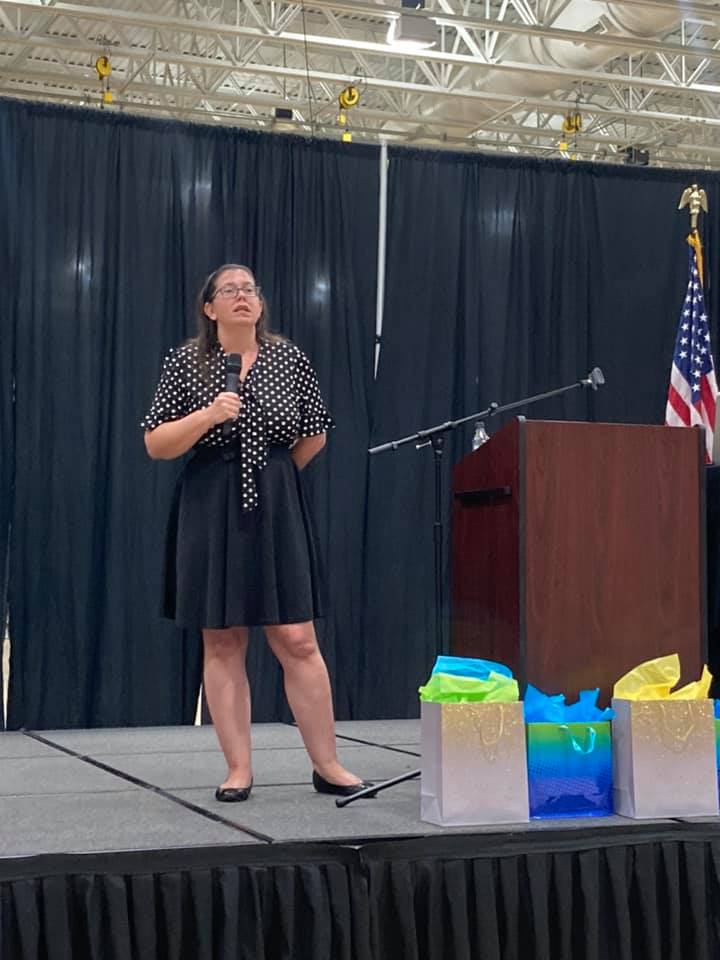
The worlds of Human Resources and Talent Acquisition are my jams! This is why, in addition to my contract and consulting work, I speak and teach internationally on these topics as well as neuro-inclusion. I have had the privilege of speaking for United Nations delegates (through AIMS), SHRM, London School of Business, Web Summit, and organizations and groups across the world. Teaching and spreading best practices is one of my finest sources of joy.
These fields have been a passion of mine literally since childhood, and I perpetually find new ways to learn and hone my craft. My goal is to be THE Human Resources (People Operations) and Talent Acquisition expert in the United States, and I want to expand my program, Universal Workplace Design, which promotes healthier, more efficient, and more inclusive work, so that it becomes the standard.
In People Operations, our job is taking care of and maximizing the potential of people, so we need to be masters of understanding them! This is why I continuously study and gain certifications in neuropsychology, human behavior, and culture. I then use this knowledge to build KPI-based, inclusive hiring and workplace programs, policies, and procedures that elevate productivity, innovation, retention, and employee wellness. I bring a strong mix of compliance and focus on the human element and sustainability.
For the last twelve years I have worked in both short and long-term contract roles building and rehabbing recruiting and HR programs. My specialty is working with start-up and growth stage organizations, and I have proudly helped launch over a dozen companies. I do everything from the strategy to the hands-on nitty-gritty work and have worked both in a solo capacity and leading teams of up to twenty-six. My goal is always to graduate my clients into an independent state, no longer requiring my services, and to leave them with human-centric, compliant, sustainable practices.
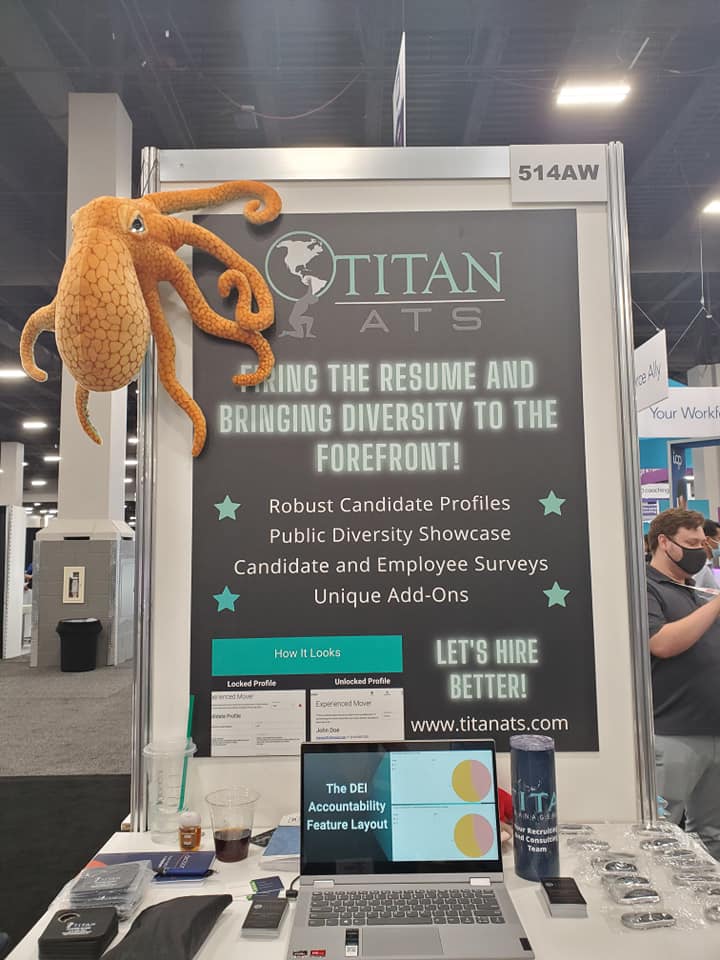
Oh! I nearly forgot to mention… In 2021, I invented the first ever anti-resume and anti-bias Applicant Tracking System! It was twice recognized at Web Summit and won Innovation of the Year at HRDS. (It is now being potentially acquired by a new HRTech company.) That was a very fun project and one heck of an adventure for someone without a background in tech! I loved it!
There is so much advice out there about all the different skills and qualities folks need to develop in order to succeed in today’s highly competitive environment and often it can feel overwhelming. So, if we had to break it down to just the three that matter most, which three skills or qualities would you focus on?
I am highly adaptable. Change, even big changes, have just never really thrown me off in any significant way. A large part of this quality is inherent, but I also honed my adaptability by developing processes to handle big shifts both personally and professionally. A significant element of these processes are the people in my network. Having humans that support you and share your missions is vital to success in life and business. My top tip for improving adaptability is to develop a strong, functional network that you can call on as larger changes occur.
I ask why. Actually, I typically say, “tell me more about this.” (This is a phrase I learned from my mother because as a child I was terrible at art, but she never wanted me to feel embarrassed that she had no idea what I had drawn.) Understanding the thought and/or emotion behind something or the history of a situation gives you better perspective and allows you to work more effectively. Always learn the why.
Innovation is another key element to my success. I naturally want to find the best way to do things, and I do not read long-standing methods as automatically correct. I perpetually evaluate and naturally drift towards efficiency. Over the years I have grown this ability by continually learning and finding new, more robust methods for the innovation process. My process is now more methodical and involves more research, forums and/or collaboration, and testing as well as follow up and data reviews. I perpetually circle back and re-evaluate. I want to know, not guess, that “our way” is the best way. It is important to learn from all affected groups and to not only test a new process or idea prior to launch, but to continually evaluate it after implementation. Perhaps most importantly though, I check my ego and insist that everyone else on my teams do the same. My idea may not be the best one. My perspective is not the only one, my needs and wants are not the only valid ones on the table. One of the primary keys to successful innovation is a “we” mentality, versus a “me” mentality.
To close, maybe we can chat about your parents and what they did that was particularly impactful for you?
This is always one of my favorite questions when I do podcasts.
My parents taught me how to think and always gave me autonomy, but potentially even more impactful was their response to my unusual brain.
I am highly neurodivergent. Essentially, this means that my brain functions differently than that of the average person. In my case, that means Misophonia, OCD, Bipolar One, and “glitches” from ongoing TIAs and Seizures.
My OCD presented itself from a very early age, and my parents had the most spectacular response… they steered into it. They didn’t treat me as though I was broken, or shame me, or tell me to cut it out. They listened to me and helped create ways for me to self soothe when needed and even to work with my diversity! They taught me to use what was different about my brain.
When it was painfully obvious that I had Bipolar (then called manic depression and for which I soon gained a diagnosis) in my early teens, they did the same thing. They helped me learn to work with it, even using it to my advantage, and how to understand what was happening so that I could cope in healthy, productive ways. I was never treated as pitiful, broken, or undesirable. I was loved and supported, always, and perpetually given the tools that I needed to succeed.
My parents were spectacular.
I consider my upbringing my greatest source of privilege.
Contact Info:
so if you or someone you know deserves recognition please let us know here.