We recently had the chance to connect with Tammy Adcock and have shared our conversation below.
Tammy, so good to connect and we’re excited to share your story and insights with our audience. There’s a ton to learn from your story, but let’s start with a warm up before we get into the heart of the interview. What’s more important to you—intelligence, energy, or integrity?
Integrity matters most to me.
I’ve learned—both personally and professionally—that intelligence and energy can be impressive, even intoxicating, but without integrity they can do real harm. I’ve seen how sharp minds can be used to control instead of connect, and how high energy can mask a lack of accountability.
Integrity is what creates safety. It’s consistency. It’s honesty when no one is watching. It’s the willingness to take responsibility rather than rewrite the story. In my work with survivors and in my own life, integrity is the non-negotiable—because when integrity leads, intelligence is used ethically and energy is directed with purpose.
Can you briefly introduce yourself and share what makes you or your brand unique?
I’m Tammy Adcock, and I’m the founder of Adcock Coaching LLC. For a long time, my work focused on high-conflict divorce and custody situations — helping parents survive relationships and systems that felt overwhelming, confusing, and often unfair. That work came directly from my own lived experience, not just training or theory.
Over time, I started noticing a pattern. Nearly every “high-conflict” case had the same root issue underneath it: unrecognized narcissistic abuse and coercive control. Once I really leaned into that truth, it didn’t make sense to stay narrowly focused on divorce anymore. So I made the shift into narcissistic abuse education and empowerment.
Now, my work is about helping people understand what they lived through, name it accurately, and reconnect with themselves again. What makes this work special to me is that it blends education, lived experience, and advocacy — I’m not just teaching concepts, I’m helping people feel less alone and more grounded in their reality. Right now, I’m building educational programs, digital resources, and speaking work to make this kind of support accessible to as many survivors as possible.
Okay, so here’s a deep one: Who taught you the most about work?
My dad taught me the most about work. He went door to door every day to provide for our family. Growing up, I watched what real dedication looks like up close — showing up, doing the job well, and doing it with integrity.
He taught me to always leave something better than you found it, to give your best effort no matter the circumstances, and to trust that if you do your part, God will do the rest. Those lessons shaped not just how I work, but how I live — and they still guide everything I do today.
When did you stop hiding your pain and start using it as power?
I stopped hiding my pain when I realized it was costing me my voice. For a long time, staying quiet felt safer — safer for my kids, safer in systems that didn’t make room for truth, safer when being “strong” was expected. But silence didn’t protect me; it just kept me small.
Using my pain as power didn’t happen all at once. It happened slowly, through naming what I experienced, trusting myself again, and understanding that my story wasn’t something to be ashamed of. Once I stopped fighting my own truth, that pain became purpose — fuel for advocacy, education, and helping others realize they’re not broken, they’re surviving.
That’s when everything changed.
I think our readers would appreciate hearing more about your values and what you think matters in life and career, etc. So our next question is along those lines. What’s a belief or project you’re committed to, no matter how long it takes?
Becoming a better version of myself. Not rushed, not perfect — just honest and intentional. I’m committed to doing the inner work, unlearning what no longer serves me, and continuing to grow even when it’s uncomfortable or slow. I’ve learned that real change isn’t a finish line; it’s a lifelong process. And no matter how long it takes, that work is always worth it.
Before we go, we’d love to hear your thoughts on some longer-run, legacy type questions. What is the story you hope people tell about you when you’re gone?
I hope the story people tell about me is centered on my children — that they remember how often I spoke about them, how proud I was of who they are, and how fiercely I fought for them throughout their entire childhood. I want it known that everything I did, every hard decision and every moment of perseverance, came from loving them and never giving up on them.
Contact Info:
- Website: https://adcockcoachingllc.com
- Linkedin: https://www.linkedin.com/in/adcockcoaching
- Youtube: https://www.youtube.com/@adcockcoaching
- Other: TikTok @strengthfound
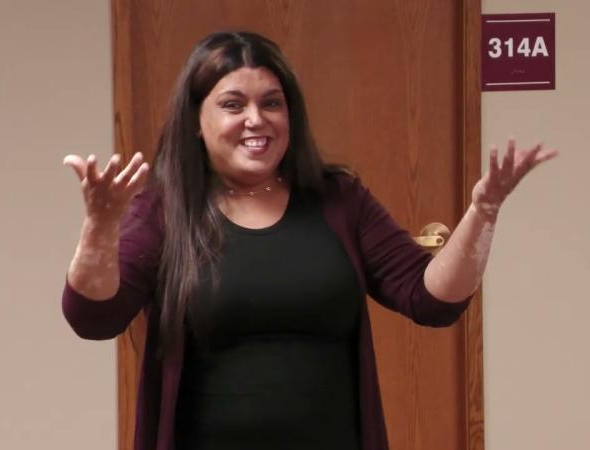
Image Credits
Corey Rourke
so if you or someone you know deserves recognition please let us know here.