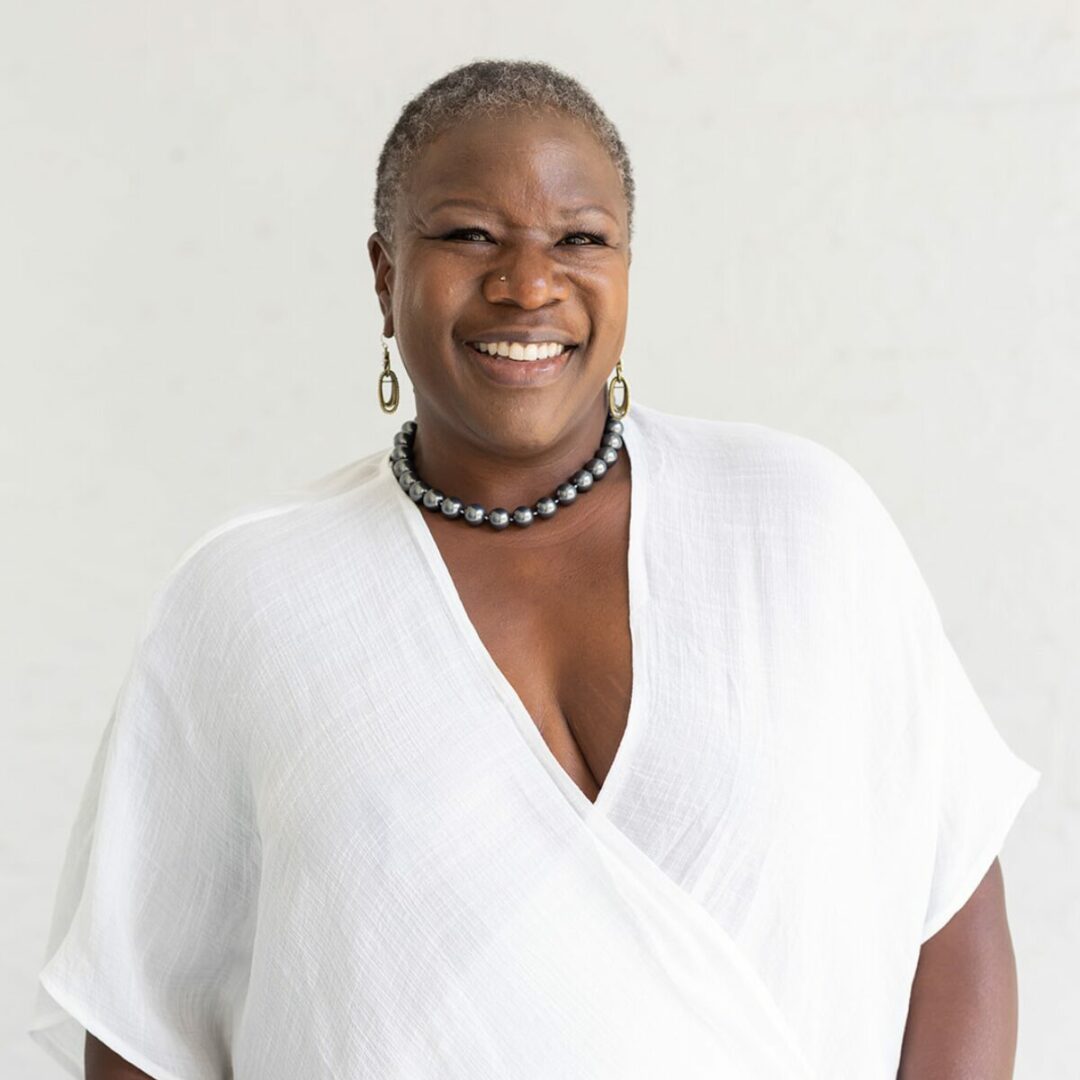
We recently had the chance to connect with Dr. Nancy Dome and have shared our conversation below.
Hi Nancy, thank you for taking the time to reflect back on your journey with us. I think our readers are in for a real treat. There is so much we can all learn from each other and so thank you again for opening up with us. Let’s get into it: Have you ever been glad you didn’t act fast?
We were loved growing up, and we were also poor. I didn’t necessarily feel the poverty at the time, but it was our reality. When I grew up and started making my own money, I always spent what I had because the idea of having anything left over wasn’t one that had ever felt accessible to me. If I made $38K as a teacher, for example, I spent $38K. The idea of saving or growing anything monetarily wasn’t something I’d ever even had in my periphery, having grown up in scarcity.
I bought my first house at 29, with a lot of help. At that point, I realized I had to control my finances in a different way. I made a system for myself: If there was anything I wanted (not needed), I would give myself six months to wait. If I was still thinking about it six months later, I would get it . . . although usually, I’d forgotten about whatever it was by then. And if I hadn’t, I realized I’d figured out an alternate way to achieve the same goal without having the “thing.”
This habit set a pattern for the rest of my life and helped me have a different relationship with money . . . but it didn’t end there. The requisite pause helped me realize that if I was pushing for something, maybe that meant it wasn’t always worth it. I began to trust the universe, waiting to see what was going to be presented to me. More often than not, thanks to this pause, I ended up where I needed to be and with what I needed to be healthy and happy . . . all without force.
Can you briefly introduce yourself and share what makes you or your brand unique?
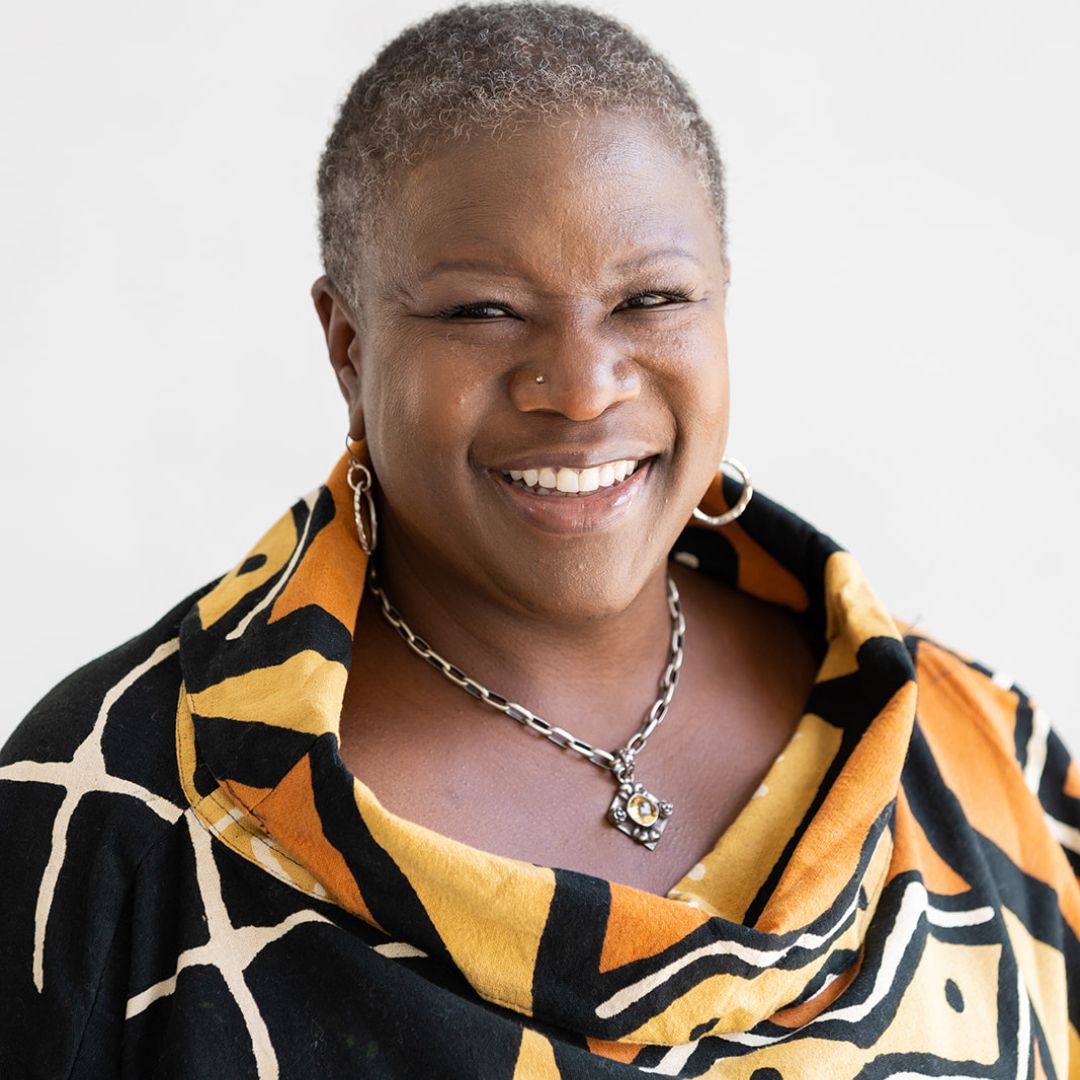
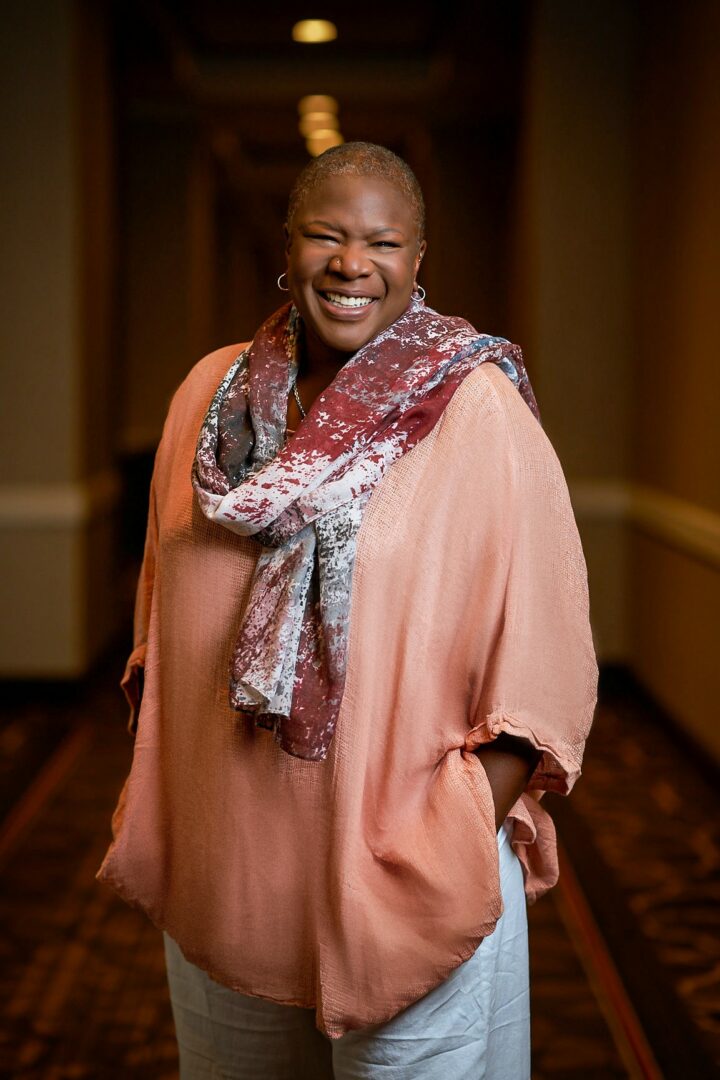
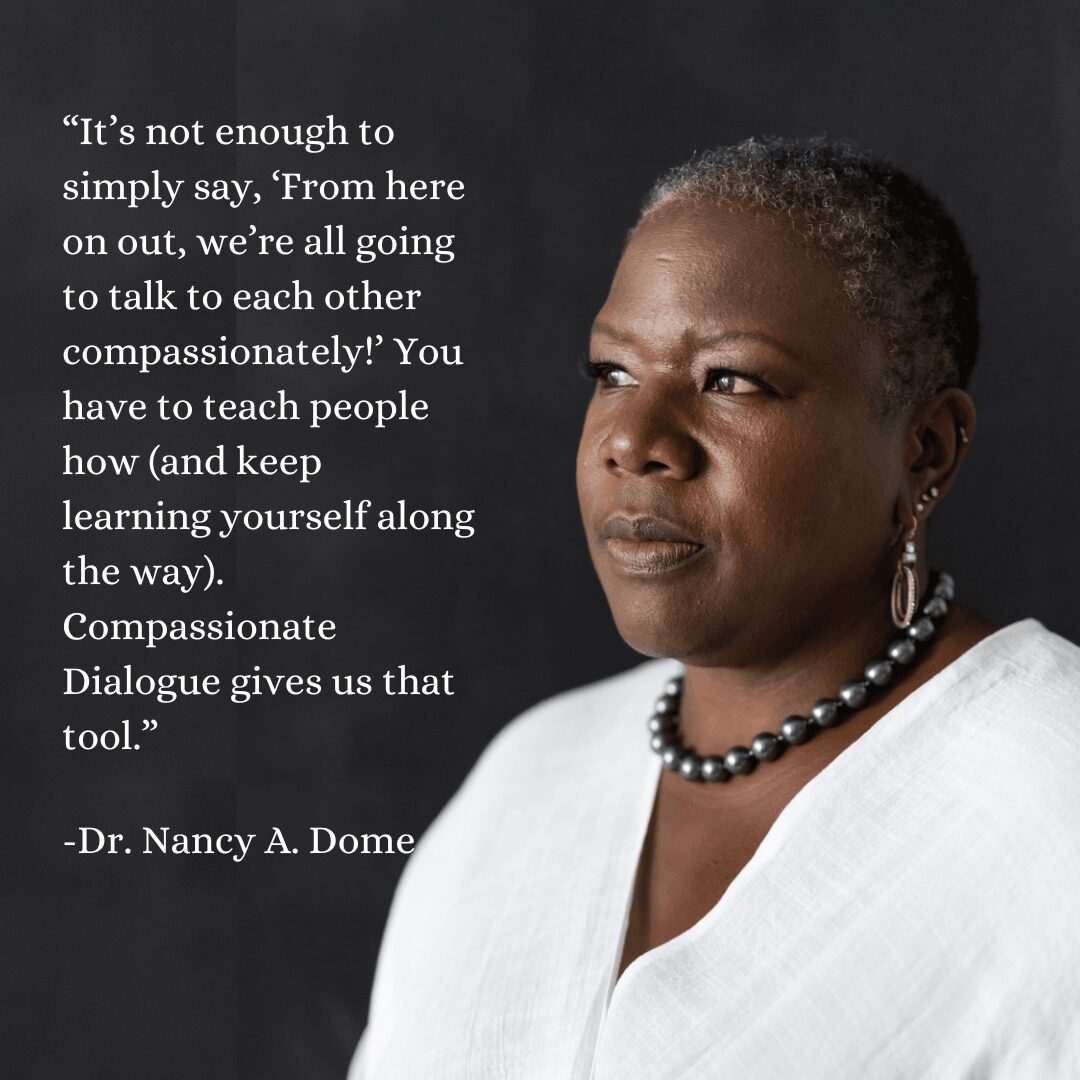
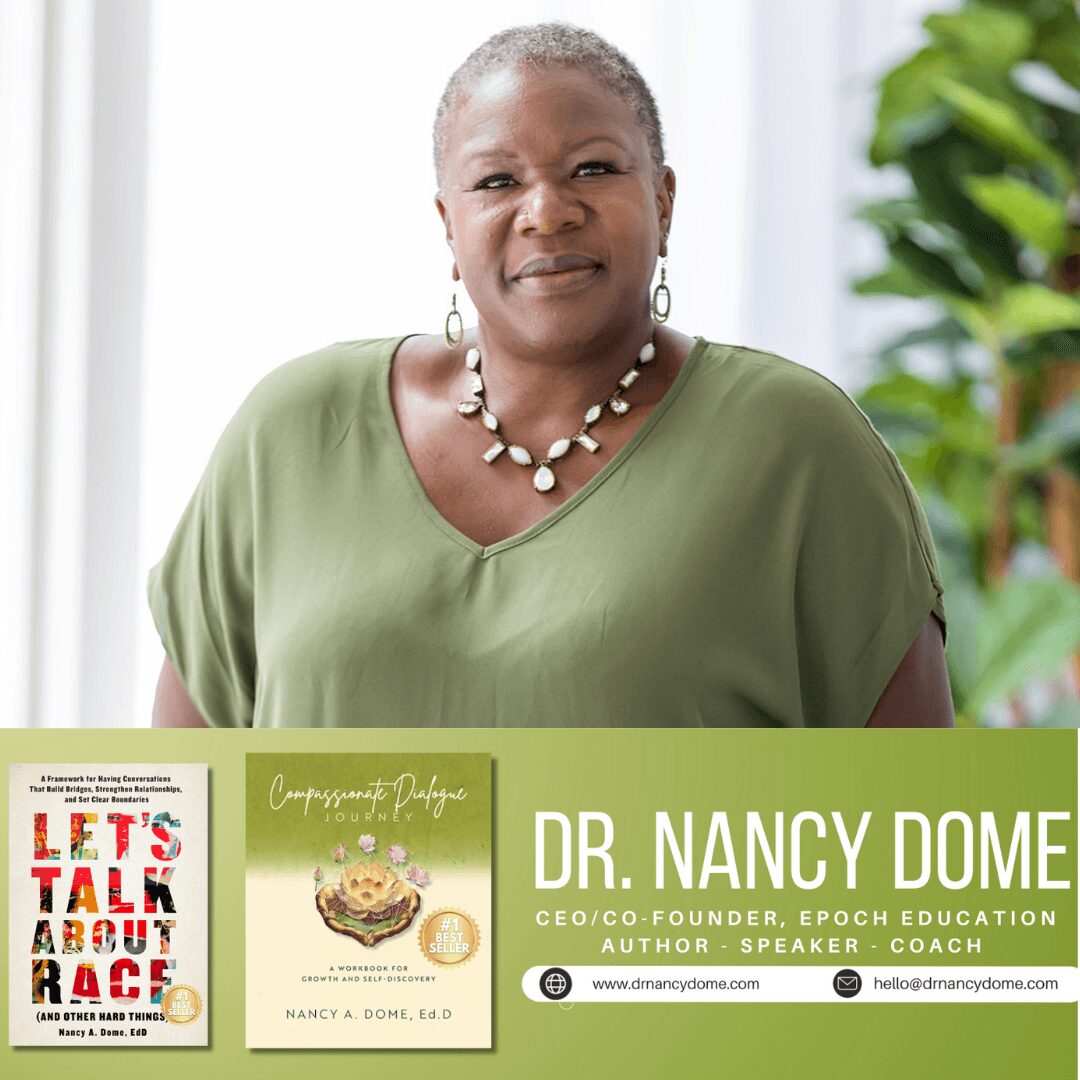
In 2014, I co-founded EPOCH Education to provide leaders in education and business with accessible professional development to support equity efforts in pursuit of greater diversity, inclusion, and belonging. As CEO, my primary charge is to provide current, accessible, and transformative training that helps school districts and educational agencies throughout the country navigate complex topics, build bridges, and work together for inclusive, impactful change. I also work with businesses providing inspirational keynotes, individual and small group coaching sessions, and trainings on effective communication through Compassionate Dialogue throughout the US and in the UK.
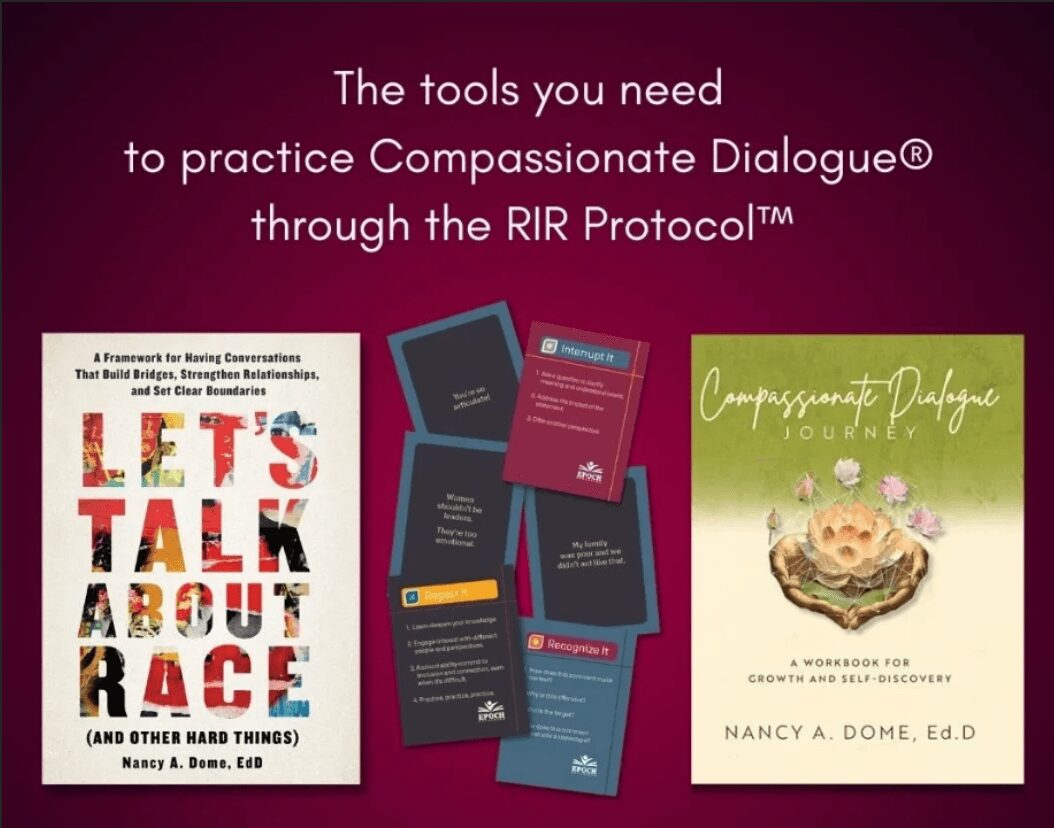
I am also the author of the bestselling book Let’s Talk About Race and Other Hard Things: A Framework for Having Conversations That Build Bridges, Strengthen Relationships, and Set Clear Boundaries. This book laid the foundation of Compassionate Dialogue as a mainstream strategy to support the development of strong workplace climates and cultures. In 2024, I published The Compassionate Dialogue Journey: A Workbook for Growth and Self-Discovery, that provides a pathway for internal exploration by guiding readers through prompts and exercises designed to deepen their Compassionate Dialogue practice as a form of self-care.
I am currently at work on my third book, Glimmers: Notes on Race and Historical Trauma, the Origins of Compassionate Dialogue, and Power of Unconditional Love. This autobiographical offering is my most personal work yet, and I’m so excited to bring it to readers in 2026.
Great, so let’s dive into your journey a bit more. What was your earliest memory of feeling powerful?
My earliest memory of feeling powerful was when I was in 8th grade, when I got my first job. Because I developed early and looked about 18/19 at the time, I didn’t have any problems getting hired.
Prior to that time, I took issue with my body. I was always silently comparing myself to people around me, by far the tallest and heaviest kid in all of my classes. Though I lived in a diverse area of West Hollywood, there weren’t a lot of Black families, making my size stand out even more.
When my mom left and I needed to get a job, I saw my body serve me for the first time. After that, I found organized sports, which completely solidified my newfound positive relationship with my body. I realized: “There’s power in my structure. There’s power in ME.”
That feeling carried throughout my whole life. My body is not something I’m ashamed of. The phases will come and go . . . and boy, have they . . . but my body has been my savior. It gives me power. How could I ever be mad at it?
Was there ever a time you almost gave up?
First, let me say I was raised by a grandmother who was born in 1912 in Alabama and who grew up in the Jim Crow South. That means that giving up was never an option in my house.
For this question on a grander scale, however, I would like to invite us to reconsider the frame of “giving up” in general. There’s an undertone of failure when we talk about “giving up” . . . one that isn’t necessarily true.
There’s a difference between surrendering and giving up. There have been times I’ve tried to force something through, sure. We all have. Those moments became part of my spiritual lesson: If I’ve got to work that hard and bang my head against a wall, maybe I’m going about it wrong. Maybe there’s a different path I’ve not yet considered. Or, maybe it wasn’t meant for me in the first place.
I wouldn’t call that giving up; I would call that getting smart.
Alright, so if you are open to it, let’s explore some philosophical questions that touch on your values and worldview. What’s a belief or project you’re committed to, no matter how long it takes?
The belief I am committed to no matter what it takes is that we can live in a better world.
I have to believe we can live in a world where we all get along.
I have to believe that every kid can succeed.
I have to believe that everyone is worthy of our love, our time.
I have to believe there is no human beneath any other.
I will continue to do my work, in some form, to that end. It’s why I’m here.
Okay, we’ve made it essentially to the end. One last question before you go. What is the story you hope people tell about you when you’re gone?
The story I hope people tell about me when I’m gone is that the strength I wielded wasn’t a sword; it was my heart.
I recently read information from a Harvard neurologist who said that people who cry often aren’t weak; in actuality, they have “a faster connecting brain” and are “processing emotional data in real time.” They can predict conflict, sense discomfort, and offer support before it’s asked. This “strategic awareness,” as the researcher put it, “makes powerful leaders.”
I’ve cried on stage in front of hundreds of people, and I’m not ashamed of it.
I want to be remembered as someone who did her best to be part of making the world a better place, who was emotionally intelligent, and who wielded that strength of heart even when times got rough.
Contact Info:
- Website: https://www.epocheducation.com
- Instagram: https://www.instagram.com/drnancydome/
- Linkedin: https://www.linkedin.com/in/nancydome/
- Twitter: https://x.com/EpochEducation
- Facebook: https://facebook.com/DrNancyDome
- Youtube: https://www.youtube.com/@EpochEducation
- Other: https://www.drnancydome.com
so if you or someone you know deserves recognition please let us know here.