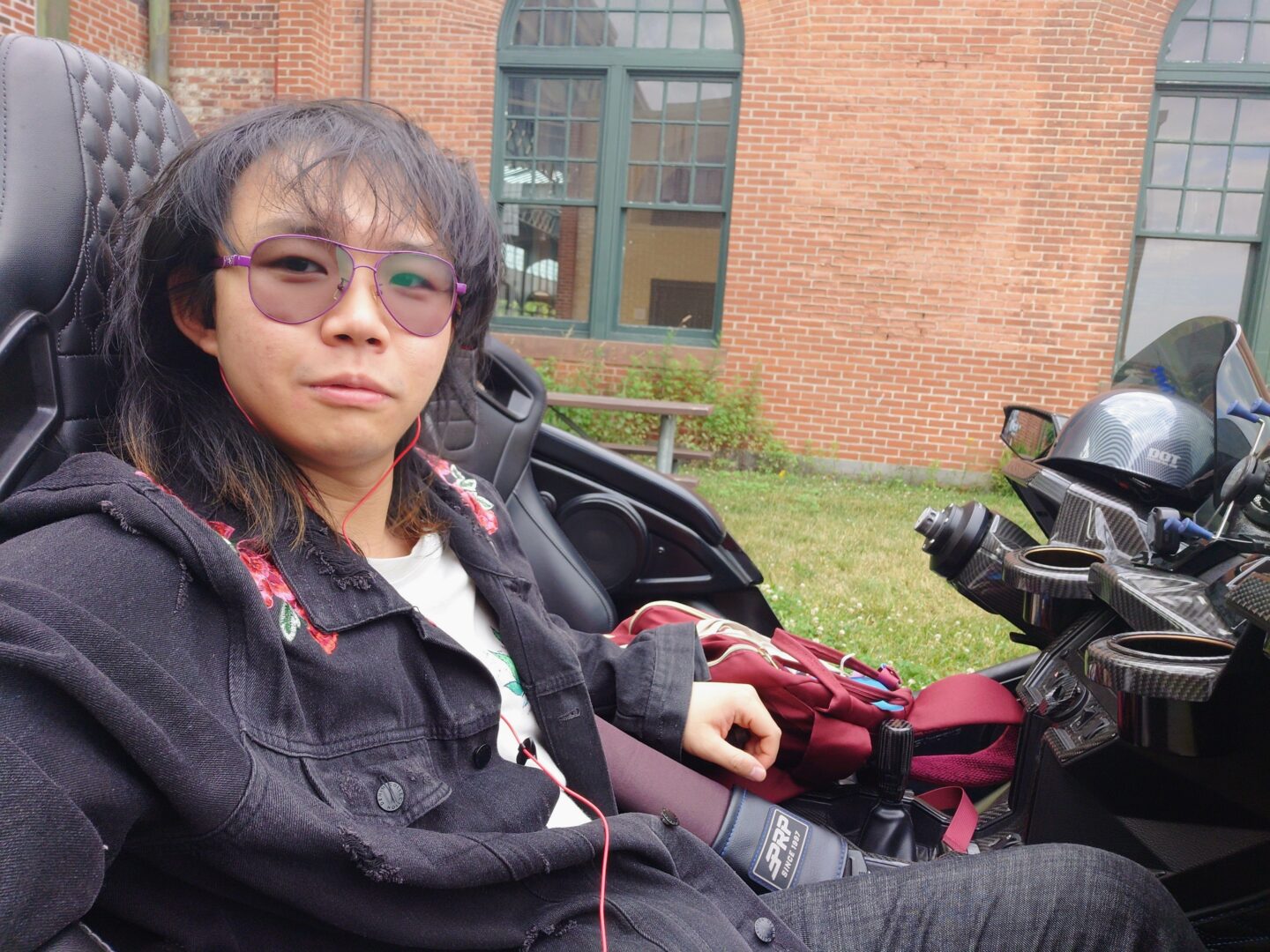
We’re looking forward to introducing you to Clone (Chenghao) Wen. Check out our conversation below.
Clone (Chenghao), really appreciate you sharing your stories and insights with us. The world would have so much more understanding and empathy if we all were a bit more open about our stories and how they have helped shaped our journey and worldview. Let’s jump in with a fun one: What is a normal day like for you right now?
Since winter started in New York it’s been freezing, and the cold has kind of forced me to start getting up really early. It also gets dark super early, so I still haven’t really adjusted to the New York time difference. Luckily I’m going back to HongKong for winter break soon. When you’re not used to the time zone in one place, I honestly think the best way is to do a round-the-world trip—long-haul flights and jet lag kind of force your body clock to reset. So I’m hoping that after I fly back to Hong Kong, I can have a more normal daily schedule again.
Right now my days are totally packed, and I’m constantly doing long-term planning—since this is the last month of 2025, I’ve already planned things out to 2027. I basically split each day into three parts: classes, film work, and writing. Film work covers both my fiction and nonfiction projects, and at the moment I’m mainly in the post-production editing stage and also dealing with festival submissions and distribution. My writing means both scripts and academic stuff like abstracts and PPTs. What really defines my weekdays now is that I’m sending emails non-stop—email has basically replaced WeChat and just become part of my everyday life
Can you briefly introduce yourself and share what makes you or your brand unique?
’m Clone (Chenghao) Wen, an independent documentary filmmaker, media artist, and writer based in New York and Hong Kong. I’m also doing a PhD in Cinema Studies at NYU Tisch, so my everyday life is split between seminars, film work, and long-term research and planning.
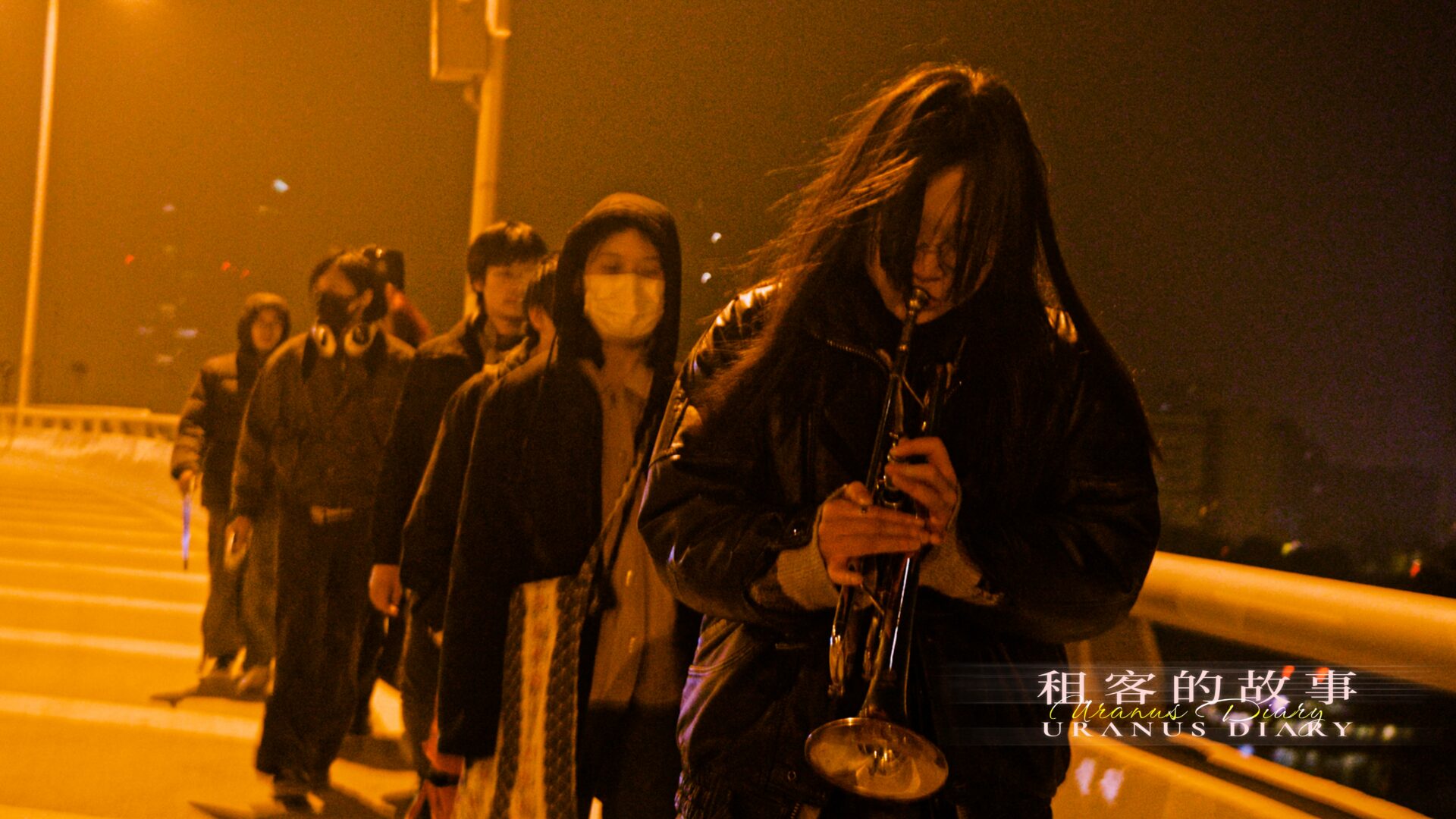
My work moves between fiction and non-fiction: I’m editing and distributing feature-length documentaries, developing scripted projects, and writing about film archives, media archaeology, Sinophone and Southeast Asian cinemas, and how moving images can record hidden or marginal histories like immigrant labor and underground art scenes. Online, I use my site clonedesign (clone7.wordpress.com) as a hub: it gathers my CV, artist interviews, links to films and streaming platforms, festival and exhibition history, and recent essays on AI, cinema, and digital culture.
Okay, so here’s a deep one: What was your earliest memory of feeling powerful?
My earliest powerful memory is from a period of homeschooling in Hong Kong. I didn’t have to go to school, so every morning my mother and I would walk from our home at Southern District Fish Market to a small neighborhood hillside park nearby. I would stand on the railing with a string pulling a piece of Chinese national flag in my hands and hold our own flag-raising ceremony, because there was no such ceremony in Hong Kong. As a child from Beijing who had no school to attend in Hong Kong, my mother and I missed the ritual of school life, and we were imitating the short time I had once a year spent in primary school in Beijing, where every morning began with flag-raising ceremony. So we tied a small Chinese flag to a string, looped it along the railing, and I, as the “flag-raiser,” would pull the flag up from below while my mother and I hummed the national anthem together. As Beijingers in Hong Kong, our feelings ran deeply patriotic: I loved my motherland, and I loved this way of life that I felt belonged to it. Looking back now, I think this was my most generous, sustaining form of nostalgia for home, before my later years of diaspora and drifting.
If you could say one kind thing to your younger self, what would it be?
I miss you, darling i miss you.
I think our readers would appreciate hearing more about your values and what you think matters in life and career, etc. So our next question is along those lines. What’s a belief you used to hold tightly but now think was naive or wrong?
International film festivals are where pure dreams come true; international film festivals are where truly great films appear; international film festivals are the gathering place for outstanding cinema.
Okay, so let’s keep going with one more question that means a lot to us: What are you doing today that won’t pay off for 7–10 years?
I believe that my cinema studies research topic will be taken seriously ten years from now, because our mission is to start from a tiny invisible spark in the present and forecast where cinema will be in a decade.
I predict that the archivist will be seen as a film author. I am talking about an archival turn in auteurism: we start to see film and video as an artistic medium, and will stop arguing that film is art. In the end, archivists as film authors will be the ones to give film production a new turn, because we no longer film FILMS. Instead, they will create new films based on media archeology.
Contact Info:
- Website: https://clone7.wordpress.com
- Instagram: @clonedesign
- Other: IMDb
imdb.com/name/nm13946538/

so if you or someone you know deserves recognition please let us know here.