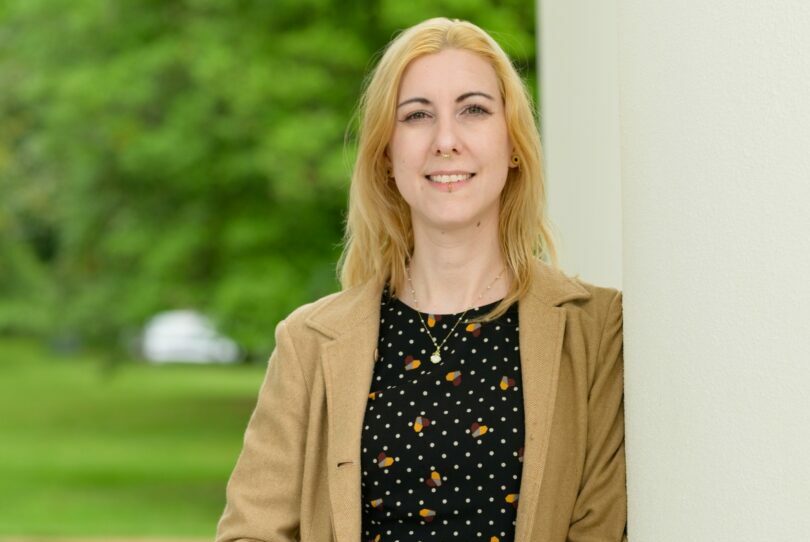
We recently had the chance to connect with Lindsey Nilsen and have shared our conversation below.
Lindsey, we’re thrilled to have you with us today. Before we jump into your intro and the heart of the interview, let’s start with a bit of an ice breaker: What do you think is misunderstood about your business?
I think the biggest misconception is that I’m just “making cute printables.” Yes, I love creating resources that look fun and engaging, but behind every product is a lot of thought about how kids learn, how teachers manage their time, and what actually works in a real classroom. I’m always thinking, “Would this make a teacher’s day easier? Would this help a student feel more confident?”
My business isn’t about adding more to a teacher’s plate — it’s about taking something off. Everything I create is meant to be simple, purposeful, and ready to use. So while it might look like crafts and worksheets on the surface, there’s a lot of intention behind it. My goal is always to support teachers and help kids love learning.
Can you briefly introduce yourself and share what makes you or your brand unique?
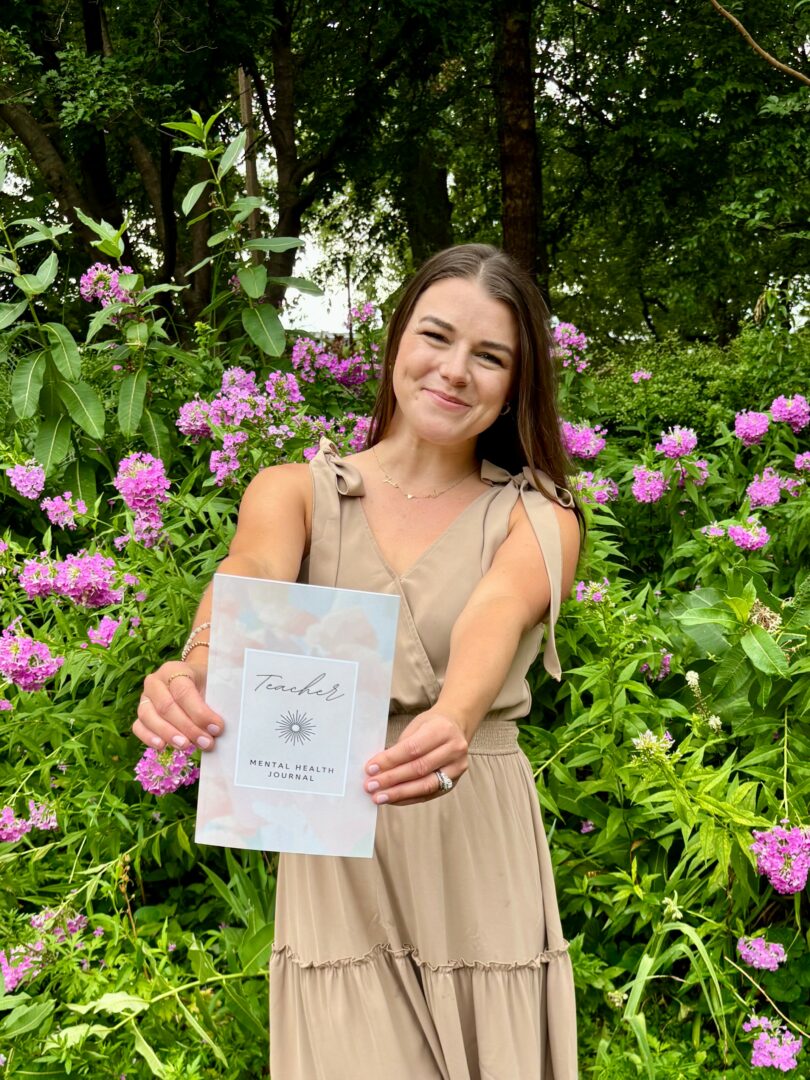
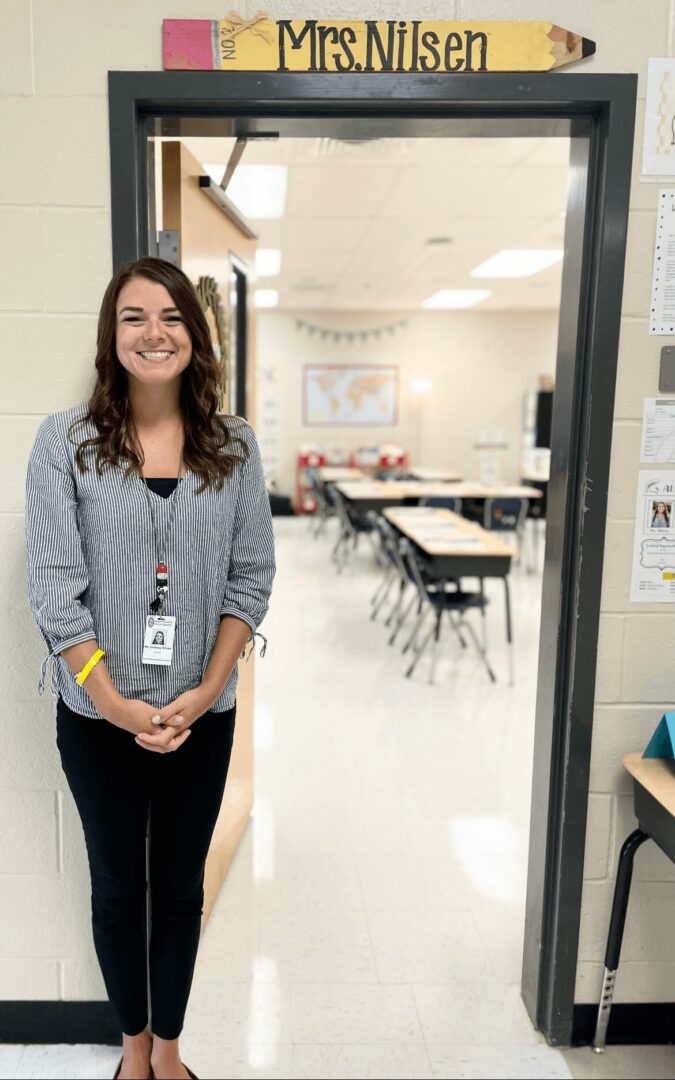
Hi! I’m Lindsey — a former teacher turned stay-at-home mom who still can’t stop thinking about lesson ideas. I create simple, engaging, no-prep literacy resources for teachers because I know firsthand how overwhelming it can feel to constantly come up with meaningful activities on top of everything else on your plate.
My brand is really built on the idea that learning should feel doable for teachers and fun for kids. I focus on resources that are easy to print, easy to teach, and actually help students build their reading and writing skills — without the fluff or extra prep. I love taking big literacy concepts and turning them into clear, accessible activities teachers can use right away.
What makes my little corner of the internet special is that it comes from a teacher heart and a mom brain. I understand the need for things that work, that save time, and that help kids feel successful. Right now, I’m working on expanding more of my seasonal literacy activities and building out resources that support teachers with decodables, word work, and writing — all the things I loved most in the classroom.
I’m grateful every day that I get to support teachers while being home with my kids. It’s the best mix of both worlds.
Appreciate your sharing that. Let’s talk about your life, growing up and some of topics and learnings around that. What did you believe about yourself as a child that you no longer believe?
As a child, I genuinely believed I was a “bad reader.” I was slow, I needed extra reading classes, and I always felt behind. I thought reading fast was the goal, so I spent so much time trying to keep up with everyone else that I never really paid attention to what I was actually reading. It took me a long time to realize that being a strong reader has nothing to do with speed — it’s about understanding, connecting, and enjoying the story.
Now, I read because I truly love it. I don’t care how long it takes me to finish a book. I care that it makes me feel something or teaches me something — not how quickly I can turn the pages.
I felt the same way about writing growing up. I didn’t think I was “good” at it because it took me time to get my thoughts out. But now I see writing completely differently. Writing is where my creative energy comes alive. It’s a space where I can slow down, think deeply, and express myself in a way that feels natural and fulfilling.
And honestly, those early struggles with reading and writing are a huge part of why I’m so passionate about literacy now. I know what it feels like to think you’re “behind,” and I know how life-changing it can be when someone gives you the tools and confidence to grow. It’s a big reason I became a teacher, and why I love creating literacy resources today — it feels like a full-circle moment.
So the biggest belief I let go of is that being slow meant I wasn’t smart. Now I know my pace is part of my process — and it’s actually one of the things that makes me a thoughtful reader and writer today.
When did you stop hiding your pain and start using it as power?
I think I stopped hiding my pain and started turning it into power when I became a mom. I’m very Type A — an overachiever to my core — and for most of my life, I felt like my worth came from how much I could accomplish. I thrived on checking boxes, staying ahead, and doing everything “right.”
But motherhood doesn’t work like that. Suddenly, my perfectly organized world got messy. My time wasn’t my own. I couldn’t just power through a to-do list the way I used to. And instead of giving myself grace, I felt like I was failing at everything — motherhood, work, routines…all of it. I tried to hide that struggle because I thought being overwhelmed meant I wasn’t doing a good job.
Eventually, I realized that the pain I felt wasn’t about motherhood — it was about letting go of who I thought I had to be. And that’s when something shifted. I stopped trying to fit myself into this impossible standard and started focusing on what actually filled me up.
Creating my business became a huge part of that. What started as “something productive to do” slowly turned into my version of self-care. It brought back a piece of me that felt creative, capable, and confident. It gave me an outlet that didn’t take away from motherhood — it made me a better mom. I showed up more patient, more present, and more grounded because I had something that was mine.
So for me, turning pain into power looked like acknowledging that I didn’t have to be perfect to be worthy. I could embrace the messy, build something beautiful out of it, and give myself permission to grow in a new direction.
Alright, so if you are open to it, let’s explore some philosophical questions that touch on your values and worldview. How do you differentiate between fads and real foundational shifts?
In education, it can feel like there’s always a new “must-try” strategy, curriculum, or trend — and teachers are constantly being asked to pivot. But I’ve learned to separate the fads from the truly foundational shifts by going back to one thing: the research on how the brain actually learns.
A flashy new program might look exciting, but if it isn’t aligned with what we know about literacy development, language processing, and cognitive science, it’s not going to move the needle for kids. Real, lasting change happens when we focus on evidence-based practices that support long-term growth, not just quick results.
I also think we need to zoom out and look at what’s working in other countries and cultures. There are so many places that consistently produce strong readers and writers, and they’re not constantly reinventing the wheel or buying into the next big thing. They trust simple, research-driven instruction and prioritize depth over novelty.
Meanwhile, in the U.S., it can feel like districts are pressured to adopt a brand-new curriculum every few years. And teachers are the ones left trying to rebuild their instructional foundation over and over again. That’s why I always ask: Is this grounded in research? Does it support what we know about the brain? Does it make sense for kids — not just for a marketing brochure?
Foundational shifts stand the test of time. Fads fade fast. And the more we root our teaching in science, the easier it becomes to tell the difference.
Okay, we’ve made it essentially to the end. One last question before you go. What will you regret not doing?
Without question, I will regret not publishing books.
I’ve written an entire novel that I’ve been sitting on for years, along with several children’s books that I absolutely love. They’re all just…waiting. Waiting for me to find the time, the resources, and honestly the courage to put them into the world.
There’s a part of me that’s scared — scared of the investment, scared of the process, scared of what people might think. And then there’s the very real challenge of mom-life, business-life, and everything-else-life leaving very little space for something as big as publishing.
But deep down, I know I’m meant to share these stories. Writing has always been where my creative energy comes alive, and I don’t want fear or busyness to be the reason I never take that step. Someday, I want to look back and know I didn’t just dream about being an author — I actually did it.
So that’s the thing I would regret most: not giving myself permission to bring those books to life.
Contact Info:
- Instagram: @littleliteracystudio
- Other: [email protected]
so if you or someone you know deserves recognition please let us know here.