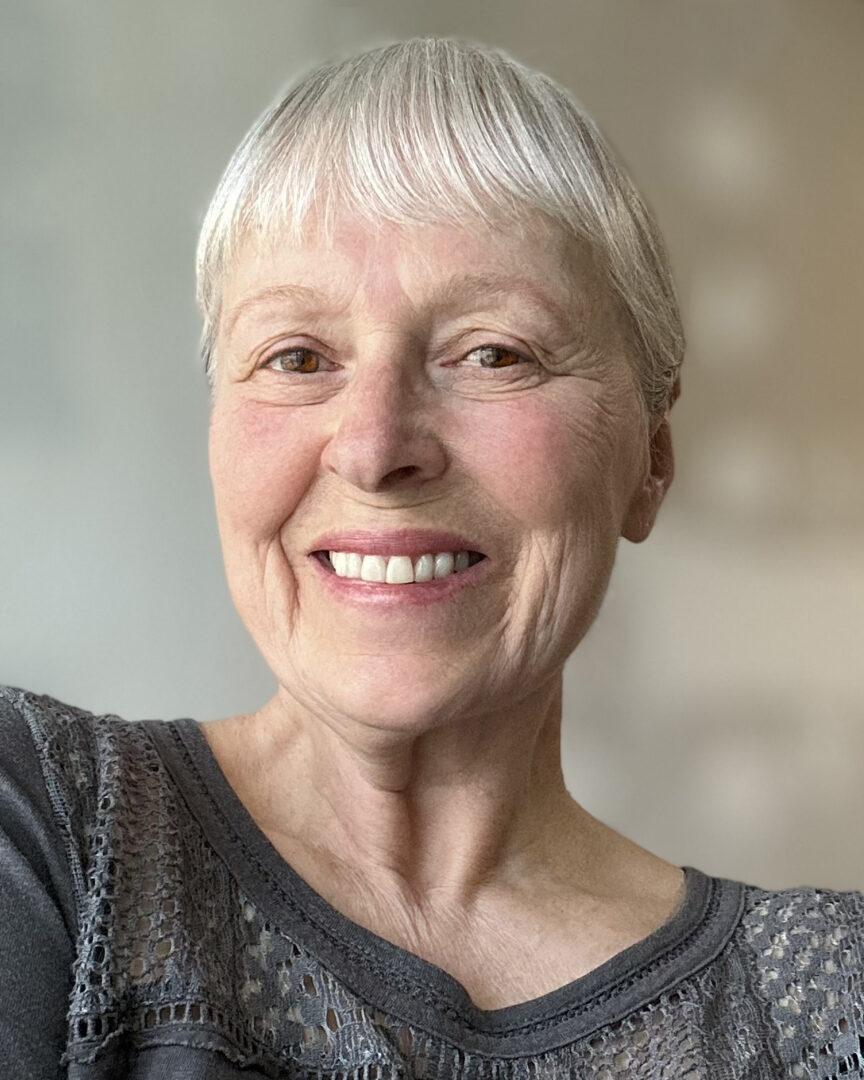
We’re looking forward to introducing you to Jane Edberg. Check out our conversation below.
Hi Jane, thank you so much for taking time out of your busy day to share your story, experiences and insights with our readers. Let’s jump right in with an interesting one: What makes you lose track of time—and find yourself again?
Art makes me lose track of time, and in a way I lose myself, but usually the part of myself that is fearful, doubtful, restricted. Art is where I find my soul beingness, my true authentic self, my spiritual self, and purpose. I regain stretch in who I want to be and how I want to show up: honest, kind, compassionate and non-judgemental. Art makes me a better person.
Can you briefly introduce yourself and share what makes you or your brand unique?
I am a visual artist with a focus on healing, working in ceramics, painting, drawing, and wearable jewelry—jewelry that offers inspiration and healing.
I am also a writer.
Recently I wrote a memoir called, The Fine Art of Grieving, about how I transformed deep grief, reimagined loss, and found purpose in creating a life worth living. Reviewers have consistently highlighted how my book effectively showcases art—specifically fine art photography and performance art—as a powerful, unconventional tool for processing trauma and finding a path to healing. I believe art is essential, I also believe every human is creative and can problem solve using their imagination. The Fine Art of Grieving is more than just a memoir; it’s a literary and artistic work that offers a unique perspective on the human condition. It has a broad appeal to individuals interested in the intersection of art and healing, and for those who have experienced loss and are seeking guidance or inspiration.
I have a business called Edberg Studio Writing Craft. I work one on one with writers to help them craft and polish their stories and guide them through the publishing process. I also teach writing workshops.
My current project involves a manuscript of short flash stories and poetry, looking at glimmers of the human condition, the personal moments between moments, where sparks of inspiration live. I hope to publish these into a book in the near future.
Amazing, so let’s take a moment to go back in time. What relationship most shaped how you see yourself?
My son, Nanda, who was nineteen when he died, was the person who made me understand love and transformation, and choices in both. He was a dynamic, passionate, and kind person who spoke his mind (not always with tact), but you always knew where you stood with him. He never pushed away affection as he moved into teenhood; he wasn’t much interested in what others thought, he was true to himself and wise at such a young age. Grieving the loss of Nanda was devastating but it was also a tremendous gift of personal transformation and resilience, a journey like no other, one where I found I could make choices, like Nanda, no matter what anyone else thought, to recover from the traumatic grips of grief. In the way he embraced life, and the way in which I had to accept him gone, I learned how to heal.
What have been the defining wounds of your life—and how have you healed them?
The ultimate wound was losing my child, Nanda. The first year proved impossible to manage but somehow I did, and unbeknownst to me, I created art in the process. Art so different, I didn’t recognize it as art, I thought I was just documenting my grieving experience.
Although artmaking had been my salvation, my creative muse vanished when a switch flipped from child alive to child dead. How was I supposed to process grief? I turned to my camera to document myself floating down a river swaddled in my son’s blood-red blanket. Before the lens, I set his clothing aflame to make sure there was nothing left inside those fading artifacts. I buried my face into his ashes and photographed my faceprint, my grimace pushed deep into the sand of him.
In facing grief, I discovered an art form powerful enough to find meaning in harrowing loss.
Sure, so let’s go deeper into your values and how you think. What’s a belief or project you’re committed to, no matter how long it takes?
I want those in grief to know they can heal from traumatic loss. They don’t have to carry it. They don’t have to make it a part of themselves. Of course all of that is based in choice, what a griever wants to feel, and how they process grief is personal and individual. Healing from grief also takes time and lots of mind, body, and soul work.
After the loss of my son, I read every grief story and book I could get my eyes on, only to find that my experience with art, grief and healing was not represented. What was missing from those stories compelled me to write a memoir about art, grief and healing that could fill those gaps. Grief can be healed.
i am compelled to spread my message of hope and healing after loss.
THE FINE ART OF GRIEVING—not your typical grief memoir—will appeal to those who appreciate introspective and thought-provoking storytelling which explores the profound transformative power of art and its role in navigating grief, healing, and self-discovery. This memoir has a broad potential audience of readers, those who want a deeper understanding of grief and the creative process, and those who have experienced loss and are seeking guidance, solace, and inspiration in their own grief journeys. The memoir is filled with unique stories that provide detailed examples of the grief experience from the shock of the call to the stark beauty of reimagined loss.
Thank you so much for all of your openness so far. Maybe we can close with a future oriented question. Could you give everything your best, even if no one ever praised you for it?
Always. I face myself and value personal growth. I strive to be better, to learn, and to be my best for others.
Contact Info:
- Website: https://www.janeedberg.com/
- Instagram: https://www.instagram.com/thefineartofgrieving
- Linkedin: https://www.linkedin.com/in/jane-edberg-05b2aa6b/
- Twitter: https://x.com/EdbergJane
- Facebook: https://www.facebook.com/jane.edberg/
- Youtube: https://www.youtube.com/channel/UCzpUHqN_fgFKLW-6lJYJXCw
- Other: https://www.thefineartofgrieving.com/
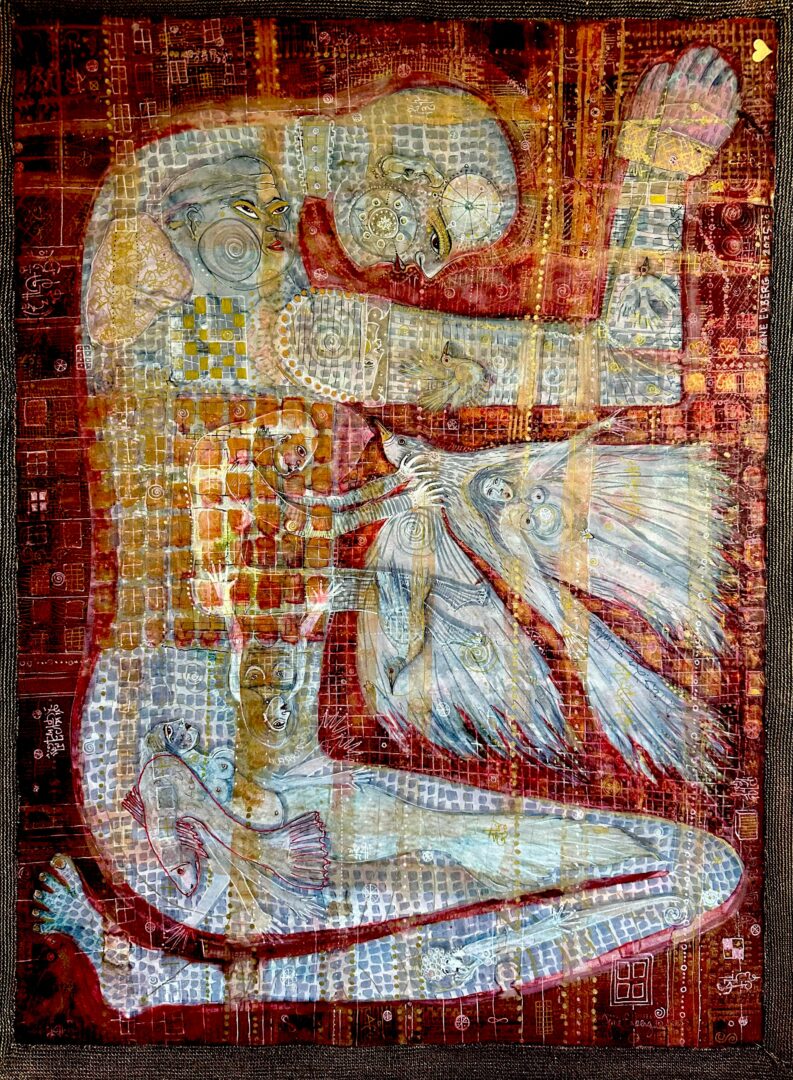
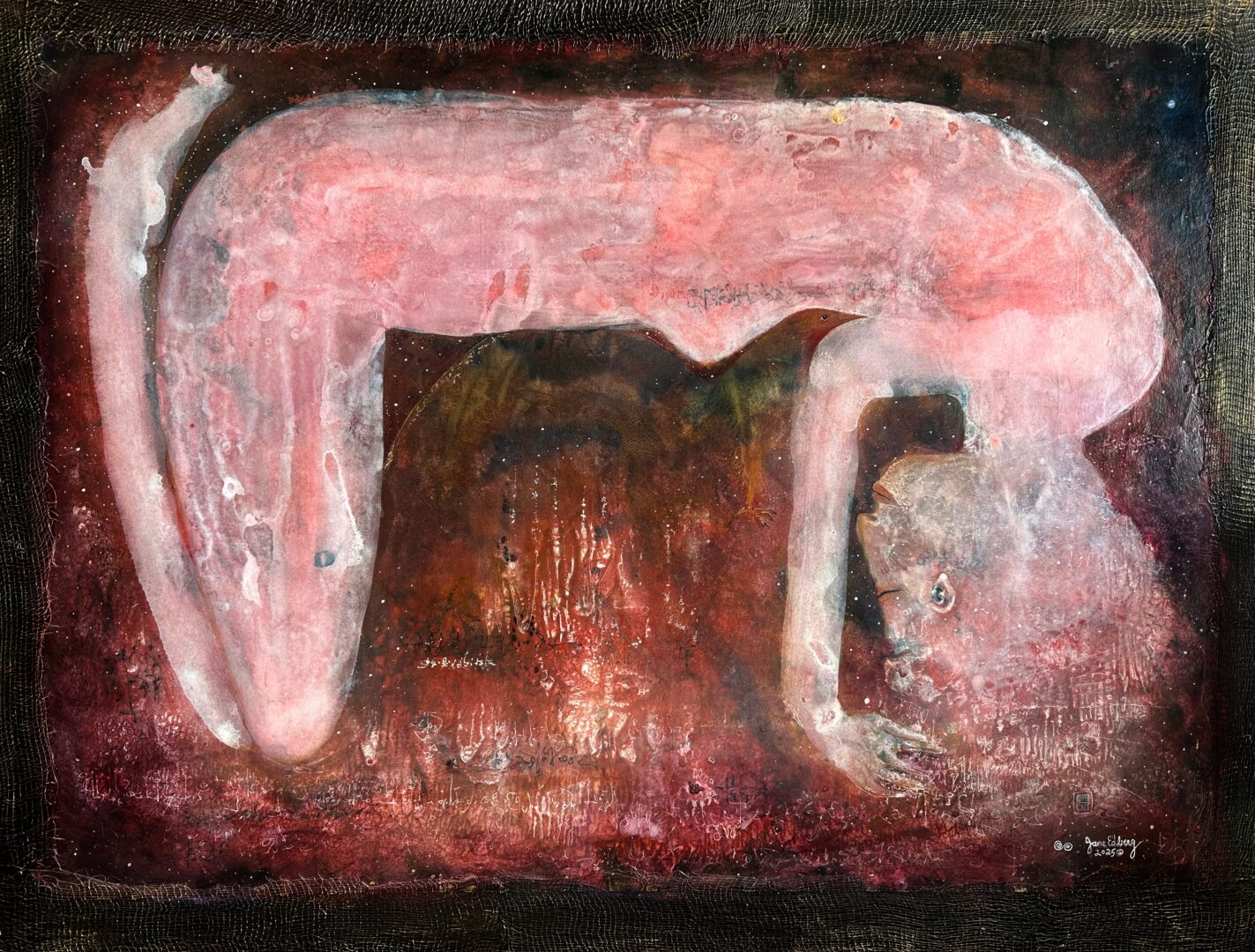
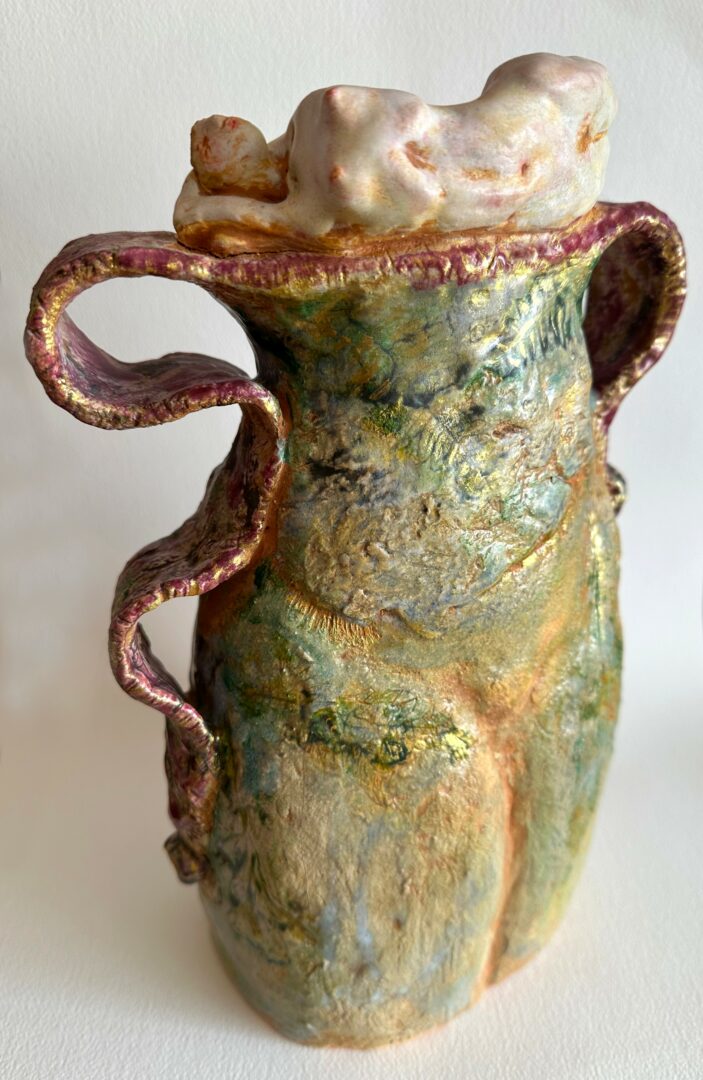

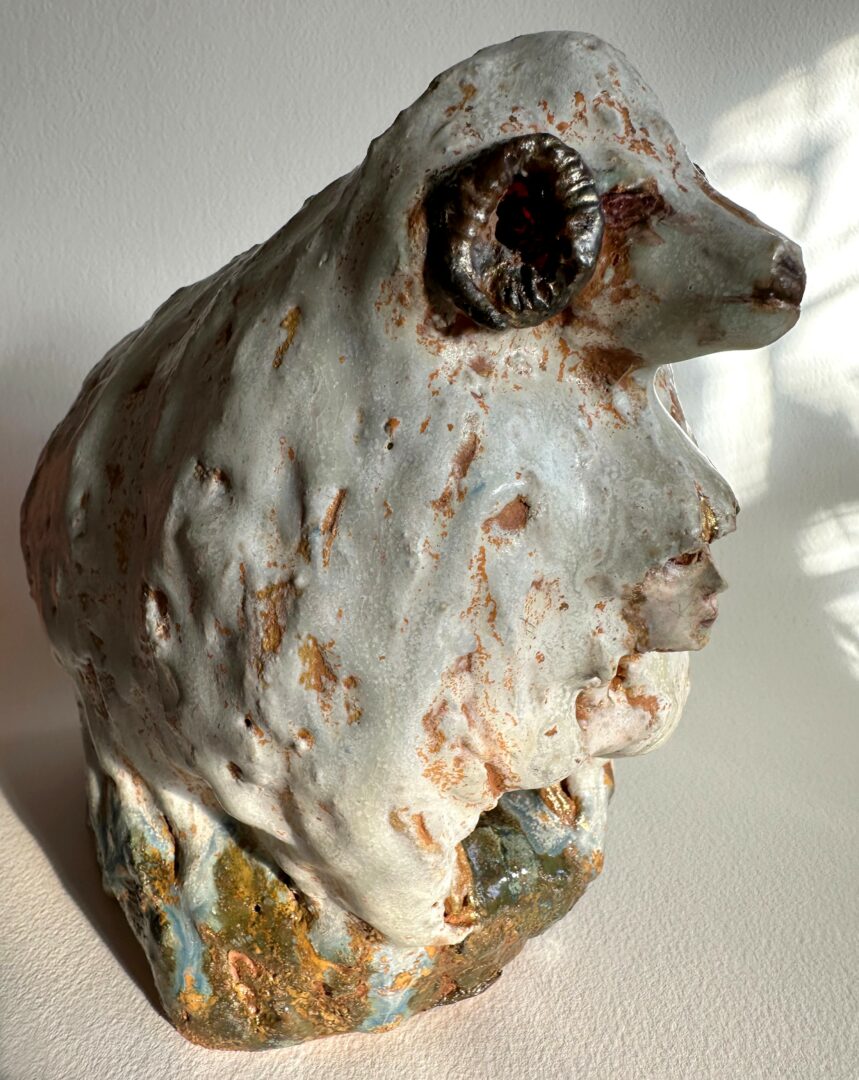
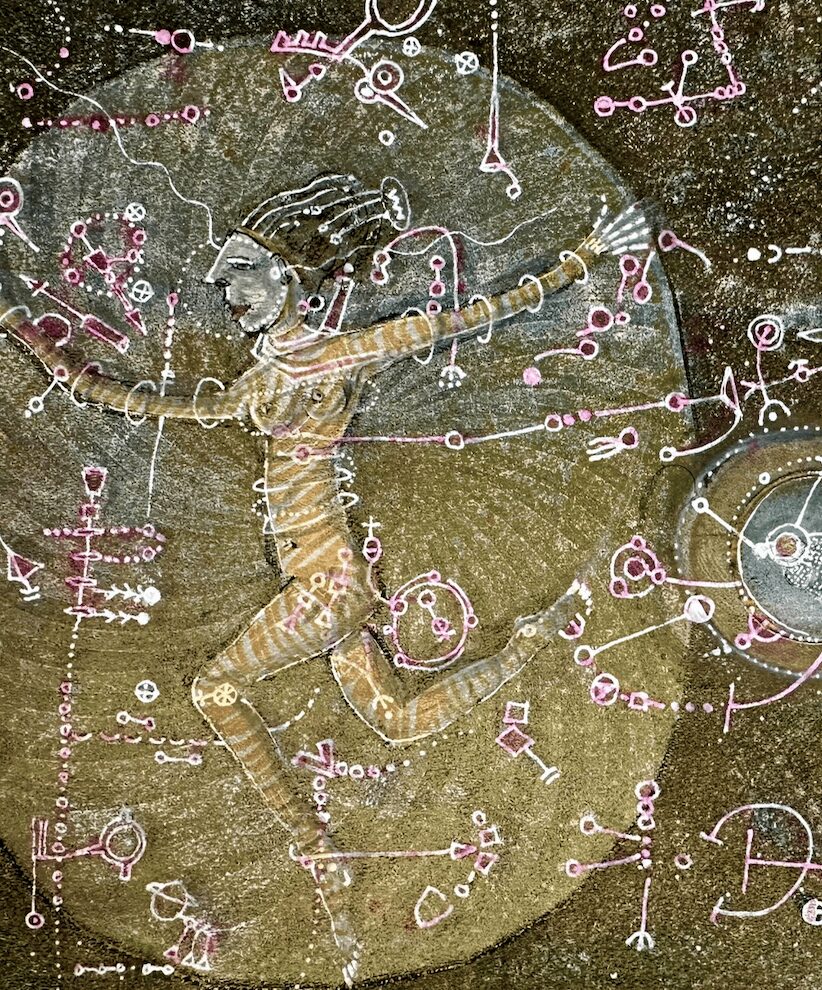
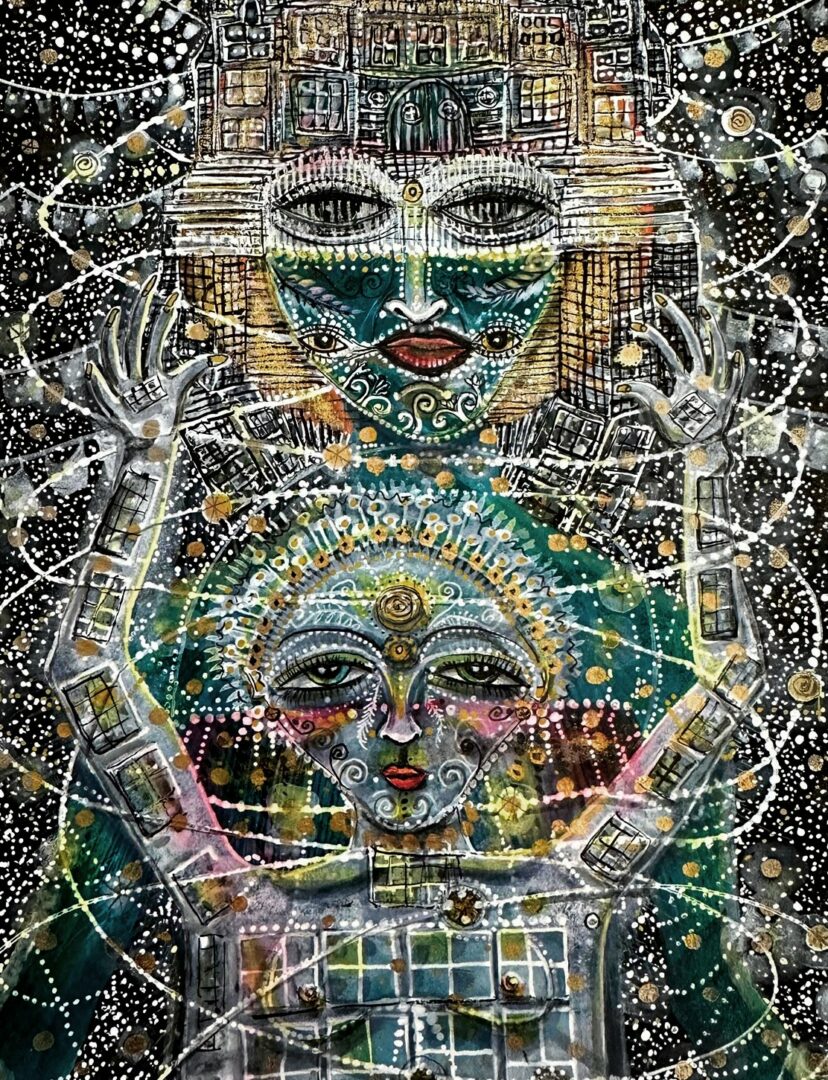
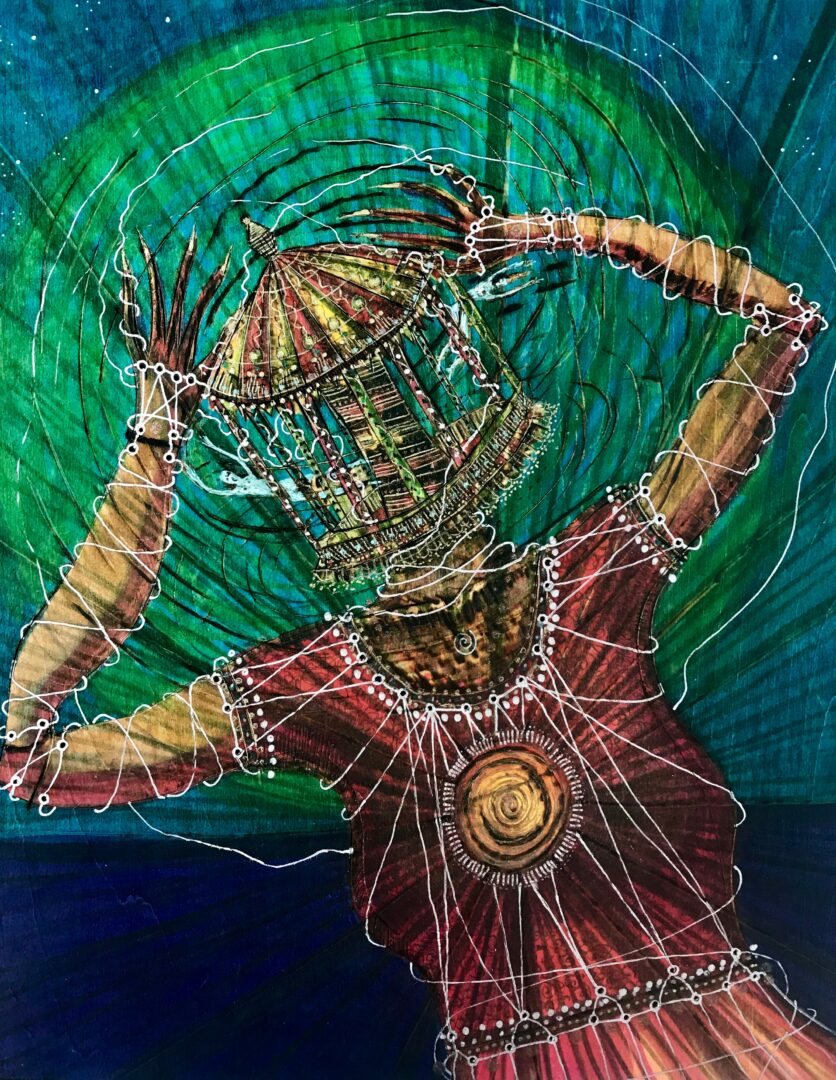
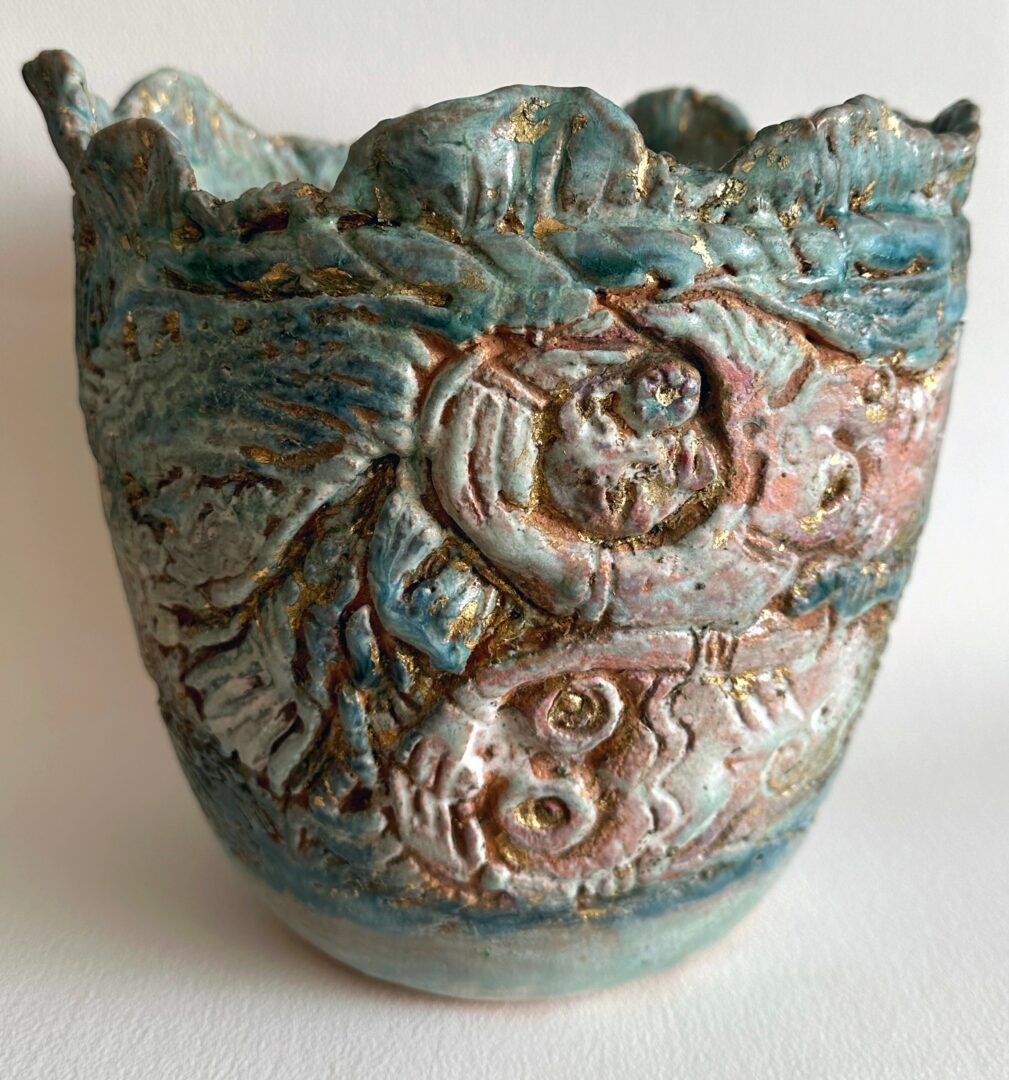
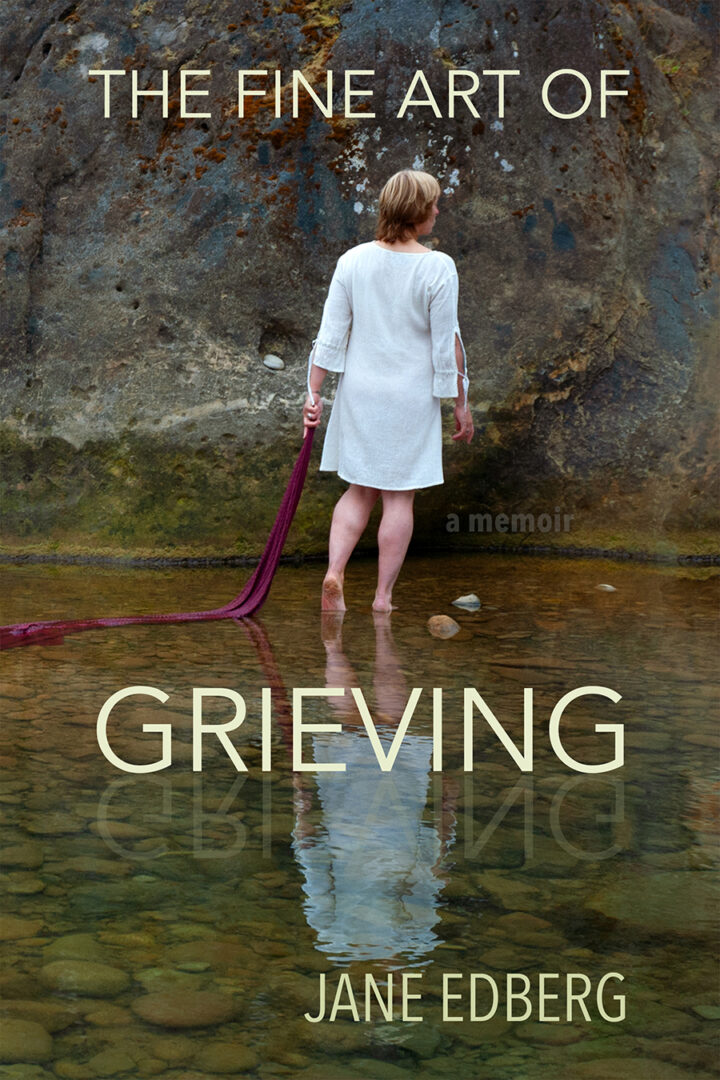
Image Credits
Jane Edberg
so if you or someone you know deserves recognition please let us know here.