We recently had the chance to connect with Carlos Anthony and have shared our conversation below.
Hi Carlos, thank you so much for joining us today. We’re thrilled to learn more about your journey, values and what you are currently working on. Let’s start with an ice breaker: Have any recent moments made you laugh or feel proud?
Absolutely. Just the other day—October 15th, 2025—I was on the phone with a friend I originally met years ago in a writing workshop. We were pen pals back then, the only two men in a weeks-long cohort, bonding over trauma and trying to write our way into something better.
Since that workshop, so much has happened that sometimes the only reaction I have is to laugh in disbelief. I created a viral short story series, Pretty Boys Don’t Cry, that led to my first book deal. My debut novel, Shades of Black, became the first book by a Black Guyanese author to make the 2024 Global Student Reading List. I’ve curated installations at Canada’s largest art festival (Nuit Blanche 2023 & 2024) with thousands in attendance. I’ve written and produced over 20 short films and a web series. I’ve received hundreds of thousands of dollars to develop new work. My debut play sold out its school show run and became the highest-grossing production for the theatre company I’m in residence with. That production has now positioned them for a national tour in 2026, with international dates in conversation, transforming them from a local community company into a national and soon-to-be global touring organization. I’m already developing my second play—a musical—in collaboration with the same theatre company and the University of Windsor, where it’s part of a course.
On the film side, I’m the Director of Programming and a founding member of the Windsor International Black Film Festival. We’re heading into our third year with international artist residencies, co-productions, and global partnerships. Alongside that, I co-founded Millennial X, a filmmaking mentorship program that’s helped hundreds of emerging creators develop films and pitch to broadcasters, networks, and studios. Our partnership with WIBFF is building new pathways for racialized and marginalized filmmakers to increase their earning potential. We’re developing a platform that’s going to change how filmmakers monetize their work, build audiences, and access funding. There’s also a membership model launching soon that will function as a one-stop shop to develop, stream, screen, and finance independent projects.
Sometimes I look back at the last four years and just laugh. I used to think $10,000 was a big number for grants. Now I’m casually talking about six-figure budgets, million-dollar deals, and consulting with multi-million and billion-dollar companies—while still being a full-time artist with the freedom and flexibility most people wait until retirement to have. I grew up in Rexdale, being told I wouldn’t make it past my teens or end up anywhere but prison. People who should have nurtured my potential, encouraged me to settle instead. And now here I am, a six-figure artist who walked away from factory work in 2021, paid out of pocket to be mentored by industry professionals, and built a life where I get to create, educate, consult, and scale organizations for fun.
So yes—laughter, pride, disbelief, and gratitude hit me often. And every time they do, I’m reminded of how far I’ve come and how much further I’m about to go.
Can you briefly introduce yourself and share what makes you or your brand unique?
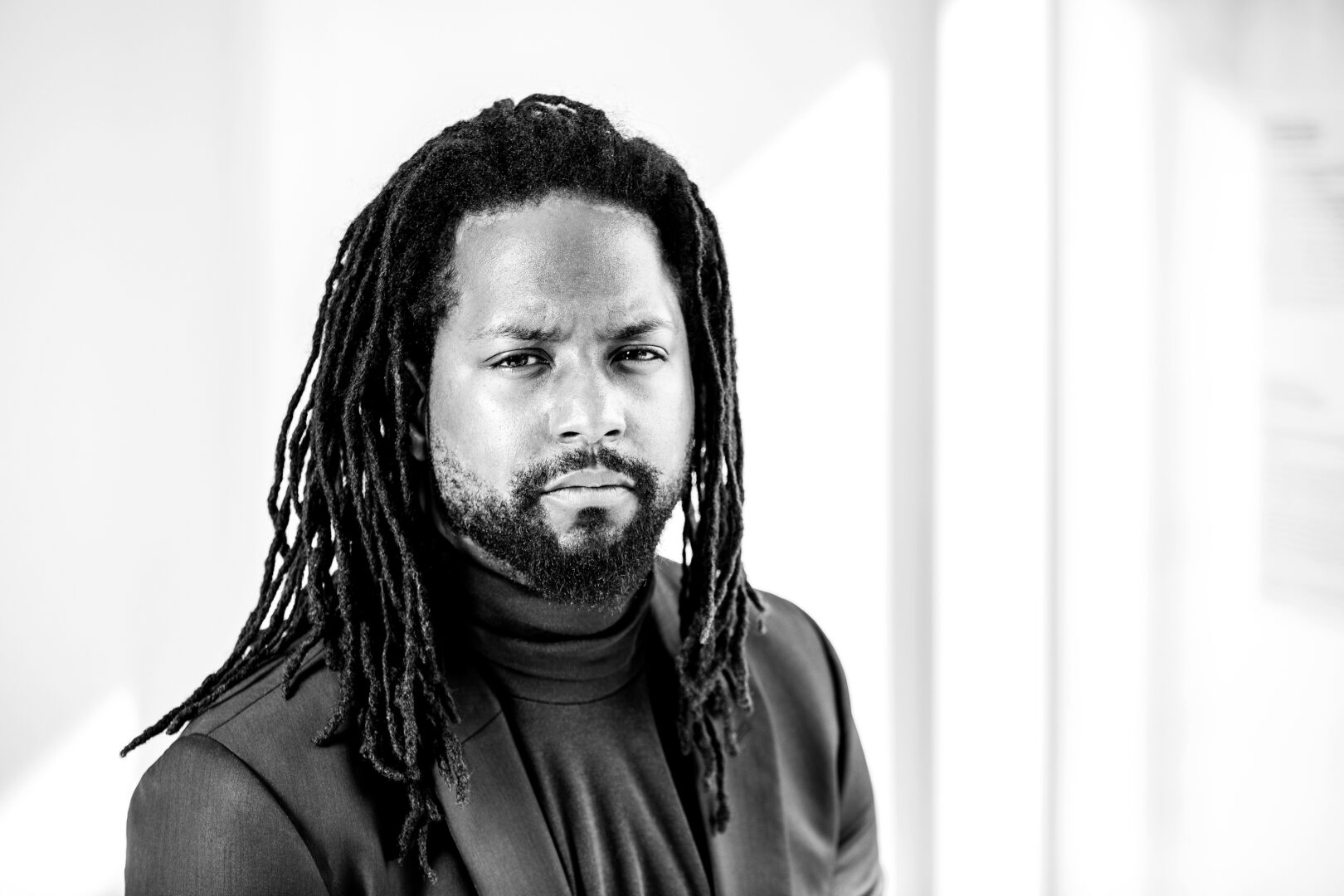
I’m Carlos Anthony — an actor, novelist, playwright, screenwriter, filmmaker, curator, and co-founder of three creative companies: Millennial X, North Love Arts, and Creative Compass Solutions. I started out writing blog posts and screenplays while working factory shifts, and now I work full-time as an artist, consultant, and cultural producer.
My debut novel, *Shades of Black*, became the first book by a Black Guyanese author to make the 2024 Global Student Reading List. I’ve since written a sequel, toured across Canada, and created viral short fiction like *Pretty Boys Don’t Cry*, which launched my publishing career. I’ve written and produced over 20 short films and a web series, and my debut stage play sold out its school show run and became the highest-grossing production for the theatre company I’m in residence with — now touring nationally and heading toward international stages.
I’m also the Director of Programming and one of the original founders of the Windsor International Black Film Festival. Through our partnership with Millennial X, we’ve helped hundreds of filmmakers create, pitch, and monetize their work. Together, we’re building a platform that’s set to change how independent filmmakers build audiences and generate income.
What makes my work unique is that everything I do—whether it’s a film, a book, a play, a residency, or a festival—is rooted in community, cultural preservation, and ownership. I create art across multiple mediums, but I also build systems that help other creators get paid, get published, and get seen.
Right now, I’m developing a touring musical, launching a digital platform for filmmakers, preparing for international touring in 2026–2027, and continuing to produce new work for stage, screen, and publishing. My career started from a place of survival and storytelling, but at this point, it’s about legacy building—for myself and for the next generation of artists coming up behind me.
Appreciate your sharing that. Let’s talk about your life, growing up and some of topics and learnings around that. Who were you before the world told you who you had to be?
Before the world told me who I had to be, I was someone who didn’t fully believe in myself. I thought the definition of success was getting a “good job,” climbing the corporate ladder, and proving my worth through hard work and loyalty. But in those spaces, every time I hit a goal, the goalpost moved. Advancement was always delayed—not because I lacked the ability, but because the people above me controlled how far I was allowed to go.
I realized early that a lot of people in leadership weren’t actually leading—they were gatekeeping. Visionary and disruptive thinking made them uncomfortable. Instead of being encouraged to innovate, I was expected to shrink, appease, and stay quiet. I didn’t set boundaries because I didn’t know my value, and when you don’t know your worth, other people will define it for you. I let others decide my earning potential, my creativity, and even my sense of belonging. In trying to fit their expectations, I lost myself. I was unfulfilled, spiritually and creatively misaligned, and disconnected from who God intended me to be.
I also learned the hard way that no one was coming to save me. After years of witnessing and experiencing abuse, corruption, and manipulation — both in life and in workplaces — I understood that most people operate from scarcity, fear, or a crabs-in-a-barrel mentality. That realization forced me to decide: I would become my own saviour. And once I figured out how to get corporations and institutions to pay me for my ideas and storytelling, I made it my mission to teach others how to do the same.
Understanding my value changed everything. I stopped waiting for permission. I stopped conforming. I created my own path, my own platforms, and my own opportunities—and I made sure to leave the door open behind me so others could walk through too.
What have been the defining wounds of your life—and how have you healed them?
I’m still in the process of healing from many of the defining wounds of my life. I became a father at 18, so I had my first midlife crisis before most people even start their careers. Responsibility hit me early, and with it came a lot of sacrifice, self-doubt, and pressure to succeed without a roadmap or safety net.
One of the biggest emotional wounds came from someone I once considered a mentor — a person who helped open the first professional doors for me as a writer. In our first year working together, I helped grow their audience by the thousands and raised $135,000 to fund mentorship, development, and a short film we were producing together. Things were good until the money actually landed.
Because I didn’t fully understand my rights in 2022, they tried to pressure me into giving up my intellectual property just so I could be paid for my own work. When I refused, they attempted to replace me with people who had no experience — even though I was the one mentoring them in screenwriting and film. Eventually, I walked away on my own terms after getting paid, but even that came with disrespect: they underpaid me, sent the funds through PayPal so I’d get hit with fees, and backed out of promises about credit and revenue sharing.
To make it worse, the film ended up on a streaming platform that shares the same title as my debut novel, Shades of Black. For a long time, it stung — not just the betrayal, but the realization that people I trusted were willing to exploit me. But I’ve learned that rejection is often redirection. That situation pushed me to build something of my own. I ended up creating a filmmaking masterclass with CBC — Canada’s biggest broadcaster — that paid me ten times more, gave me industry access, and positioned me to co-found the Windsor International Black Film Festival. I took what was meant to break me and turned it into infrastructure for other marginalized and racialized creators.
Life has a sense of humour, too. One of my mentees from Millennial X got a grant and unknowingly brought that former mentor onto the project. The budget was $10K — the same amount they once owed me — and in order for them to access it, my mentee had to submit one of my successful grants. So indirectly, that person is still benefiting from the work I’ve done, while I’ve gone on to raise millions for my projects and clients. I don’t carry bitterness about it anymore — I laugh, because I’m no longer in the position they tried to keep me in.
Healing for me hasn’t been about forgetting what happened — it’s been about turning betrayal into blueprint, and wounds into systems that make sure others don’t get exploited the way I did.
I think our readers would appreciate hearing more about your values and what you think matters in life and career, etc. So our next question is along those lines. What’s a belief or project you’re committed to, no matter how long it takes?
I’m committed to changing the way the world sees Black people — and just as importantly, the way Black people see themselves. So much of how we view our identity has been shaped by media stereotypes that were never created for our empowerment. Those narratives have limited our potential, distorted our self-image, and influenced how others treat us.
Through my work in literature, film, theatre, and mentorship, I want to dismantle those myths and show who created those stereotypes, why they were created, what was gained from them, and the impact they’ve had on all people of colour. I’m not just interested in challenging perception — I’m interested in transforming it.
A big part of that commitment is collaboration. I want to work with as many artists of colour as possible to expose the lies that have shaped public consciousness and to replace them with stories rooted in truth, power, and possibility. This isn’t a short-term effort — it’s a lifelong mission. I’m invested in uniting people by highlighting our shared humanity, empowering racialized creators to lead their own narratives, and building platforms that make our voices impossible to ignore.
Okay, we’ve made it essentially to the end. One last question before you go. If you knew you had 10 years left, what would you stop doing immediately?
If I knew I only had 10 years left, I’d stop pouring so much energy into individual battles and start focusing on large-scale impact. I’d work less with individuals and more with organizations, institutions, and platforms where change can ripple outward to hundreds or thousands at a time.
I’d also be far more selective with collaborations. I’ve spent years helping build other people’s visions — if the clock was ticking, I’d prioritize telling the stories that live in me, the ones I haven’t made time for yet. I’d focus on creating the work I know only I can tell.
And I’d think legacy, not just output. I’d create a clear roadmap — a will of projects — outlining the stories I want made, the funding to support them, and a plan for how they should be executed in alignment with my vision. That way, even if I wasn’t here to complete it all, the mission wouldn’t die with me.
Contact Info:
- Website: https://carlosxanthony.com/
- Instagram: https://www.instagram.com/carlosxanthony/
- Linkedin: https://www.linkedin.com/in/carlosanthony/?originalSubdomain=ca
- Twitter: https://x.com/carlosxanthony
- Facebook: https://www.facebook.com/carlosxanthony
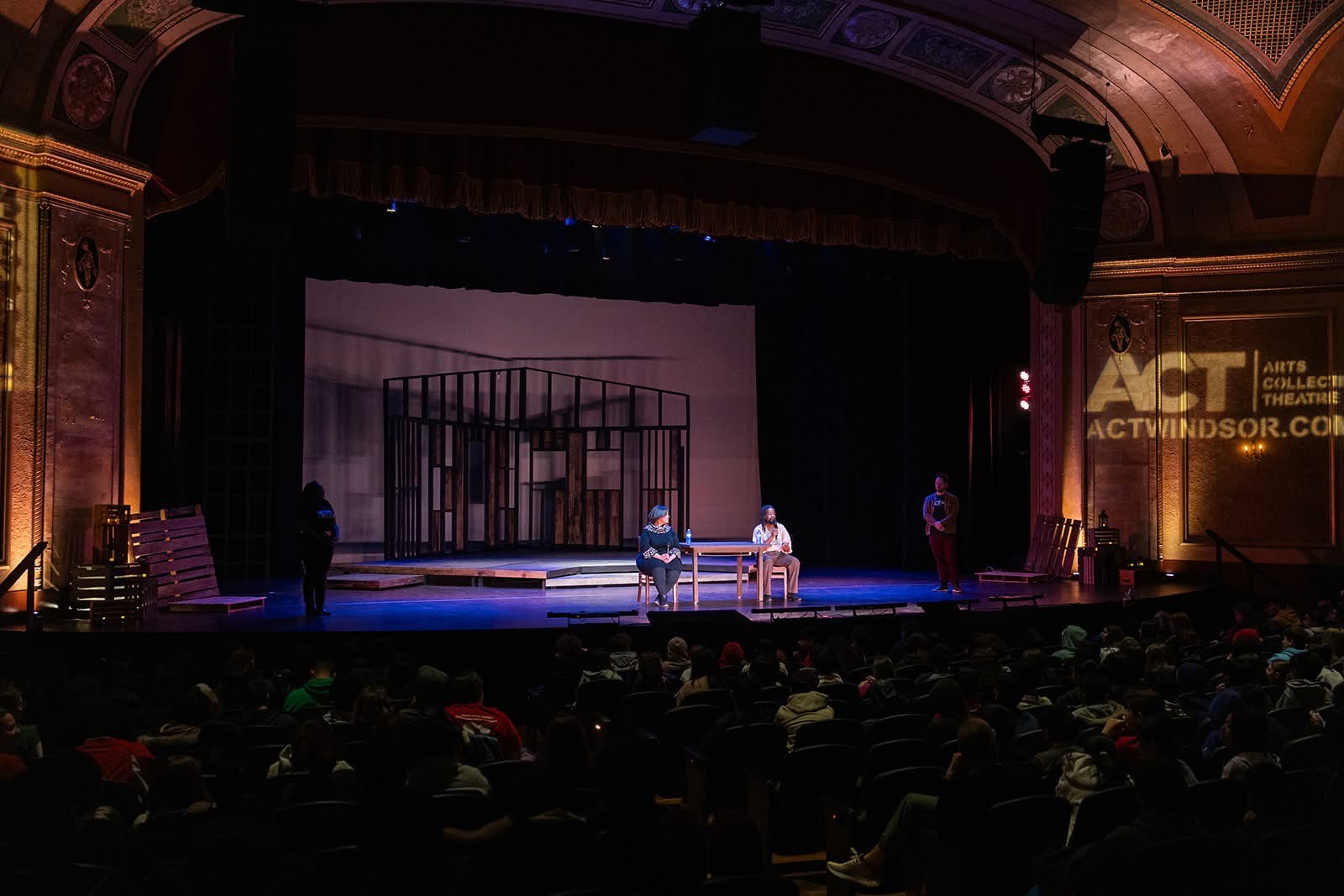
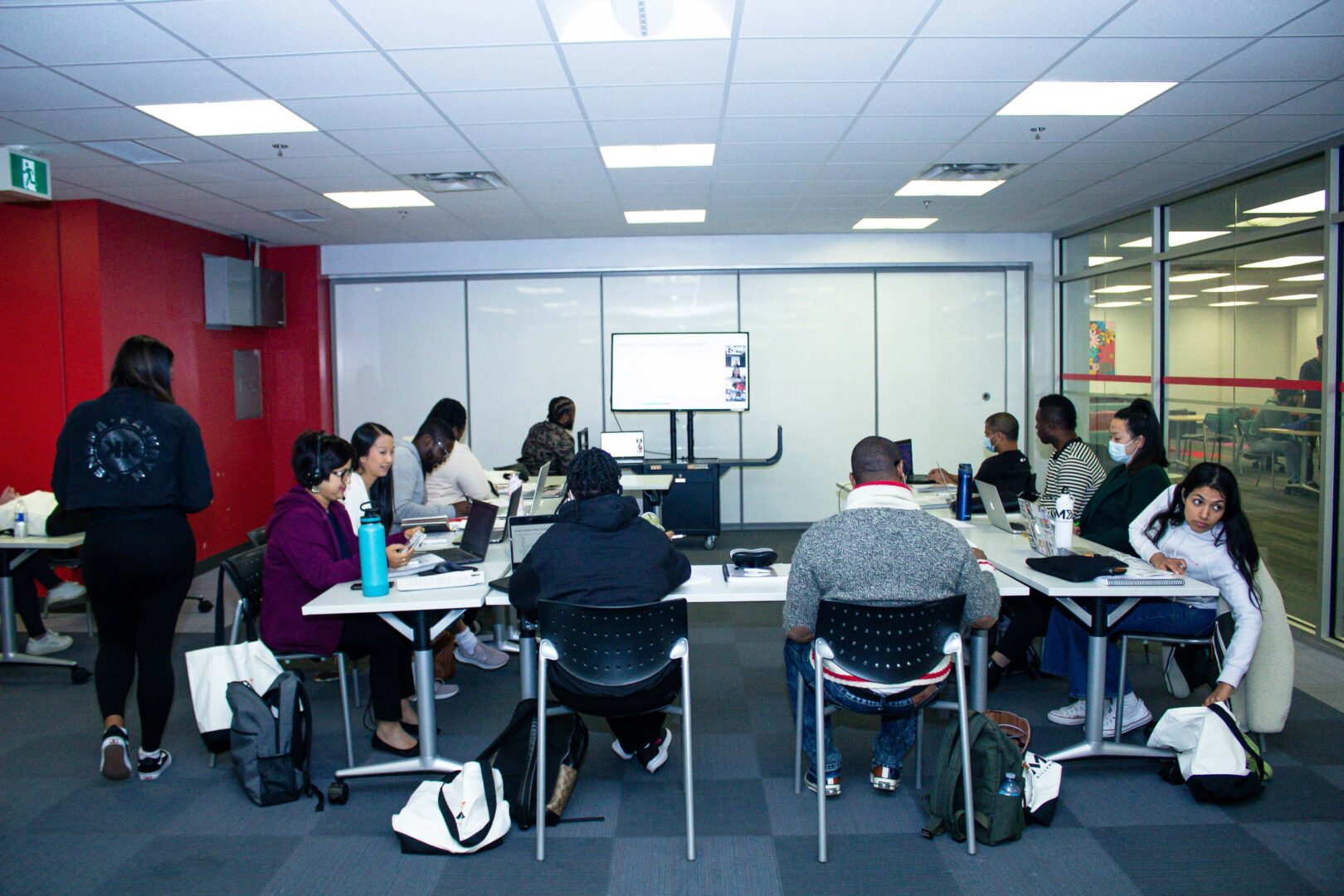
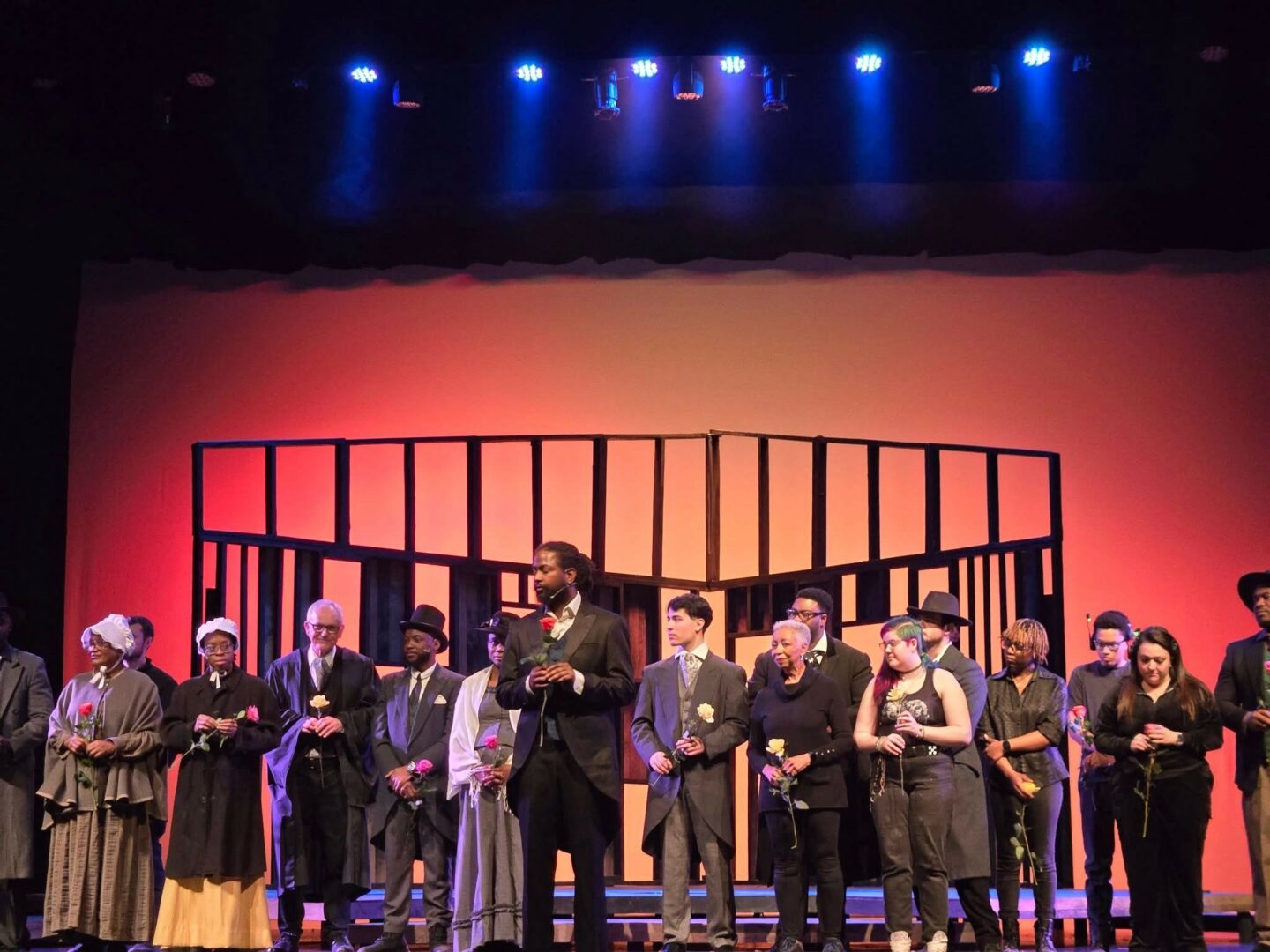
Image Credits
Sean Diamond, Anthony Sheardown, Heather Taylor, Gary Weekes
so if you or someone you know deserves recognition please let us know here.