We’re excited to introduce you to the always interesting and insightful Christopher Carson. We hope you’ll enjoy our conversation with Christopher below.
Christopher, looking forward to learning from your journey. You’ve got an amazing story and before we dive into that, let’s start with an important building block. Where do you get your work ethic from?
Honestly, the two biggest influences on my work ethic comes from my dad and my grandfather.
My dad is the hardest-working individual I’ve ever seen in my life. Growing up, he was always on the move, always building something, always doing what it took to provide for our family. I used to go to work with him …. begrudgingly, but looking back, that’s where I learned what real dedication looked like. He is an entrepreneur, so I saw the good days and the tough days. But what really stuck with me was how he used his hard work to build a community. He created opportunities for friends, family, and the whole neighborhood who might not have had those chances otherwise. Seeing him show up every single day, no matter what, made a huge impact on how I approach anything I do.
My grandfather—God rest his soul—was the other big influence. He was this funny, larger-than-life guy who joked around constantly, but the moment he stepped into his dental office, he became incredibly focused and precise. Before dentistry, he played football for Ohio State, won a national championship under Woody Hayes, and had the option to pursue football professionally. But he chose to invest in his education instead and started his own dental practice. Watching him make that choice—and succeed because of his discipline and long-term thinking—showed me that you can really do anything if you put in the work.
Both of them taught me that having a strong work ethic is about consistency, resilience, and pushing through the ups and downs. They set the example, and I just try to carry that forward in everything I do


Appreciate the insights and wisdom. Before we dig deeper and ask you about the skills that matter and more, maybe you can tell our readers about yourself?
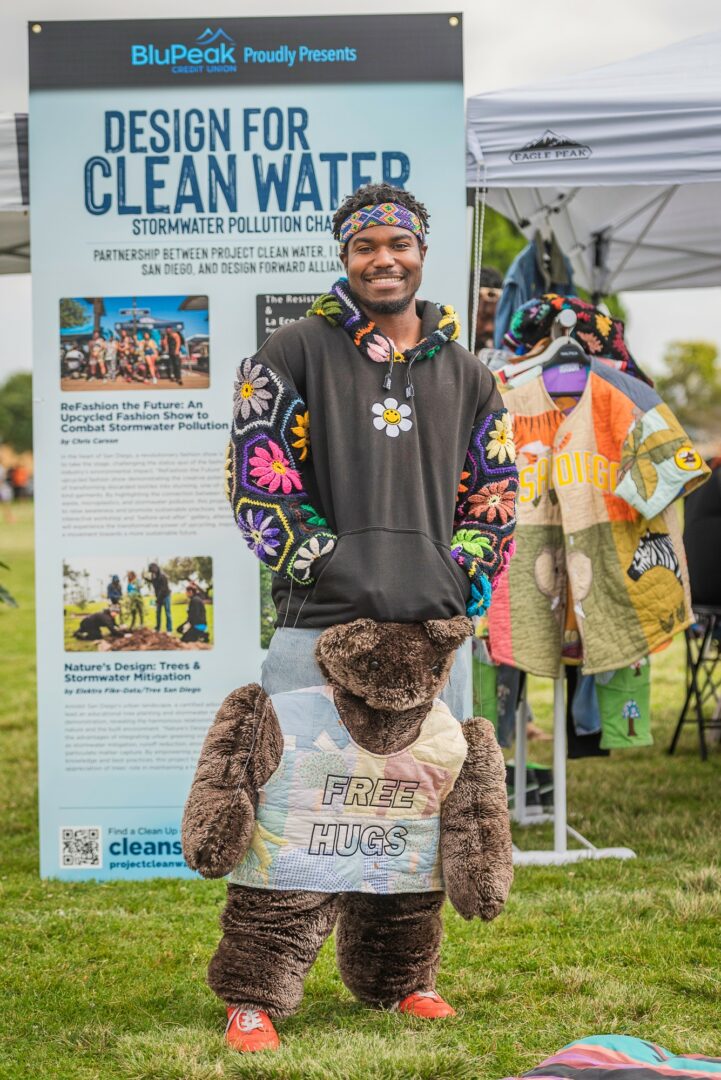
I’m a textile artist, but what really sets me apart is that I exclusively upcycle which is taking old textiles—clothes, blankets, fabrics, anything people toss—and turn them into something new. With the way we consume today, we throw away about 92 million tons of clothing and textile waste every single year. That rate is unsustainable, and upcycling has become my way of responding to that.
I learned to sew three years ago, and it completely changed my life. I’m basically a grown kid, and my creativity comes from that place—limitless imagination, nostalgia, and pure fun. A lot of fashion today feels like it’s missing soul, and when I discovered upcycling, everything clicked. Suddenly, I could create things that felt alive again.
My passion for sustainability also comes from something deeply personal. I’ve been dealing with Lyme disease since 2017, and learning how climate change has contributed to the spread of Lyme was a wake-up call. It made my purpose feel clear—this work isn’t just creative, it’s connected to the planet and what we’re doing to it.
Moving to San Diego taught me the true power of community. Being seen, being understood, feeling connected—those things matter. Fashion, for all its glamour, can be very gatekept and exclusive. With my work, I want to break that. Upcycling and slow fashion democratize the industry putting the tools back in the people’s hands—literally. When someone learns how to sew, how to make or remake their own clothes, it’s empowering. It changes how they see themselves, and it challenges the standards this industry has normalized for too long.
Learning to sew also builds a huge appreciation for the people who make our clothes every day. Fast fashion hides the real cost—the environmental damage, the exploitation of workers, and even the ways it impacts our self-esteem. When you make clothes yourself, or even see someone make them, you understand the labor, the care, and the value behind each item.
My brand is built on two things: doing better for the planet, and unlocking the inner child in all of us. As kids, we believe anything is possible. We’re imaginative, connected to nature, curious. I want that energy back in fashion. Every piece I make is rooted in that feeling.
Recently, I co-founded Slow Fashion Day with Sew Loka, which was such an incredible milestone. The event introduced San Diego to the huge crafting and sewing community here. We educated people about fast fashion, celebrated creative skill-building, and—most importantly—built community. We even hosted a fashion show, and the City of San Diego officially recognized Slow Fashion Day as a annual celebration. Starting next year, it’ll be celebrated every second Sunday of November. Still feels so surreal. And honestly, it feels like just the beginning of something powerful.
Looking ahead, 2026 is going to be a big year. I’m working on my website, bychriscarson.com, aiming to launch it by the second quarter of 2026. I’ve also got some fun collaborations in the works—can’t spill everything yet, but they’re all centered around spreading the message of sustainability, creativity, and slow fashion to even more people.
This movement is growing, and I’m excited to grow with it.


There is so much advice out there about all the different skills and qualities folks need to develop in order to succeed in today’s highly competitive environment and often it can feel overwhelming. So, if we had to break it down to just the three that matter most, which three skills or qualities would you focus on?
First is resourcefulness. I’ve always believed that everything you need to get where you want to go is already within reach. Whether it’s books, mentors, tools, or even free information online, the resources are there if you’re willing to look with an open mind. And it doesn’t always come from a class—sometimes the best lessons are the ones you learn on your own. When you don’t have much money but you’ve got big ideas, you have to learn to make do. You stop waiting for the “perfect” situation and just start. Nothing is ever perfect anyway, and that’s okay.
Second was embracing imperfections. As an artist, you have that voice in your head always trying to tell you something’s wrong, or that you should start over. But the truth is, the world is full of imperfections, but there is so much beauty in them. You don’t look at the sky and say that a cloud is shaped wrong or that the sun’s rays need adjusting. You just take it in. So I learned to treat my work the same way—to let things be, to trust the process, and to see beauty in the flaws. That shift saved me from getting trapped in my own head and opened the door for a more honest creative flow.
And third—and this one was huge—was learning to ask for help. Growing up in Cleveland, Ohio, rarely is anything given…. its earned. I carried this chip on my shoulder that I had to make it on my own, no shortcuts, no leaning on anybody. But going through some tough health challenges opened me up. It forced me to be vulnerable and to reach out. I realized there are so many smart, wise people who’ve already made the mistakes you’re about to make—and they’re willing to share what they’ve learned if you just ask. I also had to accept that expressing my needs is okay, and that there are people who genuinely want to help out. Asking for help isn’t weakness—it’s a way to connect, to grow, and to stop carrying everything on your own shoulders


What’s been one of your main areas of growth this year?
My biggest area of growth this past year has definitely been learning to let go. I’ve leaned deeper into spiritual practices like meditation, and it’s opened up my entire perspective. When I moved to California, I carried with me all these expectations about how my life was “supposed” to unfold. Growing up you’re handed this imaginary timeline: have kids by this age, buy a house by that age, have your career perfectly lined up. And life just doesn’t move according to that script.
When I got sick, that imaginary timeline hit me hard. I was so attached to where I thought I should be at certain points in my life, and that attachment really took a toll on my mental health. Letting go has been a powerful, necessary shift. It’s helped me give myself grace, to actually enjoy the present moment without expectations or the need to control every outcome. It’s helped me see reality as it is—not as I thought it had to be.
I’m nowhere near perfect at it, and it will forever be a work in progress. But this practice has cleared so much mental space. I’m no longer exhausting myself worrying about things I’ll forget five minutes later. Instead, I’ve been learning to appreciate what’s right in front of me.
And honestly, even through the rough, confusing, and painful parts of this year, I feel nothing but gratitude. I appreciate every day I get to open my eyes. Every moment feels like a gift. Life hasn’t been easy, but it’s been meaningful—and I’m excited for the experiences I’m living now and the ones still waiting for me.
Contact Info:
- Website: https://bychriscarson.com
- Instagram: @bychriscarson
- Facebook: https://facebook.com/bychriscarson
- Linkedin: https://www.linkedin.com/in/chriscarsn/
- Other: IG: thehomegrownprojectsd
tiktok: bychriscarsono


Image Credits
Chris (@iso_junkies)
David Fayd
Michael Mccallum
Vito di Stefano
so if you or someone you know deserves recognition please let us know here.