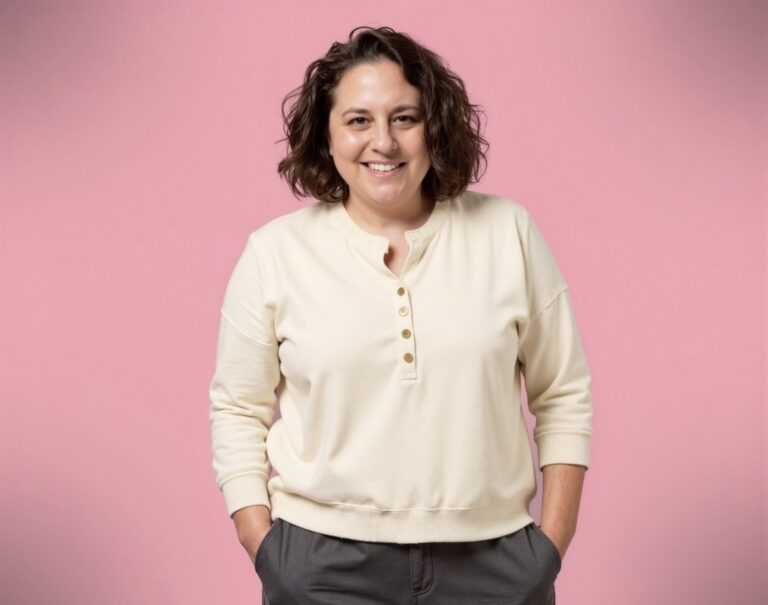
We’re excited to introduce you to the always interesting and insightful Michael Marx. We hope you’ll enjoy our conversation with Michael below.
Hi Michael, thank you so much for opening up with us about some important, but sometimes personal topics. One that really matters to us is overcoming Imposter Syndrome because we’ve seen how so many people are held back in life because of this and so we’d really appreciate hearing about how you overcame Imposter Syndrome.
Imposter syndrome still pops up from time to time, but I’ve learned to stop letting it run the show. What helped most was realizing that growth always feels a little uncomfortable—that feeling isn’t proof that I don’t belong, it’s proof that I’m stretching into new territory.
I also started leaning into evidence rather than emotion. When I looked at the work I’ve created, the students who’ve learned from me, and the pieces that only I could make, I began to understand that my perspective has real value.
And honestly, staying connected to curiosity keeps me grounded. When I focus on exploring, experimenting, and teaching from a place of genuine passion, there’s no room left for that internal critic. I don’t have to be perfect to be impactful—I just have to keep showing up, learning, and creating.
Thanks for sharing that. So, before we get any further into our conversation, can you tell our readers a bit about yourself and what you’re working on?
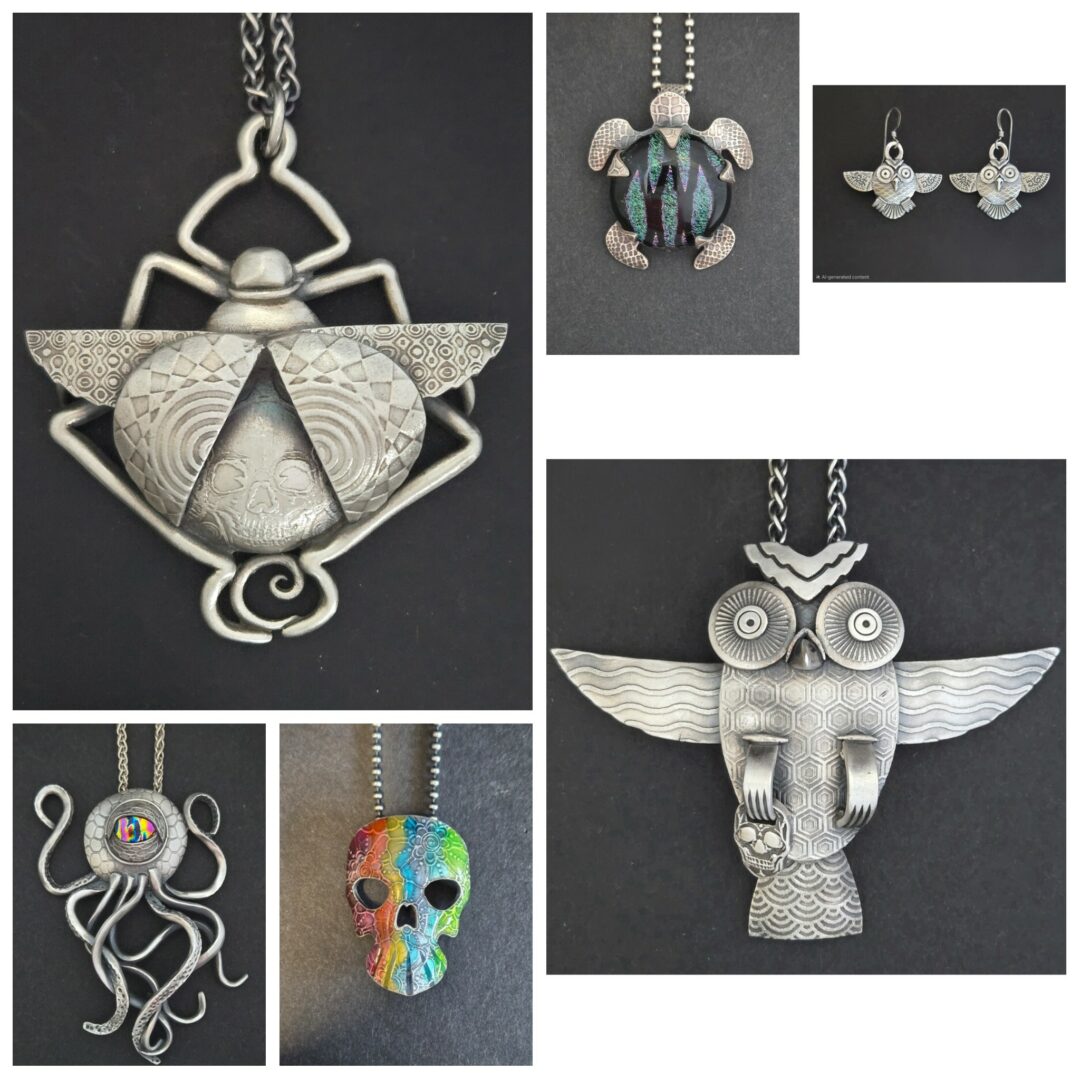
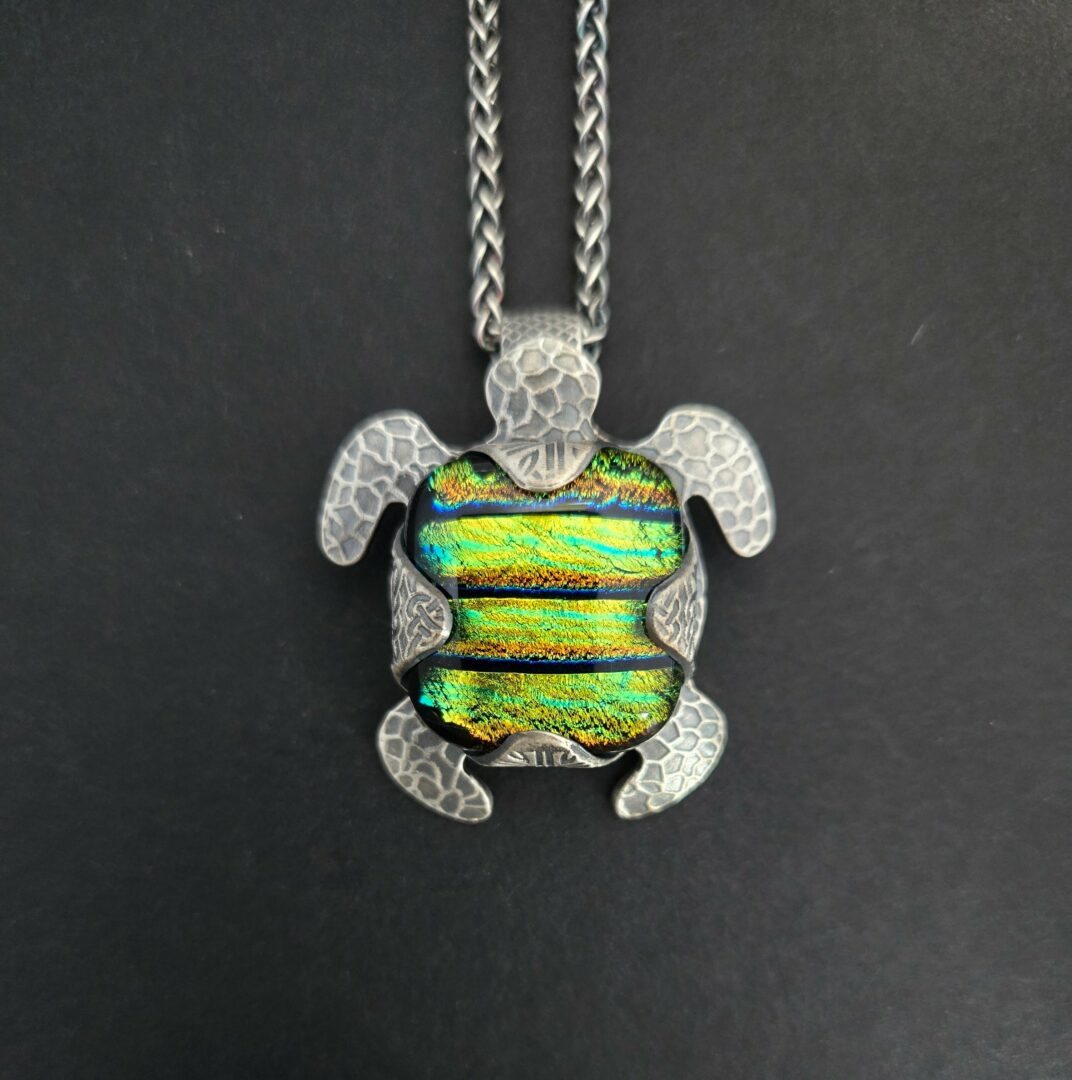
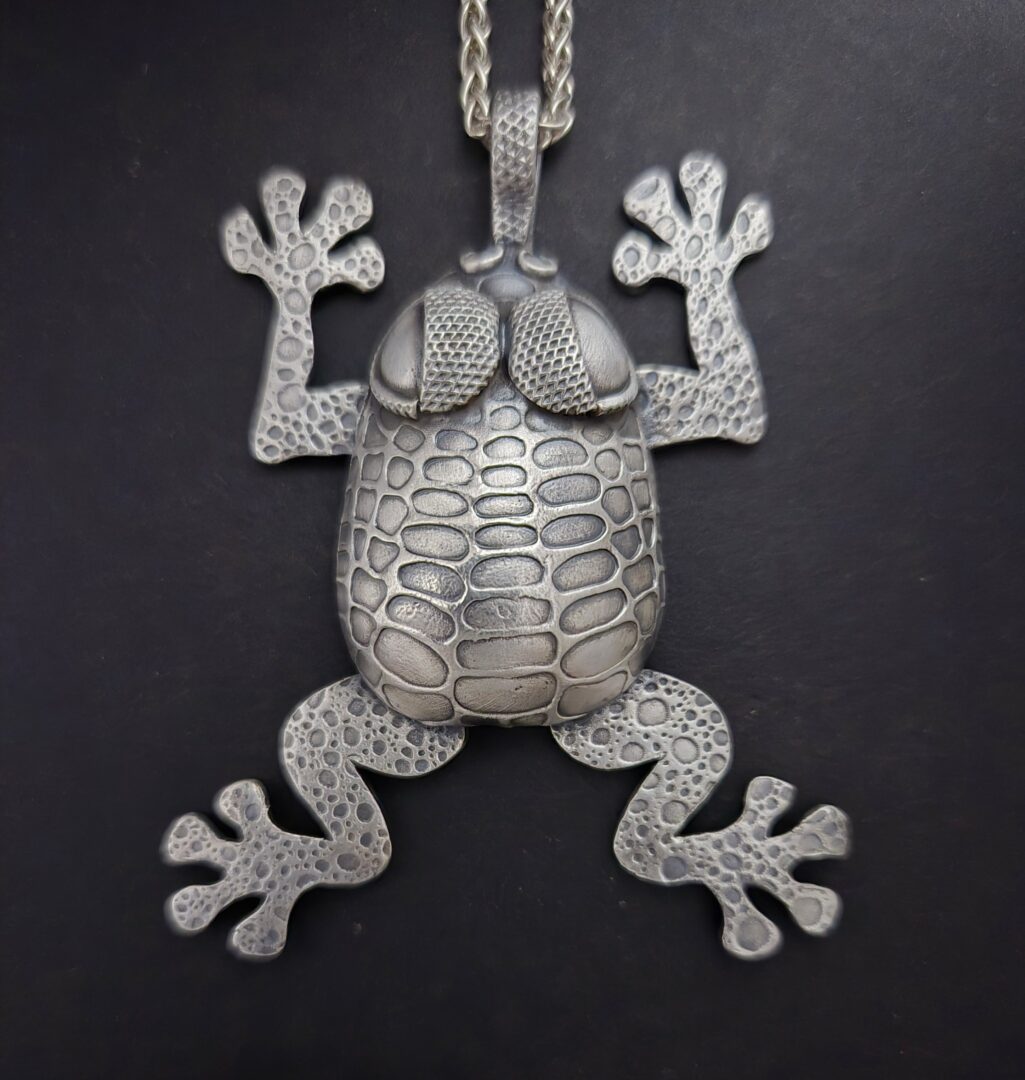
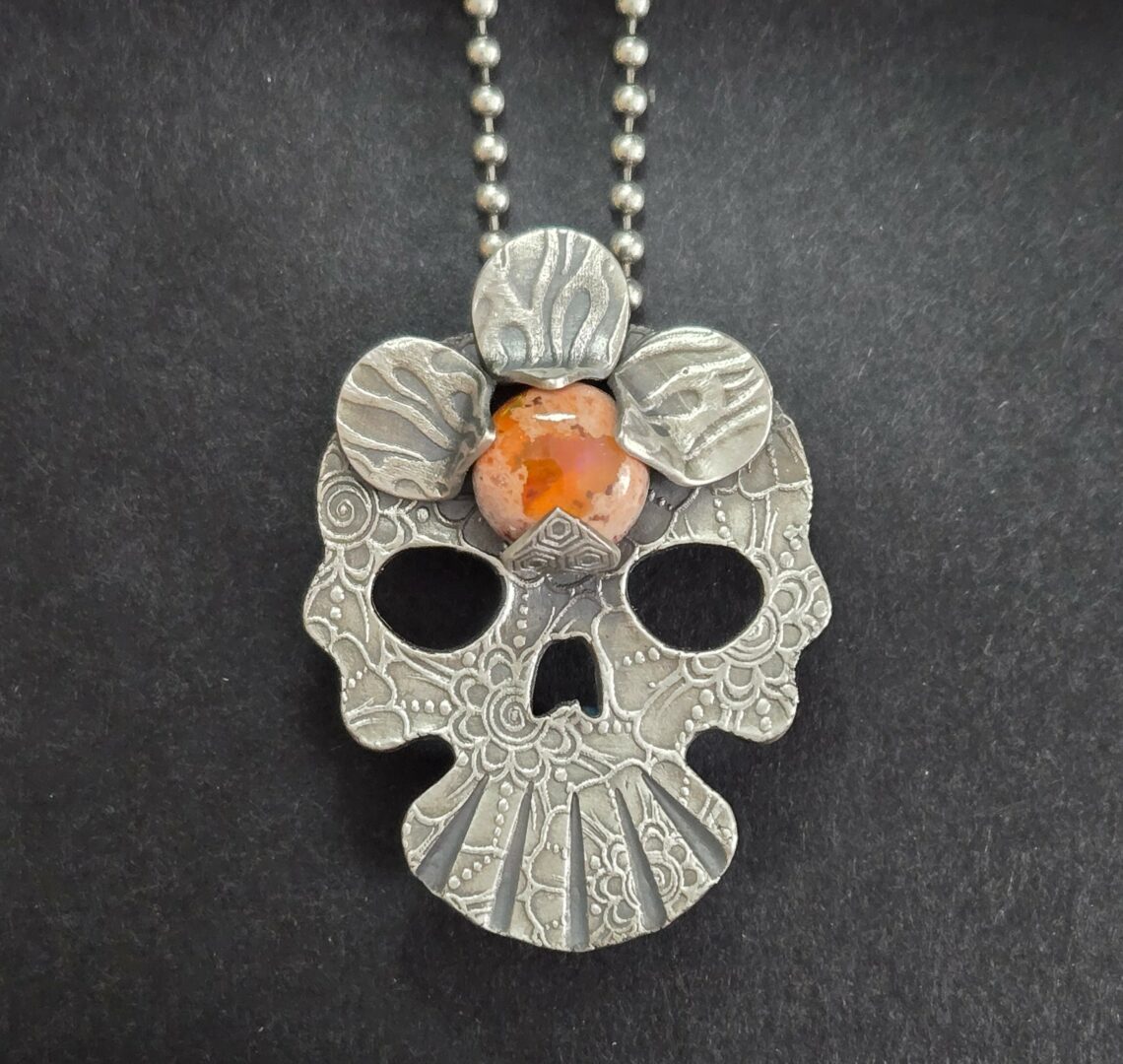
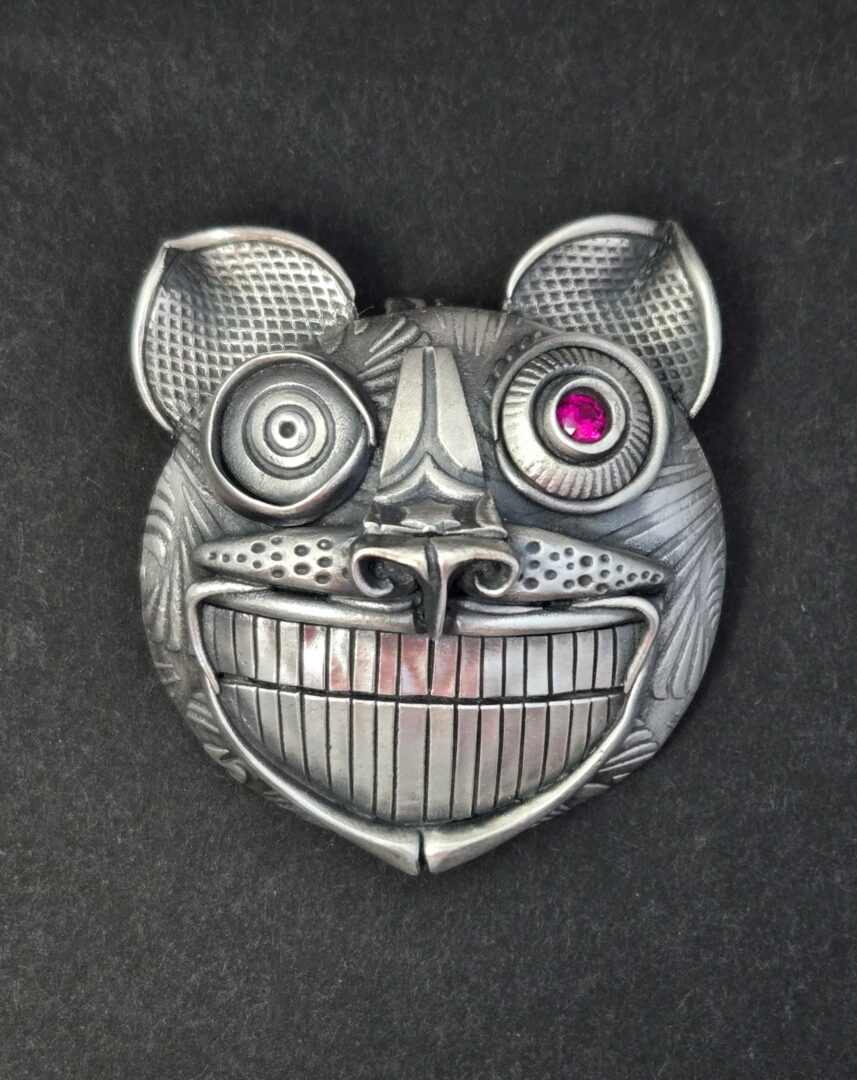
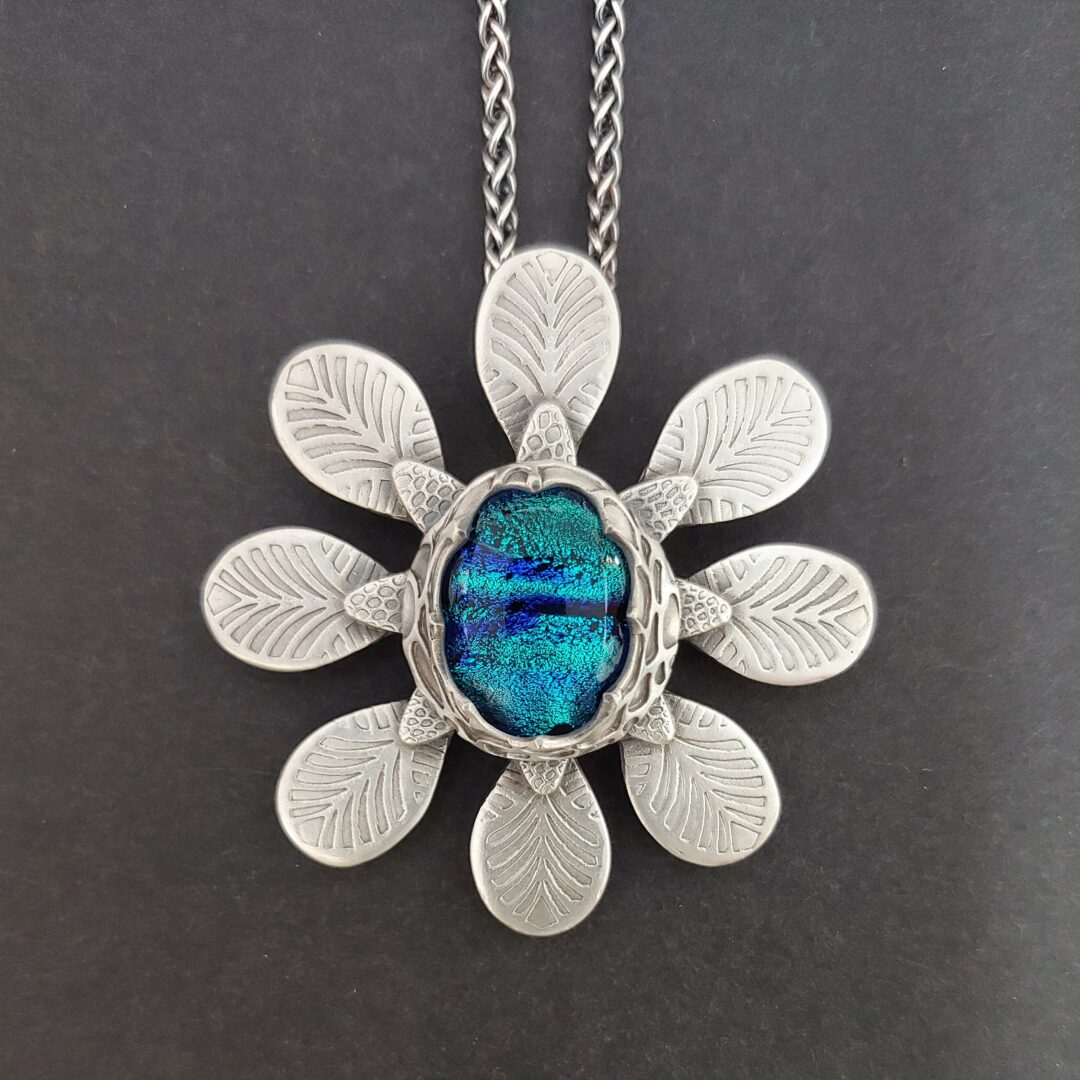
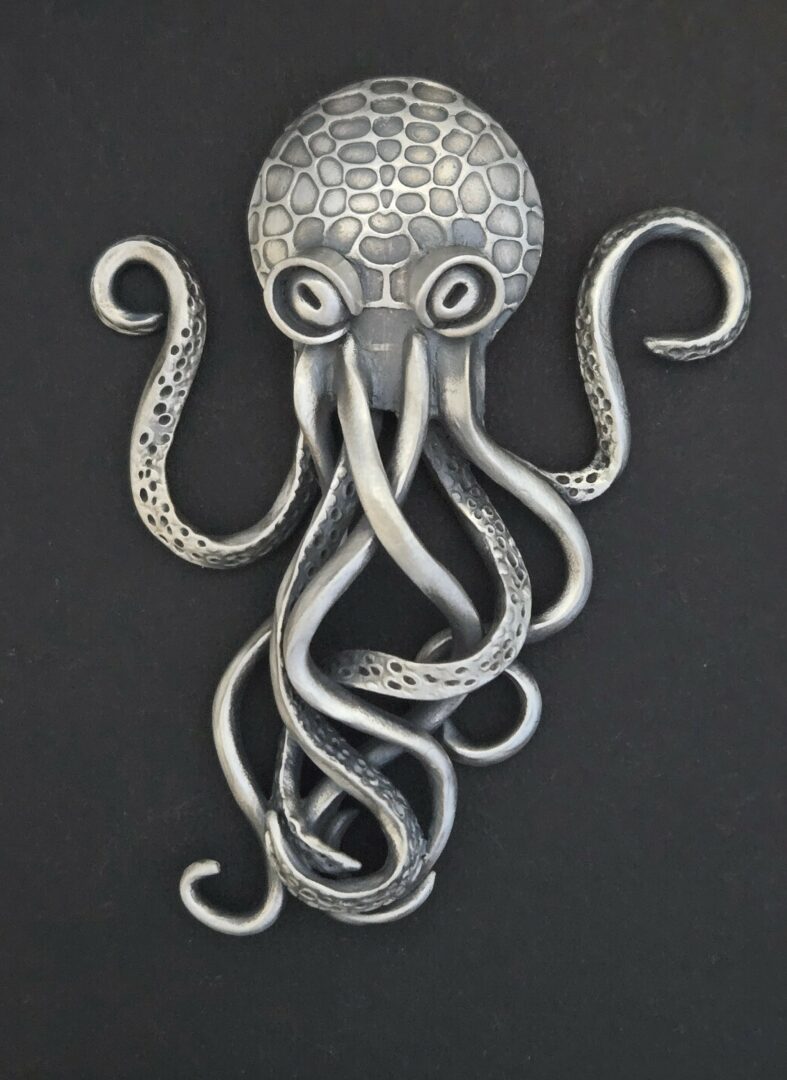
I create fine silver jewelry using metal clay, a medium that still feels a little bit magical to me even after all these years. I’m drawn to it because it allows endless creativity—every fingerprint, texture, and carved detail becomes permanently captured in silver. I love exploring natural, geometric, and symbolic textures and finding ways to bring movement, story, and personality into my designs.
Beyond creating jewelry, I also teach, which has become one of the most rewarding parts of my work. Helping students discover that “I made this!” moment—the one where a bit of clay transforms into a piece of solid silver they can wear—is something I never get tired of. Those reactions, that spark of excitement, are what keep me coming back to the studio and classroom.
What I’m most proud of is developing step-by-step tutorials that make metal clay more approachable. I’ve been creating more in-depth projects that guide artists through techniques in a way that feels doable and inspiring. Sharing the process so others can build confidence and skill has become a core part of my brand.
As for what’s new: I’m continuing to expand my collection of tutorials and teaching opportunities. I’m also exploring more kinetic designs and more intricate texturing techniques—pushing the medium while keeping it accessible for others who want to learn. There are some new classes and project releases in the works, and I’m excited to bring more artists into the world of metal clay.
Looking back, what do you think were the three qualities, skills, or areas of knowledge that were most impactful in your journey? What advice do you have for folks who are early in their journey in terms of how they can best develop or improve on these?
One of the biggest factors in my journey has been curiosity. Metal clay is such an adaptable medium, and the willingness to experiment—sometimes successfully, sometimes not—has opened doors I never expected. Curiosity keeps the process joyful. For anyone starting out, give yourself permission to play. Try new textures, new tools, and new ideas without worrying about the outcome. Every experiment teaches you something.
The second quality is patience with the learning curve. My early years included a lot of “twists, turns, and potholes,” and for a long time I assumed every mistake meant I wasn’t skilled enough. Over time, I realized mistakes are simply part of the material’s conversation with you. Give yourself “Permission to Fail”, that means budget for failure without worrying about costs or outcome. It frees you up to try without consequence. The best advice I can give is: take your time, repeat techniques until they feel natural, and don’t compare your beginning to someone else’s years of experience. Progress compounds quietly.
The third is sharing what I know—teaching, creating tutorials, and helping others gain confidence. Teaching has sharpened my understanding of the medium more than anything else. It forces you to break techniques down clearly and to solve creative problems from multiple angles. For those new to their journey, try explaining a technique to a friend, posting your process, or even creating small step-by-steps for yourself. Teaching—even informally—deepens your mastery.
Above all, remember that your creative path doesn’t have to look linear to be meaningful. If you stay curious, patient, and willing to share, you’ll build both skill and confidence along the way.
Is there a particular challenge you are currently facing?
Right now, my biggest challenge is balancing the creative side of my work with the business side. I’m constantly juggling making new pieces, developing tutorials, teaching, photographing work, posting online, and keeping up with the administrative tasks that come with running a small creative business. I love the hands-on, artistic part of what I do—but it’s easy for the behind-the-scenes responsibilities to pile up and steal time from the studio.
To overcome this, I’ve been working on creating more structure around my schedule. I’m learning to batch tasks, plan ahead more intentionally, and give myself dedicated studio time that’s protected from distractions. I’m also becoming more realistic about what one person can do in a day and reminding myself that growth doesn’t happen all at once—it happens through consistent effort.
This challenge has actually become an opportunity to refine my systems, clarify my priorities, and build a stronger foundation for the long term. It’s still a work in progress, but I’m getting better at giving both sides of my business the attention they deserve.
Contact Info:
- Website: https://www.unsaneart.com
- Instagram: @unsaneart
- Facebook: https://www.facebook.com/UnsaneArt
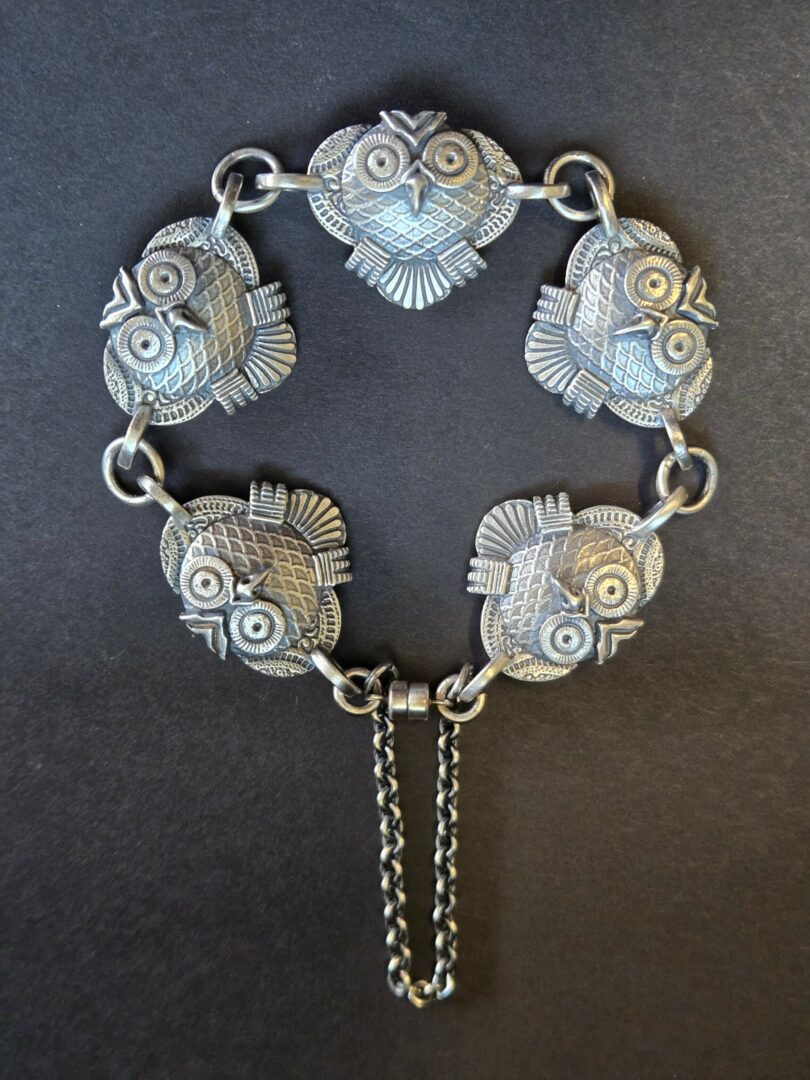
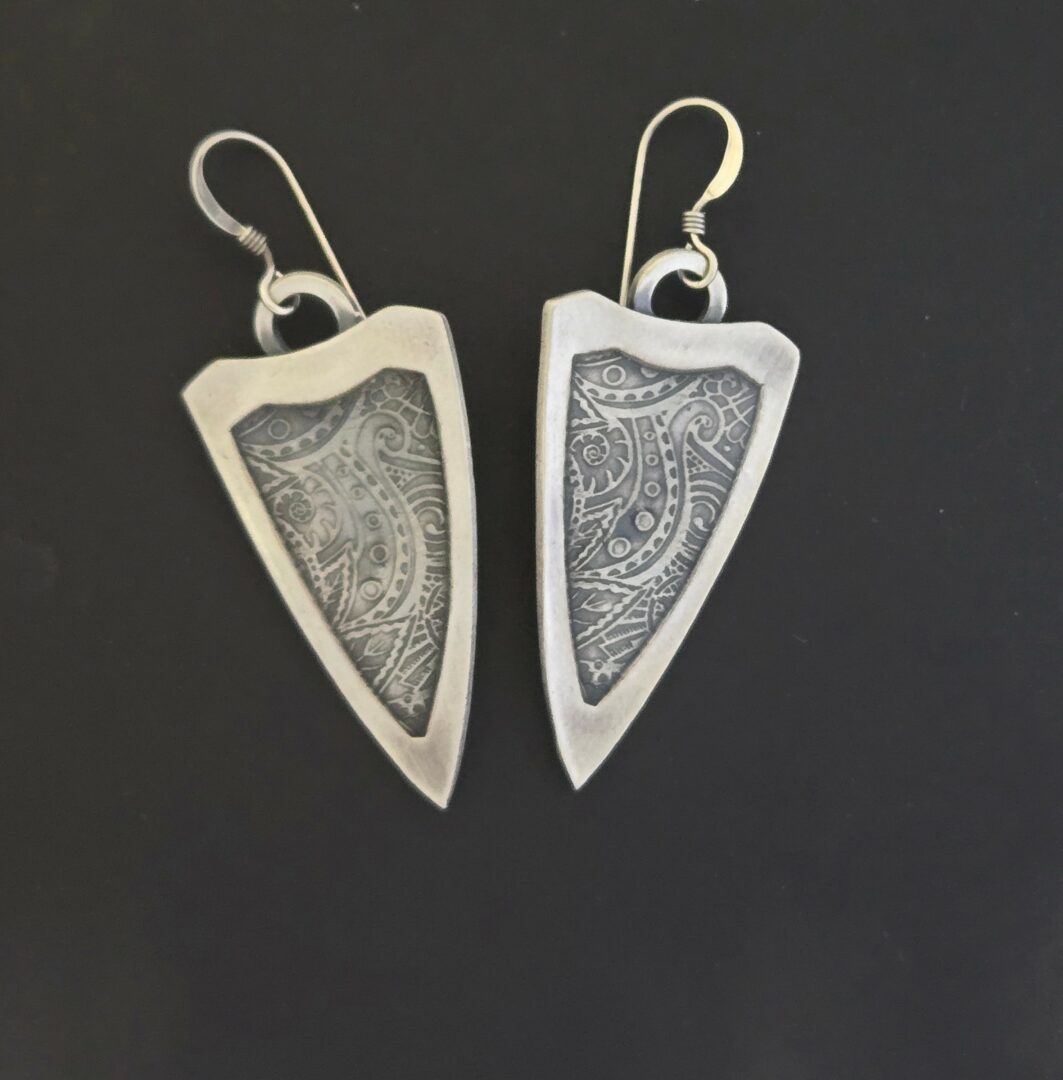
Image Credits
Michael J. Marx
so if you or someone you know deserves recognition please let us know here.