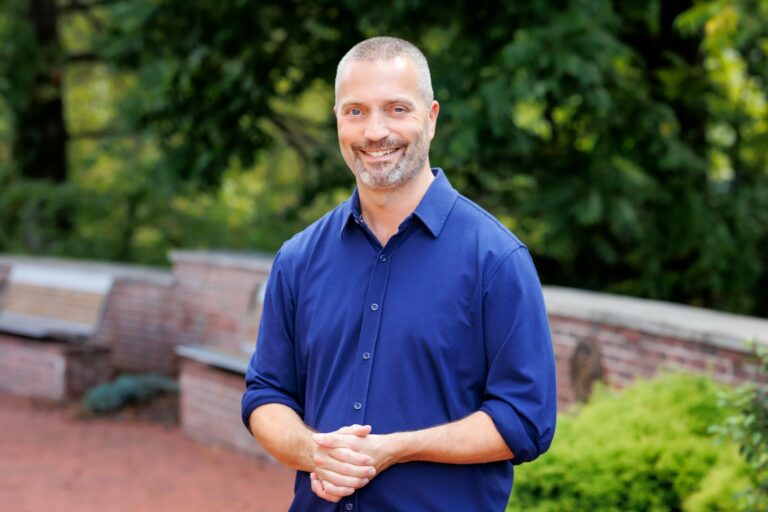
Alright – so today we’ve got the honor of introducing you to Chad Lipka. We think you’ll enjoy our conversation, we’ve shared it below.
Chad, sincerely appreciate your selflessness in agreeing to discuss your mental health journey and how you overcame and persisted despite the challenges. Please share with our readers how you overcame. For readers, please note this is not medical advice, we are not doctors, you should always consult professionals for advice and that this is merely one person sharing their story and experience.
Our culture is experiencing crises of several kinds and we can look at it at one level as a crisis of meaning. This Meaning Crisis has a profound impact on how we live our lives and I certainly have experienced the negative effects. I’ll try to keep this personal. Several times in the past 20 years I’ve had a months long depression and each time, the cause was something different. During those times, it’s hard to see what is going on so clearly and what I could do about it but retrospectively, many lessons have been learned that have helped me become more resilient and capable of facing new challenges that arise. The first is related to how I began this. Recognizing that our culture is facing this meaning crisis and knowing that there is a real challenge in staying connected with ourselves, the world around us, and others that we care about and care about us. Identifying that this is a real challenge that I faced allowed me to come up with solutions to mitigate it. I have to be more intentional about reaching out to others and cultivating relationships. Our world is such that we don’t need each other in the same ways that people used to and we often live geographically separated from those we are socio-emotionally connected to, which requires that we put in more work to maintain those connections. I have also recognized that I really need to maintain a good movement practice and spend time outdoors. Combing these by trail-running, skiing, and other sports has been tremendously helpful to me. I can quickly feel how I get run down if I get out of the habit for a while. Third, I have to participate in a shared spiritual community to keep my eyes fastened on the transcendent. It’s not enough for me to have just a personal spirituality but I participate with others, in actual church services as well as meaningful conversation about the things that really matter to us, both the struggles we face and also the ways in which we have overcome or are struggling in successful ways. These practices, alongside raising a family, help me to not get too caught up in the day-to-day or even the existential anxieties, and keep me focused on meaningful living, which brings me great happiness even though it’s punctuated by disappointment, sorrow, and real challenges.
Let’s take a small detour – maybe you can share a bit about yourself before we dive back into some of the other questions we had for you?
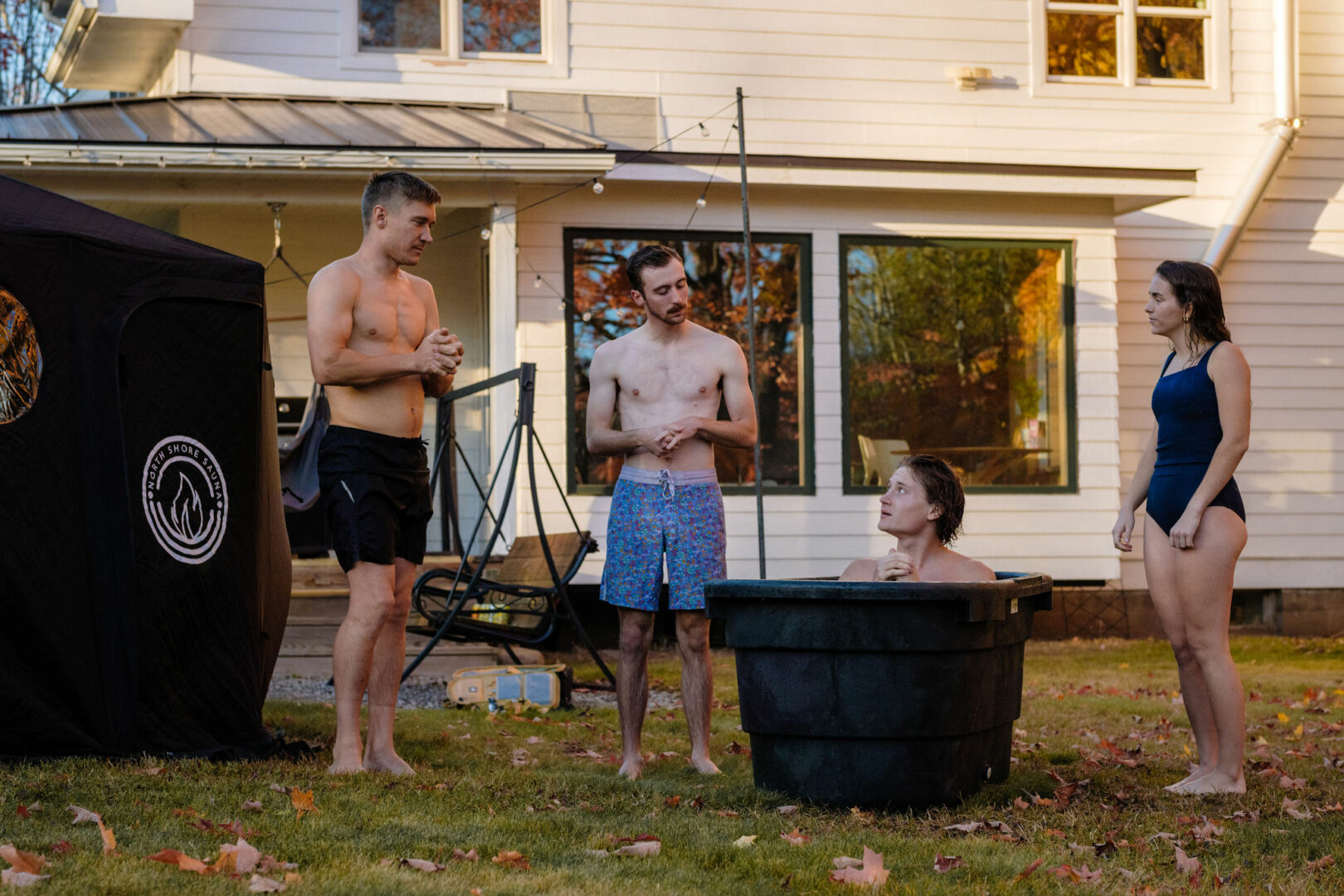
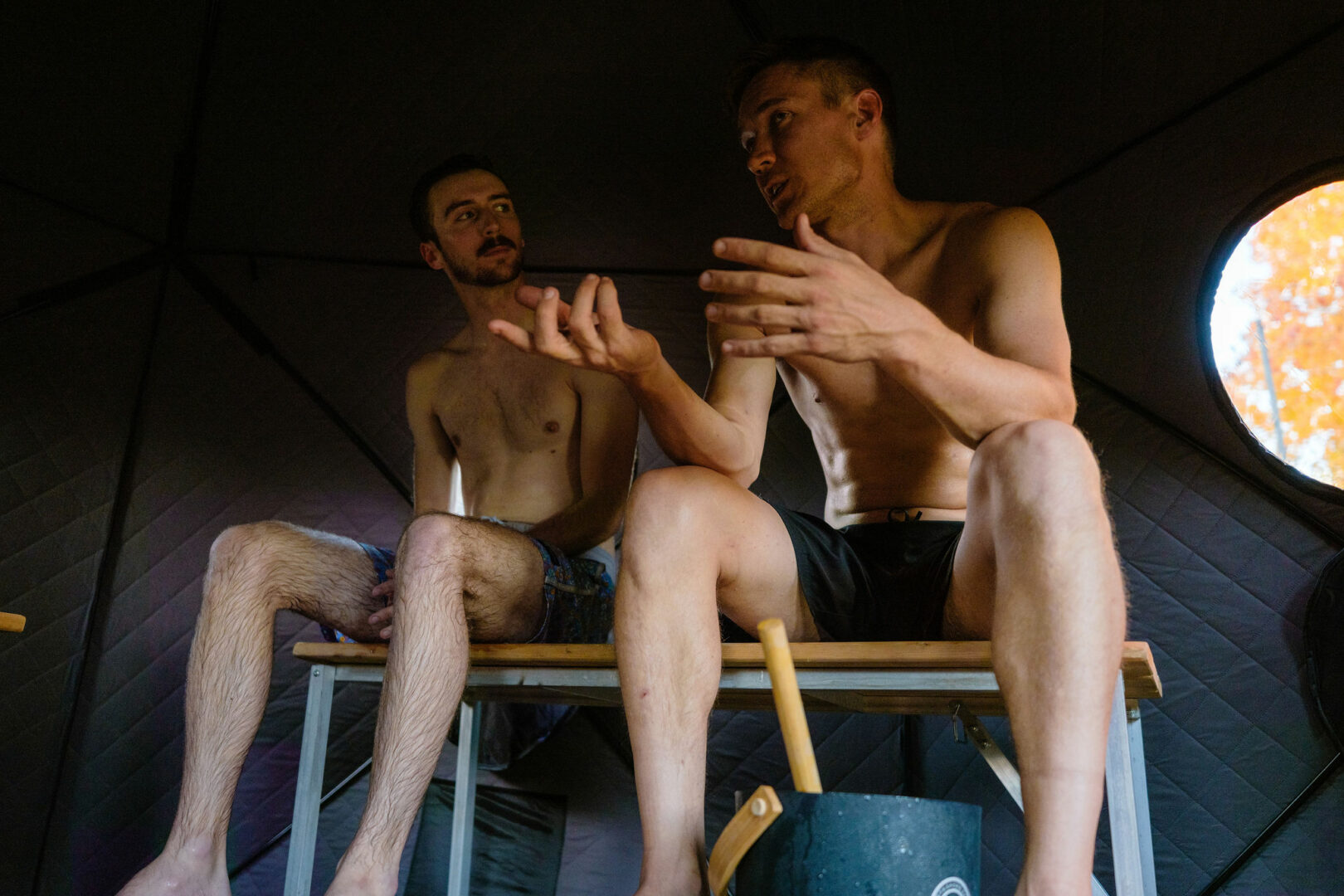
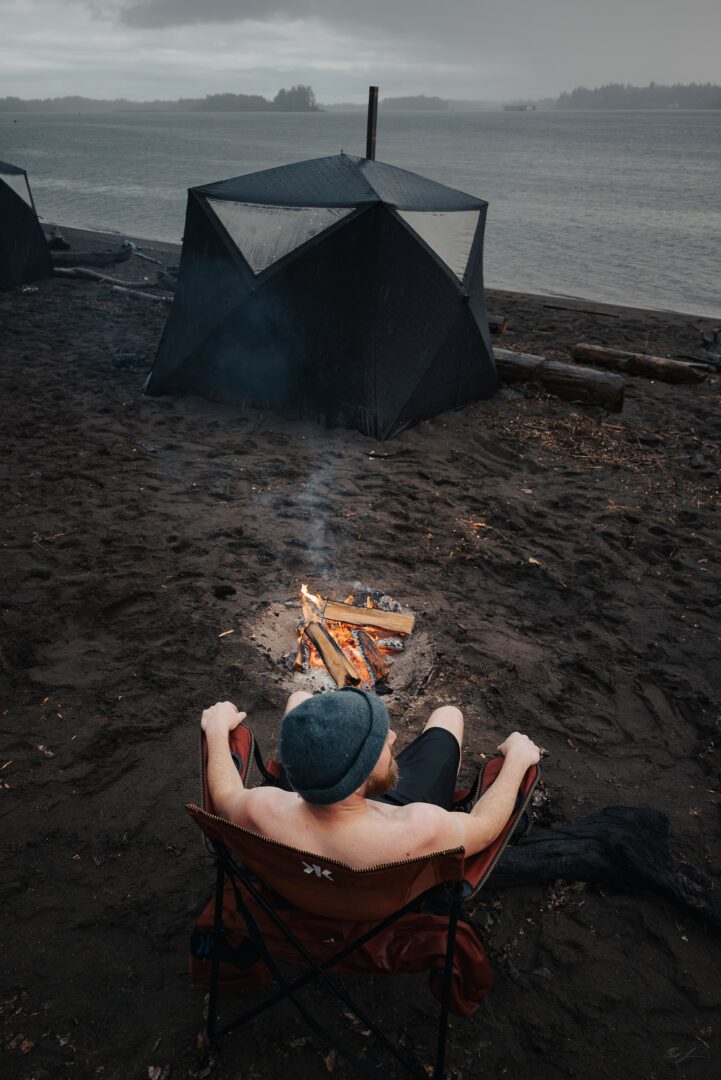
I’m currently the President of North Shore Sauna and we sell a portable wood-fired sauna that can be popped-up just about anywhere. It began as a hobby 4 years ago and quickly grew into full-time business that supports a few people and is focused on sauna accessibility. While I was getting my Masters in Clinical/Counseling Psychology and working as a mental health counselor, I noticed that there was an area of mental health that is seriously underutilized. That is, experiential tools promote well-being more generally. And that’s primarily how I view the sauna. It has been incredibly rewarding providing people with an affordable sauna and then hearing from them weeks or months later how the addition of this tool into their set of practices and been beneficial and in some cases, even transformative. Most saunas are so expensive that they are really not obtainable for many people but they are such a powerful tool for our health! And there is more and more research coming out about the benefits of heat therapy that it’s an exciting time to be a part of this revival.
There is so much advice out there about all the different skills and qualities folks need to develop in order to succeed in today’s highly competitive environment and often it can feel overwhelming. So, if we had to break it down to just the three that matter most, which three skills or qualities would you focus on?
The 3 things that come to mind when I consider what has been helpful to me are openness, curiosity, and discipline. Openness and curiosity are related I suppose but are so important to growth that I think they both deserve their own place. If we can remain open to the fact that we have so much to learn and be open to the idea that if we don’t have everything we want right now, maybe it’s because we’re not doing the right things, have the right knowledge, or are not the person we could be, that’s incredibly powerful. It’s true in a real way, too. We have to be open to receiving new knowledge, wisdom, and skills as well as be open to letting go that which no longer serves us to really grow. Then the curiosity can accelerate the process. We can ask ourselves what it is that we want, what it is that we need, and what it is that we must do. We can ask others for their knowledge and help. I think that maintaining this openness and curiosity can be incredibly challenging when our ego is threatened or some belief that we have been holding onto so tightly becomes undermined and threatens to orphan other beliefs that relied on that one for existence. It can be disorienting and really quite difficult to do. Discipline is the other that I really think is fundamental. I really believe that discipline is the path to freedom in a way. It has meant that while I can acknowledge feeling a certain way about something, that feeling doesn’t get to override what it is that needs to be done. Discipline has become a friend that reminds me that even if I don’t want to do something right now, it’s in the best interest of my future self that I do it anyway. My future self will thank me and that in order to become that future self that I want to be, I need to enact those behaviors that move me toward that. It’s helpful in every domain of life and I think that if we consider it as a separation between action and feeling, that can be incredibly powerful.
Any advice for folks feeling overwhelmed?
This idea of being overwhelmed is such a common problem these days. We are so inundated with stimulation from every direction that who can’t help but feel overwhelmed sometimes? But I think there are a number of things that we can do to help when we are feeling this way and they are actually quite simple. Maybe not easy, but simple. I’ll mention a few specific strategies and then I’ll talk just a bit about a more general strategy.
First, the feeling of being overwhelmed seems to be when we have more inputs than we can handle at a given time. It’s like our nervous system is simply unable to process everything that we are sensing. So, we need to find a way to clarify what it is that we’re facing, list and prioritize, and then engage in effective action. Action is the antidote to anxiety but first we need to make sure we’re acting in the right way. We don’t want to be engaged with something menial when the house is burning down. So, if we can first recognize that we’re feeling overwhelmed that would be the beginning. And the earlier the better, before our frontal lobe is totally taken off-line. Awareness and then focus on what problems we are actually facing. List them out. Write them down. They need to be made clear. Then we can prioritize them appropriately. Are they urgent or important? Urgent and Important? It may feel that we need to do everything all at once but we can’t and if we can instead compare our progress toward one goal to no progress at all, which is what we do when we’re actually overwhelmed, then that something that we’re doing feels a lot better than nothing. Once our problems are listed and ranked in order of priority, we need to focus on just the highest priority and nothing else. Once we start making progress, our nervous system will recognize that and our effects will snowball. But it needs to be one thing at a time. Simple, not easy. I don’t even claim to do this well all the time. But I do know it’s effective when I can do it.
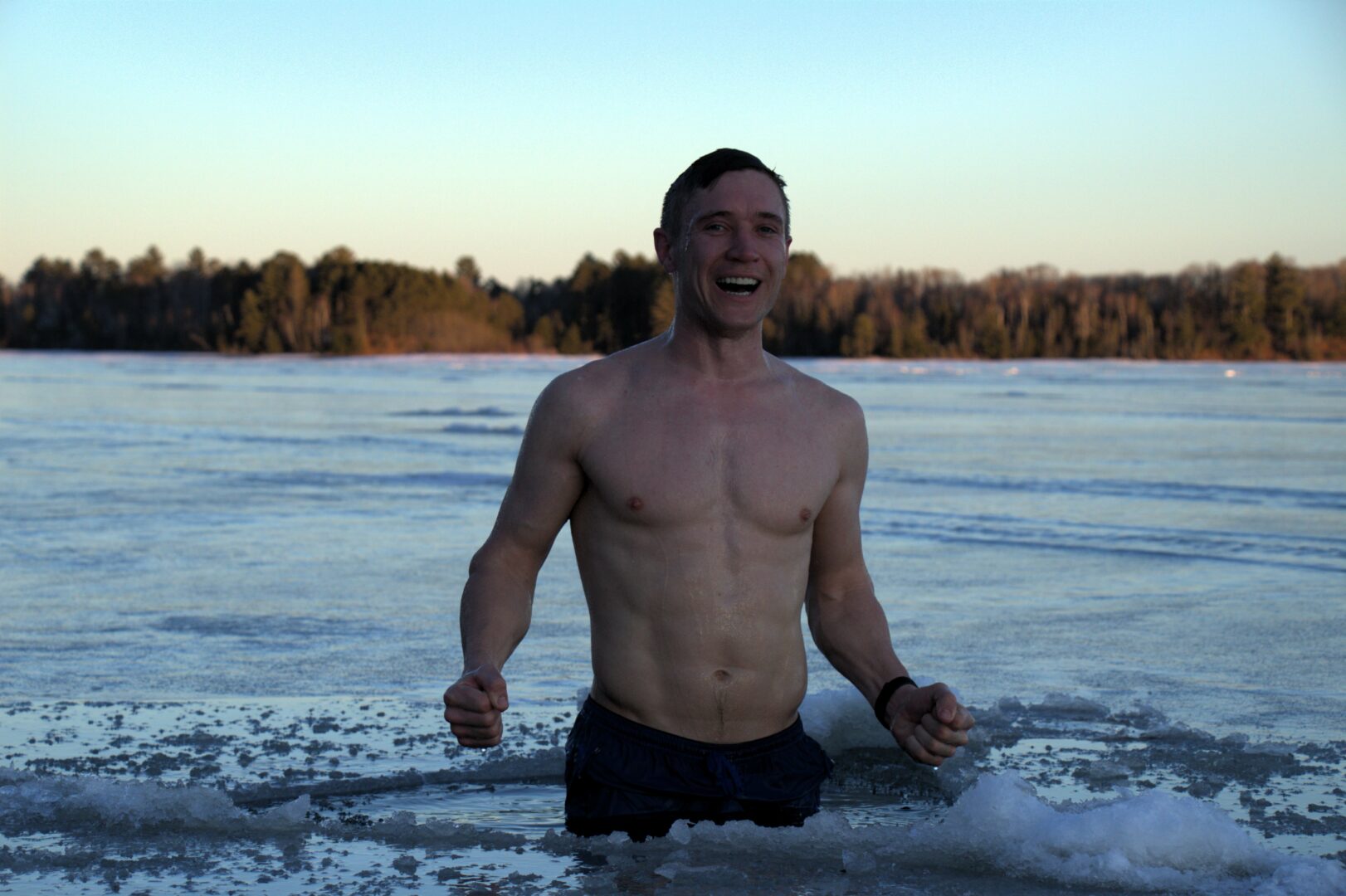
The more general strategy for overwhelm is to limit inputs in the first place and balance psychological inputs with physical ones. Us humans are a little strange in that when we challenge ourselves physically, it lowers the effect of psychological stress. Not absolutely and there are limits but if we go and exercise when we are feeling whelmed or on the brink of overwhelm, that can actually change how we are thinking of our stresses. Hormetic stress, which is voluntary physical stress, is good for our mental health. It doesn’t take away our problems, but it does help us see them with a better perspective. So, I guess that’s really two things but limiting our stresses in the first place and then helping to balance them by inducing physical stress voluntarily, are both ways to mitigate feeling overwhelmed. And it’s so busy these days and we’re so buried in stimulation, that we need all the help we can get.
Contact Info:
- Website: https://Saunatent.com
- Instagram: northshoresauna
- Facebook: northshoresauna
- Linkedin: northshoresauna
- Youtube: northshoresauna
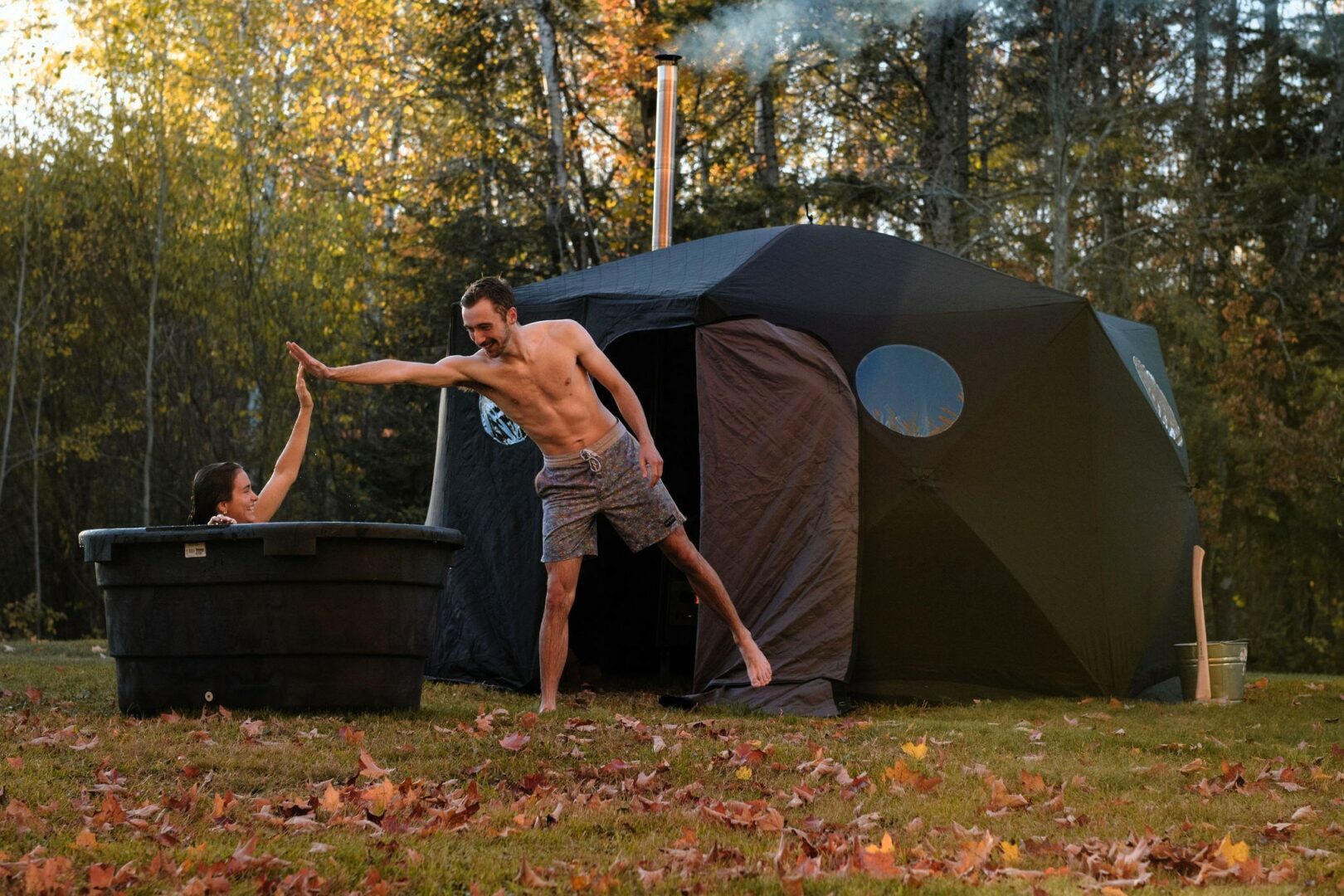
Image Credits
Image credit: Pointed North Photography
so if you or someone you know deserves recognition please let us know here.