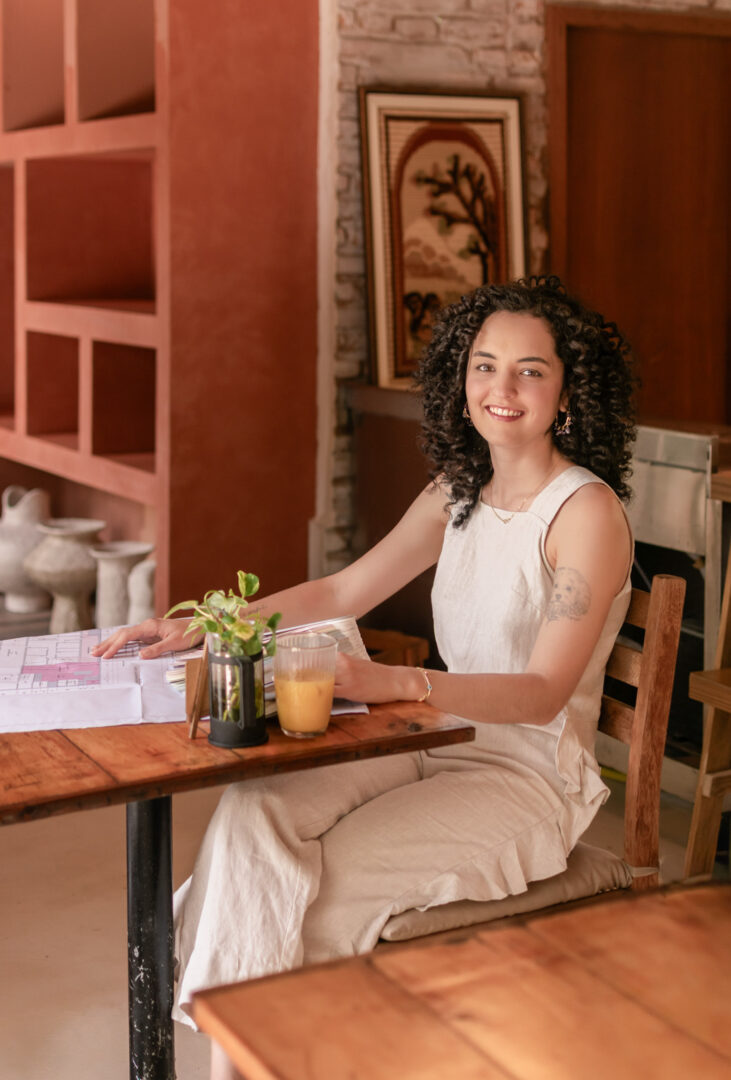
We recently connected with Amanda Lisboa and have shared our conversation below.
Amanda, thank you so much for joining us today. Let’s jump right into something we’re really interested in hearing about from you – being the only one in the room. So many of us find ourselves as the only woman in the room, the only immigrant or the only artist in the room, etc. Can you talk to us about how you have learned to be effective and successful in situations where you are the only one in the room like you?
After trying so hard to fit in, reshape myself and even shrink to belong, I realized that what truly set me apart was precisely the fact that I was different. I was one of the few who looked, felt and thought the way I did.
The architecture school I attended was extremely traditional. There was a model considered “correct,” and anything outside that standard was seen as wrong.
This discouraged me from the profession and led me to explore alternative paths. I became an astrologer and worked for a while as a holistic therapist.
For me, a distant and overly conceptual architecture made for a select few never made sense. I have always had a more human, sensitive and artistic vision. No right or wrong. Every person is unique, and it feels arrogant to believe it is possible to create a single type of environment or a single style that works for everyone.
The criticism and the lack of references almost made me give up. But with time, I learned that no one is truly alone in their perceptions. Maybe I wasn’t so different after all. I was just trying to be heard in the wrong places.
When I began to use my voice and allowed myself to be seen as I really am, I started to meet people who think and feel in similar ways, and who were looking for exactly the kind of architecture I offer.
In the end, what spoke the loudest was my love, and my almost visceral need, to create spaces aligned with people’s essence. That is what brought me back to architecture, and what sustains me to this day.
Let’s take a small detour – maybe you can share a bit about yourself before we dive back into some of the other questions we had for you?
There are two versions of me: Amanda the Architect and Amanda the Person, and the truth is that both have shaped the work I do today.
Amanda the Person loves being in nature, doing arts and crafts, taking care of her home, and reading romance, fantasy and personal development books. One of my current obsessions is prioritizing my well-being, so I’ve been dividing (or multiplying) my time between pilates, yoga, tennis and strength training.
Since childhood, my favorite pastime was building my dolls’ house, imagining layouts and creating little wooden furniture compositions. Later, even though architecture felt like a calling, I chose Environmental Engineering instead. At the time, many classmates were applying to architecture school, and I had this instinct to go in the opposite direction of what “everyone” was doing. Today, I see that choice as a form of self-sabotage. After two and a half years, I finally accepted what had always been clear: architecture was my path.
During my degree, I received a scholarship to conduct scientific research in Canada and was convinced that academia would be my future. But when I returned to Brazil, everything shifted. I began to feel an urgency to understand the deeper meaning of architecture, something beyond aesthetics, trends or functionality. That search led me to self-knowledge, therapy and, eventually, to making peace with architecture in my own way.
This is where Amanda the Architect comes in.
Amanda the Architect also has well-being as a priority, and she extends that into every project she creates for her clients.
Today, I’m the founder of Amanda Lisboa Integrative and Human-Centered Architecture, where I design spaces that prioritize well-being, authenticity and conscious growth for both individuals and brands. I work in two main areas:
Integrative Architecture for Individuals
I design spaces that support well-being, personal evolution and emotional alignment.
Integrative Architecture for Businesses
I create environments that elevate a brand’s perceived value and naturally attract the right clients.
What excites me most about my work is that it goes far beyond creating beautiful spaces. I dive deep into the essence, personality, dreams and goals of the people and businesses I work with. I truly believe a space shapes how we feel, behave and connect with ourselves, with others and with the world, and this belief guides every project I create.
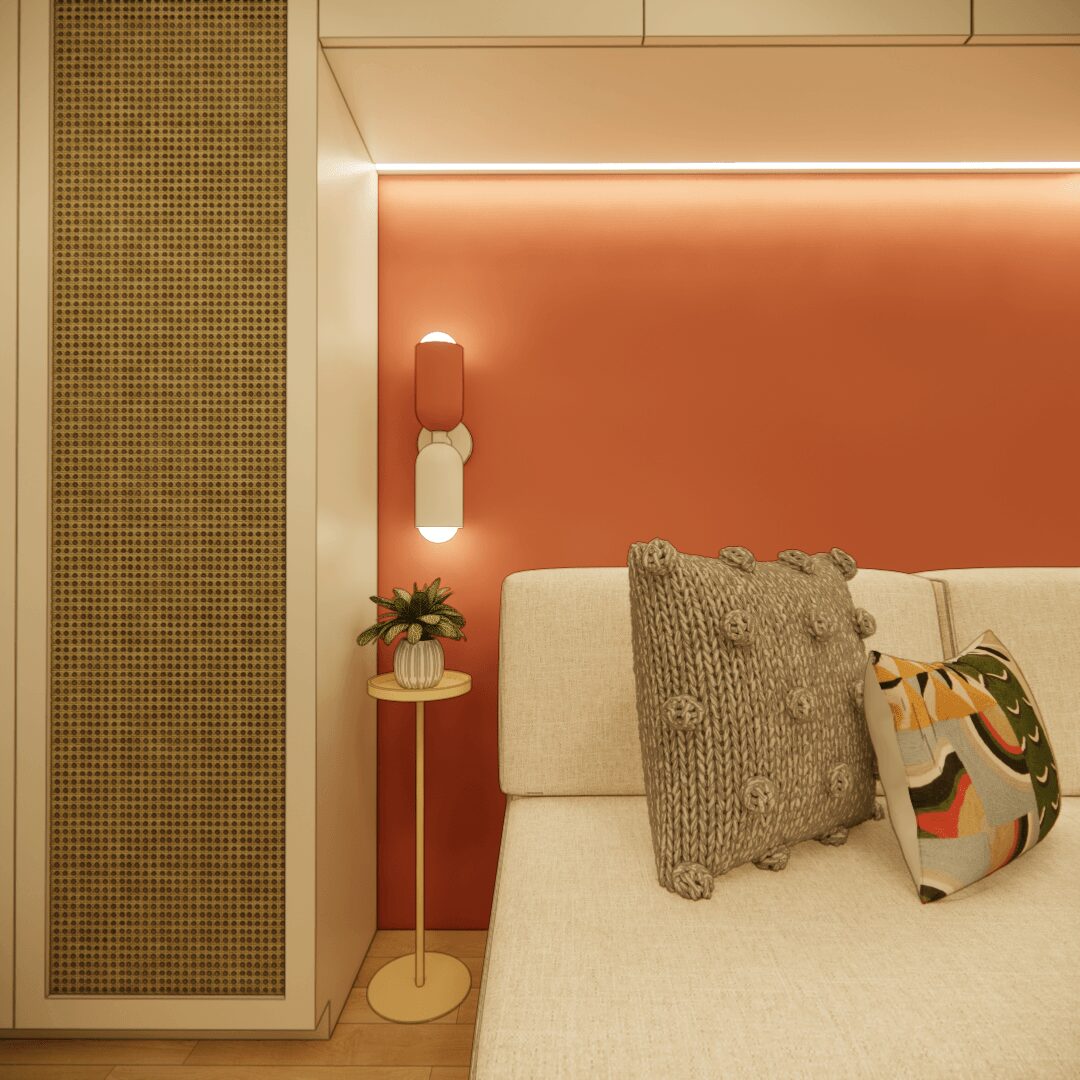
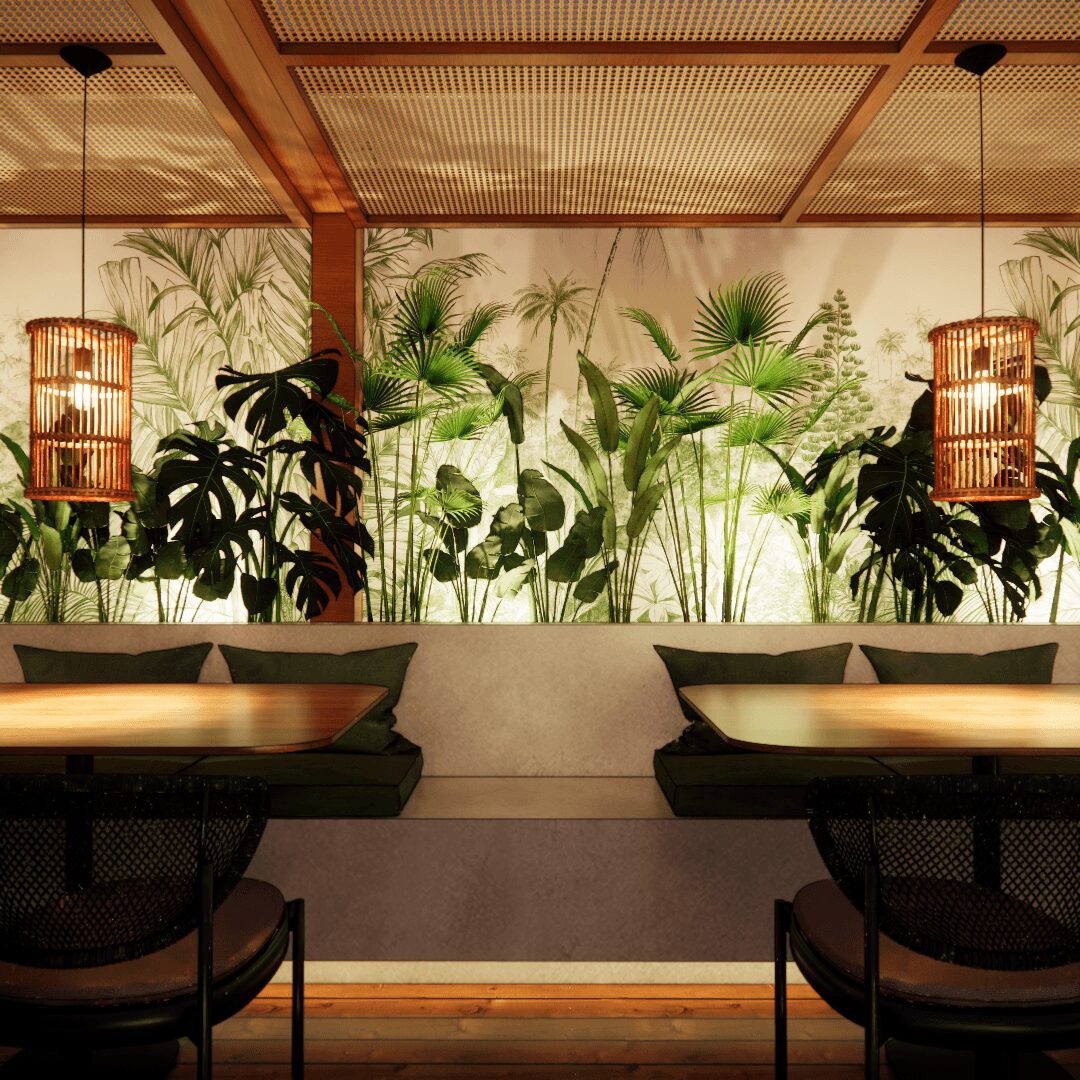
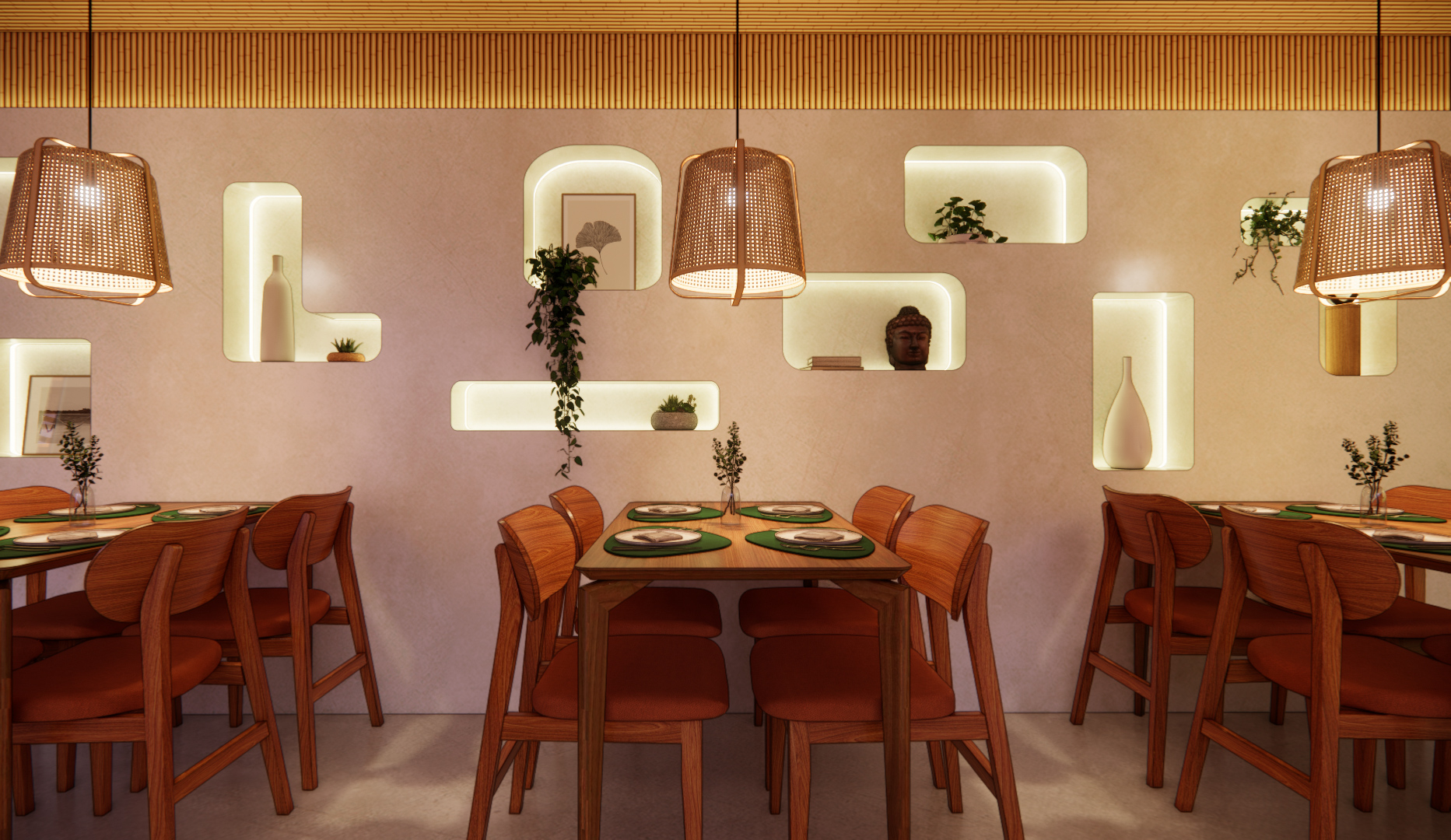
I’m currently working on a wide range of projects, including a restaurant, a therapy room, a yoga studio, a jewelry atelier and residential spaces. My focus is expanding both areas of my work through projects that unite wellness, authenticity and conscious design.
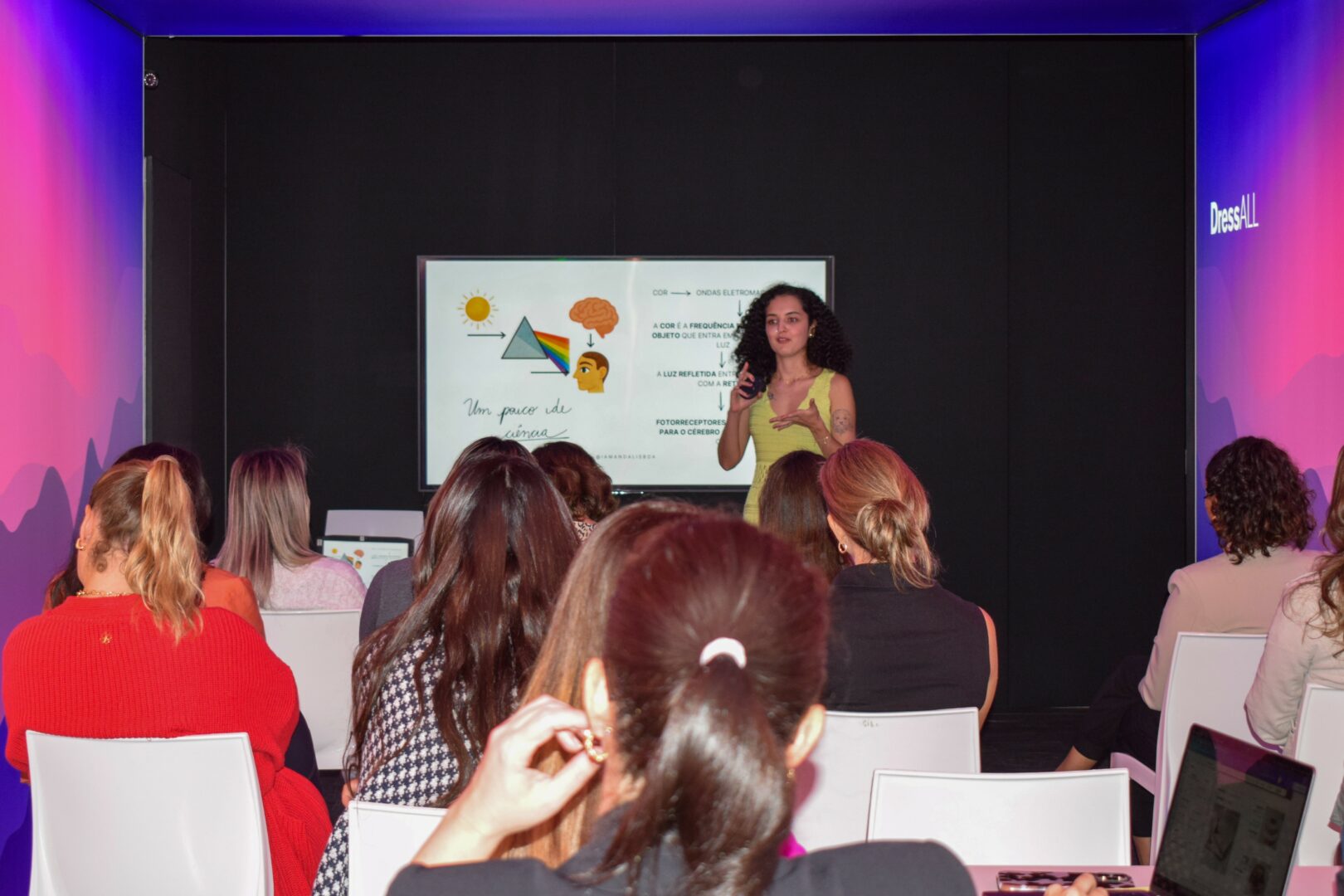
I also speak about Integrative Architecture in talks and events, sharing this perspective with more people. In the coming months, I plan to publish a scientific article titled The Influence of the Physical Environment on Decision-Making and Buying Behavior: An Analysis Through the Lens of Neuroarchitecture, which has been a meaningful extension of my purpose and research.
My goal in everything I do is to bring an integrative vision of architecture to people and brands who want spaces that truly reflect who they are and support where they are going.
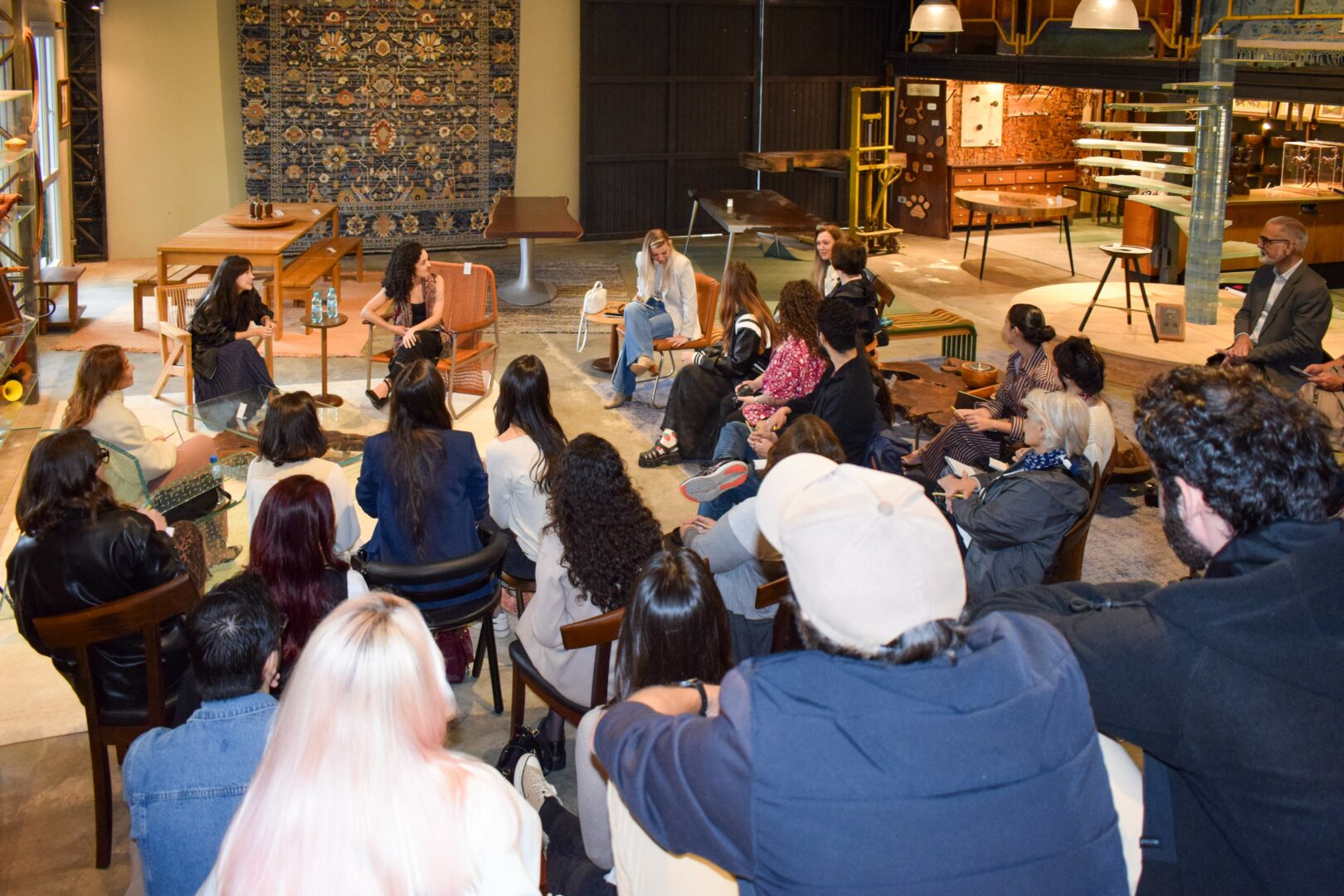
Finally, I have a project called Café com Autenticidade (Coffee with Authenticity), an interview-format talk series designed to connect inspiring creators with people who are seeking inspiration. It is something I deeply wished I had during my own periods of confusion and doubt, and I am grateful to be able to create a space where these conversations can happen.
Looking back, what do you think were the three qualities, skills, or areas of knowledge that were most impactful in your journey? What advice do you have for folks who are early in their journey in terms of how they can best develop or improve on these?
Without a doubt, self-knowledge. It may sound cliché, but the more I understand myself, the more I understand my work, and the more confidence I have to show up in the world exactly as I am. Astrology, for example, has been (and still is) a tool that brings me clarity and helps me navigate life’s challenges with more awareness.
Discipline has also been essential, and sometimes even a flaw when it turns into excessive self-pressure. It’s not enough to have a beautiful vision if we’re not willing to do the work constantly to bring it into reality.
And finally, being nonconformist. When I feel or know that something is possible, I don’t stop until I turn that vision into something real. But nonconformity needs action; otherwise, we risk falling into stagnation and complaint. If you don’t like something, change it, even if it’s one small step at a time.
For those who are at the beginning of their journey, and in many ways I still see myself at the beginning too, I have one strong recommendation: seek references. Learn from the stories of people who have built what you dream of building. There is neuroscience behind this. When we see someone walk a path that once felt impossible, that path suddenly becomes more available to us too.
Self-knowledge comes with time, and it requires patience. It’s not always easy. Often, it demands the courage to look at the parts of yourself that you’d rather avoid so that you can clean, heal and transform them.
Discipline also requires patience. If I could give one piece of advice to anyone, it would be to break your big goals into small ones. Small goals make everything more tangible, and the quicker sense of progress keeps you motivated to continue.
And lastly, use your dissatisfaction as a compass. It usually points toward something that is ready to be transformed.
Tell us what your ideal client would be like?
My ideal client is someone who values well-being, creativity, authenticity and growth. Whether it’s an individual or a business, the people I work best with understand that a space is not just a place; it’s an extension of who they are and what they want to create in the world.
For individuals, my ideal clients are people who are in a moment of transformation, expansion or reinvention. They’re usually seeking a space that supports their lifestyle, emotional health and personal evolution.
For businesses, my ideal clients are purpose-driven brands that care deeply about the experience they offer. They want environments that truly reflect who they are, showcase their value and naturally attract the right clients instead of trying to appeal to everyone. They understand the power of design as a strategic tool.
Overall, my clients are people who refuse to wait until they “arrive” to live their dreams. They want to bring the reality of their future closer to the present. They take steps — and sometimes leaps — of trust, and they recognize the importance of investing in an aligned environment that supports their personal or professional growth.
Contact Info:
- Instagram: https://www.instagram.com/iamandalisboa
- Linkedin: https://www.linkedin.com/in/amanda-lisboa-7608b5168/
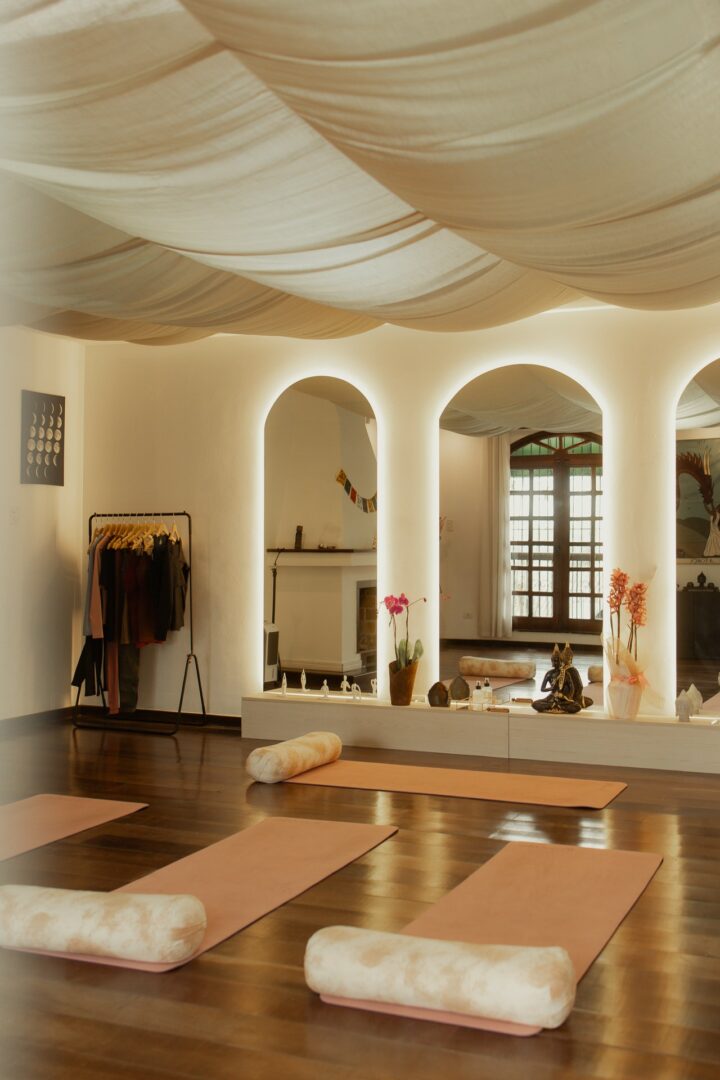
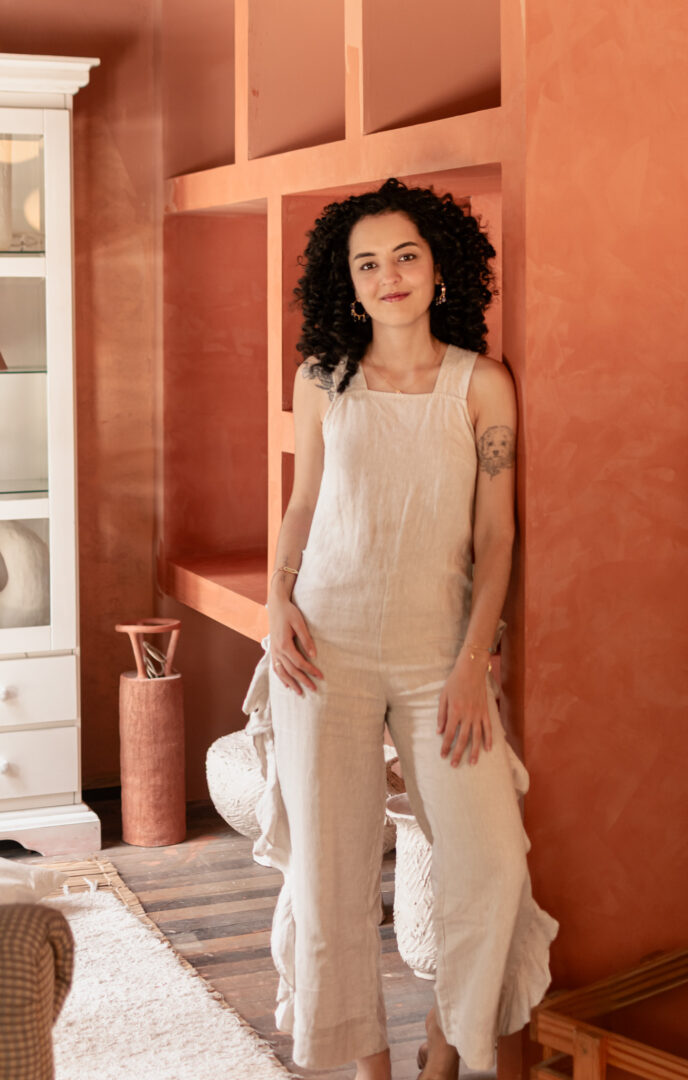
Image Credits
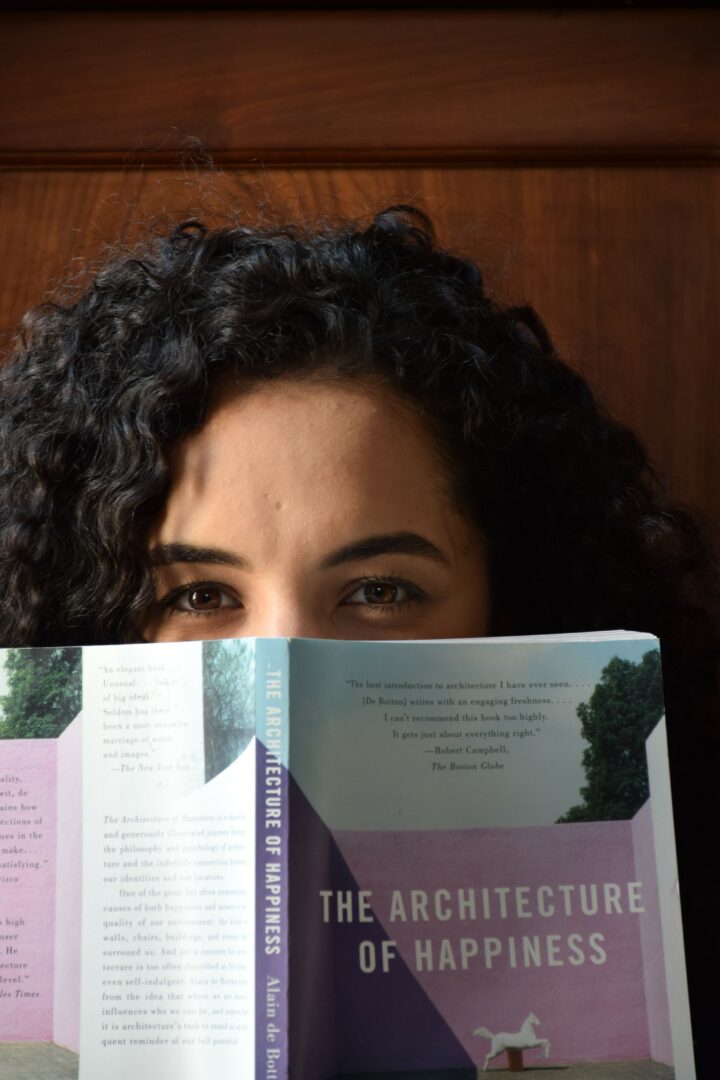
Andréa Beja – Pictures of classes and lectures; picture with book Architecture of Happiness
Marcela Prado – Photoshoot
Bruna Barboza – Yoga Studio Picture
Projects from Personal Portfolio
so if you or someone you know deserves recognition please let us know here.