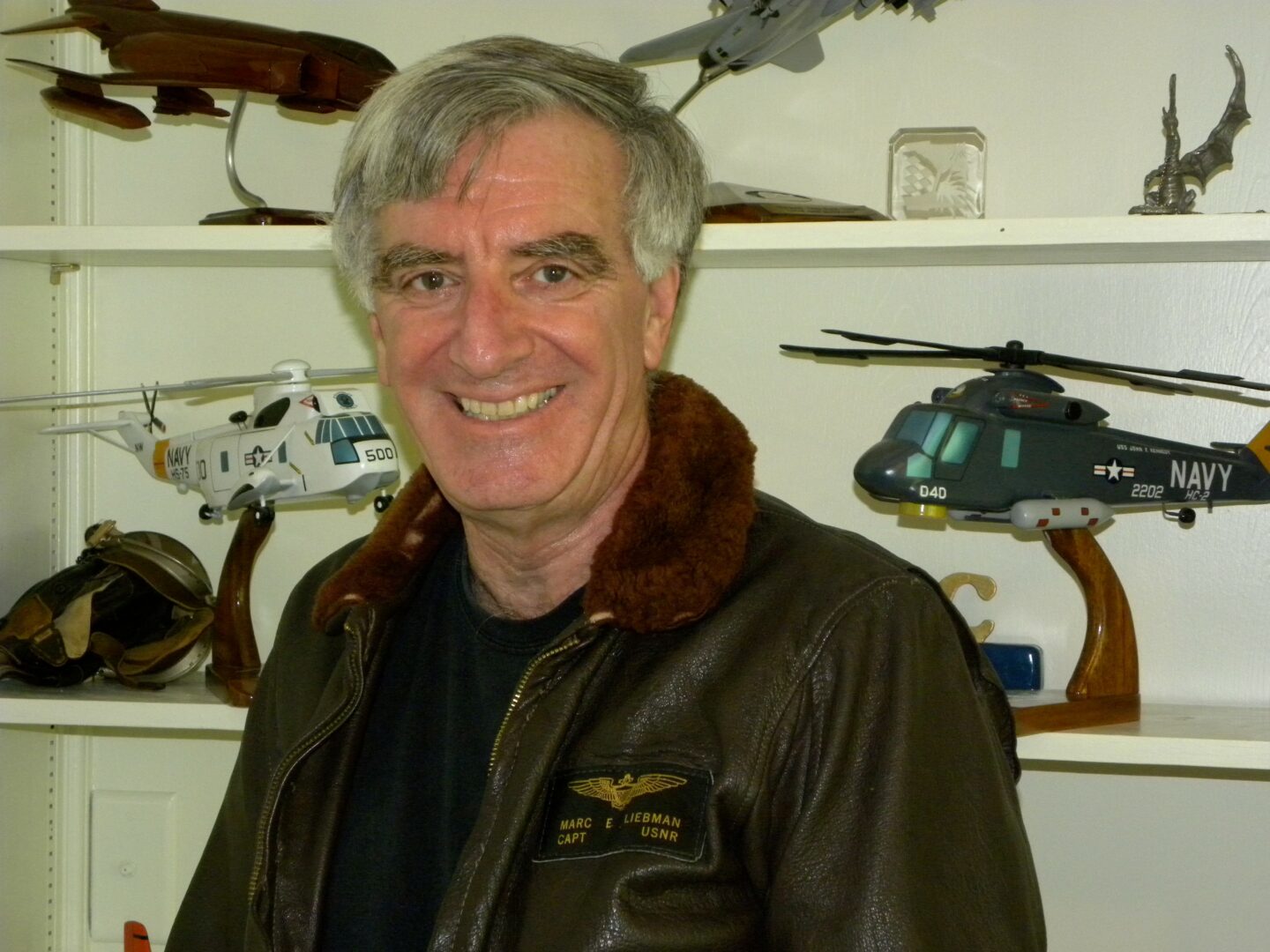
We recently connected with Marc Liebman and have shared our conversation below.
Hi Marc, so excited to talk about all sorts of important topics with you today. The first one we want to jump into is about being the only one in the room – for some that’s being the only person of color or the only non-native English speaker or the only non-MBA, etc Can you talk to us about how you have managed to be successful even when you were the only one in the room that looked like you?
This is a simple answer. Listen and lead.
Assuming you are tasked to do accomplish a task with those in the room who are knowledgeable with the issues and assigned deliverable, the first step is to go around the room and have them give you a quick bio and experience that could be tapped to achieve the goal.
Step two, restate your understanding of the biz problem and the goal and make sure that everyone has the same perception.
Step three, go around the room and ask for what does each individual believe needs to be done expressed in terms of tasks that need to be accomplished, resources (people, money, systems, material) required and time needed.
As the leader, I take notes and ask questions for clarification during this discussion.
Step four is outline the key elements I believe are needed in the solution. This takes bits and pieces from what I just heard. Discuss among the group. Am not looking for consensus, but grudging approval. The people don’t have to like the solution, they just have to do their part to the best of their ability. See leadership at the end.
Step five, assign tasks based on a mix of experience and resources required. Gain acknowledgment that the individuals will do what is tasked.
Step six, manage the execution. The steps are called management.
Leadership is motivating the team to do this project and meet expectations. As a leader, one is a barrier remover and resource provider. Performance with excellence to meet the recipient’s expectations and requirements so individual and group performance counts.
As a leader, I expect (demand?) individuals to do whatever task is assigned to the best of their ability. If not, then I will deal with it, sometimes harshly if needed. NOTE – individual and team performance is what is required. Performance has nothing to do with the color of one’s skin, one’s sexual preference, where one grew up, the language you speak at home, the country you came from, etc., etc., etc.. Performance is all about doing your job with excellence AND delivering what is asked/tasked that meets the desires of the customer.
While this sounds simple, it isn’t, but in the end, getting a disparate group to do something is all about leading (motivating, providing resources and removing barriers to success) and managing the delivery process.
Thanks, so before we move on maybe you can share a bit more about yourself?
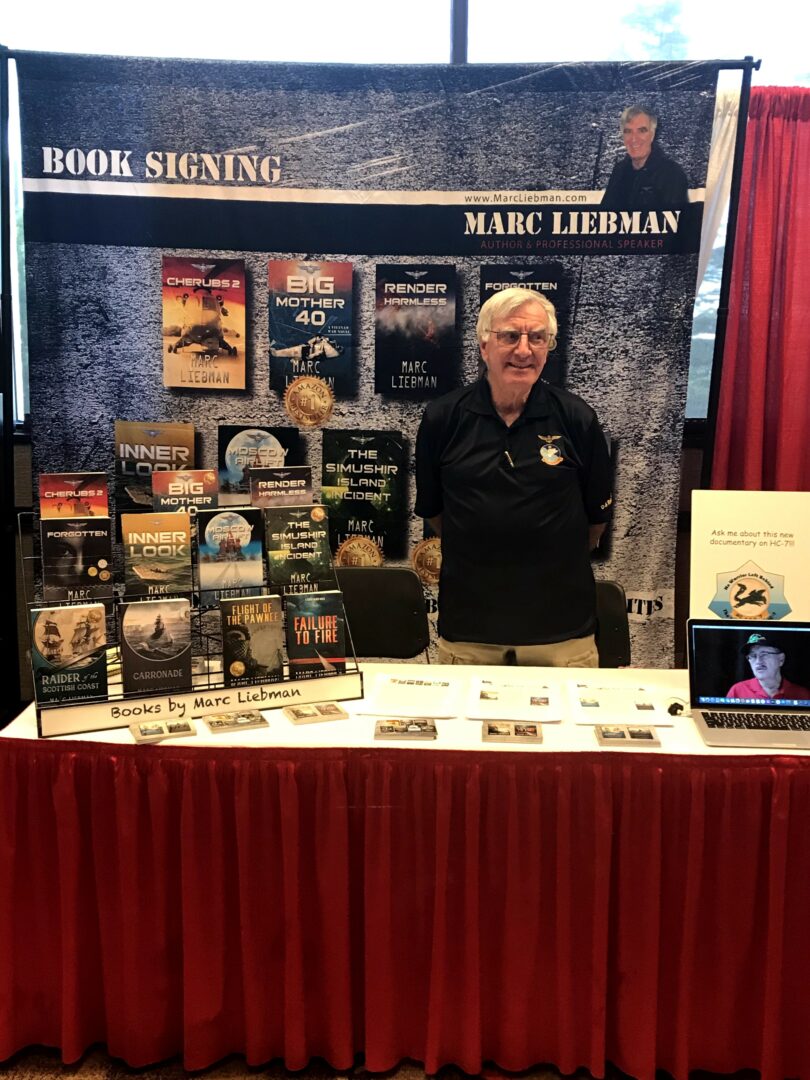
I’ve always wanted to write novels. I tell people that I became a full time author because when I retired from the business world, I could afford to work at this craft full time. As of the moment this interview is published, I have 18 novels on the market in three historical fiction genres – Age of Sail, Counterterrorism, Military/Naval. Many of them have won awards.
Bottom line is that I love the writing process and talking to readers at book signings. To me, it is no longer work and as someone who used to fill out a weekly time sheet that was used for billing purposes, those 50 – 60 hour work weeks as a consultant have morphed to 80 or more hours a week.
I was asked by my publisher if I wanted to write an Age of Sail novel and as someone who grew up reading books featuring Aubry Martin and Horatio Hornblower, it took a few nano seconds to say yes. What evolved was PhD level of education on the American Revolution to the War of 1812. I share many of the historical tidbits on this period in a blog that comes out every week. The link to my blog is https://marcliebman.com/category/blog/ .There are, as of this writing, 338 posts on my web site. All have stuff you don’t read in history books. What surprised me was that many of the issues we faced in the early days of our nation, we still face today. The issue is the same, the context that causes the problem(s) has changed.
Writing historical fiction that is historical and operationally accurate has been a labor of love. Research and making the characters interesting and different has been fun, albeit time consuming. About 60% of the time needed to write the first full draft of a novel is taken up by research. As the story is edited and refined, the amount of research needed declines but never goes away until the book is published.
In 2026, the last of the Age of Sail novels will b released in early 2026, plus two counter terrorism novels. Several readers have asked me to write a novel that takes place in WW2. What started as one, will probably be three and the first will be out in late 2026.
If you had to pick three qualities that are most important to develop, which three would you say matter most?
Persistence and intellectual curiosity would be the words I would use. Persistence includes the desire to complete the task with excellence, patience to find a publisher and go through the publishing process and willingness to set aside the time to write. This and probably stubbornness/refusal to give up, enabled me to focus on the task at hand and get books published.
Intellectual curiosity leads one down the research path. Research takes you to unexpected places, incidents, individuals an cultures all of which can be used to build the timeline of the plot and the characters. Novels are all about people. Make them interesting, different and put them in places where they struggle, fail and succeed is what it is about. research also lets you write with confidence about politically and/or culturally sensitive issues. In the end, you need to treat your characters and their values and foibles with respect. They are, after all, people.
One last piece of advice on characters in novels. When I am writing a passage, I become the principal character in the section. If there is emotion involved, fear, loathing or love, if I don’t feel it, then I know I need to rewrite the section.
What is the number one obstacle or challenge you are currently facing and what are you doing to try to resolve or overcome this challenge?
I just turned 80 and even though I like to think I am immortal, deep inside my brain, I know my time left is limited. Therefore, I feel the pressure of time and am very intolerant of those who put, for the sake of personal agendas, obstacles in my way.
So one major challenge is the time it takes to go from an idea to a published novel. This is where I feel the pressure of time the most. As I noted earlier, I have three books that will come out next year for sure and just started working on a WW2 novel that will morph into three. Plus, there are some others that I am sure will pop up. I want them out on the market before they put me in my grave.
Second is skiing. I love to ski, but as I have gotten older, I can’t ski like I did in my 50s or 60s, so I have changed how I ski, where I ski and in what conditions. An average day for me on the slopes is around 25,000 vertical feet. And, each run is very, very precious because when I go home after the trip, deep inside, I know there may not be another.
Contact Info:
- Website: https://marcliebman.com
- Facebook: https://www.facebook.com/marcliebmanauthor/
- Linkedin: https://www.linkedin.com/in/marc-liebman-2a48a136
- Twitter: https://x.com/liebman_marc/with_replies
- Youtube: https://www.youtube.com/channel/UC_sDoFQM5wupNaCeGIvKL1g
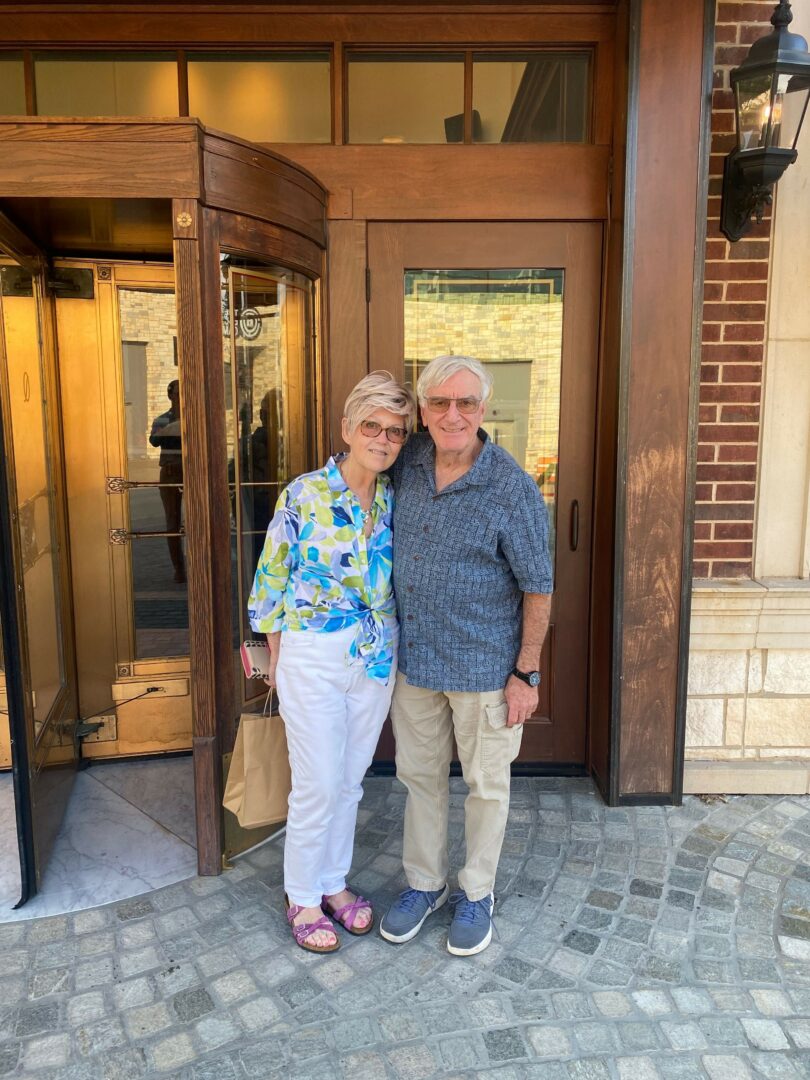
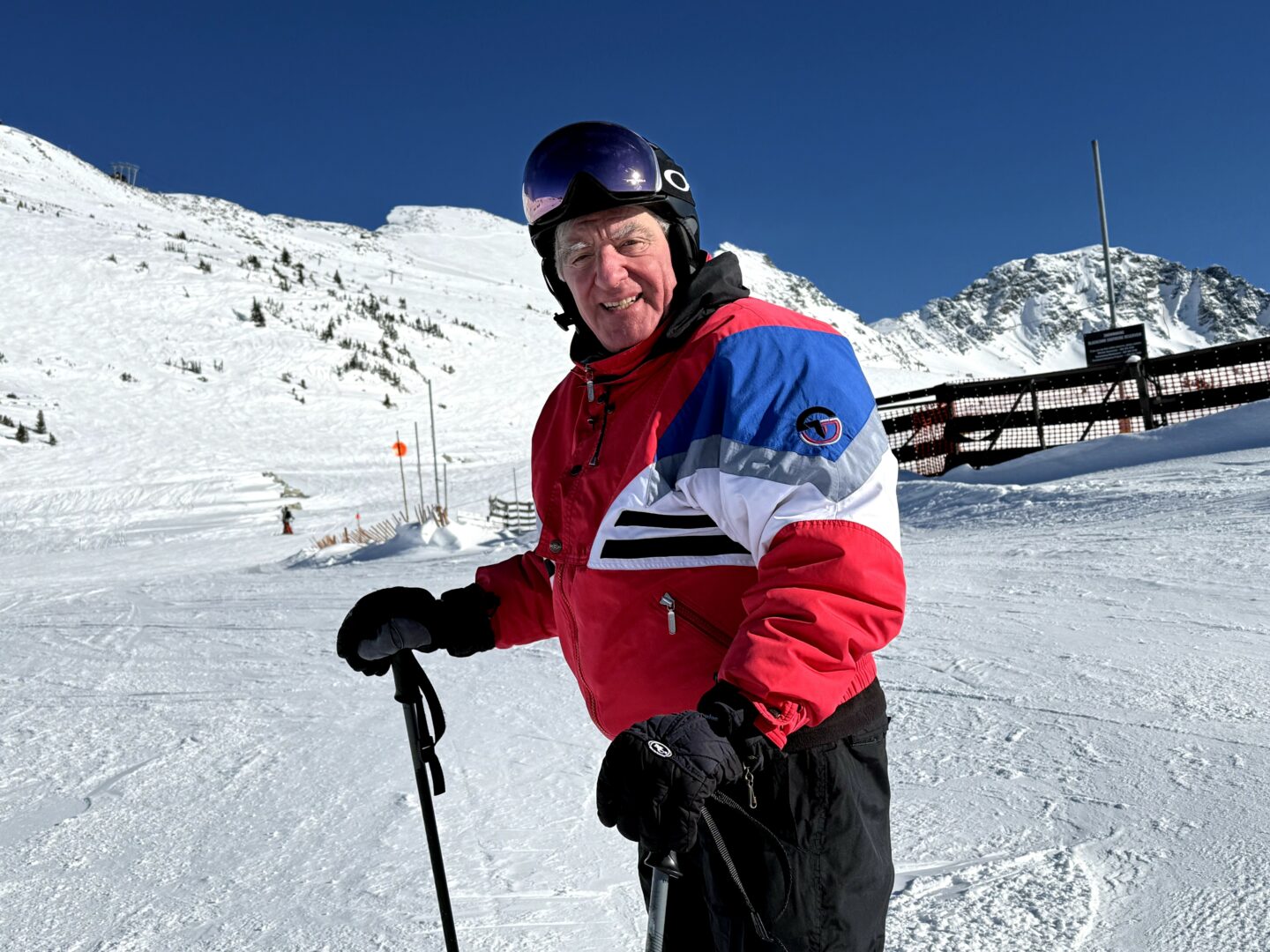
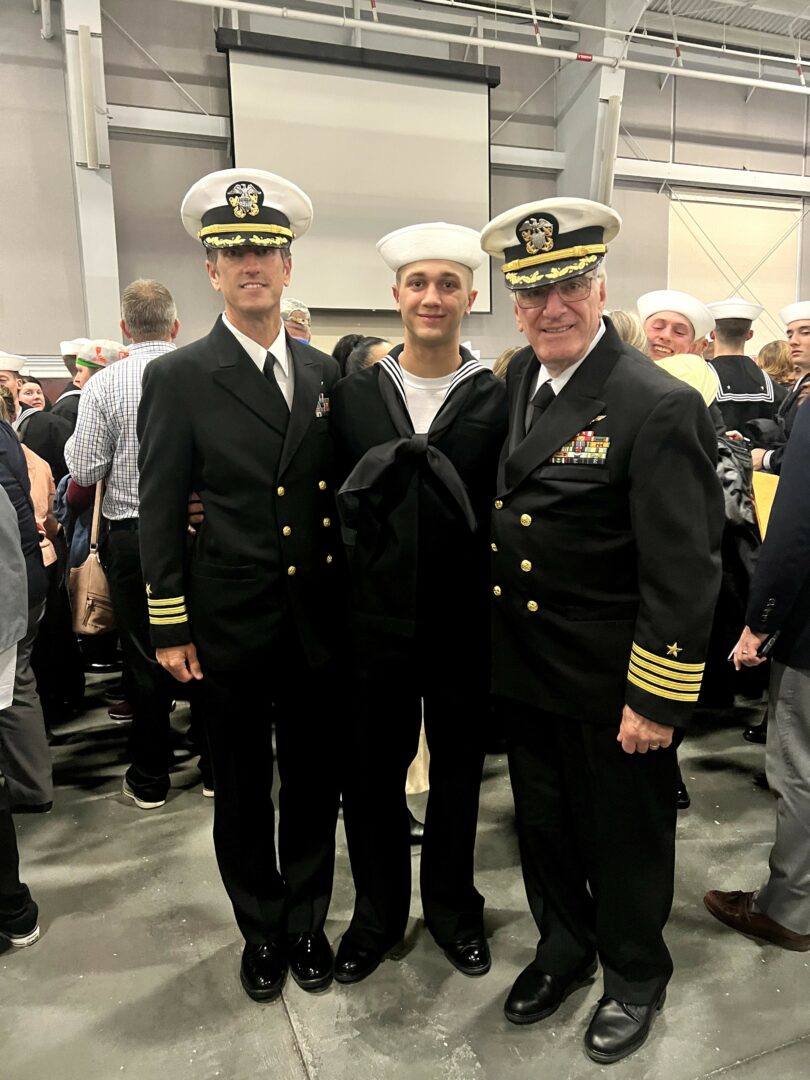

Image Credits
These are all photos of me and/or my family.
so if you or someone you know deserves recognition please let us know here.