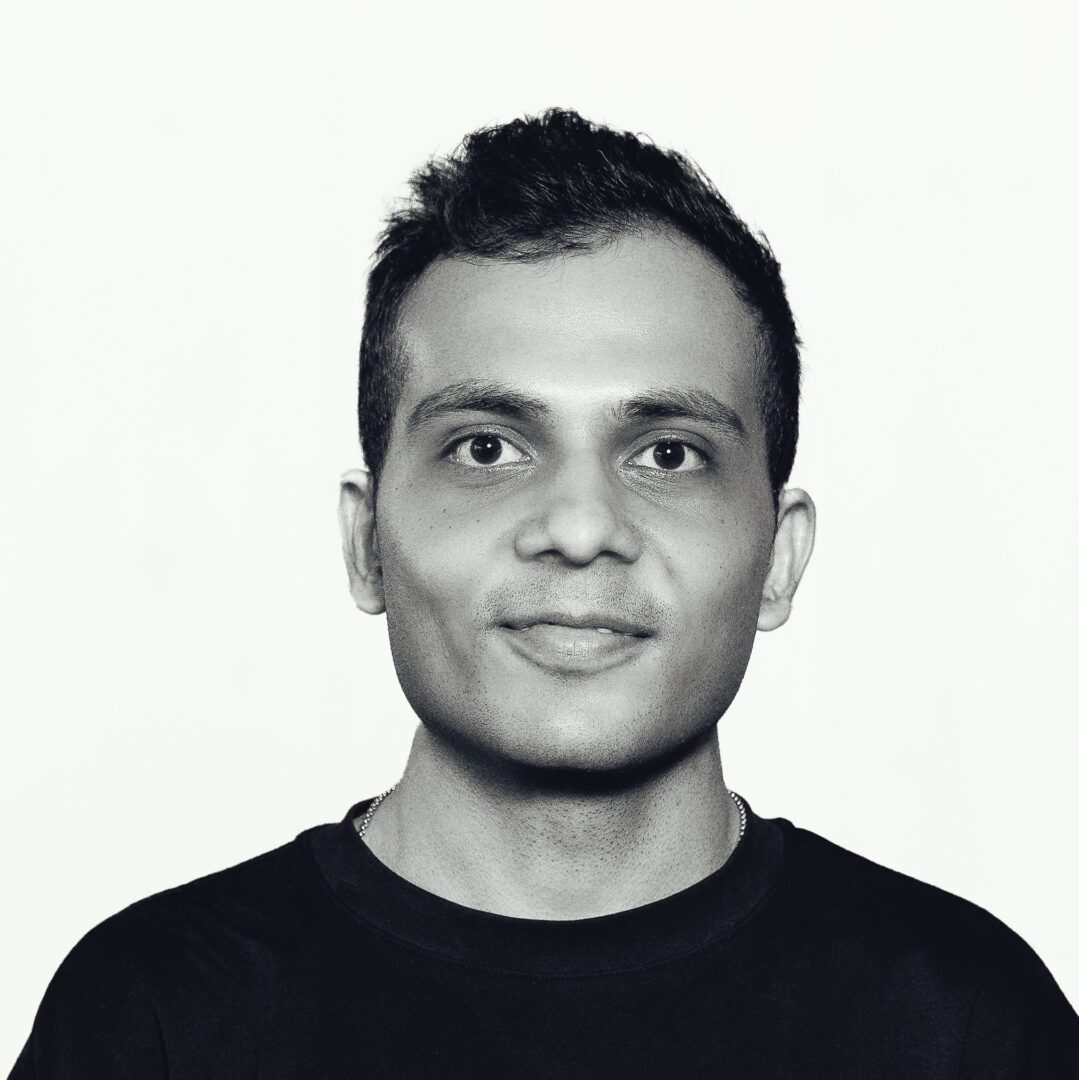
We caught up with the brilliant and insightful Param Patel a few weeks ago and have shared our conversation below.
Param, so excited to have you with us today. So much we can chat about, but one of the questions we are most interested in is how you have managed to keep your creativity alive.
For me, creativity grows out of curiosity. I have always had varied interests beyond architecture. Films, especially cinematography and editing, music from classical to soft rock in different languages, books, Broadway shows, concerts, and poetry. Each of these opens a new window into how people express emotions, tell stories, and solve problems. That mix keeps my mind open and willing to experiment.
I also think creativity appears in everyday moments. In architecture it often feels like problem solving more than anything else. I try to stay alert to small inconveniences in daily life, like the loud sound in subway stations or a clunky user interface in Revit. Paying attention to these moments helps me imagine ways they can be improved, and that habit builds a solution oriented mindset.
Another way I stay creative is through simple observation. Walking through the city and noticing how light moves across a facade or how people use a public space often sparks ideas without any effort. When I slow down and let myself notice things, inspiration tends to show up on its own.
Great, so let’s take a few minutes and cover your story. What should folks know about you and what you do?
I am an architectural and urban designer based in New York, and most of my work sits at the intersection of buildings, public space, and the everyday experiences of people who move through the city. My background is a mix of formal architectural training and a deep curiosity for visual storytelling, which comes from years of exploring film, music, and digital art. That combination shapes the way I approach design. I enjoy thinking about how a space feels, how it guides movement, and how it can quietly improve someone’s day.
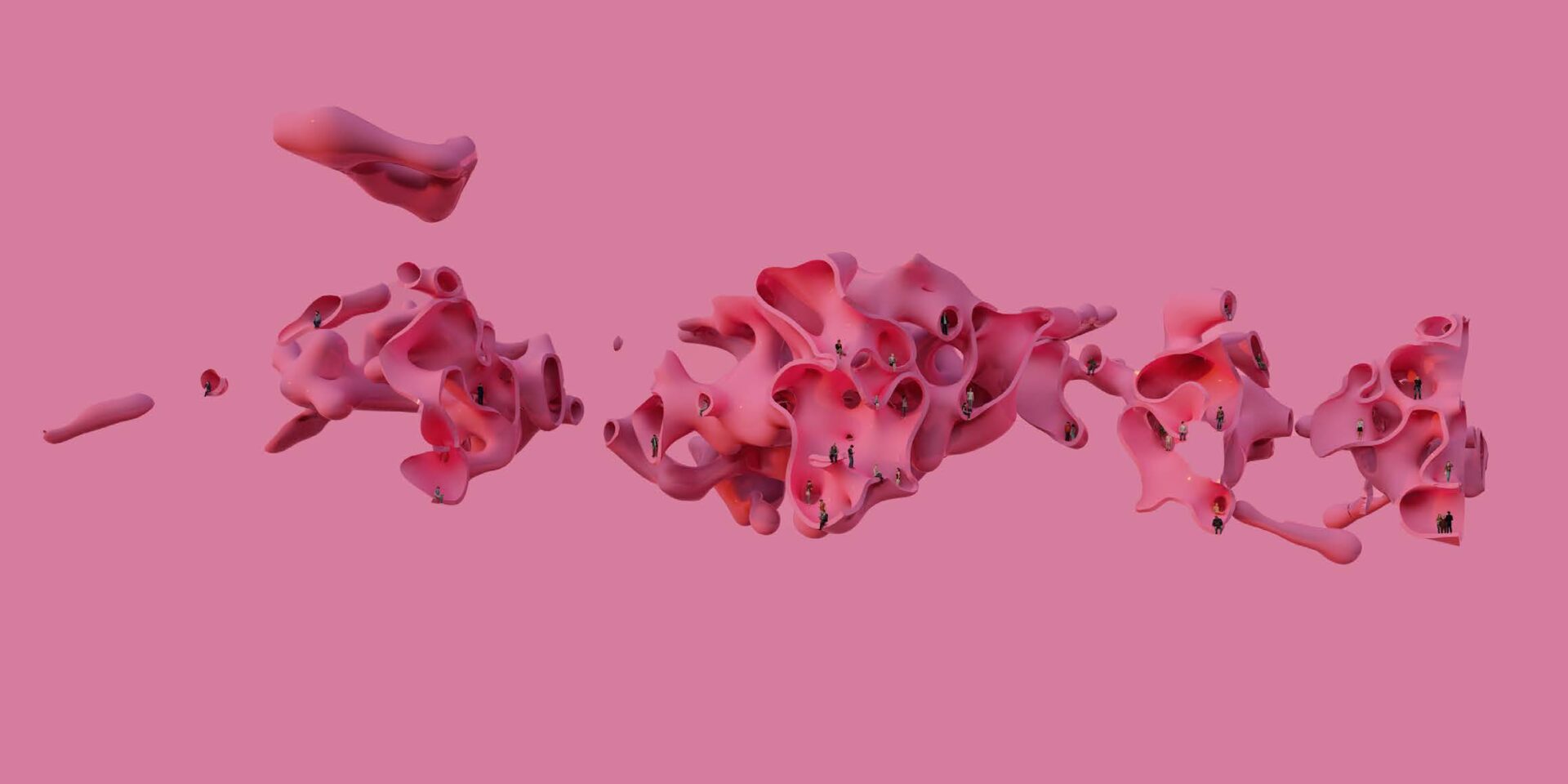
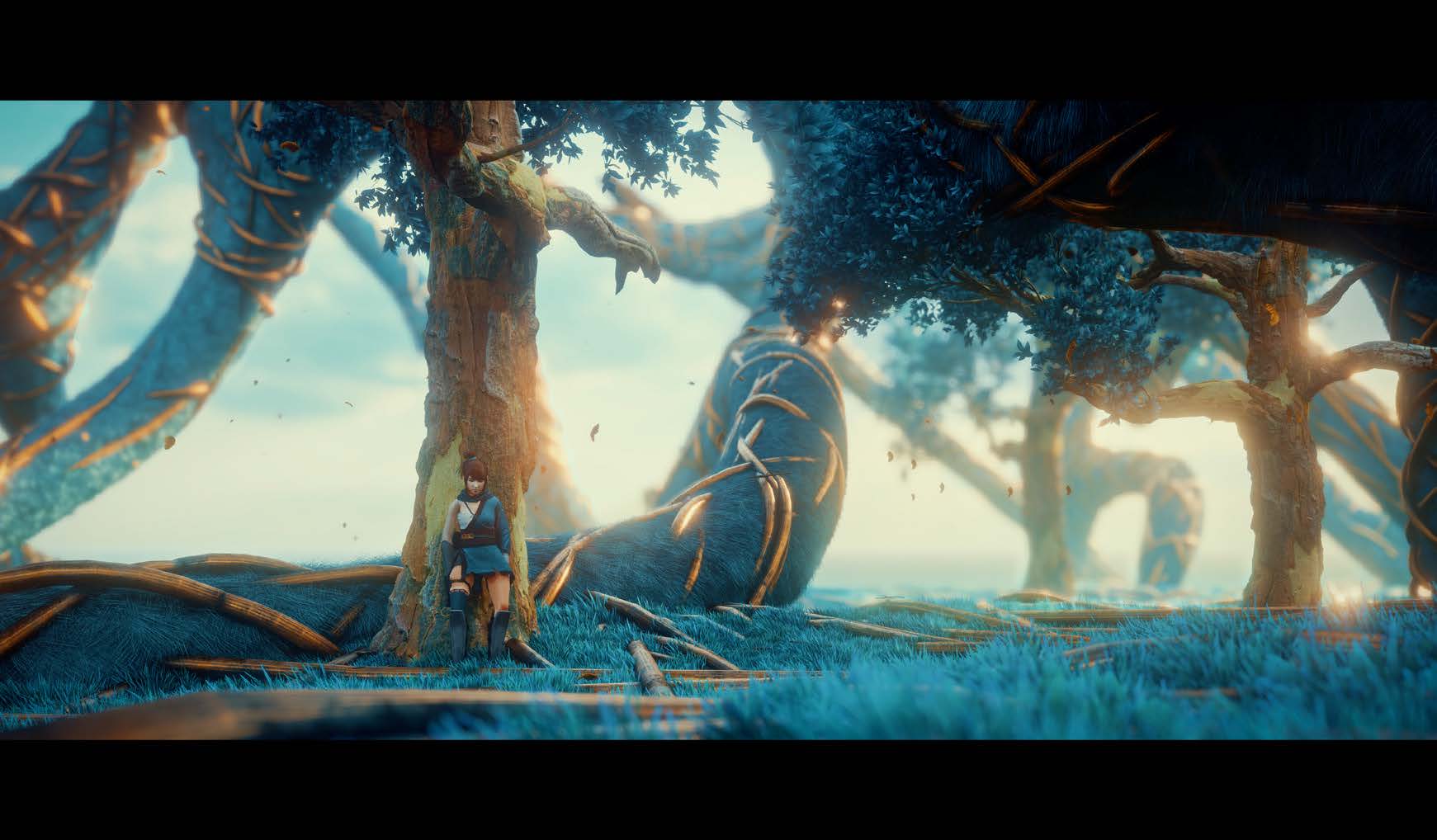
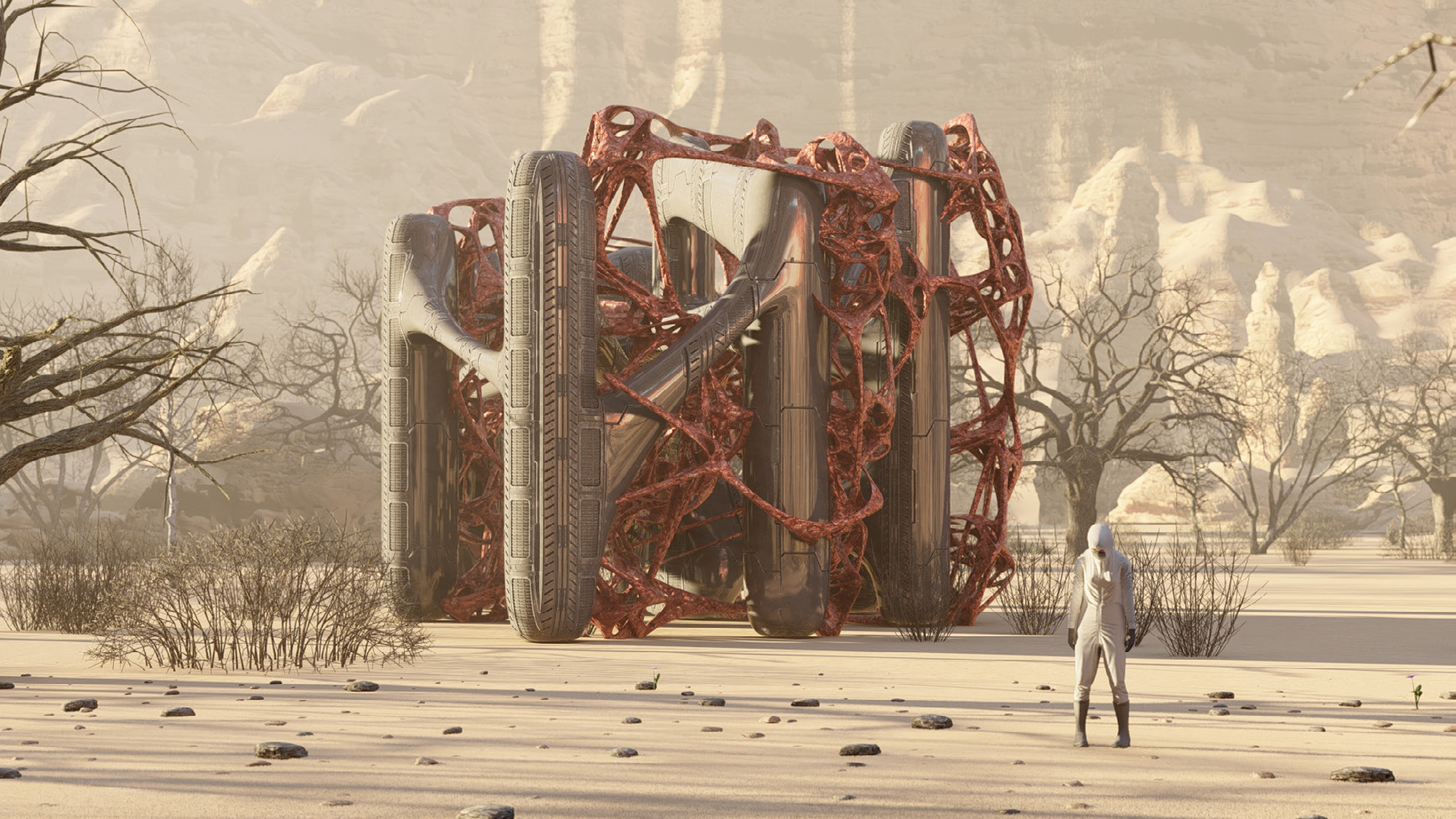
Professionally I work on a range of projects, from townhouse and apartment renovations to larger urban design concepts and design competitions. What I find most exciting is the blend of creativity and problem solving. Every project asks for a balance between beauty, logic, and practicality, and that challenge keeps the work engaging. I also enjoy using tools like digital modeling and rendering to visualize ideas in ways that feel atmospheric and cinematic. It is a part of the process that connects architecture with the broader world of art.
I am also focused on expanding my work as a visual storyteller. Alongside design projects, I create digital art, conceptual worlds, and cinematic renderings. These allow me to explore ideas without the constraints of a building code or a site. It is a way of keeping my imagination alive and pushing my technical skills further. I see this as part of my broader creative practice rather than something separate from architecture.
As for what is new, I am currently working on a series of competition entries and personal design studies that explore emotional atmospheres in architecture. I am also slowly building a collection of visual work that I hope to exhibit or publish in the near future. My long term focus is to continue growing as both a designer and an artist, and to create work that brings together craft, emotion, and curiosity.
If you had to pick three qualities that are most important to develop, which three would you say matter most?
The first quality that shaped my journey is curiosity. I have always been drawn to different art forms, and exploring films, music, books, and live performances helped me develop a broader sense of aesthetics. Your taste does not arrive fully formed. It grows slowly as you experience more and pay attention to what moves you. For anyone starting out, I would say stay open to variety. Let new ideas influence you, even if they feel outside your comfort zone. Over time this becomes the foundation of your creative voice.
The second is patience. Architecture and design are fields where growth happens gradually. It takes time to build judgment, confidence, and a clear point of view. Early in the journey, it is easy to feel pressure to be exceptional right away. My advice is to embrace the slower pace and treat every project, no matter how small, as part of your long term development. Consistent practice shapes your skills in ways you only understand later.
The third is a calm, problem solving mindset. Design work often involves working through uncertainties, constraints, and details that need careful thought. Approaching these moments with patience and clarity makes a huge difference. For people who are just beginning, noticing challenges and thinking through them with curiosity rather than frustration can help you grow faster and feel more confident in your abilities.
In the end, staying curious, staying patient, and staying thoughtful about how you approach challenges creates a strong foundation for any creative path.
As we end our chat, is there a book you can leave people with that’s been meaningful to you and your development?
One book that stayed with me is Architecture: Form, Space, and Order by Francis DK Ching, which gave me a clear foundation in how form and proportion quietly shape the way we experience space.
The book that impacted me the most, though, is Jane Jacobs’s The Death and Life of Great American Cities. It completely shifted the way I see cities. Jacobs made me pay attention to everyday urban life: sidewalks, small shops, parks, and the natural rhythm of people moving through a neighborhood. She shows how real vibrancy comes from mixed uses, density, and the constant presence of people rather than grand planning ideas.
The idea that stayed with me is her belief that cities work best when they support natural human interactions. Safety, community, and energy come from people watching the street, walking, talking, and simply being present. Her writing taught me to value the small things that make a neighborhood feel alive and to see public space as something emotional as much as functional.
Together these books shaped both my technical understanding of space and my human understanding of the city.
Contact Info:
- Instagram: param.patel___
- Linkedin: https://www.linkedin.com/in/param00patel/

so if you or someone you know deserves recognition please let us know here.