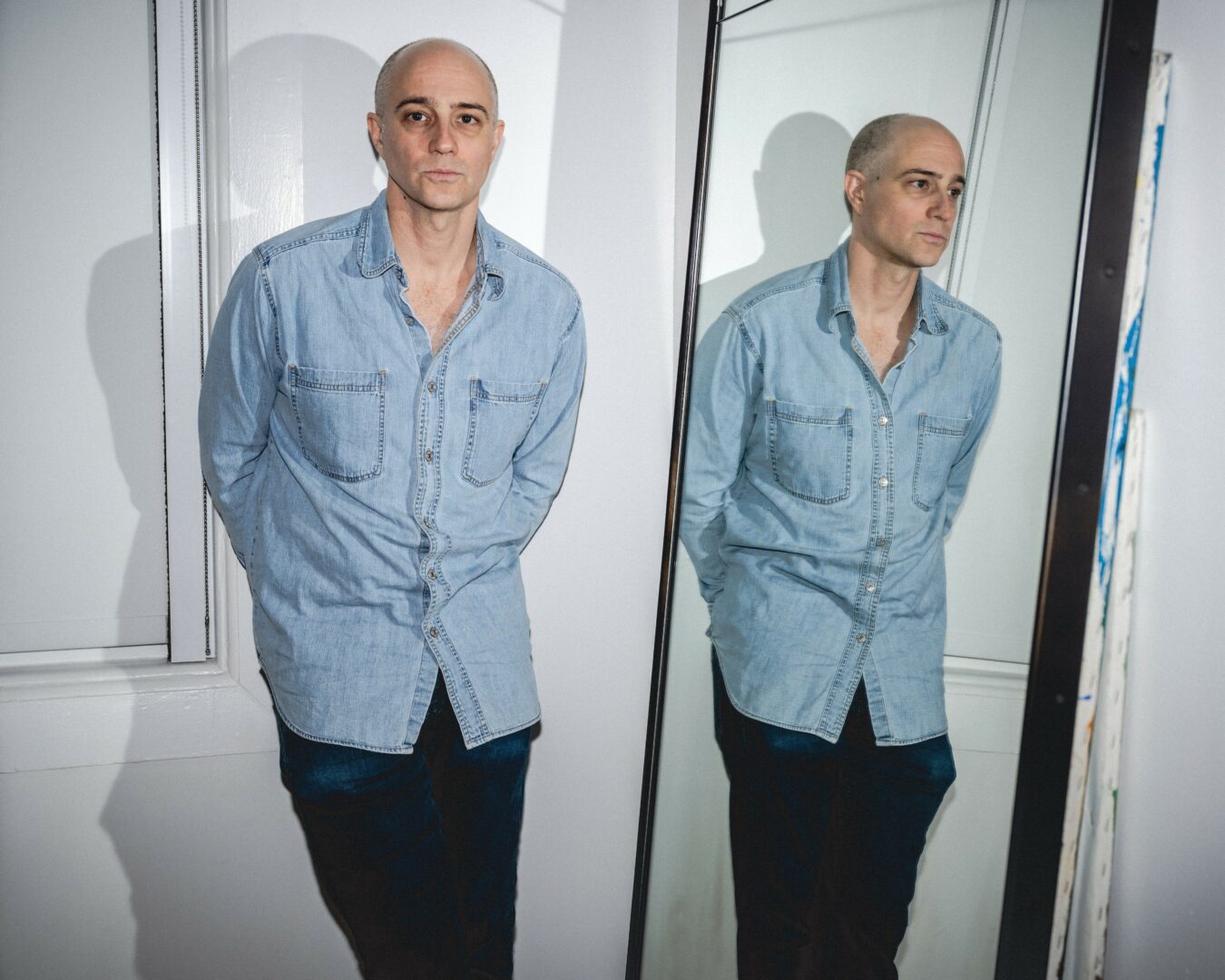
We recently connected with Jordan Galland and have shared our conversation below.
Alright, so we’re so thrilled to have Jordan with us today – welcome and maybe we can jump right into it with a question about one of your qualities that we most admire. How did you develop your work ethic? Where do you think you get it from?
I think my work ethic comes from how I grew up. Both my parents worked in the medical field, and took their responsibilities to patients incredibly seriously. I spent afternoons in my dad’s office doing homework and finding ways to keep myself busy while they finished up. Many nights I’d fall asleep and wake up already in the taxi home because they worked so late. That level of commitment to work was normal for me. I also had two much older brothers who were deep into the arts, music, painting, acting. They would study artists they admired, sketch in museums, finish watching a movie by breaking down what made a great performance. Watching them analyze masters and the craft taught me how dedication is propelled by genuine enthusiasm. When I got into songwriting and filmmaking, I found myself getting completely pulled in, spending long hours trying things, messing up, exploring, and not even noticing how much time had passed. That’s the energy I’ve always leaned on, a mix of discipline, curiosity, and enthusiasm that was modeled for me from a young age.
Great, so let’s take a few minutes and cover your story. What should folks know about you and what you do?
Having to amuse myself as a child taught me how to self-generate a sense of delight and curiosity. If I hit a wall with one project, I move to another. I bring pens, notepads, books, and a camera with different lenses everywhere I go, especially if I know I’ll be sitting quietly or waiting at a doctor’s office. Staying active and processing the world into creative possibilities keeps me grounded, and gives me options that don’t involve losing hours to my phone. While self promotion is a useful skill when the time is appropriate, social media becomes a kind of gravitational pull, a black hole that redirects your energy toward seeking validation instead of toward the kind of uncomfortable, private work that actually produces good art. When I was younger, this wasn’t as much of a concern because publicity typically came only after a project was complete. Even if you started a project for superficial reasons, you still had to fight through the long, messy, unglamorous parts. Today there’s an immediacy employed by technology that can bypass the uncomfortable stretches which are necessary to deepen a piece, and the result can feel thin, like it never had time to develop any real nutritional value. And because so much can be written, produced, and released alone, I try to deliberately counteract that by adding real human interaction back into the process. I won’t demo a song until I’ve played it on stage, and I won’t share a script until I’ve heard it aloud with actors. It sounds like a simple obvious step, but I had stopped doing that for over a decade, and now I find that creates a more living, breathing relationship with what I make. It keeps the pressure of validation at bay and quiets the instinct to chase approval. It’s also why I’ve been taking on more acting roles lately, you can’t polish a live performance with editing software or plug-ins. Acting forces vulnerability in real time, and that has completely renewed the thrill of creativity for me.
There is so much advice out there about all the different skills and qualities folks need to develop in order to succeed in today’s highly competitive environment and often it can feel overwhelming. So, if we had to break it down to just the three that matter most, which three skills or qualities would you focus on?
If I had to name three qualities that have helped, the first is being comfortable hanging out alone with myself. Collaboration is amazing, but you can’t show up for other people unless you’ve spent the time alone building skills, hitting walls, figuring things out on your own. The second is staying open-minded. The world is so much more interesting when you trust that you could stumble on something great around any corner.
The third is trickier to describe, more like an ongoing goal than something I’m good at. I picture it as this mix of calm bravery and a little carefree energy. You have to put your work out there, sing a song in public, show your art, pitch your film idea, and not let people’s opinions throw you off, while still learning from the experience each time. Definitely easier said than done, but it’s what I’m always aiming for.
As we end our chat, is there a book you can leave people with that’s been meaningful to you and your development?
A book that’s recently hit me in a big way and kind of retroactively explained a lot of what I’ve been doing all along, is “A Swim in the Pond in the Rain” by George Saunders. It’s technically a masterclass on writing, but it was actually recommended to me by an acting teacher at HB Studio, Josiah Bania, because of how deeply it connects craft to empathy. I’m paraphrasing, but Saunders basically argues that if you describe a character as “a jerk”, you’re not giving them a fair shot. When you start asking why they’re a jerk, and fold that into your description, now you’re digging into the complicated, messy human being underneath, and that’s where good writing comes from. And if you practice that kind of curiosity on the page, there’s a chance it might make you a more empathetic person in real life. That idea really stuck with me. The other part of the book I love is how Saunders talks about revisions. You have to trick yourself into thinking you’re the reader or the listener, but at the same time, you hold this almost godlike ability to change anything you want. You go through the work over and over, adjusting big things then tiny details, until it feels more true or more meaningful. And that applies across every creative field. If an actor goes over their lines 500 times, the meaning deepens. As a film editor, I’ve felt that same phenomenon, nothing is ever fully “done,” the changes just get smaller and smaller until you naturally stop. And to the audience, that’s the finished piece.
Contact Info:
- Website: jordangalland.com
- Instagram: @landofgal
- Youtube: https://www.youtube.com/channel/UChBOTYnv78S0NCM7IE5oPQw
- SoundCloud: https://soundcloud.com/slush-puppy-music
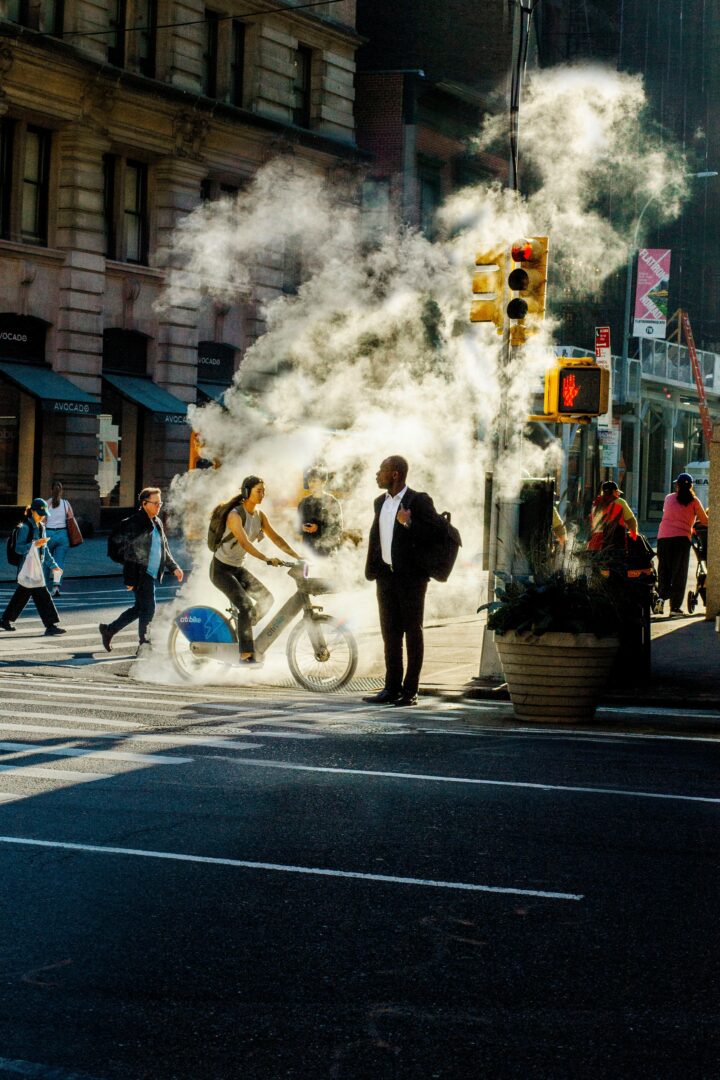
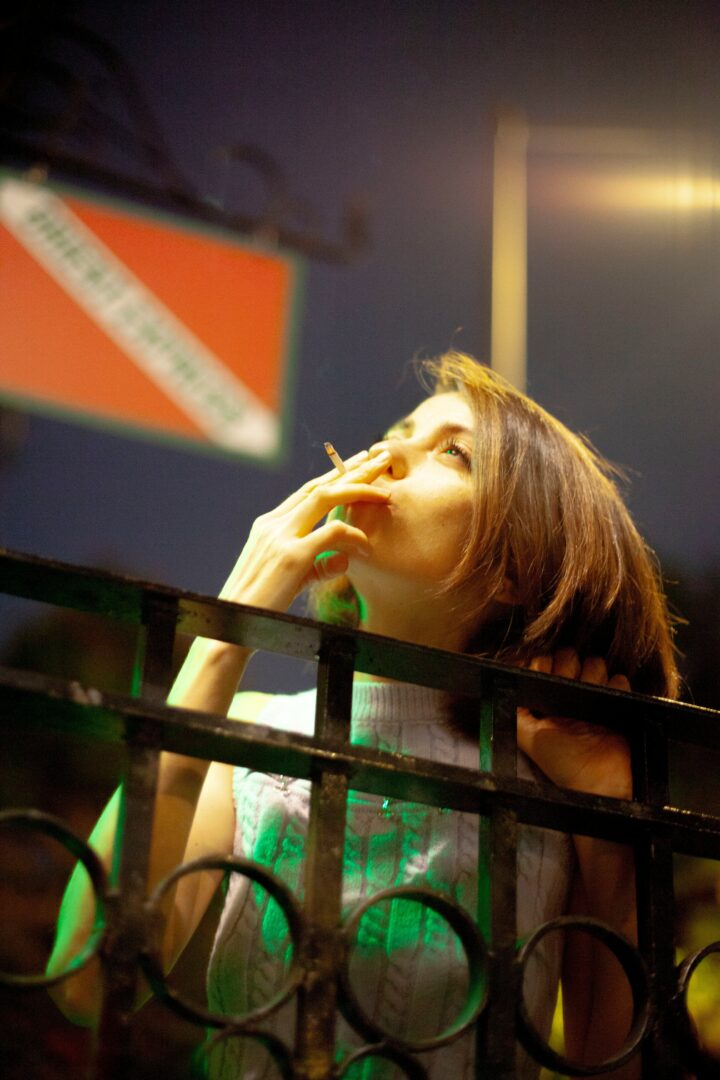
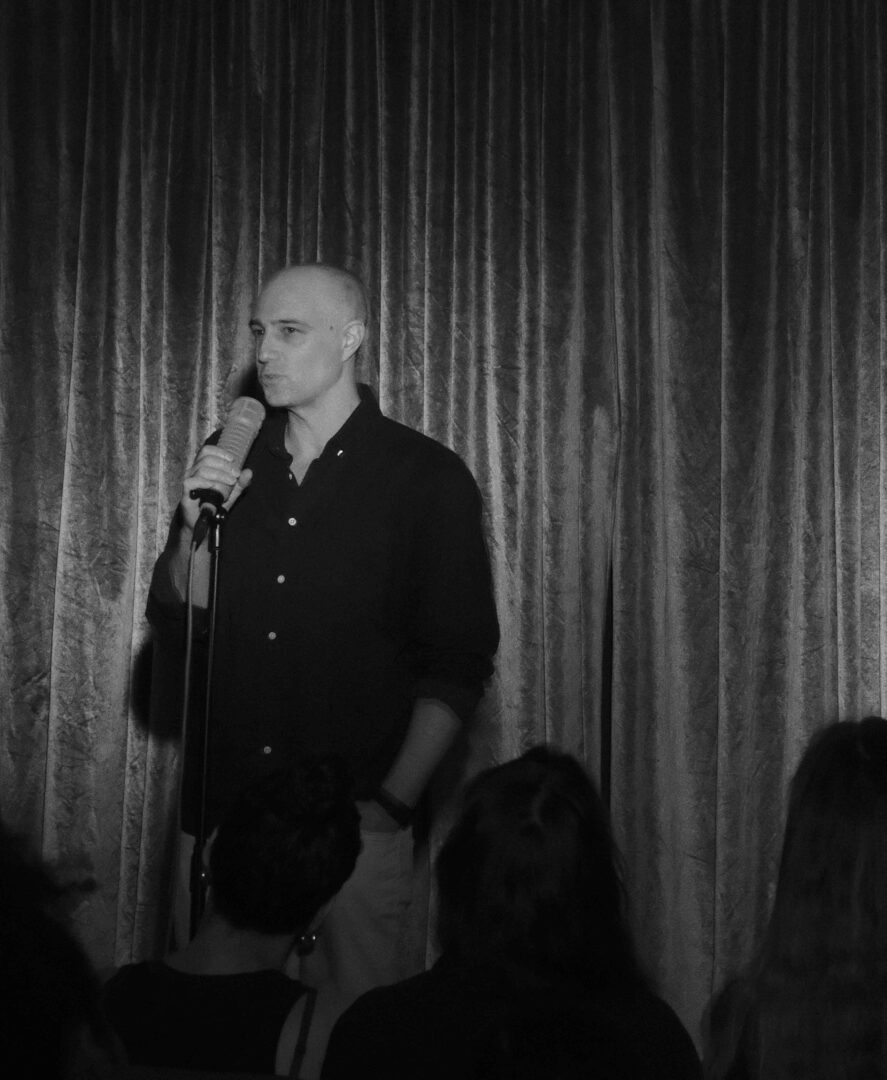
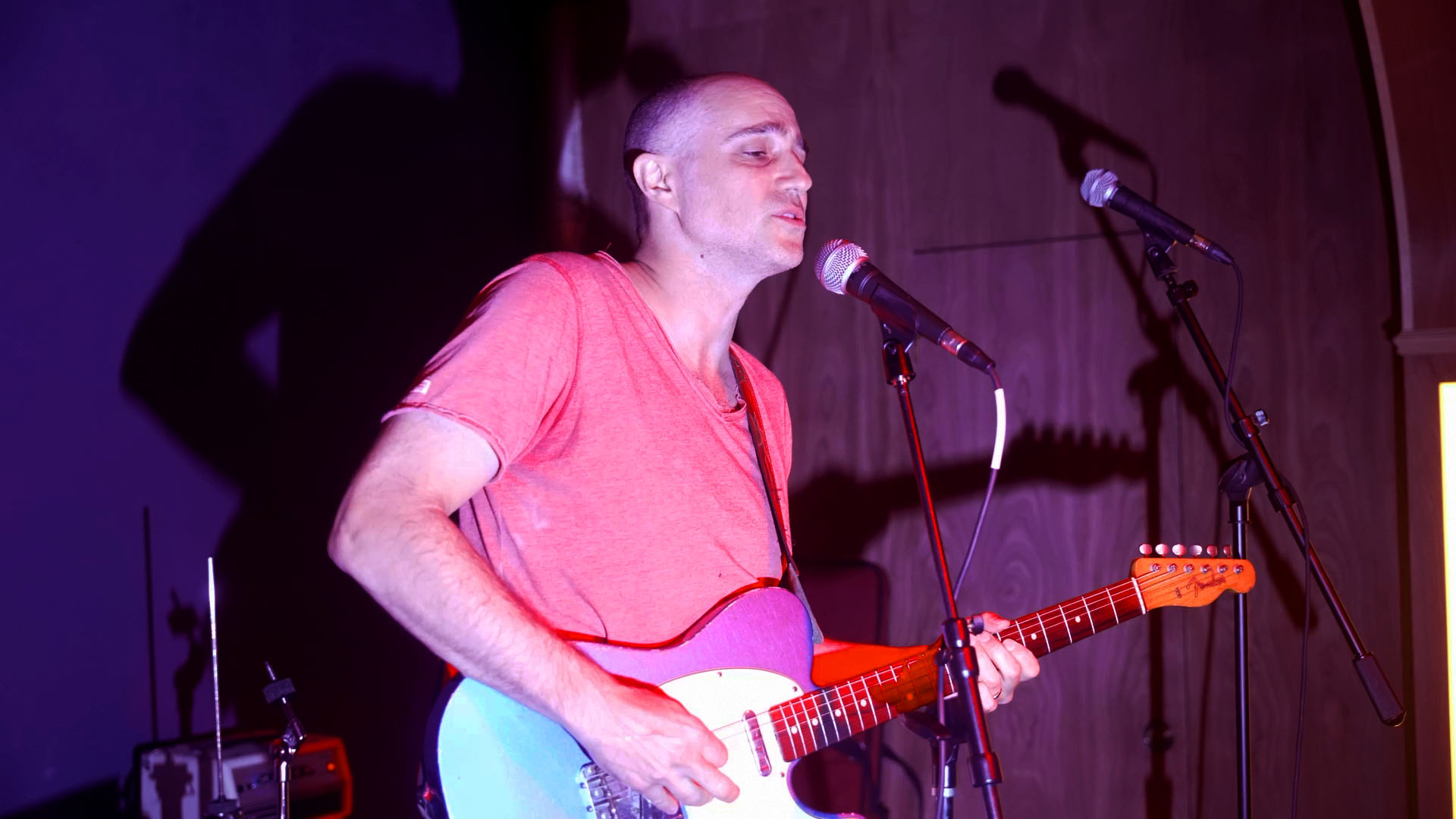
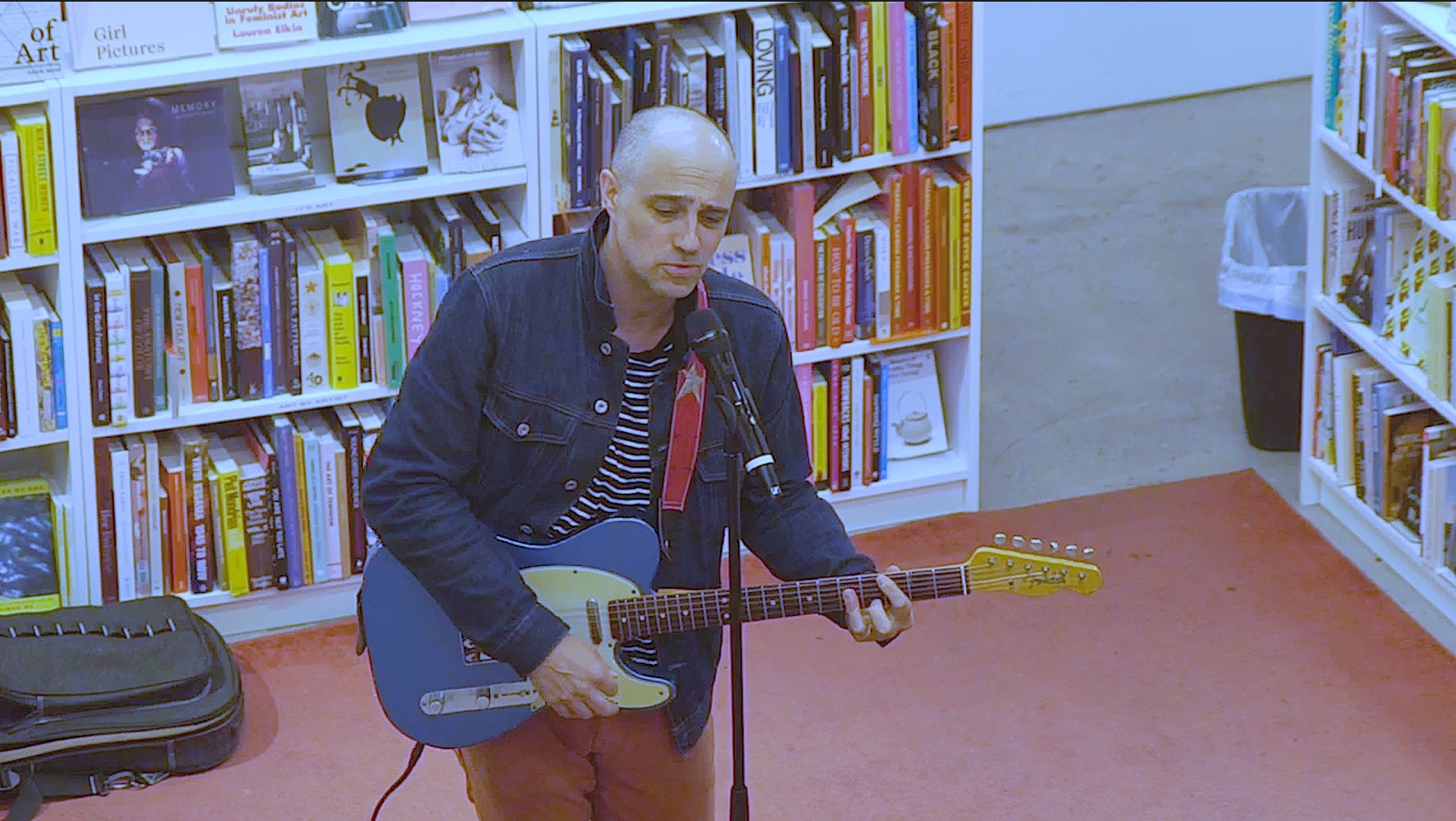
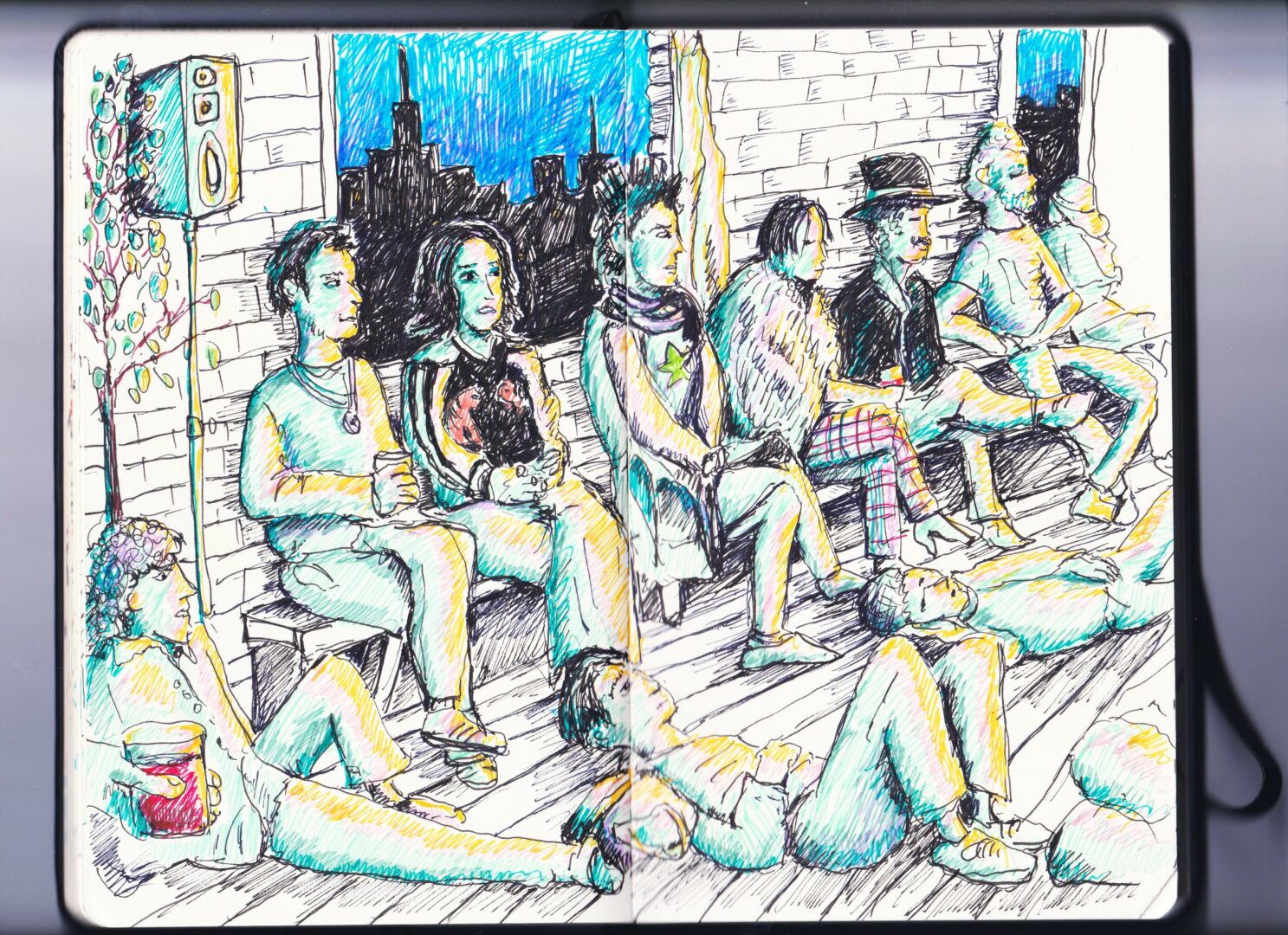
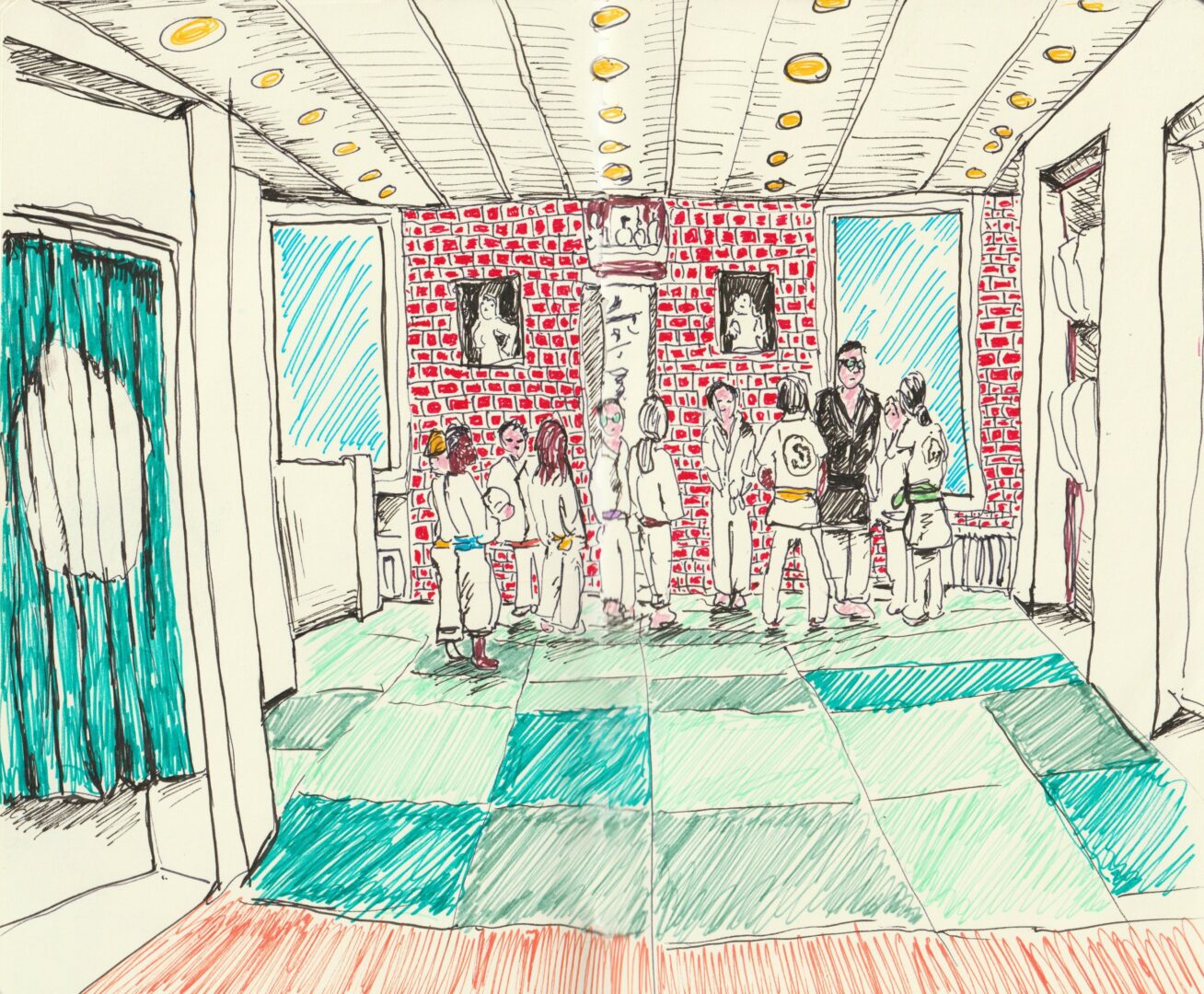
Image Credits
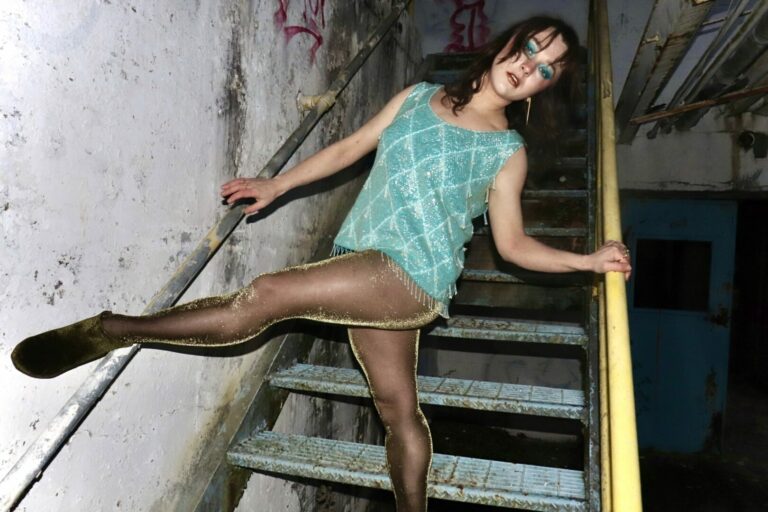
1. By Karla Rose Moheno
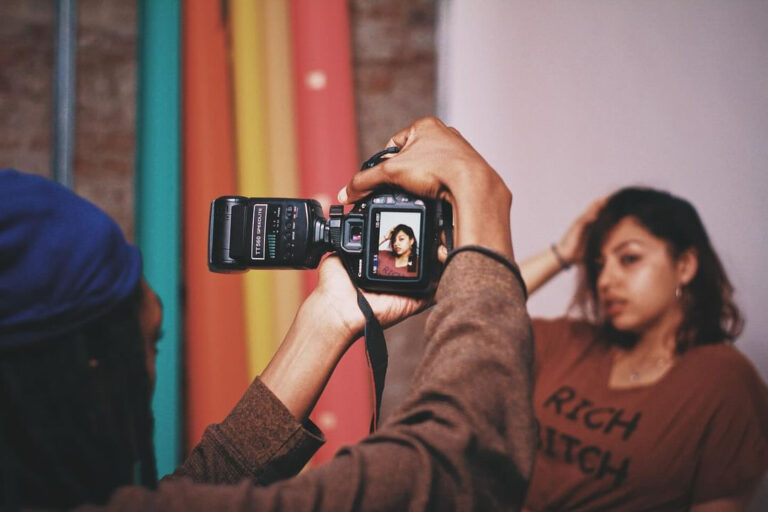
2. By Michael Leviton at “The Tell”
3. At Bowery Electric
4. At P&T Knitwear
5. Notebook sketch from a listening party for Arpana Rayamajhi’s “About Time”
6. Sketching karate class at Do Ken Wa Kan.
7 & 8. Recent street photos from NYC.